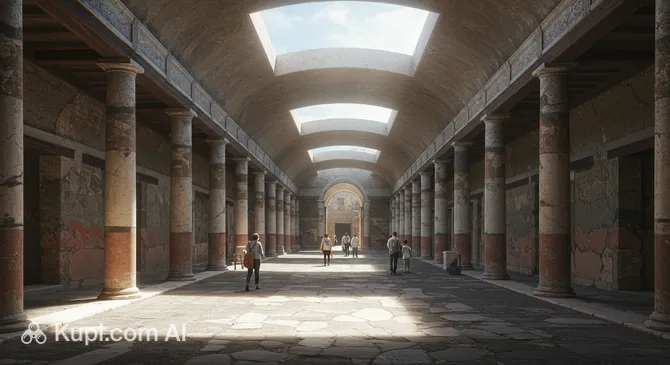
Pompeii is a city where time seems to have stood still, preserving for us amazing evidence of ancient life. Located in the Campania region of southern Italy, at the very foot of the famous volcano Vesuvius, Pompeii was once a thriving commercial and cultural center. Today, this place attracts researchers and travelers from all over the world, eager to touch history.
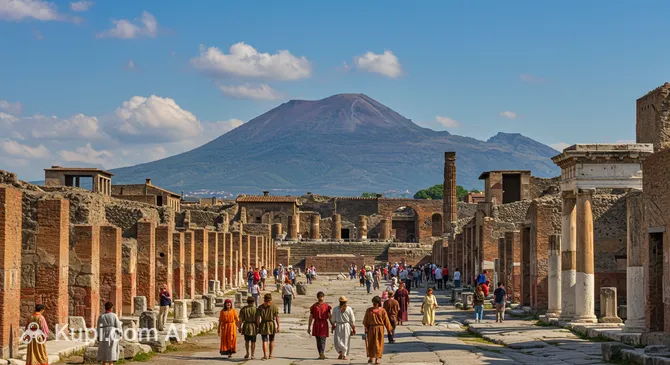
Modern-day Pompeii is a relatively small city with a population of about 25,207 people, part of the Metropolitan City of Naples. However, its historical significance is immense. The main jewel and the reason for its world fame is the vast Pompeii Archaeological Park—an ancient city buried under a layer of ash as a result of the eruption of Vesuvius in 79 AD and perfectly preserved to this day. This unique UNESCO World Heritage site attracts millions of tourists every year.
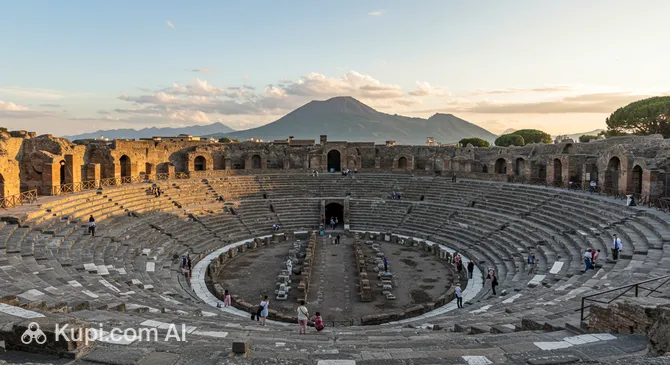
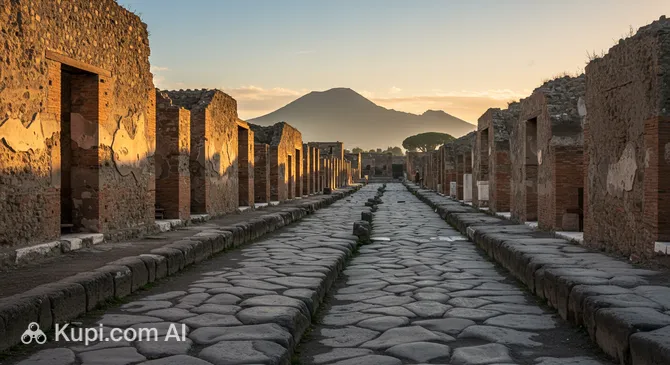
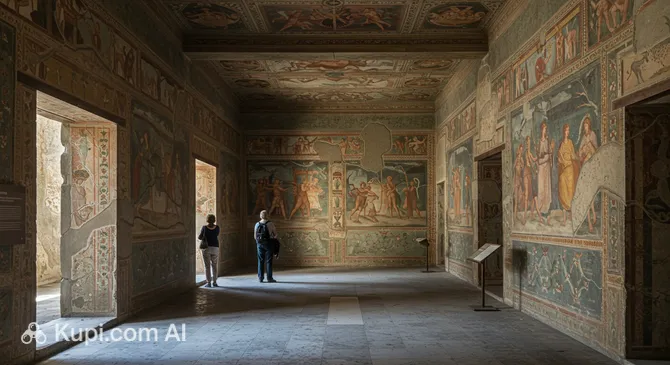
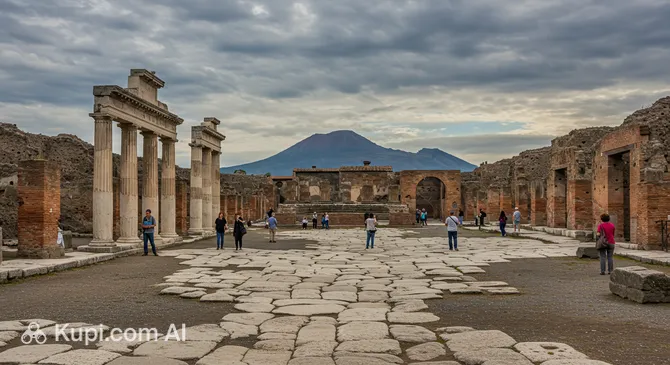
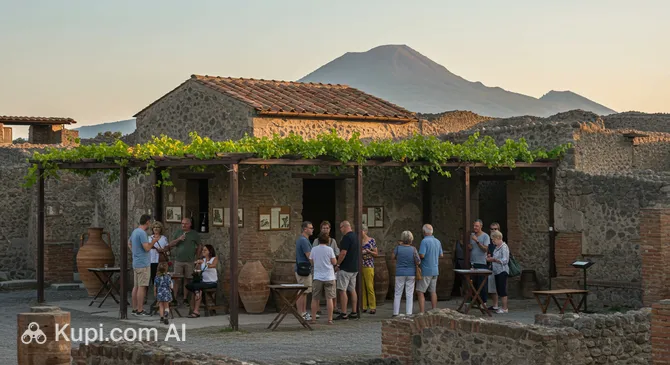
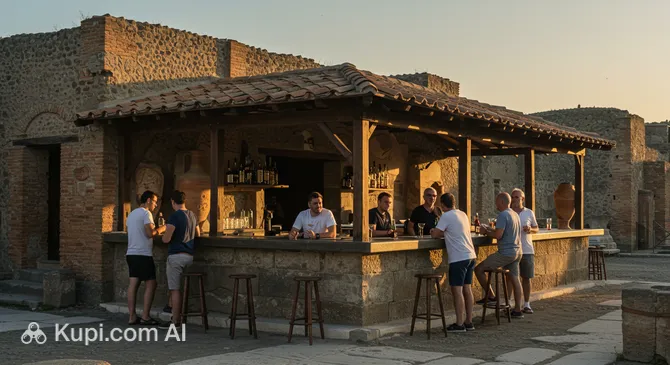
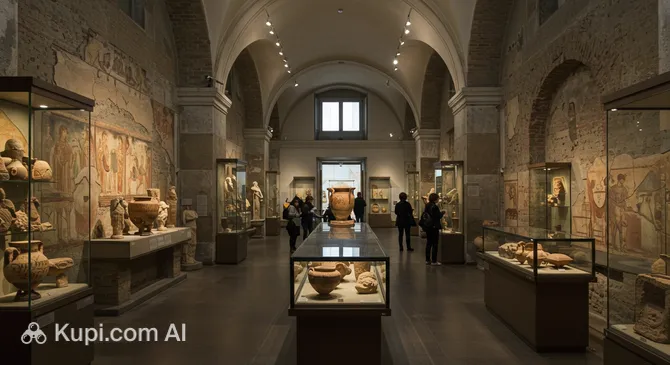
The atmosphere of Pompeii is unique: here, ancient ruins harmoniously coexist with the residential quarters of the modern city. A walk through the paved streets of ancient Pompeii allows you to literally dive into the past, seeing houses, temples, the amphitheater, and even traces of the daily lives of people who lived almost two thousand years ago. Every stone here holds its own story, and the frescoes and mosaics amaze with their preservation and craftsmanship.
A visit to Pompeii is a unique opportunity to see with your own eyes how ancient Romans lived, worked, and relaxed. The city impresses with its scale, the level of preservation of ancient buildings, and the special atmosphere of frozen time. This is a journey that leaves a deep mark on the soul and allows for a new perspective on human history.
You can find more interesting facts on the Pompeii city history page.