Support

Minami Daito

About

Minami Daito is a captivating and remote island located in the Okinawa Prefecture of Japan. Unlike the sandy beaches often associated with the region, this unique destination is a raised coral atoll surrounded by dramatic limestone cliffs that drop sharply into the deep sea. With a population of approximately 1,300 residents, it offers a tranquil and intimate atmosphere, far removed from the hustle and bustle of major tourist hubs.
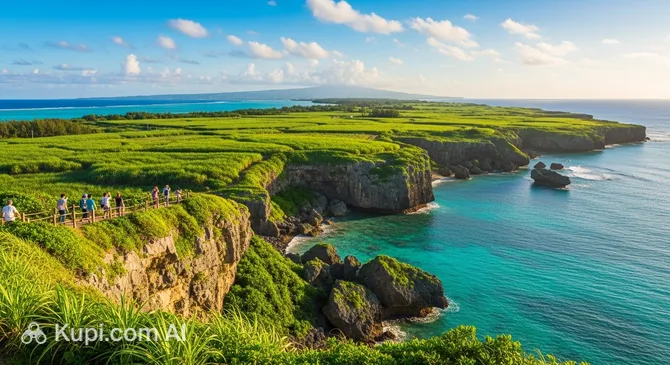
Minami Daito. Source: Kupi.Binoculars

The island is geographically isolated, situated about 360 kilometers east of Naha. This isolation has allowed it to develop a distinct culture and ecosystem. Exploring the history of Minami Daito reveals a fascinating past; the island was largely uninhabited until pioneers from Hachijo Island settled there in the early 1900s to cultivate sugarcane. This heritage blends Okinawan influences with traditions from the Izu Islands, creating a cultural mix found nowhere else in the prefecture.

Visitors are drawn to the island's stunning natural features, particularly the Hoshino Cave, which is considered one of the most beautiful limestone caves in East Asia with its pristine stalactites and stalagmites. The surrounding ocean, known for its mesmerizing deep "Daito Blue" color, offers incredible opportunities for fishing and diving, although swimming is typically enjoyed in man-made rock pools carved into the coast due to the lack of natural beaches. Don't miss the chance to try the local culinary specialty, Daito Sushi, or sample the island's famous rum made from locally grown sugarcane.

If you are looking for an off-the-beaten-path adventure, Minami Daito welcomes you to experience its rugged beauty, starry skies, and warm hospitality.

Weather Overview

Minami Daito generally offers a warm and comfortable climate year-round, characterized by mild winters and hot summers. Because of its location in the subtropical zone, the island rarely sees extreme cold, with average temperatures in the coolest months, January and February, staying around 19.5°C. This makes it an inviting escape for travelers seeking to avoid freezing conditions.

During the summer months, particularly July and August, the heat intensifies, with average temperatures reaching up to 28.5°C. Travelers should be prepared for frequent precipitation during this season; for instance, August can have up to 20 wet days. For a more detailed breakdown of what to expect during your trip, you can view the weather in Minami Daito. Overall, expect warm summers with frequent rain showers and mild, agreeable winters.

Interesting Facts

Beyond its dramatic cliffs and deep blue waters, Minami Daito holds several fascinating secrets that set it apart from the rest of the Okinawa archipelago.
  • The "Crane Landing" Experience: Due to the island's jagged limestone coastline and lack of natural beaches or deep harbors, large ferries cannot dock directly at the pier. Instead, passengers and cargo are famously hoisted from the ship to the shore (and vice versa) inside a metal cage or gondola suspended by a massive industrial crane, making for one of the most unique arrival experiences in the world.

  • A Moving Island: Minami Daito is geologically restless; it sits on the Philippine Sea Plate and is actually moving northwest toward the Ryukyu Trench and the main Okinawa islands. The island shifts approximately 7 centimeters per year, meaning it is slowly but surely changing its position on the map.

  • Landlocked Mangroves: While mangroves typically grow along coastlines where rivers meet the sea, this island features a rare inland variety. The Oike no Ohirugi Gunraku is a designated natural monument where mangroves thrive in a landlocked lake; the water here is unique because it consists of a freshwater layer sitting atop a saltwater layer connected to the ocean underground.

  • Typhoon Sentinel: The island plays a critical role in Japan's weather forecasting. Because of its location in the Pacific Ocean, the Minamidaitojima Local Meteorological Observatory is often the first to detect and measure typhoons approaching the Japanese archipelago, earning it a reputation as a frontline sentinel for severe weather tracking.

How to Get There

Reaching this remote island is an adventure in itself, as it is located far east of the Okinawa main island. The primary gateway for travelers is Naha Airport (OKA), from which you can catch a direct flight to the island. For a detailed breakdown of routes and schedules, you can read more about how to get to Minami Daito. Most visitors choose air travel for its speed and convenience, though sea routes are also available for those with more time.

If you are exploring the wider Daito Islands region, you might transit through Kitadaito Airport (KTD). It is located in the neighboring municipality of Kitadaito, approximately 13 km from Minami Daito. Since these are separate islands, the "transfer" between them is unique; it involves the shortest scheduled flight in Japan or a ferry ride, rather than a standard road trip. This regional airport handles a modest volume of traffic but is a crucial lifeline for the local community.

For clarity, here is a summary of the main nearby airport:

Airport Name City Passenger Traffic Km from City
Kitadaito Kitadaito Small 13.1

There are no railway services on Minami Daito or the surrounding islands. Apart from flying, the only other way to reach the island is via the ferry that departs from Naha Tomari Port. The voyage takes approximately 15 hours and offers a scenic, leisurely alternative to flying, often stopping at both Minami Daito and Kitadaito.

Main Attractions

Minami Daito offers a range of unique sights that reflect its geological history and distinct culture. Since the island is a raised coral atoll, many of its most fascinating spots are connected to its limestone foundation and rugged coastline. Here are the top places to explore during your visit.

Hoshino Cave (Hoshino-do)

Widely considered one of the most exquisite limestone caves in East Asia, Hoshino Cave is the island's crown jewel. What makes it special is the pristine condition of its stalactites and stalagmites, which remain dazzlingly white and intact. The entrance is unassumingly located in the middle of a sugarcane field, but once you descend, you enter a humid, otherworldly cavern. Visitors are typically given a tablet with an audio guide to navigate the path, allowing you to learn about the geological formations at your own pace.

Kaigun-bo (Navy Pool)

Because Minami Daito is surrounded by sheer cliffs and lacks sandy beaches, swimming in the open ocean can be dangerous. To solve this, locals carved out several rock pools along the coast, with Kaigun-bo being the largest and most popular. The pool is fed directly by the waves, meaning you are swimming in fresh, crystal-clear seawater known as "Daito Blue." It is a fantastic spot to cool off and snorkel safely, often with small tropical fish swimming right alongside you.

Bari-Bari Rock (Bari-Bari Iwa)

This geological landmark offers a visual representation of the island's movement. Minami Daito sits on a tectonic plate that is slowly shifting, and the stress from this movement has caused a massive fissure in the bedrock here. "Bari-bari" mimics the sound of tearing, fitting for a spot where the earth has split open. A walking path leads you through the narrow, jungle-lined crevice between the towering rocks, creating a mysterious and adventurous atmosphere.

Hinomaru Observation Deck

For the best panoramic views, head to the Hinomaru Observation Deck. From this vantage point, you can clearly see the island's unique "bowl" shape: a raised rim of limestone surrounding a lower central basin filled with emerald-green sugarcane fields and ponds. It is the perfect place to appreciate the island's isolation, and on clear days, you can even spot the neighboring Kitadaito Island on the horizon.

Daito Shrine

Located within a dense forest of fan palms and banyan trees, Daito Shrine is the spiritual heart of the island. The walk to the shrine is serene and shaded, offering a glimpse of the local flora. The shrine grounds feature a sumo ring, which becomes the center of excitement during the annual harvest festival. It is a peaceful place to reflect on the island's history and its blend of Okinawan and Hachijo cultures.

Local Cuisine

The culinary landscape of Minami Daito is a fascinating reflection of its unique history, blending traditional Okinawan ingredients with the distinct food culture of Hachijo Island, where the island's original settlers came from. This fusion has created a gastronomic identity that is quite different from the rest of the prefecture. For food lovers, the island offers a chance to taste dishes that are rare or even non-existent elsewhere in Japan, focusing heavily on locally caught seafood and the island's primary crop, sugarcane.

The absolute must-try dish here is Daito Sushi. Unlike the typical Edo-mae sushi found on the mainland, Daito Sushi features fish—usually Spanish mackerel (sawara) or tuna—that has been marinated in a special mixture of soy sauce and sugar. This preservation technique, brought by settlers from the Izu Islands, gives the fish a glossy, amber appearance and a rich, savory-sweet flavor. It is served on vinegared rice that is slightly sweeter than usual, creating a perfect balance that pairs wonderfully with the local climate.

Another local favorite is Daito Soba. While it shares a name with the famous Okinawa soba, the version here is distinctively different. The noodles are known for being much thicker, curlier, and chewier, often handmade using wood ash lye which gives them a unique texture and aroma. Served in a light but flavorful bonito-based broth and typically topped with tender pork ribs (soki) or kamaboko fish cakes, a steaming bowl of this noodle soup is the ultimate comfort food for islanders and visitors alike.

When it comes to drinks, Minami Daito is famous for its rum. Given that the island is covered in sugarcane fields, it is no surprise that it produces its own high-quality spirit. Cor Cor Rum is the local brand, produced without additives or artificial colors. You can try the "Red" variety, made from molasses, which has a deep, sweet aroma, or the "Green" variety, made from fresh sugarcane juice (agricole style), which is grassy and sharp. It is widely available in local eateries and makes for an excellent souvenir.

The dining scene in Minami Daito is intimate and relaxed. There are no large chain restaurants; instead, you will find small, family-run izakayas and dining halls concentrated in the village center. These places serve as the community's living room, where locals gather to eat, drink, and chat. Visitors should be aware that many places close early or have irregular hours, so it is wise to check in advance. Dining here is less about fine dining and more about hearty, home-cooked meals served with warm island hospitality.

Travel Tips

Visiting Minami Daito is a journey into a unique slice of Japanese island life, but its remote nature requires a bit more preparation than a trip to Tokyo or Naha. To help you make the most of your adventure on this secluded coral atoll, here are some practical tips to ensure a smooth and enjoyable experience.

  1. Clothing and Gear: Since the island has a subtropical climate, lightweight and breathable clothing is best for most of the year. However, the winters can be breezy, so a windbreaker is recommended if you visit between December and February. Crucially, pack sturdy reef shoes or marine boots; the coast consists of sharp limestone volcanic rock, and you will need them to safely enter the man-made swimming pools like Kaigun-bo.

  2. Transportation: There is no public bus or train service on the island, and taxis are not readily available to hail on the street. The best way to get around is by renting a car, scooter, or bicycle. Since the number of rental vehicles is limited, it is highly advisable to book your transport well in advance of your arrival, ideally at the same time you book your accommodation.

  3. Finances: Minami Daito operates largely on a cash-based economy. While some hotels may accept credit cards, most small shops, izakayas, and activity providers only accept Japanese Yen (JPY) in cash. There is a Post Office (JP Bank) with an ATM that accepts international cards, but it is wise to bring sufficient cash from Naha to cover your immediate expenses just in case.

  4. Health and Safety: The island has a small medical clinic (shinryojo) capable of handling basic care, but serious emergencies may require a medical evacuation to the main island. Pharmacies are not open 24/7, so bring a sufficient supply of any prescription medications and basic first-aid supplies like painkillers or motion sickness pills. Be cautious of the strong sun and always stay hydrated.

  5. Communication: English is not widely spoken, as the island sees fewer international tourists compared to mainland Okinawa. Learning a few basic Japanese phrases like "Konnichiwa" (Hello) and "Arigato" (Thank you) goes a long way. It is highly recommended to have a translation app downloaded on your phone. Wi-Fi is usually available in hotels, but a SIM card or pocket Wi-Fi rented at a major airport before arrival is essential for connectivity on the go.

  6. Local Etiquette: The island community is small and tight-knit. Always greet locals with a nod or a smile. When entering a home or certain guesthouses, remember to take off your shoes at the entrance. If you are drinking with locals, it is polite to pour drinks for others rather than filling your own glass.

  7. What to Avoid: Do not enter the sugarcane fields. They are private property and the livelihood of the local farmers. Wandering into the fields can damage the crops and is considered disrespectful. Also, avoid swimming in the open ocean outside of the designated rock pools, as the currents can be extremely strong and the drop-offs are sudden.

  8. Planning Your Meals: Unlike big cities, restaurants and shops here have limited operating hours and may close early or irregularly. It is a good "life hack" to check dining options in advance or book meals through your accommodation. If you plan to buy snacks or supplies from the local general stores, try to go during the day rather than waiting until late evening.

By keeping these practical tips in mind, you can relax and fully immerse yourself in the rugged beauty and warm hospitality of Minami Daito. Prepare well, respect the local pace of life, and you are sure to have an unforgettable island getaway.

Entertainment & Nightlife

Nightlife in Minami Daito is a world away from the neon-lit streets of Tokyo or Naha. Here, the evening entertainment is intimate, quiet, and deeply connected to the local community. You won't find thumping nightclubs or sprawling entertainment districts. Instead, the island's "nightlife" revolves around a handful of cozy izakayas (Japanese pubs) and "snack bars" (karaoke bars) concentrated in the Zaisho district, the island's main village center. The atmosphere is incredibly welcoming, where locals and visitors often sit side-by-side, sharing stories over glasses of island rum or awamori.

For a genuine taste of local life, Izakaya Chochin is a popular choice among residents. It offers a classic izakaya experience with a relaxed vibe, serving up local favorites like fresh sashimi and stir-fried dishes that pair perfectly with alcohol. Another reliable spot is the restaurant and bar within Hotel Yoshizato. As the island's primary accommodation facility, it serves as a social hub where you can enjoy a hearty meal and drinks in a setting that feels accessible to travelers who might be hesitant to enter smaller, unmarked local bars. Opening hours for these venues typically run from roughly 6:00 PM until around midnight, though "island time" can sometimes apply.

Beyond the bars, the island offers a different kind of night entertainment: nature. With minimal light pollution, Minami Daito is a paradise for stargazing. Simply walking to a darker spot on the edge of the village can reveal a breathtaking view of the Milky Way. Night tours are also a popular activity, where local guides take visitors to spot the island's unique nocturnal wildlife, such as the Daito Flying Fox (fruit bat) or the massive coconut crabs that emerge after dark. These tours often provide a thrilling and educational alternative to a night out drinking.

Practical advice for a night out in Minami Daito is simple but important. Cash is king; very few small establishments accept credit cards, so ensure you have enough yen before heading out. Dress codes are non-existent—casual and comfortable is the rule. In terms of transport, taxis are virtually non-existent at night. Since the entertainment area in Zaisho is compact, walking is the most common way to get around. If you are staying further afield, arrange transportation with your accommodation in advance, as drinking and driving (including rental scooters) is strictly prohibited and dangerous on unlit roads.

The island is extremely safe, and walking alone at night is generally not a concern regarding crime. However, be mindful of the uneven terrain and deep ditches near sugarcane fields if you wander off the paved paths. While the nightlife is quiet, the daytime offers its own cultural entertainment. Visitors can explore the Minamidaito Village Cultural Center to learn about the island's history of colonization and sugar production, or visit the Sugar Train display to see the steam locomotives that once hauled sugarcane across the island.

Parks & Museums

While Minami Daito does not feature the manicured city parks or sprawling art complexes found in metropolitan Japan, it offers unique green spaces and cultural facilities that are deeply rooted in its geography and pioneer history. The island's "parks" are often protected natural reserves or scenic viewpoints, while its museum facilities provide an intimate look at the community's resilience and distinct heritage.

Oike no Ohirugi Gunraku (Mangrove Grove)

One of the most significant natural areas on the island is the Oike no Ohirugi Gunraku. Unlike typical mangroves that grow along coastlines, this grove is situated inland around a lake, making it a botanical rarity and a designated National Natural Monument. A wooden boardwalk allows visitors to walk through the dense, green tunnels of trees without disturbing the ecosystem. It is a peaceful spot for nature observation, where you can see the unique root systems of the majestic Kandelia obovata trees reflecting in the calm waters.

Hinomaru-yama Park

Located on one of the highest points of the island, Hinomaru-yama Park is more than just an observation deck; it is a landscaped area that offers a 360-degree perspective of the atoll's "bowl" shape. The park is a great place for a leisurely walk, surrounded by local flora. It provides a visual context for the island's geology, allowing you to see how the limestone rim protects the sugarcane fields in the center. It is particularly beautiful at sunset when the sky changes colors over the vast Pacific Ocean.

Minamidaito Village Cultural Center (Furusato Cultural Center)

To truly understand the soul of the island, a visit to the Village Cultural Center is essential. This facility serves as the primary museum, chronicling the history of the 23 pioneers from Hachijo Island who first settled here in 1900. The exhibits feature a collection of daily tools, clothing, and photographs from the early 20th century, painting a vivid picture of the hardships and triumphs of transforming a desolate coral rock into a thriving community. It also displays specimens of the island's unique wildlife, making it educational for both history buffs and nature enthusiasts.

Sugar Train Display (Shuga Torein)

Although not a traditional indoor museum, the open-air display of the "Sugar Train" is a key cultural landmark. For decades, a narrow-gauge railway network crisscrossed the island to transport harvested sugarcane to the factory—the only railway of its kind in Okinawa Prefecture. While the tracks have been removed, a beautifully preserved steam locomotive and freight cars are exhibited in a dedicated plaza. It offers a tangible connection to the island's industrial past and is a favorite photo spot for visitors.

For a lesser-known cultural experience, keep an eye out for the various stone monuments scattered across the island. These often mark the sites of former settlements or commemorate specific historical events. Exploring these markers by bicycle offers a quiet, self-guided tour that reveals the layers of history hidden within the sugarcane fields.

Getting Around

Navigating Minami Daito is a unique experience compared to most other destinations, primarily because the island does not have a public transport system in the traditional sense. There are no subways, trams, public buses, or trains available for getting around. The "Sugar Train," a railway that once transported sugarcane across the island, ceased operations decades ago and now serves only as a historical display. Consequently, visitors cannot rely on public transit schedules or route maps to explore the area.

For the vast majority of tourists, the primary method of transportation is a rental vehicle. Renting a car, scooter, or bicycle is not just an alternative; it is a necessity for reaching the scenic viewpoints and caves scattered along the coast. Several local shops and accommodation providers offer rental services. Bicycles are a popular and eco-friendly choice given the island's relatively flat terrain, although a scooter or car provides welcome relief from the subtropical heat and allows for faster travel between the village center and the outlying attractions.

Regarding payment, the sophisticated IC cards used on the mainland, such as Suica or Pasmo, are not accepted here. There are no ticket machines or travel passes to worry about. Instead, the rental system operates almost exclusively on cash. You should be prepared to pay for your vehicle rental and fuel with Japanese Yen. Prices are generally reasonable, with bicycles being the most budget-friendly option, while cars are priced similarly to standard rates found elsewhere in the region.

Practical planning is essential before you arrive. Since the fleet of rental vehicles on the island is small, it is highly recommended to reserve your mode of transport at the same time you book your accommodation, especially during peak travel seasons. For international visitors planning to drive a car or ride a scooter, possessing a valid International Driving Permit (IDP) recognized by local authorities is mandatory. Without this document, shops will strictly refuse to rent motorized vehicles to you.

Taxis are technically available but are extremely limited in number and operate more like a private hire service than a city cab. You cannot hail them from the street; they must be called in advance, and availability is not guaranteed, particularly late at night. However, many hotels and guesthouses offer complimentary shuttle services to and from the airport or port upon arrival and departure, so be sure to coordinate your travel details with your host beforehand.

Accommodation

Accommodation in Minami Daito is limited and reflects the island's remote, uncommercialized nature. Travelers will not find international luxury hotel chains or sprawling beach resorts here. Instead, the options are primarily functional and intimate, consisting of one main hotel and a handful of family-run guesthouses known as minshuku. These establishments offer a simple, authentic experience, often providing a warm atmosphere where visitors can interact with local owners.

Most lodging options are concentrated in the Zaisho district, the island's main village center. Staying in this area is the most convenient choice for tourists, as it places you within walking distance of the island's few restaurants, izakayas, and general stores. Since there is no public transportation network, basing yourself in the village allows for easy access to essential services and evening dining, although renting a vehicle remains necessary for exploring the coastal attractions and caves.

The most well-known facility is Hotel Yoshizato, which serves as the primary accommodation hub for the island. It is the largest building dedicated to lodging and offers amenities that are rare in the smaller guesthouses, such as an on-site restaurant and standard western-style rooms. For those seeking a more traditional Japanese experience, the local minshuku typically offer tatami-mat rooms and shared facilities. These smaller spots often include hearty, home-cooked meals in their rates, featuring local seafood and vegetables.

Booking Tip: Due to the low number of rooms available on the entire island, it is essential to book your stay well in advance. During peak travel seasons or local festivals, accommodation can reach full capacity quickly. Visitors should also note that online booking is not always available for smaller guesthouses, which may require reservation arrangements via phone, often in Japanese.

In terms of cost, accommodation generally falls into the budget to mid-range category. While the main hotel may accept credit cards, many of the smaller guesthouses operate on a cash-only basis. It is highly recommended to withdraw sufficient Japanese Yen before arriving on the island to cover your lodging and incidental expenses.

Nearby Cities

Minami Daito is geographically isolated in the Philippine Sea, located approximately 360 kilometers east of the main Okinawa island chain. Due to this remote positioning, there are no immediate neighboring towns or settlements accessible by road. The "nearby" cities listed below are situated on the main island of Okinawa, separated by a vast expanse of ocean.

These cities serve as the closest major urban centers and are vital connection points for travelers. While they are the nearest neighbors in terms of distance, reaching them requires a flight of about one hour or a lengthy ferry voyage. The table below outlines these cities, their populations, and their distance from Minami Daito.

City Population Distance (km)
Nago 63,060 337
Uruma 122,371 344
Okinawa 142,094 349
Nanjo 44,318 350
Ginowan 99,256 351

Most visitors will transit through these areas, particularly the central and southern parts of the main island, before heading to the secluded tranquility of Minami Daito. The contrast between the bustling urban environments of cities like Okinawa and Ginowan and the untouched nature of the Daito Islands is part of what makes the journey so unique.

Shopping & Souvenirs

Shopping in Minami Daito is a modest and localized affair, reflecting the island's remote nature and small population. Travelers should not expect sprawling shopping malls, luxury boutiques, or extensive retail districts. Instead, the shopping scene is focused on daily essentials for residents and unique, locally produced souvenirs for visitors. The experience is intimate, often involving friendly interactions with shop owners in small, family-run establishments.

The primary commercial activity is concentrated in the Zaisho district, the island's village center. This area serves as the "downtown" where you will find the few general stores, liquor shops, and souvenir vendors available on the island. A stroll through these quiet streets offers a glimpse into local life, but it is not a place for window shopping in the traditional sense. Most visitors come here specifically to pick up supplies or gifts before heading back to their accommodation.

There are no shopping malls or large department stores on Minami Daito. The closest equivalent to a "major" retailer is the JA A-Coop supermarket. This is the lifeline for the islanders, stocking everything from fresh produce and groceries to household goods and daily necessities. For tourists, it is an interesting spot to see what local ingredients are available and to purchase snacks or drinks for the day.

Unlike the bustling markets found in Naha or other Asian cities, Minami Daito does not have a permanent large-scale public market. However, you may find small stands or corners within the JA store selling locally grown vegetables or freshly caught fish. Occasionally, during local festivals or events, pop-up stalls may appear, but generally, the "market" experience is integrated into the general stores.

When it comes to souvenirs, the island punches above its weight with high-quality local products. The most famous item to bring back is Cor Cor Rum, an artisanal rum made from the island's abundant sugarcane. It comes in two varieties: "Red" (made from molasses) and "Green" (agricole style made from cane juice). Other popular gifts include Daito Yokan (a sweet bean jelly), packs of locally processed brown sugar, and sea salt harvested from the surrounding ocean. Souvenirs can typically be found at the airport shop, the JA store, or the gift corner in Hotel Yoshizato.

Store hours on the island are relatively short compared to mainland Japan. Most shops open around 9:00 AM and close by 6:00 PM or 7:00 PM, though some small convenience stores may stay open a bit later. Sunday closures or irregular hours can occur, so it is best to shop during the day. Regarding payment, cash is essential. While the airport shop or main hotel might accept credit cards, the vast majority of small shops and the supermarket operate exclusively with Japanese Yen.

Tax-free shopping services (tax refunds for tourists) are generally not available on Minami Daito. The local shops are not equipped to process these transactions. Visitors should expect to pay the standard consumption tax on all purchases.

Nearby cities

Reached the end of the page?

That means the route is fully explored