Support

Lamu Museum

About

Imagine a place where time seems to have slowed down, and every stone breathes centuries of history. The Lamu Museum is the heart of the island's cultural life, located in the majestic building of a former 19th-century Sultan's fort. Situated in the very center of the town of Lamu, this museum is the most important guardian of the Swahili people's traditions in Kenya.
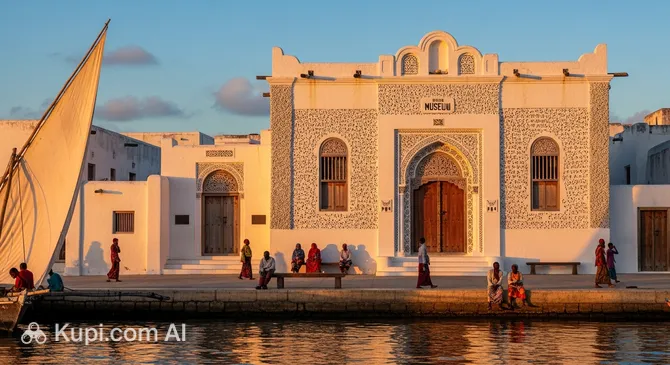
Lamu Museum
Lamu Museum. Иллюстрация. Источник: Kupi.com AI

Inside the museum, a fascinating panorama of life on the East African coast unfolds before guests. The collection includes rare artifacts: from the famous "siwa" ceremonial horns, crafted from ivory and brass, to ancient Quranic manuscripts and exquisite furniture with intricate carvings. Here you can see unique models of dhow boats, which for centuries connected this shore with the distant lands of the Indian Ocean.

The exhibition highlights the region's status as a UNESCO World Heritage site. Walking through the halls, you will feel the influence of Arabic, Persian, and Indian cultures, which have harmoniously intertwined with African roots. This is not just a collection of antiquities, but a living testament to the maritime glory and refined lifestyle of the oldest continuously inhabited Swahili settlement in East Africa.

Contacts

To inquire about special exhibitions or organize group tours, you can contact the museum administration directly.

How to contactContact
AddressFaza Kenyatta Rd Lamu, East, Кения
Phone+254 42 463373

What to Do

Within the museum walls, a captivating journey into the past awaits you. Start your tour with the ethnographic collection, which features the ceremonial siwa horns — true masterpieces of medieval art. Be sure to notice the detailed models of traditional dhow sailboats; they will help you understand how local mariners conquered the ocean expanses for centuries.

We recommend taking advantage of a local guide's services. Their stories about wedding rituals, the nuances of traditional Swahili clothing, and the purposes of ancient household items make the visit much more meaningful. After viewing the main exhibition, stop by the halls dedicated to the region's marine biology and archaeology to see how nature and humans have coexisted on the archipelago.

Don't forget to climb the fort walls to appreciate the architectural scale of the structure and take a few photos of the inner courtyard. The atmosphere here invites thoughtful contemplation: the absence of city noise and cars allows you to focus entirely on exploring the island's cultural treasures.

Getting There

The journey to the museum is an adventure in itself. Since the city of Lamu has no motor roads, you can only reach it by water. Traditional dhow boats or modern motorboats run from mainland Kenya, as well as from the ports of Mombasa and Malindi. If you arrive at Lamu Airport, located on the neighboring Manda Island, a short boat ride will take you directly to the Old Town waterfront.

Once on the island, head toward the historic center. The museum is located on Faza Kenyatta Rd, just a few steps from the waterfront. You will have to navigate the narrow, winding streets on foot or, following local tradition, on a donkey, which adds a special charm to the walk. The Sultan's Fort building, which houses the exhibition, dominates the area, making it easy to find.

Ближайший город: Lamu

History & Facts

The building that houses the exhibition today is a priceless exhibit in its own right. This majestic fort was erected in the 19th century and served as the Sultan's residence. Built from coral stone, it epitomizes the power and wealth of the region during its heyday. The official opening of the museum within these walls took place in 1984, helping to preserve the unique heritage of a city founded as far back as the 14th century.

The history of this place is inextricably linked to maritime trade. For centuries, the city was a vital hub where the paths of Arab, Persian, Indian, and European merchants crossed. This melting pot of cultures gave rise to the unique Swahili civilization, whose traditions and way of life are carefully documented in the museum's halls.

Today, the site is recognized as part of the UNESCO World Heritage. It is considered the finest surviving example of a medieval Swahili settlement in East Africa. The museum does not simply display artifacts; it tells the story of a community's survival and prosperity in a changing world while remaining faithful to its roots and architectural character.

Time Needed

To leisurely explore all the halls, study the details of traditional clothing, and read the descriptions of ancient manuscripts, visitors usually need 1 to 2 hours. If you plan to use the services of a guide, whose stories bring every object to life, allow for a little more time.

Since the entrance ticket often includes a visit to the adjacent Sultan's Fort, it is worth setting aside extra time to explore its fortifications and courtyards. This will allow you to fully immerse yourself in the atmosphere of the past without feeling rushed.

Working Hours

The museum welcomes visitors daily, allowing island guests to choose a convenient time to discover its history. Typically, the doors are open from 08:00 to 17:00 (Monday through Friday and on Sunday), while on Saturdays, the museum's hours may be extended until 17:30.

However, the schedule may change depending on local holidays or religious events. It is recommended to check current opening hours on the official website or with local guides directly on the island before your visit.

DayWorking hours
понедельник08:00–17:00
вторник08:00–17:00
среда08:00–17:00
четверг08:00–17:00
пятница08:00–17:00
суббота08:00–05:30
воскресенье08:00–17:30

Nearby

After visiting the main museum, it is worth spending time exploring other interesting sites nearby. Lamu Old Town is literally steeped in history, and every building here has a legend to tell.

NameDistance
Lamu Fort0.2 km
Lamu Palace Hotel0.4 km
Floating Bar & Restaurant2 km

Reached the end of the page?

That means the route is fully explored