Support

Sabha

About

Sabha is a significant city located in the southwestern part of Libyan Arab Jamahiriya, serving as the capital of the historic Fezzan region. Often referred to as the "Bride of the Desert," this bustling urban center acts as a vital oasis amidst the vast sands of the Sahara. With a population of approximately 116,000 residents, it stands as a crucial transportation and economic hub, connecting the northern coast with the deep desert south. The city is renowned for its warm hospitality and its unique blend of traditional desert culture and modern life.

The strategic location of the city has long made it a stopping point for caravans and travelers crossing the desert. Those interested in the region's past can delve into the history of Sabha to discover its role in trans-Saharan trade and its development over the centuries. The climate here is typically arid, characterized by hot summers and mild winters, making the surrounding palm groves and green spaces a welcome sight against the golden dunes.
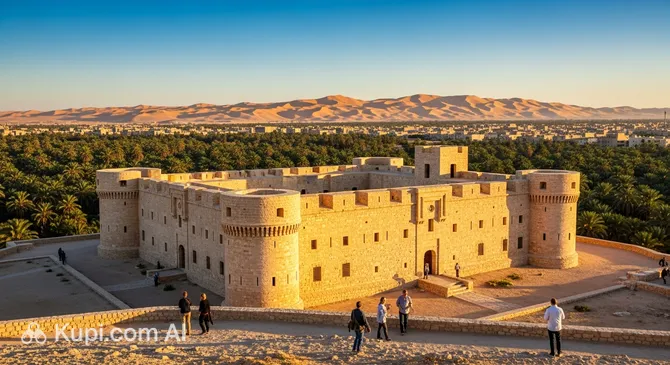
Sabha. Source: Kupi.Binoculars

Travelers visiting Sabha are often drawn to the imposing Fort Elena, also known as Sebha Castle. This hilltop fortress offers panoramic views of the city and the surrounding desert landscape, standing as a testament to the area's architectural heritage. Additionally, the city serves as the perfect gateway for expeditions into the spectacular Akakus Mountains and the mesmerizing lakes of the Ubari Sand Sea. Whether you are exploring the local markets or preparing for a desert safari, Sabha provides an authentic and unforgettable experience.

We invite you to explore the unique atmosphere of Sabha, where the timeless beauty of the Sahara meets the vibrant rhythm of city life. It is an essential destination for adventurers looking to uncover the hidden gems of the desert.

Weather Overview

Sabha experiences a classic arid desert climate, defined by significant temperature fluctuations between seasons and an abundance of sunshine. Before embarking on your journey to this part of the Sahara, it is helpful to consult the detailed guide on the weather in Sabha to ensure you are prepared for the conditions.

The city endures intensely hot summers, with average temperatures in June, July, and August hovering around 31°C and daily highs frequently reaching up to 38.6°C. In contrast, the winter months provide a much cooler atmosphere; January is typically the coldest time, with averages dropping to 11.1°C and nighttime lows falling to around 4.4°C. Expect scorching summers with clear skies and cool, completely dry winters, as the region records 0mm of precipitation throughout the year.

Interesting Facts

Beyond the main attractions, Sabha holds many fascinating secrets that reveal its deep connection to the history of the Sahara. This desert metropolis is more than just a transit point; it is a repository of ancient legacies and cultural milestones.

  • A Fortress on Currency: The city's iconic hilltop citadel, Fort Elena, is considered such a vital national symbol that it has been depicted on the 10 dinar banknote of Libyan Arab Jamahiriya. The structure, originally built during the colonial era, dominates the skyline and serves as a proud emblem of the Fezzan region.

  • Ancient Engineering Roots: The area surrounding the city lies within the territory of the ancient Garamantes civilization, which mastered desert living thousands of years ago. Remnants of their ingenuity can still be appreciated in the legacy of foggaras, intricate underground water channels that allowed life to flourish in the arid climate long before modern pumps existed.

  • An Agricultural Paradox: Despite being located in one of the driest places on Earth with almost no rainfall, the city is known for its lush date palms and agriculture. This is made possible by massive subterranean aquifers, turning parts of the sandy landscape into unexpected patches of vibrant green.

How to Get There

Reaching Sabha is a journey into the heart of the Fezzan region, offering travelers a true taste of the Sahara. As a major logistical hub in the south of Libyan Arab Jamahiriya, the city is accessible primarily by air and road. For detailed planning and tips on logistics, you can read more about how to get to Sabha.

The most direct and common method for tourists to arrive is via Sebha International Airport (IATA: SEB). This facility is conveniently situated just 7 km from the city center, making the transfer relatively quick. A taxi or car ride from the airport to the downtown area typically takes approximately 30 minutes. Although it is a regional hub with moderate traffic, it serves as a vital link connecting the deep desert with major coastal cities.

For clarity, here is a summary of the main airport:

Airport Name City Passenger Traffic Km from City
Sebha Sabha Regional 7.0

Since the region does not currently have an operational railway network, road transport remains the primary alternative to flying. Long-distance buses and shared taxis connect Sabha to the northern coast, traversing the vast desert landscapes. Travelers choosing this option should be prepared for long travel times, but the route offers a unique perspective on the country's geography.

Main Attractions

While often recognized as a logistical gateway to the deep Sahara, Sabha possesses an atmospheric depth that rewards those who take the time to explore its streets and surroundings. Beyond the transit routes, the city offers a sensory journey through the heart of the Fezzan region, characterized by bustling trade, cooling greenery, and the silent echoes of ancient civilizations.

A visit to the Sabha Market provides the most immediate connection to local culture. Unlike the quiet of the open desert, the souq is alive with the sounds of bargaining and the rich aromas of the region. Visitors can wander through stalls piled high with the area's famous dates, their sweetness hanging in the air alongside the scent of traditional spices. The market is a kaleidoscope of colors, from vibrant textiles to handcrafted leather goods, offering a tactile experience of the city's commercial heritage.

For a refreshing contrast to the arid heat, the extensive Palm Groves offer a serene, shaded retreat. Stepping into these green belts feels like entering a different world, where the temperature drops noticeably and the harsh glare of the sun is filtered through a canopy of fronds. It is a place to walk slowly and listen to the rustle of leaves, appreciating the lush environment that defines this urban oasis without worrying about the technicalities of how it survives.

History enthusiasts will find the short excursion to the Ruins of Germa to be a highlight of their stay. Walking among the remains of the Garamantes capital offers a profound sense of time; the stone structures stand as silent witnesses to a kingdom that thrived here millennia ago. The experience of seeing these archaeological wonders against the backdrop of the endless sands creates a powerful visual narrative of human resilience in the Sahara.

Back within the city, Fort Elena remains the visual anchor of the skyline. While its history is well-documented, the experience of viewing the fortress from below—or climbing up to it—is primarily about the imposing architecture and the vantage point it provides. From its heights, the transition from the urban grid to the golden desert horizon is stark and beautiful, offering a perfect moment for reflection and photography.

Local Cuisine

The culinary landscape of Sabha is deeply rooted in the traditions of the Sahara, offering a hearty and authentic taste of the Fezzan region. The local cuisine reflects the resourcefulness of oasis life, relying heavily on grains, locally grown vegetables, and meat, particularly lamb and camel. Food here is not just sustenance; it is a symbol of the legendary hospitality of the desert, where meals are often communal and meant to be shared with guests.

Among the main dishes worth trying, Fitaat stands out as a specialty of the south. This dish consists of thin, pancake-like layers of bread made from soft dough, which are stacked and soaked in a rich, savory stew of meat and onions. It is a celebratory meal, often prepared for gatherings but available in traditional eateries. Another national staple that is widely enjoyed here is Bazeen, a dense, unleavened barley dough served in the center of a large bowl with tomato sauce, mutton, and hard-boiled eggs. It is a heavy, filling meal designed to sustain travelers and locals through the long, hot days.

When it comes to beverages, the culture is dominated by non-alcoholic options, as alcohol is strictly prohibited throughout the country. The most iconic drink is Libyan Tea, a thick, sweet green tea that is boiled until it creates a dark, amber liquid. It is traditionally served in small glasses with a thick layer of foam on top and is frequently garnished with roasted peanuts or almonds, adding a unique crunchy texture. In the palm groves surrounding the city, you might also encounter Lagbi, the fresh, sweet sap tapped directly from date palms, which is a refreshing natural treat unique to oasis regions.

The food culture in Sabha revolves less around formal, sit-down restaurants and more around traditional family-style dining and bustling markets. Visitors will find that the best food is often simple and homemade in style. The local markets are the heart of the gastronomic scene, especially famous for their high-quality dates. These sweet fruits are eaten at all times of the day, often dipped in milk or butter, and serve as the perfect energy booster for exploring the city.

Travel Tips

Preparing for a journey to Sabha requires a bit of foresight to ensure your adventure in the "Bride of the Desert" is both comfortable and culturally respectful. These practical tips are designed to help you navigate the unique rhythm of this oasis city, allowing you to focus on the beauty of the Sahara and the warmth of its people.

  1. Clothing and Gear: Given the arid desert climate, lightweight, breathable fabrics like cotton and linen are essential to handle the heat. However, modesty is paramount in this conservative region; both men and women should wear loose-fitting clothing that covers shoulders and knees. A sturdy pair of walking shoes is recommended for exploring the rocky terrain, and a scarf is a versatile accessory for protection against the sun and wind.
  2. Transportation: Public transport options like buses or trams are not available for tourists within the city. The most reliable way to get around is by taxi or hiring a private car with a local driver, which is highly recommended for navigating the desert outskirts safely. Always agree on the fare before starting your journey, as meters are rarely used.
  3. Finances: Cash is the absolute ruler of the local economy. International credit cards are almost never accepted in shops or restaurants, and ATMs may not be compatible with foreign cards. It is crucial to carry sufficient cash in major currencies (like USD or EUR) to exchange for the local Libyan Dinar upon arrival at official exchange bureaus or banks.
  4. Health and Safety: The desert sun can be unforgiving, so staying hydrated is your top priority; always carry bottled water and avoid tap water. Pharmacies are available in the city center for basic needs, but it is wise to bring a personal kit with prescription medications and rehydration salts. Stick to well-lit, populated areas and always follow the advice of your local guide regarding safe zones.
  5. Communication: Arabic is the official language, and English is not widely spoken outside of major hotels or tour agencies. Learning a few basic phrases like "As-salamu alaykum" (Peace be upon you) and "Shukran" (Thank you) will go a long way in breaking the ice. For connectivity, purchasing a local SIM card from providers like Libyana or Al-Madar is recommended, as Wi-Fi can be intermittent.
  6. Local Etiquette: Greetings are a formal and important part of social interaction; always greet people before asking questions. Use your right hand for eating, greeting, or handing over money, as the left hand is considered unclean. If invited to a local home, remember to remove your shoes at the entrance as a sign of respect.
  7. What to Avoid: Strictly avoid public displays of affection, as this is culturally inappropriate. Do not take photographs of government buildings, military personnel, or local women without explicit permission, as this can lead to serious misunderstandings. Additionally, never attempt to bring or consume alcohol, as it is strictly prohibited by law.
  8. Additional Tip: Embrace the "siesta" culture. Many shops and businesses in Sabha close during the hottest part of the afternoon (typically from 1:00 PM to 4:00 PM) and reopen in the cooler evening hours. Plan your outdoor activities for the early morning or late afternoon to match the local pace of life.

By keeping these practicalities in mind, you will be well-equipped to enjoy the authentic hospitality and timeless landscapes of Sabha. A little preparation ensures that your memories will be filled with the golden hues of the dunes and the welcoming smiles of the locals.

Entertainment & Nightlife

Nightlife in Sabha offers a distinct cultural experience that differs significantly from Western norms, primarily because alcohol is strictly prohibited throughout the country. Consequently, you will not find nightclubs, bars, or pubs in the city. Instead, the evening entertainment scene revolves around vibrant social gatherings in traditional tea houses, bustling markets, and late-night eateries. The atmosphere is relaxed and community-focused, with locals staying out late to socialize, especially after the heat of the day has subsided.

The heart of the city's evening activity is often found in the Downtown District and the streets surrounding the main market. As the sun sets, the temperature drops, and the Sabha Souq transforms into a lively hub of activity. Shops remain open late, and the area fills with the aroma of incense and street food. It is a perfect place for a night walk, where you can observe the local lifestyle, shop for traditional crafts, or simply enjoy the energetic ambiance of the crowd.

Socializing in cafes is the cornerstone of local entertainment. Venues are typically filled with men gathering to discuss daily events, play dominoes, or watch international football matches on large TV screens. The dress code is casual but modest; for men, long trousers are standard, while women should dress conservatively. The vibe is welcoming, and tourists are often greeted with curiosity and hospitality. A staple of these evenings is the traditional Libyan tea, served strong, sweet, and frothy, often accompanied by peanuts or almonds.

For dining, many restaurants in the city center stay open late, offering a chance to enjoy a hearty meal of couscous or grilled meats under the stars. While there are no specific "nightclubs," the culinary scene acts as a substitute, with families and friends enjoying long, leisurely dinners. Prices are generally very affordable, with a pot of tea or a coffee costing just a few dinars.

Regarding safety and logistics, it is best to stick to well-lit, populated areas like the main commercial streets. The city is generally safe for walking in these zones, but avoiding unlit outskirts is recommended. Public transport is scarce at night, so relying on private taxis is the most practical way to get around. It is advisable to arrange a ride with a trusted driver or through your hotel, as hailing a cab on the street can be unpredictable for non-Arabic speakers.

During the daylight hours, entertainment options are more limited but culturally enriching. Visitors can explore local heritage at small cultural centers or museums that occasionally showcase the history of the Fezzan region and the Garamantes civilization. For a more relaxed afternoon, the city's public gardens and the surrounding palm groves offer a peaceful escape for families and nature lovers before the evening social scene begins.

Parks & Museums

Parks & Museums:

While Sabha is predominantly known as a desert hub, it offers a surprising blend of verdant spaces and historical depth that reflects its status as the capital of the Fezzan region. The city's cultural landscape is defined not by vast modern museum complexes, but by living history and natural oases that provide a stark, beautiful contrast to the surrounding Sahara.

The most significant natural area in the city is undoubtedly the Sabha Palm Groves. These extensive agricultural belts act as the city's "green lungs," offering a lush, shaded environment that feels worlds away from the arid dunes. Unlike manicured western-style parks, these groves are functional and wild, where visitors can walk along irrigation channels and observe the traditional farming methods that have sustained the population for centuries. It is a serene place for a nature walk, especially during the cooler morning hours.

For a more social outdoor experience, the City Public Gardens located near the downtown area serve as a communal living room for locals. In the evenings, families gather here to enjoy the cooling temperatures. These gardens are simple but vital, featuring planted walkways and seating areas where you can witness the genuine rhythm of local life, often accompanied by the scent of mint tea being brewed by street vendors.

In terms of museums and history, Fort Elena (Sebha Castle) is the crown jewel of the city. Perched atop a hill, this fortress is not only an architectural landmark but also serves as a guardian of the region's history. While it functions primarily as a historical site rather than a curated museum with glass cases, exploring its ramparts offers a tangible connection to the colonial and pre-colonial past. The structure itself tells the story of the city's strategic military importance throughout the ages.

Complementing the fortress is the Old City (Medina), which can be described as an open-air museum of traditional desert architecture. Walking through its narrow alleyways reveals mud-brick structures and ancient designs adapted perfectly to the desert climate. Although there isn't a large formal art gallery in Sabha, the local Cultural Centers frequently host exhibitions showcasing Fezzan heritage, including traditional Tuareg jewelry, leatherwork, and textiles, providing deep insight into the artistic traditions of the Sahara's inhabitants.

Insider Tip: For a truly authentic experience, try to visit the edge of the Palm Groves just before sunset. The way the golden light filters through the date palms creates a magical atmosphere, and it is the perfect time to enjoy a glass of "shay" (tea) while listening to the wind rustle through the fronds, a moment of pure peace in the heart of the desert.

Getting Around

The public transport system in Sabha differs significantly from the structured networks found in many international tourist destinations. The city does not possess a metro, tram, or a scheduled municipal bus service. Instead, the transportation infrastructure is informal and relies almost entirely on road vehicles, specifically private taxis and shared minibuses, which serve as the primary means of mobility for the local population.

The most common form of collective transport is the shared minibus or van. These vehicles operate on loosely defined routes connecting the city center with outlying neighborhoods and the airport. There are no official stops, timetables, or route maps; passengers simply flag them down from the side of the road and shout their destination to the driver. While this is an authentic way to experience local life, it can be challenging for visitors who do not speak the local language or know the city's geography well.

For tourists, the most recommended and reliable mode of transport is the private taxi. Taxis in the city are generally plentiful, especially near markets and major landmarks. They are often painted in distinct colors, commonly black and white, though unmarked private cars also frequently operate as taxis. Unlike in some cities, ride-hailing apps are not widely used here, so you will typically need to hail a cab on the street or have your hotel arrange one for you.

The payment system is exclusively based on cash. There are no travel cards, electronic passes, or mobile payment options for transport. It is essential to carry small denominations of the local currency, as drivers often do not have change for large bills. Fares for shared minibuses are fixed and very low, while private taxi fares are not metered. You must negotiate and agree on the price with the driver before getting into the vehicle to avoid any misunderstandings at the end of the trip.

When using transport in the city, operating hours are dictated by demand rather than a schedule. Shared transport is most active during daylight hours and tends to taper off significantly after sunset. Private taxis are available in the evenings, but it is safer and more convenient to book them through a trusted local contact or your accommodation if you plan to be out late. Walking is an alternative only for very short distances due to the intense desert heat and the lack of pedestrian-friendly infrastructure in some areas.

Car rentals are available, but they operate differently than in Europe or North America. Due to the challenging desert driving conditions and the lack of clear signage in English, "renting a car" usually implies hiring a vehicle with a local driver. This is often the best alternative for tourists, as it provides the flexibility of a private car with the safety and local knowledge of a resident expert.

Accommodation

Accommodation options in Sabha are reflective of its status as a functional transit hub and regional capital rather than a dedicated tourist resort destination. Travelers will not find international luxury hotel chains or sprawling resort complexes here. Instead, the city offers a modest selection of mid-range hotels and basic guesthouses designed primarily to accommodate business travelers, government officials, and those passing through on their way to the deep desert. The focus is on practicality and hospitality rather than opulence.

The most convenient area for visitors to stay is the City Center. Choosing a hotel in the downtown district places you within walking distance of the main markets, restaurants, and taxi stands. This central location allows for easy access to daily necessities and provides a sense of security, as the streets are livelier in the evenings. There are also a few accommodation options located along the main road leading to the airport, which can be suitable for those with early morning flights or those who prefer a quieter environment on the outskirts.

The price range for accommodation in Sabha is generally budget to mid-range by international standards. Prices are affordable, but amenities may be simple. It is important to note that online booking platforms are rarely used by local establishments. Most hotels operate on a walk-in basis or via direct phone reservations. As with other services in the region, payment is almost exclusively expected in cash (Libyan Dinar), so ensure you have sufficient local currency before arriving at your hotel.

Since the number of quality hotels is limited, a key booking tip is to arrange your stay in advance, especially if you are traveling during the cooler winter months when desert tourism is at its peak. If you are part of a guided desert expedition, your tour operator will typically arrange your accommodation in Sabha as part of the package, which is often the most reliable way to secure a comfortable room.

Nearby Cities

For those looking to explore the surroundings, Sabha serves as an excellent base for day trips to several interesting nearby locations. While the vastness of the Sahara means that "nearby" can still involve a bit of travel, there are historic towns and oases within reach that offer a deeper insight into the heritage of the Fezzan region.

One of the most accessible destinations is Birak, located less than an hour's drive to the north. As the main town of the Wadi al-Shatii district, it is renowned for its lush agricultural landscape and extensive palm groves. It offers a quieter, more traditional atmosphere compared to the bustling commercial hub of Sabha, making it a pleasant spot to observe local farming life and oasis culture.

To the south lies the historic city of Murzuk, which holds immense cultural significance as the former capital of the Fezzan region before the rise of Sabha. It is a place steeped in history, featuring traditional desert architecture and an old town area that whispers of the days when it was a major stop on the trans-Saharan trade routes. A visit here provides a fascinating contrast between the ancient and the modern administrative centers of the south.

Another interesting option is Idri, situated to the west. This oasis town is known for its distinct local customs and serves as a gateway to the more remote landscapes of the Ubari Sand Sea. It is an ideal destination for travelers who wish to experience the authentic hospitality of the desert communities away from the main transit corridors.

City Population Distance (km)
Sirte 76,788 505
Idri 70,000 127
Bani Walid 50,824 524
Birak 45,421 59
Murzuk 43,732 134

These nearby destinations offer a glimpse into the diverse culture and landscapes of the region, allowing visitors to appreciate the unique character of the Libyan Sahara beyond the city limits.

Shopping & Souvenirs

Shopping in Sabha offers a unique immersion into the commercial traditions of the Sahara. Unlike the modern retail experiences found in coastal metropolises, the shopping scene here is deeply rooted in the city's history as a desert trade hub. Visitors will not find sprawling luxury malls or international designer outlets; instead, the city provides an authentic atmosphere where commerce is conducted in bustling street-side shops and vibrant open-air markets. It is a place to find practical necessities alongside distinct local crafts that reflect the heritage of the Fezzan region.

The primary shopping activity is concentrated in the City Center and the streets radiating from the main downtown area. This district serves as the commercial spine of the city, lined with small, family-run businesses and boutiques selling everything from textiles and electronics to traditional clothing. Walking through these busy streets allows travelers to observe the daily rhythm of local life, where shopkeepers often sit outside their storefronts, greeting passersby and engaging in the social aspect of trade.

While Sabha does not feature large-scale Western-style shopping malls, there are several smaller shopping centers and arcades scattered throughout the city. These multi-story buildings typically house a collection of independent stores offering clothing, shoes, and household goods. They provide a more modern, air-conditioned alternative to the outdoor markets, though they still retain a distinctly local character rather than a generic international feel.

The heart of the shopping experience lies in the local markets, or souqs. The central market is a sensory delight, filled with the rich aromas of exotic spices and the colorful displays of fresh produce. This is the best place to engage with the local culture, where bargaining is not just accepted but expected. You can find sections dedicated to livestock, grains, and the region's agricultural staples, offering a glimpse into the self-sufficiency of this oasis city.

For those looking to bring a piece of the desert home, souvenirs from Sabha are both meaningful and high-quality. The region is famous for producing some of the finest dates in the world; buying a box of fresh dates is a must for any visitor. Additionally, the city is a good place to find authentic Tuareg jewelry, typically crafted from silver with intricate geometric designs. Other popular items include handmade leather sandals, traditional indigo-dyed fabrics, and "sand roses"—natural crystal formations found in the surrounding desert.

Opening hours in Sabha generally follow a split schedule to accommodate the desert climate. Shops typically open around 9:00 AM and stay open until 1:00 PM or 2:00 PM. They then close for a long afternoon break during the hottest part of the day, reopening around 4:00 PM or 5:00 PM and remaining active until late in the evening, often past 9:00 PM. On Fridays, which is the holy day, most shops are closed or have very limited hours, particularly in the morning.

Regarding payments, cash is the absolute standard for almost all transactions. Credit cards are rarely accepted outside of perhaps the most exclusive hotels, and even then, it is not guaranteed. Travelers should carry sufficient amounts of local currency (Libyan Dinar) in small denominations to make purchases easier, especially in the markets where making change for large bills can be difficult. Tax-free shopping or VAT refund schemes for tourists are generally not available in the city.

Reached the end of the page?

That means the route is fully explored