Support

Central Market

About

Central Market, also known as Pasar Seni, is one of the most famous and visited attractions in Kuala Lumpur. Located in the historic heart of the city near Chinatown, this indoor market is not just a shopping destination but a true cultural hub where you can immerse yourself in the diverse crafts and traditions of Malaysia.

The market building itself is a remarkable Art Deco architectural monument that harmoniously combines a historical atmosphere with modern conveniences for visitors. Built in 1888, it was saved from demolition and recognized as a cultural heritage site. Thanks to its unique Asian charm, preserved since its founding, the market attracts travelers from all over the world.
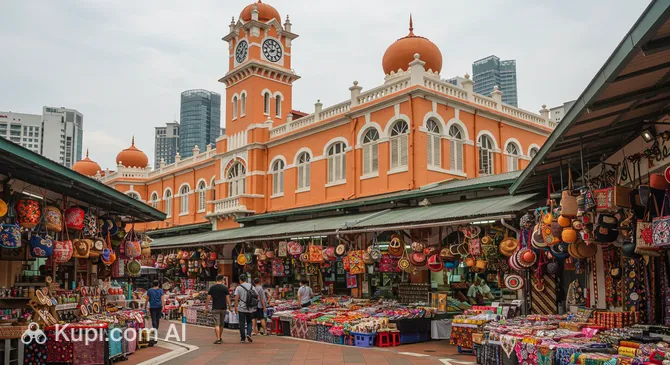
Central Market. Illustration.
Source: Kupi.com AI

Traveler photos:

Inside, a kaleidoscope of bright colors, sounds, and aromas awaits you. Here you can find unique handmade souvenirs, works by local artists, traditional batik, antiques, and much more. Central Market is divided into zones representing the country's various cultures, making it the perfect place to learn about the heritage of Malaysia's different ethnic groups.

A visit to Central Market is a must for any tourist interested in the culture, art, and history of the city. It's more than just shopping; it's an exciting journey into the heart of Malaysian identity that will leave bright and warm memories of your trip.

Contacts

To plan your visit and get the latest information on opening hours, special events, or shop locations, it is recommended to use the official contact details for Central Market. Up-to-date information is always available on the official website and by phone.

How to contactContact
AddressKuala Lumpur City Centre, 50050 Kuala Lumpur, Federal Territory of Kuala Lumpur, Malaysia
Phone number+60 1-300-22-8688
Websitewww.centralmarket.com.my

What to Do

The main reason people come to Central Market is, of course, shopping. Here you can find everything that reflects Malaysia's cultural diversity: from artisan workshops and art stalls to souvenir shops. Particularly popular are items made of batik, wood, and ceramics, as well as traditional clothing, jewelry, and paintings by local artists. A unique feature of the market is that you can not only buy a finished product but also watch the creation process, as many masters work right in their stalls.

When you get tired of shopping, it's time for a snack. There is a large food court on the premises featuring the culinary traditions of the country's various ethnic groups. Here you can taste Malay, Chinese, Indian, and other Asian cuisines. It's a great opportunity to take a gastronomic journey without leaving one place and try something new and authentic.

Central Market is not only a trading floor but also an important cultural center of Kuala Lumpur. Various events often take place inside, making a visit even more exciting. You might stumble upon an art exhibition, take part in a workshop, or watch performances by local artists. Such events make this place especially attractive for families with children and anyone interested in art and culture.

Getting There

Getting to Central Market in Kuala Lumpur is incredibly easy thanks to its prime location in the heart of the city. It is situated right next to the popular Chinatown district and is included in most tourist routes through the historic center. This location makes the market easily accessible from any part of the capital.

The most convenient way to get there is by public transport. The closest station to the market is Pasar Seni, which serves two lines: the MRT Kajang Line and the LRT Kelana Jaya Line. After exiting the station, you will find yourself just a few minutes' walk from the market entrance—simply follow the signs. Additionally, many city buses pass through this area, including the free GoKL tourist buses (purple line), making the trip even more affordable.

If you prefer comfort, you can always use a taxi or ride-sharing services like Grab. Simply set "Central Market Kuala Lumpur" as your destination in the app. For those who enjoy walking, a visit to the market can be combined with a tour of other iconic spots. For example, it is within walking distance of the famous Independence Square (Dataran Merdeka) and other landmarks in Kuala Lumpur's historic center.

Nearest city: Kuala Lumpur

History & Facts

The history of Central Market is inextricably linked to the history of Kuala Lumpur itself. It was founded in 1888, just three decades after the city was established, and originally served as a typical "wet market." Here, locals, including tin miners, bought fresh fish, vegetables, and other produce. It was a bustling and functional place that played a key role in the daily life of early Kuala Lumpur.

A significant turning point in the market's history occurred in the 1930s when a separate building was constructed for handicraft traders, which remains its architectural centerpoint today. In the 1970s, during a period of rapid urban development, there were plans to demolish the market, but thanks to the intervention of the Malaysian Heritage Society, the building was saved. As a result, it was designated a heritage site and preserved its historical appearance.

In the late 20th century, the market was renovated: while keeping its famous Art Deco facade, it received modern amenities, including air conditioning. Today, Central Market is not just a shopping area but a recognized monument of colonial architecture and an important multicultural center. It symbolizes the unity of Malaysia's various ethnic traditions, bringing together Malay, Chinese, and Indian arts and crafts under one roof.

Time Needed

To fully enjoy the atmosphere of Central Market, it is recommended to set aside 1.5 to 3 hours for your visit. This will be enough time to leisurely stroll through the stalls, examine unique handmade goods, and soak up the spirit of this iconic place in Kuala Lumpur. Some tourists suggest spending 1 to 2 hours if your primary goal is just buying souvenirs.

The planned time will allow you not only to shop but also to experience local cuisine at the food court located on the second floor. If you're lucky, you might also catch cultural performances, art exhibitions, or participate in one of the craft workshops. Of course, if you are only stopping by for a specific souvenir, the visit can be shorter, but for a full immersion into the market's vibrant life, it's better not to rush.

Working Hours

Central Market in Kuala Lumpur is open to visitors year-round, making it a convenient stop at any time during your trip. Generally, the market is open daily from 10:00 AM to 9:00 PM. However, it's worth noting that during holidays and weekends, operating hours may vary slightly. Therefore, it is recommended to check the current schedule on the official website before your visit to ensure your souvenir shopping goes smoothly.

No advance booking or ticket purchase is required to visit Central Market—entry is free. This allows guests of the city to drop in spontaneously while walking through the historic center. You can simply come at any convenient time during business hours and immerse yourself in its lively atmosphere while getting to know the culture of Malaysia.

10:00 – 22:00

Nearby

Visiting Central Market offers an immersion into the cultural heart of Kuala Lumpur, but you shouldn't stop there. Thanks to its location in the historic center, you are surrounded by many other iconic sites just a few minutes' walk away. Exploring the neighborhood will allow you to get a more complete picture of the city and its multifaceted history.

A walk through the nearby streets will reveal a fascinating blend of colonial architecture, lively quarters, and modern landmarks. This is a great opportunity to complement your shopping and discovery of Malaysia's crafts by seeing how the capital's past and present harmoniously intertwine.

NameDistance
Merdeka Square0.5 km
St. Mary's Cathedral0.6 km
National Monument Park1.3 km
UR-MU Museum1.6 km
Samad Al Iraqi Restaurant1.9 km
Pavilion Kuala Lumpur2 km
Kyō Kuala Lumpur2.1 km

Have you reached the end of the page?

So the route has been studied inside and out