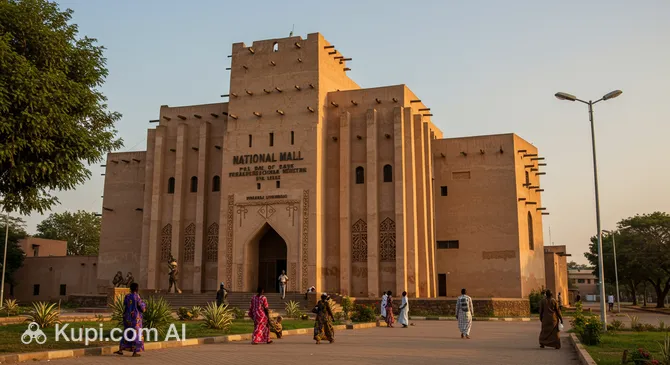
An immersion into the rich culture of West Africa should begin with a visit to the National Museum of Mali. Located in the heart of the capital, Bamako, this museum is recognized as one of the region's finest ethnographic centers. It is not just a building with exhibits, but an expansive site with a shady garden where the history of Mali comes to life in every detail.
National Museum of Mali. Illustration.
Source: Kupi.com AI
Traveler photos:
The museum's halls house unique collections of ritual masks, ancient textiles, weapons, and musical instruments. Here, you can see priceless artifacts belonging to various ethnic groups of the country, including funerary cult items and exquisite pottery. A particular highlight is the outdoor exhibition, featuring full-scale replicas of the country's famous architectural monuments.
The museum opened in 1953 and has since served as the primary guardian of the national heritage. It is the perfect place for those who want to quickly grasp the complex and fascinating history of the region—from prehistoric times to the present day. A pleasant addition to your tour is a break at the local cafe, which serves refreshing tropical fruit juices.
Contacts
For the latest information on special exhibitions or group tours, you can contact the museum administration directly. Please note that the organization does not have an official website, so a phone call remains the most reliable way to get in touch.
Below are the primary contact details for planning your visit:
Inside the museum, a striking diversity of African art awaits you. Be sure to spend time in the halls dedicated to traditional textiles and the famous masks of the Bambara tribe—their shapes and symbolism hold ancient legends. You can take a close look at cult statues, totems, and musical instruments that are still used in ceremonies in remote villages today.
After exploring the indoor galleries, be sure to take a stroll through the green garden. Large-scale models of Mali's great mosques and monuments are installed here, allowing you to appreciate the country's unique architectural style without leaving the capital. Don't miss the open area across the street—there you will find caves with displays dedicated to prehistoric humans and even a dinosaur figure, which children especially enjoy.
A great way to end your visit is at the souvenir shop, which sells high-quality items made by local artisans, ranging from wooden figurines to handmade tapestries. At the museum cafe, you can try freshly squeezed juices—a perfect refuge from the African heat that allows you to quietly reflect on everything you have seen.
Getting There
Finding the National Museum is quite simple: it is located in the northern part of Bamako, near the scenic banks of the Niger River. This is a green and peaceful area that contrasts with the bustling market districts of the city center.
The most convenient way to reach the site is by taxi. The trip from the city center takes very little time, and the drive from Bamako International Airport is about 20–30 minutes. If you prefer walking, you can reach the museum from key city landmarks by heading toward the botanical garden.
For those using public transport, choose routes heading toward the presidential palace or the zoo. The museum is within walking distance of these popular spots, making it easy to combine several visits into one busy itinerary.
Nearest city: Bamako
History & Facts
Founded in 1953, the museum was originally intended as a key repository for the region's ethnographic and archaeological treasures. Its collection spans a vast period of time—from prehistoric eras with their mysterious rock paintings to the heyday of the powerful Mali Empire in the 11th–13th centuries, when the country was the world's leading supplier of gold.
Interestingly, a significant contribution to systematizing and collecting the initial funds was made by a Ukrainian specialist who became the museum's first director. Thanks to his efforts, unique ritual masks and cult objects were preserved that might otherwise have been lost. The museum building and its grounds are themselves a monument to the desire to preserve the heritage of the Malinke and Bambara tribes.
The "Thousand-Year History" exhibition halls allow visitors to trace how the daily lives of local residents have changed over the centuries. Here, you can see Neolithic artifacts found in nearby grottos and learn about ancient funeral rites. The museum emphasizes the continuity of West African cultural traditions, making history feel alive and tangible for every visitor.
Time Needed
For a standard tour of the main halls featuring textiles, masks, and archaeological finds, you will need approximately 1–2 hours. This is enough time to study the primary exhibits at a leisurely pace and take a stroll through the courtyard with its replicas of ancient monuments.
If you plan to stop by the cozy museum cafe for a glass of fresh fruit juice, browse the souvenir shop for authentic handicraft items, or visit the nearby caves with prehistoric exhibits, it is better to budget up to 3 hours for your visit. This will allow you to enjoy the atmosphere without rushing.
Working Hours
When planning your visit, please note that the museum is closed to visitors on Mondays. On other days, the schedule is fairly stable; however, Sunday is a short day, with the exhibitions only available until lunch.
Opening Hours:
Tuesday: 09:00 – 17:00
Wednesday: 09:00 – 18:30 (extended hours)
Thursday – Saturday: 09:00 – 17:00
Sunday: 09:00 – 14:00
Monday: Closed
Day
Opening hours
Monday
Closed
Tuesday
9:00 – 17:00
Wednesday
9:00 – 18:30
Thursday
9:00 – 17:00
Friday
9:00 – 17:00
Saturday
9:00 – 17:00
Sunday
9:00 – 14:00
Nearby
A stroll around the National Museum allows you to dive deeper into the atmosphere of the capital and see city life from different angles. Nearby, you will find both quiet memorial sites and lively gathering spots for local residents.
The proximity to the botanical garden and the zoo makes this area an excellent place for extended outdoor relaxation. Below is a list of sites located within a few kilometers of the museum: