Support

Zurrieq

About

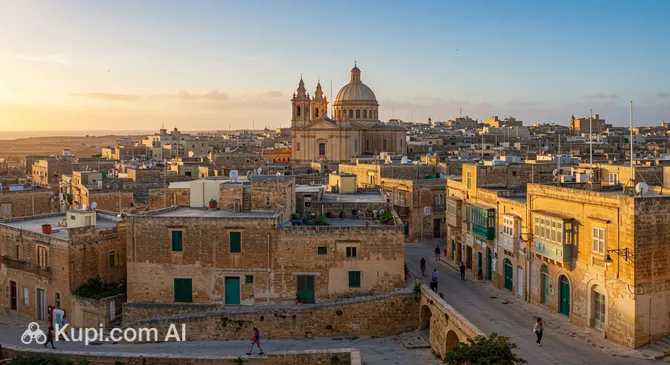
Żurrieq is a true gem of the southern coast, where time seems to have slowed its pace. Located just a few kilometers from the capital, this town allows you to see the authentic side of Malta, far from the hustle and bustle of popular resorts. With a population of just over 10,000 people, it is considered the largest settlement in the south of the island, nestled among picturesque hills and vineyards right by the Mediterranean Sea.

Zurrieq. Illustration.
Source: Kupi.com AI

Walking through the local streets, it is easy to feel the spirit of antiquity: the rich history of Żurrieq is reflected in its architecture, which has preserved its unique appearance since the 16th century. Despite its modest size, the town plays an important role in the cultural life of the region and is famous for its traditions. The main natural attraction in the area is the famous Blue Grotto, but the town itself, with its majestic churches and quiet squares, will not leave walking enthusiasts indifferent.

Żurrieq is perfect for those seeking inspiration and tranquility. It is worth visiting for the stunning seascapes, the genuine local hospitality, and that special fairy-tale feeling where the past harmoniously intertwines with the present.

Weather Overview

Żurrieq greets travelers with a typical Mediterranean climate, which makes visiting the town comfortable almost all year round. To choose the perfect dates for your visit and pack your suitcase correctly, we recommend checking in advance what the expected weather in Żurrieq will be during your trip.

The peak tourist season is in the summer. From June to September, sunny and dry weather prevails. The hottest months are July and August, when average temperatures reach 26–27°C, and the probability of precipitation is zero. This is the best time for boat trips and beach holidays, as there is practically no rain.

The shoulder seasons and winter here are very mild, with no frost. In January and February, the air warms up to an average of 14°C, though increased humidity should be considered: in November and December, the number of rainy days can reach 10–12 per month. Expect a hot, dry summer and a warm winter with occasional rain, which creates excellent conditions for excursions when the heat subsides.

Average monthly temperature

Average monthly precipitation

Interesting Facts

In addition to its main attractions, Żurrieq holds many fascinating secrets that make it a unique place to explore. Here are a few facts that will help you see this town from a new perspective:

  • Cinematic Fame. The famous Blue Grotto, located nearby, has become one of Malta's most recognizable natural wonders. Its crystal-clear waters and majestic cliffs served as the natural backdrop for the Hollywood movie "Troy" starring Brad Pitt, forever writing these locations into cinema history.

  • Living History of Crafts. The town is home to the Xarolla windmill — a rare example of a functioning ancient mechanism on the island. Visitors can not only admire its architecture but also learn the intricacies of traditional grain milling and local breadmaking.

  • Festive Traditions. Żurrieq is famous for its festivals, with the feast in honor of the town's patron saint, Saint Catherine, holding a special place. During these days, the town is transformed: streets are decorated with colorful garlands, solemn processions take place, and the air is filled with the aromas of street treats.

  • Coastline Guardians. The region's rich defensive past is recalled by the Torri tal-Wardija watchtower and preserved ancient palaces. For centuries, these structures served as protection against attacks from the sea, and today they are important architectural monuments.

How to Get There

When planning a trip to this picturesque corner of Malta, it is important to think about the route in advance. The town is located in the south of the island, and thanks to the country's compact size, the journey will not take much time. You can find out more about how to get to Żurrieq to choose the most convenient transfer or public transport option.

The primary and most convenient way to get here is by air. The closest and most important hub is Malta International Airport (IATA: MLA). In fact, it serves the entire archipelago. There is no airport in the town of Żurrieq itself, but you can fly to this airport near the city of Valletta, which is located just 3 km from Żurrieq. This is very close, so a trip by taxi or rented car will take about 25 minutes, considering traffic and wait times.

If there are no direct flights to Malta, travelers sometimes use airports in neighboring Sicily (Italy) as transit points, then reach the island by ferry or local airlines. For example, you could consider Comiso Airport (IATA: CIY), located in the city of Comiso. It is approximately 129.9 km from Żurrieq (across the sea). Another major hub is Catania-Fontanarossa Airport (IATA: CTA) in Catania, 189.1 km away. When choosing these options, be sure to account for the ferry crossing time.

For convenience, here is a summary of the main airports:

AirportPassenger trafficDistance
Malta International Airport9.0 mln3 km
Comiso Airport260 642130 km
Lampedusa Airport349 449172 km
Catania-Fontanarossa Airport12.3 mln189 km
Pantelleria Airport200 000250 km

There is no railway service in Malta itself, so it is impossible to reach Żurrieq directly by train. However, if you are traveling through mainland Europe, the closest point on the "mainland" is Reggio di Calabria Centrale Station (IATA: RCC). There is no railway station in Żurrieq, but you can arrive at this station in Reggio di Calabria (Italy), which is about 272.7 km from Żurrieq. From there, a ferry crossing to Sicily and then to Malta would be required.

Below is information about the nearest railway station on the continent:

StationPassenger trafficDistance
Reggio di Calabria Centrale Station273 km

Main Attractions

As one of the oldest towns in the country, Żurrieq offers travelers a unique combination of natural wonders and historical heritage. There are no noisy entertainment centers here; instead, the atmosphere of authentic Maltese life has been preserved. Exploring the main attractions will allow you to touch the culture and traditions of this southern region.

The most famous site that draws tourists from all over the world is the Blue Grotto. This is an impressive complex of sea caves on the rocky coast. The main feature of this place is the unique play of light: as sunlight enters the grottoes, it reflects off the white sandy bottom, tinting the water in fantastic shades of azure and emerald. Travelers should definitely take a boat trip (on traditional "luzzu" boats) to enter the caves and see this natural light show with their own eyes.

History and engineering enthusiasts will be interested in the Xarolla Windmill. Built in the 18th century by order of Grand Master Manoel de Vilhena, it is one of the few fully restored and functioning windmills on the islands. It is not just a beautiful backdrop for photos: tours are often held inside, where you can see the original mechanisms in operation and learn how flour was produced here for local bread for centuries. Ancient catacombs were also discovered near the windmill, adding a touch of historical mystery to the site.

The majestic St. Catherine's Parish Church dominates the town center. This is a beautiful example of Baroque architecture that plays a key role in the community's life. The temple is interesting not only for its facade but also for its rich interior: it houses paintings by the famous artist Mattia Preti, who spent the final years of his life in Żurrieq. A visit to the church allows you to enjoy the silence, the coolness, and the magnificent art hidden from the eyes of the mass tourist.

Local Cuisine

The cuisine of Żurrieq is a true reflection of the soul of southern Malta: generous, simple, and incredibly delicious. The town's gastronomic scene successfully combines the freshest gifts of the Mediterranean with hearty peasant traditions. Travelers should prepare themselves for the fact that food here is not just about satisfying hunger, but an important part of cultural immersion.

The main culinary symbol that is a must-try is stuffat tal-fenek — a traditional rabbit stew. The meat is slow-cooked in wine with herbs and garlic until it becomes incredibly tender. Seafood lovers should check out local restaurants such as Kingfisher Restaurant or Blue Cave Bar & Restaurant. Here you will be offered aljotta, a thick fish soup with rice and garlic, or fried octopus prepared according to ancient recipes.

For a quick and tasty snack, the Maltese bread ftira is ideal. It is a crispy flatbread with a hole in the middle, generously filled with a mixture of tuna, olives, capers, tomatoes, and fresh olive oil. Those with a sweet tooth shouldn't miss imqaret — fragrant fried pastries filled with dates and spices, as well as local kannoli with delicate ricotta, sold in many family bakeries.

The dining culture in the town is diverse: from street kiosks to establishments with panoramic sea views. Dinner at sunset to the sound of the waves will be an unforgettable experience. It is recommended to complement your meal with a glass of local wine from nearby vineyards or traditional herbal liqueurs, which are a great way to end a busy day.

Travel Tips

Żurrieq is a welcoming and peaceful town, but as with any trip, knowing the local nuances will make your stay much more comfortable and safer. We have gathered a list of practical recommendations to help you plan the perfect trip and feel right at home here.

  1. Clothing and Essentials. In summer, prefer light natural fabrics, but be sure to bring a hat and sunglasses — the sun here is very strong. Since Żurrieq is located on hilly terrain, you will need comfortable flat shoes for walking. If you plan to visit temples, remember the strict dress code: shoulders and knees must be covered (bring a light scarf or sarong). In winter, a windproof jacket won't hurt due to the sea breezes.
  2. Transport. It is easy to get around the town itself on foot, but for trips to Valletta or the Blue Grotto, it is more convenient to use buses (the Tallinja system). They run regularly and are inexpensive. Popular taxi apps like Bolt or eCabs also work perfectly here. If you decide to rent a car, remember: in Malta, they drive on the left side of the road, and the streets in the historic center of Żurrieq can be very narrow for an inexperienced driver.
  3. Finances. The official currency is the Euro. Large restaurants and supermarkets accept cards (Visa, Mastercard) without problems, but in small shops, street food kiosks, or when buying boat tickets to the grottoes, you will often need cash. There are ATMs in town, but not as many as in the capital, so it's better to withdraw a small amount in advance. Tipping of 5–10% is welcomed if you enjoyed the service.
  4. Health and Safety. Żurrieq is a very safe place where you can walk peacefully even after dark. The main health threat in summer is heatstroke and sunburn, so always carry water with you. Pharmacies (marked with a green cross) operate on standard schedules; there may not be 24-hour ones in town, so it's best to bring a basic first-aid kit. Tap water is safe but has a specific salty taste, so tourists prefer bottled water.
  5. Communication. There is practically no language barrier: English is the second official language and is spoken by almost the entire population. However, locals greatly appreciate respect for their culture, so learn a few words in Maltese, such as "Grazzi" (thank you) or "Bonġu" (good morning). Wi-Fi is available in most cafes, and local SIM cards (Epic, Go, Melita) will provide excellent mobile internet.
  6. Local Etiquette. Maltese people are emotional and loud; don't be alarmed by raised tones in conversation, it's just a sign of temperament. It is customary to say hello when entering small shops. Life here flows slowly, so don't rush waiters or drivers — a relaxed pace (slow living) is the norm here.
  7. What to Avoid. It is categorically not recommended to walk through the town streets in swimsuits or shirtless — this is only acceptable on the beach. Such behavior is considered disrespectful, especially near churches. Also, try not to criticize the loud fireworks and festive processions (festas) — for the residents of Żurrieq, this is a sacred tradition they are very proud of.
  8. Planning Tip. If your main goal is to see the famous Blue Grotto, plan your trip for the morning hours (before 13:00). This is when the sunlight hits in such a way that the water takes on that fantastic azure hue. Additionally, take the siesta into account: many small shops may close for a break between 13:00 and 16:00.

By following these simple tips, you can avoid minor troubles and fully immerse yourself in the charm of the ancient town. We wish you a smooth journey, bright sunshine, and unforgettable impressions of the southern flavor!

Entertainment & Nightlife

Nightlife in Żurrieq is strikingly different from the noisy parties in tourist centers like St. Julian's. Here, you won't find neon signs of nightclubs or booming discos. Evenings in this town are an immersion into authentic Maltese culture, where the main entertainment is leisurely socializing over a glass of wine or local beer with friends and neighbors. It is an ideal place for those seeking peace who want to see how the Maltese themselves relax.

The epicenter of evening activity is the town's main square and the surrounding streets near the parish church. This is where you will find establishments unique to Malta — the so-called Band Clubs (kazini). These are clubs for local brass bands that function as open bars and social centers in the evenings. Entrance is free for everyone, including tourists. The interiors often resemble small palaces with high ceilings and historical photographs on the walls, and prices for drinks and snacks are significantly lower than in tourist restaurants.

Among the specific places worth visiting to feel the local flavor are:

  • St. Catherine’s Band Club (Società Musicale Santa Caterina) — a majestic building on the main square. It has a lively but friendly atmosphere and is a great place to try local snacks and watch the town's life from the front row.
  • Queen Victoria Band Club (Carmelite Society Queen Victoria) — another historical establishment with a rich interior and a cozy bar. Locals often gather here in the evenings to discuss news or watch football.

If you are looking for romance and seascapes, head to the Wied iż-Żurrieq area (the bay by the Blue Grotto). In the evening, when the tour boats stop operating, it becomes quiet and cozy. Local restaurants and bars on the cliffs offer dinner with a stunning view of the sunset over the Mediterranean Sea. This is the perfect location for a quiet evening with a glass of wine to the sound of the waves.

Practical Tips and Safety:

Żurrieq is an exceptionally safe town where you can walk without fear even late at night. The crime rate here is nearly zero. The dress code in local establishments is democratic (casual), though beachwear would be inappropriate in the evening. Prices in the bars of Żurrieq will pleasantly surprise you: a pint of beer or a glass of wine costs less than in the capital. Keep in mind that public transport (buses) runs until approximately 22:30–23:00. If you plan to stay out later, download taxi apps (Bolt, eCabs, or Uber) — a car will arrive quickly, and the ride to Valletta or Sliema will be reasonably priced.

Although Żurrieq falls asleep quite early, the town offers other forms of leisure during the day. Culture lovers can visit small private museums or simply enjoy the architecture of old chapels. For active tourists, hiking along the picturesque trails of Wied Babu valley is of great interest, offering breathtaking views that are especially beautiful during the sunset hours.

Parks & Museums

Żurrieq offers travelers a harmonious blend of natural beauty and cultural heritage, where instead of traditional museum complexes, history lives right on the streets and in ancient buildings. While you won't find large urban parks in the conventional sense, the town's surroundings are famous for some of the most picturesque landscapes in the south, and historical sites successfully stand in for classic galleries.

Natural Areas and Gardens

The region's main natural treasure is Wied Babu Valley. This is one of the greenest and most impressive gorges in Malta, stretching from the outskirts of the town straight to the sea. For tourists, it is an ideal place for trekking: the trails here pass through lush Mediterranean vegetation, and at the end of the path, a breathtaking view of the Blue Grotto and sheer cliffs opens up. Unlike the sun-scorched plains, the valley provides coolness and silence, broken only by birdsong.

Those who prefer a more relaxed vacation should visit Xarolla Gardens (Ġnien Xarolla). This small but well-kept public garden is located in the immediate vicinity of the famous windmill. Neat paths and benches are laid out here, making it a great place for a short break. The garden serves as an excellent viewpoint from which you can take the best photos of the historic windmill against the clear blue sky.

Museums and Cultural Spaces

The role of the town's main ethnographic museum is played by the Xarolla Windmill complex. This is not just an architectural monument, but a living testament to the engineering art of the past. Visitors can go inside the base of the tower, where exhibitions are often set up detailing the lives of millers and the agricultural traditions of the region. Climbing the spiral staircase, you can examine the original wooden mechanisms that are still capable of grinding grain, immersing guests in the atmosphere of the 18th century.

Art lovers should view St. Catherine's Parish Church as a full-fledged art gallery. Within its walls is an impressive collection of paintings by Mattia Preti — a famous Knight of the Order of Malta and a Baroque artist. His works, decorating the interior, are considered national treasures. Seeing these paintings in the authentic atmosphere of the temple gives a much deeper emotional impression than visiting an ordinary exhibition hall.

Historical Monuments

The Chapel of the Annunciation in Ħal Millieri, located on the border of Żurrieq, deserves special attention. This is a unique medieval monument that has miraculously survived to this day. Inside the chapel, you can see rare frescoes dating back to the 15th century, making this place a true mecca for history and archaeology enthusiasts.

On the coast stands the Wardija Tower (Torri tal-Wardija) — one of the watchtowers built by the Knights of the Order of St. John. Although access to the interior may be limited, the structure itself and the area around it serve as a magnificent monument to military architecture, reminding us of the times when the horizon was constantly scanned for enemy ships.

Insider Tip

For a unique experience, go for a walk along the cliff path in the Il-Munqar area at sunset. This place is less known than the viewpoint at the Blue Grotto, but it is from here that you get the most dramatic views of the stone arch rising from the sea in the golden rays of the setting sun.
Getting Around

The transport infrastructure in Żurrieq is well-developed enough for a comfortable stay, though it has its own characteristics. Since there is no railway service in Malta, the main and only type of public transport is the bus. They connect the town with the capital, Valletta, the international airport, and neighboring settlements. The bus fleet is modern, and the vehicles are equipped with air conditioning, which is a lifesaver in the summer heat.

It is important for travelers to know a few rules for using local buses. Stops here are "on-demand": if you are standing at a stop, be sure to raise your hand so the driver stops, otherwise the bus may drive right past. To get off, you must also press the "Stop" button in the cabin in advance. It is highly recommended to install the official Tallinja app on your smartphone, which helps build routes and track transport arrivals in real-time, as paper schedules on poles are not always accurate.

The fare payment system is varied and convenient. You can buy a single ticket from the driver for cash (it's better to have small coins, as they may not have change for large bills) or pay with a contactless bank card upon boarding. The ticket price depends on the season (the summer fare is slightly higher than the winter one) and the time of day (night services are more expensive). For those planning to travel around the island a lot, it's more profitable to purchase an Explore Card, which gives you the right to unlimited travel for a certain number of days.

Taxis serve as an alternative to buses and are very popular in Żurrieq due to the town's proximity to the airport. It's best to use mobile apps (Bolt, eCabs, or Uber), as "hailing" a car on the street is not common here, and the prices in the apps are fixed and transparent. Renting a car is an option for experienced drivers: remember that traffic is on the left, and the streets in the historic center of Żurrieq are extremely narrow, making finding a parking space a potentially difficult task.

Accommodation

Unlike the busy resort areas of Sliema or St. Julian's, Żurrieq does not offer tourists massive hotel chains or high-rise all-inclusive complexes. The hospitality sector here has developed differently, focusing on authenticity and home comfort. Staying in this town means choosing to immerse yourself in the real life of the south, where the accommodation itself is part of the cultural experience.

The core of the available rooms consists of traditional guesthouses and small boutique hotels. Often, these are located in so-called "Houses of Character" — ancient buildings made of golden limestone, which can be 300–400 years old. Owners carefully restore such mansions, preserving original arches, stone floors, and beamed ceilings while adding modern comforts.

When choosing accommodation in Żurrieq, consider the following features:

  • Location. You can stay in the historic town center, near the parish church, to be in the heart of local community life. Another option is the Wied iż-Żurrieq area (near the Blue Grotto), where you can find apartments with sea views, though it’s worth noting that it can be quite deserted there in the evening.
  • Amenities. Many boutique hotels offer guests access to internal courtyards with gardens or rooftop terraces. It is common to find small pools or jacuzzis there, offering panoramic views of the town and surrounding fields.
  • Breakfasts. Unlike large hotels, breakfasts here are often prepared by the hosts themselves, featuring fresh local pastries, seasonal fruits, and cheeses, which adds a special charm to your stay.

Żurrieq is also a popular spot for transit travelers due to its proximity to the airport. If you have an early departure or late arrival, staying overnight here is a strategic decision: the trip to the terminal takes just a few minutes by taxi. At the same time, accommodation prices here are generally lower than in the capital or popular tourist centers found in Malta.

Booking Tip: Since the number of places to stay in the town is limited and the demand for authentic experiences is growing, it is recommended to book accommodation several months in advance, especially if you plan to visit during the summer season or during the St. Catherine's feast days.

Nearby Cities

For those who want to explore the surrounding area, Żurrieq serves as an excellent starting point for day trips to several interesting nearby locations. Thanks to the compactness of the southern region, travel to neighboring towns takes very little time, allowing you to diversify your holiday with new experiences.

The coastal town of Birżebbuġa, located just 5 km away, deserves special attention. People come here for the sandy beach of Pretty Bay, which is a rarity for this part of the island, and to visit the prehistoric cave of Għar Dalam. Gourmets will be interested in Qormi, a city considered the center of Maltese breadmaking. Here you can try the freshest pastries and see ancient churches. It is also worth visiting Żejtun, known for its rich traditions of olive oil production and magnificent Baroque architecture.

CityPopulationDistance
Safi2 1261 km
Kirkop2 1912 km
Imqabba3 3152 km
Qrendi2 7522 km
Gudja2 9973 km

These nearby destinations provide insight into the diverse culture and landscapes of the region, making your journey through Malta even more fulfilling.

Shopping & Souvenirs

Shopping in Żurrieq has its own unique characteristics: it is not the place to go for high fashion or large-scale sales. The town lives at a calm pace, and the retail sector is primarily oriented toward the needs of local residents. For tourists, this is a great opportunity to see the non-touristy side of the country, visit authentic family shops, and purchase everyday goods or traditional products without resort-zone markups.

Main Shopping Streets

The town's commercial life is concentrated around the central square by the parish church and along the main transport arteries, such as Vjal ix-Xarolla and Triq il-Kbira. Here you won't find pedestrian boulevards with global brand windows. Instead, the streets are filled with small private shops: pharmacies, stationers, cozy bakeries, and ironmongery stores, where you can find a surprisingly diverse range of useful items.

Shopping Centers

There are no large malls or entertainment complexes in Żurrieq itself. If your goal is serious shopping for clothes and shoes, you should head to neighboring locations. The nearest major retail hub is in the airport area (just a 10–15 minute drive away) — the SkyParks Business Centre complex, which has several brand stores. Also, many locals travel to the town of Qormi or the capital, Valletta, for shopping, which are easily accessible by public transport.

Markets

Żurrieq does not have a large permanent market, but the tradition of mobile trading thrives here. In the mornings, small vans drive onto the streets from which local farmers sell fresh seasonal vegetables and fruits, and fishermen bring their morning catch. This is the best way to buy genuine Maltese products. Also, once a week, a small open-air market (Monti) with clothes and household items may operate, moving between the squares, but it is best to check its schedule with local residents.

Souvenirs

For memorable gifts in Żurrieq, you should head not to the town center but to the coast — to the Wied iż-Żurrieq tourist zone (near the Blue Grotto). This is where the souvenir shops aimed at travelers are concentrated. It is worth paying attention to:

  • Maltese Lace — exquisite handmade items.
  • Glassware — bright vases and figurines made in the style of the famous Mdina glass.
  • Local Delicacies — jars of thyme honey, carob syrup (Gulepp tal-Ħarrub), or capers.

Opening Hours and Payment

When planning your shopping, it's important to remember the traditional siesta. Most small shops open early (around 8:30–9:00) but close for a break from 13:00 to 16:00, resuming work in the evening until 19:00. Large supermarkets may operate without a break. Most shops are closed on Sundays and public holidays. As for payment, supermarkets and souvenir shops at Wied iż-Żurrieq accept cards, but in small vegetable stalls or old family grocery stores ("baкаlejas"), you will need cash Euros.

Tax Free

Since Żurrieq is not a major shopping center, there are practically no shops operating under the Tax Free system here. You can apply for a tax refund (for tourists from non-EU countries) when making large purchases in shopping centers in neighboring towns or at the airport before departure, provided the receipt amount in one store exceeds the set minimum (usually 75 euros).

Nearby cities

Reached the end of the page?

That means the route is fully explored