Support

Nouakchott

About

Welcome to Nouakchott, the vibrant capital and largest city of Mauritania. Situated where the vast golden sands of the Sahara Desert meet the rolling waves of the Atlantic Ocean, this city offers a unique atmosphere that blends traditional nomadic culture with modern urban life. It serves as the country's administrative and economic hub, pulsating with energy and offering travelers a distinctive gateway to West Africa.
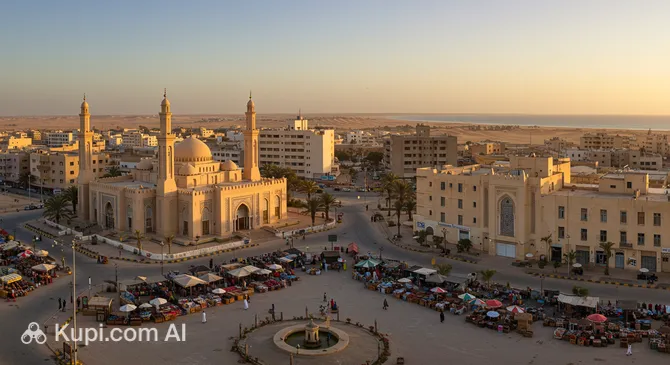
Nouakchott. Source: Kupi.Binoculars

Geographically, the city is located on a plateau near the coast, which provides a refreshing sea breeze that helps moderate the arid desert climate. With a population of over one million people, it is a bustling metropolis that has grown rapidly over the last few decades. Despite its size, the city retains a relatively low-rise skyline and a spacious feel, distinct from many other crowded capitals in the region.

The transformation from a small, fortified fishing village to a major political center is a testament to the city's resilience. Exploring the history of Nouakchott reveals how it was selected as the capital in the mid-20th century, sparking a period of swift development. Today, it stands as a symbol of the nation's independence and progress.

Visitors will find several captivating attractions within the city. The Port de Pêche (Fishing Port) is arguably the most famous sight, where hundreds of colorful wooden boats return daily with their catch, creating a lively and photogenic spectacle. For those interested in culture, the National Museum of Mauritania preserves the country’s archaeological and ethnographic heritage. Additionally, the bustling markets, such as the Marché Capitale, invite you to browse for local handicrafts, textiles, and silver jewelry.

Whether you are starting a desert expedition or simply looking to experience a city of fascinating contrasts, Nouakchott welcomes you with open arms. Its warm hospitality and unique blend of desert and ocean environments make it a memorable stop for any adventurer.
Weather Overview

Travelers visiting the capital can generally expect a hot desert climate that is pleasantly moderated by the cool breezes of the Atlantic Ocean. The weather in Nouakchott is characterized by consistent warmth and abundant sunshine year-round, making it a bright destination regardless of when you choose to visit.

Temperatures vary slightly throughout the seasons but remain comfortable to hot. The coolest period occurs around December and January, with average temperatures hovering near 22.4°C to 23.3°C and nighttime lows dipping to around 16.7°C. Conversely, the heat intensifies later in the year, peaking in September and October when average daily highs reach up to 36.0°C.

Rainfall is extremely scarce in this arid region. For the vast majority of the year, from November through July, there is typically 0mm of precipitation. A very brief and light rainy season may arrive in August and September, but even then, you can expect only about 3 wet days per month, ensuring that your travel plans are rarely disrupted by rain.

Interesting Facts

Beyond the main attractions, Nouakchott holds many fascinating secrets that reveal its unique identity as a bridge between the desert and the ocean. The city's rapid evolution and daily life offer several surprising details for the observant traveler.
  • The name "Nouakchott" is widely believed to translate from Berber as "The Place of the Winds." This moniker is entirely fitting, as the city is constantly swept by strong Atlantic breezes that help moderate the intense heat of the Sahara, creating a unique microclimate.

  • A distinctive feature of the local lifestyle is the presence of traditional nomadic tents, known as khaimas, pitched inside the walled courtyards of modern concrete houses. This architectural blend allows residents to preserve their ancestral connection to the desert and enjoy a traditional tea ceremony in the open air, right in the heart of the city.

  • The capital fights a constant battle against nature through its "Green Belt" project. A barrier of drought-resistant trees and shrubs has been planted around the city to prevent the shifting sand dunes from encroaching on the roads and buildings, serving as a living shield against desertification.

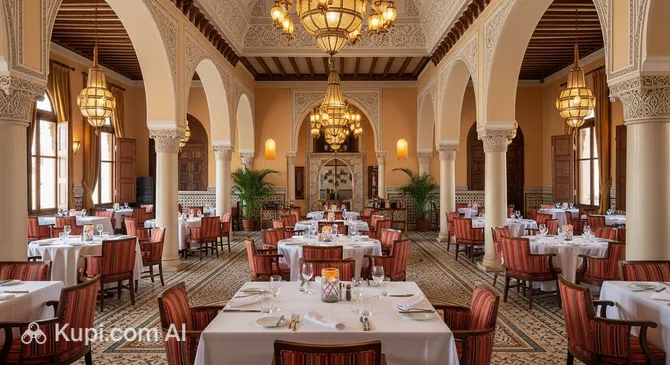
  • Despite its remote location on the edge of the desert, the city offers a surprisingly diverse gastronomic landscape. You can experience this cosmopolitan flair at spots like Palacio Restaurant, where the fusion of fresh Atlantic seafood and international culinary traditions creates an unexpected dining delight.

Palacio Restaurant. Source: Kupi.Binoculars

How to Get There

Reaching the Mauritanian capital is the first step in your desert adventure, with air travel being the most convenient method for international visitors. Whether you are arriving from within Africa or from Europe, you can find all ways to reach the city and plan your journey accordingly. While the road network connects the capital to neighboring regions, flying remains the primary choice for most tourists.

The main gateway to the city is Nouakchott International Airport (IATA: NKC). This facility serves as the central hub for air traffic in the country and welcomes visitors from various international destinations. Uniquely situated just 2.9 km from the city center, the airport offers exceptionally quick access to downtown hotels and businesses. A taxi ride to the heart of the city is very brief, typically taking approximately 25 minutes depending on traffic conditions. With an annual passenger traffic of around 1.1 million people, it is a bustling yet manageable hub for travelers.

For clarity, here is a summary of the main airport:

Airport Name City Passenger Traffic Km from City
Nouakchott International Airport Nouakchott Medium 2.9

Beyond air travel, overland transport is a common option for those already in West Africa. Bush taxis and minibuses frequently connect Nouakchott with the port city of Nouadhibou in the north and the Senegalese border to the south. While there are no passenger railway services directly to the capital, the well-paved coastal road offers a scenic route for those choosing to arrive by car or bus.

Main Attractions

Nouakchott offers a fascinating mix of bustling markets, serene religious sites, and lively coastal areas. While the city is relatively young, its attractions provide a deep dive into Mauritanian culture, balancing the traditions of the desert with the rhythm of the ocean. Here are some of the most interesting places to visit.

Undoubtedly the most famous sight in the city is the Port de Pêche (Fishing Port). Located on the Atlantic coast, this area comes alive every afternoon when hundreds of colorful, hand-painted wooden pirogues return from the sea. It is a sensory overload of sights and sounds, where fishermen haul in their daily catch and fishmongers negotiate prices right on the sand. For tourists, it offers an unparalleled glimpse into the local economy and is a photographer's dream.

In the heart of the city stands the majestic Saudi Mosque (Grand Mosque), a landmark funded by Saudi Arabia. Its slender minarets and imposing architecture dominate the skyline, serving as a central point of orientation in the city. While entry may be restricted for non-Muslims, the exterior and the surrounding area are worth visiting to appreciate the peaceful atmosphere and the intricate design that contrasts with the busy streets nearby.

For those interested in the history of the region, the National Museum of Mauritania is an essential stop. The museum houses a modest but impressive collection of archaeological artifacts, traditional costumes, and ethnographic displays that tell the story of the country's nomadic heritage. It provides valuable context to the ancient trading routes and the diverse ethnic groups that call this part of the Sahara home.

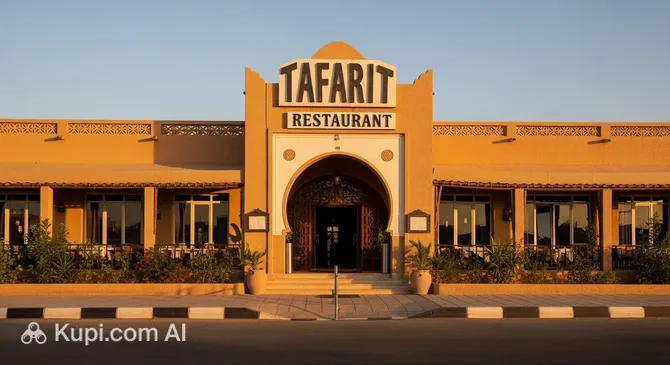
After a day of exploring, experiencing the local culinary scene is a must. Tafarit Restaurant is a popular spot where visitors can enjoy a relaxed atmosphere. It is known for offering a variety of dishes that cater to different tastes, making it a comfortable place to unwind and refuel while soaking in the local vibe.

Tafarit Restaurant. Source: Kupi.Binoculars

Finally, no visit is complete without a stroll through the Marché Capitale. This sprawling market is the commercial heartbeat of Nouakchott, where you can find everything from traditional fabric (melhfa) to intricate silver jewelry and local crafts. It is the perfect place to interact with friendly locals and find a unique souvenir to take home.

Local Cuisine

The culinary landscape of Nouakchott is a fascinating reflection of its geography, blending the rich harvest of the Atlantic Ocean with the hearty traditions of the Sahara Desert. Food here is more than just sustenance; it is a celebration of hospitality and heritage. Visitors will find a cuisine heavily influenced by Moorish, Berber, and Senegalese flavors, characterized by communal dining and aromatic spices.

Thanks to the thriving fishing industry, seafood plays a central role in the local diet. The definitive dish to try is Thieboudienne (often called Cheb), a flavorful combination of fish, broken rice, and vegetables like cassava and eggplant, all simmered in a tomato base. Another staple is Mahfe, a rich and creamy stew made with meat or fish cooked in a peanut sauce, typically served over rice. For meat lovers, Méchoui—roasted lamb cooked until tender—pays homage to the country’s nomadic roots and is a must-have at feasts.

Beverages in Nouakchott are dominated by the famous Attaya tea ritual. This is a central part of social life, where strong green tea with mint and sugar is brewed and poured from a height to create a frothy foam. It is traditionally served in three rounds, evolving in flavor from bitter to sweet. Travelers should also try Zrig, a refreshing drink made from camel milk, or cool down with Bissap, a sweet juice made from hibiscus flowers. Note that alcohol is not part of the local culture and is generally unavailable in standard dining establishments.

The food culture is warm and inviting, with meals often served on large communal platters meant to be shared. While you can find international cuisine in the city, the true essence of Nouakchott is found in its local eateries and markets, where the atmosphere is lively and the food is freshly prepared. Whether you are enjoying a quick street food snack or a sit-down meal, the flavors of the city are sure to leave a lasting impression.

Travel Tips

Visiting Nouakchott is a rewarding experience that offers a deep dive into Mauritanian culture, but it requires a bit of preparation to navigate the local customs and environment smoothly. To help you make the most of your trip, here are some practical tips designed to ensure your stay is comfortable and respectful of local traditions.

  1. Dress Modestly and for the Climate: As Mauritania is a conservative Islamic country, modest dress is essential. Men should wear long trousers, and women should wear loose-fitting clothing that covers the shoulders and knees; carrying a lightweight scarf is highly recommended for covering the head when visiting religious sites or rural areas. Since the city is hot and dusty, breathable fabrics like cotton or linen are your best friends, along with comfortable walking shoes and sunglasses to protect against the bright desert glare.

  2. Mastering Local Transport: Public transport options like metros or scheduled buses do not exist in the city. The most common way to get around is by taxi, which you can identify by their green and yellow color. You can choose between a private hire (course) or a shared taxi (tout-droit) which follows a set route. Always negotiate and agree on the fare before getting into the vehicle, as meters are rarely used.

  3. Cash is King: The local currency is the Mauritanian Ouguiya (MRU). While some high-end hotels may accept credit cards, the vast majority of shops, restaurants, and markets operate exclusively in cash. ATMs are available in the city center, but they can occasionally be out of service, so it is wise to carry enough cash (Euros or US Dollars) to exchange at banks or official exchange bureaus upon arrival.

  4. Health and Hydration: The combination of heat and dry wind can be dehydrating, so always carry bottled water and drink frequently; tap water is not recommended for tourists. Pharmacies are widely available and usually marked with a green cross, but it is advisable to bring any specific prescription medications you need from home. Generally, the city is safe, but take standard precautions like keeping valuables secure and avoiding unlit or isolated areas at night.

  5. Overcoming Language Barriers: The official language is Arabic (specifically the Hassaniya dialect), and French is widely used in business and by educated locals. English is not commonly spoken, so learning a few basic phrases in French or Arabic will be incredibly helpful. For internet access, buy a local SIM card (Mauritel, Chinguitel, or Mattel) immediately upon arrival, as Wi-Fi in cafes can be slow or unreliable.

  6. Observe Local Etiquette: Greetings are very important in Mauritanian culture; a polite "Salam Alaykum" (Peace be upon you) goes a long way. When eating communal meals, which is common, always use your right hand, as the left is considered unclean. Public displays of affection are frowned upon and should be avoided to respect local norms.

  7. What to Avoid: Strictly avoid taking photographs of government buildings, military installations, police stations, or airports, as this is prohibited and can lead to serious trouble with authorities. Also, be aware that alcohol is banned in Mauritania; do not attempt to bring it into the country or consume it in public.

  8. Savor the Tea Ritual: Do not rush the tea ceremony (Attaya). If you are invited for tea, understand that it is a time-honored social ritual involving three rounds of tea, each with a different flavor profile. It is a sign of hospitality and friendship, so sit back, relax, and enjoy the conversation.

By keeping these practical tips in mind, you will be well-equipped to navigate the unique rhythm of Nouakchott. Embracing the local pace and showing respect for the culture will not only make your trip smoother but also open doors to the genuine warmth and hospitality of the Mauritanian people.

Entertainment & Nightlife

Nightlife in Nouakchott offers a distinct cultural experience that sets it apart from many other global capitals. Due to the strict prohibition of alcohol in Mauritania, you will not find traditional nightclubs, bars, or pubs in the city. Instead, the evening entertainment is defined by a vibrant social scene centered around late-night dining, atmospheric cafes, and the ceremonial drinking of tea. As the heat of the day subsides, the city comes alive with families and friends gathering to socialize under the stars, creating a relaxed and welcoming atmosphere.

The primary hub for evening activities is the district of Tevragh-Zeina, known for its concentration of embassies and upscale residences. This area hosts the city's most popular restaurants and lounges, which effectively serve as the nightlife venues. A prime example is Palacio Restaurant, where the ambiance is sophisticated yet comfortable, making it a favorite spot for long dinners and engaging conversations that last well into the night.

For a more casual evening, the local dining scene offers plenty of options where the focus is on communal meals and hospitality. Venues like Tafarit Restaurant are excellent for experiencing the local rhythm of life. Here, the "nightlife" consists of savoring delicious food and enjoying the company of others without the loud music or crowds typical of clubs elsewhere. Most of these establishments stay open late, reflecting the local habit of eating dinner well after 9:00 PM.

Beyond the restaurants, the streets themselves offer a form of entertainment. In the cooler evening hours, small tea stalls and open-air cafes bustle with activity as locals enjoy the traditional Attaya tea ritual. If you wish to join in, remember that the dress code remains modest even at night. For transportation, it is highly recommended to use taxis to move between venues rather than walking, especially in less illuminated areas. Taxis are abundant, but always agree on a fare before starting your journey.

While the nights are dedicated to social relaxation, daytime entertainment in Nouakchott provides a cultural counterpoint. Visitors can spend their days exploring the National Museum or navigating the lively chaos of the fish market before retreating to the comfort of a restaurant as the sun sets. This cycle of busy days and long, social evenings is the true heartbeat of the city.

Parks & Museums

While Nouakchott is situated in a desert environment where lush green parks are a rarity, the city offers a unique blend of natural beauty along its coastline and rich cultural heritage preserved within its institutions. Visitors looking to explore the greener side of the city or dive into its artistic history will find specific spots that highlight the capital's connection to both the land and its people.

The most significant natural area in Nouakchott is undoubtedly its expansive Atlantic Coastline. Unlike the manicured gardens found in other capitals, the beach here serves as the city's primary open space for relaxation and recreation. The endless stretch of sand offers a refreshing escape from the city heat, where the ocean breeze is constant. It is a popular spot for locals and tourists alike to take long walks, watch the sunset, or simply observe the rhythmic power of the Atlantic waves meeting the Sahara sands.

Another intriguing environmental feature is the city's Green Belt. While not a park in the traditional recreational sense, this man-made barrier of trees and shrubs is a vital ecological project designed to protect the capital from encroaching sand dunes. For the environmentally curious traveler, observing this struggle against desertification provides a fascinating insight into life on the edge of the Sahara.

For a deep dive into the country's history, the National Museum of Mauritania is the premier cultural institution. Housed in a two-story building, the museum offers a comprehensive look at Mauritanian heritage. The ground floor is dedicated to archaeological finds, displaying ancient arrowheads and pottery that date back to the Stone Age. The upper floor focuses on ethnography, showcasing traditional costumes, musical instruments, and nomadic dwellings that illustrate the diverse lifestyles of the Moorish and African populations.

Art enthusiasts should not miss Galerie Zeinart, a key venue for contemporary culture in the city. This gallery provides a platform for local and regional artists to display their work, ranging from paintings and photography to intricate jewelry and fashion. It is a vibrant space that reflects the modern creative pulse of Nouakchott, offering a contrast to the historical focus of the National Museum. It is also an excellent place to find high-quality, authentic souvenirs.

For a truly authentic experience, consider visiting the Maison des Artistes. This is less of a formal museum and more of a living gallery where you can watch artisans at work. Here, you can observe the meticulous craft of creating silver jewelry and leather goods, gaining an appreciation for the skills passed down through generations.

Getting Around

Navigating the public transport system in Nouakchott offers a distinct experience that differs significantly from many other capital cities. There is no metro, tram, or extensive scheduled municipal bus network. Instead, the city relies on an informal yet effective network of road-based transport that connects the various districts. For tourists, understanding how this system works is key to getting around efficiently and affordably.

The most popular and efficient mode of transport is the shared taxi, locally referred to as tout-droit (meaning "straight ahead"). These are typically older Mercedes vehicles painted in the distinctive green and yellow colors. They run along fixed routes on the city's main avenues, picking up and dropping off passengers along the way. You simply stand by the roadside and signal a passing taxi; if they have a seat available and are heading in your direction, they will stop. In addition to cars, there are larger minibuses and vans that operate on longer routes between neighborhoods, often serving as a budget-friendly option for locals.

The payment system in Nouakchott is entirely cash-based. There are no travel cards, passes, or mobile apps for ticketing. Passengers pay the driver directly upon entering or exiting the vehicle. The fares for shared taxis and minibuses are fixed and very low, usually requiring small change in the local currency. It is highly recommended to carry coins or small banknotes, as drivers may not always have change for larger denominations.

For those seeking more comfort or privacy, hiring a private taxi (a "course") is the best alternative. You can hail the same green and yellow taxis but request a private ride to a specific destination. Unlike shared routes, the price for a private trip is not fixed and must be negotiated before you get into the car. Recently, three-wheeled tuk-tuks have also become a common sight, offering a cheaper and breezier alternative for shorter trips within residential areas, though they are less suitable for long distances on major highways.

Travelers should be aware that formal bus stops are rare; vehicles usually stop at major intersections or landmarks. Operating hours are flexible, with transport being readily available from early morning until late evening, though the frequency drops significantly after dark. Since drivers often speak only Arabic or French, having your destination written down or learning a few basic phrases can be very helpful. Always agree on the fare for private rides in advance to avoid misunderstandings upon arrival.

Accommodation

Finding the right place to stay in Nouakchott is relatively straightforward, as the city offers a range of options catering to business travelers, diplomats, and adventurous tourists. The accommodation landscape has evolved significantly, providing everything from simple, budget-friendly guesthouses (often called auberges) to modern, high-standard hotels that offer international amenities. While the city may not have the vast resort infrastructure of major tourist hubs, visitors can still find comfortable and secure lodgings suited to their needs.

For most travelers, the district of Tevragh-Zeina is the most recommended area to stay. This upscale neighborhood is home to many embassies, restaurants, and foreign businesses, making it one of the safest and most convenient parts of the city. Staying here places you close to the best dining options and offers a quieter environment compared to the bustling city center. Alternatively, the downtown area provides easier access to the markets and the Grand Mosque, though it can be noisier. For a more rustic experience, there are camping grounds and huts available near the beach, allowing you to sleep within earshot of the Atlantic waves.

When planning your trip, it is highly advisable to book your accommodation in advance. While walk-ins are possible at smaller guesthouses, the better-quality hotels can fill up quickly due to conferences or business delegations. Furthermore, confirming your reservation ahead of time ensures you have a clear destination upon arrival, which is helpful for completing entry forms at the airport.

Price ranges in the capital vary widely. Budget travelers can find affordable beds in shared rooms or simple private rooms in auberges, often with a communal atmosphere. Mid-range and top-tier hotels are more expensive, sometimes comparable to European prices, but they typically provide essential comforts like air conditioning, reliable Wi-Fi, and backup generators. While major hotels usually accept online bookings and credit cards, smaller establishments often prefer or require payment in cash (Ouguiya or sometimes Euros), so it is wise to be prepared.

Nearby Cities

For those looking to explore the surroundings, Nouakchott serves as an excellent base for day trips to several interesting nearby locations. While the vast distances of the Mauritanian desert often mean that major settlements are far apart, there are distinct areas and towns within reach that offer a change of pace from the city center.

One of the most accessible areas for a short visit is Tevragh Zeina. Located just a few kilometers from the heart of the capital, this district is often considered the upscale face of the region. It is known for its modern architecture, foreign embassies, and quieter, tree-lined streets. Visitors often head here to enjoy high-end dining or to explore a more relaxed, cosmopolitan atmosphere that contrasts with the bustling markets of downtown Nouakchott.

For those willing to undertake a longer journey, the coastal city of Nouadhibou lies to the north. Although it is a significant distance away, it is the country's economic capital and a major hub for fishing and mining. Situated on a peninsula, it offers unique coastal scenery and serves as a gateway to the famous Banc d'Arguin National Park. While it requires more travel time, it remains one of the most important destinations for travelers exploring the Atlantic coast of Mauritania.

City Population Distance (km)
Nouadhibou 118000 337
Kiffa 110714 505
Arafat 102169 3
Dar Naim 61089 5
Tevragh Zeina 60000 6

These nearby destinations offer a glimpse into the diverse culture and landscapes of the region.

Shopping & Souvenirs

Shopping in Nouakchott is less about browsing high-end designer boutiques and more about immersing yourself in the vibrant atmosphere of bustling markets and discovering unique local craftsmanship. The city offers a raw and authentic commercial experience where traditional trade meets modern convenience. While you can find supermarkets and smaller shops selling imported goods, the true treasure trove for visitors lies in the artisanal products that reflect the country's nomadic heritage and skilled artistry.

The city does not have distinct "shopping streets" in the European sense, but Avenue Kennedy serves as a major commercial artery. This busy road is lined with shops selling electronics, mobile phones, and general merchandise, buzzing with activity throughout the day. For a more upscale experience, the district of Tevragh-Zeina is home to smaller boutiques and galleries where you can find high-quality fabrics, western-style clothing, and curated local crafts in a quieter environment.

While the mall culture is still in its infancy compared to other global capitals, the Al Khaima City Center stands out as a modern landmark. It offers a more conventional shopping experience with a variety of stores under one roof, providing a cool escape from the midday heat. It is a good place to find clothing, accessories, and other travel essentials in a comfortable, air-conditioned setting.

The heart of the city's commerce beats in its markets. The Marché Capitale (Capital Market) is the most famous and extensive, a labyrinth of stalls where you can buy everything from colorful textiles to spices. It is particularly known for the sale of melhfa, the traditional lightweight fabric worn by Mauritanian women. Nearby, you might find the "Marché des Femmes," which specializes in these fabrics and offers a dazzling array of patterns and colors.

For souvenirs, the best investments are undoubtedly local handicrafts. Mauritania is renowned for its exquisite silver jewelry, often inlaid with ebony or semi-precious stones, created by skilled smiths. Leather goods are another specialty, with items like camel leather bags, sandals, and cushions being popular choices. You should also look for traditional wooden chests, intricately decorated with metal, which serve as beautiful keepsakes of the desert culture.

When planning your shopping trips, keep in mind that cash is the primary method of payment. Very few market stalls or small shops accept credit cards, so carrying sufficient Mauritanian Ouguiya is essential. Bargaining is not just expected; it is a way of life in the markets. Approach it with a smile and a sense of humor to get a fair price.

Store hours can be somewhat flexible. Most shops and markets open around 9:00 AM and may close for a long lunch break during the hottest part of the day, reopening in the late afternoon until around 8:00 PM or 9:00 PM. Friday is the holy day, so expect many businesses to be closed or to have significantly reduced hours, particularly around prayer times.

Tax-free shopping or VAT refund schemes for tourists are not currently a standard feature in Mauritania. Visitors should assume that the price paid (after bargaining) is the final cost, with no expectation of reclaiming taxes at the airport.

Reached the end of the page?

That means the route is fully explored