Support

Nouadhibou

About

Nouadhibou is the second-largest city in Mauritania and serves as the country's vibrant economic capital. Situated on the long Ras Nouadhibou peninsula, this bustling port city offers a unique blend of stark desert landscapes and refreshing Atlantic coast vibes. It is a place where the sands of the Sahara meet the ocean, creating a distinct atmosphere that sets it apart from the interior of the nation.

With a population of approximately 118,000 residents, the city is a vital hub for international trade and the fishing industry. The climate here is arid, yet the persistent sea breeze makes the temperatures more moderate and comfortable compared to the inland regions. Visitors interested in the history of Nouadhibou will discover its fascinating evolution from a small trading post established in the early 20th century to a major industrial center significantly shaped by its maritime heritage.
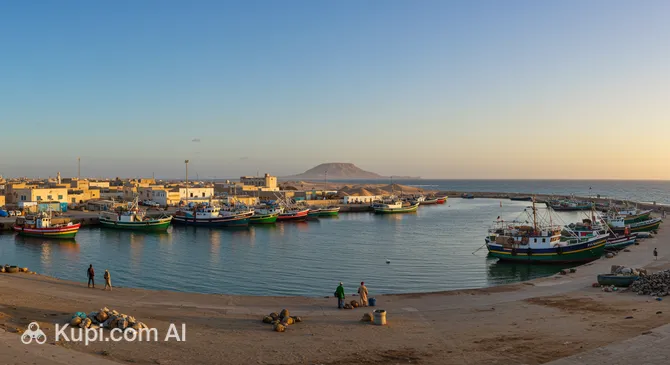
Nouadhibou. Source: Kupi.Binoculars

Travelers are often drawn to the city's unique and somewhat unconventional sights. One of the most iconic features has long been the ship graveyard in the bay, where rusting hulls rising from the water create a surreal and photogenic scene. Nature lovers can head to the tip of the peninsula to explore Cap Blanc, a satellite reserve that shelters one of the world's last colonies of endangered Mediterranean monk seals. Additionally, the city is the terminus for the legendary iron ore train, often cited as the longest train in the world, which arrives daily from the remote desert mines.

Whether you are looking to explore rugged coastal scenery, observe rare wildlife, or witness the industrial pulse of the region, Nouadhibou offers an authentic experience. It is a compelling destination for those seeking off-the-beaten-path adventures and a deeper understanding of life on the West African coast.

Weather Overview

The climate in this coastal city is remarkably stable and mild, offering a refreshing escape from the intense heat often found further inland. Before you travel, checking the weather in Nouadhibou can help you prepare, though conditions are generally favorable year-round. Average temperatures fluctuate gently, starting from a cool 19.4°C in January and rising to a comfortable peak of 25.0°C in September, with daily highs rarely exceeding 28°C even in the warmest months.

Rainfall is exceptionally rare in this region, ensuring clear skies for the vast majority of the year. The city records almost 0mm of precipitation for nearly every month, with only a negligible chance of a single wet day occurring in February or September. Expect consistently dry weather and moderate warmth, creating an ideal environment for outdoor activities along the peninsula.

Interesting Facts

Beyond the main attractions and industrial hustle, Nouadhibou holds fascinating secrets that speak to its unique heritage and geography. Here are a few surprising facts about this coastal city that often go unnoticed by casual visitors:

  • A Literary Aviation Hub: Before it was known as Nouadhibou, the city was called Port-Étienne and served as a critical stopover for the legendary Aéropostale airmail service. Famous aviators and authors, including Antoine de Saint-Exupéry and Jean Mermoz, landed here during their pioneering flights connecting France to South America in the 1920s.

  • The Jackal's Well: The name "Nouadhibou" is widely believed to mean "The Place of the Jackal" or "The Jackal's Well" in the local dialect. This etymology hints at the city's past as a watering hole where desert wildlife, particularly jackals, would gather to drink before the area developed into a major urban center.

  • A City Within a City: The district known as Cansado stands in stark contrast to the rest of the town. Built specifically for the employees of the national mining company, this planned neighborhood features orderly streets, lush gardens, and distinct architecture, functioning almost as a separate, self-contained community south of the main city center.

How to Get There

Reaching this coastal economic hub is relatively straightforward, with options ranging from direct flights to adventurous overland journeys. Whether you are arriving for business or to explore the unique landscapes of the peninsula, planning your route is the first step. You can find detailed information on all ways to reach the city in our comprehensive guide.

The most convenient entry point for international and domestic travelers is Nouadhibou Airport (NDB). Situated directly on the peninsula, the airport is exceptionally close to the urban area. It is located just 1.6 km from the city center, making the transfer to your accommodation quick and easy. A taxi ride typically takes around 5 to 10 minutes, depending on traffic and your specific destination. With an annual passenger traffic of approximately 120,000 people, it serves as a key regional transport node, connecting the city with the capital and other destinations.

For clarity, here is a summary of the main airport:

Airport Name City Passenger Traffic Km from City
Nouadhibou Airport Nouadhibou Medium 1.6

Beyond air travel, the city is well-connected by road. The N2 highway links Nouadhibou to the capital, Nouakchott, in the south and extends northwards towards the border, making it a popular stop for overlanders driving along the West African coast. Additionally, the city is the terminus for the famous iron ore train from the desert interior, which, while primarily industrial, attracts adventurous travelers seeking a unique experience.

Main Attractions

While Nouadhibou is primarily known as an economic hub, it possesses a raw, industrial charm and unique natural sites that attract adventurous travelers. The city's attractions offer a stark contrast between the rusting remnants of maritime history and the pristine beauty of the Atlantic coast.

The Ship Graveyard in the Bay of Cansado is perhaps the city's most famous, albeit controversial, landmark. For decades, this area served as a final resting place for hundreds of unwanted vessels, creating a surreal landscape of rusting hulls rising from the shallow waters. While recent cleanup efforts by the government and international partners have significantly reduced the number of wrecks, the remaining skeletons of these ships still offer a hauntingly photogenic scene that speaks to the city's maritime past.

Nature enthusiasts should not miss Cap Blanc, located at the southern tip of the Ras Nouadhibou peninsula. This satellite reserve is a dramatic slice of coastal wilderness featuring steep cliffs and crashing Atlantic waves. It is globally significant as one of the last refuges for the endangered Mediterranean monk seal. Visitors can often spot these rare creatures from the cliff tops, along with various seabirds, making it a peaceful escape from the city's hustle.

For a glimpse into the industrial heartbeat of Mauritania, the SNIM Mineral Port is a site of impressive scale. This is the terminus for the legendary Iron Ore Train, which travels over 700 kilometers across the Sahara from the mines in Zouérat. Watching the arrival of this train, which can be up to 2.5 kilometers long, is a bucket-list experience for many travelers. The sight of the massive wagons being unloaded is a powerful testament to the region's resource-driven economy.

To experience local culture, a visit to the Port de Pêche (Artisanal Fishing Port) is essential. This bustling harbor is filled with hundreds of colorful wooden pirogues and offers a sensory overload of sights and sounds. It is the best place to watch fishermen haul in their daily catch and to see the vibrant trade that sustains much of the local population. Nearby, the city's markets offer a chance to browse for local fabrics and crafts in a lively atmosphere.

Local Cuisine

As the fishing capital of Mauritania, Nouadhibou offers a culinary experience that is inextricably linked to the Atlantic Ocean. While the interior of the country relies heavily on meat and dairy, the cuisine here is defined by an abundance of incredibly fresh seafood. The city's location on the peninsula ensures that fish is not just a staple but a way of life, served in generous portions and seasoned with a mix of Moorish and West African flavors.

The most iconic dish to try is Thieboudienne (often referred to locally as Cheboudjen). Although it originated in Senegal, it has been wholeheartedly adopted in Nouadhibou. This flavorful meal consists of fish marinated with herbs, cooked in a rich tomato sauce, and served over broken rice with vegetables like carrots, cassava, and eggplant. Another local favorite is grilled Thiof (white grouper), considered the premium catch of the region. It is typically grilled simply over charcoal to highlight its delicate texture and served with onions, mustard, and lime.

When it comes to beverages, the culture is dominated by the ceremonial tea ritual known as Attaya. This is more than just a drink; it is a social event involving three rounds of green tea, brewed with mint and varying amounts of sugar. The first glass is strong and bitter ("like life"), the second is milder ("like love"), and the third is sweet ("like death"). For a taste of the desert heritage, adventurous travelers should try Zrig, fresh camel milk that is sometimes slightly sweetened. It is important to note that Mauritania is an Islamic republic, and alcohol is generally not available in local restaurants or shops.

The food culture in Nouadhibou is warm and communal. In traditional settings, meals are often served on a large shared platter, with diners eating with their right hand from the portion directly in front of them. While there are standard restaurants serving international and Lebanese cuisine, the most authentic experiences are found in small local eateries near the Port de Pêche. Here, the catch of the day is transformed into a meal within hours of leaving the ocean, offering a freshness that is hard to rival.

Travel Tips

Visiting Nouadhibou is an adventure into a unique blend of desert culture and maritime industry, but navigating daily life here requires a bit of specific know-how. To help you settle in quickly and respect local customs, here are some essential practical tips for your journey to the peninsula.

  1. Dress Modestly and for the Wind: As in the rest of Mauritania, conservative dress is the norm. Men should wear long trousers, and women should opt for loose-fitting clothes that cover the shoulders and knees; a headscarf is not mandatory for foreign women but is appreciated as a sign of respect. Since Nouadhibou is a coastal city with constant Atlantic breezes, bring a windbreaker or light jacket for the evenings, and sunglasses are essential to protect your eyes from blowing sand.

  2. Navigating by Taxi: There is no formal public transport system like buses or a metro. The best way to get around is by taxi, which comes in two forms: "course" (private ride) or "place" (shared ride). Taxis are often older Mercedes vehicles in green and yellow. Always negotiate and agree on the fare before getting into the car, as meters are non-existent. For trips to remote spots like Cap Blanc, it is better to hire a private driver or a 4x4 vehicle for the day.

  3. Cash is King: The local currency is the Mauritanian Ouguiya (MRU). Credit cards are rarely accepted outside of a few top-tier hotels and airline offices. You should travel with sufficient cash (Euros or US Dollars) and exchange it at banks or official exchange bureaus in the city center. ATMs are available, particularly those of international banks like Société Générale, but they can be unreliable or out of service, so do not rely on them exclusively.

  4. Health and Hydration: While the coastal air is fresher than inland, the climate is still very dry. Drink plenty of bottled water and avoid tap water. Pharmacies are marked with a green cross and are generally well-stocked with basic French medications, but for serious issues, seek out the "Hôpital Espagnol" (Spanish Hospital), which is considered one of the better medical facilities in town.

  5. Language and Connectivity: The official language is Arabic, and the local dialect is Hassaniya, but French is widely used in business and tourism. English is not commonly spoken, so having a translation app or a phrasebook is crucial. Buying a local SIM card from providers like Mauritel or Mattel is easy (passport required) and highly recommended for mobile data, as hotel Wi-Fi can be slow.

  6. Social Etiquette: Greetings are lengthy and important; a simple "Salaam Alaykum" goes a long way. When eating from a communal bowl, always use your right hand. Be mindful of gender dynamics; men should generally wait for a woman to extend her hand first before shaking it. If you are invited for tea, accept it—refusing the third glass of Attaya can be seen as impolite.

  7. Strict Photo Rules: One specific behavior to avoid is taking photographs of people without their explicit permission. Locals can be very private, and pointing a camera at someone can cause offense. Furthermore, strictly avoid photographing military zones, police stations, government buildings, or the airport, as this can lead to the confiscation of your camera or questioning by authorities.

  8. Respect the Siesta: Life in Nouadhibou follows a distinct rhythm. Many shops and businesses close for a long break in the afternoon, typically between 14:00 and 16:00, to escape the peak sun and rest. Plan your shopping and errands for the morning or late afternoon/evening when the city comes back to life.

By keeping these practicalities in mind, you will find it much easier to connect with the friendly residents of Nouadhibou and enjoy the city's relaxed coastal atmosphere. A little preparation goes a long way in ensuring your trip is both safe and culturally rewarding.

Entertainment & Nightlife

Entertainment in Nouadhibou takes on a different rhythm compared to many other international destinations. As Mauritania is an Islamic republic with strict laws regarding alcohol, you will not find a scene of bustling nightclubs, pubs, or cocktail bars here. Instead, the city’s nightlife is defined by a vibrant social culture centered around late-night dining, animated conversations, and the ceremonial drinking of tea.

The heart of the evening activity beats along the main thoroughfares, particularly the Boulevard Médian. As the heat of the day subsides, this area comes alive with locals enjoying the cool Atlantic breeze. The streets are lined with small shops, cafes, and tea salons where the atmosphere is welcoming and relaxed. This is the best place to experience the authentic "night out" in Nouadhibou, which involves sipping glasses of strong, sweet mint tea (Attaya) and watching the world go by until late in the evening.

For those seeking a venue to spend the evening, local restaurants serve as the primary social hubs. Restaurant Halima is a popular establishment where travelers and locals mix, known for serving generous portions of fresh seafood and international dishes in a comfortable setting. Another favorite spot is Restaurant Galloufa, which is celebrated for its grilled specialties and provides a friendly, lively atmosphere for a relaxed dinner. In the Cansado district, the vibe is slightly more upscale and quiet, perfect for a peaceful evening walk near the hotel gardens.

Practical advice for enjoying the city at night focuses on safety and logistics. Nouadhibou is generally safe, but it is wise to avoid walking alone in poorly lit areas on the outskirts or near the industrial port after dark. Taxis are plentiful and are the best way to move between the center and districts like Cansado; simply flag one down and agree on the price before hopping in. Most social venues close around midnight, though some tea shops may stay open later. Dress codes remain casual but modest; even in the evening, respectful attire covering shoulders and knees is expected.

Daytime entertainment in the city is low-key and often revolves around exploring the local culture and environment. While there are no large amusement parks or grand museums, the Central Market offers a colorful and chaotic experience where you can browse for traditional fabrics and crafts. For a more serene afternoon, a walk along the beaches of the peninsula allows you to enjoy the coastal scenery before the sun sets and the city transitions into its relaxed evening mood.

Parks & Museums

Nouadhibou is primarily a city of industry and desert sands, so travelers should not expect lush botanical gardens or grand national museums in the traditional sense. However, the city possesses a unique natural heritage defined by its peninsula location and a cultural depth found in its daily life and historical remnants rather than in glass display cases. The beauty here is raw and elemental, found in the meeting of the Sahara and the Atlantic.

Cap Blanc Satellite Reserve is the most significant natural area in the region and a must-visit for nature enthusiasts. Located at the very tip of the peninsula, this protected zone is famous for sheltering a colony of endangered Mediterranean monk seals. The reserve offers rugged coastal scenery with dramatic cliffs and caves, providing a sanctuary not only for the seals but also for various seabirds. It is a place of stark, wind-swept beauty that highlights the ecological importance of the Mauritanian coast.

For a calmer natural environment, the Baie de l'Etoile (Star Bay) offers a sheltered lagoon protected from the strong Atlantic swells. This area is known for its tranquil turquoise waters and is a haven for migratory birds, including flamingos and pelicans during certain seasons. It serves as a peaceful escape from the city center, ideal for walking along the water's edge or simply observing the diverse birdlife against the backdrop of desert dunes.

While Nouadhibou does not boast large formal museums, the Artisanal Fishing Port functions as a vibrant, living museum of the city's maritime culture. Watching the traditional wooden pirogues return with their catch offers a direct look into the techniques and way of life that have sustained the population for generations. The sights, sounds, and smells here paint a vivid picture of the local heritage that no static exhibit could replicate.

To see the artistic side of the region, visitors should explore the local craft markets in the city center. These bustling spaces act as open-air galleries where you can find Mauritanian silver jewelry, intricate leatherwork, and hand-dyed fabrics. These items reflect the intersection of Moorish and West African aesthetic traditions, offering an intimate glimpse into the craftsmanship and artistic expression of the local people.

Among the historical and architectural landmarks, the Église de Saint-Pierre (often referred to as the Catholic Mission) stands out. Built during the colonial era when the city was known as Port-Étienne, this small church is a modest but significant architectural piece. It serves the small Christian community and stands as a testament to the city's diverse history as a trading post and international stopover.

Another key historical site is the Cap Blanc Lighthouse. Although the structure itself is functional, it marks a historically significant point for navigation along the West African coast. Standing near the lighthouse offers a sense of the isolation and strategic importance of this peninsula throughout maritime history.

For an authentic experience, take a walk through the Cansado district just south of the main city. Built originally for mining company employees, this neighborhood feels like a different world with its organized grid, colonial-style villas, and lines of tamarisk trees. It offers a rare patch of planned greenery and a quiet atmosphere that contrasts sharply with the chaotic energy of the main town.

Getting Around

The public transport system in Nouadhibou is informal and distinct from the structured networks found in many major international cities. There are no subways, trams, or official scheduled bus lines operating within the urban area. Instead, the city relies almost exclusively on a fleet of taxis that serve as the primary means of mobility for locals and visitors alike. This decentralized system is efficient once understood, providing coverage across the long, linear layout of the peninsula.

The backbone of local transport consists of the iconic green and yellow taxis, typically older Mercedes models that are durable enough for the desert environment. These vehicles operate in two distinct modes. The most common is the shared taxi (often referred to as "place"), where passengers pay for a single seat and the driver picks up and drops off multiple people along a general route. This is the standard way to travel along the main north-south boulevards. Alternatively, you can hire a taxi for a private trip (known as a "course"), which gives you exclusive use of the vehicle for a direct journey to a specific destination, such as a restaurant or the airport.

Payment is strictly cash-based, using the local currency. There are no travel cards, transport apps, or digital ticketing systems. Fares for shared rides are fixed at a very low rate for short hops along the main roads, while private trips require negotiation before you enter the vehicle. It is essential to carry small change, as drivers often do not have large amounts of cash on hand. Prices are generally reasonable, but as a tourist, it is wise to ask a local or your hotel receptionist for the current standard rates to avoid being overcharged.

For tourists, navigating this system requires a bit of interaction. To hail a taxi, simply stand by the side of the road and wave. If you want a shared ride, you can signal the direction you are heading or shout the name of a well-known landmark or district (like "Cansado" or "Centre-Ville") as the car slows down. If the driver is going that way and has space, he will stop. Operating hours are flexible; taxis are available from early morning until late at night, though availability drops significantly after midnight.

Alternatives to taxis are limited. Walking is feasible for exploring specific compact areas like the city center or the markets, but the distances between major districts can be too great for foot travel, especially given the arid climate. Car rentals are available but typically come with a driver, which is a recommended option for those planning to visit remote sites like Cap Blanc where regular street taxis may not venture. Ride-hailing apps like Uber do not operate here.

A unique feature of the region's transport landscape is the legendary Iron Ore Train. While not a method for daily city commuting, it is a world-famous transport experience that terminates here. This massive train, often exceeding two kilometers in length, connects the port with the desert mines. For adventurous travelers, riding atop the ore wagons (or in the single passenger carriage) is a "special feature" of local travel, offering a rugged and unforgettable journey into the Sahara that starts or ends right at the city's edge.

Accommodation

Accommodation in Nouadhibou reflects its status as a working industrial port and a transit hub rather than a typical tourist resort destination. The options generally fall into two main categories: functional hotels designed for business travelers and engineers, and simpler guesthouses (often called auberges) that cater to overlanders and adventurous tourists. While you will not find ultra-luxury international chains, there is a decent selection of clean, comfortable, and safe places to stay that offer warm Mauritanian hospitality.

When choosing where to stay, location is a key factor. The City Center (Centre-Ville) is the most convenient area for travelers who want to be in the thick of things. Staying here puts you within walking distance of the markets, banks, and the popular restaurants along Boulevard Médian. For those seeking a quieter environment, the district of Cansado, located just south of the main city, offers a more organized and peaceful atmosphere with less traffic, often preferred by those looking for a restful night away from the urban hustle.

For budget-conscious travelers, the local auberges are a popular choice. These establishments often provide a communal feel, with options ranging from simple rooms to camping spots for those arriving with their own vehicles. They are excellent places to meet other travelers crossing the Sahara and to exchange information about the road ahead. On the other hand, the mid-range hotels in the city are geared towards the fishing and mining industries, offering amenities like air conditioning, Wi-Fi, and on-site dining, ensuring a comfortable stay for professionals and visitors alike.

Booking Tip: While a few of the larger business hotels can be booked via major online platforms, many smaller establishments and guesthouses operate offline. It is often effective to contact them directly by phone or simply arrive and ask for a room, especially outside of peak business periods. However, if you are arriving late at night or during a major industry conference, securing a reservation in advance is highly recommended.

Prices in Nouadhibou are generally moderate. Budget options can be quite affordable, while the more upscale business hotels command higher rates comparable to European mid-range standards. Be prepared to pay in cash (Ouguiyas, Euros, or Dollars) for your accommodation, as credit card facilities are not universally available, even in some established hotels. Always confirm the payment method before you check in to avoid any inconvenience.

Nearby Cities

For those looking to explore the surroundings, Nouadhibou serves as an excellent base for excursions to several interesting nearby locations. While the scale of the Sahara means that travel distances can be significant, the city acts as the primary gateway to other key destinations in Mauritania, offering opportunities for short visits or further adventures into the country's interior. Two notable destinations stand out for travelers planning their next stop: * **Nouakchott**: As the capital and largest city of Mauritania, Nouakchott offers a bustling contrast to the more laid-back atmosphere of Nouadhibou. Visitors can explore the lively Marche Capitale, visit the National Museum to learn about the country's heritage, or witness the vibrant activity at the famous Port de Pêche. It serves as the cultural and political heartbeat of the nation. * **Zouerate**: Located to the east, this town is the center of the country's mining industry and the terminus for the legendary iron ore train. For adventurous travelers, Zouerate provides a unique glimpse into life in the deep desert and offers access to dramatic Saharan landscapes that differ significantly from the coastal dunes.
City Population Distance (km)
Nouakchott 1,077,169 337
Arafat 102,169 340
Dar Naim 61,089 335
Tevragh Zeina 60,000 332
Zouerate 56,345 511
These nearby destinations offer a glimpse into the diverse culture and landscapes of the region, ranging from the busy streets of the capital to the rugged beauty of the mining interior.

Shopping & Souvenirs

Shopping in Nouadhibou is a functional and culturally immersive experience rather than a leisure activity centered on luxury or fashion. As a major port city and a Free Trade Zone, it serves as a commercial hub where goods from Europe and the Canary Islands enter the country. For tourists, the appeal lies not in high-end boutiques but in the bustling local markets and small shops that offer everything from essential supplies to unique Moorish handicrafts.

The city's commercial life is concentrated along its main arteries, with the Boulevard Médian serving as the primary shopping spine. This long avenue is lined with a variety of small electronics stores, clothing boutiques, and general trading shops. Walking down this street offers a glimpse into the daily needs of the residents, where you can find imported goods alongside local necessities. Another key area is the Centre Ville (City Center), where banks, pharmacies, and more specialized shops are clustered, making it the most convenient district for travelers to restock on supplies.

Travelers looking for large, Western-style shopping malls will not find them here. The retail landscape is dominated by independent storefronts and small "galeries" rather than sprawling complexes. However, there are several well-stocked supermarkets in the city center that cater to the expatriate community and visitors, offering imported foods and toiletries. These are reliable spots for buying bottled water, snacks, and other travel essentials in a familiar, air-conditioned environment.

The true heartbeat of Nouadhibou's commerce is the Central Market (Marché Central). This vibrant and somewhat chaotic hub is where the local culture is most palpable. Here, vendors sell mounds of fresh produce, spices, and colorful textiles in narrow, bustling lanes. It is an excellent place to observe local life, but be prepared for the crowds and the noise. For a more specific experience, the informal markets near the Artisanal Fishing Port often feature fresh catch and maritime-related goods, reflecting the city's deep connection to the ocean.

When it comes to souvenirs, the best treasures are found in the local craft centers. Mauritania is famous for its exquisite silver jewelry, particularly intricate bracelets and pendants crafted by skilled smiths. Leatherwork is another specialty, with items like decorative cushions, sandals, and bags being popular choices. Visitors should also look for traditional fabrics, such as the colorful melhfa worn by women, which make for beautiful and lightweight gifts.

Business hours in Nouadhibou follow a distinct rhythm dictated by the desert climate. Shops typically open around 9:00 AM but close for a long afternoon break (siesta) from roughly 1:00 PM to 4:00 PM to escape the peak heat. They reopen in the late afternoon and stay open until 8:00 PM or later. On Fridays, the holy day, many businesses may close for the morning prayer and open only in the late afternoon.

Cash is the primary method of payment throughout the city. While a few major supermarkets might accept credit cards, almost all market vendors, small shops, and artisans deal exclusively in Mauritanian Ouguiya (MRU). Bargaining is a standard part of the transaction process in markets and independent stalls; it is expected that you will negotiate the price politely but firmly. Tax-free shopping facilities or VAT refund schemes for tourists are not currently available in Nouadhibou.

Reached the end of the page?

That means the route is fully explored