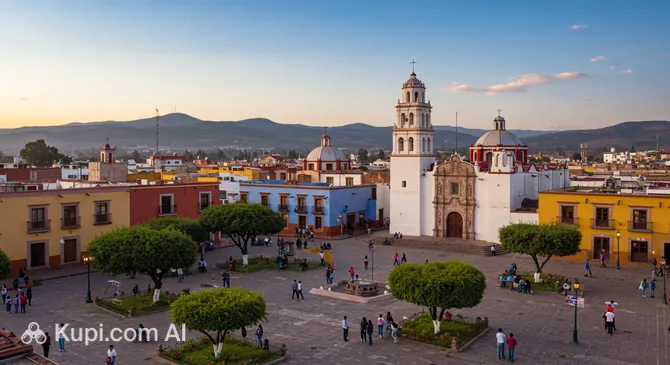
Comitán de Domínguez is an amazing corner of the south, located in the picturesque state of Chiapas. The city is nestled among the mountains at an altitude of over 1,600 meters above sea level, giving it an incredibly mild and pleasant climate year-round. Located near the border with Guatemala, it serves as an important cultural and economic center of the region in Mexico, while maintaining the charm of a cozy provincial town.
Comitán de Domínguez. Illustration.
Source: Kupi.com AI
With a population of about 170,000 people, Comitán harmoniously combines modern dynamics with a rich heritage of the past. It is often called a "museum city" thanks to its magnificently preserved architectural monuments in the Baroque and Colonial Neoclassical styles. The fascinating history of Comitán de Domínguez can be traced in every stone of the old cathedrals, in the cozy squares, and in the museums that are a must-visit for every guest.
Travelers here will find not only architectural beauty but also unique gastronomic discoveries—the local cuisine is famous for its traditional Mexican flavors. In addition, the city is an ideal starting point for exploring the mysterious Mayan heritage and the natural wonders of Chiapas, including picturesque lakes and national parks.
The main value of this place is its unique atmosphere of tranquility and hospitality. Locals are always ready to share their traditions and show the most interesting corners of the city. Comitán de Domínguez invites you to take a break from the hustle and bustle and immerse yourself in a world of authentic Mexican hospitality.
Weather Overview
The climate in the city of Comitán de Domínguez is characterized by mildness and comfort, which is why this place is often called the city of eternal spring. Its high-altitude location saves it from tropical heat, making a visit pleasant at any time of year. To know what to expect from the elements on specific dates, we recommend checking the forecast, where the weather in Comitán de Domínguez is detailed by month.
The warmest period is considered to be spring, especially April and May, when average daytime temperatures rise to 28°C. Following the warming comes the rainy season, which lasts roughly from May to October. The wettest months are June and September: at this time, the number of rainy days can reach 25–26, so an umbrella or raincoat will become an indispensable companion for the traveler.
Winter and early spring (from November to March) is the dry season, when a minimal amount of precipitation falls. Days are sunny and clear with temperatures around 23–25°C, but nights become noticeably cooler, and the thermometer can drop to 13°C. Expect warm spring months, a humid summer with frequent rains, and dry, fresh winters with cool evenings.
Average monthly temperature
Average monthly precipitation
Interesting Facts
In addition to its main attractions, Comitán de Domínguez holds many fascinating secrets and stories that make a visit even more memorable. This city is not just a point on the map, but a living chronicle where ancient legends and a heroic past intertwine.
Benito Juárez Central Park. Illustration.
Source: Kupi.com AI
Traveler photos:
A name as a symbol of freedom. The city bears the name of its most famous native—the doctor and politician Belisario Domínguez. He is known in Mexico as a symbol of civic courage and freedom of speech. It was here that he was born and raised, and locals proudly cherish the memory of a man whose bravery changed the country's history forever.
Gateway to the Mayan world. The city's geographical location is unique: it has been at the intersection of trade routes since ancient times. Today, Comitán is considered an ideal base for exploring the mysterious Mayan world, opening the way to the ruins of ancient cities like Toniná and Palenque, while the surroundings still hide little-studied ritual sites.
Legends of water spirits. The region's natural wonders are steeped in myth. Locals tell legends of mysterious creatures and water spirits guarding more than 50 lakes in the Lagunas de Montebello National Park and the El Chiflón waterfalls. It is believed that the unusual shades of the water in these basins are the magic of ancient nature guardians.
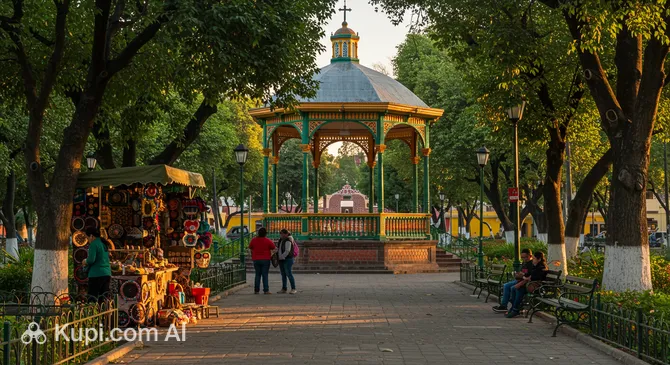
The heart of city life. Unlike many other cities where the main square is just an administrative center, Benito Juárez Central Park here is a true open-air living room. This is a place where history meets everyday life: live marimba music is regularly heard here, and the park's architectural ensemble is considered one of the most harmonious in the state of Chiapas.
Craftsmanship through the centuries. The city is famous for its craft traditions, which can be seen at colorful fairs. Comitán's artisans still use ancient techniques when working with amber, textiles, and ceramics, turning each product into a unique artifact connecting modernity with the pre-Hispanic era.
How to Get There
When planning a trip to this colorful corner of the state of Chiapas, it is important to think about logistics in advance, as there is no direct air service to the city. You can find out all available options and route details by following the link: all ways to get to the city of Comitán de Domínguez.
There is no airport in the city of Comitán de Domínguez itself, so most travelers choose to fly to the nearest major transport hubs. The most convenient option is Ángel Albino Corzo International Airport (TGZ), located in the city of Tuxtla Gutiérrez. It is about 102 km from Comitán and is the region's main air gateway with high passenger traffic. The journey from the airport to Comitán by rental car or taxi takes about 2–2.5 hours, and comfortable buses also run regularly.
As an alternative, you can consider Tapachula International Airport (TAP), located in the city of Tapachula, about 161 km from your destination. This is a less busy airport, but it also receives regular flights. The journey from here to Comitán will take longer—about 3–3.5 hours due to the mountainous terrain.
For clarity, here is summary information on the main airports through which you can reach the region:
As for rail transport, there is currently no passenger service to the city of Comitán de Domínguez. Railways in this region of Mexico are practically not used for tourist transportation. Long-distance buses and cars remain the main way of traveling by land. From the arrival airports, it is most convenient to get to Comitán by first-class buses (for example, the ADO company) or by using a transfer service.
Main Attractions
The city of Comitán de Domínguez charms travelers with its tranquility and architectural elegance. A good way to start your visit is with a walk through iconic places where history intertwines with modernity, and cultural traditions are felt at every step.
The heart of the city and its main architectural landmark is Benito Juárez Central Park. This picturesque space, surrounded by colonial buildings and ancient temples, serves as a favorite meeting place for locals. Here you can relax in the shade of the trees, listen to traditional marimba music that often sounds from the gazebo, and feel the authentic spirit of a "magical city."
Benito Juárez Central Park. Illustration.
Source: Kupi.com AI
Traveler photos:
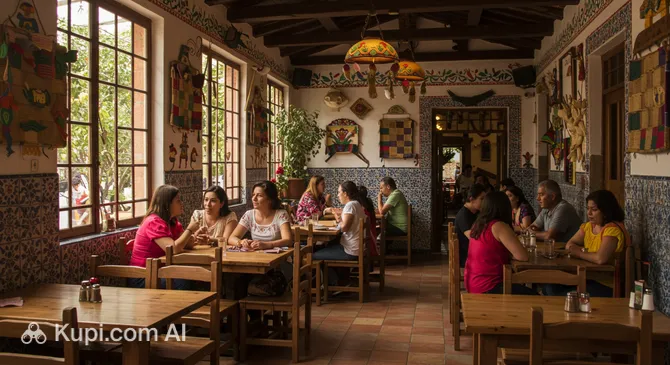
Fans of gastronomic discoveries should include the Sabores de Comitán restaurant in their itinerary. This place can safely be called a culinary attraction, as recipes of Chiapas regional cuisine are carefully preserved here. A visit to the restaurant turns into a real journey into the world of tastes and aromas that this part of Mexico is so famous for.
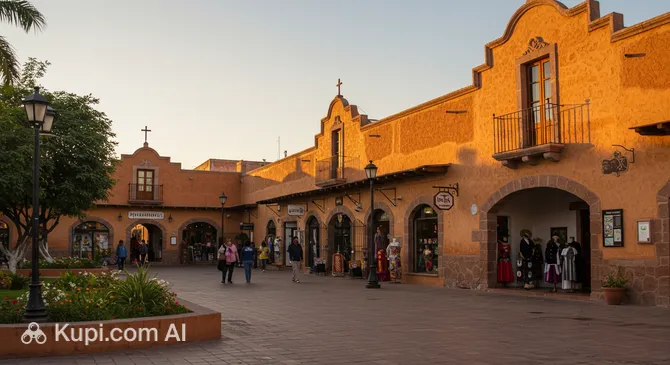
For those who want to see the modern face of the city, Plaza Las Flores Comitán is of interest. This popular shopping center is a hub for leisure and shopping, where you can find both local goods and famous brands. It is an excellent location to take a break from your sightseeing program and enjoy some comfortable relaxation.
Local Cuisine
The cuisine of Comitán de Domínguez is a true celebration of taste, clearly showing the fusion of ancient Mayan culinary traditions and recipes brought by Spanish colonizers. The city's gastronomic scene is characterized by the use of fresh local products and aromatic herbs that create a unique bouquet of flavors specific to the Chiapas region.
Among the main dishes that every traveler must try, chipilín tamales hold the top spot. These are delicate corn dough cakes with the addition of aromatic local chipilín greens, usually served with a spicy sauce or sour cream. On cool mountain evenings, sopa de pan—a thick and hearty soup based on bread, vegetables, and spices—is perfect for warming up. Also, pork and chicken dishes generously seasoned with complex tomato and chili pepper sauces are frequently found on the menu.
As for drinks, the region's absolute signature is the famous coffee from the high-altitude plantations of Chiapas, which can be tasted in almost any coffee shop in the city. Among alcoholic beverages, the traditional comiteco—a strong agave-based drink produced in this area—is of interest. For dessert, locals prefer traditional sweets made from pumpkin and sweet potato.
The food culture in the city is diverse: from colorful markets where you can buy fresh tropical fruits and homemade cheeses, to cozy family establishments. To experience the standard of regional recipes in a comfortable setting, we recommend visiting the Sabores de Comitán restaurant. Here, the culinary heritage is carefully preserved, and guests are offered the best examples of local cuisine. Additionally, the city is famous for its gastronomic festivals, where you can not only eat but also see the work of local craftsmen.
Travel Tips
Welcome to Comitán de Domínguez! To make your trip to this colorful city in the state of Chiapas as comfortable and worry-free as possible, we have prepared a list of useful recommendations. These tips will help you avoid common mistakes and make you feel like a welcome guest rather than just a tourist.
Dress for the weather. The climate here is mountainous and changeable. It can be summer-hot during the day, while evenings often bring a noticeable chill. The best strategy is to dress in layers: a T-shirt with a fleece or light jacket over it. Be sure to bring comfortable flat shoes, as the historic center is paved with cobblestones. During the rainy season (from May to October), an umbrella or raincoat should always be at hand.
Getting around the city. The city center is compact and best explored on foot. For longer distances, use local taxis. Important: there are usually no meters in the cars, so agree on the price of the trip before getting in. Ride-hailing apps work unstably or are absent here, so it is more reliable to take a car from official stands (sitios) or ask hotel staff to call one for you.
Financial matters. The official currency is the peso. Although Mexico has a developed banking system, in Comitán (especially in markets, small shops, and taxis), they only accept cash. Take care to break large bills: a vendor may not have change for 500 pesos. It is better to use ATMs during daylight hours, preferably those located inside bank branches or shopping centers.
Health and water. The main rule for tourists in the region: drink only bottled water. Tap water is not drinkable and can ruin your vacation with an upset stomach. Pharmacies (Farmacias) are frequent, and you can buy most necessary medicines there without a prescription, but it's better to bring specific medications with you.
Communication and language. The primary language of communication is Spanish. English is not understood everywhere, so download an offline translator or learn a few basic phrases ("Hola," "Gracias," "Cuanto cuesta"). For a stable connection, we recommend buying a local SIM card (for example, Telcel) at any convenience store like OXXO—it's inexpensive and will provide you with internet for navigation.
Local etiquette. Residents of Chiapas are polite and conservative. It is customary to say hello ("Buenos días" or "Buenas tardes") when entering a shop, elevator, or getting into a taxi. If you want to photograph locals, especially indigenous people in traditional clothing, always ask for permission. Taking photos without asking is considered rude and can lead to conflict.
What to avoid. Don't show impatience or aggression if service in a cafe seems slow—life here flows at its own measured pace. Also, avoid consuming alcohol on the streets and in public places (outside of bars and restaurants)—this is prohibited by law and may attract police attention.
Gastronomic tip. Don't miss the chance to try local coffee—the region is famous for its plantations. In local coffee shops, the drink is often served with pan compuesto—a traditional hearty sandwich. Look for places where locals sit: they usually have the tastiest and most authentic food at fair prices.
We hope these practical tips help you plan the perfect trip. Comitán de Domínguez is a city that opens up to those who are ready to slow down and respect local traditions. We wish you vivid impressions, delicious discoveries, and a smooth journey!
Entertainment & Nightlife
The nightlife in Comitán de Domínguez differs from the noisy parties of major Mexican resorts. Here you won't find the neon signs of huge nightclubs operating until dawn; however, the city possesses its own unique evening charm. Evenings here are spent in a relaxed, bohemian atmosphere filled with marimba music, the aromas of local cuisine, and long conversations in cozy establishments.
The epicenter of evening activity is the historic center. As dusk falls, locals and tourists flock to Benito Juárez Central Park. This is an ideal place to start the evening: live orchestras often play here, and the architectural lighting of colonial buildings creates a romantic mood. In the vicinity of the park and on the pedestrian streets, there are small cafes and bars where you can enjoy a cup of coffee or a glass of wine.
The so-called "centros botaneros" (botaneros) are particularly popular in the Chiapas region. These are traditional cantinas where, when you order drinks (usually beer or tequila), you are served various free snacks called "botanas." This is a great way to get to know the local bar culture and cuisine at the same time. Most of these establishments stay open until midnight and have a cheerful, friendly atmosphere.
Sabores de Comitán. Illustration.
Source: Kupi.com AI
Traveler photos:
For those who prefer a more classic format of dinner with drinks, the Sabores de Comitán restaurant is an excellent choice. Here you can enjoy exquisite regional dishes in an elegant setting, making it a great spot for a romantic date or a quiet evening with friends. If you are interested in more modern entertainment, such as a cinema or late-night shopping, head to the Plaza Las Flores Comitán shopping center, where life stays busy until the shops close.
Practical tips for evening walks:
Safety: The historic center is considered safe for night walks, but tourists are advised to avoid unlit outskirts.
Transport: Public transport runs infrequently after 10:00 PM. The most reliable way to get to your hotel is to call a radio taxi or take a car from an official stand (sitio). Trips around the city are inexpensive, usually within 40–60 pesos.
Dress code: In most establishments, the dress style is casual. There is no strict dress code even in the city's best restaurants.
Prices: The cost of cocktails and dinner in Comitán is significantly lower than in Mexico's popular tourist hubs.
While the nightlife here is quiet, during the day the city offers a rich cultural program. Tourists can visit the Junchavín City Theater, which hosts performances and concerts, or drop by numerous museums and galleries to soak up the region's history before heading out for an evening promenade.
Parks & Museums
Comitán de Domínguez is a city where natural charm harmoniously intertwines with a rich cultural heritage. Here, travelers can enjoy leisurely walks through well-kept green zones and then immerse themselves in the region's history by visiting museums that preserve the memory of great figures and ancient civilizations.
The main point of attraction for residents and guests alike remains Benito Juárez Central Park. This is not just an administrative center, but a true green oasis with neat flower beds, spreading trees, and elegant benches. Tourists love this place for its lively atmosphere: marimba music plays here in the evenings, and the best cafes and historic buildings are located all around. The park serves as an ideal starting point for exploring the city.
Benito Juárez Central Park. Illustration.
Source: Kupi.com AI
Traveler photos:
Although the city itself is quite compact, it serves as the gateway to one of Mexico's most impressive natural areas—Lagunas de Montebello National Park. Located just an hour's drive away, this park is considered a mandatory stop for guests of Comitán. Here you can see more than 50 lakes with water in various shades—from emerald to deep purple—surrounded by dense pine forests, creating a unique microclimate and landscape.
The city's cultural palette is vividly represented by the Archaeological Museum of Comitán (Museo Arqueológico de Comitán). It will be of interest to those who want to learn more about the Mayan civilization. The exhibition features artifacts found in nearby archaeological zones such as Chincultic and Tenam Puente, including stelae, ceramics, and household items that tell the ancient history of this region.
A special place in the hearts of the townspeople is occupied by the Dr. Belisario Domínguez House-Museum. This museum is located in the house where the national hero of Mexico, after whom the city is named, was born and lived. Visitors can see personal belongings, medical instruments, and documents of that era, immersing themselves in the atmosphere of the late 19th and early 20th centuries and learning about the political history of the country through the lens of one man's life.
Architecture lovers should pay attention to the Temple of Santo Domingo, located next to the central square. Its bright yellow facade is one of the city's hallmarks. Also noteworthy is the Rosario Castellanos Cultural Center, named after the famous Mexican writer who grew up in these parts. The building is decorated with impressive murals, and exhibitions and cultural events are regularly held here.
For those looking for less touristy but atmospheric places, we recommend visiting the ruins of Tenam Puente, located very close to the city. This is a quiet archaeological zone on a hill surrounded by forest, where you can wander among ancient pyramids in solitude and enjoy a panoramic view of the Comitán valley.
Getting Around
The public transport system in Comitán de Domínguez is simple and primarily oriented toward practicality. You won't find a metro, trams, or trolleybuses here. The main means of transportation for locals are colectivos—shared taxis represented by minibuses or vans. They run throughout the city, connecting residential areas with the center, markets, and bus stations.
Using the colectivos is easy: the front window usually lists the main destinations (for example, "Centro," "Mercado," "Hospital"). Stops are not always marked with signs, so it is often enough to wave your hand at an approaching vehicle to board. To get off, you need to say "bajan" (ba-han) or "parada, por favor" (stop, please) to the driver in advance.
The payment system is very conservative: only cash is accepted. There are no transport cards, passes, or validators in the city. Payment is handed to the driver upon entry. The fare is fixed and very low. Tourists are strongly advised to always have coins and small denomination bills, as drivers often do not have change for large banknotes.
Taxis serve as a popular alternative to public transport. There are many of them in the city, and they are easily recognizable. In Comitán, taxis usually operate on set rates for certain zones or a fixed price for a trip within the city rather than using a meter. Be sure to confirm the price with the driver before getting in. Ride-hailing apps (like Uber) may be unavailable or work intermittently here, so it is more reliable to use official taxi stands (sitios) or hail empty cars on the street.
Public transport starts early in the morning, around 6:00 AM, and activity decreases noticeably after 9:00 PM. Late at night, it is safer and more convenient to move around by taxi. The historic center of the city is compact and ideal for walking, while for trips to distant natural attractions, travelers often choose to rent a car, which provides greater freedom of movement.
Accommodation
Where to stay:
Accommodation options in the city of Comitán de Domínguez fully correspond to its quiet and provincial spirit. Here you won't find huge chain resorts or skyscrapers with hundreds of rooms. The basis of the hotel stock consists of cozy middle-class hotels, colorful "posadas" (traditional inns), and small boutique hotels, often located in restored colonial mansions with courtyards and gardens.
For budget travelers and backpackers, there are several hostels and inexpensive guest houses in the city offering basic comfort at very affordable prices. Those looking for a more private stay can find apartment rental options, allowing them to feel like a local.
Where is it best to stay:
The most convenient and popular area for tourists to stay is the Historic Center (Centro Histórico). By staying here, you will be within walking distance of the main attractions, restaurants, and shops. Life around the main square stays busy until evening, making it a safe and interesting place to walk. Hotels in this area often occupy old buildings with high ceilings and authentic decor, which adds to the travel atmosphere.
For those traveling by car and planning frequent trips to natural attractions outside the city, it may be convenient to consider accommodation at the entrance to the city or along the main boulevards, where it is easier to find parking and access the highway.
Booking and prices:
The price range in Comitán is generally lower than in more popular Mexican tourist centers. Most options fall into the budget and mid-range segments.
Booking: Many hotels are listed on popular international booking platforms. However, for small family-run hotels, it is sometimes more profitable or reliable to contact them directly via social networks or messengers.
Seasonality: Although the city welcomes guests year-round, during national holidays (especially Semana Santa — Holy Week) and local festivals, the demand for housing rises sharply. On such dates, it is highly recommended to book rooms in advance, several weeks or even months ahead.
Nearby Cities
For those looking to explore the surrounding area, Comitán de Domínguez serves as an excellent starting point for day trips to several interesting nearby locations:
One of the most popular destinations is San Cristóbal de las Casas. This colorful city attracts tourists with its colonial architecture, cobblestone streets, and unique atmosphere where Mayan traditions intertwine with modernity. Here you can visit colorful markets, amber museums, and cozy cafes.
Also worth noting is the city of Ocosingo, located in a picturesque valley. It is known for its famous "Queso de Bola" cheese and serves as a gateway to the majestic Toniná archaeological zone, which features one of the tallest pyramids in Mesoamerica. For a short visit, Las Margaritas is perfect—Comitán's nearest neighbor, where you can learn about the life and culture of the Tojolabal people.
City
Population
Distance
La Trinitaria
11 055
16 km
Las Margaritas
141 027
18 km
Las Rosas
28 829
29 km
Amatenango del Valle
11 283
46 km
Chanal
13 678
48 km
These nearby destinations provide an insight into the diverse culture and landscapes of the region.
Shopping & Souvenirs
Shopping in the city of Comitán de Domínguez is a fascinating dive into the local flavor, where modern retail formats coexist with a traditional way of life. You won't find a vast number of luxury global brand boutiques here, but the city is famous for its authentic goods and handcrafted items. This is an ideal place for those looking for unique souvenirs, high-quality products from the Chiapas region, and a chance to feel the true atmosphere of a Mexican province.
The heart of the city's commercial life is the streets of the Historic Center. Strolling through the blocks adjacent to the main square, you can discover many small shops, family-run stores, and boutiques. They sell everything from clothing and shoes to jewelry and artwork. The pedestrian zones are perfect for a leisurely promenade, allowing you to combine architectural sightseeing with shopping.
For those who prefer familiar comfort and a variety of brands under one roof, the main attraction is the Plaza Las Flores Comitán shopping center. This is a modern mall featuring clothing, electronics, and accessory stores, as well as a food court and a cinema. Here you can find both well-known Mexican brands and international retail chains, making it a convenient place to buy essentials for your trip.
Plaza Las Flores Comitán. Illustration.
Source: Kupi.com AI
Traveler photos:
Special attention should be paid to the city markets (mercados), which play a key role in the lives of the locals. Visiting a market is a true cultural experience. Here, the stalls overflow with fresh tropical fruits, vegetables, spices, and flowers. Markets also feature sections for folk crafts, where artisans sell their creations without intermediaries. These are the best places to bargain and find something truly unique at an attractive price.
When choosing souvenirs, look for items that the state of Chiapas is famous for. First and foremost, this is amber—the region is known for mining this stone, and local jewelers create stunning jewelry from it. Colorful textiles with traditional Mayan embroidery are also popular: blouses, bags, and tablecloths. Don't forget gastronomic souvenirs: a pack of local high-altitude coffee or a bottle of the traditional comiteco drink, produced from agave, would make an excellent gift.
Most shops in the city are open from 09:00 or 10:00 until 20:00–21:00. Large shopping centers and supermarkets stay open longer and operate seven days a week. In markets and small private shops, the day starts earlier, but they may close as early as 18:00. Regarding payment, credit cards are accepted without problems in shopping centers, hotels, and large restaurants. However, for purchases at markets, in souvenir kiosks, and for paying taxi drivers, you should always have cash pesos on you, as terminals are very rare there.
The Tax Free system (value-added tax refund) exists in Mexico and is called Moneyback. It is available to foreign tourists making purchases at affiliated stores for a certain amount. However, keep in mind that in smaller cities like Comitán, the number of stores participating in the program may be limited. Usually, it is easiest to process a refund at large international airports before flying out of the country by presenting receipts and special forms filled out at the store.