Support

San Cristobal de las Casas

About

San Cristóbal de las Casas is an amazing city nestled in a mountain valley in the state of Chiapas, southern Mexico, at an altitude of about 2,100 meters above sea level. It is often called the "city under the clouds" due to its location and its special, fresh air filled with the scents of pine needles and local spices. Surrounded by green hills and picturesque valleys, the city serves as a wonderful base for exploring the natural beauty of the region.
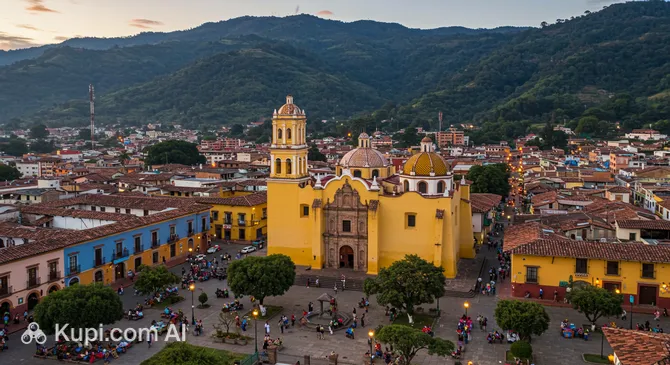
San Cristobal de las Casas. Illustration.
Source: Kupi.com AI

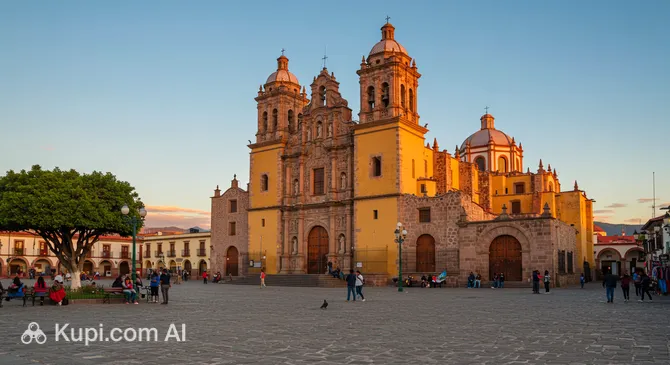
With a population of about 183,500 people, San Cristóbal is not just an administrative center, but the true heart of the cultural life of highland Chiapas. The historic city center perfectly preserves its colonial-era atmosphere: narrow cobbled streets, brightly colored facades, cozy squares, and ancient temples. Among them, the majestic San Cristóbal Cathedral, located on the main square, the Zócalo, is particularly striking.

The atmosphere of San Cristóbal is truly unique. Here, the indigenous traditions of the local peoples, Spanish colonial heritage, and modern cosmopolitanism are harmoniously intertwined. In the evenings, the city comes alive: live music echoes through the streets, and you can see traditional dances and street performers. It is no wonder that San Cristóbal de las Casas is named one of Mexico's "Magical Towns" (Pueblos Mágicos) — it enchants visitors with its special energy, the hospitality of its residents, and the richness of its cultural traditions.

In San Cristóbal, everyone will find something to their liking: whether it's wandering through numerous museums like the Jade Museum or the Cacao Museum, exploring vibrant indigenous markets to buy unique handmade crafts, or taking excursions into the picturesque surroundings. This city certainly deserves a longer stay to feel its unique spirit and enjoy leisurely moments in one of its cozy cafes.

You can find more interesting facts on the history of San Cristóbal de las Casas page.
Weather Overview

The weather in San Cristóbal de las Casas is characterized by a mild climate throughout the year. The average annual temperature ranges from 17.4°C in December to 21.4°C in May. The warmest months are from March to May, when maximum temperatures can reach 26-27°C. The coolest months are December and January, with minimum temperatures around 12.3°C.

Precipitation is unevenly distributed: the dry season lasts from November to April, with minimal rainfall (1-2 mm per month) and a small number of rainy days. The wet season occurs from May to October, peaking in June (15 mm of precipitation, 27 rainy days) and September (14 mm of precipitation, 28 rainy days). Expect warm, humid summers with frequent rain and mild, drier winters. You can find more detailed information on the San Cristóbal de las Casas climate page.

Average monthly temperature

Average monthly precipitation

Interesting Facts

Beyond its colorful streets and colonial architecture, San Cristóbal de las Casas hides many surprising stories and facts that make it even more alluring to travelers.

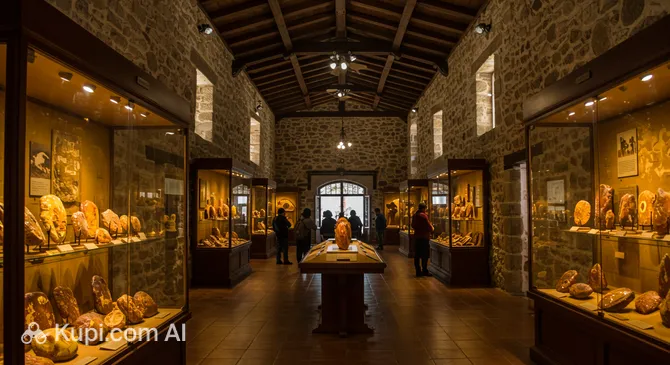
Amber Museum. Illustration.
Source: Kupi.com AI

Traveler photos:

  • An Ancient Capital and Cultural Melting Pot: San Cristóbal de las Casas was founded in 1528 and for centuries served not only as the administrative center of Chiapas but also as a meeting place and crossroads for various indigenous peoples. This blend of cultures still defines the city's unique character today, where ancient traditions are harmoniously woven into modern life.

  • A Treasure Trove of Crafts: The city is rightfully famous for its artisans and unique handmade goods. The region's textile traditions hold a special place. You can explore a rich collection of weaving samples that reflect the culture and beliefs of local communities at the Textile Center of the Maya World.

  • The Amber Heart of Chiapas: San Cristóbal is home to one of the most interesting museums in the region — the Amber Museum. Here, you can not only admire unique specimens of this "sun stone," many of which contain ancient inclusions, but also learn about the ancient traditions of its extraction and processing, for which the state of Chiapas is famous.

How to Get There

There are several ways to reach the charming city of San Cristóbal de las Casas, located in the heart of the state of Chiapas, Mexico. The most common option for most tourists is a flight to one of the nearby airports, followed by a ground transfer.

The main air hub serving San Cristóbal de las Casas is Angel Albino Corzo International Airport (TGZ). It is located in the city of Tuxtla Gutiérrez, approximately 45.6 km from San Cristóbal. This large international airport receives flights from many Mexican cities and some international destinations. The trip from the airport to San Cristóbal de las Casas by taxi or shuttle bus usually takes about 1.5 hours.

Another option, though further away, is Carlos Rovirosa Pérez International Airport (VSA), located in the city of Villahermosa. The distance to San Cristóbal is about 140.8 km, and the journey takes approximately 3.5–4 hours. This is also a major international airport with a good selection of flights. For travelers planning to combine a trip to San Cristóbal de las Casas with a visit to the famous ruins of Palenque, the small Palenque Airport (PQM) might be convenient; it's located in the city of the same name, about 112.4 km from San Cristóbal (roughly a 3-hour drive). From all these airports, you can reach San Cristóbal de las Casas by taxi, shared vans (colectivos), or a pre-booked transfer.

In addition to flying, San Cristóbal de las Casas can be reached by comfortable long-distance buses from many major cities in Mexico, such as Mexico City, Oaxaca, Cancun, and others. The road network in the region is developed, but journeys can be long due to the mountainous terrain.

For clarity, here is a summary of the main airports that can be used for traveling to San Cristóbal de las Casas:

AirportPassenger trafficDistance
Angel Albino Corzo International Airport1.7 mln46 km
Palenque11 127112 km
Carlos Rovirosa Perez International Airport1.5 mln141 km
Tapachula International Airport553 744217 km
Ciudad Del Carmen Airport318 782230 km

Main Attractions

San Cristóbal de las Casas is a city rich in history and culture, offering tourists many interesting places to visit. Here, colonial architecture blends harmoniously with the living traditions of the indigenous Maya peoples.

Cathedral of San Cristóbal de las Casas. Illustration.
Source: Kupi.com AI

Traveler photos:

One of the city's main gems is the San Cristóbal de las Casas Cathedral. Located on the main Zócalo square, this cathedral impresses with its bright yellow Baroque facade and rich interior decoration. Founded in the 16th century and rebuilt several times, it has absorbed features from various eras. It is not only an important religious site but also a landmark architectural monument.

Temple of Santo Domingo de Guzmán. Illustration.
Source: Kupi.com AI

Traveler photos:

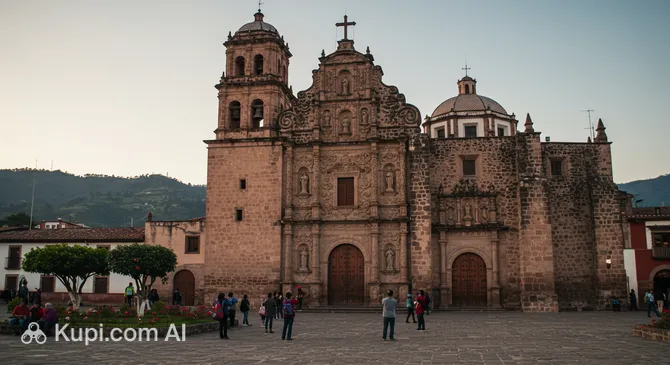
No less significant is the Temple of Santo Domingo de Guzmán. Built in the 16th and 17th centuries, this church is famous for its magnificent carved facade in the Mexican Baroque style, considered one of the best examples of this style in the country. Inside, you can see gilded altars and ancient paintings. A handicraft market is often located next to the temple, where you can purchase products from local artisans.

Amber Museum. Illustration.
Source: Kupi.com AI

Traveler photos:

For those interested in local crafts, a visit to the Amber Museum is a must. The state of Chiapas, where San Cristóbal is located, is famous for its amber deposits, and this museum displays an impressive collection of this "sun stone." Here, you can see both raw pieces of amber with ancient inclusions and exquisite jewelry and sculptures created by local masters. It is a great place to learn more about the history and significance of amber to the region.

Your cultural immersion continues at Casa Na Bolom (House of the Jaguar). This unique museum and research center was founded by archaeologist Frans Blom and his wife, photographer Gertrude Duby. The exhibition is dedicated to the culture and lifestyle of the Lacandon Maya, one of the indigenous peoples of Chiapas, as well as the archaeological findings of the region. The atmosphere of the house preserves the spirit of its founders, offering visitors a deep dive into history and ethnography.

Maya World Textile Center. Illustration.
Source: Kupi.com AI

Traveler photos:

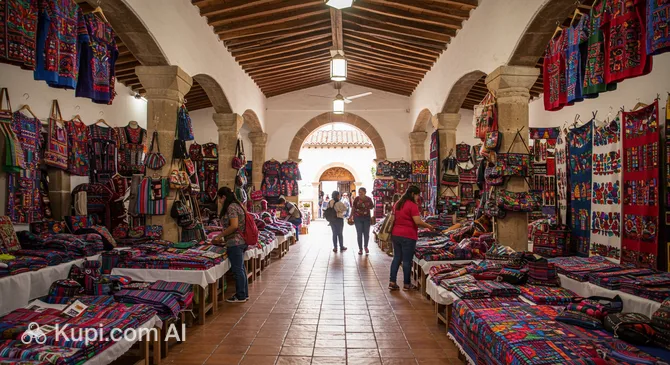
Another landmark site is the Textile Center of the Maya World. This museum presents a vast collection of traditional Maya textiles from across the region. Visitors can see a variety of patterns, weaving techniques, and the symbolic meaning of each piece. The center not only preserves this unique heritage but also supports modern artisans who continue these ancient traditions.

Local Cuisine

The gastronomy of San Cristóbal de las Casas is a true explosion of flavors and aromas, where ancient indigenous recipes and rich Spanish culinary traditions are intricately intertwined. Travelers here can look forward to authentic Chiapas cuisine, full of vibrant discoveries and unforgettable impressions. This is a place where food is not just about satisfying hunger, but an important part of the culture.

Among the dishes you must try are tamales — corn dough with various fillings (chicken, pork, vegetables, cheese), wrapped in corn or banana leaves and steamed. Another iconic dish is pozole, a thick and hearty corn-based soup with meat (usually pork), seasoned with fresh herbs, lime, and chili. A point of pride for local chefs is sopa de hongos — a fragrant mushroom soup made with seasonal wild mushrooms, often served in the city's cozy restaurants.

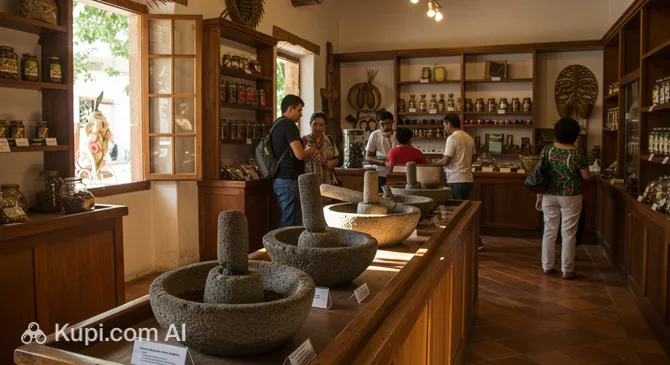
San Cristóbal is also famous for its chocolate, prepared here according to ancient Maya recipes, often adding spices like cinnamon, vanilla, and even spicy chili peppers. To dive deeper into the world of cacao and learn about its history, you can visit the Cacao Museum and Cultural Chocolatería. No less famous is the local coffee, grown on the highland plantations of Chiapas — its rich aroma and taste will conquer any connoisseur. For traditional alcoholic beverages, try pox — a potent drink based on corn or sugarcane that holds ritual significance for indigenous peoples. Among non-alcoholic drinks, fresh juices and aguas frescas (refreshing drinks made from fruits, flowers, or seeds) are popular.

Kakaw Cacao Museum & Cultural Chocolatería. Illustration.
Source: Kupi.com AI

Traveler photos:

The dining culture in San Cristóbal is very accessible. On busy streets and in markets, you'll find many street food stalls: here you can grab a quick and tasty snack of tacos, quesadillas, elotes (boiled corn with cheese and chili), fried plantains, or try local sweets. Particularly popular are farmers' markets like the Mercado Municipal, where you can not only buy the freshest fruits, vegetables, cheeses, and pastries but also observe the daily life of the locals and try authentic dishes in small eateries (comedores).

For a more thorough introduction to the local cuisine, it's worth visiting one of the city's many restaurants. They offer both traditional Chiapas dishes and modern signature interpretations. Many establishments take pride in using local products. San Cristóbal also periodically hosts gastronomic festivals, where you can sample dishes from all over Mexico and learn the secrets of their preparation, making the city's culinary scene even more attractive to tourists.

Travel Tips

Planning a trip to the charming San Cristóbal de las Casas? This colorful city in the heart of the Mexican state of Chiapas will give you unforgettable impressions! To ensure your journey goes smoothly and leaves only warm memories, we have prepared some practical tips.

  1. Clothing and Essentials: What to Pack

    San Cristóbal is located in the mountains, so the weather is changeable: it can be warm during the day, but evenings and mornings are cool. The key to comfort is layering. Bring T-shirts, a warm sweater or fleece, and a light jacket, especially if you are traveling during the rainy season (roughly from May to October). Comfortable shoes are a must for walking on the cobbled streets. Don't forget sunscreen, a hat, and sunglasses — the sun is strong due to the high altitude. For visiting the many churches, choose clothing that covers your shoulders and knees. Electrical outlets in Mexico are types A and B (like in the US), so Europeans may need an adapter.

  2. Transport: Getting Around

    The historic center of San Cristóbal is best explored on foot — it's quite compact and incredibly picturesque. For longer trips across the city or excursions to nearby villages, "colectivos" (shared taxis) are a popular, inexpensive, and authentic way to get around. Regular taxis are also available; it's best to agree on the price beforehand or ensure the driver uses the meter (if there is one). Renting a car can be useful for independent tours of the state of Chiapas, but it's not always necessary for the city itself due to narrow streets and limited parking.

  3. Finances: Currency, Cards, and Tipping

    The local currency is the Mexican Peso (MXN). You can exchange money at banks or exchange offices ("casas de cambio"); exchange rates in the city are usually better than at the airport. Credit and debit cards (Visa, Mastercard) are accepted in many hotels, restaurants, and large stores, but always carry cash for markets, small cafes, and paying for colectivos. ATMs are available in the city center; for greater security, choose those belonging to well-known banks. Don't forget to notify your bank about your trip. Tipping ("propina") of 10-15% in restaurants is welcome if service is not included in the bill.

  4. Health and Safety: Key Points

    Pharmacies ("farmacias") are easy to find in San Cristóbal, and some operate 24/7 on a rotating schedule. Paid medical care is available for tourists in private clinics; be sure to get travel insurance before your trip. The historic city center is considered safe, especially during the day. However, as in any city, be vigilant after dark and in less crowded areas. Drink only bottled water.

  5. Communication: Language and Internet

    The official language in Mexico is Spanish. In tourist areas of San Cristóbal, staff often speak English, but knowing a few basic Spanish phrases (e.g., "Hola" – hello, "Gracias" – thank you, "Por favor" – please, "¿Cuánto cuesta?" – how much does it cost?) will be very helpful and appreciated by locals. A local SIM card can be purchased at mobile operator stores (e.g., Telcel, AT&T) or at convenience stores like OXXO. Wi-Fi is available in most hotels, cafes, and some public areas.

  6. Local Etiquette: Respecting Traditions

    Local residents, including members of the indigenous Maya groups, highly value politeness. A simple "Buenos días" (good morning), "Buenas tardes" (good afternoon), or "Buenas noches" (good night) when entering a shop or cafe is appropriate. It is especially important to always ask permission before taking photos of people, particularly members of indigenous communities. This shows respect for their culture and personal space.

  7. What to Avoid: Important Nuances

    It is strongly recommended not to take photos of people without their explicit consent; this is a particularly sensitive issue when interacting with indigenous cultures. Also, avoid drinking tap water — always buy bottled. Do not openly display expensive jewelry or large sums of money, especially in crowded places or on public transport.

  8. Additional Advice: Acclimatization and Souvenirs

    Remember that San Cristóbal de las Casas is located at an altitude of about 2,200 meters above sea level. During the first few days, give your body time to acclimatize: drink more water, avoid excessive physical exertion, alcohol, and heavy food. The city is famous for indigenous handicrafts — bright textiles, amber jewelry, and ceramics. By buying souvenirs directly from artisans or in cooperative shops, you support local craftspeople. In markets, you can and should tactfully haggle.

San Cristóbal de las Casas is a place where time flows differently, and every corner holds its own history and culture. By following these simple recommendations, you can fully enjoy its unique atmosphere and hospitality. Have a pleasant trip!

Entertainment & Nightlife

San Cristóbal de las Casas, with its colonial charm and bohemian atmosphere, comes alive after sunset, offering tourists a variety of options for evening and night leisure. The city is famous for its cozy bars, atmospheric restaurants, and live music venues where you can spend a pleasant time and soak up the local culture.

The main concentration of nightlife is found in the city center, especially on the pedestrian streets branching off from the main Zócalo square, such as Real de Guadalupe and Andador Eclesiástico. Here, you will find many establishments for every taste: from quiet bars serving local craft beer and mezcal to livelier spots with music and dancing. The atmosphere in most places is casual and friendly, attracting both locals and tourists from around the world. The dress code is usually casual, with comfort being the priority.

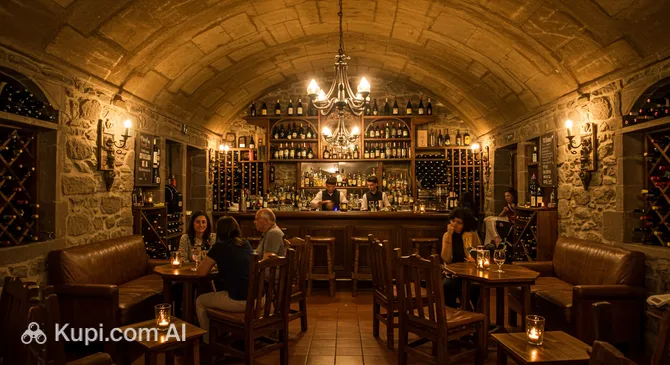
Among the popular spots for evening relaxation, La Viña de Bacco stands out, known for its wide selection of wines and cozy setting, often accompanied by live music. Another interesting place is La Peregrina Yucatan Cuisine, where you can not only enjoy a delicious dinner of Yucatecan dishes but also have drinks in pleasant company. Although the city doesn't have many large nightclubs in the traditional sense, many bars stay open late, offering dance music and fun.

La Viña de Bacco. Illustration.
Source: Kupi.com AI

Traveler photos:

Practical Tips: Nightlife in San Cristóbal typically starts a bit later, with most venues filling up closer to 9:00 PM or 10:00 PM, especially on weekends. Prices in bars and restaurants are generally moderate, making an evening out quite affordable. Moving around the city center in busy areas at night is considered relatively safe; however, it's always worth taking standard precautions. For longer distances or late-night travel, it is recommended to use official taxis, which can be called by phone or through an app.

While the focus here is on night entertainment, San Cristóbal de las Casas also offers plenty of interesting activities during the day. You can visit numerous museums, such as the Amber Museum or the Casa Na Bolom cultural center, explore colorful markets, or simply stroll through the picturesque streets, enjoying the unique architecture and atmosphere of this magical city in Mexico.

Parks & Museums

San Cristóbal de las Casas is a city where colonial architecture blends harmoniously with natural beauty and the rich cultural heritage of indigenous peoples. Here you will find cozy green spots for relaxation and fascinating museums that tell the story of the region's history and traditions.

The city offers several pleasant places for walking and connecting with nature. One of these is the Wetlands Park (Parque de los Humedales), where you can see various birds and enjoy tranquility away from the city bustle. It is a great spot for ecological tourism and observing local flora and fauna. Another popular outdoor option is climbing the hill to the Iglesia de San Cristobalito, which offers a panoramic view of the city, or visiting the Grutas de Rancho Nuevo caves, located near the city, to explore the underground world.

Wetlands Park. Illustration.
Source: Kupi.com AI

Traveler photos:

The cultural life of San Cristóbal is rich and diverse. One of the most famous sites is the Amber Museum, which features an impressive collection of this "sun stone" mined in the Chiapas region. Here you can learn about the process of its formation, extraction, and processing, as well as see unique pieces. Another landmark is Casa Na Bolom. This house-museum is dedicated to the life and work of researchers Frans Blom and Gertrude Duby, who made enormous contributions to studying Maya culture and protecting the Lacandon people. The exhibition includes archaeological finds, photographs, and household items. For those interested in traditional art, a must-visit is the Textile Center of the Maya World, which houses magnificent examples of weaving by the indigenous peoples of Chiapas, showcasing a wealth of patterns and techniques.

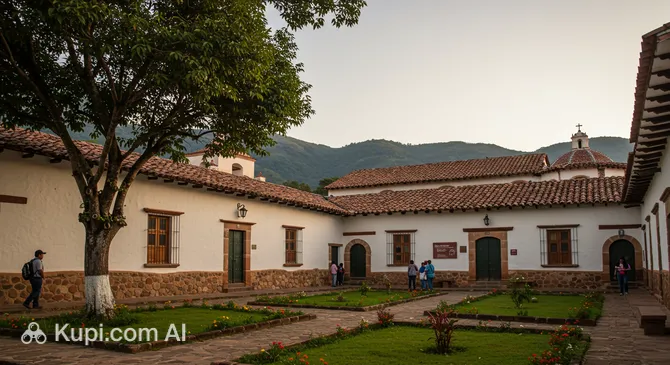
Casa Na Bolom. Illustration.
Source: Kupi.com AI

Traveler photos:

Chocolate lovers should check out the Cacao Museum and Cultural Chocolatería, where you can not only learn the history of this product but also taste its different varieties. Meanwhile, the Mesoamerican Jade Museum reveals the secrets of jade, the sacred stone of the Maya.

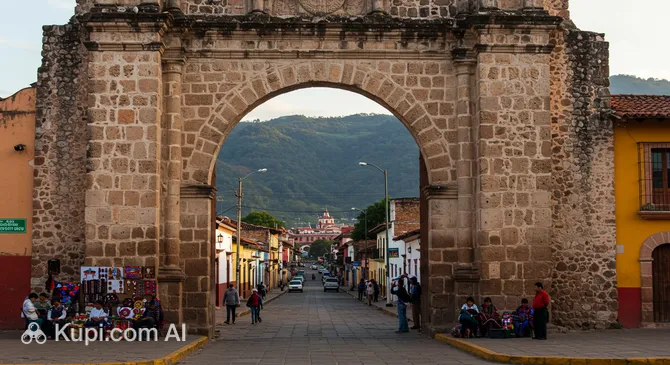
The city is also famous for its colonial architecture. Strolling through its cobbled streets, you will see many churches and ancient buildings. You should definitely take a look at the San Cristóbal de las Casas Cathedral, located on the main Zócalo square, and the picturesque Arco del Carmen, one of the city's symbols. The Temple of Santo Domingo de Guzmán is also of interest, with its impressive Baroque facade and adjacent craft market.

Arco del Carmen. Illustration.
Source: Kupi.com AI

Traveler photos:

For a deeper immersion into the city's atmosphere, visit the local markets, such as the Mercado Municipal José Castillo Tielemans, where you can find fresh produce, local delicacies, and handmade goods. In the evening, take a walk down the pedestrian street Real de Guadalupe, full of cafes, bars, and small shops, where life is in full swing and you can hear the sounds of the marimba.

Getting Around

San Cristóbal de las Casas is a charming colonial city that is very convenient to explore on foot, especially its historic center. However, for travel over longer distances or to neighboring villages, there are several public transport options that make it easy to move around the city and its surroundings.

The main form of public transport in **San Cristóbal de las Casas** is the shared taxi, known locally as "colectivos." These are small minibuses that follow specific routes, often marked on the windshield. Payment is made in cash directly to the driver upon entering or exiting, and the fare is usually very affordable, costing a few Mexican pesos. Colectivos run both within the city and to nearby settlements and popular tourist sites. This is the most common and economical way to travel medium distances.

In addition to colectivos, taxis are widely available in the city. This is a more comfortable but also more expensive way to get around, particularly convenient for trips with luggage or at night. It is recommended to agree on the fare with the driver in advance, as not all taxis are equipped with meters, or ensure the driver turns on the meter at the start of the trip. Taxis can easily be found at designated stands, called by phone, or simply hailed on the street.

Given the compact size of the historic center of **San Cristóbal de las Casas**, walking is one of the best ways to get to know the city. Most attractions, cozy cafes, restaurants, and souvenir shops are within walking distance of each other. For those who prefer more active exploration, bicycles can be rented in some parts of the city. This is a great option for leisurely rides through less hilly areas or for short trips to the immediate surroundings.

The payment system for public transport in **San Cristóbal** is predominantly cash-based. For travel on colectivos, try to carry small bills and coins, as drivers may not always have change for large banknotes. Specialized transit cards or mobile apps for fare payment are generally not available in the city. Public transport usually starts operating early in the morning (around 6:00–7:00 AM) and stops in the evening (around 8:00–10:00 PM), but the frequency and exact operating hours can vary depending on the specific route and the day of the week. To clarify colectivo routes, do not hesitate to ask locals or the drivers themselves — they are usually happy to help tourists.

Accommodation

In San Cristóbal de las Casas, travelers will find a wide range of accommodation options to suit various preferences and budgets. The city offers everything from cozy and affordable hostels and traditional Mexican guesthouses (posadas) to comfortable mid-range hotels and exquisite boutique hotels with a unique atmosphere. Renting apartments or entire houses is also a popular choice, especially for those planning a longer stay or traveling as a family.

The most sought-after area for tourists to stay is undoubtedly the Historic Center (Centro Histórico). By staying here, you will be just steps away from the main attractions, such as the San Cristóbal de las Casas Cathedral, numerous museums, colorful restaurants, and lively craft markets. The areas adjacent to the popular pedestrian streets, Real de Guadalupe and Andador Eclesiástico, are also very convenient due to their infrastructure and atmosphere. If you are looking for a quieter place, consider options located a bit further from the busy center, but still within comfortable walking distance.

The price range for accommodation in San Cristóbal de las Casas is quite broad: from budget options, such as a dorm bed in a hostel or a room in a simple guesthouse, to mid-range hotels offering a good balance of price and quality, and finally to more expensive boutique hotels characterized by individual design and high service standards. Accommodation can be booked through popular international online platforms, which is the most common method. Direct booking via official hotel websites or by phone is also possible, especially for small family-run inns.

A small tip: in San Cristóbal de las Casas, especially during periods of high tourist activity (such as major local festivals, Christmas and New Year holidays, or the popular winter months), it is highly recommended to book your accommodation in advance. This not only guarantees the availability of rooms in your preferred hotel or hostel but also often allows you to secure better price offers.

Nearby Cities

For those looking to explore the surroundings, San Cristóbal de las Casas serves as an excellent starting point for day trips to several interesting nearby locations. For example, you can head to Chiapa de Corzo, a picturesque colonial town located about 40 km away. It is famous for its Mudéjar-style La Pila fountain and serves as the starting point for excursions to the famous Sumidero Canyon. Just 18 km away is Chenalhó, where you can learn about the culture and lifestyle of the indigenous Tsotsil people. A trip to Tuxtla Gutiérrez (about 50 km away), the capital of the state of Chiapas, allows you to visit the ZOOMAT zoo, which specializes in regional fauna, or take a stroll through Marimba Park.

CityPopulationDistance
Zinacantan36 4899 km
Mitontic13 75514 km
Chenalhó47 37118 km
Huixtan22 97520 km
Chalchihuitan21 91525 km

These nearby destinations provide a glimpse into the diverse culture and landscapes of the region.

Shopping & Souvenirs

San Cristóbal de las Casas is a true paradise for fans of authentic shopping, where you can find unique handmade products reflecting the rich culture of the Chiapas region. The city is famous for its colorful textiles, amber jewelry, ceramics, leather goods, and, of course, local coffee and cacao. Here, Maya indigenous traditions and colonial heritage intertwine, which is reflected in the variety of goods available.

The city's main shopping arteries are the pedestrian streets radiating from the central Zócalo square. Real de Guadalupe is one of the busiest, with many souvenir shops, clothing boutiques, jewelry stores, and galleries. It is also worth strolling along Andador Eclesiástico and Andador Guadalupano, where you can find interesting shops and workshops of local artisans.

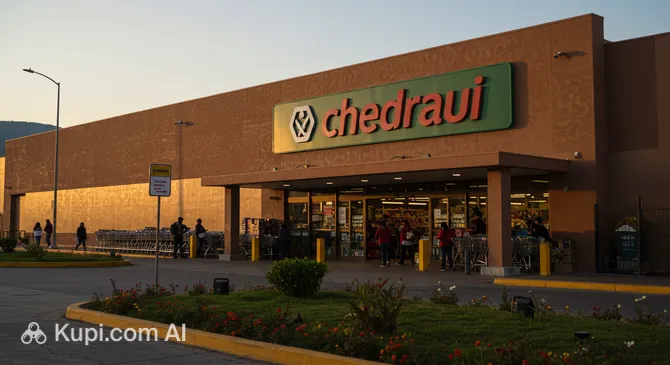
Although San Cristóbal is better known for its markets and small shops, there are also modern retail outlets in the city. One notable place for shopping is the Chedraui Shopping Center, where you can find a supermarket, clothing stores, electronics, and other daily essentials.

Chedraui Shopping Plaza. Illustration.
Source: Kupi.com AI

Traveler photos:

Markets are the heart of shopping in San Cristóbal de las Casas. Be sure to visit the Mercado de Dulces y Artesanías (Sweets and Handicrafts Market), located next to the Santo Domingo church. Here you will find a huge selection of textiles, ceramics, wood and amber products, and traditional sweets. Nearby, by the Temple of Santo Domingo de Guzmán, lies a large open-air craft market where mostly representatives of indigenous communities trade. For a more authentic experience, you can stop by the Mercado Municipal José Castillo Tielemans, where locals buy fresh produce, spices, and household items.

Unique souvenirs are worth bringing home from San Cristóbal de las Casas. Amber products are particularly popular (be sure to buy from trusted places to avoid fakes; you can visit the Amber Museum for reference), as are colorful handmade textiles (embroidered huipil blouses, rebozo shawls, tablecloths), which can be found, for example, at the Textile Center of the Maya World. Also look out for leather goods, ceramics, carved wooden masks, Chiapas coffee, and local chocolate. History and gemstone enthusiasts might be interested in the Mesoamerican Jade Museum, while cacao connoisseurs will enjoy the Cacao Museum and Cultural Chocolatería.

Amber Museum. Illustration.
Source: Kupi.com AI

Traveler photos:

Most shops in San Cristóbal de las Casas operate approximately from 10:00 AM to 8:00 PM or 9:00 PM; some may close for a siesta in the middle of the day (usually from 2:00 PM to 4:00 PM). Markets start earlier, from 8:00 or 9:00 AM. In tourist areas, many shops are also open on Sundays. Regarding payment, cash (Mexican pesos) is the preferred method, especially in markets and small shops. Credit cards are accepted in larger stores, hotels, and restaurants, but it is always useful to have enough cash on hand. ATMs are available in the city center.

Maya World Textile Center. Illustration.
Source: Kupi.com AI

Traveler photos:

In Mexico, a value-added tax (IVA) refund system is available for foreign tourists. If you make large purchases in stores participating in the Tax-Free program, you can apply for a tax refund when leaving the country. Check the conditions and the possibility of processing documents directly in the stores.

Nearby cities

Reached the end of the page?

That means the route is fully explored