Support

Miramar

About

Miramar is a charming Mexican city nestled on the shores of the Gulf of Mexico, where golden beaches meet warm sunshine and a refreshing sea breeze. Located in the state of Tamaulipas, just a few minutes' drive from the major port hub of Tampico, this city attracts both locals and international travelers seeking a relaxing getaway and an authentic experience of Mexico.
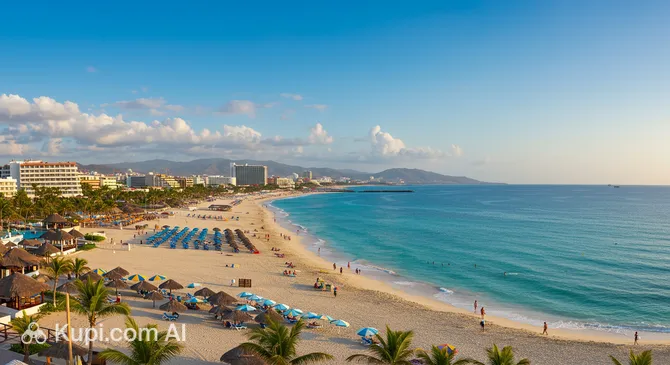
Miramar. Illustration.
Source: Kupi.com AI

With a population of approximately 118,614 people, Miramar is a mid-sized city where modern infrastructure harmoniously blends with traditional Mexican flair. The city is famous for its laid-back atmosphere — here, it is customary to enjoy every moment, whether it's a leisurely stroll along the boardwalk, a morning coffee with a view of the gulf, or participating in vibrant street festivals. A well-developed tourism infrastructure offers guests a variety of hotels, cozy cafes, and markets.

Key features that make Miramar attractive are its magnificent beaches, perfect for family vacations and water sports, as well as the vibrant culture and hospitality of the locals. Here, you can easily forget the bustle of the city, immersing yourself in an atmosphere of serenity and discovering the authentic side of the region. Don't miss the opportunity to enjoy unforgettable sunsets on the shore or taste local gastronomic delights.

Miramar is a wonderful destination for those seeking a combination of natural beauty, cultural enrichment, and comfortable relaxation. Visit this welcoming city to recharge with the energy of the sea and sun, and take home bright memories.

You can find more interesting facts on the history of the city of Miramar page.

Weather Overview

A warm climate prevails in Miramar throughout the year. Summer months, especially from May to September, are characterized by high temperatures: average values hover around 28-29°C, while maximums can reach 31-32°C. The winter period, from December to February, also remains comfortably warm, with an average temperature of about 20.5-21.6°C.

Expect hot summers in Miramar with increased precipitation, especially from June to September, when the highest rainfall occurs (up to 5 mm in September) and there are up to 20 rainy days per month. Winter, by contrast, is significantly drier, with minimal rainfall (about 1 mm per month) and fewer rainy days. To get a more detailed overview, you can explore the climate and weather in Miramar.

Average monthly temperature

Average monthly precipitation

Interesting Facts

In addition to its famous beaches and welcoming atmosphere, Miramar holds many curious details and stories that make it even more attractive to travelers. Here are some interesting facts that might surprise you:

  • Playa Miramar is not just beautiful — it is regularly recognized as one of the cleanest and most picturesque on the entire Gulf Coast, making it a source of local pride and an object of admiration for tourists.

  • This famous beach has repeatedly been ranked among the top 10 best beaches in Mexico and has even been honored with the prestigious Travellers' Choice award from Tripadvisor, confirming its excellence through reviews from travelers worldwide.

  • There is a long-standing tradition in Miramar of holding vibrant festivals right on the beach, where you can immerse yourself in authentic Mexican culture through performances by local musicians and dancers, and workshops by artisans.

  • According to local beliefs, unusual seashells can be found on the shores of Miramar, which are said to bring luck and happiness to those who find them, adding a touch of magic to your beach holiday.

How to Get There

When planning a trip to the sunny beaches of Tamaulipas, it is important to think about the logistics in advance. Miramar is a popular resort destination closely connected to neighboring major cities, making the journey quite comfortable. You can explore all ways to get to the city to choose the route that suits you best.

The most convenient way to reach the resort is by air. The nearest and most significant transport hub is Tampico International Airport (IATA: TAM). Keep in mind that the airport is not located in Miramar itself, but in the neighboring city of Tampico; however, the distance is only about 5.2 km. Thanks to this proximity, the journey to the hotel by taxi or bus will take very little time — approximately 25-30 minutes. This is a major regional hub with good passenger traffic, hosting many flights.

As an alternative, you can consider Ciudad Victoria Airport (IATA: CVM). It is located in the city of Ciudad Victoria, the state capital. However, this airport is significantly further away — about 188 km from Miramar. Traveling from there by car or bus will be long and take about 5 hours (estimated time: 300 minutes). This option only makes sense for specific routes or if tickets to Tampico are unavailable.

For clarity, here is a summary of the main airports:

AirportPassenger trafficDistance
Tampico International Airport563 2045 km
Ciudad Victoria Airport29 327188 km

As for rail transport, there are no direct passenger trains to Miramar. Railways in this region of Mexico are used primarily for freight. Therefore, if you prefer ground transport, comfortable intercity buses are the best choice. They run regularly from Mexico City, Monterrey, and other large cities to the bus station in Tampico. From there, the beaches of Miramar can be easily reached by local transport or taxi in a matter of minutes.

Main Attractions

Miramar, a charming city on the Gulf of Mexico in the state of Tamaulipas, attracts tourists with its beautiful beaches and unique coastal attractions. Here, everyone will find something to their liking, from relaxing on the sand to fascinating walks with picturesque views.

The main pride of Miramar is, without a doubt, Playa Miramar. This magnificent beach stretches for many kilometers and is famous for its fine, soft sand and warm, calm waters. It is ideal for swimming, sunbathing, water sports, and long walks along the shore. The beach's developed infrastructure ensures a comfortable holiday for the whole family, making it one of the most popular destinations in the region.

A must-see for many visitors to Miramar is a walk along Las Escolleras. This is a long breakwater extending into the sea for almost one and a half kilometers. It offers breathtaking views of the Gulf of Mexico and the coastline. Las Escolleras is a popular spot for fishing, dolphin watching (they often swim close to the shore), and simply enjoying the sea breeze and magnificent sunsets.

Adding charm to Miramar's waterfront are the famous sculptures — Sirenas de Miramar (The Mermaids of Miramar). These graceful statues, located along the beach area, have become one of the city's symbols and a favorite spot for commemorative photos. They not only decorate the coast but also serve as a reminder of the city's close connection with the sea and its legends, creating a special atmosphere.

Local Cuisine

The gastronomic scene in Miramar is a true discovery for food lovers, where coastal traditions harmoniously blend with the best Mexican culinary delights. The main pride of local chefs is, undoubtedly, the freshest seafood. Shrimp, oysters, fish, and squid are prepared here in all sorts of ways: grilled, baked with aromatic herbs, or served as a refreshing ceviche.

Be sure to try a few signature dishes to get a complete impression of Miramar's cuisine. Start with seafood tostadas — crispy corn tortillas generously topped with a salad of shrimp, avocado, lime, and piquant sauces. Equally popular are fish or octopus tacos, which are often sold right on the beach. For a hearty lunch, caldo de mariscos — a rich and flavorful seafood soup that will warm you up and give you strength — is perfect.

Among the drinks in Miramar, everyone will find something to their taste. On a hot day, there is nothing better than refreshing aguas frescas — natural drinks made from fresh fruit. Those looking for something stronger should pay attention to the famous Mexican tequila or try a michelada — an original cocktail made of beer with lime juice, spices, and salt around the rim of the glass.

The food culture in Miramar is very diverse. You can enjoy freshly prepared dishes from street vendors right on the beach, immerse yourself in the atmosphere of local farmers' markets selling fresh produce and homemade sweets, or choose one of the many restaurants. The city is also famous for its gastronomic festivals, during which the beaches turn into real culinary fairs, offering guests the chance to try dozens of variations of ceviche, fried shrimp, and other local delicacies.

Travel Tips

Welcome to sunny Miramar! To make your journey through this charming corner of Mexico as comfortable and memorable as possible, we have prepared some practical tips. They will help you navigate the city better and enjoy every moment of your vacation.

  1. Clothing and Essentials: Given the warm and humid Tamaulipas coast where Miramar is located, bring light cotton or linen clothing. Don't forget swimwear, a sun hat, sunglasses, and high-SPF sunscreen. Comfortable shoes are a must for walking around the city and the beach. If you plan to visit churches or official institutions, bring something to cover your shoulders and knees. A power adapter may also come in handy (types A and B are used in Mexico).
  2. Transport: In Miramar and its surroundings, it is convenient to get around using local buses (often called "peseros" or "colectivos") – this is the most economical way. Routes may not always be obvious, so don't hesitate to ask for directions. Taxis are also available; it is recommended to agree on the price in advance or ensure the driver turns on the meter (if there is one). Check locally for the availability of ride-hailing apps. Renting a car can be useful if you plan to explore the region, but it's not always necessary for getting around the city itself.
  3. Finances: The local currency is the Mexican Peso (MXN). You can exchange currency at banks or exchange offices (casas de cambio). Avoid exchanging at the airport if possible, as the rates there are usually less favorable. Credit and debit cards are accepted in many hotels, restaurants, and large stores. However, always carry some cash for small purchases, markets, and public transport fares. ATMs (cajeros automáticos) are quite common. Tipping in Mexico is common practice: 10-15% in restaurants, and small amounts for porters and housekeepers.
  4. Health and Safety: Pharmacies (farmacias) are easy to find, and some may be open 24/7 (farmacia de turno). For serious medical assistance, it is better to go to a clinic or hospital; having travel insurance is highly recommended. Miramar is generally considered a peaceful city, but as everywhere, take basic precautions: do not leave your belongings unattended, and avoid displaying expensive jewelry or large sums of money, especially after dark and in secluded areas. Drink only bottled or boiled water.
  5. Communication: The official language is Spanish. In tourist areas, staff may speak English, but knowing a few basic Spanish phrases (e.g., "Hola" – hello, "Gracias" – thank you, "Por favor" – please, "¿Cuánto cuesta?" – How much does it cost?) will be very useful and warmly received by locals. A local SIM card for mobile internet and calls can be purchased at mobile phone shops or large supermarkets. Wi-Fi is usually available in most hotels, cafes, and restaurants.
  6. Local Etiquette: Mexicans are very polite and friendly. It is customary to say hello ("Buenos días" – good morning, "Buenas tardes" – good afternoon/evening, "Buenas noches" – good evening/night) and goodbye ("Adiós"). Try to behave discreetly in public places. Loud conversations or excessive expressiveness might be viewed differently. When taking photos of locals, always ask for their permission.
  7. What to Avoid: It is strictly not recommended to drink tap water – this can lead to serious stomach issues. Use only bottled water. Be careful with street food if you have a sensitive stomach; choose well-established places. Avoid openly discussing sensitive political topics or criticizing local customs.
  8. Extra Tip: Miramar is a coastal city, so be sure to try the freshest seafood in the local seaside restaurants (marisquerías). Also, don't miss the chance to enjoy stunning sunsets over the Gulf of Mexico – it is truly an unforgettable sight! Visit local markets (mercados) to find fresh fruit, local delicacies, and authentic souvenirs.

We hope these tips help you feel confident and comfortable in Miramar, and that your trip is filled with pleasant discoveries. We wish you unforgettable experiences in this beautiful corner of Mexico!

Entertainment & Nightlife

When the sun sets over the Gulf of Mexico, Miramar comes alive, offering a variety of options for evening and night-time relaxation. Known for its beaches during the day, the city transforms into a magnet for those seeking fun, music, and good company at night. The atmosphere here is generally relaxed and welcoming, although popular spots can get quite lively, especially on weekends and holidays.

The main nightlife of Miramar is concentrated along the waterfront, where many bars and restaurants with sea views are located. Popular establishments can also be found in the city center, particularly on the main streets adjacent to the central square. These areas offer a wide range of places to suit every taste and budget, from quiet lounge bars to bustling dance clubs.

Dance lovers will find several nightclubs in Miramar playing both modern pop music and Latin American rhythms. Many bars offer live music, especially on Friday and Saturday nights. The crowd in these venues is a mix of locals and tourists. Most popular places start to fill up after 10:00 PM and stay open until late at night or early morning. The dress code is usually smart casual, but some more prestigious clubs may not allow overly casual beach attire.

To catch the peak of the fun, it is best to arrive at clubs and bars closer to midnight. Prices in Miramar establishments vary: you can find budget-friendly options with inexpensive drinks as well as more sophisticated places with signature cocktails. Moving around the city at night is most convenient by taxi; they can be called by phone or through apps, which is the safest method. Public transport runs rarely at night.

The central areas and the Miramar waterfront are considered relatively safe for night walks, but it is always worth taking standard precautions: do not leave your belongings unattended and avoid poorly lit and deserted streets. If traveling alone or in a small group, it is better to stick to busy places. Calling a taxi via official services or apps is the recommended way to get back to your hotel late at night.

In Miramar, you can find venues for every taste. Imagine an evening at a lively beach bar, let's call it "Ola Azul," where tropical cocktails are served to the sound of the surf, and a disco starts closer to the night. Or perhaps you would prefer the atmosphere of a more intimate lounge bar in the city center, such as "Noche Estrellada," with live guitar music. For those seeking true club vibes, venues like "Ritmo Caliente" can offer dancing until dawn to infectious Latin and international hits. Since specific data on establishments (including link keys) was not provided for this review, we recommend looking for up-to-date information and reviews of Miramar bars and clubs on travel portals or asking for recommendations from locals.

During the day, Miramar also offers plenty of interest. Besides the famous beaches, guests can visit local museums to learn more about the history and culture of the region. For family vacations, city parks and small entertainment zones are ideal. Shopping enthusiasts will find shopping centers and souvenir shops where they can purchase memorable gifts.

Parks & Museums

Miramar, primarily known for its magnificent beach, also offers opportunities for outdoor relaxation and exploring the region's culture, especially when considered in the context of the larger city of Ciudad Madero, which it is part of, and neighboring Tampico. Although Miramar itself may not boast an abundance of world-renowned parks and museums, there are interesting places in its vicinity for curious travelers.

The main natural attraction is, of course, Miramar beach itself, an ideal place for walking and enjoying the sea breeze. If you are looking for more traditional park areas, you can visit Parque Bicentenario in Ciudad Madero, which offers green spaces for relaxation and local events. For a larger nature experience, head to neighboring Tampico, where Parque Metropolitano is located around the picturesque Laguna del Carpintero. This park is not only expansive but also known for the chance to see local fauna, including iguanas and a variety of birds (and sometimes the crocodiles mentioned in local folklore within the lagoon itself, which are best viewed from a safe distance), and offers beautiful views and spaces for active recreation.

Regarding museums, the choice may be limited directly within the Miramar resort area. However, cultural enrichment awaits you in Tampico. One of the key institutions is the Huasteca Culture Museum (Museo de la Cultura Huasteca), located in the Espacio Cultural Metropolitano complex. Here you can dive deep into the history and art of the indigenous Huastec people who inhabited this region. Also in Tampico, you can find the City Museum (Museo de la Ciudad de Tampico), which tells the history of Tampico itself, and other small galleries or cultural centers showcasing the work of local artists. A walk through the historical center of Tampico, especially around Plaza de Armas, will also allow you to appreciate the interesting architecture of the early 20th century, reflecting the city's rich past as an important port.

For a more authentic experience, do not limit yourself to the main tourist routes. Visit local markets in Ciudad Madero or Tampico to feel the pulse of daily life, or simply stroll through residential neighborhoods observing the lifestyle of the locals. Sometimes the most vivid discoveries await where you least expect them, allowing for a better understanding of the character of this coastal region of Mexico.

Getting Around

Getting around Miramar is possible via public transport, which will help you reach the main points of the city. Although the system may not seem as extensive as in major metropolises, it handles its tasks well and offers several options for travel.

The backbone of public transport in Miramar consists of buses and shuttle taxis, often called "colectivos" or "peseros." Buses run along established routes, connecting various districts of the city. "Colectivos" are typically minibuses or cars that follow specific directions and pick up passengers along the way. They can be a faster alternative to buses on some stretches.

The payment system for public transport in Miramar is predominantly cash-based. Usually, the fare for buses and "colectivos" is paid directly to the driver upon boarding. The fare is generally fixed or depends on the zone/distance. Specialized tourist passes or unified transport cards for all types of transport may be unavailable, so it is recommended to have small change for payment.

Tourists should keep a few practical points in mind. Schedules may not always be strict, and route information is not always available in English. It is best to clarify the direction and the required stop with the driver or local residents. Stops are not always clearly marked, so stay alert. Public transport usually starts operating early in the morning and ends in the evening, but the frequency of service may decrease in the late hours.

In addition to buses and "colectivos," other modes of transport are available in Miramar. Taxis are a common option; they can be found at taxi stands or called by phone. It is recommended to use official taxi services or agree on the fare in advance if there is no meter. In some cases, ride-hailing apps may be available. For short distances, especially in the central part, you can always choose to walk. Bicycle rentals may be available in some places, but it is not the city's primary transport option.

Accommodation

When planning a trip to Miramar, you will find a variety of accommodation options to suit different preferences and budgets. The city offers a choice ranging from budget-friendly guesthouses and rental apartments to comfortable mid-range hotels and potentially more luxurious options for those seeking special comfort.

When choosing a place to stay in Miramar, many tourists prefer areas closer to the coast or the city's main attractions. This location provides easy access to beaches, entertainment, and restaurants. It is also worth considering options near transport hubs if you plan to travel actively around the surrounding area.

Miramar features a wide range of hotels capable of satisfying diverse requests: from cozy family-run inns to larger complexes with a full range of services. To find the perfect spot, we recommend checking current offers and reviews on popular online booking platforms. There, you can select an option that best meets your expectations regarding service level, location, and amenities.

To ensure the best choice and prices, especially if your trip falls during the peak tourist season or holidays, it is recommended to book your accommodation in advance. This will not only help you choose the right option but also avoid unnecessary hassle upon arrival.

The price range for accommodation in Miramar varies from budget to mid-range and above, depending on the type of accommodation, its location, and the services offered. You can book housing through popular online platforms and travel agencies, as well as directly on hotel websites, which sometimes allows you to get more favorable offers.

Nearby Cities

For those who want to explore the surrounding area, Miramar serves as an excellent starting point for day trips to several interesting nearby locations:

CityPopulationDistance
Altamira59 5369 km
Ciudad Madero197 21610 km
Tampico297 28412 km
Pueblo Viejo9 68218 km
Panuco33 12245 km

These nearby destinations provide an insight into the region's diverse culture and landscapes.

Shopping & Souvenirs

Shopping in Miramar offers tourists the opportunity to both purchase essentials and find interesting souvenirs to remember their trip to Mexico. The city may not be famous for world-class unique goods, but you can find authentic Mexican products, beach accessories, and goods made by local artisans here.

The main shopping spots are likely concentrated along the city's central streets and potentially the waterfront. Here you can find small shops, souvenir stalls, and boutiques. A stroll through these areas allows you to combine business with pleasure — sightseeing and shopping.

While Miramar may not boast massive mega-malls like capital cities, it may have modern shopping centers or plazas. Such centers usually house chain clothing stores, electronics, supermarkets, and food courts. This is a convenient place for comprehensive shopping in comfortable conditions.

Be sure to visit local markets if there are any in Miramar. Mexican markets are colorful places where you can find fresh fruits, vegetables, local delicacies, as well as handmade crafts, textiles, and ceramics. Even if you don't plan to buy anything, a walk through the market will provide plenty of impressions.

For souvenirs from Miramar and Mexico in general, consider traditional items: painted ceramics, textiles (such as serapes or bright scarves), leather goods, silver jewelry, and perhaps something made of shells or with a nautical theme, given the proximity to the coast. Don't forget tequila or mezcal if you're interested in local spirits, but purchase them in specialized stores.

Shops in Miramar are usually open from the morning, around 9:00-10:00 AM, and work until the evening, around 7:00-8:00 PM. Some small shops may close for a siesta in the middle of the day, especially during the hot season. Large shopping centers generally operate without a break and stay open longer, sometimes until 9:00-10:00 PM. Mexican Pesos (MXN) are accepted for payment. In tourist areas and large stores, you can often pay by credit card (Visa, MasterCard), but at markets and in small shops, it is better to have cash on hand.

Tourists shopping in Mexico may be entitled to a VAT (IVA) refund under the Tax Free system when leaving the country. This usually applies to certain categories of goods and for purchases exceeding a set minimum. Check the possibility of Tax Free at the stores where you shop and keep your receipts to present at the airport.

Reached the end of the page?

That means the route is fully explored