Support

Laguna Regional Museum

About

In the very heart of Torreón, amidst the greenery of the Bosque Venustiano Carranza park, lies the Regional Museum of the Laguna (Museo Regional de la Laguna) — one of the most important cultural centers in northern Mexico. This modern functionalist building, designed by architect Mario Schjetnan, serves as a window into the rich past of the Comarca Lagunera region, spanning periods from ancient times to the colonial era.
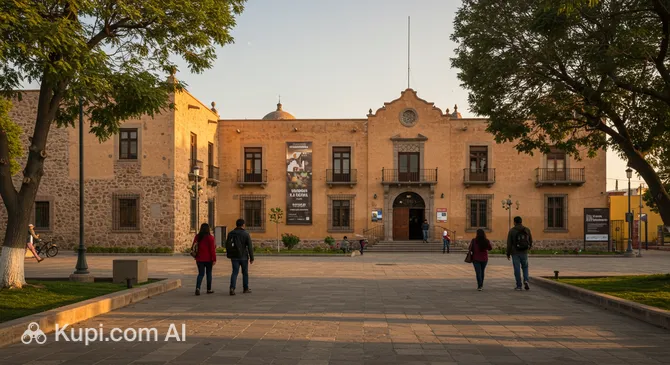
Laguna Regional Museum. Source: Kupi.com AI

The museum operates under the auspices of the National Institute of Anthropology and History (INAH) and houses an impressive collection of over 2,000 exhibits. The crown jewels of the collection are the artifacts from the La Candelaria Cave. These unique finds shed light on the lives of the nomadic societies that inhabited these arid lands long before the arrival of the Spanish, revealing details of their daily lives, beliefs, and crafts.

The exhibition is divided into thematic zones, including archaeology, ethnography, and paleontology. Here, you can see not only everyday objects of indigenous tribes but also rare fossils, liturgical objects from the colonial period, and artworks. The museum is a must-visit for anyone wishing to understand the true soul and history of Mexico's northern states.

Contacts

If you need to clarify any details before your visit or contact the administration, use the official contact information for the institution below.

Phone +52 871 713 9545
Website mexicoescultura.com
Address Av. Juarez SN, Primero de Cobián Centro, 27000 Torreón, Coah., Mexico
Google Maps View on map

What to Do

The main reason to visit this museum is to take a journey through its five permanent halls. Start with the Archaeology Hall, where authentic treasures await: woven fishing nets (nasas), hunting clubs (palos cojeros), and finely crafted textiles from ancient tribes. Pay special attention to the section dedicated to Mesoamerica — it features magnificent ceramics from the Mayan cultures and the inhabitants of the Gulf of Mexico.

In the paleontology and ethnography halls, visitors can see real fossils and traditional clothing from indigenous groups in the states of Coahuila, Oaxaca, and Chiapas. Art lovers will enjoy the Licio Lagos collection, which includes paintings and historical artifacts. The museum actively uses interactive elements, making the visit engaging even for children and young people.

After immersing yourself in history, be sure to take a stroll through the adjacent park. Bosque Venustiano Carranza is Torreón's "green lungs," where you can enjoy a small picnic, relax in the fresh air, or observe local life, harmoniously rounding off your cultural excursion.

Getting There

Finding this cultural center is easy, as it is located in the heart of Torreón, within the popular Bosque Venustiano Carranza park. If you are staying downtown, a taxi or rental car ride will take only 5–10 minutes. For those using a navigator, simply enter the address: Av. Juárez s/n.

For travelers choosing public transport, buses running along Avenida Juárez are ideal, with stops located right at the park entrance. The journey from Torreón International Airport takes about 20–30 minutes (a distance of approximately 15–20 km); it is most convenient to cover this distance by official taxi.

For visitors with their own cars, parking spaces are available within the park grounds. Once you park, a short walk through the shady alleys will lead you straight to the modern museum building, which stands out for its functional architecture.

History & Facts

The origins of this cultural project date back to the spring of 1971. The initiative came from the National Institute of Anthropology and History (INAH) and local cultural leaders who sought to create a place to preserve the unique heritage of the Comarca Lagunera region. The first stone of the future building was laid on the first day of 1973, marking a significant event for the entire community of the state of Coahuila.

The building that houses the collections today was designed by architect Jaime de Lara Tamayo. It is built in a functionalist style, which maximizes the efficient use of space for exhibitions. The official opening to the public took place on November 22, 1976. Since then, the museum has become the primary repository for artifacts found in the famous La Candelaria Cave, which revealed the secrets of the nomadic tribes of the country's north to the world.

Interestingly, the exhibition was initially focused exclusively on archaeology, but it has expanded significantly over time. Today, you can see not only ancient arrowheads but also ethnographic collections, colonial art, and even paleontological finds. In 2025, the museum celebrated its 49th anniversary, confirming its status as one of the most significant educational centers in northern Mexico.

Time Needed

To leisurely explore all five permanent halls and view the temporary exhibitions, most visitors need between 1.5 to 2.5 hours. If you are passionate about archaeology or the history of pre-Columbian civilizations, your visit may take longer, as the collections contain many fine details and explanatory materials.

In addition to the main exhibition, it is worth setting aside an extra 30–40 minutes for a walk through the surrounding Bosque Venustiano Carranza park. It is a great place to discuss what you've seen or simply relax in the shade of the trees after your cultural program. Overall, a visit to the museum is an ideal half-day plan that will leave a lasting impression without causing fatigue.

Working Hours

When planning your visit, please note the museum's standard operating hours. Keep in mind that the facility is closed to visitors on Mondays — this is a maintenance day common in many of Mexico's state-run museums.

Opening Hours:

  • Tuesday — Sunday: 09:00 – 17:30
  • Monday: Closed
It is recommended to arrive at least one hour before closing to have enough time to explore the main exhibitions comfortably.

Nearby

A visit to the museum can easily be combined with exploring other interesting locations in the city. The area around Bosque Venustiano Carranza park offers many opportunities for relaxation and educational walks, helping you make the most of your day in Torreón.

Name Type Distance (km)
AcuaRoom Attraction 0.3
Obelisco a la Marina Monument 0.5
Aqua pet Laguna Pet Store/Aquarium Supplies 1.5
Acuario Arrecife Aquarium 1.6
Monumento A Pilar Rioja Monument 1.6
Rafylet accesorios y alimentos para peces y tortugas Shop 3.5
Aquahobby Shop 4.7
Acuario Flounder Aquarium 5.6
Ex Hacienda La 5, La pompa Historical Site 5.6
Kame house Attraction 5.7

Reached the end of the page?

That means the route is fully explored