Support

Valle de Bravo

About

Valle de Bravo is a true gem of Mexico, nestled in the mountains of the State of Mexico, approximately 88 kilometers southwest of the nation's capital. The town stretches along the shores of the picturesque Lake Avándaro and is surrounded by green hills and pine forests, creating a unique atmosphere of tranquility. Thanks to its location at an altitude of about 1,850 meters above sea level, the air is always fresh, and the landscapes are truly breathtaking. Valle de Bravo proudly holds the title of "Pueblo Mágico" (Magic Town), highlighting its unique history, culture, and natural beauty.
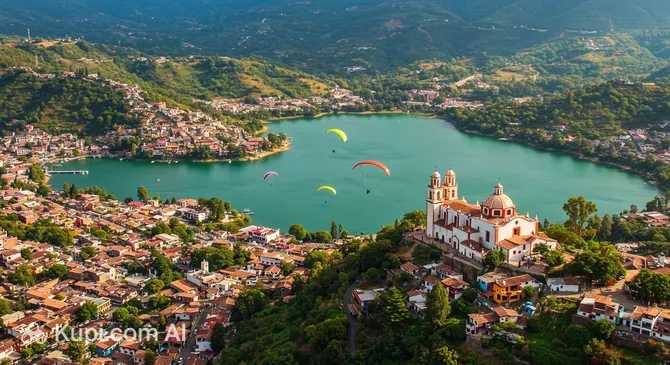
Valle de Bravo. Illustration.
Source: Kupi.com AI

With a population of just over 61,000 people, Valle de Bravo retains the charm of a small town while boasting a well-developed infrastructure that attracts tourists from all over the world. The atmosphere here wonderfully combines Mexican tradition with modern comfort. You can spend hours wandering the cobblestone streets, admiring the colonial architecture, ancient churches, and cozy squares while enjoying the leisurely pace of life.

The main points of interest are, undoubtedly, Lake Avándaro itself, which offers opportunities for water sports and outdoor recreation, and the historic center with its authentic buildings. The town is literally designed for relaxation — whether it's active adventures like paragliding, romantic walks, or spiritual seclusion amidst scenic landscapes.

Valle de Bravo is a must-visit for anyone dreaming of harmony with nature, wishing to experience authentic Mexican culture, and eager for gastronomic discoveries. It is a place you'll want to return to again and again — for inspiration, peace, and new vivid impressions.

You can find more interesting facts on the history of Valle de Bravo page.
Weather Overview

The climate in Valle de Bravo is characterized by pleasant warmth and a clear division into dry and rainy seasons. You can expect mostly dry and sunny weather from December to April, when precipitation is minimal, often dropping to 0 mm. The rainy season typically begins in May and lasts until October, with July and August being the wettest months, seeing up to 14-15 mm of precipitation and almost daily rains. Average monthly temperatures are comfortable year-round: the warmest months are April and May with an average temperature of about 19-20°C (maximum temperatures can reach 26-27°C), while the coolest are December and January, when the thermometer stays around 14°C (minimum night temperatures can drop to 7-8°C). To find out more details for planning your trip, check out the detailed information about the Valle de Bravo climate.

Average monthly temperature

Average monthly precipitation

Interesting Facts

Beyond its picturesque landscapes and colonial architecture, Valle de Bravo hides many surprising stories and features that not all travelers know about. Ready to learn a few secrets of this charming Mexican town?

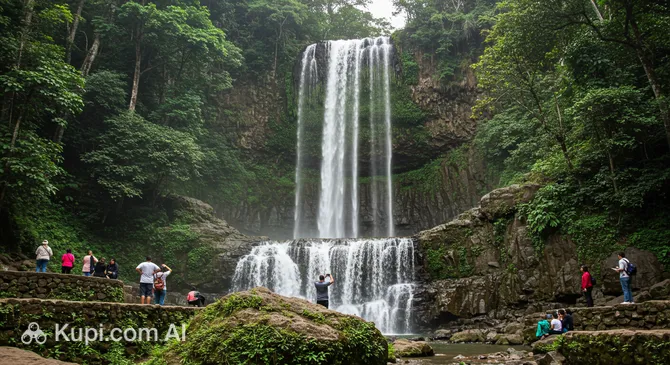
Avandaro Waterfall. Illustration.
Source: Kupi.com AI

Traveler photos:

  • One of the most photographed attractions in the region, known as the "Bridal Veil Falls" (Cascadas Velo de Novia), got its name because of the unique shape of the falling water, which resembles a bride's veil. This waterfall is often identified with the Avándaro Waterfall, and it is a true magnet for romantics and nature lovers.

  • Valle de Bravo has long served as a place for spiritual retreat. Here you can find unique sites such as the Carmel Maranatha monastery and the Buddhist stupa "La Gran Stupa Bon para la Paz Mundial" (The Great Bon Stupa for World Peace), where visitors seek harmony and inner peace.

  • The town is considered a true mecca for paragliding enthusiasts in Latin America. Thanks to the local hills and steady air currents, ideal conditions for flying are created here, and national and international competitions for this exciting sport are held regularly.

  • According to local legends, the territory of modern Valle de Bravo was previously inhabited by the Matlatzinca people, and Lake Avándaro was revered by them as sacred. There is a belief that the spirits of the ancient inhabitants still dwell in its waters, guarding the beauty and tranquility of these places.

How to Get There

There are several ways to reach the picturesque town of Valle de Bravo; however, the most popular option for international and many domestic travelers is flying to one of the airports serving the Mexico capital region or nearby cities.

The closest airport to Valle de Bravo is Toluca International Airport (IATA: TLC). According to provided data, it is associated with Mexico City, but it actually serves the city of Toluca and is located approximately 61.6 km from Valle de Bravo. A trip by taxi or rental car from there will take about 1 hour and 50 minutes. It is a major airport and can be a convenient point of arrival.

The country's main international hub is Benito Juárez International Airport (IATA: MEX), located in Mexico City, approximately 114.6 km from Valle de Bravo. It is the largest airport in Mexico, receiving flights from all over the world. The journey to Valle de Bravo from here takes about 3 hours and 10 minutes by car.

Another option is Felipe Ángeles International Airport (IATA: NLU), also located in Mexico City, about 132.8 km from Valle de Bravo. This is a newer but already quite large airport. A trip from there to Valle de Bravo can take approximately 3 hours and 40 minutes.

From any of these airports, you can reach Valle de Bravo by taxi, rental car, or by using bus services, which may require a transfer in Toluca or Mexico City.

For your convenience, here is summary information on the main airports used to reach Valle de Bravo:

AirportPassenger trafficDistance
Toluca International Airport1.7 mln62 km
Benito Juarez International Airport45.4 mln115 km
Morelia Airport1.4 mln118 km
Felipe Angeles International Airport6.3 mln133 km
Queretaro Intercontinental Airport2.1 mln158 km

Main Attractions

Valle de Bravo, a charming town in the State of Mexico, offers its guests many interesting places to enjoy the nature, culture, and history of the region. Here, everyone will find something to their liking, from active outdoor activities to quiet walks through colorful streets.

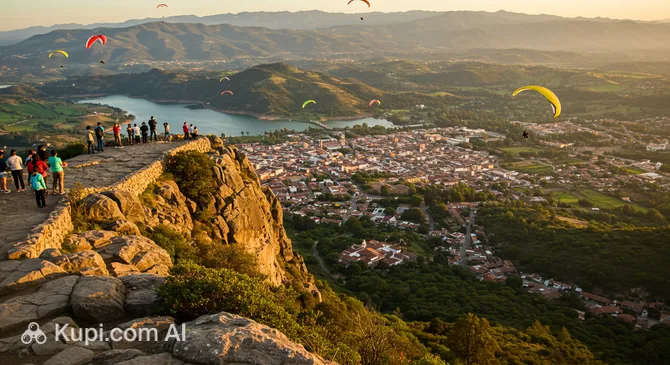
One of the main natural attractions is the La Peña Viewpoint. This is an impressive rock towering over Lake Avándaro. After climbing to the top, you will be rewarded with breathtaking panoramic views of the lake, the town, and the surrounding mountains. It's the perfect place for photos and enjoying the beauty of nature.

La Peña Viewpoint. Illustration.
Source: Kupi.com AI

Traveler photos:

Another equally impressive natural site is the Avándaro Waterfall. This picturesque waterfall, surrounded by dense vegetation, creates a peaceful atmosphere. The sound of falling water and the fresh air make this a wonderful place for relaxation and connecting with nature. There are walking trails near the waterfall.

Avandaro Waterfall. Illustration.
Source: Kupi.com AI

Traveler photos:

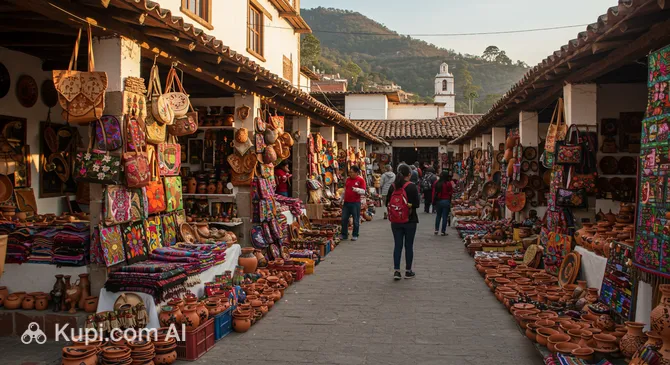
For those interested in local culture and crafts, the Handicraft Market is a must-visit. Here you can find unique handmade items, from textiles and ceramics to jewelry and souvenirs. It's a great place to buy memorable gifts and get to know the talents of local artisans.

Artisan Market. Illustration.
Source: Kupi.com AI

Traveler photos:

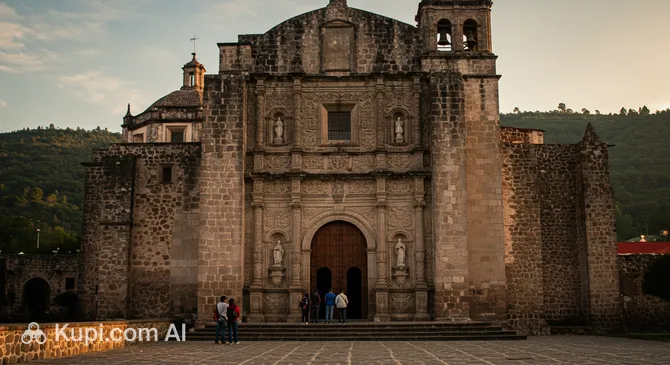
An important spiritual and architectural landmark of the town is the Sanctuary of Santa María Ahuacatlán (Black Christ). This church attracts pilgrims and tourists with its unique history and relic — the statue of the Black Christ. The architecture of the sanctuary and its atmosphere invite reflection and an introduction to the religious traditions of the region.

Sanctuary of Santa Maria Ahuacatlán (The Black Christ). Illustration.
Source: Kupi.com AI

Traveler photos:

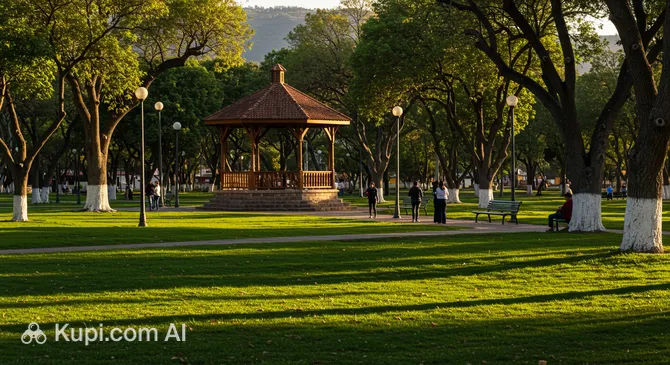
Fans of outdoor activities will enjoy Avándaro Municipal Park. This park offers space for picnics, walks, and sports. It is a popular spot for both locals and tourists looking to relax surrounded by nature.

Avándaro Municipal Park. Illustration.
Source: Kupi.com AI

Traveler photos:

Local Cuisine

The gastronomy of Valle de Bravo is a vibrant blend of central Mexico's culinary traditions and the freshest local farm products. This town can surprise even the most seasoned gourmet with its variety of flavors and aromas. The culinary scene here offers everything from authentic street delicacies to refined restaurant dishes.

Be sure to try "trochos" — a local specialty consisting of fried fish caught in Lake Avándaro. It is usually served with lime wedges, a spicy sauce, and fresh herbs. Another iconic dish is "tamales" — steamed corn dough parcels with various fillings (meat or vegetable) wrapped in corn husks. Various types of tacos are equally popular here and can be found at street stalls as well as in restaurants, such as at the Hotel Avándaro.

Avándaro Hotel. Illustration.
Source: Kupi.com AI

Traveler photos:

Locals and tourists alike love visiting the markets to immerse themselves in the authentic Mexican lifestyle. At the stalls of the Handicraft Market and other similar places, you will find aromatic cheeses, fresh fruits and vegetables, honey from nearby apiaries, and homemade sweets like "alfajores" with caramel filling. Street food here is a culture of its own: from grilled corn (elotes) to juicy tacos with a variety of fillings. This is a great way to have a quick and inexpensive snack while enjoying the local color.

Among the drinks, "atole" stands out — a thick, hot beverage made from corn flour, often flavored with cinnamon, vanilla, or chocolate. It is particularly good in cool weather. Popular alcoholic drinks include tequila and mezcal, as well as local beer. On weekends, Valle de Bravo often hosts food festivals where you can explore the region's cuisine in all its diversity, participate in workshops, and, of course, taste dishes from the town's best chefs.

Travel Tips

Welcome to charming Valle de Bravo! To make your journey through this picturesque corner of Mexico as comfortable and memorable as possible, we have prepared some practical tips to help you find your way and enjoy every moment.

  1. Clothing and Essentials: Valle de Bravo has a temperate climate, but evenings and nights can be chilly, especially given its mountain location. We recommend bringing layered clothing: t-shirts, a sweater or fleece, and a light jacket. Be sure to pack comfortable shoes for walking on cobbled streets, sunscreen, a hat, and perhaps a light raincoat, especially if your trip is during the rainy season (usually from May to October). Don't forget an adapter for electrical appliances if your plugs differ from the American standard (Types A and B). When visiting religious sites, such as the Sanctuary of Santa María Ahuacatlán, it is recommended to show respect and choose clothing that covers shoulders and knees.
  2. Transport: The center of Valle de Bravo is quite compact and pleasant to explore on foot. To travel longer distances, you can use local taxis — agree on the price in advance or make sure the driver has turned on the meter. Public transport is mainly represented by minibuses (colectivos), which can be convenient for trips to the surrounding areas. Renting a car can be useful if you plan to actively explore the region around the lake, but it is not necessary for the town itself.
  3. Finance: The official currency is the Mexican Peso (MXN). You can exchange currency at banks (usually requiring a passport) or exchange offices (casas de cambio). Credit and debit cards are accepted in most hotels, restaurants, and large stores, but smaller shops and markets prefer cash. ATMs (cajeros automáticos) are quite common. In Mexico, it is customary to leave a tip (propina) of 10-15% of the bill in restaurants and cafes for good service.
  4. Health and Safety: Pharmacies (farmacias) are easy to find, some of which are open 24/49. For medical assistance, tourists are better off going to private clinics or hospitals; be sure to have travel insurance. Valle de Bravo is considered a relatively safe town, but standard precautions apply: keep an eye on your belongings, especially in crowded places, and avoid walking in poorly lit areas at night. It is recommended to drink bottled water.
  5. Communication: The main language is Spanish. In tourist areas, hotel and some restaurant staff may speak English, but knowing basic Spanish phrases (e.g., "Hola" – hello, "Gracias" – thank you, "¿Cuánto cuesta?" – how much is it?) will be very helpful and appreciated by locals. A local SIM card can be purchased at mobile stores (e.g., Telcel or AT&T). Wi-Fi is available in most hotels, cafes, and restaurants. For ease of navigation and communication, consider installing useful apps: for example, taxi-hailing apps common in Mexico (like DiDi or Uber, check their availability in Valle de Bravo upon arrival), offline maps (like Maps.me or Google Maps with downloaded areas), and translator apps (like Google Translate).
  6. Local Etiquette: Mexicans are generally very friendly and hospitable. It is customary to greet people ("Buenos días" – good morning/day, "Buenas tardes" – good afternoon/evening, "Buenas noches" – good evening/night). Show respect for local traditions and customs. Don't hesitate to ask permission before taking photos of people.
  7. What to Avoid: Try not to drink tap water — always buy bottled. Also, it's best not to openly display expensive jewelry or large amounts of cash to avoid attracting unnecessary attention from pickpockets, especially in markets or on public transport.
  8. Valle de Bravo Specifics: The town is a popular vacation spot for residents of Mexico City, especially on weekends and holidays. During these times, it can be quite crowded, and prices for accommodation and services may be higher. If you prefer a quieter atmosphere and want to avoid crowds, try to plan your visit for weekdays.

We hope these tips help you better prepare for your trip and get the most out of your stay in beautiful Valle de Bravo. We wish you an unforgettable journey!

Entertainment & Nightlife

As evening falls, Valle de Bravo does not lose its charm; instead, it transforms, offering guests a cozy and relaxed atmosphere to unwind. Although this picturesque town is better known for its daytime activities on the lake and in the mountains, its nightlife can also provide pleasant moments, especially for those who appreciate quiet evenings in beautiful surroundings.

Most evening activity is concentrated around the central square (Zócalo) and the adjacent streets. Here you will find many restaurants that fill up with guests as darkness falls, as well as small bars with pleasant music. The evening atmosphere in Valle de Bravo is more elegant and calm than rowdy and club-like. The crowd here often consists of couples, families, and groups of friends enjoying dinner or drinks. The dress code in most places is casual or smart casual.

For an exquisite dinner or evening cocktails, you might consider the restaurant at the Hotel Avándaro, known for its cuisine and pleasant ambiance. In addition to such restaurants, you will find cozy bars with local flavor and cafes in the town center, some of which offer live music on weekends. While there aren't many large nightclubs in the traditional sense, the emphasis is on soulful conversation and enjoying the moment. We recommend strolling through the center in the evening to choose a spot that suits your taste.

Avándaro Hotel. Illustration.
Source: Kupi.com AI

Traveler photos:

The best time for evening outings is typically Friday and Saturday when the town becomes particularly lively. Most establishments stay open until midnight or slightly later. Prices in Valle de Bravo's restaurants and bars can range from moderate to quite high, especially in places with a lake view or in popular tourist zones. For getting around at night, it is recommended to use taxi services, which can be called from your hotel or restaurant.

Regarding safety, the central areas of Valle de Bravo are considered quite safe for evening walks. However, as in any tourist destination, it’s wise to take standard precautions: don't leave valuables unattended and avoid poorly lit or deserted streets late at night. Using official taxis or a pre-booked transfer is a good way to ensure a safe return to your hotel.

During the day, Valle de Bravo offers many other forms of entertainment. Be sure to visit the La Peña Viewpoint, which offers spectacular views of the lake and surroundings. Also worth seeing is the picturesque Avándaro Waterfall or a stop at the Handicraft Market for unique souvenirs. History and culture buffs can visit the Sanctuary of Santa María Ahuacatlán (Black Christ).

La Peña Viewpoint. Illustration.
Source: Kupi.com AI

Traveler photos:

Overall, Valle de Bravo in the evening is a wonderful place for those seeking a relaxing getaway with the chance to enjoy a delicious dinner, have a cocktail in good company, and soak in the magic of this Mexican town after sunset.

Parks & Museums

Valle de Bravo is not just about a picturesque lake and charming streets; it’s also a place where you can enjoy unity with nature in well-kept parks and touch the rich cultural heritage of the region. The town offers a variety of leisure opportunities, from quiet walks in the fresh air to exploring local traditions and history.

Among the green zones that are definitely worth a visit, the Avándaro Municipal Park stands out. It is a wonderful place for family vacations, picnics, and leisurely strolls. The park offers well-maintained paths and rest areas where you can enjoy the silence and beauty of the surrounding nature. For fans of more active recreation and impressive natural views, the Avándaro Waterfall is a must-see. The path to it leads through a picturesque forest, and the waterfall itself, plunging its waters from a height, is a mesmerizing sight. Another iconic natural attraction is the La Peña Viewpoint. The climb up this rock is rewarded with breathtaking panoramic views of Lake Valle de Bravo and its surroundings, especially at sunset.

While Valle de Bravo may not have a large number of traditional museums, its cultural and historical heritage is vividly represented in other forms. To get acquainted with local crafts and art, stop by the Handicraft Market. Here you can find unique handmade items, from ceramics and textiles to jewelry, and talk with the artisans. The market is an excellent place to buy authentic souvenirs and immerse yourself in the local flavor.

One of the town's most important spiritual and architectural monuments is the Sanctuary of Santa María Ahuacatlán (Black Christ), known for its unique relic — the figure of the Black Christ. This site attracts not only pilgrims but also tourists interested in the history and religious culture of Mexico. The church impresses with its architecture and atmosphere of peace.

To fully experience Valle de Bravo, don't be afraid to stray from the beaten tourist paths. Stroll through the cobbled streets of the old town, where you can find small art galleries, cozy cafes, and workshops of local artists who convey the authentic spirit of this magical place.

Getting Around

Getting around Valle de Bravo and its surroundings can be done in several ways. The core of public transport here consists of "colectivos" (shared taxis/vans) and local buses. These are the most affordable options for moving between different parts of town and traveling to nearby attractions. There are no subways, trams, or trolleybuses in the town, which is typical for settlements of this size.

The payment system in "colectivos" and local buses is usually very simple: payment is made in cash directly to the driver upon boarding or exiting. The fare is typically low and depends on the distance. There are generally no specialized transit cards or mobile apps for fare payment in Valle de Bravo. Colectivos run along specific routes and can be flagged down with a wave of the hand almost anywhere along the way. Buses have more fixed stops, especially on intercity routes.

Tourists are recommended to always carry small cash for fares. Public transport is usually most active during the daytime. You can confirm the route and direction with the driver or local residents. For more comfortable and faster travel, especially for short distances or at night, taxis are always available. It is recommended to agree on the fare with the taxi driver in advance, before starting the trip, as not all vehicles are equipped with meters. The central part of Valle de Bravo is quite compact and pleasant to explore on foot.

As an alternative for exploring the scenic surroundings of the lake, you can consider renting bicycles if such a service is available. This will allow you to enjoy nature at your own pace. Car-sharing services in Valle de Bravo may not be as common as in large metropolises, so taxis and public transport remain the main ways of getting around for tourists without a personal car.

Accommodation

In Valle de Bravo, you will find a wide range of accommodation options to satisfy the needs of various travelers. The town offers everything from cozy budget guest houses (posadas) and self-catering apartments to charming boutique hotels and more luxurious options with scenic views.

When choosing a place to stay, consider several popular areas. The town center (El Centro) is convenient due to its proximity to main attractions, such as the Handicraft Market and the Sanctuary of Santa María Ahuacatlán (Black Christ), as well as numerous cafes and restaurants. Areas closer to Lake Avándaro attract those looking to enjoy beautiful landscapes and water activities. The quieter and greener Avándaro neighborhood, known for its pine forests, also offers excellent accommodation options, often surrounded by nature and near spots like the Avándaro Waterfall and Avándaro Municipal Park.

Avándaro Municipal Park. Illustration.
Source: Kupi.com AI

Traveler photos:

When planning your trip, especially during peak season, weekends, or holidays, it is recommended to book accommodation in advance. Valle de Bravo is a popular destination, and the best options can be quickly booked up.

The price range for accommodation varies from quite affordable options to premium offerings. You can book housing through popular international online platforms and travel aggregators, or by contacting hotels or apartment owners directly.

Nearby Cities

For those who want to explore the surrounding area, Valle de Bravo serves as an excellent starting point for day trips to several interesting nearby locations:

CityPopulationDistance
Villa Donato Guerra29 62113 km
Santo Tomas9 68213 km
Villa de Allende52 64120 km
Temascaltepec30 33622 km
Villa Victoria77 81930 km

These nearby destinations provide a glimpse into the diverse culture and landscapes of the region.

Shopping & Souvenirs

Shopping in Valle de Bravo is an exciting dive into the world of Mexican crafts and authentic goods. The town is famous for its handmade items, textiles, and ceramics, offering tourists unique souvenirs and decor items. You won't find huge shopping malls here, but you can enjoy the atmosphere of cozy shops and colorful markets.

Main shopping spots are concentrated in the historic center, especially around the main square (zócalo) and on adjacent streets like Joaquín Arcadio Pagaza. Walking through them, you'll discover many small shops, galleries, and workshops where local artisans display their work.

There are no large modern shopping centers in Valle de Bravo. Shopping here is more intimate, focused on acquiring unique items and learning about the local culture through crafts.

A mandatory place to visit is the Handicraft Market (Mercado de Artesanías). This is the heart of local shopping, where you can find a wide range of goods: from bright ceramics and painted wooden items to textiles, leather goods, jewelry, and woven baskets. Here you can not only buy souvenirs but also observe the masters at work.

As souvenirs from Valle de Bravo, it's worth bringing back traditional Mexican items. Look for handmade ceramics, colorful textiles (like rebozos or sarapes), embroidered blouses, and items made of wood and leather. Local sweets and coffee are also popular.

Most shops in Valle de Bravo open around 10:00-11:00 AM and work until 7:00-8:00 PM. Some small shops may close for a siesta in the middle of the day. At the markets, trading usually starts earlier. Regarding payment, cash (Mexican pesos) is preferred in small shops and at markets. Larger establishments and some tourist shops may accept credit cards, but it's always useful to have some cash on hand.

In Mexico, there is a value-added tax (IVA) refund system for tourists on certain goods, but this procedure is most often available in large cities and international airports for purchases in participating stores. In smaller towns like Valle de Bravo, finding such stores may be more difficult. It's recommended to check for tax refund availability directly when making large purchases.

Nearby cities

Reached the end of the page?

That means the route is fully explored