Support

Zamora

About

Zamora de Hidalgo is a true Mexican gem, nestled in the western part of the country in the picturesque state of Michoacán. This city is perfect for travelers seeking an authentic atmosphere, colonial charm, and genuine hospitality, far from the noise and bustle of overcrowded metropolises.

Geographically, the city sits at an altitude of over 1.5 kilometers above sea level, providing a mild and pleasant climate throughout the year, as well as stunning views of the surrounding hills and valleys. With a population of about 207,000 people, Zamora maintains the soul of a provincial town while serving as an important transportation and commercial hub connecting various regions that Mexico is so rich in.
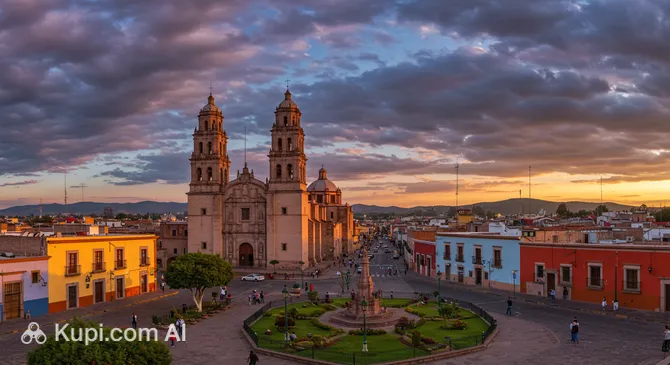
Zamora de Hidalgo. Illustration.
Source: Kupi.com AI

Strolling through the cobblestone streets, you will see ancient churches and elegant mansions neighboring cozy cafes and craft shops. The deep and eventful history of Zamora de Hidalgo is reflected in the unique architecture and traditions carefully preserved by the locals. Cultural life is vibrant here: fairs, festivals, and concerts regularly fill the city center with bright colors and music.

Among the key features attracting tourists is the impressive religious architecture, particularly the famous Neo-Gothic cathedral, whose towers are considered some of the tallest in the country. The gastronomic component is equally important: the city is famous for its unique local sweets, the taste of which is known far beyond the borders of the state. Zamora de Hidalgo is a city where time seems to slow down, inviting you to enjoy a leisurely stroll and discover the soul of real Mexico.
Weather Overview

The climate in Zamora de Hidalgo is characterized by mildness and comfortable conditions for most of the year, though it has distinct seasonal differences. Travelers should note that the weather here is divided into dry and wet periods, which significantly affects the choice of clothing and excursion planning.

The hottest time of the year is spring: in May, the average temperature reaches 22.8°C, and daytime maximums often exceed 30°C. With the arrival of June, the rainy season begins, lasting until September. In July and August, the number of days with precipitation reaches 28 per month, although the temperature remains pleasant, around 20-25°C. If you are interested in the detailed weather in Zamora de Hidalgo for specific dates, we recommend checking the forecast before your flight.

Winter months, by contrast, are characterized by a lack of precipitation and noticeable coolness, especially at night. In January and December, the thermometer can drop to 8-9°C at night, although the air warms up to a comfortable 23°C during the day. Expect a warm summer with frequent rains and cool, dry winters.

Average monthly temperature

Average monthly precipitation

Interesting Facts

Interesting facts:

Beyond its main attractions, Zamora de Hidalgo holds many fascinating secrets and reasons for pride. This city with a rich past surprises guests not only with its atmosphere but also with unique records and famous natives.

Diocesan Sanctuary of Our Lady of Guadalupe. Illustration.
Source: Kupi.com AI

Traveler photos:

  • Impressive Age. The city was founded back in 1574 by decree of Viceroy Martín Enríquez de Almansa. This makes it one of the oldest settlements in the region, where every era — from colonial to modern — has left its unique mark on the architecture and street planning.

  • Architectural Record Breaker. The main pride of the locals is the Diocesan Sanctuary of Our Lady of Guadalupe. This majestic Neo-Gothic temple is considered one of the tallest religious structures in all of Latin America. Its towers, soaring into the sky, are striking in their scale and beauty, serving as a landmark visible for many kilometers.

  • Hometown of a Football Legend. Zamora de Hidalgo is the hometown of Rafael Márquez, one of the most famous Mexican football players in history. The former national team captain and European club star began his journey right here, and locals regard their famous compatriot's successes with warmth and pride.

  • City of Festivals. Local traditions are distinguished by their particular color and scale. During religious celebrations, especially during the festival in honor of the Virgin of Guadalupe, the city's streets are transformed: massive processions take place, music plays, and the air is filled with the aromas of street food, attracting thousands of pilgrims and tourists from all around.

How to Get There

When planning a trip to this colorful corner of Michoacán, keep in mind that the city itself does not have an airport. Nevertheless, getting here is easy thanks to a developed road network connecting the region with major transportation hubs. You can find all ways to get to the city in more detail on a separate page, and below we will look at the main options for arriving through neighboring airports.

The most popular choice for international travelers is Miguel Hidalgo y Costilla Guadalajara International Airport (GDL), located in the city of Guadalajara. It is a major hub with high passenger traffic, receiving flights from all over the world. It is about 122 km from Zamora de Hidalgo. The trip by taxi or rental car will take approximately 2 to 2.5 hours; comfortable buses also run between the cities.

Another convenient option is Morelia Airport (MLM), serving the state capital. It is located at a distance of about 133 km from the destination. This is a medium-sized regional airport that handles both domestic and some international flights. Travel time by road is approximately 2–2.5 hours depending on traffic.

If you are looking for the closest option, consider Licenciado y General Ignacio López Rayón Airport (UPN) in the city of Uruapan. It is located only 70.5 km from Zamora de Hidalgo, allowing you to reach the city center in about 1–1.5 hours. However, keep in mind that this is a small airport with a limited number of flights.

For convenience, here is a summary of the main airports:

AirportPassenger trafficDistance
Licenciado y General Ignacio Lopez Rayon Airport173 00571 km
Don Miguel Hidalgo y Costilla International Airport17.7 mln122 km
Morelia Airport1.4 mln133 km
Guanajuato International Airport3.2 mln139 km
Colima Airport201 243157 km

Regarding rail travel, passenger trains are not currently a common way to travel in this region of Mexico. There are no active railway stations for tourists in Zamora de Hidalgo or its immediate vicinity. The main burden of passenger transport falls on bus companies, which offer regular flights of various comfort classes connecting the city with all major airports and neighboring states.

Main Attractions

The city of Zamora de Hidalgo, located in the picturesque state of Michoacán, offers travelers a glimpse into the authentic culture of Mexico. Here, history harmoniously blends with modernity, and real architectural and cultural treasures are hidden among the cozy streets.

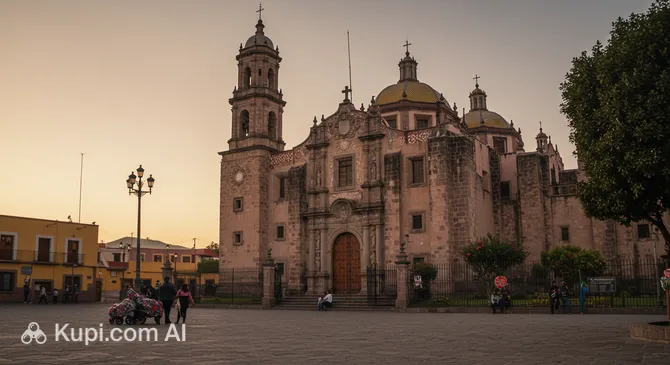
The main symbol of the city is rightfully considered the Diocesan Sanctuary of Our Lady of Guadalupe. This monumental Neo-Gothic structure captures the imagination with its size and sky-piercing towers, which are among the tallest in the country. Visiting this temple is not only an opportunity to touch the spiritual life of the city but also to enjoy its impressive architecture.

Diocesan Sanctuary of Our Lady of Guadalupe. Illustration.
Source: Kupi.com AI

Traveler photos:

The heart of the city's social life is Zamora's Main Square. Surrounded by colonial buildings, cozy cafes, and shops, it is the ideal place for leisurely walks. Here, you can relax on a bench in the shade of trees, drink a cup of coffee, and watch the daily life of local residents. In the evening, the square especially comes alive, filling with the sounds of music and laughter.

To gain a deeper understanding of the region's history and culture, it's worth visiting the Zamora City Museum. Its exhibition tells the story of this land's past, from pre-Hispanic times to the present day. You will see archaeological finds, household items, and works of art that help form a complete picture of life in Zamora de Hidalgo.

For family vacations or just a change of scenery, the Nava Castillo Aquarium is an excellent choice, where you can get acquainted with the diversity of the underwater world. You can end the day in one of the local establishments, such as the Pink Panther restaurant or the Cava del Duero wine bar, to try local cuisine and drinks.

Local Cuisine

Local cuisine:

The culinary soul of Zamora de Hidalgo is a vibrant combination of Spanish traditions and indigenous heritage, which finds its expression in amazing flavor combinations. The main gastronomic pride of the city is considered to be the famous "Zamora strawberry sweets" (fresas zamoranas). Fresh strawberries covered in caramel or chocolate are sold right on the streets, and this treat has long been a sweet calling card of the city for all guests.

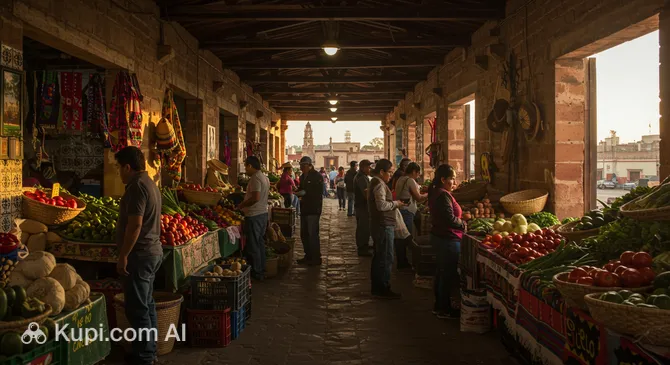
Among the traditional dishes that every traveler should try are tamales de zarzamora — unusual blackberry tamales — as well as uchepos. These are very delicate corn cakes often served with homemade cream and spicy sauce, creating a perfect balance of flavors. In local markets, overflowing with fresh fruit and cheeses, you can taste tacos de carnitas — melt-in-your-mouth pieces of pork prepared according to ancient recipes.

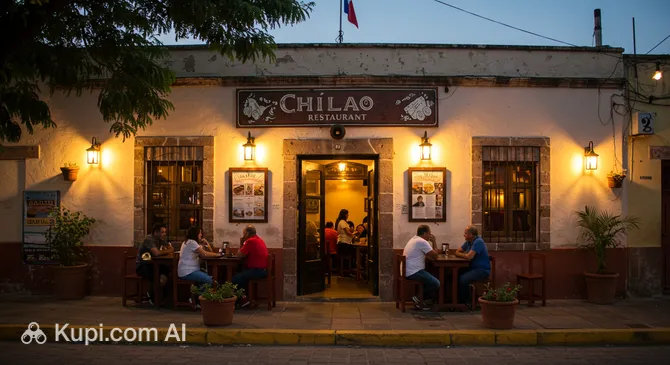
Chilao Restaurant. Illustration.
Source: Kupi.com AI

Traveler photos:

As a drink, especially on cool evenings, locals prefer atole — a thick hot drink made from corn with spices. The food culture here is diverse: from street stalls to cozy establishments. If you are looking for a place for lunch or dinner, look no further than Chilao Restaurant, where you can get acquainted with the best examples of local cuisine. Zamora de Hidalgo is a real paradise for gourmets, where gastronomic festivals are regularly held, allowing you to discover new facets of Mexican culinary traditions.

Travel Tips

Welcome to Zamora de Hidalgo! To ensure your journey through this colorful corner of Michoacán goes smoothly and leaves only pleasant impressions, we have prepared a list of important practical recommendations to help you feel confident.

  1. Clothing and Dress Code. The climate here is mild but contrasting: it can be hot during the day, while evenings often bring a chill due to the altitude, so dress in layers. For walks on the cobblestones of the historic center, choose comfortable flat shoes. Since the city is an important religious center, observe modesty when visiting temples, especially the Sanctuary of Guadalupe: shoulders and knees should be covered.

  2. Transport Nuances. There is no metro here; the main public transport consists of minivans (combis). This is a cheap way to travel and immerse yourself in local life, but they are often crowded. For comfort, it is better to use taxis. Important: local cars often lack taximeters, so be sure to agree on the fare with the driver before getting in to avoid misunderstandings.

  3. Money and Payment. The currency is the Mexican peso. While cards are accepted in large supermarkets, hotels, and the Plaza Ana mall, you will need cash in small denominations for small shops, sweet markets, and taxis. ATMs are easy to find around the Main Square. Tipping in restaurants is welcomed and usually amounts to 10–15% of the bill.

  4. Health and Safety. Categorically do not drink tap water — buy only bottled water for drinking and washing fruit. Pharmacies, such as Farmacias Guadalajara, often operate 24/7 and are located in many districts. The city is friendly, but follow basic measures: do not openly wear expensive jewelry and use only official taxis called by phone after dark.

  5. Communication and Language. English is not very common outside of expensive hotels, so learn a few phrases in Spanish or download an offline translator. For mobile internet, it is best to buy a SIM card from a local operator (e.g., Telcel) at any OXXO convenience store — they have the most reliable coverage. Wi-Fi is available in most cafes and hotels.

  6. Local Etiquette. Residents of Michoacán are very polite and appreciate a respectful attitude. It is customary to say hello (Buenos días/tardes) when entering a shop, an elevator, or getting into a taxi. If you pass people eating, it is good manners to wish them "Buen provecho" (enjoy your meal) — this always brings a smile.

  7. What to Avoid. Do not take photos of local residents, especially elderly people or children, without their explicit permission — this can be perceived as rudeness or an intrusion into personal space. Also, avoid discussing sensitive topics related to regional security with strangers.

  8. Gastronomic Tip. Zamora is known as the berry capital, so be sure to try local strawberries or blackberries. It is best to buy them at markets in the morning when the goods are freshest. And don't forget to try chongos zamoranos — this dessert is sold everywhere, but the most delicious kind is found in specialized stalls at the sweet market.

Zamora de Hidalgo is a city with an open soul, where respect for traditions opens any door. By following these simple tips, you can safely enjoy the authentic atmosphere, delicious cuisine, and sincere hospitality of the local people.

Entertainment & Nightlife

Nightlife in Zamora de Hidalgo has a calm and soulful character, ideal for travelers who want to take a break from the hustle and bustle and immerse themselves in the authentic atmosphere of the Mexican province. You won't find massive dance mega-clubs here like in Cancun, but the city offers many cozy bars, traditional cantinas, and restaurants with live music where the fun lasts until late at night.

The main evening activity is concentrated in the historic center and along the main avenues, such as Calzada Zamora-Jacona. It is customary to start the evening with a leisurely stroll or dinner, smoothly transitioning into social gatherings with drinks. A great place to start is the La Mendoza bar. This establishment is popular for its laid-back atmosphere and the opportunity to try a variety of drinks in good company.

La Mendoza. Illustration.
Source: Kupi.com AI

Traveler photos:

For those who prefer a more elegant setting and want to combine gastronomic impressions with evening relaxation, the Pink Panther restaurant is an excellent choice. Such places often attract a respectable crowd, feature music, and offer a menu of both local and international dishes. The dress code in most establishments is democratic, and a smart casual style is appropriate everywhere. Prices for cocktails and entry are significantly more affordable than in major tourist resorts.

Nighttime safety requires standard caution. The city center is considered relatively safe for walks in the early evening, but after 10:00 PM, it is recommended to use an official taxi for transportation. It is better to call a car by phone or ask the staff of an establishment to order one — it is reliable and inexpensive. Avoid walking alone in remote and poorly lit areas.

During the day, Zamora de Hidalgo offers calmer types of leisure that harmoniously complement the evening program. Shopping and entertainment enthusiasts can visit the Plaza Ana shopping center, where you can not only shop but also go to the cinema or just relax in the cool air. It is also worth spending time at the city's cultural sites, museums, and theaters to form a complete impression of life in this colorful corner of the country.

Parks & Museums

Zamora de Hidalgo is a city where the harmony of nature and the richness of cultural heritage create a unique atmosphere for a leisurely holiday. Here, green zones serve not just as decoration but as centers of social life, while museums and architectural monuments open doors to the fascinating history of the Michoacán region.

The central point of attraction for residents and guests of the city remains Zamora's Main Square. This is a picturesque green oasis in the heart of the historic center, surrounded by majestic buildings. Here you can relax in the shade of ancient trees, enjoying the cool fountains and observing the steady rhythm of city life. The square is ideal for evening walks when the lights turn on and street musicians fill the air with melodies.

Another important natural artery is Calzada Zamora-Jacona. This is a unique avenue connecting two neighboring municipalities, famous for its giant trees that create a natural green tunnel. Locals love to use this place for morning jogs, bike rides, or just for walking in the cool shade. If you have time to go a little further outside the city, be sure to visit Lago de Camécuaro National Park. This is a crystal-clear lake surrounded by ancient Montezuma cypress trees (ahuehuete), whose roots create whimsical patterns in the water — a sight worthy of every tourist's attention.

For those interested in art and history, the city offers several significant cultural venues. The Michoacán Regional Center of the Arts (CRAM) is a modern architectural space that has become a true cultural hub for the region. Art exhibitions, theatrical productions, concerts, and masterclasses are regularly held here. The building itself is of interest due to its bold design, which contrasts with the colonial buildings. It is also worth visiting the City Museum (Museo de la Ciudad), located in the old railway station, where exhibitions tell the story of Zamora's development from a small settlement to an important agro-industrial center.

It is impossible to speak of the city's culture without mentioning its main architectural landmark — the Diocesan Sanctuary of Our Lady of Guadalupe. This Neo-Gothic cathedral is striking in its scale and the elegance of its stained glass windows. It is not only a religious center but also an open-air museum demonstrating the skill of architects and builders from different eras.

Insider Tip: If you plan to visit Lake Camécuaro, try to arrive on a weekday morning. At this time, a mystical silence reigns there, and you can take amazing photos of the tree roots in the water without the crowds of tourists that usually fill the park on weekends.

Getting Around

The public transportation system in Zamora de Hidalgo is quite simple and intuitive, although it differs from what residents of major metropolises are used to. There is no metro or tram lines; the main burden of passenger transport falls on buses and fixed-route taxis, which locals often call "combis" or "colectivos." These are small minivans or mid-sized buses that run throughout the city, connecting the center with remote areas and neighboring villages.

For a tourist, it is important to know that electronic travel cards or mobile apps are not used for fare payment in local transport. The payment system here is exclusively cash-based. Payment is made directly to the driver upon entering the vehicle. The fare is fixed and very affordable. It is highly recommended to always carry small coins and low-denomination bills, as the driver may not have change for large banknotes.

Public transport stops are not always marked with special signs or pavilions, especially outside central streets. To catch the right "combi," it is customary to simply raise your hand while standing on the roadside. The main destinations and streets of the route are usually written in large letters on the windshield. If you are in doubt, it is best to check with the driver before boarding whether they go to your destination.

A popular and convenient alternative to buses is the taxi. There are many of them in Zamora de Hidalgo, and they are painted in specific colors assigned to certain bases or districts. It is important to remember that most cars are not equipped with meters. The price of the trip should be discussed and agreed upon with the driver before getting into the car to avoid misunderstandings at the end of the journey. Ridesharing and taxi apps are also beginning to gain popularity in the region, but classic taxis still remain a more reliable and faster way to find a car.

Public transport starts operating early in the morning, around 6:00 AM, and finishes around 9:00 PM–10:00 PM. At later times, a taxi remains the only transportation option. Given the compactness of the historic center, many attractions are easy to explore on foot while enjoying the architecture, using transport only for trips to more distant sites or the bus station.

Accommodation

The choice of accommodation in Zamora de Hidalgo is quite diverse and can satisfy the needs of most travelers, although you won't find the massive resort complexes typical of the coast here. The city's hotel infrastructure is primarily oriented toward pilgrims coming to worship at the shrines and business people visiting this important agro-industrial region. The bulk of the room stock consists of mid-range hotels, cozy colonial-style mini-hotels, and budget options for economical tourists.

In terms of location, the Historic Center is the most attractive for guests. Staying here puts you within walking distance of the main architectural monuments, restaurants, and shops. Living in the center is especially convenient for those who want to enjoy evening strolls and views of the majestic Diocesan Sanctuary of Our Lady of Guadalupe. Another popular area for accommodation is along the main avenues leading to the neighboring city of Jacona. Here, you'll more often find modern hotels with private parking, which is convenient for those traveling by car.

Booking Tip: While finding a free room is usually not an issue, the situation changes drastically during major religious holidays. If your trip coincides with Holy Week or December (especially December 12th, the day of the Virgin of Guadalupe), it is highly recommended to book accommodation several months before your visit, as the city fills with thousands of pilgrims.

The price range in Zamora de Hidalgo can be described as affordable. It is difficult to find luxury apartments with sky-high prices; most offers range from budget to moderate. International online platforms can be used for booking, but many small family-run hotels (posadas) may not be listed there. In such cases, calling directly or searching on-site often works, provided you are not traveling during peak season.

Nearby Cities

For those who want to explore the surroundings, Zamora de Hidalgo serves as an excellent starting point for day trips to several interesting nearby places.

One of the most popular destinations is Uruapan, located south of the city. This picturesque spot is often called the "avocado capital of the world," but it attracts tourists primarily with its nature. Here is the famous Barranca del Cupatitzio National Park, where you can walk among lush vegetation and admire beautiful waterfalls.

Another interesting option is a trip to La Piedad. This city is famous for its magnificent architecture, in particular, the Sanctuary of the Lord of Mercy, whose huge dome is considered one of the largest in the country. Also noteworthy is Sahuayo — a city with rich traditions, known for its colorful carnival masks and religious festivals.

CityPopulationDistance
Tangancicuaro35 25614 km
Santiago Tangamandapio10 46316 km
Chavinda10 25818 km
Purepero15 25530 km
Pajacuaran10 01432 km

These nearby destinations provide an insight into the region's diverse culture and landscapes, making your stay in the state of Michoacán even more fulfilling.

Shopping & Souvenirs

Shopping in Zamora de Hidalgo is a fascinating immersion into local culture, where modern retail formats coexist with colorful traditional markets. The city is an important commercial center for the region, so you can find everything here: from familiar clothing brands to unique craft products from the state of Michoacán. Particular attention should be paid to gastronomic souvenirs, as Zamora is famous for its sweets across the country.

The heart of the city's shopping life is its historic center. The streets radiating from iconic landmarks like Zamora's Main Square are filled with small shops, boutiques, and stalls. It is pleasant to stroll here on foot, looking at windows with shoes, clothes, and accessories. This area is ideal for those who want to feel the rhythm of the city and find goods at affordable prices.

If you prefer comfortable shopping in a modern format, you should visit the Plaza Ana shopping center. This is one of the city's main malls, where clothing, footwear, electronics, and cosmetics stores are gathered under one roof. Here you can not only update your wardrobe but also relax in the food court or visit the cinema. The shopping center serves as a popular meeting place for locals and offers a familiar level of service for tourists.

Markets are an integral part of the Mexican shopping experience. In Zamora, it's definitely worth stopping by the Municipal Market (Mercado Hidalgo) or the specialized Sweet Market (Mercado de Dulces). This is where you will find the freshest fruits, vegetables, and, of course, the famous local desserts. The atmosphere at the markets is lively and noisy, and the aromas of spices and fresh pastries will not leave you indifferent.

Speaking of souvenirs, you simply cannot leave Zamora de Hidalgo without "chongos zamoranos". This is a traditional dessert made of curdled milk with sugar and cinnamon, which is sold in beautiful jars and makes an excellent gift. Also, look out for textiles, ceramics, and, if transportation allows, the fresh strawberries or blackberries this agricultural region is famous for.

Shops in the city are usually open from 10:00 AM to 8:00 PM or 9:00 PM. Large shopping centers and supermarkets operate without breaks or days off, while small private shops in the center may close for a siesta in the afternoon or be closed on Sundays. Credit cards (Visa, Mastercard) are accepted without problems in large stores and restaurants; however, you will definitely need cash pesos in markets and at street stalls.

The Tax Free system exists in Mexico, but in small cities like Zamora, finding stores participating in the Moneyback program can be difficult. Usually, these are large chain department stores. If you plan on making major purchases, look for the "Tax Free" sticker at the entrance and don't forget to ask for a special receipt and form to fill out for a refund at the departure airport.

Nearby cities

Reached the end of the page?

That means the route is fully explored