Support

Kolonia

About

Welcome to Kolonia, the bustling commercial center and a primary gateway to the enchanting island of Pohnpei. Although it is no longer the national capital, this coastal town remains the heartbeat of the island, offering a unique blend of modern convenience and tropical charm. As you explore the Federated States of Micronesia, Kolonia serves as an excellent starting point for your adventures, providing visitors with a warm introduction to the local culture and lifestyle.

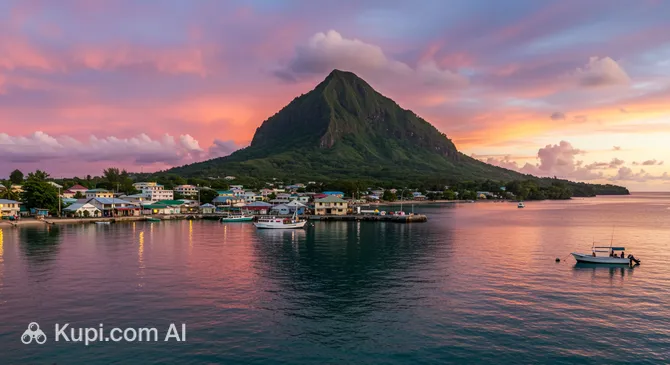
Kolonia. Source: Kupi.Binoculars

Geographically, the town is situated on the northern coast of Pohnpei and is home to approximately 6,000 residents. The atmosphere here is lively yet relaxed, characteristic of the Pacific islands. While walking through the streets, you can witness the fascinating history of Kolonia reflected in landmarks like the remnants of the old Spanish Wall and the historic German Bell Tower, which stand as silent witnesses to the island's colonial past.

Nature lovers will be captivated by the town's stunning backdrop, dominated by the imposing Sokehs Rock, a massive cliff face that is one of the island's most recognizable features. Kolonia is also the perfect base for organizing trips to the mysterious ruins of Nan Madol or hiking to nearby waterfalls. Whether you are here for the history, the scenery, or the friendly hospitality, Kolonia invites you to relax and immerse yourself in the beauty of Pohnpei.

Weather Overview

The climate in Kolonia is characteristically tropical, defined by consistent warmth and high humidity throughout the year. Temperatures are remarkably stable, with averages staying close to 27°C regardless of the month. Daily highs typically reach around 28°C, while nights remain balmy with minimums seldom falling below 26°C.

Precipitation is a constant feature of the local environment, and visitors should expect frequent showers. The city experiences a high number of rainy days, ranging from 18 wet days in February to as many as 29 wet days in July. To help plan your activities around the rain, you can consult the detailed weather in Kolonia guide. Generally, the weather pattern suggests packing breathable clothing and reliable rain gear for any visit.

Interesting Facts

Beyond the main attractions, Kolonia holds many fascinating secrets that offer a deeper glimpse into island life. This vibrant town is more than just a gateway; it is a place where unique traditions and historical shifts have shaped a distinct identity.

  • A Capital No More: While it remains the largest settlement and commercial hub of Pohnpei, Kolonia is technically no longer the national capital of the Federated States of Micronesia. That title was transferred to the nearby settlement of Palikir in 1989, though Kolonia continues to feel like the true center of activity for most residents and visitors.

  • The Sakau Tradition: The town is famous for its numerous roadside markets serving sakau, the local variety of kava. Pohnpeian sakau is unique in the Pacific for its distinctively thick texture and high potency, and sharing a coconut shell of this peppery, sedative drink is a nightly ritual for many locals in Kolonia.

  • A Historic Uprising: The dramatic cliff of Sokehs Rock, visible from town, was the site of the Sokehs Rebellion in 1910. This event marked a significant armed resistance by the Pohnpeian people against German colonial administration, turning the scenic ridge into a fortress of defiance.

  • One of the Wettest Places: You are standing in one of the rainiest inhabited locations on Earth. The interior mountains trap moisture, causing Kolonia and its surroundings to receive staggering amounts of rainfall annually, which fuels the incredibly lush, jungle-like vegetation that characterizes the town.

How to Get There

Reaching this island destination is an adventure in itself, primarily involving air travel across the vast Pacific Ocean. For a comprehensive guide on routes and logistics, you can read more about how to get to Kolonia. Most visitors arrive via island-hopping flights that connect the major hubs of the region.

The city of Kolonia does not have its own airport within the immediate town limits, but you can fly into Pohnpei Airport (PNI), located in the city of Palikir, which is about 2.5 km from Kolonia. Despite the administrative distinction, the airport is very close and serves as the main entry point for the entire island. It is a small but essential hub, handling regional flights. The journey from the terminal to the center of Kolonia is very quick; a taxi or hotel shuttle ride typically takes around 5 to 10 minutes.

For clarity, here is a summary of the main airport serving the area:

Airport Name City Passenger Traffic Km from City
Pohnpei AirportPalikirSmall2.5

Main Attractions

Kolonia is a treasure trove for travelers who appreciate a mix of colonial history, lush tropical nature, and island culture. While the town itself is compact, it serves as the perfect base for exploring some of the most significant sites on Pohnpei. From the remnants of foreign rule to breathtaking natural formations, the attractions here offer a glimpse into the diverse heritage of the Federated States of Micronesia.

One of the most prominent natural landmarks is Sokehs Rock, a massive volcanic plug that towers over the harbor and is visible from almost anywhere in town. For adventurous visitors, hiking to the top of Sokehs Ridge is a must-do activity. The trail winds through dense rainforest and leads to a summit that offers spectacular panoramic views of Kolonia and the surrounding reef. Along the way, history enthusiasts will find rusting Japanese coastal defense guns and bunkers left behind from World War II, adding a layer of historical intrigue to the scenic trek.

In the heart of the town lies the Spanish Wall, a historical fortification built in 1887. This stone structure is one of the few remaining examples of Spanish colonial architecture in the Pacific. Located within a public park area, it was originally constructed to protect the colony during a turbulent period of local uprisings. Today, it stands as a peaceful monument where visitors can walk along the perimeter and reflect on the island's complex past.

Just a stone's throw from the wall stands the German Bell Tower, another significant historical relic. Built in the early 20th century during the German administration of the island, the tower was once part of a Catholic church that was destroyed during World War II. The tower survived the conflict and remains a stoic symbol of the town's resilience. Its weathered brickwork and solitary stance amidst the modern town make it a poignant stop for photographers and history buffs alike.

For a refreshing escape into nature, a short drive from the town center takes you to the Liduduhniap Waterfalls. These twin waterfalls are among the most accessible and picturesque on the island. The water cascades into a large, inviting pool at the bottom, making it an excellent spot for a cooling swim on a hot afternoon. The surrounding area is well-maintained with picnic huts, allowing tourists to relax and enjoy the sounds of the jungle in comfort.

While technically located just outside the city limits, no visit to Kolonia is complete without organizing a trip to Nan Madol. Often referred to as the "Venice of the Pacific," this ancient city is a UNESCO World Heritage site consisting of nearly 100 artificial islets built on a coral reef. Exploring the massive basalt log structures and canals is an awe-inspiring experience that reveals the engineering prowess of the Saudeleur Dynasty. Most tours to this archaeological wonder depart directly from Kolonia, making it a key part of the city's tourism offerings.

Local Cuisine

The culinary landscape of Kolonia is a vibrant reflection of Pohnpei’s fertile volcanic soil and the surrounding ocean. Food here is unpretentious, hearty, and incredibly fresh, relying heavily on local staples. Visitors can expect a "farm-to-table" and "ocean-to-plate" experience where the ingredients speak for themselves. The diet is centered around root crops like yam, taro, and breadfruit, which are often steamed or baked and served alongside the catch of the day.

Seafood lovers will find themselves in paradise, as the waters around Pohnpei teem with life. A must-try dish in Kolonia is the local sashimi, typically made from freshly caught yellowfin tuna. Thanks to historical Japanese influences and the high quality of the fish, it is often served simply with soy sauce, lime, and wasabi, rivaling the best in the world. Another delicacy worth seeking out is the mangrove crab, known for its sweet, tender meat. For a unique flavor kick, look for dishes seasoned with Pohnpei pepper, a locally grown spice that is gourmet-grade and famous globally for its aromatic potency.

When it comes to beverages, the most significant cultural experience is trying Sakau. This is the Pohnpeian version of kava, a sedative drink made from the root of the pepper plant. Unlike other Pacific variations, Pohnpeian sakau is freshly pounded and has a thick, slimy consistency. It is non-alcoholic but has a mild narcotic effect that numbs the tongue and relaxes the body. It is traditionally consumed in the evenings at roadside "sakau markets" or bars. For a refreshing non-alcoholic option, nothing beats an ice-cold drinking coconut, widely available and often cut open right in front of you.

The dining culture in Kolonia is relaxed and casual. You won't find many fine-dining establishments; instead, the city offers a mix of small family-run restaurants, hotel dining rooms, and takeout stands. Due to the island's history, you will find a fusion of flavors, with American and Japanese dishes appearing alongside traditional Micronesian fare. Locals often frequent roadside stalls to pick up cooked food or fresh produce, making these spots excellent places for tourists to observe daily life and sample authentic island snacks.

Travel Tips

To help you make the most of your trip to Kolonia, we have compiled a list of practical advice. A little preparation goes a long way in this laid-back island town, ensuring your experience is as smooth and enjoyable as possible.

  1. Clothing and Gear: Given the tropical climate, pack lightweight and breathable fabrics, but remember that rain is frequent. A high-quality raincoat or poncho is essential, as is a sturdy umbrella. Bring comfortable, non-slip shoes for walking, especially if you plan to hike. When visiting villages or religious sites, dress modestly; cover your shoulders and knees to show respect for local customs.

  2. Transportation: Within Kolonia, taxis are the most convenient way to get around; they are inexpensive and usually charge a flat rate per person for short trips. There is no formal public bus system for tourists. If you want to explore the rest of Pohnpei island independently, renting a car is highly recommended.

  3. Finances: The official currency is the US Dollar (USD). While major hotels and a few large stores accept credit cards, cash is king in Kolonia. You will need cash for taxis, small restaurants, and local markets. ATMs are available in the town center, but it is wise to carry small bills for daily transactions.

  4. Health and Safety: Kolonia is generally a safe destination for travelers. However, it is recommended to drink bottled water rather than tap water to avoid stomach upsets. Pharmacies are available in town but may not be open late or on Sundays, so bring a sufficient supply of any personal prescription medications. Be cautious of stray dogs when walking in less busy areas.

  5. Communication: English is the official language and is widely spoken, so communication is rarely an issue. To stay connected, you can purchase a local SIM card from the FSM Telecommunications Corporation office in town. Wi-Fi is available in most hotels but can be slower than what you are used to back home.

  6. Local Etiquette: Pohnpeians are known for their hospitality. It is polite to greet people with a smile. If you are invited into a home or a traditional meeting house (nahs), remove your shoes before entering. Always ask for permission before taking photos of locals or their private property.

  7. What to Avoid: Do not wear swimwear or overly revealing clothing in town, as it is considered disrespectful; save that for the water. Additionally, in traditional settings, avoid standing higher than a traditional chief or stepping over people's legs when they are seated, as these are significant cultural taboos.

  8. Sunday Shutdown: Keep in mind that Sundays are strictly observed as a day of rest and religious observance. Most shops, restaurants, and businesses in Kolonia will be closed. Plan your meals and activities accordingly, or use the day to relax at your hotel.

By keeping these tips in mind, you will be well-prepared to navigate the unique rhythm of life in Kolonia. Embrace the slower pace, respect the local traditions, and enjoy the warm welcome that awaits you in this Pacific gem.

Entertainment & Nightlife

Entertainment and nightlife in Kolonia reflect the island's laid-back and friendly character. You will not find thumping mega-clubs, neon-lit districts, or all-night raves here. Instead, the evening scene is defined by relaxed waterfront bars, social gatherings, and the unique cultural tradition of drinking sakau. The atmosphere is casual and welcoming, making it easy for visitors to strike up conversations with locals and expatriates alike.

The most authentic "nightlife" experience in Pohnpei revolves around the local Sakau Markets. These are not typical bars but rather quiet, semi-open structures where people gather to consume the freshly pressed kava root drink. The vibe is incredibly chill, often with very low lighting and hushed conversations, as the drink has a calming, sedative effect. It is a distinct cultural immersion that differs entirely from the loud energy of Western nightlife. Look for places with a red light bulb outside, which often indicates that fresh sakau is available.

For those seeking a more conventional evening out with cold beer, cocktails, and music, the waterfront areas are your best bet. Mangrove Bay Bar (often referred to as the Rusty Anchor) is a favorite among tourists and expats. Located right on the water, it offers a stunning view of the harbor, making it an ideal spot for sunset drinks that turn into evening socializing. Another popular venue is Cupid’s Bar and Grille, which offers a lively atmosphere, good food, and spectacular views of the bay, often hosting a crowd that stays well into the evening.

Karaoke is a beloved pastime in Micronesia, and you can often find bars or restaurants in Kolonia with a machine set up. The atmosphere in these venues is unpretentious and fun. The dress code everywhere is strictly casual; shorts, t-shirts, and sandals are the norm. There is no need to dress up, and doing so might actually make you feel out of place.

Regarding practicalities, most venues in Kolonia close relatively early compared to major international cities, often winding down around midnight or 1:00 AM. Friday nights are typically the busiest. Prices are generally affordable, with beers and basic mixed drinks costing significantly less than in the US or Europe. Cash is essential, as many smaller bars and sakau markets do not accept credit cards.

Safety in Kolonia is generally good, but the streets can be poorly lit at night. It is advisable to take a taxi rather than walking long distances after dark, primarily to avoid the island's many stray dogs, which can be aggressive at night. Taxis are inexpensive, but they may stop running late at night, so it is wise to arrange a ride home in advance or ask the venue staff to call one for you.

While the nights are quiet, daytime entertainment in the city is equally low-key and culturally focused. There are no large amusement parks or multiplex theaters in Kolonia. Instead, visitors spend their days visiting small cultural exhibits or the local handicraft shops to see traditional weaving and carving. The entertainment here is driven by nature and heritage, serving as a peaceful prelude to the relaxing evenings.

Parks & Museums

While Kolonia may not be filled with vast museum complexes or sprawling formal gardens found in larger capitals, it is a city where nature and history are inextricably linked. The town itself feels like a living garden, with lush vegetation spilling over fences and historical relics resting quietly in open green spaces. For visitors, the charm lies in exploring these modest but meaningful sites that offer a window into the rich botanical diversity of Micronesia and its layered colonial past.

For a peaceful escape within the town limits, the Pohnpei Botanical Garden is a must-visit. Located conveniently in the Dolonier section of Kolonia, this green sanctuary showcases the incredible variety of tropical flora that thrives in the island's wet climate. Visitors can wander through paths shaded by towering mahogany and teak trees, observing native species like the ivory nut palm. It is an excellent spot for birdwatching or simply enjoying a quiet moment away from the town's busy main streets.

Another central hub for outdoor activity is the Spanish Wall Park. While the historical wall itself is a major attraction, the surrounding grounds serve as the town's primary recreational space. Here, the community comes alive; you will often find locals playing baseball, families enjoying picnics, and children running across the grass. It offers a unique blend of heritage and daily life, allowing tourists to relax in a park setting while sitting in the shadow of 19th-century colonial fortifications.

In lieu of extensive formal museums, the city’s handicraft centers function as living exhibits of local artistry. Places like the Pohnpei Arts and Crafts Center display the intricate work of local artisans, effectively preserving the culture through practice. Here, you can admire (and purchase) masterfully woven skirts, carved wooden sharks, and items made from ivory nuts. These venues offer a tangible connection to the island's artistic heritage, showcasing skills that have been passed down through generations.

For those interested in history beyond the main tourist trail, the German Cemetery offers a poignant glimpse into the early 20th century. Located quietly within the town, this small site contains the graves of German sailors and administrators from the colonial era. It is a somber, well-maintained spot that reflects the shifting powers that have governed this remote island. Nearby, scattered Japanese shrines and concrete remnants from World War II can be found by the roadside, essentially turning parts of the city into an open-air museum of military history.

Insider Tip: For a truly local "park" experience, take a walk along the causeway connecting Kolonia to the airport area in the late afternoon. It is not a formal park, but it is where residents go to jog, fish, and socialize as the sun goes down. The ocean breeze is refreshing, and the view of the sunset over the lagoon is one of the best in town, offering a genuine slice of island life that you won't find in a guidebook.

Getting Around

Public transport in Kolonia is quite different from what you might expect in larger international cities. There are no subways, trams, trains, or large public bus networks operating here. Instead, the local transport system relies almost entirely on a fleet of private taxis that function as the primary means of getting around for residents and visitors alike. These vehicles are abundant, affordable, and serve as the de facto public transit for the town.

The "taxi" system here operates more like a shared ride service than a private chauffeur experience. You can easily spot them by the "TAXI" signs in their windows or on their roofs. When you hail a cab, do not be surprised if the driver stops to pick up other passengers along the way who are heading in the same direction. This shared nature keeps the service efficient and ensures that vehicles are utilized to their full capacity as they traverse the small town.

Payment is straightforward and exclusively cash-based. There are no travel cards, mobile apps, or electronic ticket machines. The fare structure is generally fixed and very inexpensive; a ride anywhere within the town limits of Kolonia typically costs a flat rate of $1.00 USD per person. If you are traveling further afield to areas outside the town, the price will increase, so it is always wise to confirm the fare with the driver before you start your journey. Drivers rarely have large amounts of change, so carrying small bills and quarters is highly recommended.

For tourists, using these taxis is simple. You do not need to find a designated stop; you can simply wave one down from the side of the road. However, it is important to note that taxi services are most reliable during business hours and early evenings. As the night progresses, particularly after sunset, the number of available taxis drops significantly. If you plan to be out late dining or socializing, you should arrange a pickup time with a driver beforehand or ask the venue staff to call one for you, as finding a ride on the street late at night can be difficult.

Given the limited scope of the taxi network for island-wide exploration, renting a car is a popular alternative. Several rental agencies operate in Kolonia and at the nearby airport. Having your own vehicle allows you to visit distant attractions like waterfalls or the ancient ruins of Nan Madol at your own pace, without relying on negotiating taxi fares for long distances. Driving is on the right side of the road, and traffic is generally light and easy to navigate.

Finally, due to the compact size of Kolonia, walking is a viable and pleasant option for getting around the town center. Most shops, restaurants, and government buildings are located within a relatively small area. Walking allows you to soak in the local atmosphere and notice details you might miss from a car window, though you should always be prepared for sudden tropical showers by carrying an umbrella.

Accommodation

Finding a place to stay in Kolonia is a straightforward affair, though it differs significantly from major tourist hubs. The accommodation landscape here is defined by small, locally owned businesses rather than international luxury chains or sprawling all-inclusive resorts. Visitors can generally expect a selection of comfortable mid-range hotels, modest motels, and family-run inns. These establishments focus on providing practical amenities and warm hospitality, catering largely to divers, business travelers, and eco-tourists.

The city is compact, meaning that almost any location you choose will be convenient. However, the most desirable spots are often found along the waterfront and harbor areas. Staying here offers the benefit of cooling ocean breezes and scenic views of the bay, while still being just a short taxi ride or walk from the town center’s restaurants and shops. Alternatively, choosing a hotel within the main commercial district places you right in the heart of daily life, making it easier to access supermarkets and local markets on foot.

While the options are not vast, the standard of accommodation is generally reliable. Most hotels provide essential comforts such as air conditioning, private bathrooms, and Wi-Fi, although internet speeds can be variable. Many of the larger properties also feature their own on-site restaurants, which are often popular dining spots for locals and tourists alike. This is particularly convenient in the evenings, as it saves you from having to travel far for a good meal.

Booking Tip: Because the number of rooms on the island is limited, it is highly advisable to book your accommodation well in advance. During regional conferences or peak diving seasons, hotels can fill up quickly. securing your reservation early ensures you get your preferred choice of location and room type.

In terms of cost, prices in Kolonia are generally moderate. You will typically find options ranging from budget-friendly rooms to mid-range suites, all priced in US Dollars (USD). While the major hotels accept credit cards, smaller guesthouses may prefer cash. Booking can often be done through major online travel platforms, but for some smaller establishments, contacting them directly via email or phone is still the most effective way to secure a room.

Nearby Cities

For those looking to explore the surroundings, Kolonia serves as an excellent base for day trips to several interesting nearby locations:

Palikir is the most accessible and significant neighbor, located just about 7 kilometers west of Kolonia. As the capital of the Federated States of Micronesia, it offers a unique contrast to the commercial bustle of Kolonia. Visitors can explore the government complex, which is renowned for its distinct architecture resembling traditional thatched huts, set amidst beautifully manicured gardens. The area is also a gateway to some of the island's best surfing spots and hiking trails.

Beyond the immediate vicinity, the municipality of Madolenihmw on the eastern side of Pohnpei makes for an unforgettable day trip. Although it requires a longer drive through the lush island interior, it is home to the majestic Nan Madol ruins and the stunning Kepirohi Waterfall. Exploring this region allows travelers to experience the deep history and raw natural beauty that defines the island, all within a few hours' return journey from your hotel in Kolonia.

City Population Distance (km)
Chuuk 54000 741
Weno 13909 704
Yap 7000 2229
Palikir 6227 7
Colonia 3126 2231

These nearby destinations offer a glimpse into the diverse culture and landscapes of the region.

Shopping & Souvenirs

Shopping in Kolonia is a low-key and authentic experience that reflects the island's modest size and relaxed pace of life. Travelers should not expect sprawling shopping malls, luxury boutiques, or international fashion chains. Instead, the city offers a selection of well-stocked general stores, small family-run shops, and vibrant local markets. For visitors, the joy of shopping here lies in discovering unique local handicrafts and engaging with the friendly store owners, rather than browsing high-end brands.

The main commercial activity is concentrated along Kaselehlie Street, the town's primary thoroughfare. Walking along this road, you will find a variety of businesses ranging from grocery stores and hardware shops to small clothing outlets. This area serves as the "downtown" of Pohnpei, where locals come to purchase their daily necessities. It is a safe and walkable district where you can easily hop from one store to another while soaking in the local atmosphere.

While there are no Western-style shopping malls in Kolonia, there are a few larger commercial establishments that function as "one-stop shops." Yoshie Enterprises is one of the most well-known, offering a department store-style layout where you can buy everything from food and beverages to clothing and souvenirs. These larger stores are excellent places to restock on travel essentials, buy snacks for a day trip, or find simple beachwear.

For a taste of local culture, the fresh produce markets are the highlight of the shopping scene. Small roadside stands and the central market area display an abundance of island-grown fruits and vegetables, such as bananas, papayas, taro, and breadfruit. While you cannot take fresh produce home, visiting these markets is a visual treat and the best place to buy a refreshing drinking coconut. Additionally, fresh fish markets near the waterfront offer a glimpse into the island's reliance on the ocean, with the day's catch sold directly to the community.

When it comes to souvenirs, Kolonia has some true gems. The most famous item to bring back is Pohnpei Pepper, widely considered among the best in the world by gourmet chefs for its potency and aroma. You can find it sold in small jars or vacuum-sealed packs in most gift shops. Another popular keepsake is ivory nut carvings (made from the hard nut of the ivory palm) and intricate wood carvings, particularly those crafted by the people of Kapingamarangi village, who are renowned for their sharks and manta ray sculptures. Traditional woven items, such as baskets and grass skirts, also make for beautiful, lightweight gifts.

Store hours in Kolonia generally run from around 8:00 AM to 5:00 PM or 6:00 PM, Monday through Saturday. A critical detail for tourists to remember is that Sundays are strictly observed as a day of rest in Pohnpei. Almost all shops, including supermarkets and souvenir stores, will be closed, so you must plan your shopping needs accordingly. In terms of payment, the official currency is the US Dollar (USD). While larger stores and hotels may accept credit cards, cash is the preferred method of payment, especially at smaller shops and markets.

Tourists should be aware that there is no tax-free shopping or VAT refund system in the Federated States of Micronesia. The price you see on the tag is the final price. Bargaining is not a common practice in stores, although you might have a friendly negotiation at a handicraft market if buying multiple items directly from an artisan. Overall, prices are reasonable, and the lack of aggressive sales tactics makes for a pleasant and hassle-free shopping environment.
Nearby cities

Reached the end of the page?

That means the route is fully explored