Support

Palikir

About

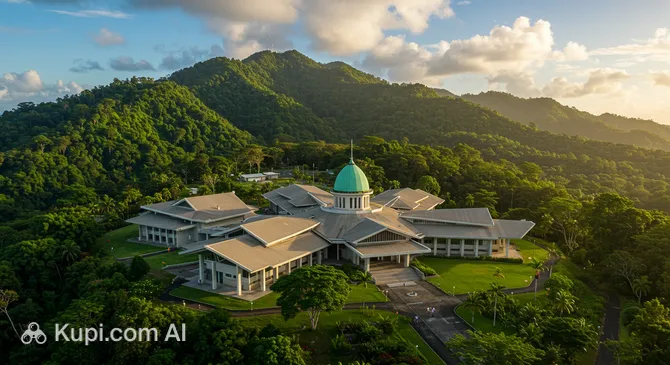
Welcome to Palikir, the serene and verdant capital of the Federated States of Micronesia. Nestled on the northwestern side of the volcanic island of Pohnpei, this city offers a unique travel experience far removed from the hustle and bustle of typical metropolitan centers. With a population of approximately 6,200 residents, Palikir is known for its tranquil atmosphere, where modern architecture is seamlessly integrated into the lush tropical landscape, creating a "garden city" feel.

The city serves as the administrative heart of the nation, yet it retains a distinctively relaxed island charm. While it is a modern planned capital, the region is steeped in tradition. Visitors interested in the local heritage can delve into the history of Palikir to understand its development from a small airstrip during World War II to the seat of the national government in 1989.

Palikir. Source: Kupi.Binoculars

Palikir is the perfect gateway to exploring the breathtaking natural and historical wonders of Pohnpei. A short journey from the capital leads to the mysterious ancient city of Nan Madol, a UNESCO World Heritage site often referred to as the "Venice of the Pacific" due to its network of canals. Adventure seekers can also hike up the iconic Sokehs Rock for panoramic views of the island or cool off at the majestic Kepirohi Waterfall.

Whether you are drawn by the allure of ancient ruins, the promise of world-class surfing and diving, or simply the desire to escape to a quiet tropical paradise, Palikir awaits. It is an inviting destination that promises a genuine connection with the pristine nature and warm culture of the Pacific.

Weather Overview

Palikir experiences a tropical climate defined by consistent warmth and high humidity throughout the year. Due to its equatorial location, there is minimal seasonal variation, ensuring that the weather in Palikir remains stable regardless of when you choose to visit. The city is lush and verdant, a direct result of the persistent moisture and sunshine that characterizes the region.

Temperatures are incredibly steady, with daily averages hovering around 27°C and maximums typically reaching up to 28°C. Rainfall is a constant companion in this region; expect warm temperatures year-round with frequent precipitation, as the number of wet days typically ranges from 18 to 29 days per month. It is advisable to pack light, breathable clothing along with waterproof gear to stay comfortable during the regular showers.

Interesting Facts

Beyond the main attractions, Palikir holds many fascinating secrets that reveal the unique character of this island capital. Far from being a typical bustling metropolis, the city offers a set of intriguing features that blend modern governance with the laid-back rhythm of the Pacific.

  • A Capital Without Skyscrapers: Unlike most capital cities defined by towering steel and glass, Palikir's government complex is designed to reflect local culture. The buildings are constructed as a cluster of two-story structures inspired by traditional Micronesian meeting houses, featuring open-air corridors and overhanging roofs that harmonize perfectly with the surrounding rainforest.

  • World-Class Surfing Hub: Just off the coast lies the legendary Palikir Pass, often referred to as "P-Pass." It is widely considered by enthusiasts to be one of the best right-hand surf breaks in the world, yet it remains relatively uncrowded compared to other global surfing hotspots.

  • The "Commuter" Capital: Palikir functions primarily as a purely administrative center rather than a residential one. While it bustles with government activity during the day, the city becomes incredibly quiet after working hours, as most employees and officials commute back to the nearby town of Kolonia, where the majority of the population actually lives.

  • One of the World's Smallest: With a population of just over 6,000 people, Palikir ranks among the smallest national capitals on the globe. Its modest size contributes to a complete absence of traffic jams, offering a rare sense of tranquility for a seat of national power.

How to Get There

Reaching this remote island capital is an adventure in itself, typically involving a scenic flight across the vast Pacific Ocean. For a comprehensive guide on routes and travel tips, you can read more about how to get to Palikir. Since the city is located on an island, air travel is the primary method of arrival for international visitors.

The main gateway to the region is Pohnpei Airport (PNI), situated approximately 8.8 km from the center of Palikir. This small coastal airport serves as a vital link for the Federated States of Micronesia, connecting the island to major hubs like Guam and Honolulu via the famous "Island Hopper" route. Upon arrival, travelers can expect a taxi or shuttle ride to the capital to take roughly 35 minutes, depending on the pace of traffic on the island's coastal road.

For clarity, here is a summary of the main airport:

Airport Name City Passenger Traffic Km from City
Pohnpei Airport Palikir Small 8.8

Main Attractions

While Palikir itself is primarily known as the administrative center of the Federated States of Micronesia, it serves as the perfect launching pad for exploring the magnificent natural and historical treasures of Pohnpei. The island is relatively compact, meaning that most of its world-class sites are accessible via a short scenic drive from the capital. From ancient ruins shrouded in mystery to cascading waterfalls hidden in the jungle, the region offers unforgettable experiences for every type of traveler.

Nan Madol is undoubtedly the crown jewel of Pohnpei and a site of global significance. Often called the "Venice of the Pacific," this ancient ceremonial center consists of nearly 100 man-made islets constructed from massive basalt logs and coral boulders. Visitors can explore the network of canals and marvel at the sheer scale of the stone architecture, which rivals the pyramids in engineering complexity. Walking among the silent, moss-covered ruins offers a hauntingly beautiful glimpse into the island's powerful Saudeleur Dynasty.

For nature lovers, Kepirohi Waterfall is a must-see spectacle located on the eastern side of the island. It is one of Pohnpei's most famous and accessible waterfalls, featuring a wide cascade that tumbles over a wall of hexagonal basalt columns. The geometric rock formations add a unique geological dimension to the scenic beauty. At the base, a large, clear pool invites visitors to take a refreshing swim surrounded by lush tropical vegetation, making it an ideal spot for a relaxing afternoon picnic.

Adventure seekers should head to Sokehs Rock, a prominent volcanic plug that dominates the skyline near the capital. A hike to the top of Sokehs Ridge rewards trekkers with breathtaking panoramic views of Palikir, the harbor, and the surrounding reef. The trail also offers a walk through history, as the ridge is dotted with Japanese remnants from World War II, including rusted cannons and bunkers. The combination of historical intrigue and stunning vistas makes this one of the most rewarding hikes on the island.

Another natural gem is the Liduduhniap Waterfall, located a convenient distance from Palikir near Kolonia. Unlike the singular drop of Kepirohi, this site features twin waterfalls that plunge into a deep, spacious swimming hole. The area is well-maintained with picnic huts and paths, making it a favorite among locals and tourists alike. The surrounding forest canopy provides ample shade, creating a cool and serene environment perfect for unwinding after a day of exploration.

Local Cuisine

The culinary landscape of Palikir is a direct reflection of Pohnpei’s rich natural resources, offering a dining experience that is fresh, organic, and deeply rooted in island tradition. While the capital itself is quiet, the surrounding region provides an abundance of seafood and tropical crops that form the backbone of the local diet. Visitors can expect simple yet flavorful meals where the quality of the ingredients takes center stage.

Seafood is the undisputed star of the menu, with the ocean providing a daily bounty of yellowfin tuna, mahi-mahi, and reef fish. One of the most popular ways to enjoy this freshness is through sashimi, a dish that highlights the island's Japanese historical influence. It is often served with a dipping sauce made from soy sauce, lime juice, and the island's world-famous Pohnpei pepper, known for its distinct aroma and bite. For a cooked meal, try the local mangrove crab or grilled fish accompanied by starchy staples like breadfruit, taro, and yams, which are often roasted in traditional earth ovens.

No culinary journey here would be complete without experiencing Sakau, the local version of kava. This sedative drink, extracted from the root of the pepper plant, plays a central role in Pohnpeian social and ceremonial life. It is typically consumed in the evenings at dedicated "Sakau bars" or markets to unwind and socialize. Unlike alcohol, it has a numbing, relaxing effect and is served in coconut shells. For a non-alcoholic refresher during the day, fresh coconut water is widely available and is the perfect way to stay hydrated in the tropical heat.

Dining in Palikir is a casual affair, often devoid of the formality found in larger cities. Since the capital is primarily an administrative hub, many of the best restaurants and eateries are located a short drive away in the town of Kolonia. Here, you can find a mix of establishments ranging from hotel restaurants serving international cuisine to small roadside stands selling bento boxes and local snacks. Exploring the local markets is also highly recommended for travelers wishing to taste the freshest tropical fruits, such as bananas and papayas, right from the source.

Travel Tips

Visiting Palikir and the surrounding island of Pohnpei is a journey into a lush, tropical paradise that operates at its own relaxed pace. To make the most of your adventure in this unique "garden city," a little preparation goes a long way in ensuring a smooth and respectful experience.

  1. Clothing and Gear: Given the tropical climate, lightweight and breathable fabrics like cotton or linen are your best friends. However, Pohnpei is one of the wettest places on Earth, so a sturdy umbrella or a high-quality raincoat is absolutely essential regardless of the season. Modesty is culturally important here; women should wear skirts or shorts that cover the knees, and men should avoid walking around shirtless outside of swimming areas. Don't forget reef-safe sunscreen and sturdy sandals or water shoes for exploring waterfalls.
  2. Transportation: Public transport in the form of buses or trains does not exist in Palikir. The most common way to get around is by taxi, which is inexpensive and often shared with other passengers. Taxis do not have meters, so fares are usually fixed per zone; confirm the price before getting in. For total freedom to explore the island's remote ruins and hiking trails, renting a car is highly recommended, though be prepared for some potholes and slow speed limits.
  3. Finances: The official currency is the US Dollar (USD). While major hotels and some larger stores in nearby Kolonia accept credit cards, cash is king in Palikir and smaller villages. It is wise to carry sufficient cash for taxis, markets, and entrance fees to natural sites. ATMs are available in Kolonia, but they can occasionally be out of service, so bringing a backup stash of cash is a good strategy. Tipping is not strictly customary but is appreciated for good service.
  4. Health and Safety: Palikir is generally very safe for tourists, with low crime rates. The biggest nuisance tends to be stray dogs, so be cautious when walking in residential areas. Tap water is not suitable for drinking; stick to bottled or filtered water. Pharmacies and the main hospital are located a short drive away in Kolonia, but supplies can be limited, so bring any specific prescription medications you need from home.
  5. Communication: English is the official language of the government and commerce, so English speakers will have no trouble communicating in Palikir. The local language is Pohnpeian, and learning a simple greeting like "Kaselehlie" (Hello) will earn you warm smiles. Wi-Fi is available at hotels but can be slow or intermittent. For mobile data, you can purchase a local SIM card from FSM Telecommunications in Kolonia.
  6. Local Etiquette: Pohnpeians are known for their hospitality and respect for tradition. It is polite to ask for permission before taking photos of locals or their property. Land ownership is taken very seriously; almost all land, including paths to waterfalls and ruins, is privately owned. Always pay the requested entrance fee to the landowner and ask permission before wandering off the main road.
  7. What to Avoid: Avoid wearing revealing clothing, such as short shorts, miniskirts, or bikinis, when in town or visiting villages. This is considered disrespectful to local customs. Swimwear should be reserved strictly for the beach or pool. Also, never step over someone's legs or food when sitting on the floor, as this is considered a serious breach of etiquette.
  8. Sunday Closures: Keep in mind that Sunday is a day of rest and religious observance for many locals. Most shops, businesses, and even some recreational sites may be closed or have limited hours. It is the perfect day to relax at your hotel or enjoy a quiet nature walk, but plan your logistics and meals accordingly.

By keeping these practical tips in mind, you will be well-equipped to navigate the local customs and logistics of Palikir. Embracing the island's slow pace and respecting its traditions will open the door to a truly authentic and heartwarming Micronesian experience.

Entertainment & Nightlife

When it comes to nightlife, travelers should be aware that Palikir, being a purpose-built administrative capital, is incredibly quiet after sunset. The city itself does not have a bustling entertainment district or a strip of nightclubs. Instead, the evening social scene is concentrated in the nearby town of Kolonia, just a short 10-to-15-minute drive away. Here, the atmosphere is laid-back and friendly, characterized by open-air bars, hotel lounges, and local gathering spots rather than high-energy dance clubs.

The most authentic "nightlife" experience in the region revolves around the consumption of Sakau (kava). Unlike the alcohol-fueled scenes elsewhere, Pohnpeian evenings often involve visiting a local "Sakau market" or bar. These venues are rustic, often identified by a red light bulb or a lantern outside. The atmosphere is hushed and respectful, as the drink has a sedative, calming effect. It is a unique cultural immersion where locals sit, chat quietly, and unwind after a day of work. Visitors are welcome, but it is important to observe the relaxed etiquette of these establishments.

For those seeking a more Western-style evening with cold beers, cocktails, and music, the waterfront in Kolonia is the place to be. Mangrove Bay Bar & Grill is a favorite among expatriates and tourists alike. Perched right over the water, it offers stunning views of the harbor and is an excellent spot for sunset drinks that turn into evening socializing. Another popular venue is Arnold’s Pizza and Bar, which serves as a casual social hub where you can enjoy comfort food, play pool, and mix with a diverse crowd of locals and visitors.

Practicalities are key to enjoying a night out here. The dress code is almost universally casual; shorts and t-shirts are acceptable everywhere, though swimwear should be reserved for the beach. Prices are generally moderate, with domestic beers and drinks being quite affordable. However, transportation can be a challenge at night. Taxis, which are inexpensive and shared during the day, stop running relatively early in the evening. If you plan to stay out late, it is crucial to arrange a ride back to your accommodation in advance or have a rental car—though driving requires caution due to unlit roads and pedestrians.

Safety in the Palikir and Kolonia area is generally good, and violent crime is rare. The main concern for night walkers is not humans, but packs of stray dogs, which can be territorial and aggressive after dark. It is advisable to avoid walking alone on poorly lit streets and to take a vehicle from door to door whenever possible. Always carry a small flashlight if you must walk short distances.

While the nights are low-key, daytime entertainment in the area focuses on cultural and historical exploration. Before the sun goes down, visitors can explore the small but interesting museums in Kolonia or visit local handicraft shops to buy Pohnpeian carvings and woven skirts. The region lacks large amusement parks or theaters, but the natural beauty and cultural depth provide plenty of engagement for the curious traveler.

Parks & Museums

Unlike many world capitals defined by concrete and skyscrapers, Palikir is often described as a "Garden City," where urbanization takes a backseat to the overwhelming power of nature. The city does not have a traditional network of fenced city parks; instead, the entire capital functions as one expansive green space, seamlessly blending administrative functions with the lush tropical rainforest. For visitors, this means that exploring the city's culture and nature often happens simultaneously.

The most significant landscaped area in the city is the Palikir National Government Center itself. Far from being a restricted bureaucratic zone, the complex is set upon rolling green lawns and surrounded by dense vegetation. It was designed to feel like an open campus, inviting visitors to stroll through its grounds. The manicured gardens here are a perfect introduction to the island's flora, offering a peaceful environment where you can admire the unique architecture while breathing in the fresh, rain-washed air.

Just a short drive away in the neighboring town of Kolonia, nature lovers should visit the Pohnpei Botanical Garden, also locally known as Pwunso. This site serves as a sanctuary for the island’s diverse plant life, featuring a variety of endemic species, towering palms, and colorful tropical flowers. It provides a quiet retreat for a leisurely walk and is an excellent spot for birdwatching, as the native greenery attracts many of Pohnpei's colorful bird species.

For a truly authentic experience of the island's "living park" atmosphere, the campus of the College of Micronesia-FSM is a must-visit. Located nearby, the accessible grounds are beautifully landscaped and offer a glimpse into the modern educational culture of the islands. The campus functions as a community park, often buzzing with students, and provides stunning views of the surrounding volcanic peaks, making it a hidden gem for photographers looking for a different perspective of the area.

Architecturally, the capital itself acts as an open-air cultural exhibit. The government buildings in Palikir are a modern homage to traditional Micronesian design. Instead of high-rises, the structures are low-slung with steep, overhanging roofs inspired by local meeting houses (nahs). This design not only reflects the island's heritage but is also practical, shedding the heavy tropical rains and allowing for natural ventilation.

Getting Around

Travelers visiting Palikir should be aware that the city does not possess a conventional public transport system typically found in larger global capitals. There are no subways, trams, trains, or scheduled municipal bus services operating within the city or connecting it to the surrounding areas. Instead, the primary mode of transportation for locals and visitors alike is a network of inexpensive, privately operated taxis that function somewhat like a shuttle service.

The taxi system in Palikir and on the wider island of Pohnpei is informal yet efficient. These vehicles do not have taximeters; instead, fares are calculated based on a fixed zone system. A short trip within the Palikir area or to the nearby commercial hub of Kolonia typically costs a very small amount, often just a dollar or two per person. Payment is strictly cash-based, and the official currency is the US Dollar. There are no travel cards, transport passes, mobile apps, or electronic ticket machines, so it is essential to carry small bills and coins with you at all times.

For tourists, navigating this system is relatively simple, though it requires a bit of local know-how. Taxis can be hailed from the roadside by simply waving your hand. It is standard practice for drivers to pick up multiple passengers heading in the same direction, so be prepared to share your ride with locals. Before getting in, it is highly advisable to state your destination and confirm the price with the driver to avoid any confusion upon arrival. Service is generally available throughout the day, but finding a taxi becomes significantly more difficult after sunset, as most drivers stop working in the early evening.

Given the limitations of the taxi service, particularly for exploring remote waterfalls or historical sites located away from the main road, many visitors choose to rent a car. Rental agencies are available, primarily in nearby Kolonia and at the airport. Having your own vehicle offers the freedom to explore the island at your own pace without relying on the variable availability of taxis. While walking is an option for short distances within the government complex, the tropical heat and humidity often make vehicular transport a necessity for longer journeys.

Since there are no historic trams or cable cars, the most unique aspect of transport here is the relaxed, community-oriented nature of the shared taxi rides. The main road connecting Palikir to the rest of the island winds through lush vegetation and offers glimpses of the ocean, making even a simple commute a visually pleasant experience. Visitors should be mindful that roads can be narrow and sometimes potholed, requiring a slower, more cautious driving pace if you choose to rent a car.

Accommodation

When planning a trip to Palikir, it is important to understand the unique layout of accommodation on the island of Pohnpei. As Palikir is primarily a purpose-built government center, it does not host a dense concentration of hotels or resorts within its immediate boundaries. Instead, the vast majority of visitors choose to base themselves in the nearby town of Kolonia, which is only a short 10-to-15-minute drive away. This proximity allows travelers to enjoy the quiet, garden-like atmosphere of the capital during the day while having easy access to dining, shopping, and lodging in the evening.

The accommodation landscape in the region is defined by its small-scale, intimate charm rather than large international chains or high-rise luxury towers. Options generally range from mid-range hotels and functional business motels to scenic cottage-style resorts nestled in the tropical vegetation. Many of the most popular places to stay are located along the waterfront in Kolonia, offering stunning views of the harbor and the mangrove forests. These establishments often cater to a mix of government officials, business travelers, and adventure tourists, providing a comfortable and laid-back environment.

For those seeking a more immersive nature experience, there are also eco-friendly bungalows and smaller guesthouses scattered around the island. These options often provide a more rustic feel, allowing guests to sleep surrounded by the sounds of the rainforest. While they may lack some modern luxuries, they make up for it with authentic hospitality and direct access to Pohnpei’s natural beauty. Amenities in most local hotels typically include air conditioning, private bathrooms, and Wi-Fi, though internet speeds can be slower than what international travelers might be accustomed to.

Booking Tip: Due to the relatively small number of rooms available on the island, accommodation can fill up quickly, especially during major government conferences or regional events. It is highly recommended to book your stay well in advance to secure your preferred location. While some larger hotels appear on major online booking platforms, many smaller, locally-owned guesthouses may require direct contact via email or phone to confirm a reservation.

In terms of pricing, the range is generally moderate. There are very few ultra-budget hostels or extravagant five-star luxury resorts; instead, most properties fall into a comfortable mid-range price bracket. Payment is typically made in US Dollars. While the main hotels in Kolonia accept credit cards, it is always a good idea to clarify payment methods beforehand, especially if you are staying in a smaller, family-run establishment where cash might be preferred.

Nearby Cities

Palikir is situated on the volcanic island of Pohnpei, and while it serves as the national capital, it is relatively small and quiet. The most significant neighboring urban center is Kolonia, located just a few kilometers away. Kolonia acts as the island's commercial and residential hub, where most travelers will find the majority of hotels, restaurants, and services. The short distance between the administrative capital and the commercial town makes it easy to move between the two via taxi or rental car.

Beyond the shores of Pohnpei, other major cities in the Federated States of Micronesia are separated by vast stretches of the Pacific Ocean. Reaching destinations in other states, such as Chuuk or Yap, requires air travel, typically aboard the "Island Hopper" flight service. Below is a list of the nearest cities and towns, ranging from the immediate vicinity to neighboring island states.

City Population Distance (km)
Kolonia 6,074 7
Weno 13,909 698
Chuuk 54,000 735
Yap 7,000 2,224
Colonia 3,126 2,226

Shopping & Souvenirs

Shopping in Palikir is a low-key and relaxed affair, reflecting the city's primary role as a serene administrative capital rather than a bustling commercial hub. Visitors should not expect to find sprawling shopping complexes, high-end fashion boutiques, or luxury brand outlets here. Instead, the retail experience is characterized by small, locally-owned convenience stores and a focus on essential goods. For a more comprehensive shopping expedition, most travelers make the short 10-minute drive to the neighboring town of Kolonia, which serves as the main commercial center for the island of Pohnpei.

Within Palikir itself, retail options are sparse and mostly consist of small roadside stops or "mom-and-pop" shops catering to immediate needs. The primary shopping destination for anyone staying in the capital is the downtown area of Kolonia. Here, the main streets and waterfront areas are lined with a variety of general stores, hardware shops, and clothing boutiques. This is where both locals and government workers go to purchase everything from groceries and electronics to household supplies.

Travelers should be aware that there are no Western-style shopping malls in Palikir or on the entire island. The concept of a large, enclosed multi-story mall with food courts and cinemas does not exist here. Instead, the retail landscape is dominated by large general stores (often referred to as supermarkets) that sell a wide mix of products under one roof. These establishments serve as the local equivalent of a department store, stocking imported foods, clothing, souvenirs, and dry goods all in one place.

The most authentic and colorful shopping experience is found at the local markets. While you may find small roadside stands in Palikir selling fresh coconuts or bananas, the main public market in Kolonia is the vibrant heart of island trade. It is an excellent place to explore, offering an abundance of fresh seafood—including yellowfin tuna and reef fish—alongside mounds of locally grown produce like taro, breadfruit, and yams. These markets are not just for shopping; they offer a genuine glimpse into the daily life and culinary culture of the island.

For those looking to bring a piece of Micronesia home, the region offers several unique and high-quality souvenirs. The most famous local product is Pohnpei pepper, which is renowned globally for its distinct aroma and quality; it is widely available in gift jars and makes for a perfect culinary gift. Other popular items include intricate wood carvings depicting marine life such as sharks, manta rays, and dolphins. Traditional handicrafts are also widely available, including beautifully woven grass skirts, pandanus baskets, and jewelry made from shells or "vegetable ivory" (ivory nuts).

Business hours are generally consistent, with most stores opening around 8:00 AM and closing by 5:00 PM or 6:00 PM from Monday to Saturday. It is crucial for visitors to remember that Sunday is widely observed as a strict day of rest and religious observance. Consequently, almost all shops, markets, and businesses will be closed, so it is wise to stock up on any necessary supplies on Saturday. The official currency is the US Dollar (USD). Cash is king in Palikir; while a few larger businesses in Kolonia may accept credit cards, cash is essential for taxis, small shops, and market stalls.

There is no formal tax-free shopping or VAT refund system available for tourists in the Federated States of Micronesia. The price displayed on items is the final price. While bargaining is not a standard practice in established stores, friendly negotiation may be acceptable when purchasing handicrafts directly from artisans or at informal market stalls.
Nearby cities

Reached the end of the page?

That means the route is fully explored