Support

Yap

About

Welcome to Yap, a destination that feels like a journey back in time, where ancient traditions blend seamlessly with the breathtaking beauty of the Pacific. As the westernmost state of Micronesia, this island group offers a unique atmosphere that stands apart from the typical resort experience. With a population of approximately 7,000 people, Yap maintains a close-knit community feel, surrounded by lush rolling hills, mangrove forests, and pristine barrier reefs.

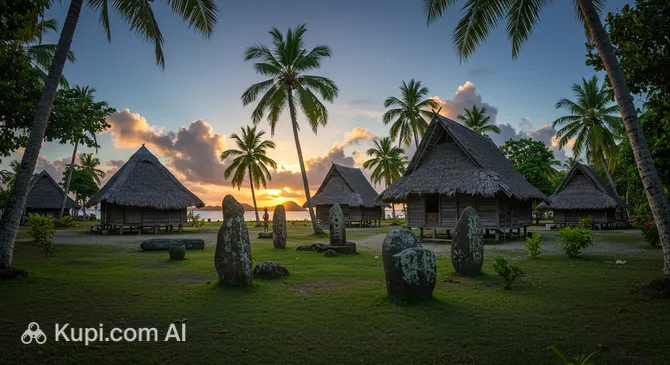
Yap. Source: Kupi.Binoculars

The cultural heritage here is among the best-preserved in the region. The fascinating history of Yap is perhaps best symbolized by its famous Stone Money, or Rai—massive limestone discs that are still used in traditional exchanges today. Visitors can walk along ancient stone paths connecting villages, witnessing a lifestyle that honors the customs of ancestors while welcoming travelers with warm hospitality.

For nature enthusiasts and adventurers, Yap is world-renowned as a premier diving location. It is particularly famous for its resident population of Manta Rays, which can be seen year-round gliding through the clear waters of the Mi'il Channel. Whether you are exploring the vibrant underwater world or admiring the traditional architecture of the men's houses, Yap promises an unforgettable escape into a world of wonder and tranquility.

Weather Overview

Travelers to this Micronesian gem can expect a consistently warm tropical climate, making it an inviting destination at any time of the year. The temperature remains remarkably stable, with monthly averages hovering around 27°C and daily highs rarely exceeding 29°C. This steady warmth provides the perfect conditions for exploring the island's lush landscapes and diving in its crystal-clear waters.

Rainfall patterns vary more significantly than the temperature, dividing the year into distinct periods of wetness. The early months, particularly February and March, are typically the driest, though you should still be prepared for about 18 wet days per month. The frequency of showers increases notably from June through December, with July often experiencing rain on up to 30 days. To help plan your outdoor activities around the rain, it is useful to check the detailed weather in Yap before your trip.

Interesting Facts

Beyond the main attractions, Yap holds many fascinating secrets that reveal a deep connection between its people, their history, and the natural world. This island state is a place where ancient customs are not just museum exhibits but a vibrant part of daily life.

  • The Bank of the Ocean: The famous Stone Money, or Rai, isn't just heavy; it often doesn't even need to be moved to be spent. Ownership is transferred through oral agreement, and one famous stone is even known to lie at the bottom of the ocean, yet its value is still recognized and traded by the locals.

  • Imported Wealth: Surprisingly, the limestone used for the Rai stones is not native to Yap. Ancient navigators had to canoe approximately 400 kilometers to the neighboring islands of Palau to quarry these massive discs and transport them back on rafts, a journey that made the stones even more valuable due to the high risk involved.

  • A Sanctuary for Giants: Yap established the world's first government-mandated sanctuary for manta rays in 2008. The island's waters are one of the few places on Earth where these gentle giants reside year-round, protected by laws that recognize their importance to the local ecosystem.

  • Everyday Traditional Attire: Unlike many modern destinations where traditional dress is reserved for festivals, it is quite common to see Yapese people wearing traditional clothing in daily life. Men often wear a thu (loincloth), and women wear a lava-lava (hand-woven hibiscus skirt), reflecting a strong pride in their cultural identity.

How to Get There

Reaching this secluded island state is an adventure in itself, primarily relying on air travel due to its location in the vast Pacific Ocean. While the journey requires some planning, the destination is well worth the effort. For comprehensive details on logistics and routes, you can find all ways to reach the city in our dedicated guide.

The main gateway for visitors is Yap International Airport (YAP). Situated just 8.5 km from the center of Yap, it serves as the vital link to the outside world. Although it is a small facility, it provides essential connections for travelers. Once you land, getting to your accommodation is straightforward; a taxi or shuttle ride to the town center usually takes about 15-20 minutes.

For clarity, here is a summary of the main airport:

Airport Name City Passenger Traffic Km from City
Yap International Airport Yap Small 8.5

Since Yap is an island group, there are no railway stations or road connections to other regions. Apart from flying, the only other way to arrive is by sea, typically via private yachts or specialized diving liveaboards, as regular passenger ferry services from great distances are not a common mode of transport for tourists.

Main Attractions

Exploring Yap is less about visiting standard tourist sites and more about immersing yourself in a living culture and pristine environment. The island’s attractions are deeply rooted in its traditions and natural history, offering visitors a chance to see sights that exist nowhere else on Earth. From the legendary stone currency to the architectural marvels of the villages, the points of interest here tell the story of a resilient and proud community.

The most iconic feature of the island is undoubtedly the Stone Money Banks. These are not buildings, but rather open-air displays along village pathways where massive limestone discs, known as Rai, are lined up. Each stone has a history and a value determined by the difficulty of its acquisition and transport from distant islands. Walking through villages like Balabat or Rull allows you to see these impressive "coins," some of which stand taller than a person, and understand the unique economic system that has functioned here for centuries.

For a concentrated experience of the local culture, the Yap Living History Museum in Colonia is an essential stop. This small but vibrant complex features traditional thatched-roof buildings and serves as a center for preserving Yapese heritage. Here, artisans demonstrate ancient skills such as weaving and carving, and visitors can often witness traditional dances. It provides a respectful and educational insight into the island's customs without intruding on the private lives of local villagers.

Another architectural highlight found throughout the coastal areas is the Faluw, or traditional Men's House. These striking structures are typically built close to the shoreline on stone platforms and feature steeply pitched roofs. Historically used as meeting places for the village men to discuss community matters and pass down oral traditions, they are masterpieces of local craftsmanship. While entry is often restricted by custom, seeing these majestic buildings set against the backdrop of the lagoon is a highlight for any photographer or architecture enthusiast.

Nature lovers should not miss the Mi'il Channel, a world-famous marine site. While often accessed by divers, the area is renowned as a sanctuary for resident Manta Rays. Unlike many other places in the world where sightings are seasonal, the specific topography and currents here attract these gentle giants year-round. Even for those who do not dive, boat tours to the channel offer the breathtaking opportunity to see mantas feeding near the surface in the crystal-clear waters.

Local Cuisine

The cuisine of Yap is a delightful reflection of its island environment, relying heavily on the bounty of the Pacific Ocean and the fertile local soil. Food here is simple, hearty, and incredibly fresh. The foundation of most traditional meals consists of root vegetables such as taro, yams, and sweet potatoes, along with the versatile breadfruit. These staples are typically steamed, roasted, or fried and served alongside the main protein, offering a true farm-to-table experience that has sustained the islanders for centuries.

Seafood lovers will find themselves in paradise, as the ocean provides the bulk of the local diet. Fresh fish, including yellowfin tuna, wahoo, and mahi-mahi, is abundant and often prepared grilled or served raw as sashimi to highlight its quality. A particular delicacy worth seeking out is the mangrove crab. Known for its sweet, tender meat, it is often steamed or cooked in coconut milk, a common ingredient that adds a creamy, tropical richness to many savory dishes.

To quench your thirst, nothing beats the water from a freshly husked coconut, which is widely available and offers a refreshing respite from the tropical heat. For those interested in local drinking culture, you might encounter Tuba, a traditional palm wine made from the fermented sap of the coconut tree. It is a potent, cloudy beverage with a distinctive sour-sweet flavor that plays a central role in social gatherings and celebrations across the island.

The dining scene in Yap is relaxed and unpretentious, concentrated primarily in the main town of Colonia. Unlike destinations packed with fast-food chains, the options here are mostly found within hotels and small, family-run establishments. These restaurants often serve a mix of international comfort food and local specialties, providing a laid-back atmosphere where you can enjoy a fresh catch while watching the sunset over the lagoon.

Travel Tips

Visiting Yap is an immersion into a deeply traditional world, so knowing a few local ground rules ensures a respectful and hassle-free trip. Here is some essential advice to help you pack, plan, and interact with the friendly local community.

  1. Clothing and Gear: Due to the tropical heat and humidity, pack lightweight, breathable fabrics like cotton or linen. However, cultural modesty is paramount here: women must keep their thighs covered in public, so bring long skirts, sarongs, or loose trousers that go below the knee. A lightweight rain jacket is essential as showers can happen anytime, and sturdy sandals or reef shoes are great for exploring the wet terrain.
  2. Transportation: There is no public transport system like buses or trains on the island. The best way to get around is to rent a car, which gives you the freedom to explore the loop road at your own pace. Taxis are available in the main town of Colonia and are generally inexpensive, but they are unmetered, so it is wise to agree on a fare before hopping in.
  3. Finances: The official currency is the US Dollar (USD), making it convenient for many travelers. While major hotels and dive resorts accept credit cards, cash is king for small shops, local restaurants, and taxis. There are a few ATMs in Colonia (mainly Bank of Guam), but it is highly recommended to bring sufficient cash with you to avoid any connectivity issues.
  4. Health and Safety: Yap is a very safe destination with low crime rates. For health, stick to bottled water for drinking. The main hospital is located in Colonia, but pharmacies have limited stock, so bring a sufficient supply of any prescription medications, along with reef-safe sunscreen and insect repellent to protect against mosquitoes.
  5. Communication: English is the official language and is widely spoken, so you will have no trouble communicating. The local language is Yapese. To stay connected, you can purchase a prepaid SIM card from FSM Telecommunications (FSMTC) in Colonia, as international roaming can be expensive and hotel Wi-Fi is often slow.
  6. Local Etiquette: Yapese people are friendly but reserved. When entering a village, it is polite to carry a small branch or leaf in your hand as a sign that you come in peace and have no ill intentions (a tradition known as "carrying the basket"). Always ask for permission before taking photos of locals or their property, and never stand or sit on the Stone Money discs.
  7. What to Avoid: The most important taboo to avoid is revealing clothing in villages. For women, showing thighs is considered offensive; swimwear should be strictly reserved for the dive boat or uninhabited beaches. Also, avoid being loud or boisterous in public areas, as the local culture values calmness and respect.
  8. Sunday Observance: Sundays are taken very seriously as a day of rest and religious observance. Most shops and businesses will be closed, and the island becomes very quiet. It is a good day to relax at your resort or take a quiet walk, rather than planning extensive shopping or loud activities.

By keeping these simple tips in mind, you will be well-prepared to experience the unique charm of this island state without worry. Enjoy the pristine waters, the rich history, and the warm hospitality that make Yap truly special!

Entertainment & Nightlife

Entertainment in Yap is defined by the island's relaxed pace and deep connection to nature and tradition. You will not find neon-lit districts, thumping nightclubs, or 24-hour party zones here. Instead, the nightlife is concentrated in the main town of Colonia and revolves around open-air hotel bars and waterfront restaurants where the atmosphere is friendly, intimate, and centered on conversation. The "nightlife" usually begins with a spectacular sunset over the lagoon and winds down relatively early, catering to divers who need to be up early the next morning.

The social hub of the island is undoubtedly the Mnuw, a bar and restaurant located on a 100-year-old South Seas schooner docked at the Manta Ray Bay Resort. It is one of the most unique venues in Micronesia, offering a nautical atmosphere where locals, expats, and visiting divers gather to share stories over a cold beer or a tropical cocktail. Another popular spot is O'Keefe's Waterfront Grill, known for its private club feel and historical charm, named after the legendary Irish-American captain David O'Keefe. For a quiet evening by the pool with a touch of elegance, the bar at the Yap Pacific Dive Resort provides a serene setting to enjoy a glass of wine under the stars.

Practicality is key when planning an evening out in Yap. Most venues operate on "island time" but generally close by 10:00 PM or 11:00 PM, even on weekends. The dress code is casual—shorts and t-shirts are the norm—but remember to dress modestly if you venture outside the immediate resort areas. Prices are reasonable, with beers and mixed drinks costing significantly less than in major tourist hubs. Since credit card machines can occasionally be offline, it is always wise to carry enough US dollars in cash to cover your bill.

Safety is rarely a concern in Yap, which is known for its peaceful and welcoming community. Walking around Colonia at night is generally considered very safe, though the streets can be quite dark due to limited street lighting. It is recommended to carry a small flashlight or use your phone's light if you are walking back to your hotel. Taxis are available but do not roam the streets looking for fares late at night; you must arrange a ride in advance or ask the bartender to call one for you.

For daytime entertainment, the focus shifts from commercial attractions to cultural immersion. There are no movie theaters, shopping malls, or amusement parks on the island. Instead, visitors find entertainment in exploring the Yap Living History Museum, which offers a glimpse into traditional skills and dancing, or by taking guided tours to cultural villages. Kayaking through the mangroves and visiting local handicraft shops provide a peaceful alternative to the hustle and bustle found in larger destinations.

Parks & Museums

In Yap, the definition of a park extends far beyond the Western concept of manicured lawns and enclosed playgrounds. Here, the entire island acts as a living, breathing nature reserve where the boundaries between the wilderness and the villages are beautifully blurred. Instead of designated city parks, visitors will find that the lush jungles, taro patches, and coastal areas serve as the community's green spaces, open for exploration and appreciation.

One of the most significant "parks" in Yap is actually located underwater. The state established the world's first government-mandated Manta Ray Sanctuary, effectively turning its coastal waters into a protected marine park. This vast ecological zone safeguards the habitat of the resident manta rays, ensuring they can thrive year-round. For visitors, this offers a unique opportunity to observe wildlife in a cage-free, natural aquarium that rivals any land-based wildlife reserve in terms of biodiversity and wonder.

For history enthusiasts, the island serves as a fascinating open-air museum, particularly regarding its World War II heritage. The area surrounding the old airport is scattered with the rusting skeletons of Japanese Zero fighter planes and anti-aircraft guns. Unlike traditional museums where artifacts are kept behind glass, these relics lie where they fell, slowly being reclaimed by the jungle vines. Walking up to these historic structures offers a haunting and tangible connection to the past that is rarely experienced in a conventional gallery setting.

Nature lovers can explore the island's "botanical gardens" by navigating the extensive mangrove forests. These dense, green corridors are best explored by kayak, offering a serene alternative to hiking trails. Paddling through the calm channels allows you to see the island's ecosystem up close, acting as a sanctuary for birds and marine life. It is a peaceful escape that highlights the vital role these forests play in protecting the coastline.

While the famous Stone Money banks are the cultural highlight, the ancient stone paths that connect the villages offer a distinct recreational experience. These historic footpaths function as the island's hiking trails, winding through dense vegetation and tropical flower gardens. Walking these paths provides a quiet way to enjoy the island's flora, though it is essential to stay on the trail and carry a green leaf as a sign of respect and peaceful intent when passing through local communities.

Getting Around

When planning your movements around Yap, it is important to adjust your expectations regarding public transportation. Unlike larger tourist destinations, this small island state does not possess a public transport network in the conventional sense. There are no subways, trams, trains, or scheduled public bus services operating here. The transport infrastructure is simple and reflects the relaxed, small-community nature of the island, meaning visitors must rely on alternative methods to explore.

The most common substitute for public transit is the local taxi service. Taxis in Yap are typically privately owned vehicles rather than uniform fleets, and they do not have roof signs or meters. You can usually find them parked in designated areas in the main town of Colonia or gathered near the airport during flight arrivals. Since they do not roam the streets looking for passengers, it is best to ask your hotel reception or a restaurant server to call one for you if you are not in the town center.

Regarding payment, simplicity is key. There are no travel cards, mobile apps, or digital ticketing systems. All transport transactions are conducted exclusively in cash (USD). Fares are generally inexpensive and are often based on a flat rate for travel within Colonia, with prices increasing for trips to outlying villages. Since taxis are unmetered, it is standard practice—and highly recommended—to agree on the fare with the driver before you enter the vehicle to avoid any confusion at your destination.

For those who prefer independence, renting a car is arguably the best way to see the island. Several local agencies operate in Colonia and offer a range of vehicles, from sedans to 4x4s suitable for rougher terrain. Driving is on the right-hand side of the road, and the maximum speed limit is quite low, typically around 25 mph (40 km/h). This leisurely pace allows you to safely navigate the winding roads, which are often shared with pedestrians, dogs, and chickens. Be sure to book your vehicle in advance, as supplies can be limited.

Many travelers also rely heavily on the shuttle services provided by hotels and dive resorts. Most accommodations offer complimentary or low-cost transfers to and from the airport, which is crucial given the late-night arrival times of many flights. Additionally, dive resorts operate their own buses or vans to transport guests to the docks. For shorter distances within Colonia, walking is a viable and pleasant option, allowing you to soak in the local atmosphere at your own pace.

Accommodation

Accommodation in Yap is characterized by its intimacy and focus on the surrounding environment rather than mass tourism. You will not find sprawling all-inclusive chains or high-rise luxury towers here. Instead, the island offers a modest selection of lodgings, ranging from small, family-run hotels and guesthouses to dedicated dive resorts. The atmosphere is generally laid-back and personal, with many properties designed to blend in with the tropical landscape and traditional architecture.

The most convenient area for tourists to stay is undoubtedly Colonia, the state capital and main commercial hub. Choosing a hotel in or near Colonia places you within walking distance of the harbor, the few local shops, and essential services. It also serves as the central point for most activities, making it easy to catch dive boats or arrange tours to the outer villages. Staying here minimizes travel time and offers the best access to the island's limited dining options.

For those seeking a specialized experience, the island is home to a few well-known establishments catering specifically to ocean lovers. Manta Ray Bay Resort is perhaps the most famous, designed by divers for divers and featuring a unique floating restaurant docked right at the hotel. Another prominent option is the Yap Pacific Dive Resort, which offers a sense of historic charm with its Victorian-style architecture and lush gardens, providing a comfortable retreat for travelers looking for a bit more elegance.

A crucial tip for planning your stay is to book well in advance. The total number of rooms on the island is quite low compared to major tourist destinations. During peak diving seasons or the annual Yap Day festival in March, accommodation can fill up quickly, and finding a last-minute room can be nearly impossible.

Regarding costs, prices generally fall into the mid-range category. While you won't find ultra-expensive luxury villas, true budget hostel options are also rare due to the logistics of the remote location. Booking is typically done directly through hotel websites or specialized dive travel agents. While the main resorts accept credit cards, it is advisable to confirm payment policies beforehand, as internet connectivity for processing payments can occasionally be intermittent.

Nearby Cities

For those looking to explore the surroundings, Yap serves as an excellent base for day trips to several interesting nearby locations:

The most prominent and accessible destination is Colonia, the state capital and main hub of the island. Located just a few kilometers from the airport, it offers a relaxed atmosphere where visitors can explore local shops, enjoy waterfront dining, and visit the bustling harbor. It is the best place to observe daily life and serves as a central point for organizing further adventures around the island.

Beyond the main town, the nearby village of Balabat is a fascinating stop for those interested in culture. It features scenic stone paths and impressive displays of Stone Money, allowing travelers to witness the island's heritage in a quiet, authentic setting. Another worthwhile area is the historic village of Rull, known for its traditional architecture and meeting houses, offering a glimpse into the enduring customs of the Yapese people.

City Population Distance (km)
Chuuk 54000 1496
Weno 13909 1528
Palikir 6227 2224
Kolonia 6074 2229
Colonia 3126 5

These nearby destinations offer a glimpse into the diverse culture and landscapes of the region.

Shopping & Souvenirs

Shopping in Yap is a low-key and authentic experience, much like the island itself. You will not find high-end fashion boutiques, international chains, or sprawling commercial centers here. Instead, the retail scene focuses on practical necessities for locals and unique, handcrafted items that reflect the rich cultural heritage of the island. It is an opportunity to buy directly from artisans and support the local economy without the hustle of mass tourism.

The primary commercial hub is the town of Colonia. Most of the island's shops are clustered here, particularly around the harbor and the main loop road. The area is small enough to explore comfortably on foot, allowing you to wander between small general stores, souvenir shops, and local grocery outlets. Outside of this central area, retail options are limited to small village convenience stores.

Travelers should be aware that there are no shopping malls or department stores in Yap. The closest equivalent is the Yap Cooperative Association (YCA) complex in Colonia. This general store serves as the main retail center for the island, stocking everything from groceries and hardware to clothing and household goods. It is the go-to spot for supplies and provides a glimpse into the daily needs of the residents.

While there is no large central market hall, small roadside stands and open-air stalls are common throughout Colonia and the villages. These spots are excellent for finding fresh tropical fruits, vegetables, and the ubiquitous betel nut, which plays a significant role in local culture. These informal markets are best visited in the morning when the produce is freshest and offer a chance to interact with friendly local vendors.

For those looking to bring a piece of Yap home, the best buys are traditional handicrafts. Skilled local artisans produce beautiful wood carvings, particularly of manta rays and sharks, which make for stunning display pieces made from local hardwoods like mahogany or ironwood. Hand-woven baskets and purses made from pandanus leaves are also popular, known for their durability and intricate patterns. Additionally, colorful lava-lavas (traditional skirts) are widely available and make for practical, lightweight gifts.

Business hours generally run from 8:00 AM to 5:00 PM, Monday through Friday, with shorter hours on Saturdays. It is important to note that almost all shops are closed on Sundays in observance of the Sabbath. The US Dollar (USD) is the official currency. While a few larger hotels and the main YCA store may accept credit cards, cash is the preferred and often the only method of payment at smaller shops and market stalls, so be sure to carry small denominations.

There is no sales tax refund system or duty-free shopping for tourists in Yap. Prices displayed are typically final, and bargaining is not a common practice in established stores, though friendly negotiation might be acceptable when buying multiple items directly from independent artisans.
Reached the end of the page?

That means the route is fully explored