Support

Khatgal

About

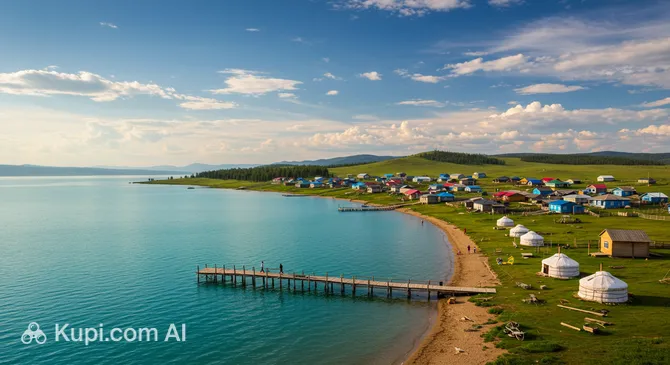
Khatgal is not just a settlement; it is the true gateway to the region's jewel, Lake Khuvsgul. This picturesque village is snugly situated on the southern shore of this vast body of water, surrounded by dense coniferous forests and mountain ranges. For many travelers, this is where Mongolia reveals a new side: crystal-clear water, fresh mountain air, and endless steppe expanses create landscapes reminiscent of Lake Baikal, but with a unique national flavor.

Khatgal. Illustration.
Source: Kupi.com AI

Geographically, the village sits at an altitude of about 1,700 meters above sea level, providing a cool and fresh climate. Khatgal is an important tourist hub in Khuvsgul Aimag, attracting outdoor enthusiasts from all over the world. It is especially lively in summer when tourists set out on horse treks, go trekking, or kayaking. Curious guests will be interested to learn how the history of Khatgal unfolded, transforming it from a small settlement into a magnet for adventure seekers.

The atmosphere here encourages full communion with nature. In Khatgal, you can experience the traditions of northern nomads, taste local cuisine, and enjoy a silence broken only by the lapping of water. It is definitely worth staying here to witness the unforgettable sunsets over Khuvsgul. It is the perfect destination for those seeking solitude, inspiration, and a break from the hustle and bustle of city life.

Weather Overview

The climate in Khatgal is determined by its high-altitude location and northern latitude, creating conditions close to harsh. Winters here are long, frosty, and with little snow: in January, the average temperature is about -20.9°C, and night-time figures can drop to -26.8°C. During this period, precipitation is virtually absent, and the air remains dry and clear.

Summer brings relative warmth but remains quite cool compared to the country's southern regions. The warmest month is July, with an average temperature of +12.3°C and daytime highs up to +17.0°C. Most precipitation occurs during the summer months: in July and August, it can rain for more than 20 days a month. When planning your trip, be sure to check the current weather in Khatgal, as conditions can change quite rapidly.

Expect a cool summer with frequent rain and very cold, dry winters. The transitional seasons are swift: as early as September, the air cools to an average of +4.7°C, and sub-zero temperatures set in by October.

Average monthly temperature

Average monthly precipitation

Interesting Facts

Beyond its obvious natural beauty and status as a popular resort, Khatgal holds many fascinating secrets and historical features that reveal themselves only to inquisitive travelers. Here are a few facts to help you see this place in a new light:

  • The Ice Trade Artery. In the past, the village was a key hub on the trade route connecting Russia and Mongolia. The uniqueness of the route was its seasonality: in winter, when Lake Khuvsgul was covered with a thick layer of ice, temporary roads were laid across it for caravans, significantly shortening the journey between the countries.

  • Starting Point for Nomads. Khatgal is known for its vibrant "equestrian life." This is where famous multi-day horse expeditions into the wild taiga begin. This is not just entertainment but a tribute to tradition: local guides help tourists master riding skills and feel like part of the ancient culture of steppe nomads.

  • Meeting the Tsaatan People. This is one of the few accessible places where you can learn about the culture of the Tsaatan—unique reindeer herders living in the taiga. They often visit Khatgal during ethnic festivals, demonstrating their traditional way of life and organizing exhibitions with their reindeer.

  • Mysticism and Healing Waters. The surroundings of Khatgal are shrouded in legends of lake spirits and powerful shamans. Local residents deeply revere the waters of Khuvsgul, considering them sacred and possessing healing powers. As a result, ritual sites called ovoo, decorated with blue khadag ribbons, are frequently encountered here.

How to Get There

A journey to Lake Khuvsgul begins with choosing a route, and although Khatgal is far from busy metropolises, getting here is quite feasible in several ways. For those who want to plan their trip in detail and consider various logistics options, we have prepared a page describing all the ways to reach the town.

There is no airport in the town of Khatgal itself, but you can fly into Mörön Airport (IATA: MXV), located in the city of Mörön. This is the administrative center of the aimag, located about 86 km from Khatgal. The airport receives domestic flights, primarily from Ulaanbaatar. The trip from the airport to Khatgal by taxi or pre-booked transfer usually takes about 1.5–2 hours on an asphalt road that runs through picturesque steppe landscapes.

For convenience, here is a summary of the main airports:

AirportPassenger trafficDistance
Moron35 00086 km

If you prefer land transport or are traveling from Russia (from Lake Baikal), rail connections should be considered. There is no train station in Khatgal itself, but you can arrive at Slyudyanka-1 station in the town of Slyudyanka. It is located about 284 km from Khatgal (as the crow flies), but the actual road journey will be longer and requires crossing the state border via the Mondy–Khankh checkpoint. From the station, you will need to transfer to a bus or taxi to reach your destination.

Below is information about the nearest major railway hub:

StationPassenger trafficDistance
Slyudyanka-1 Station450 000284 km
Utulik Station35 000300 km

Main Attractions

Khatgal is more than just a transit point; it is a full-fledged tourist center where the region's main beauties are concentrated. While the village serves as a starting point for exploring the "Blue Pearl"—Lake Khuvsgul—it also offers many interesting locations in its own right.

Lake Khuvsgul
Undoubtedly, the main reason tourists come here is the magnificent Lake Khuvsgul. It is often called the younger brother of Baikal and contains a massive supply of fresh water. The water here is so clear that the bottom is visible even at great depths. In winter, the lake turns into an icy kingdom hosting ice festivals, while in summer, it lures visitors with its cool waters and opportunities for boat trips or simply enjoying the peace on the shore of one of the many tourist camps.

The MS Sukhbaatar Steamboat
A true local legend is moored in the port of Khatgal—the tugboat-steamboat "Sukhbaatar." This vessel is often jokingly called the only ship in the navy of landlocked Mongolia. In reality, the Sukhbaatar serves a peaceful purpose: it takes tourists on cruises around the lake, allowing them to see the picturesque shores from the water. A photo with this ship is a must for every visitor to the town.

Source of the Egiin Gol River
In the southern part of Khatgal lies a unique spot—the source of the Egiin Gol River. This is the only river that flows out of Lake Khuvsgul, beginning its long journey toward the Selenga River and Lake Baikal. The area is famous for its scenic wooden bridge, which is a great vantage point for watching the swift current and the fish—grayling or lenok can often be spotted in the clear waters. It is an excellent location for quiet walks and landscape photography.

Mount Khyasaa
For lovers of active recreation and panoramic views, the route to Mount Khyasaa, located near the village, is a highlight. The climb requires some effort, but the reward is a breathtaking view of the lake's endless expanse and the taiga forests surrounding Khatgal. It is the perfect place to appreciate the scale and majesty of Mongolian nature from a bird's-eye view.

Local Cuisine

Khatgal's cuisine is a unique blend of hearty nomadic traditions and the bounties of Lake Khuvsgul. If you want to taste the real Mongolia, this town will be a gastronomic discovery for you. The basis of the local diet is meat, and it is prepared masterfully here. Be sure to try khorkhog—aromatic meat stewed with vegetables and hot stones in a sealed container, which gives the dish a special smoky flavor. No less popular are buuz—juicy steamed dumplings with meat filling, which are rightfully considered the region's culinary trademark.

Proximity to the lake makes pleasant adjustments to the menu: Khatgal is one of the few places in the country where fish takes a place of honor at the table. The lake is rich in omul and grayling. Locals cook them over an open fire or smoke them according to ancient recipes. Fresh or smoked fish, often sold right on the shore, is an excellent addition to lunch or dinner.

In street markets and small cafes, you can encounter the region's rich dairy culture. The brave should try airag—a traditional drink made from fermented mare's milk (kumis) with a slightly sour taste. Local farms also offer the freshest homemade products: thick cream, yogurts, and curd cheese, which are perfect for breakfast before an active day.

The food culture here is closely intertwined with outdoor recreation. In summer, gastronomic festivals and picnics on the lakeshore are common in Khatgal. This is a great chance not only to try national dishes but also to participate in buuz-making competitions or attend culinary masterclasses. The food in Khatgal is simple, natural, and very filling—exactly what a traveler needs in the fresh mountain air.

Travel Tips

A trip to Khatgal is a true expedition into the world of wild nature, so proper preparation plays a key role here. To ensure your holiday on the shores of the "Blue Pearl" is comfortable and free of surprises, take note of these proven recommendations.

  1. Clothing and Equipment. The climate here is harsh and unpredictable. Even if you are traveling at the height of summer (July), be sure to bring warm clothes: a fleece, a windproof jacket, and thermal underwear. Nights by the lake are cold, and temperatures can drop almost to zero. Extremely important are comfortable, broken-in trekking shoes, as you will be walking a lot. If you plan on horse riding, choose trousers made of thick fabric to avoid chafing against the saddle.
  2. Local Transport. Khatgal is a small village, and there is no public transport (buses or minibuses). You can get around on foot—distances are short. For trips along the lake or into the taiga, the best solution is to rent an off-road vehicle with a driver (most often the legendary UAZ "Bukhanka" vans) or to hire horses. Apps like Uber do not exist here; it's best to arrange transfers through the owners of your tourist camp or guesthouse.
  3. Finances and Cash. The official currency is the Mongolian tugrik. While Mongolia is actively developing cashless payments, Khatgal is a remote location. Large tourist camps may accept cards, but in small shops, at the market, or when paying local guides, you will need cash only. There are ATMs in the village (usually Khan Bank), but they may be out of order or run out of cash, so it is better to withdraw money beforehand in Mörön or Ulaanbaatar.
  4. Health and Safety. There are pharmacies in Khatgal, but their stock is basic, and their hours can be flexible. Be sure to pack a personal first-aid kit with everything you need (painkillers, stomach remedies, plasters). In terms of safety, the village is peaceful; however, be cautious of stray dogs and do not leave valuables unattended in tents.
  5. Communication and Internet. Wi-Fi is available in most guesthouses, but the speed often leaves much to be desired. Mobile internet works reasonably well (operators Mobicom, Unitel), but the signal may disappear as soon as you leave the village for the forest. We recommend downloading offline maps and a Russian-Mongolian or English-Mongolian translator in advance, as not all locals speak English.
  6. Local Etiquette. Mongolians are very hospitable people. When entering a ger (yurt), do not step on the threshold—it is considered disrespectful to the host. If you are offered tea or food, accept the bowl with your right hand (or both hands); it is not customary to take offerings with the left hand. When greeting people, use the phrase "Sain baina uu" (Hello).
  7. What to Avoid. Lake Khuvsgul is considered sacred, so it is strictly forbidden to wash yourself, your clothes, or your dishes using chemicals (soap, shampoo, detergents) directly in the lake. You should collect water in a container and move a sufficient distance from the shore so that the soapy water drains into the ground rather than the lake. Also, do not throw trash into the hearth fire—fire is also sacred to Mongolians.
  8. Useful Life Hack. If you want to buy authentic souvenirs, look for yak or camel wool items sold by local craftswomen at the Khatgal port. Prices here are often lower than in capital city shops, and the quality of the wool is excellent. Also, try to arrange to buy fresh bread (boortsog) from a bakery or your guesthouse hosts in the morning—it is incredibly delicious.

Following these simple rules will help you show respect for the local culture and nature, and in return, Khatgal will give you incredible emotions and a sense of total freedom among majestic mountains and crystal waters.

Entertainment & Nightlife

Nightlife in Khatgal is drastically different from the typical understanding of the word in major metropolises. Here, you won't find noisy discos with neon signs or karaoke bars open until dawn. Evening leisure in the village is about comfort, the warmth of wood-burning stoves, lively conversation between travelers from around the world, and an incredible starry sky. Most activity winds down by midnight, giving way to the silence of majestic nature.

The centers of evening life are essentially the common rooms of popular guesthouses and tourist camps. This is where travelers gather to discuss tomorrow's routes and share their impressions. One such hub is the Energy Guest House. It is a popular location where travelers often linger in the common hall, playing board games, drinking hot tea, and exchanging stories. The atmosphere here is very laid-back and conducive to making new friends.

A special kind of "nightclub" in Khatgal is an evening in a ger camp. Almost every camp has a specially equipped fire pit. Staff or guests often light a fire after dark. This is the best time to try local drinks, listen to impromptu concerts (sometimes with a guitar or even throat singing), and enjoy the view of the Milky Way, which is exceptionally clear here due to the lack of light pollution.

Practical tips for evening walks:

  • Opening Hours: Life in the village quietens down early. Most kitchens in cafes and guesthouses close between 9:00 PM and 10:00 PM. Do not leave dinner until late, or you risk being left without a hot meal.
  • Safety and Lighting: Street lighting in Khatgal is only present on the main streets and is quite dim. Be sure to bring a powerful flashlight if you plan to return to your camp on foot.
  • Dogs: The main concern in the village at night is packs of dogs. They are friendly or lazy during the day, but at night they may show protective instincts. Try not to walk alone through dark alleys or ask your guesthouse hosts to arrange a transfer.
  • Clothing: Even after a hot day, nights by Lake Khuvsgul can be very cold. When heading out for an evening by the fire, be sure to wear a warm fleece or a down jacket.

Parks & Museums

Khatgal does not boast classic urban parks with fountains and paved paths typical of large cities, but this is more than compensated for by its unique location. The village is essentially a residential zone within a vast nature reserve, where the boundary between civilization and the wild is practically erased. Cultural sites here are few, but they possess a sincere charm and allow for deep immersion in the life of the northern peoples inhabiting Mongolia.

Lake Khuvsgul National Park
Khatgal's main green area is the National Park itself, which begins literally at every doorstep. There are no fences or strictly defined alleys here: the village is surrounded by ancient larch taiga, which fills the air with a healing coniferous scent. Tourists can take hikes along forest trails that lead along the lakeshore or up into the hills. It is an ideal place for bird watching and picking wild berries in the autumn season, offering total communion with nature without unnecessary man-made noise.

Khatgal Port Park Area
The center of outdoor social life is the area around the main port. This is a kind of promenade and the only place in the village resembling a familiar city park. Wooden sculptures depicting animals and mythical characters are installed here, and there are resting spots overlooking the water. In summer, this zone becomes the main stage for walks: here you can watch boats departing, buy souvenirs from local craftsmen, and simply enjoy the fresh breeze from the lake.

Khatgal Museum of Local Lore
This small but very soulful museum is a must-see for those who want to understand the history of the region. The exhibition is divided into two main parts: natural and ethnographic. The first features taxidermy of animals found in the surrounding forests (bears, moose, lynx), which is especially interesting for children. The ethnographic hall introduces the life of the Darkhad and Tsaatan peoples: here you can see traditional clothing, shamanic drums, household items made of birch bark, and even a model of a traditional reindeer herder's dwelling—an urts (tepee). The museum gives an excellent idea of how people have survived for centuries in the harsh conditions of the Khuvsgul region.

Open-Air Art Gallery
Although there is no official art gallery in Khatgal, the grounds of guesthouses and souvenir shops at the port often serve as art spaces. Local artisans display their work here: paintings on leather, carvings made from bone and wood, and felt panels. Walking along the main street, you might stumble upon an impromptu exhibition where every item is handmade, reflecting the national flavor and the vision of local artists.

Insider tip: The local museum's operating hours can be "flexible," especially in the low season. If you arrive and find the door locked, don't hesitate to ask locals or stop by the neighboring port administration—the caretaker often lives nearby and will gladly open the museum specifically for interested guests.

Getting Around

Khatgal lacks a public transport system in the sense familiar to city dwellers. Here, you won't find subways, trams, trolleybuses, or even regular city buses running on a schedule. The village is compact enough that most infrastructure—shops, the port, the museum, and guesthouses—are within walking distance of each other. Walking remains the primary way to get around the settlement, allowing you to enjoy the fresh air and views.

If you need to reach remote tourist camps along the lakeshore or the start of trekking routes, the only motorized option is a private driver. There are no official taxi services or apps like Uber here. The role of taxis is filled by locals in their personal cars. It is best to arrange a trip through the manager of your hotel or guesthouse—they will call a trusted driver and help agree on a price.

The fare payment system is very simple: only cash is accepted. There are no transport cards, passes, or validators. It is customary to pay at the end of the trip, and it is highly advisable to have small bills with you, as drivers often do not have change. The price of a trip is fixed for certain distances, but it must be agreed upon in advance before getting into the car.

As an alternative to cars, renting bicycles and motorcycles, offered by many tourist camps, is popular during the summer season. This is an excellent way to explore the surroundings independently. Additionally, horses can be considered a specific local "transport"—horseback crossings are a common way to reach hard-to-access places in the taiga. For travel by water, boats and motorboats operate from the Khatgal port as water taxis, taking tourists to the opposite shores or islands.

Accommodation

Accommodation in Khatgal is an adventure in itself, allowing you to feel the atmosphere of Mongolia more deeply. You won't find the usual chain hotels or high-rise complexes here. The main types of accommodation are traditional ger camps and cozy wooden guesthouses. This choice allows tourists to live in close proximity to nature without sacrificing basic comfort.

In terms of location, accommodation options can be divided into two main zones. The first is the village center and the port area. Staying here is convenient for those who want to be close to shops, the museum, and the boat departure points. The second zone is the shore of Lake Khuvsgul beyond the dense development. Tourist camps here are scattered along the shore and offer privacy, silence, and stunning views of the sunrise over the water right from your ger's doorstep.

The most authentic experience is staying in a ger (yurt). Inside, you'll find beds with bright national bedspreads, low tables, and, most importantly, a wood-burning stove in the center, which the hosts will light for you on cool evenings. Facilities in budget camps are often outdoors (shared showers and toilets), but "deluxe" options exist where gers are equipped with private bathrooms and even heated floors.

Booking Tips and Prices:

  • Seasonality: The tourist season in Khatgal is very short—from June to August. For July, especially during the Naadam festival dates, accommodation should be booked several months in advance as the best options are taken instantly.
  • How to Book: Many popular camps are listed on international booking platforms. However, small family guesthouses often work only through direct contact or social media.
  • Prices: The price range varies from budget (a simple bed in a shared ger or room) to medium and high (a private, well-equipped ger in a prestigious complex).
  • Payment: Be prepared that many places accept only cash in tugriks. Payment terminals are not available everywhere, and the internet connection for transfers can be unstable.

Nearby Cities

For those who want to explore the surroundings, Khatgal serves as an excellent starting point for day trips and getting to know the region. Here are a few interesting places located relatively nearby:

Mörön
The administrative center of Khuvsgul Aimag is located just an hour and a half to two hours' drive from Khatgal (about 88 km). This is the nearest large town where travelers can immerse themselves in the rhythm of local life. It's worth visiting the bustling market to buy food or souvenirs, as well as checking out the local museum and the Danzadarjaa Khiid monastery. Mörön is also an important transport hub with an airport connecting the region to the capital.

Uushigiin Uver Deer Stone Complex
Located near the town of Mörön, this archaeological site is one of the most impressive in the country. Here, ancient megaliths with intricate carvings dating back to the Bronze Age stand under the open sky. It is a great opportunity to touch the thousand-year history of nomads and see the famous "deer stones" in their natural environment rather than in a museum hall.

Jankhai Resort Area
Although not a town but an area north of Khatgal, Jankhai is a popular destination for short trips. The road here runs along the picturesque shore of the lake, offering stunning views. Jankhai is home to many tourist camps, making it an excellent place for a change of scenery, a picnic on the shore, or a horse ride through the surrounding hills with views of Khuvsgul.

Below is a table with data on nearby towns and settlements that may be useful when planning your route:

CityPopulationDistance
Ulaan-Uul3 72671 km
Muren134 53088 km
Zakamensk11 164222 km
Tosontsengel20 000231 km
Slyudyanka18 287284 km

These nearby destinations provide a more complete picture of the region's diverse culture and landscapes, harmoniously complementing the experience of a holiday at the lake.

Shopping & Souvenirs

Shopping in Khatgal has its own unique characteristics dictated by its status as a small village on the edge of the wilderness. You won't find the usual brand boutiques, outlets, or huge malls here. Trade in the town is primarily focused on meeting the basic needs of locals and tourists embarking on expeditions, as well as selling authentic handmade items. For travelers, this is an opportunity to purchase unique souvenirs that hold the warmth of artisans' hands and the spirit of nomadic culture, rather than mass-market goods.

Main Shopping Areas
All the commercial life of the village is concentrated along the Main Street, which stretches through all of Khatgal to the port. This is where the main grocery stores (called "Delguur" in Mongolian), hardware shops, and small kiosks are located. Walking along this street, you can buy everything needed for a trip: from canned food and water to batteries and warm clothing. The second important point of interest is the port area, which in the summer season turns into a lively open-air market aimed exclusively at visitors to the lake.

Shopping Centers
There are no large shopping centers or department stores in the modern sense in Khatgal. The largest shops are local-scale supermarkets where the assortment is mixed: bread, rubber boots, and souvenirs might sit on the same shelf. If you need a serious purchase of equipment or specific goods, it's better to do this in advance in Ulaanbaatar or in the nearest town, Mörön, as the selection in Khatgal is limited to a basic set.

Markets
There is no classic indoor market in the village, but the souvenir bazaar at the pier serves this role. It is a colorful place where locals set up their tables right on the shore or sell goods from small wooden cabins. Here you can not only buy interesting items but also chat with the sellers, many of whom are artisans themselves. Grocery stores often have departments with fresh pastries and dairy products, which take the place of a farmers' market.

Souvenirs
From a trip to Khatgal, it's worth bringing back items that reflect the life and nature of the region. Look out for yak and camel wool products: socks, mittens, hats, and sweaters here are of excellent quality and cost less than in the capital. Felt products are very popular: slippers, rugs, and toys. Mongolia is famous for its wood and leather craftsmen, so you can find beautiful knives, smoking pipes, and traditional puzzles on the stalls. For edible souvenirs, tourists often buy aaruul (dried curd), pine nuts gathered in the local taiga, and wild berry jam (blueberry or lingonberry).

Hours of Operation and Payment
Shops in Khatgal usually operate from 9:00 AM or 10:00 AM to 8:00 PM–10:00 PM. There is often no strict schedule: small shops may close earlier if there are no customers or stay open longer at the height of the season. As for payment, cash is king. Bank cards are accepted in only a few large shops and some souvenir stalls, but the connection is often unstable. Therefore, it is strongly recommended to carry a sufficient supply of cash in tugriks, preferably in small denominations for ease of payment.

Tax Free
The Tax Free system does not operate in Khatgal. It is a small settlement with local trade where the processing of such documents is not provided for. All purchases are made at the final price, but moderate bargaining is quite appropriate at the port market, especially if you are buying several items from one seller.
Nearby cities

Reached the end of the page?

That means the route is fully explored