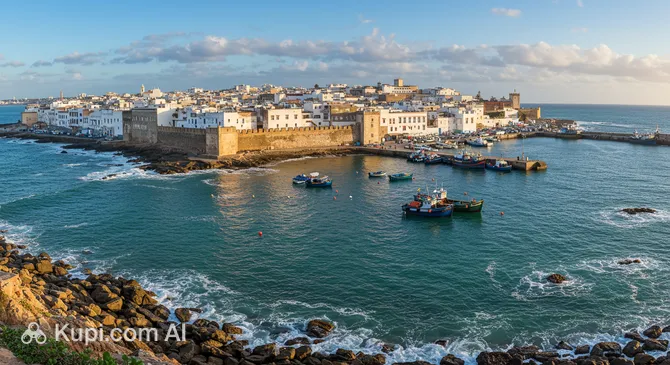
Safi is a fascinating port city located on the picturesque Atlantic coast of western Morocco. Unlike the polished tourist hubs, this city retains an authentic, industrious atmosphere where the sea breeze mingles with the scent of fresh-caught fish and smoke from pottery kilns. As the capital of the province of the same name, the city has about 308,000 residents who create the unique rhythm of life in this important economic center.
Safi. Illustration.
Source: Kupi.com AI
The city harmoniously combines the rugged charm of medieval fortifications with the dynamics of a modern industrial hub. Exploring the history of the city, you will discover traces of Portuguese presence, remains of ancient fortress walls, and an authentic medina that slopes steeply down toward the ocean. Safi is rightfully considered the country's "ceramics capital" and one of its main fishing centers, particularly famous for its sardine industry.
Tourists are drawn here not only by historical monuments like the Portuguese citadel or the unique National Museum of Ceramics but also by the chance to see Morocco without the embellishments. Strolling through the pottery hills, visiting the bustling port, and relaxing on wild Atlantic beaches make Safi a must-visit for those seeking authenticity. We invite you to discover this city of craftsmen and seafarers, where traditions live in every piece of clay and every fishing net.
Weather Overview
Thanks to its location on the shores of the Atlantic Ocean, Safi enjoys a mild and comfortable oceanic climate. Temperatures here remain moderate almost year-round: summers are rarely scorchingly hot, and winters are not severe. A typical summer brings warmth in the range of +22°C... +27°C, while the winter months are characterized by cool but pleasant +14°C... +19°C.
When choosing a time for your trip, keep in mind that the weather in the city is often windy, which creates ideal conditions for surfing but may require a windbreaker even on a sunny day. Precipitation is most likely between November and March, while air humidity remains high throughout the year due to the proximity of the ocean. The driest and sunniest months are traditionally July and August.
Ocean breezes not only mitigate the heat but also help clear the air of urban dust. However, travelers should be prepared for potential morning mists that often envelop the coast during the spring-summer period. Overall, Safi is welcoming at any time of year, offering fresh sea air and stable temperature conditions for walks and excursions.
Average monthly temperature
Average monthly precipitation
Interesting Facts
The city of craftsmen and seafarers hides many amazing stories that make a visit truly exciting.
Ancient Roots: Safi is one of the country's oldest cities. In different eras, it was home to Carthaginians, who called the settlement Asfi, Romans, and Goths, and in the 13th century, the city served as an important fortified monastery (ribat).
Sardine Capital: The city is officially considered the main fishing port of Morocco for sardine harvesting. The catch is so significant that the local processing industry is one of the most powerful in the region.
World Record: The largest tagine in the world was manufactured right here in Safi. This giant art object, decorated with traditional patterns, has become a true monument to local pottery art.
Portuguese Heritage: In the 16th century, the city was under Portuguese rule for over 50 years. They left behind an impressive citadel and Africa's only Gothic cathedral, although it remained unfinished.
Link to Thor Heyerdahl: Few know that the famous explorer Thor Heyerdahl used the expertise of local craftsmen when building his boat "Ra-II" to prove the possibility of ancient transatlantic crossings.
How to Get There
The transport accessibility of Safi is defined by its status as a major port and industrial center in Morocco. Although the city is not a key tourist hub, getting here is quite easy from most major cities in the country. The most popular way to travel is bus travel or by rented car, as the road network connects the city to Marrakesh and Casablanca with high-quality highways.
The city's own airport is small and handles a very limited number of flights, so most travelers arrive via the international airports of neighboring metropolises. The nearest major airports are in Marrakesh (about 140 km) and Casablanca. From there, you can reach the center of Safi via comfortable CTM or Supratours buses; the journey takes between 3 to 4 hours.
Rail service in Safi is primarily oriented toward industrial freight, particularly phosphates from Youssoufia. However, there are passenger routes connecting the city to the national rail network. The station is conveniently located, though tourists may find the schedule less flexible compared to bus services, which run much more frequently.
Station
Passenger traffic
Distance
Marrakesh railway station
13
136 km
Oasis railway station
6
205 km
Casa-Port railway station
8
210 km
Casablanca Voyageurs
12
211 km
Rabat-Agdal
8
292 km
Main Attractions
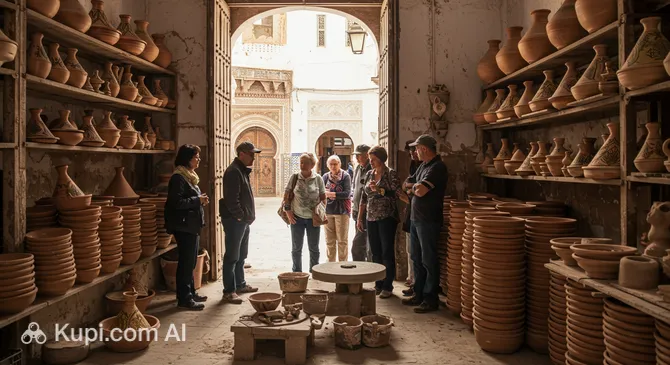
The main attractions of Safi are inextricably linked to its historical past and artisanal present. One of the most colorful spots is the Tagine Pottery Workshops. This area, located on the Hill of Potters (Colline des Potiers), is a labyrinth of kilns and shops where masters handcraft the famous blue-and-white ceramics that have become the city's symbol. Here, you can not only buy unique items but also witness the entire production process, from kneading the clay to painting.
Tajine Pottery Workshops. Illustration.
Source: Kupi.com AI
Traveler photos:
For pleasant strolls, the Safi Corniche is ideal — a coastal promenade offering breathtaking views of the Atlantic Ocean and the rocky shoreline. This spot is popular with both tourists and locals, especially during sunset hours. Cafes and observation decks line the promenade, allowing you to fully feel the power of the ocean.
Equally interesting is Ksar El-Bahr (Castle on the Sea), built by the Portuguese in the 16th century to protect the harbor. Its massive walls and cannons pointed toward the ocean serve as a reminder of the city's strategic importance during the colonial era. It is also worth visiting the fortified medina and the Portuguese Cathedral, which complete the architectural look of Safi's old town, making it an ideal destination for history and photography buffs.
Local Cuisine
The gastronomic scene in Safi is a true paradise for seafood lovers. The main hit of the local cuisine is fresh sardines, prepared here in dozens of ways. Be sure to try grilled sardines, cooked right on the street near the port — this simple but incredibly delicious dish is considered the city's signature. The menus of local establishments also frequently feature hearty paella and the "fish of the day," caught just a few hours prior.
In addition to seafood, the city honors general Moroccan traditions. Excellent lamb tagines with dried fruits are served here, as well as couscous, which in this region is often complemented by olives and barley grown in the surrounding areas. A characteristic feature of the local table is the use of many spices and aromatic herbs, giving dishes a unique Oriental flavor.
To experience fine dining in a traditional setting, visit Riad du Pêcheur, which serves exquisite seafood dishes. If you are looking for a more casual atmosphere, Chez Hosni Restaurant offers authentic flavors at affordable prices. For a beverage, locals prefer "Berber whiskey" — a strong and very sweet mint tea that is enjoyed at any time of day.
Travel Tips
A trip to Safi will provide you with plenty of unforgettable impressions if you consider a few important nuances in advance. These practical tips will help you feel confident in the city of potters and sailors.
Clothing and Gear: Choose comfortable, closed-toe shoes — the medina is located on hills, and you will be walking a lot. Safi is a traditional city, so women are recommended to wear modest clothing that covers the shoulders and knees. Due to the proximity to the ocean, it can be cool and windy in the evenings even in summer, so a light jacket will come in handy.
Transport: Within the city, it is most convenient to move around in small yellow taxis (petit taxi). It is better to agree on the price before getting in. For travel between cities, use the comfortable CTM buses.
Finances: The official currency is the Moroccan Dirham (MAD). In Safi, cash is king: cards are rarely accepted, mostly in large hotels. ATMs are available in the new center and near the port, but it is always better to have a supply of small change for markets.
Health and Safety: Drinking tap water is strictly not recommended — buy bottled water. The city is generally safe, but keep an eye on your pockets in the medina, and at night it is better to avoid walking in the outskirts or on deserted beaches.
Communication: The main languages are Arabic and French. English is not understood everywhere, so learn a few basic phrases in French or Arabic — this goes a long way with the locals.
Local Etiquette: It is customary to remove your shoes when entering a private home. Greet people with your right hand, and use it to take food from a shared dish. Always ask for permission before photographing locals (especially women and artisans at work).
What to Avoid: Do not enter industrial zones south of the port — there is nothing of interest for a tourist, and it can be dusty due to phosphate loading. Also, do not agree to the services of persistent "guides" at the medina gates.
Specific Advice: If you plan a trip in winter, be sure to check the weather forecast — heavy rains are possible in Safi during this period, sometimes leading to flooding in low-lying areas.
May your discovery of Safi be filled with only pleasant discoveries and warm interactions with local masters!
Entertainment & Nightlife
Entertainment in Safi is of a quiet and contemplative nature, reflecting the city's working rhythm. The main center of evening life is the Safi Corniche, where locals gather for walks along the ocean. Here you can find cozy cafes with live music serving traditional tea and sweets. Nightlife in the classic sense (clubs and bars) is limited, so travelers usually head to neighboring Marrakesh or Essaouira for louder parties.
For outdoor enthusiasts, the city offers excellent surfing opportunities. Lalla Fatna and Souiria beaches, located nearby, are famous for their powerful waves and attract surfers from all over the world. In the evening, it is pleasant to stop by the Tagine Pottery Workshops, which look particularly magical in the rays of the setting sun, with souvenir trading continuing until dusk.
Culinary experiences can be enjoyed at places like Riad du Pêcheur or Chez Hosni Restaurant, which often host atmospheric evenings with national flair. Despite the lack of large-scale festivals, cultural events and exhibitions are periodically held in the medina within the former Kechla citadel, offering a closer look at the region's heritage.
Parks & Museums
Museum life in Safi is centered around its main treasure — ceramics. The National Museum of Ceramics, located within the walls of the majestic Portuguese Kechla citadel, is a must-visit. It houses an impressive collection of pieces from all over Morocco, as well as unique exhibits from the Portuguese era. The fortress windows offer panoramic views of the city and the ocean, which is worth the visit in itself.
Another important historical site is Fort Ksar El-Bahr. This sea castle, standing right at the water's edge, allows tourists to walk along ancient bastions and feel the atmosphere of the Age of Discovery. Inside the fort, temporary exhibitions are often held, detailing the maritime history of the region and the struggle for control over the Atlantic coast.
Park infrastructure in Safi is modestly developed due to the city's industrial nature and rocky terrain. The main places for outdoor relaxation are the city beaches and promenades. Instead of shady gardens, residents and guests prefer to spend time by the ocean, enjoying the natural landscapes. Nevertheless, the area around the Hill of Potters serves as a kind of open-air ethnographic park where you can watch craftsmen at work for hours.
Getting Around
Public transport in Safi is mainly represented by buses and taxis, which provide connections between residential areas, the port, and the medina. The bus network covers most of the city, though schedules are not always strictly followed, and transport can be very crowded during peak hours. For tourists, the most convenient and affordable way to get around is the "petit taxi" — small cars that operate by meter or a fixed price within the city.
For trips outside of Safi or to neighboring villages, "grand taxis" are used — larger vehicles that depart once they are filled with passengers. This is a popular and inexpensive way to reach nearby beaches. In the very center and the historical medina, it is best to move on foot: the streets are so narrow that vehicles simply cannot pass through them, and the compact nature of the district allows you to see all the key spots during a walking tour.
It is worth considering that due to the active operation of the port, traffic jams often occur in the city center, especially on roads leading to industrial zones. Bike rentals and car-sharing are not developed in the city, so taxis remain the primary choice for comfortable travel. Tickets for city buses are bought from the driver, and it is better to clarify the cost of a taxi ride in advance if the car is not equipped with a meter.
Accommodation
Accommodation in Safi is primarily represented by budget and mid-range options, making the city attractive for backpackers and surfers. Most hotels are concentrated in the port area and along the coast. Here you can find both modest guesthouses and more modern apartments designed for longer stays.
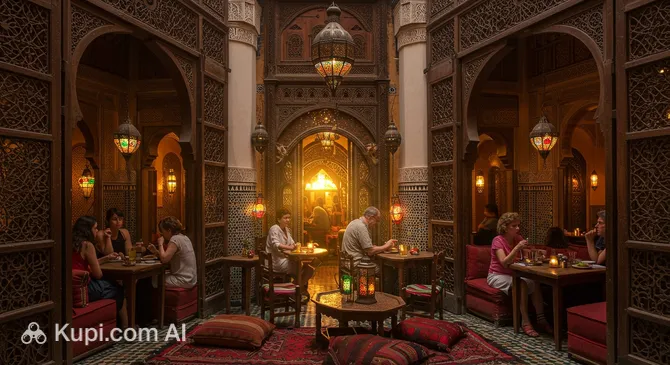
In the historical part of the city — the medina — housing options are limited, but this is exactly where you can find authentic places like Riad du Pêcheur. Staying in riads allows you to fully immerse yourself in Moroccan life, enjoying the tranquility of inner courtyards and traditional architecture. It should be noted that the luxury five-star hotel segment is virtually non-existent in Safi.
Riad du Pêcheur. Illustration.
Source: Kupi.com AI
Traveler photos:
When planning a trip, especially during the summer season or festival periods, it is recommended to book accommodation in advance through international services. Prices in Safi are significantly lower than in popular Essaouira or Marrakesh, allowing for substantial savings on accommodation without sacrificing comfort. Most guesthouse owners accept cash, so it is wise to ensure you have local currency on hand.
Nearby Cities
Safi serves as an excellent starting point for exploring the coastal areas and inland plateaus of the Abda region. Thanks to its convenient location on the Atlantic axis, you can easily take interesting day trips to neighboring towns, each with its own unique character and history.
Just a few dozen kilometers away are cozy Moroccan settlements like Oulad Salmane and Sebt Gzoula. These places allow you to see Moroccan provincial life without the tourist veneer: bustling weekly markets, olive groves, and the traditional way of life of farmers. Also within reach are El Ghiate and Moulay El Bergui, which can be reached quickly by grand taxi.
City
Population
Distance
Oulad Salmane
19 488
19 km
Sebt Gzoula
18 543
24 km
El Ghiate
25 162
32 km
Moul El Bergui
15 342
33 km
Sidi Ettiji
16 649
36 km
For longer excursions, the famous Essaouira, located 100 km to the south, and the Portuguese fortress of El Jadida to the north are ideal. If you want to trade the ocean breeze for the bustle of a large Eastern bazaar, the road to Marrakesh takes about two and a half hours. Don't be afraid to turn off the main roads, as the most picturesque wild beaches and authentic pottery villages are hidden in the surrounding countryside.
Shopping & Souvenirs
Shopping in Safi is primarily a hunt for unique ceramics. The city is famous for its pottery traditions, and the best place for shopping is the Tagine Pottery Workshops on the Hill of Potters. Here you can buy everything from tiny decorative plates to massive floor vases covered in signature glaze. Prices here are significantly lower than in the souvenir shops of Marrakesh, and the selection is incomparably larger.
For those who want to dive into the atmosphere of traditional trade, head to the medina. Its narrow streets are home to markets selling handmade textiles, leather goods, and famous Moroccan spices. Near the port, you can also find shops selling goods for sailors and fresh fish, but for tourists, shops with local products like olive oil and barley will be more interesting.
Modern shopping centers are absent in Safi, which only adds to the city's authenticity. Most shops are open from morning until late evening with a lunch break, and it is customary to haggle actively in the markets. Payment in most shops is made in cash (dirhams); cards are only accepted in large stores and some restaurants, such as Chez Hosni Restaurant. Don't forget to leave room in your suitcase for a couple of ceramic plates — they are the best souvenir to remember this city of craftsmen.