Support

Swe Taw Myat Pagoda

About

Bathed in sunlight, the majestic Swe Taw Myat Pagoda welcomes guests with the dazzling whiteness of its walls and the brilliance of its golden spires. This modern Buddhist temple in Yangon, also known as the "Buddha Tooth Relic Pagoda," was erected specifically to house one of the most revered relics of the Eastern world.
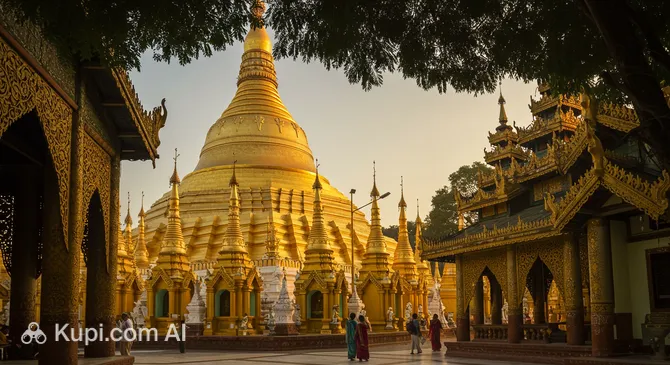
Swe Taw Myat Pagoda
Swe Taw Myat Pagoda. Иллюстрация. Источник: Kupi.com AI

The architectural appearance of the structure is an elegant homage to the ancient traditions of Myanmar. Its features clearly mirror the famous Ananda Pagoda in Bagan. The symmetrical building, decorated with mythical Chinthe lions and topped with a multi-tiered golden shikhara, rises on Dhammapala Hill, creating an atmosphere of solemnity and peace.

Unlike many other shrines where relics are hidden from public view, Swe Taw Myat is unique in that it allows visitors to see the relic with their own eyes. Funded by contributions from believers worldwide, it has become a symbol of spiritual unity and an important point on every traveler's map.

Contacts

To clarify information about visiting or holding solemn ceremonies, you can use the official contact details of the temple complex.

How to contactContact
AddressV4GX+4QC, Yangon, Myanmar (Burma)
Phone+95 1 650 484
Websitewww.mora.gov.mm

What to Do

The main purpose of a visit to this temple is the opportunity to see the sacred relic. It rests in the center of a spacious hall inside a small glass cylinder, surrounded by exquisite Buddha figures made of green jade. The entire composition is located on an elevation under a multi-tiered golden umbrella, emphasizing its sacred status.

While walking through the pagoda, take note of the numerous images of Buddha in various mudras — ritual gestures, each of which carries its own deep meaning. The inside of the building always remains pleasantly cool, providing a sharp contrast to the hot city streets and setting a peaceful mood.

You can join the locals in their daily rituals: fresh flowers and incense sticks, which are traditionally left as offerings, are often sold at the entrance. Observing the sincere prayers of the parishioners allows for a deeper understanding of the culture and traditions of the Burmese people.

Don't forget to appreciate the pagoda's unique architecture in the daylight — it is in sunny weather that its golden decor shines most brightly, creating stunning opportunities for memorable photos. Remember that you should move around the complex territory only barefoot, as a sign of respect for local customs.

Getting There

The shrine is located on Dhammapala Hill in the Mayangone district, situated south of the international airport. The exact address is Sware Taw Myat Street, where the main ceremonial entrance to the temple complex is found.

The most comfortable and fastest way to reach the site is by taxi. A trip from the city center will take about 30 minutes and cost approximately 5,000 kyats. Given its distance from the main tourist quarters, it is convenient to combine a visit to the pagoda with a trip to the airport or a tour of the metropolis's northern districts.

It is important to keep the local climate in mind: the marble tiles and steps can become very hot under direct sunlight. Since you are only allowed to enter the territory barefoot, try to plan your visit for the morning or evening hours to avoid discomfort while walking.

Ближайший город: Yangon

History & Facts

This majestic structure was erected with a specific and very important goal: to become a worthy home for the sacred tooth relic of Gautama Buddha. It is believed that this relic belonged to the Enlightened One himself, who lived over 2,500 years ago. In 1994, the relic was brought to Myanmar from China, which was an event of national significance.

Interestingly, in addition to the original, two copies skillfully carved from ivory were placed in the temple. One of them remains within the walls of Swe Taw Myat to this day. The uniqueness of the pagoda lies in the fact that this copy is available for viewing by believers and tourists, whereas in most Buddhist countries, such relics are securely hidden deep within monolithic stupas.

The construction of the temple was made possible by generous donations from Buddhists around the world. This emphasizes not only the local but also the international importance of the site as a key spiritual center in the region.

The architects who worked on the project drew inspiration from the classics: the design was based on the appearance of the famous Ananda Pagoda in Bagan, built back in the 11th century. Thus, the modern building is firmly linked by bonds of continuity to the great historical heritage of an ancient civilization.

Time Needed

To leisurely inspect all the architectural details and soak up the atmosphere of this place, an average tourist will need 1 to 1.5 hours. This is quite enough time for a walk through the grounds and a visit to the main hall.

If you are planning more than just a sightseeing tour and want to make a traditional offering or observe Buddhist rituals, it is worth setting aside a little more time. The calm and cool environment inside the temple often encourages staying longer, providing a respite from the tropical heat of Yangon.

Working Hours

The doors of the temple complex are open to visitors daily. The pagoda welcomes guests from early morning until late evening, allowing you to choose the most comfortable time for your visit.

Opening hours: Monday – Sunday from 05:00 to 20:00.

5:00 – 20:00

Nearby

The area around the pagoda offers travelers several interesting locations that will allow you to diversify your cultural program and take a break from the hustle and bustle.

NameDistance
Kaba Aye Pagoda2.1 km
Kyauk Taw Gyi (White Marble Buddha)3 km
Yankin House5.7 km
Kyaikkasan Pagoda6.1 km
Byblos Pub & Grill6.6 km
Chaukhtatgyi Buddha Temple7.2 km
The Beer Factory Yangon7.3 km

What to see in nearby cities

Reached the end of the page?

That means the route is fully explored