Support

Dunedin

About

Dunedin is a captivating city that wears its Scottish heritage with pride, often referred to as the "Edinburgh of the South." Located on the southeast coast of the South Island of New Zealand, it serves as the principal city of the Otago region. Known for its vibrant student atmosphere and well-preserved architecture, Dunedin offers a unique blend of cultural richness and eco-tourism opportunities that set it apart from other destinations in the country.

Geographically, the city is built around the picturesque Otago Harbour and extends out onto the hills and valleys of an extinct volcano. With a population of approximately 100,000 people, it maintains a friendly, community-focused vibe while providing all the amenities of a modern urban center. The climate here is generally temperate, though the weather can be changeable, adding to the dramatic beauty of the coastal landscape.

Dunedin. Source: Kupi.Binoculars

The history of Dunedin is deeply rooted in the 1860s gold rush and early Scottish settlement, which bequeathed the city its impressive Victorian and Edwardian architecture. Visitors are often struck by the grandeur of the Dunedin Railway Station, arguably the most photographed building in the country, and the historic charm of the city center.

Nature lovers will find plenty to admire on the nearby Otago Peninsula, a world-renowned destination for wildlife. It is one of the few places where you can easily view rare yellow-eyed penguins and the majestic Royal Albatross in their natural habitat. For those seeking a quirky challenge, a walk up Baldwin Street, recognized as one of the steepest streets in the world, is a must-do experience.

Whether you are interested in exploring heritage buildings, encountering unique wildlife, or simply enjoying the creative energy of a university town, Dunedin invites you to discover its many treasures.

Weather Overview

Dunedin experiences a temperate maritime climate, characterized by mild summers and cool winters. During the warmest month of January, the average temperature sits around 15.7°C, with daytime highs typically reaching up to 20.0°C, making it pleasant for outdoor exploration. Conversely, the winter season brings crisper air; in July, averages dip to approximately 5.3°C, with overnight minimums often cooling to around 2.0°C.

Travelers should be prepared for changeable conditions, as precipitation is a consistent feature throughout the year. The weather in Dunedin includes frequent wet days, ranging from about 10 days in June to as many as 18 days in December. Expect mild, comfortable summers with occasional rain and cold, dry winters where layers are essential.

Interesting Facts

Beyond the main attractions, Dunedin holds many fascinating secrets and unique distinctions that surprise even seasoned travelers. Here are some intriguing details that make this southern city truly special.
Dunedin Railways. Source: Kupi.Binoculars
  • The World's Steepest Street: Baldwin Street is officially recognized by Guinness World Records as the steepest street in the world. The slope is so significant that the road had to be surfaced with concrete instead of asphalt, as the latter would have physically slid down the hill during hot weather.

  • "Gingerbread George": The magnificent station home to Dunedin Railways is often cited as the most photographed building in New Zealand. Its architect, George Troup, designed the structure in such an elaborate Flemish Renaissance style that he earned the affectionate nickname "Gingerbread George" from the locals.

  • A Garden Shipped from Shanghai: The Dunedin Chinese Garden is an authentic scholar's garden, one of the few of its kind outside China. Remarkably, the entire structure was prefabricated in Shanghai, dismantled, shipped to Dunedin, and then painstakingly reassembled by a team of artisans from Shanghai to ensure traditional accuracy.

  • City of Literature: Dunedin was the first city in New Zealand to be designated a UNESCO City of Literature. This honor reflects its rich literary history, fueled by the presence of the country's oldest university and a legacy of celebrated writers who have called the city home.

How to Get There

Reaching this southern gem is a straightforward part of the adventure, with air travel being the most convenient method for most visitors. Whether you are arriving from within New Zealand or from overseas, you can choose from several airports in the region. For a detailed breakdown of all transport options, including driving routes and bus services, you can read more about how to get to Dunedin.

The primary gateway is Dunedin International Airport (IATA: DUD), which is located approximately 24 km from the city center. While it is a regional hub, it handles a steady flow of domestic connections. The airport is situated in the rural countryside of Momona, and a transfer to the heart of the city typically takes about 30 to 40 minutes by taxi or shuttle bus. It is the most direct way to start your visit.

Alternatively, many international travelers opt to fly into Queenstown Airport (IATA: ZQN) in the city of Queenstown. Although it is located about 168 km away from Dunedin, it is a busy international airport with a high volume of passenger traffic. The journey from Queenstown to Dunedin is a scenic experience in itself, taking approximately 3.5 to 4 hours by rental car or intercity bus, passing through the rugged landscapes of Central Otago.

For clarity, here is a summary of the main airports:

Airport Name City Passenger Traffic Km from City
Queenstown Airport Queenstown High 167.7
Dunedin International Airport Dunedin Medium 24.1
Invercargill Airport Invercargill Small 179.9

While Dunedin boasts a magnificent historic railway station, it is primarily used for scenic tourist excursions rather than regular long-distance passenger rail. Visitors who prefer land travel often arrive by road via State Highway 1. Reliable coach services connect Dunedin with other major South Island destinations such as Christchurch and Queenstown, offering a comfortable and stress-free alternative to driving.

Main Attractions

Dunedin is a city that rewards exploration, offering a rich tapestry of heritage, culture, and natural beauty. From world-class museums to stunning coastal scenery, the local attractions provide a deep dive into the region's unique character and history.

One of the city's premier institutions is the Tūhura Otago Museum. Located near the university, this museum is a treasure trove of knowledge featuring extensive collections of natural history and culture. It is particularly famous for its immersive Tropical Forest, a three-level indoor rainforest filled with exotic butterflies and lush flora, which offers a warm escape on cooler days. Tourists love the interactive science center and the planetarium, making it a fantastic destination for families and curious minds alike.

Tūhura Otago Museum. Source: Kupi.Binoculars

For a glimpse into the opulent lifestyle of the early 20th century, a visit to Olveston Historic Home is essential. This Jacobean-style mansion was built for the Theomin family in 1906 and has been preserved as a time capsule, complete with original furniture, art, and personal artifacts. Guided tours reveal the sophisticated domestic life of the era, showcasing modern conveniences that were ahead of their time. It is widely regarded as New Zealand's finest historic house museum.

Those interested in the stories of the people who shaped the region should head to the Toitū Otago Settlers Museum. Situated in the Queens Gardens area, this museum is dedicated to the social history of Dunedin and its surrounding province. Through interactive displays and engaging narratives, it traces the journey from the indigenous Māori inhabitants and early Scottish settlers to the vibrant modern community. The futuristic architecture of the entrance foyer contrasts beautifully with the historical exhibits inside.

Toitū Otago Settlers Museum. Source: Kupi.Binoculars

Art enthusiasts will find inspiration at the Dunedin Public Art Gallery, located right in the heart of the city at the Octagon. As one of the country's oldest public art galleries, it houses an impressive collection of both international and New Zealand art, including significant works by Frances Hodgkins. The gallery's ever-changing exhibitions and central location make it a perfect cultural stop while exploring the city center.

If you prefer the outdoors, a trip to St Clair Beach offers a refreshing change of pace. Just a short drive from the city center, this popular surf beach is lined with a vibrant esplanade full of cafes and bars. It is an excellent spot for watching the waves roll in from the Southern Ocean or for taking a long, scenic walk. At the southern end of the beach, you will find the St Clair Hot Salt Water Pool, an open-air pool nestled among the rocks that allows for swimming with a spectacular ocean view.

Local Cuisine

Dunedin’s culinary scene is a delightful reflection of its heritage and environment, blending hearty Scottish influences with fresh New Zealand produce. The city is renowned for its unpretentious yet delicious food culture, where high-quality ingredients take center stage. Visitors will find a vibrant array of dining options ranging from quirky student-friendly cafes to sophisticated bistros, all served with a side of warm southern hospitality.

One dish you simply cannot leave without trying is the iconic Southland Cheese Roll. Often affectionately dubbed "Southern Sushi," this local delicacy consists of a slice of white bread spread with a savory cheese and onion mixture, rolled up, and toasted to crispy, golden perfection. It is a staple found in almost every cafe and bakery in the region. For seafood lovers, the cold waters of the southern coast provide succulent blue cod and briny oysters, which are best enjoyed fresh at a seaside eatery.

The city boasts a thriving brunch and lunch culture, driven in part by its creative and youthful population. Places like Buster Greens offer a fresh, healthy approach to dining with a menu focused on raw, whole foods, making it a favorite for a revitalizing meal. If you are craving something more hearty, Beam Me Up Bagels serves up an impressive variety of bagels filled with creative and generous toppings, perfect for a satisfying lunch on the go.

Buster Greens. Source: Kupi.Binoculars

When it comes to beverages, Dunedin holds a special place in New Zealand's brewing history. It is the home of Speight’s, a legendary brewery founded in 1876 and known locally as the "Pride of the South." Enjoying a pint of their ale is a rite of passage for many visitors. For a more intimate or modern drinking atmosphere, you might visit Maggies, a retro-inspired spot, or ADJØ, which offers a cozy Nordic vibe perfect for relaxing after a day of sightseeing.

For a true taste of the local lifestyle, the Otago Farmers Market is a must-visit. Held every Saturday morning, it transforms the area around the railway station into a bustling hub of activity. It is the premier place to mingle with locals, sample artisan cheeses, buy fresh fruit from Central Otago, and enjoy exceptional coffee. The market atmosphere perfectly encapsulates the friendly and community-focused spirit that defines Dunedin's food scene.

Travel Tips

Welcome to Dunedin, where Scottish heritage meets wild southern nature! To help you navigate the "Edinburgh of the South" with ease and confidence, we have compiled a list of essential practicalities that will ensure your visit is as smooth as it is memorable.

  1. Clothing and Gear: The local motto is to prepare for "four seasons in one day." The weather can change rapidly from sunny to wet and windy, so layers are essential. Bring a high-quality windproof and waterproof jacket, and consider thermal underlayers, especially in winter (June to August). Since Dunedin is built on hills, including the world's steepest street, comfortable, non-slip walking shoes are a must for exploring the city center and nature trails.
  2. Transportation: The city center is compact and walkable, but to reach the suburbs or the stunning Otago Peninsula, you will need wheels. The local bus network, Orbus, is reliable and covers most residential areas; getting a "Bee Card" (a prepaid transit card) is the cheapest way to ride. However, to fully explore the wildlife hotspots on the peninsula at your own pace, renting a car is highly recommended. Ride-hailing apps like Uber are also widely available.
  3. Finances: The currency is the New Zealand Dollar (NZD). Credit and debit cards (Visa and Mastercard) are accepted almost everywhere, from restaurants to small cafes, often via contactless payment ("PayWave"). You won't need to carry large amounts of cash, but having some coins for parking or small purchases is helpful. Tipping is not mandatory in New Zealand; however, rounding up the bill or leaving a small tip for exceptional service is appreciated.
  4. Health and Safety: Dunedin is generally a very safe city for tourists. The most significant health risk is often the sun; the UV ratings in the region are incredibly high, so wear sunscreen even on cloudy days to avoid burns. Pharmacies (chemists) are easy to find in the city center and the Octagon area, though few are open 24 hours. In an emergency, dial 111 for police, ambulance, or fire services.
  5. Communication: English is the main language spoken, often peppered with unique "Kiwi" slang. You might hear the Māori greeting "Kia Ora" (hello) frequently. Free Wi-Fi is available in the city center (Octagon), the public library, and most cafes. For mobile data, you can buy a SIM card from major providers like Spark, One NZ, or 2degrees at the airport or local supermarkets.
  6. Local Etiquette: Locals, known as "Dunner stunners" or simply Dunedinites, are known for their friendliness and hospitality. It is polite to greet shop staff and bus drivers. When walking on busy footpaths, keep to the left. If you are visiting the Otago Peninsula, respect the environment: stay on marked tracks and never leave litter, as this is a precious wildlife habitat.
  7. What to Avoid: Never approach or disturb the wildlife. Dunedin is famous for its seals, sea lions, and penguins, often found resting on beaches. It is critical to keep a distance of at least 10 to 20 meters and never block their path to the ocean. Harassing wildlife is not only frowned upon by locals but is also illegal.
  8. Additional Tip: Be mindful of the academic calendar. Dunedin is a major university town, and the student population (known as "Scarfies") adds a vibrant energy to the city. During orientation weeks (usually late February) and graduation times, the city center can be very busy, and accommodation may be booked out well in advance.

Armed with these practical insights, you are all set to embrace the charm and rugged beauty of Dunedin. Whether you are scaling Baldwin Street or spotting albatrosses on the peninsula, you can now travel like a local and focus on making unforgettable memories.

Entertainment & Nightlife

Entertainments and Nightlife:

Dunedin’s nightlife is vibrant, compact, and heavily influenced by its large student population, locally known as "Scarfies." The city comes alive after dark, offering a diverse mix of entertainment that ranges from energetic dance floors to cozy, sophisticated lounges. The heart of the action is undoubtedly The Octagon, the city’s eight-sided central plaza, and the lower end of George Street. Because the city center is so walkable, it is easy to "bar hop" between venues without needing transport, creating a lively and communal atmosphere on Friday and Saturday nights.

For those seeking a stylish night out, Vault 21 is a premier destination located right in the Octagon. Housed in a heritage building, this venue seamlessly transitions from a chic Asian-fusion restaurant in the evening to a bustling nightlife spot as the night progresses. It attracts a mixed crowd of young professionals and students, offering a polished atmosphere where you can enjoy cocktails and music in a modern setting.

Vault 21. Source: Kupi.Binoculars

If you are feeling lucky or looking for a touch of old-world glamour, the Grand Casino offers a unique entertainment experience. Located within the historic Southern Cross Hotel building, it features opulent architecture that dates back to 1883. Beyond the gaming tables, the casino houses a restaurant and bar, making it a sophisticated option for an evening out, even if you don't plan to gamble. The dress code here is tidy casual, so it is a good excuse to dress up slightly more than you might for a pub.

Grand Casino. Source: Kupi.Binoculars

For a more relaxed and social vibe, The Poolhouse Cafe & Bar is a favorite among locals and students alike. As the name suggests, it is the perfect spot to challenge friends to a game of pool while enjoying a drink in a laid-back environment. It is less about loud music and more about hanging out, making it an excellent choice for starting your night or winding down with a group.

Practical Advice for Night Owls:

  • Timing: The nightlife peaks on Thursday (student night), Friday, and Saturday. Most bars in the Octagon stay open late, often until 3:00 AM.
  • Prices: Thanks to the student demographic, drink prices in Dunedin are generally reasonable compared to larger cities like Auckland. Many venues offer "happy hour" specials earlier in the evening.
  • Safety: The city center is well-lit and generally safe for walking at night, especially around the Octagon. However, always stick to main streets. If you are heading back to the suburbs, reputable taxi companies and ride-sharing apps are readily available and affordable.

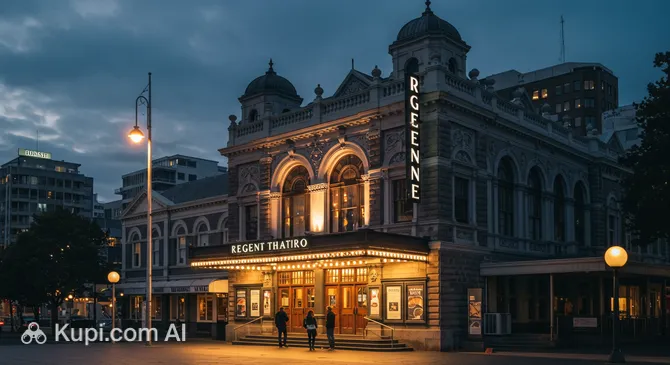
While the nights are energetic, Dunedin also offers plenty of daytime entertainment. Shoppers can explore the Meridian Mall on George Street for major brands and fashion. For culture vultures, the city boasts several independent cinemas and the historic Regent Theatre, which hosts live performances, ballets, and concerts throughout the year.

Parks & Museums

While the city's major museums and galleries are well-known, Dunedin also boasts an impressive array of green spaces and smaller cultural gems that offer a relaxing escape. The city is wrapped in a "Town Belt" of greenery, a legacy of its early planning, which provides numerous walking tracks and scenic spots right on the edge of the urban center.

A standout location for nature enthusiasts is the Dunedin Botanic Garden. Established in 1863, it holds the title of New Zealand's first botanic garden. Situated on the northern end of the city, it features a diverse collection of plants spread across the lower flat gardens and the sunnier upper slopes. Highlights include the Edwardian Winter Garden glasshouse, a native plant collection, and an aviary that is home to various bird species. It is a perfect spot for a leisurely stroll or a picnic among the rhododendrons.

Families traveling with children should not miss Marlow Park Playground in the suburb of St Kilda. Known affectionately by locals as the "Dinosaur Park," its centerpiece is a large, dinosaur-shaped slide that has delighted generations of children. The park also features a variety of other play equipment, including swings and climbing structures, making it an ideal destination for energetic kids to burn off some steam near the coast.

Marlow Park Playground. Source: Kupi.Binoculars

For those interested in the local art scene, the Otago Art Society offers a unique cultural experience. Located on the first floor of the historic Dunedin Railway Station, this gallery showcases a rotating selection of works by artists from the Otago region. It is one of the oldest art societies in the country and provides a wonderful opportunity to view and purchase original local art in a setting of architectural grandeur.

Otago Art Society. Source: Kupi.Binoculars

Beyond these specific spots, the city's layout encourages exploration on foot. Whether you are wandering through the manicured flower beds of the botanic garden or admiring local watercolors in a heritage building, Dunedin's parks and smaller museums provide a delightful complement to its larger attractions.

Getting Around

Public transport in Dunedin is straightforward and relies almost exclusively on a comprehensive bus network. Unlike larger global capitals, there is no underground metro or tram system for daily commuting. The city is served by Orbus, a regional bus service that connects the central business district with the outer suburbs, the university area, and key residential neighborhoods. The buses are easily recognizable and operate on a regular schedule that makes getting around the city relatively easy for visitors.

For payment, the most convenient and cost-effective method is the Bee Card, a prepaid smart card used across the Otago region. While you can pay with cash on board, fares are significantly cheaper when using the card. Passengers simply "tag on" against the reader when boarding and "tag off" when exiting to ensure the correct fare is calculated. You can purchase a Bee Card from the bus driver (cash only), at the Otago Regional Council offices, or at selected retailers in the city center. It is highly recommended to top up the card in advance if you plan to use public transport frequently.

The heart of the network is the Bus Hub located on Great King Street, just a short walk from the main central plaza. Most routes start or end here, making it the best place to catch a ride. Buses generally run from early morning until late evening on weekdays, with reduced frequencies on weekends and public holidays. Tourists should check timetables online or use real-time navigation apps to plan their journeys, as some suburban routes may run less often during off-peak hours.

It is important to note that there is currently no public bus service connecting the airport to the city center. Visitors arriving by plane will need to rely on airport shuttles, rental cars, or taxis to reach their accommodation. Shuttle vans are a popular and economical choice for solo travelers or small groups, offering door-to-door service, while taxis and ride-sharing apps provide a faster, direct option.

For short trips within the city center, walking is often the best alternative, as many attractions are clustered close together. However, due to the city's hilly terrain, walking to the suburbs can be a workout. Taxis and ride-sharing services like Uber are widely available and are particularly useful for returning home after a night out. While cycling is growing in popularity, the steep streets can be challenging, so renting an electric bike is a wise decision if you wish to explore on two wheels.

Finally, while you will see the magnificent railway station in the city center, bear in mind that it does not serve as a hub for local public transport. The trains operating from here are scenic tourist excursions designed to showcase the countryside rather than commuter services. Therefore, do not plan on using the train for getting around the city itself.

Accommodation

Finding the perfect place to stay in Dunedin is relatively easy, as the city offers a wide spectrum of accommodation options to suit every travel style and budget. Visitors can choose from restored heritage hotels that reflect the city's Victorian character, reliable modern motel chains, cozy bed and breakfasts, and vibrant backpacker hostels. For those seeking a more home-like experience, there is also a growing market for self-contained apartments and holiday home rentals.

When it comes to choosing a location, the City Center—particularly around the Octagon and George Street—is the most convenient area for first-time visitors. Staying here puts you within walking distance of major attractions, restaurants, and transport links. For travelers who prefer waking up to ocean views, the seaside suburb of St Clair is a fantastic alternative. It offers a relaxed beachside atmosphere with a promenade of cafes, yet remains just a short drive from the central business district. The North Dunedin area, near the university, is often a hub for budget-friendly options and has a lively student vibe.

Booking Tip: Dunedin is a major university town, and accommodation can become extremely scarce during key academic events. It is highly recommended to book your room well in advance if your visit coincides with student orientation (late February) or graduation ceremonies (typically in May, August, and December), as the city fills up quickly during these times.

In terms of pricing, the city is generally affordable compared to New Zealand's larger tourist hubs. Budget travelers can find hostel beds or basic motel rooms at reasonable rates, while mid-range options offer comfortable amenities without breaking the bank. Luxury seekers will find boutique hotels often housed in beautifully converted historic buildings. Booking is best done via major online travel platforms or directly through property websites to secure the best deals.

Nearby Cities

For those looking to explore the surroundings, Dunedin serves as an excellent base for day trips to several interesting nearby locations. While the city itself has plenty to offer, the wider Otago and Southland regions are home to diverse landscapes and towns that are perfect for a short visit or a weekend getaway.

Located inland among the Southern Alps, Queenstown is a world-renowned destination often called the "Adventure Capital of the World." It sits on the shores of the crystal-clear Lake Wakatipu and is surrounded by dramatic mountains. Visitors flock here for adrenaline activities like bungee jumping and jet boating, or to enjoy the sophisticated food and wine scene. Although it requires a drive of a few hours, the journey through the rugged Central Otago landscape is spectacular in itself.

To the south lies Invercargill, a city known for its friendly southern hospitality and wide, easy-to-navigate streets. It is a haven for motoring enthusiasts, housing the impressive Bill Richardson Transport World and the Classic Motorcycle Mecca. Nature lovers will appreciate Queens Park, a magnificent sprawling public park, and the proximity to Bluff, which is famous for its seasonal oysters.

Heading north along the coast, Timaru offers a relaxed pace with its well-preserved Edwardian architecture and the beautiful Caroline Bay. The bay is a safe swimming spot and a popular recreational area, featuring a boardwalk where you might spot little blue penguins coming ashore at dusk.

City Population Distance (km)
Christchurch 383,200 311
Invercargill 47,625 176
Queenstown 28,400 172
Timaru 27,501 175
Ashburton 20,400 240

These nearby destinations offer a glimpse into the diverse culture and landscapes of the region, providing excellent opportunities to see more of the South Island's unique character.

Shopping & Souvenirs

Shopping:

Shopping in Dunedin is a relaxed and enjoyable affair, characterized by its walkable city center and a mix of mainstream and independent retailers. The main retail spine runs along George Street, where heritage buildings house a variety of shops ranging from high-street fashion to outdoor gear. Because of the city's compact nature, you can easily browse through different districts without needing transport.

For a concentrated shopping experience, head to the Meridian Mall. Situated in the heart of the shopping district, this multi-level complex offers a wide selection of national and international brands, fashion boutiques, and a food court. It is part of a trio of connected centers, including the Golden Centre and Wall Street Mall, which provide a seamless, weather-proof environment perfect for spending an afternoon browsing.

Meridian Mall. Source: Kupi.Binoculars

Dunedin is also famous for its unique fashion identity, often described as dark, edgy, and intellectual. Fashion lovers should explore the independent boutiques scattered around the Octagon and Moray Place, where local designers showcase their collections. In addition to clothing, the city is a hub for second-hand and vintage treasures, with numerous op-shops and antique stores offering one-of-a-kind finds that you won't see elsewhere.

For authentic souvenirs, look for high-quality New Zealand wool products, possum merino knitwear, and greenstone (pounamu) jewelry. The city’s galleries and museum shops are excellent places to find locally made arts and crafts. If you happen to be in town on a Saturday morning, the market near the railway station is also a great spot to pick up artisan goods directly from the makers.

Reached the end of the page?

That means the route is fully explored