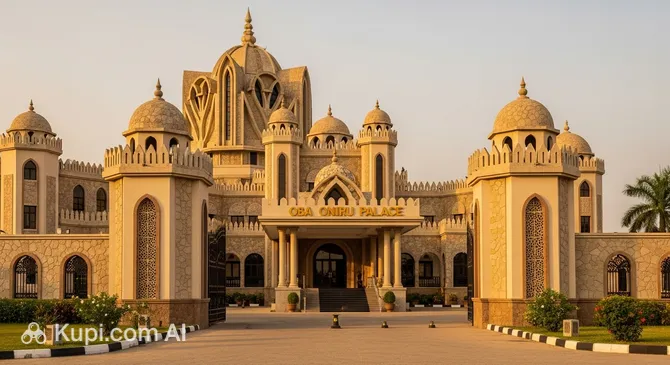
Have you ever wondered where the heart of traditional governance beats in a modern metropolis? The Oba Oniru Palace is more than just a building; it is the official residence of the traditional ruler of the Oniru area. This historical site serves as a living monument to the culture of the Yoruba people and is an important center of community life that graces Lagos.
Oba Oniru Palace. Illustration.
Source: Kupi.com AI
Traveler photos:
Located in a vibrant part of the city, the palace is an example of authentic architecture carefully preserved in modern Nigeria. Here, age-old customs and the daily life of the community intertwine harmoniously. A high rating among visitors confirms that this place attracts those seeking the true cultural code of the region.
As a historical_place, the residence draws travelers with the opportunity to see the inner workings of power based on tradition. It is a symbol of the continuity of generations and respect for historical heritage, which remains steadfast amidst the noise of the big city.
Contacts
To inquire about the possibility of tours or attending official events, it is recommended to visit the residence in person or check for information with local guides. The palace is an important administrative and cultural hub of the Eti-Osa area.
A visit to the palace is, above all, an opportunity to immerse yourself in the authentic atmosphere of the life of Nigerian royalty. Here you can examine the architectural features of the residence in detail, which embody the traditions of the Yoruba people, and observe the daily lifestyle of the local community. Photographers will find many interesting shots here: from richly decorated facades to colorful elements of palace decor.
If your visit coincides with traditional holidays or ceremonies, you might have the chance to witness unique cultural rituals that Nigeria has preserved for many centuries. Interacting with local residents and palace staff will allow you to learn much about the ethnography and social structure of the region.
It is important to remember that the site is an active residence. Visitors are advised to adhere to a modest dress code and show courtesy to those around them. This respectful attitude will help you better connect with the locals and gain a deeper experience from visiting this significant place.
Getting There
The most convenient way to reach this cultural site in Lagos is by taxi. You can use popular services like Uber or Bolt, which operate reliably throughout the metropolis. A trip from central areas such as Victoria Island will take between 20 and 40 minutes, though travel time depends heavily on the famous Lagos traffic.
If you prefer public transportation, you can take local "danfo" minibuses heading toward the Eti-Osa area from Lekki or Ikoyi. You should get off at the stop near Palace Road and then walk a short distance.
For those traveling by private or rental car, parking is available on-site. When planning your route, it is best to aim for the morning or mid-afternoon hours to minimize time spent in traffic jams.
Nearest city: Lagos
History & Facts
The history of this site is inextricably linked to the development of Lagos itself, which was founded by the Awori ethnic group as early as the 13th–14th centuries. Originally, the settlement was called Eko, and over centuries, it transformed from a small trading post into the largest cultural and economic center of modern-day Nigeria.
The title of Oba Oniru belongs to the traditional ruler whose authority and influence are rooted deep in the past of the Yoruba people. The palace serves not just as a home for the monarch, but as a living repository of traditions that have survived the influence of the Benin Empire and the colonial period.
The architectural appearance of the residence is interesting because it reflects echoes of a long history of interaction with Europeans, starting with the arrival of the Portuguese in the 15th century. Despite modern renovations, the spirit of the old city and strict adherence to communal rituals make the palace one of the most significant historical sites in the region.
Time Needed
To explore the grounds at a leisurely pace and soak in the unique atmosphere of the residence, most tourists find 1–2 hours sufficient. This is plenty of time to get acquainted with the architectural details and take memorable photos against the backdrop of traditional buildings.
Given that Lagos is a city with very dynamic and sometimes unpredictable traffic, it is recommended to plan your visit with some extra travel time. If you are lucky enough to catch one of the local festivals, your stay may be extended, as cultural ceremonies here are very colorful and engaging.
Working Hours
The palace maintains a fairly broad operating schedule, allowing tourists to plan their visit for both morning and evening hours. On Mondays, the doors are open from 05:00 to 23:30. From Tuesday to Saturday, the site is accessible from 06:00 to 23:00.
On Sunday, there is a special schedule: the palace is open from 06:00 to 23:00, and then after a short break, it is accessible again from 23:30 to 02:00. Since the schedule can change depending on official ceremonies, it is highly recommended to check current information on the official website or through tourist centers before your trip.
Day
Opening hours
Monday
05:00–23:30
Tuesday
06:00–23:00
Wednesday
06:00–23:00
Thursday
06:00–23:00
Friday
06:00–23:00
Saturday
06:00–23:00
Sunday
06:00–23:00, 23:30–02:00
Nearby
The area surrounding the ruler's residence is rich with interesting locations that allow you to diversify your walk through Lagos. Here you can find both modern amusement parks and cozy areas for family leisure.
Visiting neighboring sites will help you better feel the rhythm of life in a modern metropolis and see it from different perspectives—from traditional culture to the entertainment industry.