Support

Nabi Imran Tomb

About

The Nabi Imran Tomb (Tomb of Prophet Imran) is one of the most revered and mysterious sites hidden within the ancient city of Salalah. This shrine is a historical and religious landmark of immense significance to the Muslim world. According to tradition, it is the resting place of Prophet Imran, who in Islam is regarded as the father of Maryam (the mother of the Prophet Isa).
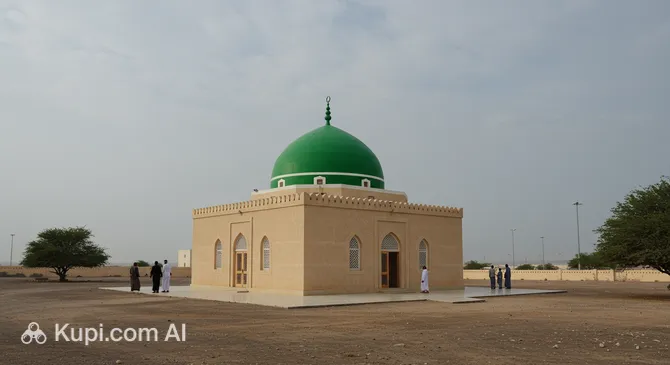
Tomb of Nabi Imran
Tomb of Nabi Imran. Иллюстрация. Источник: Kupi.com AI

This unique site in Oman attracts travelers not only for its sacredness but also for its unusual appearance: the length of the sarcophagus inside the sanctuary is truly striking. The tomb serves as a vital spiritual center for the southern Dhofar region, where pilgrims and tourists can connect with history dating back to antiquity.

The site is characterized by a particularly peaceful atmosphere and simple architecture typical of traditional Omani shrines. More than just a monument to the past, it is a living place of worship, offering a rare chance to see one of the few surviving graves of Old Testament prophets in the region.

Contacts

When planning your visit to this spiritual landmark, keep in mind its central location within the city. The tomb is an active religious site, so silence and order are always maintained here.

How to contactContact
Address202 23rd July St, Salalah, Oman

What to Do

A visit to the tomb offers guests a unique experience of spiritual immersion. Once inside, you can see the extraordinarily long sarcophagus, draped in a green cloth adorned with Arabic calligraphy. Many visitors come here to reflect in silence, offer a prayer, or simply experience the grandeur of this ancient site.

For travelers interested in history and religious studies, this is an excellent opportunity to explore the Islamic heritage of the region. Informational materials are available detailing the life of Prophet Imran and the significance of this shrine. The grounds around the tomb are well-kept and ideal for a quiet stroll, allowing you to observe the architectural details and the traditional Omani style of sacred sites.

Photography is usually permitted on the grounds (though one should be cautious and respectful of worshippers inside), offering a chance to capture unique shots of this important pilgrimage center. Visiting this site is, above all, a path to understanding the culture so carefully preserved on the southern coast of the Arabian Peninsula.

Getting There

Finding the shrine is quite easy, as it is located on one of the city's main thoroughfares—202 23rd July Street. If you are arriving in the region by air, Salalah International Airport is only 5–7 kilometers from the tomb. A taxi ride from the terminal takes no more than 10–15 minutes, making the site highly accessible even for those in the city for a short time.

Public transportation in the city is not very extensive, so the most comfortable ways to get around are by taxi or rental car. Most local drivers know the way to the shrine well, as it is a landmark site for residents. From the central districts of Salalah, you can reach the tomb in just a few minutes.

For those who prefer driving themselves, there are signposts along the main roads. There is usually plenty of parking near the site, which is convenient for tourists with their own vehicles. Traveling through the southern Dhofar region is picturesque in itself, especially during the Khareef season when the surroundings are lush and green.

Ближайший город: Salalah

History & Facts

In Islamic tradition, Prophet Imran is a deeply respected figure, the father of Maryam (mother of the Prophet Isa). This burial site in Oman serves as a living reminder of ancient prophets whose stories bridge different cultures and eras. Some scholars draw parallels between him and the biblical Amram, the father of Moses, adding even more intercultural interest to the location.

The tomb itself is striking in size, measuring approximately 12 meters long. According to legend, prophets in ancient times were of giant stature, and the length of the sarcophagus emphasizes the greatness and significance of the holy man resting here. While the exact age of the structure is difficult to determine, it has remained a focal point for believers for many centuries.

Over the centuries, this site in Salalah has been carefully protected by local residents. The Nabi Imran Tomb is considered one of the few surviving shrines on the Arabian Peninsula associated with the names of Old Testament prophets. It is not just an architectural monument but testimony to the region's rich spiritual heritage, carefully passed down from generation to generation.

Today, the sanctuary is an important site for researchers of Islamic history. It demonstrates how closely religious traditions are intertwined and the importance of preserving such sites to understand the past. The quiet and solemn atmosphere surrounding the tomb allows every visitor to feel a connection across time.

Time Needed

A thoughtful visit to the shrine usually takes between 30 and 60 minutes. This is ample time to step inside, view the exceptionally long tomb, take in the peaceful atmosphere, and snap a few photos of the grounds.

If you are planning a visit as part of a pilgrimage or wish to spend time in prayer and reading the informational materials, you should set aside about an hour. The site is not a massive museum complex, so a visit here is easily combined with other city tours during either the morning or afternoon.

Working Hours

The sanctuary is open to visitors daily, making it a convenient stop on any travel itinerary. The operating hours are consistent throughout the week: the tomb doors are open from 6:00 AM to 9:00 PM.

Such extended hours allow you to choose the most comfortable time for your visit—either early in the morning when there is a special silence, or in the evening when the daytime heat subsides and the soft lighting comes on.

6:00 – 21:00

Nearby

A walk around the area of the Nabi Imran Tomb will allow you to dive deeper into the atmosphere of southern Oman. Its central location provides easy access to authentic local spots where you can observe the daily life of Salalah residents and try traditional treats.

Nearby, you will find both modern urban spaces and historical ruins that hold the memory of this thriving port's past. Combining a religious pilgrimage with a tour of neighboring attractions will make your day rich and informative.

NameDistance
Al Qawf Mart1.4 km
Sultan Qaboos Mosque Salalah1.9 km
L'Avenue Park2.1 km
Tely Restaurant2.2 km
Al Haffa Beach2.3 km
Return of the Past Events – Al Hafa2.3 km
Coconut Beach2.6 km

Reached the end of the page?

That means the route is fully explored