Support

Anzhero-Sudzhensk

About

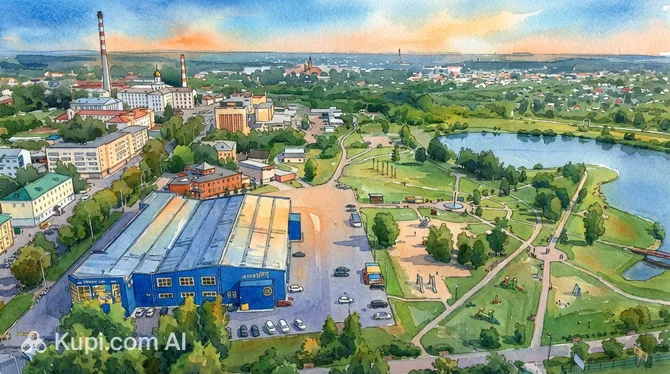
Anzhero-Sudzhensk is a city with a strong Siberian character, located in the north of the Kemerovo Region, surrounded by the picturesque taiga. It attracts travelers with its authentic atmosphere and rich industrial heritage, which harmoniously coexists with the natural beauty of Kuzbass.

Anzhero-Sudzhensk. Illustration.
Source: Kupi.com AI

Situated on one of the most important transport arteries, this settlement is a significant point on the map of such a vast country as Russia. The city features a sharply continental climate with frosty, snowy winters and relatively warm summers, which is typical for these latitudes. Today, more than 76,000 people live here, creating a cozy and lively urban community.

The city arose from the merger of two mining villages, and the history of Anzhero-Sudzhensk is inextricably linked with the development of the coal industry and the legendary Trans-Siberian Railway. It was the railway and coal mining that shaped the city's appearance and destiny, turning it into an important industrial center for the region.

Among the key attractions, the Local History Museum is worth noting; it is considered one of the best in the region and houses unique exhibits about the lives of the first settlers and mining labor. The majestic Church of Peter and Paul and various monuments reflecting the labor achievements of local residents also deserve attention. Anzhero-Sudzhensk invites guests to get acquainted with the real Siberian heartland and appreciate the hospitality of this region.

Weather Overview

The climate of Anzhero-Sudzhensk is typical for the Siberian region: harsh winters and moderately warm summers prevail here. The coldest month is January, with an average temperature of about -16.3°C, while the thermometer often drops to -20°C. From November to March, the city is usually covered with a thick blanket of snow, and frosts are possible even in the transitional seasons.

The summer period brings long-awaited warmth, making the time from June to August the most favorable for a visit. In July, the warmest month, average figures stay at +18.5°C, and daily maximums reach a comfortable +23.2°C. Travelers should take into account that the weather in Anzhero-Sudzhensk can be changeable: even in the warmest months, it rains on average 13–14 days.

In general, expect a warm summer with occasional precipitation and cold, long winters with temperatures requiring warm clothing. Autumn and spring here are cool, with average temperatures in October around +2.8°C and in April around +1.9°C, so waterproof gear is essential for the off-season.

Average monthly temperature

Average monthly precipitation

Interesting Facts

In addition to the main attractions and industrial landscapes, Anzhero-Sudzhensk holds many fascinating features that are revealed only to curious travelers. Here are a few facts that allow you to look at the history and life of the city from a new perspective.

  • Dual Origin. The name of the city is not just a beautiful combination of words, but a tribute to the history of the merger of two independent mining villages: Anzherka and Sudzhenka. They developed in parallel at different coal mines and merged into one city only in 1931, retaining both names in the official title.

  • Role of the Trans-Siberian Railway. The Great Siberian Railway gave life to the future city. It was the construction of the railway at the end of the 19th century that stimulated geological exploration in this area, which led to the discovery of rich coal deposits and the emergence of the first stations that became the foundation of modern Anzhero-Sudzhensk.

  • "Northern Gateway" of the region. Due to its geographical location, the city is often unofficially called the "Northern Gateway of Kuzbass." It is located at the junction of flat and mountainous terrain, and the surrounding dense taiga creates a unique microclimate that differs from the more southern industrial centers of the region.

  • Pharmaceutical Heritage. There are more than just coal-themed pages in the city's history. During the Great Patriotic War, the Semashko Chemical and Pharmaceutical Plant was evacuated here. For a long time, Anzhero-Sudzhensk was an important center for the production of medicinal drugs, supplying them to a significant part of the country.

How to Get There

Anzhero-Sudzhensk is an important transport hub for Kuzbass, located at the intersection of railway and road routes. When planning a trip, it should be noted that the city is somewhat distant from major air hubs but has excellent railway connections. You can study all the ways to get to the city in more detail to choose the most convenient route.

There is no airport in the city of Anzhero-Sudzhensk itself, so air travelers will have to take a combined route. The closest airport is Bogashevo (TOF) in the city of Tomsk, located about 58.5 km from Anzhero-Sudzhensk. A trip from there by taxi or bus will take about 1–1.5 hours. Another convenient option is the Kemerovo (KEJ) airport in the regional center (Kemerovo city), 92.2 km away. A transfer from here will require about 2 hours.

For those looking for more flight options, including international flights, Tolmachevo (OVB)—the largest air hub in Siberia, located in Novosibirsk—is suitable. The distance to Anzhero-Sudzhensk is about 243 km, so you should allow about 4–5 hours for the journey by ground transport. Despite the distance, this option is often chosen due to the wide geography of flights.

For clarity, here is summary information on the main airports:

AirportPassenger trafficDistance
Bogashevo650 00058 km
Kemerovo Airport512 91692 km
Tolmachevo9.3 mln243 km
Novokuznetsk Airport581 422261 km

The railway is one of the most popular ways to get to the city, as the Trans-Siberian Railway passes through it. Anzherskaya Station is located right within the city limits (only 3.6 km from the center), where many long-distance trains stop. This is the most comfortable option, allowing you to arrive directly at your destination without long transfers.

Also in the immediate vicinity, only 23.4 km away, is the large junction station Tayga in the city of the same name. If your desired train does not stop at Anzherskaya, you can go to Tayga and complete the remaining journey by taxi or suburban bus in about 30–40 minutes.

Below is information about the nearest railway stations:

StationPassenger trafficDistance
Anzherskaya Station450 0004 km
Yaya Station70 00029 km
Tayga Station1.5 mln23 km
Tomsk-1 Railway Station700 00074 km
Tomsk-2 Railway Station300 00077 km
Tugan Station79 km
Kemerovo-Passazhirsky Station1.2 mln84 km

Main Attractions

Despite its industrial status, Anzhero-Sudzhensk possesses a special charm that is best revealed through its iconic sites. The main cultural attraction is the Local History Museum. This is a must-visit for those who want to understand the soul of Kuzbass. The museum's collections house unique exhibits: from the everyday items of the first settlers and ethnographic rarities to detailed models of mines. Tourists will find it interesting to learn how the construction of the Trans-Siberian Railway and the discovery of coal deposits transformed the remote taiga into an important industrial center.

The Church of the Holy Apostles Peter and Paul, the spiritual heart of the city, deserves special attention. This majestic building with golden domes stands out against the city skyline and serves as a fine example of modern Orthodox architecture, built with respect for tradition. Visitors note the particularly peaceful atmosphere inside the church and the beauty of its interior decoration. It is an ideal place to take a break from the hustle and bustle and touch the spiritual life of the Siberian hinterland.

Strolling through the streets, it is impossible not to notice the monuments reflecting the labor valor of the residents. One of the symbols of the city is the Steam Locomotive Monument, installed as a tribute to railway workers, as it was the railway that gave life to Anzhero-Sudzhensk. Along with memorials dedicated to mining labor, these monuments create a unique "open-air museum," allowing tourists to take atmospheric photos and feel the powerful industrial character of the city.

For lovers of quiet relaxation in nature, the Central City Park is ideal. This is a green oasis where you can walk along alleys among the trees while enjoying the fresh air. The park is a popular meeting place for citizens and a venue for holidays, so you can always feel the real rhythm of city life here and see Anzhero-Sudzhensk not just as a point on a map, but as a living and hospitable home for thousands of people.

Local Cuisine

The cuisine of Anzhero-Sudzhensk is a gastronomic reflection of the harsh but generous Siberian land. You should not look for haute molecular cuisine here; the basis of the local diet is hearty, high-calorie, and home-style delicious dishes designed to warm you up during the long winter colds. The main treat that every guest must try remains authentic Siberian pelmeni. Local hostesses and chefs often prepare them from several types of meat (beef, pork, and game), serving them with sour cream, vinegar, or mustard.

The proximity of the taiga has a huge influence on the locals' menu. In catering establishments and on home tables, dishes using "gifts of the forest" are common. You should definitely try salted or pickled mushrooms (milk mushrooms, saffron milk caps), as well as dishes with the addition of pine nuts. A special delicacy in Kuzbass is bracken fern, which is harvested here on an industrial scale: it is fried with meat or used in salads, giving the food a piquant taste reminiscent of mushrooms.

As for drinks, local residents prefer vitamin-rich herbal blends. Taiga teas based on oregano, St. John's wort, fireweed, and currant leaves are popular, providing an excellent tonic after walks in the frost. Among refreshing drinks, the king of the table is mors made from cranberries, cowberries, or sea buckthorn. These berries are gathered in the surrounding forests, so the drinks are characterized by their naturalness and rich flavor. You can also find pine cone jam—a unique dessert with a coniferous aroma.

The food culture in Anzhero-Sudzhensk is of a calm, provincial nature. Cozy cafes and bakeries are popular here, where you can always buy fresh pastries with cabbage, potatoes, or berries. For a budget-friendly and authentic lunch, tourists should look into local canteens—they have preserved the traditions of Soviet catering with large portions and simple, understandable dishes like rich borscht or cutlets with mashed potatoes. For fresh farm products, honey, and forest berries, it is best to go to the city market.

Travel Tips

A trip to Anzhero-Sudzhensk is an opportunity to touch the harsh but attractive romance of industrial Siberia. To make your trip as comfortable as possible and leave only warm memories, we have prepared a list of practical recommendations that will help you easily navigate the city.

  1. Clothing and Seasonality. The climate here is sharply continental, so the contents of your suitcase depend directly on the time of year. In winter, thermal underwear, a warm down jacket, and non-slip shoes are mandatory, as frosts can reach -30°C and below. In summer, the weather is changeable: it can be hot during the day and cool in the evening; moreover, it often rains, so a windbreaker and umbrella will not be redundant. If you plan to visit the Church of Peter and Paul, women should bring a headscarf, and men should avoid wearing shorts.

  2. Transport Nuances. The city has an elongated structure, and distances can be significant. The main public transport consists of buses and minibuses that run on a schedule but finish work quite early in the evening. For convenience and to save time, we recommend using a taxi: popular apps (such as Yandex Go) and local dispatch services work here. Car rental is not a strict necessity unless you plan to travel far out of town.

  3. Finances and Payment. You can pay with bank cards in supermarkets, pharmacies, and most catering establishments. However, for travel in transport, purchases at kiosks, or at the city market, it is better to always have cash (small bills and coins) with you. ATMs of major Russian banks are concentrated in the center and major retail outlets; they are harder to find on the outskirts.

  4. Health and Safety. Anzhero-Sudzhensk is a quiet city, but basic precautions should be followed: in the dark, avoid walking in unlit outskirts and the private sector. There are few 24-hour pharmacies in the city, so it is better to bring a necessary minimum of medicines with you. Important: if you are traveling in summer and plan to go out into nature or the park, be sure to use tick repellents—this is a relevant issue for the entire region.

  5. Connection and Communication. The main language of communication is Russian; only a small part of the population, mainly young people, speaks English. Before the trip, we recommend downloading offline maps and a translator on your phone. A SIM card can be purchased at communication stores in the city center (a passport will be required). Mobile internet (4G) works stably within the city limits, and Wi-Fi is available in hotels and some cafes.

  6. Local Etiquette. Siberians value simplicity and sincerity. It is customary to say hello when entering small shops or addressing strangers. In public places and transport, it is customary to give up seats to the elderly—this is a strict unwritten rule. Be polite and calm, and the local residents will respond with hospitality and a willingness to help.

  7. What to Avoid. You should not speak disparagingly about mining labor or the industrial appearance of the city in conversations with locals. For many residents, the history of the city and their families is inextricably linked with the mines, and they are proud of their hard work. Criticism can be perceived as a personal insult.

  8. Useful Life Hack. For the most delicious and natural products, go to the Central Market. Here you can buy excellent local honey, pine nuts, salted milk mushrooms, and pine cone jam often cheaper and of higher quality than in souvenir shops. This will be the best gift from the trip for you and your loved ones.

Anzhero-Sudzhensk opens up to those who are ready to see beauty in the details and feel the real Siberian character. By following these simple tips, you can avoid minor troubles and focus on the main thing—getting to know the history and atmosphere of this unique corner of Kuzbass.

Entertainment & Nightlife

Entertainment in Anzhero-Sudzhensk is of a steady and calm nature, typical of small Siberian cities. Here you will not find the noisy parties of a metropolis, but you can immerse yourself in the atmosphere of cozy provincial leisure, where the main values remain face-to-face communication, cultural events, and active outdoor recreation.

The centers of cultural life in the city are the palaces of culture, in particular DK "Tsentralny" and DK "Sudzhensky". These are not just concert venues, but real points of attraction for local residents. Tours of regional theaters, music concerts, and city holidays regularly take place here. Tourists should check the schedule before their trip: attending a local play or a folk art festival will help you better understand the mentality and traditions of Siberians.

For fans of cinema and modern leisure, there is an entertainment center in the Raduga shopping complex. It houses a modern cinema where you can watch the latest global and domestic releases. This is a popular meeting place for young people and families with children, where you can have a snack in a cafe or go shopping after a screening.

Sport occupies a special place in the life of the city, especially in winter. Thanks to the snowy and long winters, Anzhero-Sudzhensk becomes an excellent place for cross-country skiing. Local ski bases offer trails laid directly through the picturesque pine forest. Skiing here is not just a sport, but a true meditation in the middle of the snow-covered taiga, accessible to both beginners and experienced athletes.

In the warmer months, the city's parks and squares become the epicenter of relaxation. Residents love to spend evenings in Nizhny Park, where they can take a leisurely stroll by the water or sit in the shade of the trees. Walks in the city's surroundings are also popular: the proximity of the taiga allows for picnics in nature, berry picking, or simply enjoying the silence away from civilization.

Parks & Museums

Despite its strict industrial appearance, Anzhero-Sudzhensk knows how to surprise guests with cozy green corners and a careful attitude toward history. The city's cultural map and its park areas allow travelers to change their scenery, take a break from the urban bustle, and dive deeper into the atmosphere of the Siberian province.

The main place for walking in the fresh air is the Central City Park. This is the heart of social life in Anzhero-Sudzhensk, where families with children and young people like to spend time. The park attracts with its shady alleys, well-kept paths, and recreation areas. In summer, there are amusement rides and city holidays, and in winter, the park turns into a fairy-tale snow town. For tourists, this is a great opportunity to feel the rhythm of local life and enjoy a quiet walk among the greenery.

Another significant green area is Nizhny Park, located in the eastern part of the city. This place is valued for its picturesque pond and more secluded atmosphere. Here you can feed the ducks, have a picnic on the shore, or just sit in silence by the water. Nizhny Park is an ideal choice for those seeking unity with nature without traveling far beyond the city limits.

The Local History Museum acts as the cultural center of attraction. This is not just a repository of antiquities, but a true encyclopedia of life in Kuzbass. The museum's exhibition is divided into several halls telling about the nature of the region, the ethnography of indigenous peoples, and, of course, the history of coal mining. Dioramas recreating the life of miners and interiors of past eras are of particular interest to tourists. Visiting the museum allows you to understand how the city's tough Siberian character was formed.

The role of art galleries in the city is often fulfilled by exhibition spaces in local Palaces of Culture, such as DK "Tsentralny". Exhibitions of local painters, photographers, and decorative arts masters are regularly held here. These venues are interesting because they demonstrate the living, contemporary creativity of the citizens and allow you to see Siberia through the eyes of its talented residents.

Among the architectural landmarks, the Railway Station building is worth highlighting. Built in a classical style, it serves as a reminder of the times of active Siberian development and the construction of the Trans-Siberian Railway. Also worthy of attention is the Church of the Holy Apostles Peter and Paul—a majestic structure that has become the spiritual symbol of the city. Its golden domes are visible from afar, and its architecture harmoniously combines the traditions of Russian craftsmanship with modern solutions.

For those who want to see the "non-ceremonial" Anzhero-Sudzhensk, we suggest paying attention to the pine forest in the area of the Spartak ski base. This is not an official park, but a real section of the taiga, developed for sports and walks. Here, among the centuries-old pines, the air is particularly clean and healing, and some of the best ski trails in the region are laid out in winter.
Getting Around

The public transport system in Anzhero-Sudzhensk is simple, compact, and focused on bus services. Unlike large megacities, there are no subways, trams, or trolleybuses here. The entire load of transporting passengers falls on an extensive network of municipal and commercial bus routes that connect the city center with remote villages that arose near mines, and the railway station.

The main types of transport are medium and small capacity buses (the PAZs familiar to many) and fixed-route taxis. The route network is built to connect the elongated areas of the city, as Anzhero-Sudzhensk is geographically quite stretched out. Most routes pass through the central streets and necessarily include the station and bus station area, which is convenient for transit tourists.

Payment for the fare is usually made directly on the vehicle. Conductors often work on municipal buses, while on fixed-route taxis, the driver takes payment (usually upon entry). The cost of travel is affordable and lower than in the regional center. In recent years, the system has been modernized: terminals for contactless payment with bank cards have appeared on many buses; however, tourists are strongly recommended to always have cash (small bills and coins) with them. In private minibuses or in the event of a terminal failure, cash remains the only way to pay.

The transport schedule has its own characteristics. Active movement begins around 6:00 AM and continues until 8:00–9:00 PM. In the evening, the intervals between services increase significantly, and after 10:00 PM, getting from a remote area to the center by bus can be problematic. The schedule is usually posted at major stops, but for reliability, it is better to check with online maps (Yandex Maps or 2GIS), which display transport movement in the region quite accurately.

As an alternative to public transport, taxis are popular. Both large federal aggregators (such as Yandex Go) and local dispatch services operate in the city, the numbers for which can be found on the internet or requested from the hotel receptionist. Prices for trips around the city are reasonable, and a car usually arrives in 5–10 minutes. This is the most reliable way to get to your destination late in the evening or with heavy luggage.

There are currently no car-sharing services or electric scooter rentals (kick-sharing) from global brands in Anzhero-Sudzhensk. The city is quite compact in its central part, so many attractions can be reached on foot. If you plan trips out of town or want complete freedom of movement, it is better to resolve the issue of car rental in advance in larger cities of the region, such as Kemerovo, and arrive here by car.

Accommodation

The choice of accommodation in Anzhero-Sudzhensk is quite modest and primarily oriented towards business travelers and transit travelers. You should not look for five-star resorts or international hotel chains here. The basis of the hotel stock consists of small mini-hotels, guest houses, and Soviet-built hotels that have undergone cosmetic renovations. The atmosphere in them is generally simple and functional, without frills, but quite suitable for a comfortable overnight stay for a couple of days.

A significant share of the market is occupied by the short-term apartment rental sector. For tourists who prefer home comfort and the ability to cook their own meals, this is often the optimal choice. Apartments can be found in almost any part of the city, and in terms of comfort level, they often surpass rooms in local economy-class hotels.

When choosing an area to stay, it is recommended to focus on the Central District or the streets adjacent to the railway station (Zhelyabov Street, Lenin Street). The city is geographically very elongated, and staying in the center will save you from having to spend a lot of time on public transport. The main shops, cafes, administrative buildings, and cultural institutions are concentrated in the center, making a stay here most convenient in terms of logistics.

The price range in Anzhero-Sudzhensk can be described as budget and mid-range. The cost of living here is significantly lower than in larger cities of the region, such as Kemerovo or Novosibirsk. Despite the low prices, it is strongly recommended to book accommodation in advance. Since there are few hotels, rooms can quickly sell out during regional events or during an influx of shift workers.

For booking, you can use popular Russian online aggregators; however, many small local hotels prefer direct booking by phone. In the case of apartment rentals, you should carefully study reviews on relevant classifieds websites to ensure the reliability of the landlord.

Nearby Cities

For those who want to explore the surrounding area, Anzhero-Sudzhensk serves as an excellent starting point for day trips to several interesting nearby places:

Just 78 km away is the historical city of Tomsk, often called the "Siberian Athens." This is an ideal destination for lovers of architecture and history: the city is famous for its unique wooden houses with lace carving, the oldest universities in Siberia, and its cozy, intellectual atmosphere. A walk along Voskresenskaya Hill and the Tom River embankment will provide plenty of impressions.

Another popular destination is Kemerovo, the administrative center of the region, located 84 km away. This is a modern city with wide avenues and developed infrastructure. Here it is worth visiting the "Krasnaya Gorka" Museum-Reserve, which tells the history of coal mining, taking a walk in "Wonder Park," or enjoying the views from the embankment. A trip here will take less than an hour and a half by car.

For those ready for a longer journey, Novosibirsk—the third largest city in the country—is of interest. Despite the distance of 232 km, many tourists go there for the famous zoo, the largest Opera and Ballet Theater in Russia (NOVAT), and the Akademgorodok scientific center. This is a dynamic metropolis offering metropolitan-level entertainment.

CityPopulationDistance
Tayga23 56523 km
Tomsk572 74078 km
Yurga81 75979 km
Kemerovo558 97384 km
Seversk107 92289 km

These nearby destinations provide an insight into the diverse culture and landscapes of the region.

Shopping & Souvenirs

Shopping in Anzhero-Sudzhensk is more practical than entertaining. Here you will not find high-fashion boutiques or huge outlets familiar to megacities. The city's commercial sphere is focused on the daily needs of residents; however, for an attentive tourist, this is an excellent opportunity to purchase unique Siberian goods and souvenirs that are hard to find in the central part of such a country as Russia.

The centers of modern trade are large complexes such as TC "Raduga", "Sibirsky Gorodok", and "Ekvator". Stores for clothing, electronics, and cosmetics from popular federal chains are concentrated here. These are convenient places to buy everything you need for the road, restock food supplies, or just take a walk in bad weather. Most shops are open until 20:00–21:00, which should be considered when planning your evening.

However, the main interest for travelers is not the chain markets, but local specialties. Here is a list of what you should pay attention to first:

  • Gifts of the Taiga. This is the hallmark of the region. Be sure to buy pine nuts (shelled or in the shell) and pine nut oil. A great gift would be pine cone jam—an exotic dessert with a coniferous aroma and medicinal properties. Dried mushrooms and berries (cranberries, cowberries) gathered in the surrounding forests are also popular.

  • Miner Souvenirs. Since Anzhero-Sudzhensk is a city with a rich coal history, you can find souvenirs made of coal or styled after it: magnets, miner figurines, keychains, and paintings made with coal chips. Such things carry a piece of the tough character of Kuzbass.

  • Birch Bark Products. Traditional Siberian craft is widely represented in local shops. Craftsmen create amazing things from birch bark: tuyesks for storing food, bread bins, boxes, and jewelry. Birch bark is a warm, eco-friendly material that keeps its contents fresh for a long time.

  • Local Honey and Herbs. The Siberian variety of herbs allows for the collection of incredibly fragrant and healthy honey. Together with a pack of herbal tea (with thyme, oregano, or fireweed), this will be the best "warm" gift for friends and family.

For the freshest and most authentic products, it is best to go to the Central City Market. This is where local residents sell pickles, jams, fresh fish, and wild plants. The market is a place where you can not only buy quality goods but also talk to the sellers, learn recipes for preparing taiga delicacies, and feel the true flavor of provincial life. Remember that cash is preferred at the market.

Reached the end of the page?

That means the route is fully explored