Support

Yurga

About

Yurga is an interesting and distinctive city in the Kemerovo Oblast – Kuzbass, part of Russia. Cosily situated on the banks of the picturesque Tom River, it is known as a significant industrial center and an important transport hub on the Trans-Siberian Railway. The city has its own unique atmosphere, where the modern pace of life harmoniously blends with historical heritage.

The population of Yurga is approximately 81,759 people. The city attracts visitors with its compactness and developed infrastructure. Its geographical position on the left bank of the Tom, in the northern part of the Kuznetsk Coal Basin, has largely determined its economic development and character.
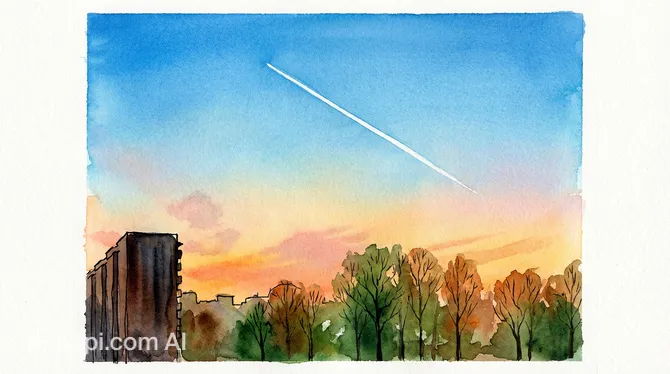
Yurga. Illustration.
Source: Kupi.com AI

Despite its predominantly industrial focus, Yurga offers several interesting sites for curious travelers. It is worth visiting the Yurga Local History Museum, where you can learn in detail about the history of the city's foundation and development, its culture, and famous residents. A favorite holiday spot for locals is Pushkin Park, which offers pleasant alleys for walking. The city also features significant memorial complexes, such as the Memorial to Yurga Soldiers who died during World War II, serving as a reminder of the city's contribution to history.

If your route takes you through the Kemerovo region, stop by Yurga to get to know this Siberian city and its hospitable residents, and to discover another interesting page in the diversity of Russian cities. This trip will allow you to better understand the industrial heart of Kuzbass.

You can find more interesting facts on the history of Yurga page.

Weather Overview

The climate in Yurga is continental, which means a clear division into seasons with a cold, long winter and a short but warm summer. Winters here are frosty, with the coldest month being January, with an average temperature of about -16.2°C. Summer, on the contrary, delights with warmth: in July, the hottest month, the average temperature is +18.9°C, and daily highs can reach +23.7°C. Spring and autumn are transitional periods with a fairly rapid change in weather conditions.

As for precipitation, the amount is small, especially in the winter months (about 1 mm on average). In summer and autumn, there is slightly more precipitation (about 2 mm per month). In general, Yurga is characterized by warm summers with occasional rain and cold, fairly dry winters, although the number of days with precipitation can be significant at any time of the year. For a more detailed look at the weather conditions by month, including the number of rainy days and daily temperature fluctuations, we recommend visiting the Climate of Yurga page.

Average monthly temperature

Average monthly precipitation

Interesting Facts

In addition to its well-known industrial enterprises and role as an important transport hub, Yurga hides several curious details in its history and geography. Here are some that might surprise you:

  • The city took its name from the small Yurga River, which flows into the Tom. Many are surprised that the name of such a significant industrial center comes from such a modest body of water.

  • The rapid growth of Yurga and its transformation into an industrial hub are largely linked to the events of World War II. It was here that the Novokramatorsk Machine-Building Plant was evacuated from Ukraine, becoming the foundation for the famous Yurga Machine-Building Plant.

  • Although the settlement on the site of Yurga originated in the late 19th century as a railway station, Yurga only officially received city status relatively recently—in 1949. This highlights the speed of its development in the mid-20th century.

  • An interesting feature of the city's structure is its historical division into two main parts: Yurga-1 (the station settlement) and Yurga-2 (the machine-builders' settlement). Each initially had its own development path before eventually merging into a single city.

How to Get There

You can reach Yurga in several ways, including air and rail transport. Although Yurga itself does not have its own airport, the nearest air harbors are located in neighboring large cities, from where you can continue your journey by land transport.

The main option for air travelers is Tolmachevo Airport (OVB), located in Novosibirsk. This is a major transport hub situated approximately 164 km from Yurga. A trip by taxi or bus from the airport to Yurga will take roughly 4–4.5 hours. Closer to Yurga is Bogashevo Airport (TOF) in Tomsk, about 77 km away. This is a small regional airport from which you can drive to Yurga in about 2 hours. Another option is Kemerovo Airport (KEJ) in the city of Kemerovo, at a distance of about 90 km. From there, the road to Yurga will take about 2.5 hours.

For convenience, here is a summary of the main airports you can use to reach Yurga:

AirportPassenger trafficDistance
Bogashevo650 00077 km
Kemerovo Airport512 91690 km
Tolmachevo9.3 mln164 km
Novokuznetsk Airport581 422247 km
Barnaul Airport781 020276 km

Railway communication plays a vital role in Yurga's accessibility, as the city sits on the Trans-Siberian Railway. The Yurga-1 station is located directly in the city, just 5 km from the center. This is a convenient option for arriving by train straight into the city. Another significant junction station is Tayga, located in the town of the same name about 59 km from Yurga. From there, you can reach Yurga by commuter train, bus, or taxi, which will take about 1.5–2 hours.

For your convenience, here is information on the railway stations:

StationPassenger trafficDistance
Yurga-1 Station1.2 mln5 km
Yurga-2 Railway Station150 00011 km
Bolotnaya Station34 km
Tayga Station1.5 mln59 km
Toguchin Station63 km
Topki Station250 00065 km
Anzherskaya Station450 00078 km

Additionally, Yurga can be reached by intercity buses from neighboring cities and regions, as well as by private car via federal and regional highways.

Main Attractions

Yurga, known as an industrial center, will pleasantly surprise travelers with its range of interesting sites where you can touch upon the city's history and culture or simply relax in nature. Each attraction reveals the multifaceted character of this Siberian city in its own way.

A key place to get acquainted with the city's past and present is the Yurga Local History Museum. Its exhibitions fascinatingly tell the story of Yurga's formation, industrial development, the daily lives of its citizens, prominent personalities, and the unique nature of the region. Visiting the museum is a wonderful opportunity to form a complete picture of the city and its role in regional history.

If you are looking for a place for a quiet break in the fresh air, head to the A.S. Pushkin Park of Culture and Leisure. This space, popular among locals, is ideal for leisurely walks, family time, and cultural leisure. The well-kept alleys, silence, and greenery of the park provide a welcome respite from the city bustle, while in the warmer months, various events take place and amusement rides are in operation.

A special place in the hearts of Yurga and its residents is held by the Memorial to Yurga Soldiers who died during World War II. This majestic monument serves as a reminder of the feat of those who defended the Motherland and is a symbol of deep respect for their memory. Visiting the memorial is an opportunity to touch the heroic pages of history, pay tribute to the fallen, and reflect on the significance of their contribution to the fate of the city and the country.

Local Cuisine

The gastronomic scene of Yurga offers travelers an introduction to hearty and home-style Siberian cuisine, based on Russian culinary traditions. Natural products and time-tested recipes that can warm you in any weather and provide an energy boost are highly valued here.

Be sure to try the famous Siberian pelmeni—they are prepared here with various meat fillings and served with sour cream, broth, or vinegar. No less popular are hearty soups such as borscht or shchi, which are an integral part of a Russian lunch. It is also worth paying attention to the variety of pies (pirog) and small pastries (pirozhki) with savory fillings: meat, cabbage, potato, or sweet berry fillings. Meat and poultry dishes prepared according to traditional recipes also hold an important place on the local menu.

Among drinks, traditional Russian kvass is popular in Yurga, especially during the warmer months, as well as berry mors and compotes. Of course, no meal is complete without fragrant tea, which is often brewed with local herbs or berries. Among alcoholic beverages, vodka is common, and various infusions (nastoika) can also be found.

The food culture in Yurga is largely oriented towards home cooking; however, there are enough cafes and restaurants in the city where you can taste both traditional Russian and Siberian dishes, as well as more familiar European cuisine. The atmosphere in establishments is most often cozy and hospitable, inviting a leisurely meal. Tourists will be able to find places for every taste and budget, from small cafes with set lunches to restaurants with a more varied menu for an evening dinner.

The gastronomic features of Yurga lie in the simplicity, heartiness, and naturalness of the dishes. This is a cuisine that warms you up and gives a feeling of home comfort, which is especially valuable in the Siberian climate. By trying local pelmeni or aromatic pies, you can better understand the character of this hospitable city.

Travel Tips

Planning a trip to Yurga? Great! To ensure your journey through this Siberian city is as comfortable as possible and leaves only pleasant impressions, we have prepared some practical tips for you.

  1. Clothing and Essentials: The climate in Yurga is continental, with cold winters and warm summers. In winter (from November to March), be sure to bring very warm clothes: a down jacket, hat, mittens, scarf, and thermal underwear. In summer (June-August), light clothing is suitable, but don't forget a jacket or sweater for cool evenings. Comfortable shoes for walking are important at any time of year. Don't forget a standard adapter for electrical appliances (European Type F, with two round pins).

  2. City Transport: The main types of public transport in Yurga are buses and shuttle taxis (marshrutkas). They cover most areas of the city. You can also use taxi services, which can be called by phone or through popular Russian apps. Renting a car might not be practical for moving only within the city, but it could be useful if you plan to explore the surrounding Kemerovo region.

  3. Finances: The official currency in Russia is the Russian Ruble (RUB). You can exchange currency at bank branches. Bank cards of the Russian "Mir" payment system are accepted almost everywhere. Cards from international payment systems (Visa, Mastercard) issued outside of Russia may not work due to restrictions, so it is strongly recommended to have a sufficient supply of cash. There are ATMs in the city. Tipping in cafes and restaurants is welcomed (usually 5-10% of the bill) but remains at your discretion.

  4. Health and Safety: There are pharmacies in Yurga where you can purchase necessary medications; some of them may operate 24/7 (best to check locally). It is recommended to take out travel medical insurance before your trip. Yurga is generally considered a quiet city; however, standard precautions are always wise: watch your belongings in public places and avoid walking in poorly lit areas after dark.

  5. Communication: The official language is Russian. The level of English proficiency among the local population may be low, especially outside the tourism infrastructure. It will be helpful to learn a few basic phrases in Russian or have a phrasebook/translator with you. A Russian SIM card with internet access can be purchased at mobile phone shops upon presentation of a passport. Wi-Fi is available in many cafes, restaurants, and hotels.

  6. Local Etiquette: Politeness and respect are expected when communicating with locals. A handshake is the standard greeting between men, and also between a man and a woman in a business setting. It is customary to remove your outdoor shoes when entering a private house or apartment. Loud talking and excessive expressiveness in public places are not encouraged.

  7. What to Avoid: Try not to engage in discussions on sensitive political topics. It is also not recommended to photograph strategic sites or people without their prior consent. Excessive alcohol consumption in public places can lead to trouble.

  8. Additional Tip: Yurga stands on the Tom River. If you visit the city in the warmer months, a walk along the riverbank can be a pleasant addition to your visit. Also, keep an eye out for local markets where you can find fresh products and perhaps some local specialties.

We hope these tips help you better prepare for your trip and make your stay in Yurga as pleasant and rewarding as possible. We wish you a fascinating journey and wonderful discoveries in this corner of Siberia!

Entertainment & Nightlife

Evening and nightlife in Yurga, a city with a population of just over 81,000 people, has a cozy and predominantly local character. Do not expect districts with bustling night clubs like those in major metropolises; however, finding a place for a pleasant evening out is quite possible. The main entertainment is centered around cafes, bars, and restaurants that offer a quiet atmosphere for socializing after a busy day.

In Yurga, evening leisure is mainly represented by cozy bars and cafes where you can spend time with friends. The atmosphere here is generally conducive to conversation, and the crowd is mostly local. The choice of specialized nightclubs with loud music and dancing until dawn will be limited in a city of this size, and the main focus of evening life is shifted toward bars and restaurants catering mainly to young people. You should look for establishments in the central part of the city or on its main streets—keep an eye out for signs. For example, you might drop into a cafe-bar like "Ogonek", where locals often gather, or look for entertainment complexes like "Metelitsa", which may offer billiards and a dance floor. Singing enthusiasts can find a karaoke club, for instance, under the "Solo" sign or similar. Some places may offer background music or themed evenings on weekends. The dress code in most establishments is casual, but for a visit to some restaurants in the evening, it is better to choose a neater outfit. Peak activity occurs on Friday and Saturday evenings.

For getting around Yurga during the evening and night, a taxi is the most convenient and safe option. It is recommended to use official taxi services or trusted apps if they are popular in the city. Overall, Yurga is considered a fairly quiet city; however, standard precautions, such as avoiding poorly lit and deserted places after dark and staying mindful of your belongings, are always relevant. Average prices in establishments are usually moderate but can vary depending on the level and popularity of the place.

During the day, the cultural program in Yurga can include learning about the region's history at the Yurga Local History Museum or enjoying quiet walks and relaxation in Pushkin Park. It is also worth checking the listings for local cinemas or other leisure centers that may offer entertainment for the whole family during daylight hours.

Parks & Museums

Yurga, beyond its industrial fame, offers guests and residents pleasant opportunities for outdoor relaxation and immersion in local culture. Here you will find both well-kept green areas and places that preserve the history of this Siberian city.

For fans of outdoor walks, the main point of attraction is undoubtedly the A.S. Pushkin Park of Culture and Leisure. This is the central city park, where you can enjoy shaded alleys, relax on benches, or spend time with your family. In the warmer months, amusement rides often operate and various events are held, making it a popular leisure spot for all ages. Another wonderful area for relaxation and connection with nature is the Tom River embankment. Walks along the river offer picturesque views and allow you to escape the city bustle. There are also small squares in the city where you can take a break and observe the steady pace of life in Yurga.

To get a closer look at the history and culture of Yurga, it is worth visiting the Yurga Local History Museum. Its exhibitions tell in detail about the city's formation, industrial development, the unique nature of the region, and famous fellow countrymen. This is a key place for those who want to understand the soul of the city. Although Yurga does not boast a large number of major museums, cultural life can be supplemented by temporary exhibitions in city cultural centers or libraries, where the work of local artists and craftsmen is sometimes presented.

Among the significant historical sites, the Memorial to Yurga Soldiers who died during World War II stands out. This monument is an important symbol of memory and pride for the citizens. Architecture lovers might be interested in walking through the old districts of the city, for example, in the area of the original development near the Yurga-1 station, where you can try to find preserved elements of historical buildings reflecting the early stages of the settlement's development.

For more authentic impressions, we advise not limiting yourself only to the central streets. Peek into quiet courtyards or visit the local market—this will allow you to better feel the city's atmosphere. Sometimes fairs or festivals are held in Yurga, where you can see the products of local artisans and try regional products—keep an eye on the event calendars if your visit coincides with such events.

Getting Around

When planning your travel around Yurga, it is worth considering that the public transport system here is quite compact and corresponds to the size of the city. The basis of the transport network consists of buses and shuttle taxis (often called "marshrutkas"). These types of transport connect various districts of the city and are the main way of moving around for most residents and guests.

Buses run on established routes, covering key streets and micro-districts of Yurga. Schedules and route maps can usually be found at bus stops. Shuttle taxis offer a more flexible but also fixed route, often duplicating or supplementing bus lines. They can be slightly faster and stop both at official stops and "on request" in permitted areas. Payment for travel in buses and marshrutkas is most often made in cash directly to the driver or conductor upon boarding or exiting. The fare is generally low. Specialized transport cards or complex pass systems are rarely found in cities of this scale, so it is better to have small change for payment.

Practical tips for tourists:

  • Always check the route number and direction of travel before boarding.
  • Intervals may vary depending on the time of day and day of the week (weekdays/weekends); transport runs less frequently in the evening.
  • Main routes start early in the morning and stop in the evening, usually by 21:00-22:00.

As an alternative to public transport, taxis are always available in Yurga. You can call one by phone through local taxi services or via mobile apps popular in Russia. This is a more comfortable, though more expensive, way of moving around, especially convenient for trips at night or with luggage. Options such as car-sharing or developed city bike rental systems are not yet typical for Yurga, as is the case for most small cities. Walking in the central part of the city can also be a pleasant option, given its relative compactness.

There are no unique or historical types of transport, such as a metro or old trams, in Yurga. The city's transport system is focused on practicality and functionality, providing for the basic movement needs of its residents.

Accommodation

When planning a trip to Yurga, you can find various accommodation options to suit your preferences and budget. The city offers a choice ranging from small hotels and guest houses to apartment rentals, allowing you to find comfortable housing for both a short stopover and a longer stay.

In Yurga, accommodation options are primarily represented by local hotels and inns offering a standard set of services. The range of housing covers both budget options and mid-range hotels. You should not expect luxury resorts here, but finding a cozy and clean place to sleep is quite realistic. Short-term apartment rentals are also an option, which can be convenient for families or small groups.

When choosing a place to stay, look at the central districts of the city, from which it will be convenient to reach the main infrastructure facilities and the few attractions. Accommodation near the Yurga-1 railway station can also be convenient, especially if you are traveling by train. Various hotels are presented in the city; since detailed information about specific popular hotels is currently unavailable, it is recommended to use well-known online platforms to search for and select a suitable option.

Regarding the price range, you can find both budget options and mid-range housing in Yurga. To search for and book accommodation, it is convenient to use popular online platforms and hotel booking services. Direct booking is also possible by contacting the hotels directly if their contact information is found through general directories or search engines.

Booking Tip: It is recommended to book accommodation in advance, especially if your trip coincides with periods of high demand, such as during major city events or the peak tourist season, if one is established here. This will help you choose the most suitable option in terms of location and price, and avoid a lack of available rooms.

Nearby Cities

For those who want to explore the surroundings, Yurga serves as an excellent starting point for day trips to several interesting nearby locations:

CityPopulationDistance
Bolotnoye15 62934 km
Tayga23 56559 km
Toguchin21 06462 km
Topki27 86066 km
Anzhero-Sudzhensk76 21779 km

These nearby destinations provide insight into the diverse culture and landscapes of the region. Each of these cities has its own unique atmosphere and attractions, whether they are major scientific and cultural centers like Novosibirsk, ancient university towns like Tomsk, or the region's industrial capitals like Kemerovo. Even smaller towns, such as Seversk or Berdsk, can offer interesting discoveries for the inquisitive traveler.

Shopping & Souvenirs

Shopping in Yurga, of course, does not compare with the opportunities of major metropolises, but even here you can find everything you need and even look for interesting souvenirs to remember your trip. The city is primarily focused on the daily needs of its residents, so shops with essential goods, food, clothing, and household appliances predominate. There are few specialized boutiques of famous brands or huge shopping malls, but this is compensated for by local flavor and the opportunity to find something authentic.

The main retail outlets and shops in Yurga are traditionally located on the central streets of the city. Walking along them, you will find various shops for clothing, footwear, electronics, books, and home goods. This is where the main commercial activity is concentrated.

There are several shopping centers and department stores of a local scale in Yurga. These are not giant complexes, but they offer a fairly wide range of goods: from clothing and cosmetics to household appliances and food. Such retail outlets are convenient as they allow you to make several purchases in one place.

If you prefer more authentic shopping and want to feel the local atmosphere, it is worth visiting the city market (if it is open and functioning). At the markets, you can usually find fresh farm products—vegetables, fruits, meat, dairy products, and honey. They also often sell inexpensive clothing, footwear, household goods, and sometimes items from local craftsmen. This is a great place to observe the daily life of the locals.

As souvenirs from Yurga, you can bring back traditional Russian gifts: matryoshka dolls, painted spoons, products made of birch bark or ceramics. Pay attention to products with Siberian themes—these could be items made of cedar or souvenirs depicting local nature. Edible souvenirs are also popular: local honey, pine nuts, and jam made from Siberian berries (cranberries, lingonberries, blueberries). Sometimes you can find items with the symbols of the Kemerovo region or Yurga itself.

Most shops in Yurga are open from approximately 10:00 to 19:00 or 20:00. Grocery supermarkets may work longer, for example, until 22:00 or 23:00. Markets usually start early in the morning and close in the afternoon. The main method of payment is cash in Russian rubles. Bank cards of the Russian "Mir" payment system are accepted in most shops and shopping centers. Regarding international cards (Visa, Mastercard) issued outside of Russia, their functionality may be limited, so it is strongly recommended to have a sufficient supply of cash with you.

The possibility of a tax refund under the Tax Free system for foreign tourists in Yurga is likely limited or non-existent. This service is usually provided at major international airports and specialized shops in large tourist centers in Russia.

Reached the end of the page?

That means the route is fully explored