Support

Barnaul

About

Welcome to Barnaul, a vibrant city that serves as the administrative center of the Altai Krai. Located in the southwestern part of Siberia within the Russian Federation, this city acts as a vital transport gateway for travelers heading to the majestic Altai Mountains. With a population of over 630,000 people, it combines the energy of a modern urban center with the charm of a historic settlement situated on the high banks of the mighty Ob River.

The city experiences a continental climate, characterized by warm summers and cold, snowy winters, offering distinct atmospheres depending on the season. Delving into the history of Barnaul reveals its fascinating origins in the 1730s as a major silver smelting center for the Russian Empire. This industrial heritage has shaped the city's identity, evolving over centuries into a significant cultural and educational hub for the region.
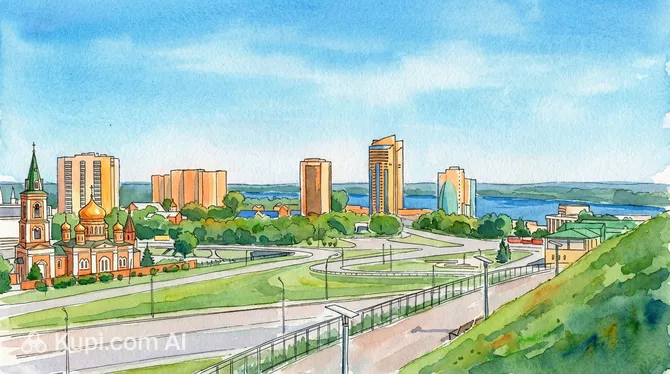
Barnaul. Source: Kupi.Binoculars

Visitors are often drawn to Nagorny Park, a hillside park that offers panoramic views of the city skyline and the sweeping river below—a perfect spot for sunset photography. The city center retains beautiful examples of 18th and 19th-century wooden architecture, including intricate merchant houses that stand in contrast to modern developments. For those interested in local culture, the Altai State Museum of Local Lore provides deep insights into the natural and human history of this unique part of Siberia.

Whether you are using the city as a starting point for an Altai adventure or planning a dedicated city break, Barnaul offers a warm and authentic Siberian welcome. Its blend of historical intrigue, riverside beauty, and friendly atmosphere makes it a destination truly worth exploring.
Weather Overview

The climate in this Siberian city is continental, characterized by significant contrasts between the seasons. Summers are typically warm and pleasant, with July being the warmest month, boasting average temperatures of around 20.2°C and highs reaching up to 25.4°C. This is generally the best time for outdoor exploration, although travelers should be prepared for about 10 to 11 wet days per month during the summer season.

In contrast, winters are rigorous and cold. January is usually the coldest month, with average temperatures dropping to -15.4°C and minimums often plunging to -19.5°C. Despite the freezing conditions, precipitation volume is quite low during the winter months. To help plan your wardrobe and activities, it is advisable to consult the detailed guide on the weather in Barnaul before your trip.

Spring and autumn serve as brief transitional periods, with May and September offering milder conditions before the temperature shifts. Overall, you can expect warm summers with occasional rain and cold, dry winters.

Interesting Facts

To help you get to know the city better, here are a few interesting facts and highlights:

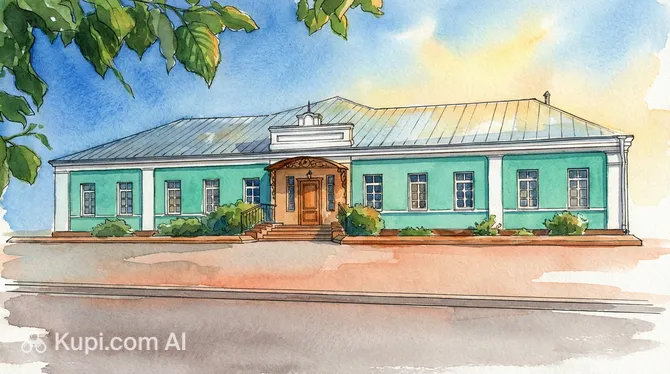
  • Historic Architecture: One of the most significant buildings is the Mountain Pharmacy Tourist Center. Constructed in the 18th century, it was the first brick building in the city and now operates as a fascinating museum dedicated to the history of pharmacy in the Altai region.
  • A Symbolic Center: In the heart of the city stands the Zero Kilometer of the Altai Krai Motorways. This granite column, topped with a decorative vase, marks the starting point for measuring all road distances in the region and is a popular spot for photos.
  • Family Fun: For those traveling with children, Arlekino park offers a lively atmosphere with amusement rides and entertainment, serving as a favorite leisure destination for locals.
  • The Silver Age: The city's foundation is deeply rooted in the mining industry. In the 18th and 19th centuries, the local silver smelting plant was responsible for producing a vast majority of the silver used by the Russian Empire.
  • City Sign: A large "BARNAUL" sign is perched on the hills of Nagorny Park. Visible from the bridge entering the city, these letters have become an iconic part of the modern skyline.
Mountain Pharmacy Tourist Center. Source: Kupi.Binoculars

How to Get There

Reaching this Siberian destination is possible through various modes of transport, with air and rail being the most popular choices for travelers. Whether you are arriving from within Russia or from abroad, you can find all ways to reach the city and choose the one that best fits your itinerary and budget.

For those preferring air travel, the most direct option is Barnaul Airport (IATA: BAX). Located just 16 km from the city center, it serves as the primary gateway for the region. The journey from the airport to downtown typically takes around 45 minutes by taxi or bus. While it is a regional hub with moderate passenger traffic, it offers essential connections to major Russian cities.

Alternatively, many travelers choose to fly into Tolmachevo (IATA: OVB), situated in the city of Novosibirsk. This is a major international airport with significantly larger passenger traffic, offering a wider range of flight connections. Although it is located approximately 199 km from Barnaul, the transfer is quite common. A trip by taxi or intercity bus from Novosibirsk to Barnaul generally takes about 5 to 6 hours.

For clarity, here is a summary of the main airports serving the area:

Airport Name City Passenger Traffic Km from City
TolmachevoNovosibirskLarge International Hub199.3
Barnaul AirportBarnaulRegional16.0
Novokuznetsk AirportNovokuznetskRegional210.9
Gorno-Altaysk AirportGorno-AltayskRegional207.1
Kemerovo AirportKemerovoRegional261.8

Traveling by train is another scenic and reliable way to arrive. The city is served by the Barnaul Railway Station, which is conveniently located just 1.8 km from the city center, making it incredibly easy to reach your accommodation upon arrival. It connects the city with the Trans-Siberian Railway network and other major regional lines.

Another significant railway hub nearby is Altaiskaya Station, located in the neighboring city of Novoaltaysk, about 11.7 km away. With high passenger traffic, it serves as an important junction. From there, a short taxi or bus ride of approximately 30 to 40 minutes will bring you into Barnaul.

Below is a list of the nearest railway stations:

Station City Passenger Traffic Km to Center
Altaiskaya StationNovoaltayskHigh11.7
Topchikha Railway StationTopchikhaModerate74.3
Kalmanka Railway StationTopchikhaLow40.1
Barnaul Railway StationBarnaul-1.8
Ust-Talmenka StationCherepanovo-54.5

Main Attractions

Barnaul offers a variety of architectural, historical, and recreational sites that reflect its rich heritage and Siberian character. From Orthodox churches to expansive public squares, the city's landmarks provide a window into its past and present culture.

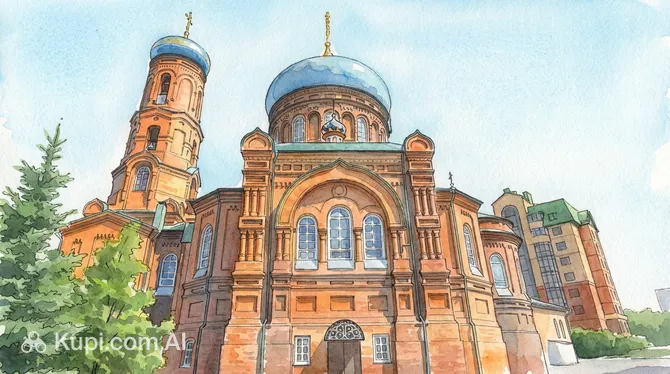
One of the most striking religious sites is the Cathedral of the Intercession. Built in the early 20th century, this red-brick church is a classic example of the Russian-Byzantine architectural style. It is significant not only for its beauty but also for its resilience, having remained open for worship during much of the Soviet era when many other religious buildings were closed. Tourists are drawn to its vibrant frescoes and the peaceful atmosphere within its walls.

Cathedral of the Intercession. Source: Kupi.Binoculars

For a relaxing afternoon, the Central District Park is a favorite destination for both locals and visitors. Situated in the historic part of the city, it offers lush greenery, walking paths, and a calm escape from the urban bustle. Originally established as a pharmacy garden in the 18th century, it is one of the oldest parks in the region, making it a perfect spot to enjoy nature while being close to the city center.

Another important landmark is Victory Square, a vast and solemn space dedicated to the memory of those who fought in the Great Patriotic War. The square features a monumental memorial complex that serves as a focal point for city celebrations and patriotic events. Its grand scale and the eternal flame make it a moving place to visit and pay respects to local history.

Visitors interested in religious history should also explore the Znamensky Convent. This functioning monastery is known for its pristine white walls and golden domes which stand out beautifully against the cityscape. It offers a serene environment and a glimpse into the monastic traditions of the Altai region, attracting pilgrims and architecture enthusiasts alike.

Local Cuisine

The culinary scene in Barnaul is a delightful reflection of its location in the heart of Siberia and its proximity to the bountiful Altai Mountains. The local cuisine is characterized by hearty, warming dishes designed to sustain people through cold winters, utilizing natural, organic ingredients sourced from the surrounding forests and farms. Visitors can expect a strong emphasis on meat, dairy, and the unique flavors of wild plants.

One of the must-try dishes is authentic Siberian pelmeni. These dumplings are typically filled with a mixture of minced meats, such as beef, pork, and sometimes game like elk or venison, offering a richer taste than standard varieties. Another local specialty involves the use of Altai honey and pine nuts. These ingredients are not only popular souvenirs but are also frequently used in desserts, sauces, and salads, adding a distinct regional flavor to the menu.

When it comes to beverages, the region is famous for its non-alcoholic herbal teas. The Altai Mountains are home to a vast array of medicinal herbs, and local cafes serve fragrant blends that include oregano, currant leaves, and thyme. For something refreshing, try a drink made from sea buckthorn, a bright orange berry that grows abundantly in the area. On the alcoholic side, visitors can sample local medovukha (a honey-based fermented drink) or craft beers produced by regional breweries.

The dining culture in the city ranges from casual street food to atmospheric restaurants that blend history with gastronomy. A unique culinary destination is the restaurant located within the Mountain Pharmacy Tourist Center. Here, guests can taste dishes prepared according to 19th-century recipes, offering a literal taste of the city's merchant past in a historic setting.

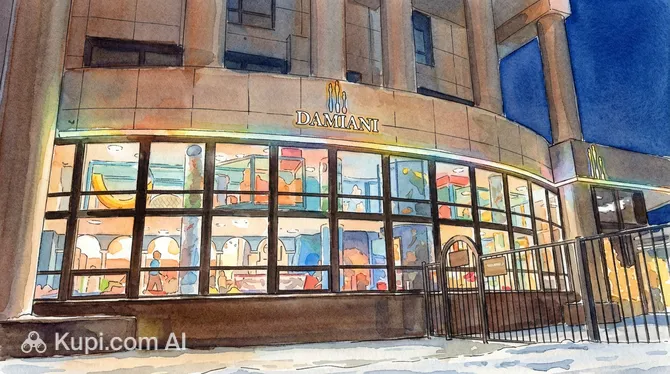
For those seeking a more contemporary dining experience, Damiani Restaurant offers a mix of European and local cuisines in a stylish environment. It is a popular spot for both romantic dinners and family gatherings.

Damiani Restaurant. Source: Kupi.Binoculars

If you are looking for a casual place to relax after a walk, Central Café is well-regarded by locals for its cozy atmosphere and reliable menu. For evening entertainment and drinks, the Loft Bar provides a vibrant setting to enjoy cocktails and socialize with the city's residents.

Travel Tips

Planning a trip to the heart of the Altai region requires a bit of foresight to make the most of your stay. Here are some essential tips to help you navigate Barnaul comfortably and enjoy its authentic Siberian hospitality.

  1. Clothing and Gear: The Siberian climate is famous for its contrasts. If visiting in winter, thermal underwear, a heavy down jacket, and non-slip insulated boots are mandatory to withstand temperatures that often drop below freezing. In summer, the weather is warm and sunny, so light clothing is suitable, but always pack a light jacket or sweater for cool evenings near the river.
  2. Transportation: The city has an extensive network of buses, trams, and trolleybuses that cover most districts efficiently. For greater comfort, ride-hailing apps like Yandex Go are widely used, affordable, and reliable. Car rental is generally not necessary for exploring the city itself but is a good option if you plan to venture further into the Altai Mountains.
  3. Finances: The local currency is the Russian Ruble (RUB). It is highly recommended to carry cash, as international bank cards issued abroad may not work at local terminals or ATMs. Currency exchange services are readily available at major bank branches. Always keep some small change handy for public transport and small kiosks.
  4. Health and Safety: Barnaul is generally a safe city for tourists, but standard precautions should be taken, such as avoiding unlit areas on the outskirts at night. Pharmacies (marked as "Apteka") are common, and many operate 24 hours a day. It is advisable to drink bottled water rather than tap water to avoid any stomach issues.
  5. Communication: Russian is the primary language, and English is not widely spoken outside of major hotels and tourist centers. It is very useful to learn the Cyrillic alphabet and a few basic phrases like "Spasibo" (Thank you). Downloading an offline translation app and an offline map is essential for smooth communication and navigation.
  6. Local Etiquette: Siberians are known for their hospitality but can appear reserved initially. A handshake is the standard greeting for men. If you are invited to a local's home, it is a strict rule to remove your shoes at the door, and bringing a small gift (like cake or flowers) is considered polite.
  7. What to Avoid: Avoid drinking alcohol in public places such as parks or streets, as it is prohibited by law and can attract police attention. Also, avoid raising your voice or being overly loud in public transport or museums, as this is considered rude behavior.
  8. Local Life Hack: Download the 2GIS app before you arrive. It is the most popular navigation tool in this region, offering detailed offline maps, public transport routes, and even showing the specific entrance locations for businesses and buildings.

With these practical insights in hand, you are well-prepared to explore the streets of Barnaul with confidence. Enjoy the unique atmosphere of this Siberian city and the warm welcome of its residents!

Entertainment & Nightlife

While Barnaul may not be known as a sleepless metropolis, its nightlife scene is surprisingly vibrant and offers a variety of ways to unwind after sunset. The city's entertainment hub is primarily concentrated in the downtown area, particularly along Lenin Avenue and Sotsialistichesky Avenue. Here, you will find a mix of modern bars, cozy pubs, and energetic dance venues that cater to both the local student population and visiting travelers.

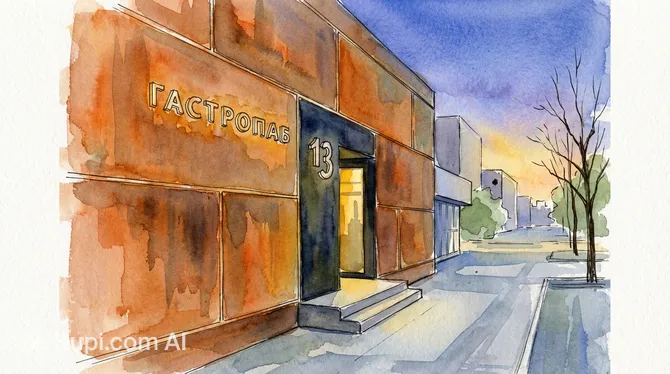
For those who appreciate a relaxed atmosphere with quality food and drinks, Gastropub 13 is a popular choice. It combines the style of a classic pub with a modern gastronomic approach, making it an excellent spot for an evening meal that transitions into night-time socializing. The venue often attracts a stylish crowd looking for craft beverages and hearty snacks in a comfortable setting.

Gastropub 13. Source: Kupi.Binoculars

If you prefer a more energetic night out, the city has several options where music and dancing take center stage. Karaoke Club JAM is a favorite among locals who enjoy singing their hearts out. It offers a lively environment with professional sound equipment, making it a fun destination for groups of friends. Alternatively, for a more casual vibe focused on food and socializing, the Craft Burger Bar serves as a great meeting point to start your night with artisanal burgers and drinks before heading to other venues.

When planning a night out, keep in mind that many clubs and high-end bars operate a "face control" policy and have a dress code, usually leaning towards smart casual. Fridays and Saturdays are naturally the busiest times. Prices in Barnaul are generally moderate compared to larger Russian cities. For getting around safely at night, it is highly recommended to use official taxi apps like Yandex Go rather than hailing cars on the street. The city center is well-lit and generally safe for walking, but a taxi is the most convenient option for returning to your hotel.

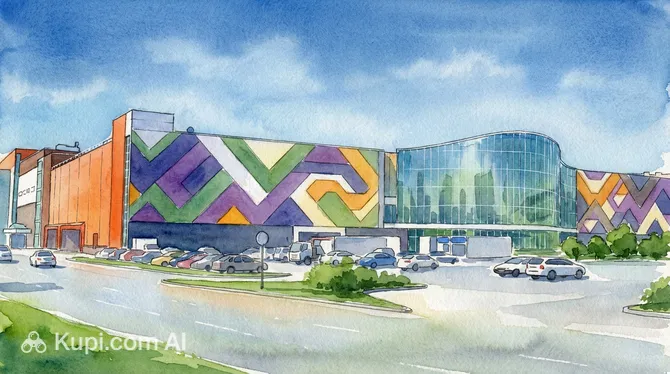
Daytime entertainment in Barnaul is equally diverse, offering plenty of options for leisure and family fun. The city boasts several modern shopping complexes, such as the impressive Galaxy Business Center. This massive mall is not just for shopping; it houses a cinema, food courts, and an indoor ice rink, serving as a major entertainment hub for residents.

Galaxy Business Center. Source: Kupi.Binoculars

For families or thrill-seekers, the Akvapark (Water Park) Barnaul provides a fantastic escape, especially during the cold Siberian winters. It features various slides and pools, offering a tropical atmosphere regardless of the weather outside. Culturally, the city also offers the Altai Regional Drama Theatre and several museums for those interested in a more quiet and educational afternoon.

Parks & Museums

Beyond the well-trodden paths of the river embankment and the main avenues, Barnaul hides several cultural gems and green retreats that offer a deeper understanding of the region's character. Travelers looking to expand their itinerary will find that the city's artistic and recreational spaces provide a fresh perspective on Siberian life, away from the bustling tourist centers.

Art enthusiasts should prioritize a visit to the State Art Museum of Altai Krai. This institution is a treasure trove of Russian culture, housing a significant collection that spans from religious icons of the 16th century to contemporary works. It is particularly renowned for its exhibits dedicated to the first artists of Altai, offering a unique visual narrative of how the region's majestic landscapes have inspired generations of painters. The museum frequently hosts temporary exhibitions, making it a dynamic part of the city's cultural scene.

For a relaxing break in a purely recreational setting, Emerald Park (Izumrudny Park) is a favorite among locals. Unlike the historic gardens of the city center, this park is designed for active leisure and family time. Recent renovations have revitalized its walking paths and green zones, creating a modern urban space where visitors can enjoy a quiet stroll, cycle, or simply sit by the pond. It serves as a vibrant green lung for the city, distinct from the riverside promenades.

History buffs interested in the 20th century will find the Museum of Military History to be a compelling stop. The Altai region played a crucial role during the Great Patriotic War, and this museum preserves that legacy through an extensive collection of uniforms, weapons, and personal letters from the front. It offers a somber yet educational look at the sacrifices made by the local population and the region's industrial contribution to the victory.

Nature lovers seeking a truly serene experience should seek out the Barnaul Arboretum (Dendrarium). Located slightly away from the noisy downtown, this research institute's garden is a living library of flora. It features a diverse collection of trees and shrubs from various climatic zones, including rare species that have been successfully acclimatized to the Siberian weather. A walk through its organized alleys offers a peaceful, fragrant escape and a chance to see the botanical diversity of the Northern Hemisphere in one place.

Getting Around

Navigating Barnaul is straightforward and affordable, thanks to a well-developed public transport network that covers all districts of the city. While there is no metro system here, the city relies on an extensive web of trams, trolleybuses, and buses that connect the center with residential areas and suburbs. Trams are particularly popular and reliable, often operating on dedicated tracks that allow them to bypass traffic jams during peak hours. Complementing these are "marshrutkas" (minibuses), which offer faster connections to specific neighborhoods that might be less accessible by larger vehicles.

The payment system is modern and tourist-friendly. You do not need to purchase special tokens or paper tickets in advance at kiosks. In most trams, trolleybuses, and large buses, there is a conductor on board who collects the fare. You can pay with cash or, more conveniently, with a contactless bank card or smartphone. If a vehicle does not have a conductor—common in minibuses—you simply pay the driver upon entering or exiting. The fare is quite low, generally costing around 35 rubles per trip, with no significant difference in price between the various modes of transport.

For visitors, the most practical advice is to carry a small amount of cash, just in case a card terminal is malfunctioning, although this is becoming increasingly rare. Public transport typically operates from early morning, around 6:00 AM, until approximately 10:00 PM or 11:00 PM. It is important to note that service frequency drops significantly late in the evening. To plan your route efficiently, using a navigation app like 2GIS is highly recommended; it provides real-time updates on bus locations and detailed route options.

If you prefer more comfort or need to travel late at night, taxis are a widely used alternative. Ride-hailing apps like Yandex Go are the standard here, offering fixed prices and the ability to pay by card through the app, which eliminates language barrier issues. During the warmer months, electric scooter rentals have also become a popular way to get around the city center and parks. You will find scooters from major services parked along sidewalks, available for rent via their respective mobile apps.

A unique feature of the local transport system is the tram network itself, which is one of the oldest and most extensive in this part of Siberia. Riding a tram can be a sightseeing experience in its own right, offering a leisurely window tour of the city's diverse architecture, from Soviet-era blocks to historic wooden houses. It is a slow but atmospheric way to feel the rhythm of daily life in Barnaul.

Accommodation

Finding a place to stay in Barnaul is generally a straightforward process, with options catering to various budgets and preferences. While the city does not typically feature international luxury hotel chains, it offers a solid selection of comfortable mid-range hotels, modern boutique establishments, and budget-friendly hostels. For travelers seeking a more home-like environment, the market for short-term apartment rentals is very well-developed and often provides excellent value for families or groups.

For the most convenient experience, visitors are advised to look for accommodation in the city center, specifically along or near the main artery, Lenin Avenue. Staying in this area places you within walking distance of key attractions, major transport stops, and a variety of dining venues. The historic district near the Ob River embankment is also a popular choice, offering a scenic setting and proximity to the city's older architectural landmarks. Conversely, the area around the railway station is practical for those on a quick transit stop but lacks the charm of the central districts.

The price range for accommodation in the city is generally moderate compared to Russia's capital cities. You can find decent budget options and hostels for a low cost, while the higher-end local hotels offer 4-star standards with amenities like saunas and on-site restaurants at reasonable rates. Payment is typically in Russian Rubles, and while credit cards are widely accepted at hotels, some smaller apartment hosts may prefer cash or local bank transfers.

Booking Tip: Since Barnaul serves as a major transit hub for tourists heading to the Altai Mountains, hotels can fill up quickly during the peak summer season (June to August). It is highly recommended to book your room or apartment several weeks in advance if you plan to visit during these months to ensure the best choice of location and price. Online booking platforms are the most common way to secure a reservation, though contacting smaller hotels directly can sometimes yield better deals.

Nearby Cities

For those looking to explore the surroundings, Barnaul serves as an excellent base for day trips to several interesting nearby locations:

One of the most historically significant destinations nearby is Biysk. Located just a short drive away, this city was founded by Peter the Great in 1709 and is widely known as the "Gateway to the Altai Mountains." Visitors here can explore the unique museum dedicated to the Chuysky Trakt, the legendary road that connects Russia with Mongolia, and admire the well-preserved merchant architecture that lines its old streets.

For a complete change of pace, a trip to Novosibirsk offers the excitement of Russia's third-largest metropolis. Although it is a bit further, it is accessible for a long day trip or a weekend getaway. The city is famous for housing the largest opera and ballet theatre in Russia and one of the country's best zoos. It provides a bustling urban contrast to the more relaxed atmosphere of Barnaul, with extensive shopping, dining, and cultural opportunities.

City Population Distance (km)
Novosibirsk 1625631 191
Biysk 203108 131
Prokopyevsk 196406 198
Berdsk 103578 165
Leninsk-Kuznetsky 96139 215

These nearby destinations offer a glimpse into the diverse culture and landscapes of the region, ranging from historic Siberian towns to modern urban centers.

Shopping & Souvenirs

Shopping in Barnaul offers a pleasant mix of modern retail experiences and the chance to discover unique local products that reflect the richness of the Altai region. Whether you are looking for international fashion brands, electronics, or authentic Siberian souvenirs, the city provides a variety of options ranging from large contemporary malls to specialized boutiques.

For a comprehensive shopping spree, the city boasts several large commercial centers. One of the most popular destinations is Evropa. This sprawling shopping mall is a favorite among locals for its wide selection of clothing stores, footwear, and accessories for the whole family. It also features a large supermarket, making it a convenient stop for travelers who need to pick up supplies. Another major hub is the Galaxy Business Center, which combines retail therapy with entertainment, offering a vast array of shops under one roof.

However, the true highlight of shopping in Barnaul lies in its local specialties. The Altai Krai is famous across Russia for its natural resources, and visitors should not leave without exploring the region's "edible souvenirs." Altai honey is renowned for its quality and health benefits, often sold in beautiful jars that make for perfect gifts. Alongside honey, you will find a vast selection of herbal balms, teas, and natural cosmetics made from mountain herbs and berries like sea buckthorn.

For those interested in history and unique gifts, the shop at the Mountain Pharmacy Tourist Center is a must-visit. Here, you can purchase exclusive herbal preparations and artisan products in a setting that evokes the 18th century. Beyond food and wellness items, look out for handicrafts made from cedar wood, felt boots (valenki) for the winter, and intricate stone-cutting art, a craft for which the Altai region has been famous since the imperial era.

Most shopping centers in the city are open daily, typically from 10:00 AM to 10:00 PM. Payment by credit card is widely accepted in malls and supermarkets, but it is advisable to carry some cash if you plan to visit smaller kiosks or local markets where fresh produce and homemade honey are often sold.

Reached the end of the page?

That means the route is fully explored