Support

Gorno-Altaysk

About

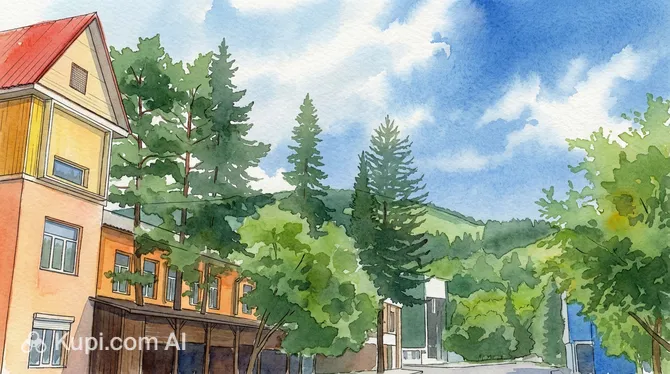
Gorno-Altaysk is a hidden gem tucked away in the foothills of the majestic Altai Mountains. As the capital and only city of the Altai Republic within the Russian Federation, it serves as the primary gateway for travelers seeking to explore the breathtaking natural beauty of this region. The city is renowned for its calm atmosphere, clean air, and the unique blend of modern life with deep-rooted indigenous traditions.

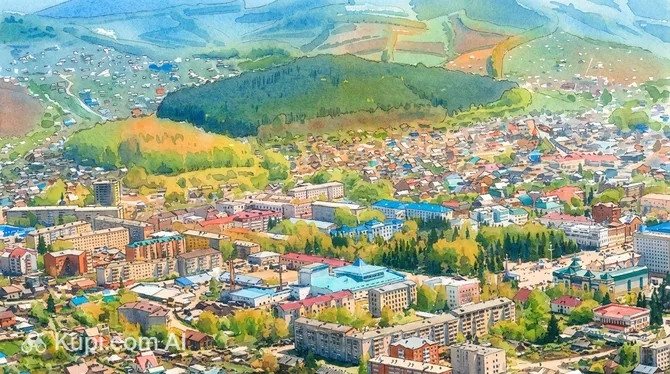
Geographically, the city is situated in a picturesque valley surrounded by low hills, protecting it from harsh winds and creating a relatively mild microclimate compared to the rest of Siberia. With a population of approximately 63,000 people, Gorno-Altaysk maintains a cozy, small-town feel where nature is never more than a few steps away. The landscape is dominated by greenery, making it a refreshing destination for eco-tourism enthusiasts.

Gorno-Altaysk. Source: Kupi.Binoculars

Cultural enthusiasts will find much to admire here. The fascinating history of Gorno-Altaysk and the wider region is best explored at the Anokhin National Museum. This world-class facility houses thousands of artifacts, including the mummified remains of the "Princess of Ukok," a significant archaeological find that offers insight into the ancient Pazyryk culture.

For outdoor lovers, the city itself offers immediate adventures. The Tugaya and Komsomolskaya mountains rise directly above the streets, offering hiking trails in the summer and skiing opportunities in the winter. From their peaks, visitors can enjoy stunning panoramic views of the city and the rolling valleys beyond. Whether you are passing through on your way to the high mountains or staying to explore local culture, Gorno-Altaysk welcomes you with open arms and unforgettable scenery.

Weather Overview

The climate in this region is continental, though the city's location in a valley helps shelter it from the harshest winds. Visitors can generally expect warm summers with occasional rain and cold, dry winters. The summer season, spanning from June to August, is quite comfortable for outdoor activities, with July being the warmest month. During this time, average temperatures reach around 18.8°C, with daytime highs often climbing to 24.3°C, making it ideal for exploring the surrounding nature.

Winters are distinct and cold, transforming the landscape into a snowy wonderland. January is typically the coldest month, with average temperatures dropping to -14.4°C and minimums reaching -19.8°C. While the air is crisp, precipitation volume remains relatively low during the colder months. For those looking to time their visit perfectly, checking the detailed weather in Gorno-Altaysk is highly recommended.

Spring and autumn serve as brisk transition periods. By May, the weather warms up significantly to an average of 11.6°C, while September offers cool, fresh air with averages around 10.6°C. It is worth noting that "wet days" are fairly common throughout the year, particularly in summer with up to 15 days of precipitation in July, so packing layers and waterproof gear is always a smart strategy.

Interesting Facts

Beyond the scenic landscapes and welcoming atmosphere, Gorno-Altaysk holds several fascinating details that often surprise visitors. From ancient discoveries right in the city center to its unique administrative status, there is much to learn about this Siberian capital.

  • Solitary Capital: Gorno-Altaysk holds the unique distinction of being the only settlement with official city status in the entire Altai Republic. Every other inhabited place in the region, regardless of size or importance, is administratively classified as a village.

  • Prehistoric Roots: The city literally sits on history; the Ulalinskaya Paleolithic site was discovered right within the city limits. This archaeological find suggests that early humans inhabited this sheltered valley hundreds of thousands of years ago, making it one of the oldest sites of human activity in Siberia.

  • The Siberian Ice Maiden: The A. V. Anokhin National Museum of the Altai Republic serves as the sanctuary for the famous "Princess of Ukok." This 2,500-year-old mummy is kept in a special climate-controlled sarcophagus and is displayed to the public only during specific phases of the moon to respect local beliefs.

  • Evolution of Names: The city has not always been known by its current title. It began as the village of Ulala, was renamed Oirot-Tura in 1932, and finally became Gorno-Altaysk in 1948, reflecting the shifting historical eras of the region.

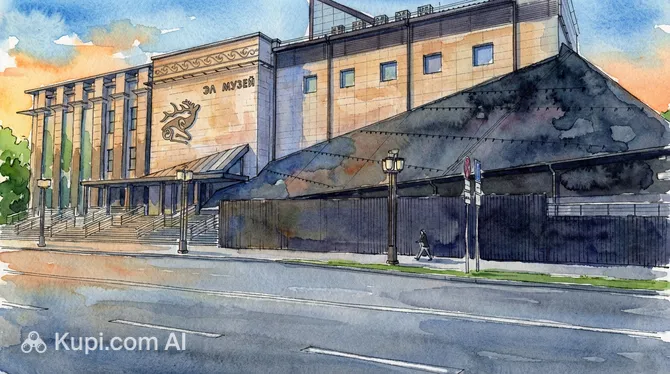
A. V. Anokhin National Museum of the Altai Republic. Source: Kupi.Binoculars

How to Get There

Reaching this scenic part of Siberia has become significantly easier in recent years, thanks to the development of local transport infrastructure. While the journey involves traversing the vast Russian landscape, the destination is well worth the effort. For those planning their trip, you can find more about how to get to Gorno-Altaysk and detailed routes on our dedicated page.

The most convenient and direct option is to fly into Gorno-Altaysk Airport (IATA: RGK). Located just about 9 km from the city center, it is a modern regional hub that welcomes flights from major Russian cities. The short distance to the city means you can reach your hotel by taxi in approximately 20 to 30 minutes. This airport is the primary gateway for tourists aiming to explore the Altai Mountains without a long overland transfer.

Alternatively, many travelers choose to fly into Barnaul Airport (IATA: BAX) in the city of Barnaul. Although it is located approximately 226 km from Gorno-Altaysk, it is a larger transport hub with potentially more flight connections. From Barnaul, the journey to Gorno-Altaysk continues by road, taking approximately 4 to 5 hours by bus or taxi. Another option is Novokuznetsk Airport (IATA: NOZ) in Novokuznetsk, situated about 215 km away, which also serves as a viable entry point for the region.

For clarity, here is a summary of the main airports:

Airport Name City Passenger Traffic Km from City
Barnaul AirportBarnaulLarge226.2
Novokuznetsk AirportNovokuznetskMedium214.8
Gorno-Altaysk AirportGorno-AltayskMedium8.6

For those who prefer rail travel, it is important to note that Gorno-Altaysk does not have its own railway station. The closest and most significant rail terminal is Biysk Railway Station located in the city of Biysk, roughly 83 km away. Biysk is historically known as the "gate to the Altai Mountains." Upon arriving at the station, travelers typically transfer to a bus or taxi to complete the journey to Gorno-Altaysk, which takes about 1.5 to 2 hours.

Another nearby option is the Zonalnoye Station in Zonalnoye, approximately 105 km from the city, though it sees less passenger traffic than Biysk. Travelers opting for the train should be prepared for this final leg of the trip by road, which offers a scenic introduction to the Altai landscape.

Below is a list of the nearest railway stations:

Station City Passenger Traffic Km to Center
Biysk Railway StationBiyskMedium83.4
Zonalnoye StationZonalnoyeSmall105.1
Tashtagol Passazhirsky StationTashtagolSmall160.3
Zarinskaya StationZarinsk206.1
Kaltan Railway StationKaltan197.6

Main Attractions

Gorno-Altaysk may be small, but it boasts several significant sites that offer deep insights into the culture, history, and natural beauty of the Altai Republic. Whether you are interested in archaeology, local history, or simply enjoying a scenic walk, the city has distinct highlights that are well worth exploring.

The crown jewel of the city's cultural offerings is the A. V. Anokhin National Museum of the Altai Republic. This modern facility is much more than a local exhibition; it is a world-class institution preserving the heritage of the Altai people. The museum is most famous for housing the sarcophagus of the "Princess of Ukok," a mummified woman from the Pazyryk culture whose discovery sparked global interest. Visitors can also explore extensive collections of shamanic drums, ancient Turkic runic inscriptions, and ethnographic displays that explain the spiritual and daily life of the region's indigenous tribes.

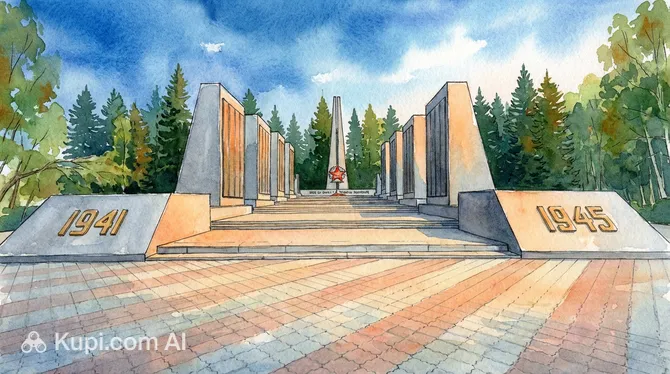
Another important landmark is the Victory Park Memorial Complex, a serene and respectful space dedicated to the memory of those who fought in the Great Patriotic War. Located centrally, the park features the Memorial of Glory with an eternal flame, surrounded by busts of Heroes of the Soviet Union from the Altai region. It is a beautifully landscaped area with paved paths, fountains, and greenery, offering a quiet atmosphere for reflection and a pleasant place for a leisurely afternoon walk.

Victory Park Memorial Complex. Source: Kupi.Binoculars

For those who want to experience the region's nature without leaving the city limits, Tugaya Mountain is an unmissable attraction. Rising directly above the residential areas, this hill serves as a natural observation deck. A hike to the top takes about an hour and rewards visitors with a stunning panoramic view of the entire city nestled in the valley. In the winter months, the mountain transforms into a local skiing destination, while summer offers excellent opportunities for hiking and photography.

History buffs will also appreciate the Ulalinskaya Paleolithic Site, situated on the outskirts of the city. This is one of the oldest archaeological sites in Siberia, where primitive stone tools dating back hundreds of thousands of years were discovered. While the site itself is an open-air location, visiting it provides a unique connection to the dawn of human habitation in Northern Asia, marking the spot where some of the earliest humans in the region once lived.

Local Cuisine

The culinary landscape of Gorno-Altaysk offers a hearty and authentic taste of Siberia, heavily influenced by the nomadic traditions of the Altai people. The local cuisine is characterized by its reliance on organic, locally sourced ingredients, particularly meat and dairy products. Because of the region's harsh winters, the food is typically rich, filling, and designed to provide energy. Visitors will find a fascinating mix of traditional indigenous recipes and classic Russian comfort food, often served side-by-side in local establishments.

One of the most essential dishes to try is kocho, a thick, nourishing soup made from mutton or beef broth and barley. It is often served with boorsok, small pieces of fried dough that act as a delicious alternative to bread. For those who enjoy dairy, kurut is a unique local snack; these hard, salty cheese balls are made from fermented milk and are perfect for sustaining travelers on long hikes. Meat lovers might also appreciate dishes made with maral (red deer) meat, which is considered a local delicacy and is often prepared as a stew or dried jerky.

No meal in the Altai Republic is complete without the region's famous beverages. The area is renowned for its herbal teas, brewed from plants gathered in the pristine mountain meadows, such as thyme, currant leaves, and golden root. These teas are not only warming but are often credited with health benefits. For a more traditional experience, adventurous tourists can try chegen, a fermented milk drink similar to kefir but with a milder taste, or even araka, a traditional alcoholic beverage distilled from fermented milk, known as milk vodka.

El Gran. Source: Kupi.Binoculars

The food culture in Gorno-Altaysk is laid-back and welcoming. While you can find street vendors selling hot pies and local honey near the markets, a sit-down meal is the best way to experience the local hospitality. Popular venues range from stylized ethnic cafes, often designed to look like traditional dwellings (ails), to modern restaurants. For a reliable dining experience that blends various culinary styles, El Gran is a well-known spot in the city where visitors can enjoy a comfortable meal after a day of exploring. Additionally, don't miss the chance to visit the local markets to buy fresh cedar pine nuts and jars of the famous Altai mountain honey, which make for excellent edible souvenirs.

Travel Tips

Welcome to Gorno-Altaysk, the gateway to the mystical Altai Mountains. While this city is friendly and compact, its unique location in Siberia and its rich indigenous culture mean that a little local knowledge goes a long way. These practical tips will help you navigate the region smoothly and respect the local customs while enjoying your adventure.

  1. Clothing and Gear: The weather here can be unpredictable, so the "layered look" is your best strategy. Even in summer, evenings can be cool, so bring a fleece or light jacket. If you plan to hike up Tugaya Mountain or explore the surroundings, sturdy trekking boots are essential. Don't forget sunglasses and a hat; the mountain sun is stronger than it feels, even on cloudy days.
  2. Transportation: Gorno-Altaysk is small enough to explore largely on foot, especially the center. For longer distances, the city has a reliable network of buses that are very affordable. Taxis are also a popular and convenient option; downloading a local ride-hailing app (like Yandex Go) is highly recommended as it overcomes language barriers and ensures fair pricing.
  3. Finances: The official currency is the Russian Ruble (RUB). While supermarkets and restaurants in the city center accept cards, international bank cards may not work due to current banking restrictions. It is crucial to carry enough cash, especially if you plan to visit local markets or travel further into the Altai Republic where ATMs are scarce. Exchange money in major cities before heading into remote areas.
  4. Health and Safety: The Altai region is known for its pristine nature, but it is also a habitat for ticks, especially in spring and early summer. If you walk in grassy areas or hike, use high-quality insect repellent and check your clothes regularly. Pharmacies are marked with a green cross and are well-stocked, but carrying a basic first-aid kit is always wise.
  5. Communication: Russian is the primary language spoken by everyone, while many locals also speak the Altai language. English is not widely spoken, particularly outside hotels. It is highly advisable to download an offline translator app and an offline map (such as 2GIS, which is very detailed for this region) to help you navigate and communicate with locals.
  6. Local Etiquette: The Altai people have a deep spiritual connection to nature. It is customary to treat the land with great respect—do not shout loudly in sacred places and never leave trash behind. If you are invited into a local home, always remove your shoes at the door.
  7. What to Avoid: You will see trees adorned with white, yellow, or blue ribbons (called Jalama) at mountain passes and sacred springs. Please do not tie your own ribbons or pieces of cloth just for fun or as a "wish." This is a serious religious ritual performed by locals according to specific rules; doing it incorrectly is considered disrespectful to the spirits of the place.
  8. Local Souvenir Tip: Don't leave without visiting the city market to buy "Altai Gold"—local honey. The region is famous for its herbs and apiaries. Look for honey with pine nuts or local herbal balms, which make for authentic and healthy gifts that you won't find of the same quality anywhere else.

By keeping these simple guidelines in mind, you will be well-prepared to experience the genuine warmth of Siberian hospitality. Gorno-Altaysk is a safe and inviting starting point for your journey, and respecting its nature and traditions will ensure your visit is as rewarding as it is memorable.

Entertainment & Nightlife

Nightlife in Gorno-Altaysk reflects the city’s character: calm, cozy, and deeply connected to the surrounding nature. Unlike the bustling metropolises of Russia, this small capital does not boast a wild clubbing scene or 24-hour party districts. Instead, the evening entertainment here focuses on relaxed gatherings, hearty dinners after a day of hiking, and cultural experiences that highlight the region's unique heritage. The atmosphere is laid-back and welcoming, making it a perfect place to unwind rather than dance until dawn.

The center of evening activity is undoubtedly Kommunisticheskiy Prospekt. This main avenue is where you will find the highest concentration of lights, people, and open venues. A stroll along this street in the evening is a popular pastime for both locals and tourists. The vibe is casual, with hikers often coming straight from the trails in their trekking gear, mixing with locals enjoying a night out. There is no strict dress code in most establishments; comfort and warmth are prioritized over high fashion.

For those seeking a pleasant place to spend the evening with good food and drinks, El Gran is a standout choice. It serves as a popular social hub where visitors can enjoy a diverse menu in a comfortable setting. The venue often attracts a mix of travelers sharing stories of their mountain adventures, creating a friendly and communal atmosphere. While it is primarily a restaurant, it stays open late enough to serve as a nice spot for a long, leisurely dinner with drinks.

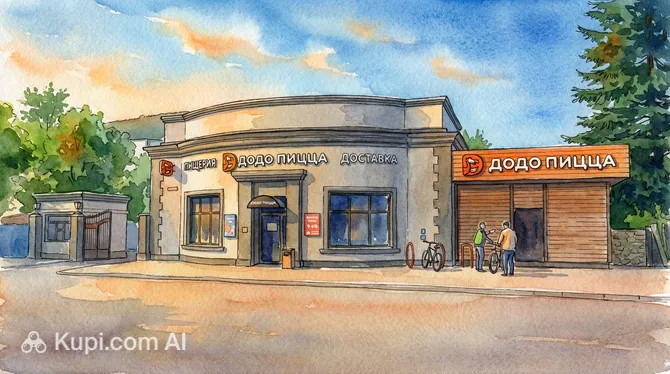
If you find yourself hungry later in the evening, options can be somewhat limited as many local cafes close relatively early. However, Dodo Pizza is a reliable spot for a late bite, typically remaining open until 23:00. It offers a bright, modern environment where you can grab a hot pizza or a coffee. It is a favorite among younger crowds and tourists looking for a familiar and quick meal before heading back to their hotels.

Dodo Pizza. Source: Kupi.Binoculars

For a more culturally enriching evening, consider checking the schedule of the P.V. Kuchiyak National Drama Theatre. Located centrally, this theater is the heart of the republic's performing arts. It stages productions in both the Russian and Altai languages, offering a rare opportunity to witness local folklore and storytelling brought to life on stage. Attending a play here provides a deeper connection to the local spirit than any bar could offer.

Practicalities for a night out in Gorno-Altaysk are straightforward. The city is generally very safe for evening walks, especially along the well-lit central avenue and near the Victory Park area. However, as with any travel destination, it is wise to stay in populated areas late at night. Public transport stops running relatively early, so for getting back to your accommodation, using a taxi is the best option. The Yandex Go app works well here, offering fair, fixed prices and eliminating language barriers with drivers. Average taxi rides within the city are quite affordable, usually costing just a few hundred rubles.

Parks & Museums

Gorno-Altaysk is a city where culture and nature are inextricably linked, offering visitors a chance to explore deep historical roots while surrounded by stunning landscapes. The city’s layout seamlessly integrates green spaces with its architectural heritage, making it a pleasant destination for walking enthusiasts and history buffs alike.

For those seeking tranquility and a touch of history within the city limits, the Victory Park Memorial Complex is the primary green space. Located along the main avenue, this beautifully landscaped park serves as a tribute to the soldiers of the Great Patriotic War. It features paved walkways lined with birch and spruce trees, making it a favorite spot for locals to take evening strolls. The centerpiece is the Memorial of Glory with an eternal flame, surrounded by fountains that provide a refreshing atmosphere in the summer months.

Nature lovers will appreciate the city's unique geography, where "parks" often transition directly into wilder terrain. Tugaya Mountain acts as a natural recreation area rising immediately above the city streets. While not a manicured garden, it functions as the city's main outdoor playground, offering hiking trails that lead to a panoramic observation deck. Similarly, Komsomolskaya Mountain offers a slightly more forested experience with winding paths that are perfect for a quiet escape into the pine woods without leaving the urban area.

When it comes to museums, the undisputed jewel of the region is the A. V. Anokhin National Museum of the Altai Republic. This modern architectural landmark is one of the most significant museums in Siberia. Its vast collection covers everything from the region's unique geology and flora to the ethnography of the indigenous Altai people. The museum is world-famous for housing the sarcophagus of the "Princess of Ukok," a 2,500-year-old mummy from the Pazyryk culture, alongside ancient shamanic artifacts and reproduction of ancient burial mounds.

Another fascinating site that functions as an open-air museum is the Ulalinskaya Paleolithic Site. Discovered on the banks of the Ulala River within the city, this protected area marks one of the earliest known human settlements in Northern Asia. While it lacks the walls of a traditional gallery, the site allows visitors to stand on the very ground where primitive humans crafted stone tools hundreds of thousands of years ago, offering a profound connection to the deep past.

In terms of religious architecture, the Church of the Transfiguration deserves a visit. It is the oldest Orthodox church in the city, originally built in a traditional wooden style. Nearby, the majestic Church of the Intercession of the Holy Virgin stands out with its blue domes and classic Russian design. Both sites provide insight into the spiritual history of the Russian settlers in the Altai region.

For a truly authentic experience, take a walk to the spring at the foot of Tugaya Mountain. It is a small, lesser-known spot where locals often collect fresh mountain water. The area around the spring is quiet and offers a glimpse into the daily life of the residents, away from the main tourist trails.

Getting Around

Navigating Gorno-Altaysk is refreshingly simple compared to larger metropolises. As a compact city nestled in a valley, it does not require a complex web of subways or trams. The public transport system relies entirely on a network of buses that efficiently connect the city center, residential neighborhoods, and the adjacent village of Maima, which effectively functions as a suburb.

The buses are the backbone of local mobility. You will see both standard large buses and smaller minibuses (often referred to as marshrutkas) plying the roads. They share the same numbering system and stops. The network is dense enough that you rarely have to wait long for a ride during the day. Stops are marked, but it is always helpful to wave at the driver to ensure they pull over, especially at less busy locations.

Paying for your ride is straightforward. You do not need to purchase tickets in advance from kiosks. Payment is accepted directly on board, usually to a conductor or the driver upon entry or exit. Cash is always reliable, so keeping some small change (rubles) is advisable. However, modern terminals are widely used, and you can typically pay with a contactless bank card or a smartphone. Fares are very affordable, making public transport a budget-friendly way to get around.

For tourists, the most useful tool for navigating is a map app. 2GIS is the local favorite and offers the most accurate offline maps, bus routes, and schedules for the region. Yandex Maps is also a reliable alternative. These apps will tell you exactly which bus number to take and where to get off. Be aware that buses generally operate from around 6:00 AM until 9:00 PM or 10:00 PM. Late-night services are virtually non-existent, so plan accordingly.

If you prefer more comfort or need to travel late at night, taxis are the best alternative. They are plentiful and inexpensive. The most convenient way to book a car is through the Yandex Go app, which overcomes any language barriers by allowing you to set your pickup and drop-off points on a map and see the fixed price beforehand. Local taxi phone services exist but require speaking Russian.

While there is no metro or rail within the city, the Gorno-Altaysk Bus Station (Avtovokzal) is a critical hub for travelers. From here, you can catch buses not only to local destinations but also deeper into the Altai Mountains for your onward adventures. Additionally, for those arriving by air, specific bus routes (such as Route 103) connect the airport directly to the city center, offering a cheap alternative to airport taxis.

Finally, do not underestimate the power of walking. The city center is quite compact, and many major attractions, museums, and parks are within easy walking distance of each other. Exploring on foot is often the most pleasant way to soak in the atmosphere of this quiet Siberian capital.

Accommodation

Accommodation in Gorno-Altaysk is generally modest, practical, and affordable, reflecting its status as a transit hub and a small administrative capital rather than a luxury resort destination. Travelers will not find sprawling 5-star international chains here. Instead, the city offers a mix of renovated Soviet-era hotels, small modern private hotels, and an increasing number of guesthouses and hostels. This variety caters well to backpackers, business travelers, and tourists stopping over before heading deeper into the Altai Mountains.

The most convenient area to stay is undoubtedly the city center, particularly near Kommunisticheskiy Prospekt. Staying here places you within walking distance of the main museums, the drama theater, and the central bus station, which is crucial for those relying on public transport. For travelers with their own vehicles, the outskirts or the neighboring village of Maima offer quieter options, often with easier parking and a feeling of being closer to nature, while still being just a short drive from city amenities.

In recent years, the trend of renting apartments or staying in "mini-hotels" has gained popularity. These often provide a more cozy, home-like atmosphere and kitchen facilities, which can be a great advantage for families or budget-conscious travelers who prefer to cook their own meals. Hostels are also available and serve as excellent places to meet fellow hikers and exchange tips about mountain routes.

Booking Tips and Prices: The price range in Gorno-Altaysk is generally budget to mid-range. A standard double room in a decent hotel typically costs significantly less than in major Russian cities like Moscow or nearby tourist hotspots like Manzherok. However, during the peak summer season (July and August), demand is high as the city fills with tourists. It is highly recommended to book your accommodation in advance during these months. While major booking platforms work for larger hotels, many smaller guesthouses may prefer direct contact or booking through local Russian aggregators.

Nearby Cities

For those looking to explore the surroundings, Gorno-Altaysk serves as an excellent base for day trips to several interesting nearby locations:

City Population Distance (km)
Barnaul633,301214
Novokuznetsk552,105215
Biysk203,10883
Prokopyevsk196,406218
Mezhdurechensk96,299239

Among these, Biysk stands out as the most accessible and historically significant destination for a day trip. Located just over an hour's drive away, it is widely known as the "Gateway to the Altai." Founded by Peter the Great, Biysk boasts a well-preserved historic center with merchant architecture from the 19th and early 20th centuries. A must-visit is the museum dedicated to the Chuysky Trakt, the only museum in Russia devoted entirely to a road, offering fascinating stories about the legendary trade route connecting Russia and China.

For travelers willing to venture a bit further, Barnaul offers the vibrant atmosphere of a larger regional capital. As the administrative center of the neighboring Altai Krai, it features a rich array of cultural attractions, including the Altai State Museum of Local Lore and the distinctive "Mining City" architectural ensemble. A walk along the Ob River embankment or through the Nagorny Park provides panoramic views and a pleasant contrast to the mountain landscapes of Gorno-Altaysk.

These nearby destinations offer a glimpse into the diverse culture and landscapes of the region.

Shopping & Souvenirs

Shopping in Gorno-Altaysk is a low-key but rewarding experience, focused less on high-end fashion and more on authentic local products and practical necessities. As a small regional capital, the city does not boast massive luxury department stores. Instead, visitors will find a selection of modern shopping centers and vibrant markets that offer a glimpse into the daily life of the Altai people. The true treasure for tourists lies in the region's unique natural goods, particularly those derived from the pristine mountains and forests surrounding the city.

The main hub for commerce is undoubtedly Kommunisticheskiy Prospekt. This central avenue runs through the heart of the city and is lined with a variety of shops, ranging from pharmacies and grocery stores to boutiques selling outdoor gear and clothing. A stroll along this street allows you to access most of what the city has to offer. It is here that you will find smaller specialty shops selling local handicrafts and souvenirs, often tucked away between administrative buildings and cafes.

For a more concentrated shopping experience, the city features several modern shopping malls. The Tkatsky Shopping Center (Tkatsky) is one of the most popular destinations for locals. It houses a mix of clothing stores, electronics shops, and a food court, making it a convenient one-stop location. Another notable venue is the Zapadny Shopping Center, which offers similar amenities. While these malls primarily cater to the everyday needs of residents, they are good places to pick up supplies or warmer clothing if the Siberian weather catches you off guard.

To truly understand the local flavor, a visit to the markets is essential. The central market area is where the region's agricultural bounty is on display. Here, you can find fresh produce, meats, and dairy products brought in from nearby villages. It is an excellent place to buy cedar pine nuts (a local superfood) by the kilogram at prices significantly lower than in souvenir shops. The atmosphere is lively and unpretentious, offering a genuine slice of Siberian life.

When it comes to souvenirs, Gorno-Altaysk offers items you won't find anywhere else. The Altai Republic is famous for its honey, which is considered some of the best in Russia due to the rich diversity of mountain wildflowers. Herbal teas and balms are also top purchases, renowned for their health benefits. For something more tangible, look for goods made from felt, wood carvings, or items related to the "shamanic" heritage of the region. High-quality souvenirs and books about the region can often be found in the gift shop at the A. V. Anokhin National Museum of the Altai Republic, ensuring authenticity.

Most shops in Gorno-Altaysk operate from around 10:00 AM to 8:00 PM or 9:00 PM. Markets tend to start earlier, opening around 8:00 AM and winding down by late afternoon. In terms of payment, major supermarkets and shopping centers widely accept bank cards. However, if you are visiting smaller kiosks, souvenir stands, or the open-air market, carrying cash (Russian Rubles) is highly recommended, as digital payment terminals may not be available.

Regarding Tax-Free shopping, it is important to note that Gorno-Altaysk is not a participant in the international tax refund schemes often found in major global tourist hubs. Visitors should not expect to claim VAT refunds at the airport or in stores. The prices here are generally reasonable, and the value lies in the uniqueness of the products rather than tax incentives.
Reached the end of the page?

That means the route is fully explored