Support

Chebarkul

About

Chebarkul is a charming city nestled in the Chelyabinsk Oblast of Russia, right in the heart of the picturesque South Urals. Its unique geographical location, surrounded by numerous lakes and dense forests, creates a distinctive atmosphere of harmony with nature. The city has a population of about 40,000 people, which helps maintain a quiet and welcoming environment.
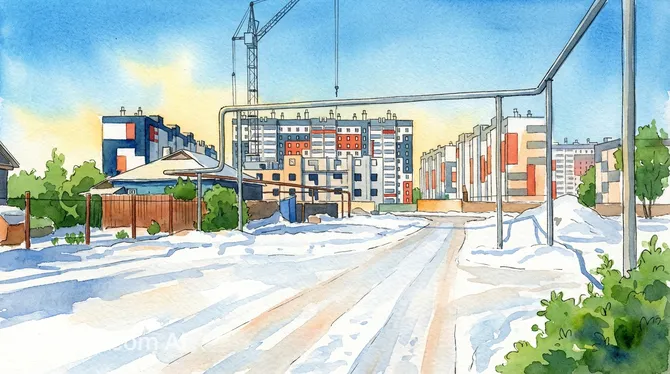
Chebarkul. Illustration.
Source: Kupi.com AI

The main natural gem and the city's calling card is undoubtedly the famous Lake Chebarkul. It gained worldwide fame after a meteorite fell in 2013, fragments of which were found right here. Today, a commemorative stele stands on the lake shore, attracting many tourists. Beyond its natural beauty, Chebarkul is proud of its cultural sites. Notable among them are the Church of the Transfiguration of the Lord, which serves as an important spiritual center, and the Al-Amin Mosque, which draws attention with its original architecture.

For those interested in the history and culture of the region, the local history museum opens its doors hospitably. Here, you can immerse yourself in the region's past and learn about its traditions and customs. The museum offers fascinating exhibitions, and interactive tours are often held for young visitors, making the introduction to history even more exciting.

Chebarkul is an excellent destination for those seeking a peaceful and meaningful getaway. The city offers a unique combination of pristine Ural nature, opportunities for active leisure on the lakes, and a chance to discover a unique culture. Come to Chebarkul to enjoy its beauty and hospitality!

You can find more interesting facts on the history of Chebarkul page.

Weather Overview

The weather in Chebarkul is characterized by distinct seasons. Summer here is generally warm, with an average temperature in July around +19.2°C and maximum values reaching +24.4°C. In the summer months (June–August), the highest amount of precipitation occurs, about 2 mm per month, with 11–12 rainy days. Winters in Chebarkul are cold, with the average January temperature being around -14.0°C, and minimum values down to -17.6°C. The winter months (December–February) are characterized by a small amount of precipitation (about 1 mm) and 5–7 days with precipitation. Expect a warm summer with occasional rain and cold, relatively dry winters. Spring and autumn are transitional seasons with gradual temperature changes.

For a more detailed look at weather conditions in different months, you can visit the Climate of Chebarkul page.

Average monthly temperature

Average monthly precipitation

Interesting Facts

Chebarkul is more than just the site where a famous meteorite fell. A city with a rich history and a unique location, it hides many interesting details that can surprise an inquisitive traveler.

  • The name "Chebarkul" has Turkic origins: "chebar" (or "sibar") means "variegated" or "beautiful," and "kul" means "lake." This "variegation" could refer to the diversity of the coastal landscapes, the many islands on the lake, or the play of light on its water surface, which can still be observed today while admiring the local scenery.

  • Initially, Chebarkul was founded in 1736 as a fortress to protect the southeastern borders of the Russian Empire. It was one of the key fortifications on the Orenburg border line, and only over time did its military significance give way to peaceful development, leaving its mark on the city's history.

  • Lake Chebarkul, on whose shore the city sits, is not just a picturesque body of water. It serves as the source of the Koelga River, which in turn flows into the Uy River, forming part of the Ob River basin. Thus, the lake plays an important role in the hydrological system of the entire region.

  • Chebarkul is also known as an important military center. A large military training ground is located in its vicinity, and military units are stationed within the city itself. This aspect of city life, while not always obvious to tourists, is an integral part of its modern identity.

How to Get There

There are several main ways to get to Chebarkul. Choosing the best option depends on your location and preferences. The most common methods are traveling by air followed by a ground transfer or taking a train. You can also reach the city by car via regional highways.

Although Chebarkul does not have its own airport, the closest and most convenient option for air travelers is Balandino Airport (CEK). It is located in the city of Chelyabinsk, approximately 81 km from Chebarkul. This is an international airport from which you can reach Chebarkul by taxi or bus in about 1.5–2 hours.

Another large international airport to consider, especially if flying from afar or looking for more flight options, is Koltsovo Airport (SVX) in Yekaterinburg. It is located about 198 km from Chebarkul, and the trip from there by car or bus will take approximately 3.5–4.5 hours.

For clarity, here is summary information on the main airports:

AirportPassenger trafficDistance
Balandino2.2 mln81 km
Koltsovo8.0 mln198 km
Magnitogorsk Airport280 000205 km
Kostanay Airport200 000287 km
Ufa4.8 mln293 km

For those who prefer traveling by rail, Chebarkul has its own railway station—Chebarkul Station. It is conveniently located just 0.9 km from the city center, making it easily accessible upon arrival.

Alternatively, you can consider arriving at Miass-1 Station, which is located in the neighboring city of Miass, about 17.6 km from Chebarkul. From Miass-1 station, you can reach Chebarkul by local bus or taxi in about 30–40 minutes.

Here is information on the railway stations through which you can reach Chebarkul:

StationPassenger trafficDistance
Chebarkul Railway Station350 0001 km
Miass-1 Railway Station486 00018 km
Zlatoust Railway Station1.5 mln48 km
Yemanzhelinsk Railway Station80 00060 km
Argayash Railway Station150 00065 km
Chelyabinsk-Glavny Railway Station6 mln71 km

Main Attractions

Chebarkul, cozily situated in the South Urals, attracts travelers not only with its picturesque nature but also with several interesting sights. Despite its modest size, this city can offer the inquisitive tourist unique experiences and discoveries.

The main natural gem and center of attraction is undoubtedly Lake Chebarkul. It became world-famous in 2013 when a large fragment of the "Chelyabinsk" meteorite fell into its waters. Today, tourists come here to see this famous lake, enjoy its beauty, go fishing, or simply relax on the shore. The clean water and scenic surroundings make it a wonderful place for summer recreation.

Among the architectural and spiritual monuments, the Church of the Transfiguration of the Lord stands out. This beautiful church is not only an active Orthodox temple but also an important historical building in the city. Visitors can appreciate its architecture and interior decoration and soak in the peaceful atmosphere. The church serves as a center of spiritual life for many residents and guests of Chebarkul.

For those who want to get to know the history and culture of the region more deeply, the Chebarkul Museum of Local Lore is worth a visit. Its exhibits feature artifacts that tell the story of the region's past, its nature, daily life, and the traditions of local residents. Materials related to the famous meteorite hold a special place in the museum, making a visit here particularly educational. The museum helps visitors better understand the uniqueness of the Chebarkul land.

Local Cuisine

The gastronomic world of Chebarkul is, above all, an immersion into the classics of Russian cuisine. The city does not strive to surprise with exotic delicacies but instead warmly offers guests a chance to enjoy familiar and favorite dishes prepared with home-style flavor.

You should definitely try authentic Ural pelmeni (dumplings), which are served here with various sauces or broth. Golden pancakes are also consistently popular—thin, lacy, and served with a variety of fillings ranging from sweet to savory. And of course, no Russian table is complete without a hearty bowl of borscht. A special pride of the local cuisine is dishes made from the freshest fish caught in the region's clean lakes. This could be aromatic ukha (fish soup), or baked or fried fish, the taste of which truly shines thanks to its freshness.

For drinks in Chebarkul, you will be offered traditional Russian options. On a hot day, homemade kvass or berry mors are perfectly refreshing, while a cup of aromatic tea is ideal for a filling lunch or dinner. For those looking for something stronger, the menus of some establishments feature classic Russian alcoholic drinks or local infusions.

The food culture in the city is focused around cozy cafes and restaurants where you can relax and enjoy your meal. While large-scale street food or major farmers' markets are not as developed here as in big cities, you can sometimes find locals offering seasonal gifts of nature or homemade preserves. Overall, the gastronomic scene of Chebarkul invites a leisurely introduction to local culinary traditions in a warm atmosphere.

Travel Tips

Welcome to Chebarkul! To make your trip to this cozy Ural city as comfortable as possible and leave only pleasant impressions, we have prepared several practical tips.

  1. Clothing and Essentials:

    The climate in Chebarkul is continental, with frosty, snowy winters and warm, sometimes hot summers. In winter, be sure to bring very warm clothing (a down jacket, hat, mittens, thermal underwear) and waterproof shoes with thick soles. In summer, light clothing is fine, but evenings can be cool, so bring a sweater or windbreaker. Don't forget comfortable walking shoes, especially if you plan to explore the lakeside areas. For visiting Orthodox churches, women will need a headscarf and clothing that covers the shoulders and knees. Electrical outlets here are standard European (types C and F), so adapters are usually not needed.

  2. City Transport:

    The main types of public transport in Chebarkul are buses and shuttle buses (marshrutkas). The network is well-developed enough for moving around the city. You can also use taxis—we recommend using popular Russian ride-hailing apps or local services. Renting a car for getting around Chebarkul itself is likely unnecessary, but if you plan to travel a lot in the surroundings, you might consider this option (the nearest major rental points may be in Chelyabinsk).

  3. Finances:

    The official currency in Russia is the Russian Ruble (RUB). You can exchange currency at bank branches. "Mir" system bank cards are accepted almost everywhere. However, cards of international payment systems (Visa, Mastercard) issued abroad may not work due to restrictions, so it is highly recommended to carry a sufficient supply of cash. ATMs are available, but also focus on withdrawing cash from "Mir" cards or Russian banks. Tipping in cafes and restaurants is welcomed (usually 5-10% of the bill) if you liked the service, but it is not strictly mandatory.

  4. Health and Safety:

    There are pharmacies in Chebarkul where you can buy necessary medications; some may operate 24/7 or have an on-call schedule. For emergency medical assistance, call 103 or 112. For Russian citizens, medical care is provided under the OMS policy; foreign tourists are recommended to have valid medical insurance. Chebarkul is a relatively quiet and safe city. Nevertheless, follow standard precautions: keep an eye on your belongings, especially in crowded places, and avoid walking in poorly lit and deserted areas after dark.

  5. Communication:

    The main language of communication is Russian. English is not very widely spoken, especially among the older generation, but young people and service industry staff may know it at a basic level. Learn a few simple phrases in Russian, such as: "Zdravstvuyte" (Hello), "Spasibo" (Thank you), "Pozhaluysta" (Please), "Skol'ko stoit?" (How much does it cost?), "Gde nakhoditsya...?" (Where is...?). This will significantly facilitate your stay. A Russian SIM card with internet access can be purchased at the stores of major mobile operators. Wi-Fi is available in many cafes, restaurants, and hotels.

  6. Local Etiquette:

    Locals are usually friendly and helpful. It is customary to greet with a handshake (especially among men). Show respect to the older generation. When entering a home or apartment, it is customary to take off your outdoor shoes. In public places, try not to be noisy and give up your seat on transport to the elderly, pregnant women, and passengers with small children.

  7. What to Avoid:

    Try to avoid intrusive discussions of political topics if you are not sure of the appropriateness and the interlocutor's mood. Also, do not consume alcohol in public places, as this can cause disapproval and even problems with law enforcement.

  8. Special Tip – Lakes and the Meteorite:

    Chebarkul is famous for its picturesque lakes—Chebarkul, Yelovoye, Kisegach, and others. Be sure to set aside time to relax on their shores, and in the summer—for swimming or fishing. And of course, don't forget the local celebrity—the Chebarkul meteorite! You might be able to find interesting souvenirs related to this cosmic guest.

We hope these tips help you better prepare for your trip and enjoy every moment of your stay in Chebarkul. We wish you an exciting journey!

Entertainment & Nightlife

Chebarkul, nestled in the South Urals, offers its guests a quiet and measured holiday, yet options for evening leisure and entertainment can still be found. While the city may not boast the bustling nightlife of a metropolis, it can offer pleasant places to end the day and soak in the local atmosphere.

Evening leisure in Chebarkul is mainly centered around cafes and bars where you can relax after an eventful day. Some establishments may offer live music, themed evenings, or sports broadcasts. There are few large-scale nightclubs in the traditional sense, as the city is more oriented toward quiet and family-oriented recreation. Most establishments open in the evening are concentrated in the central part of the city or along the main streets.

The atmosphere in local bars and cafes is usually friendly and casual. You can meet both locals and visitors here. As a rule, there is no special dress code—comfort is valued. Prices in Chebarkul establishments are usually quite affordable. The best time to visit is, of course, Friday and Saturday evenings when the city is most lively. For getting around the city at night, the most convenient option is a taxi, which can be ordered by phone from local services or through popular mobile apps.

Regarding safety during night walks, Chebarkul is considered a relatively quiet city. Nevertheless, it is always worth following standard precautions: avoid poorly lit and deserted alleys, especially if traveling alone. Central streets are usually better lit and more crowded.

Since information about specific establishments and their popularity can change, we recommend checking for current evening spots with locals or looking at reviews and ratings on online maps and travel portals upon arrival in Chebarkul. You might discover a cozy bar with local character or a cafe with an interesting program that will make your evening special.

During the day, Chebarkul and its surroundings offer other interesting activities. You can visit the City Museum of Local Lore to learn more about the region's history. Nature lovers will undoubtedly enjoy a walk along the shore of the famous Lake Chebarkul, which is the main natural attraction. In the warm season, you can not only relax here but also engage in water sports. City parks are also great for leisurely strolls and relaxation.

Parks & Museums

Chebarkul offers its guests not only picturesque landscapes but also opportunities for cultural enrichment through its park zones and museums. For those who want to combine outdoor relaxation with educational excursions, the city has prepared several interesting spots.

The main natural gem is undoubtedly Lake Chebarkul. Its extensive shores serve as a wonderful place for diverse recreation: from leisurely strolls and picnics at equipped sections of the embankment to the chance to swim in the summer heat. The lake attracts visitors not only with its natural beauty but also with its global fame related to the meteorite fall—many tourists strive to visit the vicinity of this unique event. For more traditional recreation within the city limits, there is Victory Park, where you can walk along shaded alleys and escape the city's hustle and bustle.

The central place for getting to know the region's history and culture is the Chebarkul City Museum of Local Lore. This is the primary repository of knowledge about the area's past, where visitors can trace the stages of Ural land development and learn about the daily life of local residents. Special attention in the exhibition is paid to the famous Chebarkul meteorite: fragments of it and detailed information about its fall are presented here, making a museum visit particularly fascinating for inquisitive travelers.

Among the city's architectural landmarks, the Church of the Transfiguration of the Lord stands out. This is not only an active Orthodox temple but also a significant monument of church architecture, drawing attention with its design and well-maintained grounds. A visit to the church allows you to touch spiritual culture and appreciate the beauty of Orthodox shrines. While walking around Chebarkul, you can also notice various monuments and memorial plaques telling the story of important chapters in the city's history.

To deeply feel the atmosphere of Chebarkul, we recommend a leisurely stroll along the lake embankment at sunset—this is when especially picturesque views open up. And as a souvenir, besides traditional crafts, you can look for something related to the meteorite theme, which will serve as a unique reminder of your trip to this interesting Ural city.

Getting Around

Public transport in Chebarkul is mainly represented by buses and shuttle buses (marshrutkas), which is typical for a city of this size. This allows for fairly convenient movement between the main districts.

The core of the transport system consists of buses running on approved routes and schedules. Additionally, shuttle buses (marshrutkas) are popular—minibuses following specific directions, often duplicating or complementing bus routes. Marshrutkas can be faster and more maneuverable, but sometimes less predictable in terms of waiting times.

The fare payment system in Chebarkul is quite simple. As a rule, payment is made in cash directly to the driver or conductor upon entering or exiting the vehicle. The fare is usually low. Specialized transport cards or complex payment apps are generally not available in small cities, so it is better to have small change with you.

Tickets for the bus or marshrutka are purchased right inside the vehicle. Public transport usually begins operating early in the morning and finishes in the late evening. Intervals can vary depending on the time of day and day of the week, becoming longer in the evening hours and on weekends. It is recommended to check schedules at stops or with locals if you plan to travel during off-peak times.

As an alternative to public transport in Chebarkul, you can always use taxi services. Both local taxi companies and ride-hailing aggregators via mobile apps may be available in the city. This is a more expensive but also more comfortable and faster way to get around, especially if you are traveling with luggage or in a group.

Accommodation

When planning a trip to Chebarkul, you will find a variety of accommodation options to suit any budget and preference. The city offers a choice ranging from cozy guesthouses and small private hotels to sanatoriums focused on wellness retreats. Renting apartments and country houses is also popular, especially for family holidays or long-term stays.

For convenience and access to core infrastructure, consider staying in the central part of the city. If your goal is nature recreation, look for accommodation located near Lake Chebarkul or other picturesque lakes in the region. While there may not be large international hotel chains in Chebarkul, local hotels and guesthouses often offer a decent level of comfort and hospitality.

You can book accommodation in Chebarkul through popular online platforms or by contacting your chosen hotel or guesthouse directly. It is recommended to do this in advance, especially if your trip coincides with the peak tourist season (summer months) or holidays. The price range mostly varies from budget to mid-range options, allowing every traveler to find the optimal accommodation.

Nearby Cities

For those who want to explore the surroundings, Chebarkul serves as an excellent starting point for day trips to several interesting nearby locations:

CityPopulationDistance
Miass151 85619 km
Zlatoust167 97850 km
Karabash10 99959 km
Argayash10 29365 km
Yemanzhelinsk28 21666 km

These nearby destinations offer a glimpse into the diverse culture and landscapes of the region. For instance, a trip to Chelyabinsk, a major regional center, will introduce you to its theaters and museums. Zlatoust is famous for its rich history of weapons-making and unique steel engraving. And Miass attracts tourists with its proximity to the picturesque Lake Turgoyak and the famous Ilmen State Reserve. A trip to any of these cities will enrich your journey with new impressions and discoveries.

Shopping & Souvenirs

Shopping in Chebarkul offers tourists the chance to purchase everyday items and, more interestingly, unique local souvenirs. The city is not a major shopping center with an abundance of malls and boutiques of global brands, but here you can find authentic goods reflecting the Ural flavor and the famous local history associated with the meteorite fall.

Main retail outlets are generally concentrated on the central streets of Chebarkul. Here you will find small shops specializing in various areas: groceries, hardware, clothing, pharmacies, and, of course, souvenir shops. A walk through the city center will allow you to explore the assortment and choose the items you need.

Large shopping and entertainment centers in the traditional sense are likely not found in Chebarkul. However, there may be small shopping complexes or local department stores where several departments with different product groups, from clothing to household appliances, are combined under one roof.

An important part of the city's commercial infrastructure is likely the local market. At the market, you can buy fresh farm products: vegetables, fruits, meat, and dairy products. Household goods, garden supplies, inexpensive clothing, and sometimes crafts by local artisans are also often sold here. Visiting the market is also an opportunity to experience the local atmosphere.

The most iconic souvenir from Chebarkul is undoubtedly products related to the famous Chebarkul meteorite. Tourists can find magnets, keychains, mugs, and T-shirts with meteorite or space-themed images, and sometimes even small certified fragments (their authenticity should be verified). Additionally, it is worth paying attention to traditional Ural souvenirs: items made of semi-precious stones, birch bark crafts, local honey, and herbal teas. Such gifts will be a great reminder of your trip to Russia.

Most shops in Chebarkul typically operate from 10:00 to 19:00 or 20:00, while grocery stores and supermarkets may have longer working hours. On weekends, the schedule for some retail outlets may be shortened. Regarding payment methods, most shops accept bank cards, especially cards of the Russian "Mir" payment system. However, for purchases at the market or in small souvenir shops, it is recommended to carry cash. The possibility of using international payment system cards should be clarified in each specific case.

The Tax Free system for foreign tourists is generally not common in small cities. In Chebarkul shops, you should not count on this service.

Reached the end of the page?

That means the route is fully explored