Support

Troitsk

About

Troitsk is a charming city with a rich history, snugly located in the Southern Urals within the Chelyabinsk region of Russia. It attracts travelers with its distinctive atmosphere, where ancient architecture harmoniously blends with the modern rhythm of life, making it one of the region's most interesting historical centers.
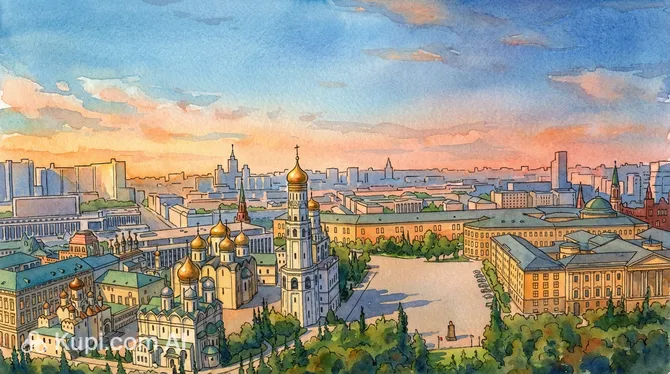
Troitsk. Illustration.
Source: Kupi.com AI

The city sits at the confluence of the Uy and Uvelka rivers, which has made it an important trading and cultural hub since ancient times. The population of Troitsk is approximately 73,000 people. The climate here is continental, with warm (and sometimes hot) summers and snowy, frosty winters—typical for the Ural region, giving each season its own unique character.

Among the iconic sites to visit in Troitsk, the majestic Holy Trinity Cathedral stands out, giving the city its name and serving as its spiritual heart. A stroll through the historical center is equally fascinating, where numerous 19th-century merchant mansions remain, testifying to the city's former prosperity. To dive deeper into the region's past and culture, visit the Troitsk Museum of Local Lore, whose exhibits tell captivating stories about the city's history and its residents.

Troitsk is a city that knows how to surprise and leave warm memories. If you are looking for an unconventional travel route filled with historical discoveries and a peaceful atmosphere, be sure to consider visiting this wonderful corner of the Southern Urals.

More interesting facts can be found on the Troitsk city history page.

Weather Overview

The weather in Troitsk is characterized by a continental climate. Summers are generally warm: the average July temperature is about +20.8°C, with maximum values potentially rising to +26.2°C. The summer months (June–August) see the highest, though still small, amount of precipitation—about 2 mm, with an average of 9 days of rain. Winters in Troitsk are cold and relatively dry: the average January temperature stays around -14.4°C (with minimum temperatures dropping to -18.3°C), and the number of days with precipitation is about 5–6 per month, totaling only about 1 mm. Overall, expect warm summers with occasional rain and cold, predominantly dry winters. For more detailed information about weather conditions in different seasons, you can visit the Troitsk Climate page.

Average monthly temperature

Average monthly precipitation

Interesting Facts

In addition to its well-known attractions and rich trading history, Troitsk holds many surprising details and curious facts that make it even more attractive to explorers. Here are just a few:

  • Barter Court: Troitsk was once home to one of the largest Barter Courts (Menovoy Dvor) in Russia. This massive trading complex served as a meeting point for merchants from the European part of the country, Siberia, Central Asia, India, and China, turning the city into a vital hub for international trade.

  • Geographical Feature: The 60th meridian east longitude passes directly through Troitsk. Notably, this meridian is the central axis for the fifth time zone (UTC+5), which the city and the entire region follow.

  • "Paris of the Trans-Urals": Due to its active commercial importance, wide and straight streets, and some exquisite merchant buildings, Troitsk was sometimes unofficially called the "Paris of the Trans-Urals" or the "Steppe Paris" in the 19th century, highlighting its cultural and economic influence.

  • City of the Sun: Despite the harsh Ural climate, Troitsk is distinguished by a relatively high number of sunny days per year compared to many other cities in the region. This feature has even earned it the unofficial nickname—the "sunny city."

How to Get There

You can reach Troitsk in several ways, primarily by air and rail. Although Troitsk itself does not have its own airport, the nearest air harbors are located in neighboring large cities. Rail service is available via a station directly in the city, as well as hubs in nearby settlements.

The main airport for arriving in the region is Balandino (IATA: CEK), located in Chelyabinsk. This is a major airport situated about 136 km from Troitsk. A trip from the airport to Troitsk by taxi or bus will take approximately 2.5–3.5 hours. Another larger international airport is Koltsovo (IATA: SVX) in Yekaterinburg. It is significantly further away, about 300 km, and the journey from there to Troitsk can take around 7–8 hours including transfers; however, it offers a greater number of international and domestic flights. It is also worth considering Kostanay Airport (IATA: KSN), located in the city of Kostanay (Kazakhstan) at a distance of about 164 km from Troitsk. The journey from there takes about 3–4 hours, and this option may be convenient for travelers arriving from certain international destinations.

For your convenience, here is summary information on the main airports used to reach Troitsk:

AirportPassenger trafficDistance
Balandino2.2 mln136 km
Kostanay Airport200 000164 km
Magnitogorsk Airport280 000200 km
Kurgan Airport154 300292 km
Koltsovo8.0 mln300 km

If you prefer to travel by rail, the Troitsk Railway Station is located directly in Troitsk. It is situated just 3.4 km from the city center, making it very convenient for arrivals. This is a medium-sized station serving regional and some long-distance routes. Another option is to arrive at the Yuzhnouralsk Railway Station, located in the city of Yuzhnouralsk, about 46 km from Troitsk. From there, you can reach Troitsk by bus or taxi in about 1–1.5 hours.

Here is information on the railway stations that may be convenient for a trip to Troitsk:

StationPassenger trafficDistance
Troitsk Railway Station350 0003 km
Nizhneuvelskaya Station42 km
Toguzak Station150 00052 km
Yemanzhelinsk Railway Station80 00081 km
Tamerlan Station75 00087 km
Chelyabinsk-Glavny Railway Station6 mln124 km

Additionally, Troitsk can be reached by intercity buses from Chelyabinsk and other cities in the Ural region, as well as by private car via a well-developed road network.

Main Attractions

Troitsk, a city with a rich historical legacy, offers travelers many interesting places to explore its past and present. A walk through its streets is an opportunity to touch the history of the Southern Urals and feel the unique atmosphere of an old trading center.

One of the city's main gems is undoubtedly the Holy Trinity Cathedral. This majestic church, which gave the city its name, is striking in its architecture and is the oldest stone building in Troitsk. Its golden domes are visible from afar, and the interior decorations and revered icons attract not only believers but also connoisseurs of church architecture. The cathedral is more than just a religious building; it is a true symbol of the city, its spiritual heart, and a witness to many historical events.

To better understand the history and culture of Troitsk, be sure to visit the Troitsk Museum of Local Lore. Often located in one of the historical buildings, the museum houses a rich collection of exhibits telling the story of the region's nature, its ancient inhabitants, the city's founding, and its rapid development as a center for fair trade. Here you can see household items, ancient documents, and photographs, and learn many interesting facts about famous people associated with Troitsk, as well as the multinational population that formed the city's unique culture.

A walk through the historical center of Troitsk is a fascinating journey through time in itself. Many merchant mansions from the 19th and early 20th centuries have been preserved here, impressing visitors with a variety of architectural styles and rich decor. These buildings, once owned by prosperous merchants, recall the city's former greatness, its commercial power, and the very atmosphere for which Troitsk was sometimes called the "Paris of the Trans-Urals." Pay attention to the details of the facades, the wrought-iron elements, and the general street layout, which has largely retained its historical appearance.

One cannot overlook the famous Troitsk Barter Court (Menovoy Dvor), once one of the largest in the Russian Empire. Although only fragments or memories in museum exhibits may remain of its original grand structures, this site holds immense historical significance. This was the meeting point for trade caravans from Europe and Asia, where life buzzed and massive deals were struck. Visiting this historical site or learning about its history helps one imagine the scale of trade and the key role Troitsk played at the intersection of civilizations and trade routes.

Local Cuisine

The gastronomic scene in Troitsk invites guests to discover traditional Russian and Ural cuisine, characterized by its heartiness and use of natural ingredients. Located in the Southern Urals, the city has absorbed the region's culinary traditions, offering dishes that will warm you up and provide energy for exploring its sights.

Among the dishes that are a must-try in Troitsk, Ural pelmeni hold a special place. They are often prepared with various fillings, but the classic version is meat, served with sour cream, butter, or vinegar. Hearty soups are also popular, such as shchi made from fresh or sauerkraut and rich borscht. Don't overlook the variety of baked goods: pies with meat, fish, cabbage, potatoes, or wild berries, as well as shangi—open round pastries topped with sour cream or mashed potatoes, which are specific to Ural cuisine.

Traditional Russian drinks are popular: in summer, kvass or berry mors are perfectly refreshing, while in the cold season, fragrant tea, perhaps with local herbs or wild berries, will warm you. Among alcoholic beverages, besides the ubiquitous vodka, you can find local infusions or liqueurs made with berries and herbs.

The food culture in Troitsk is quite traditional. Locals and tourists can find cozy cafes and restaurants offering Russian and European cuisine. You will often come across establishments with a homey atmosphere serving large portions at reasonable prices. For a quick and inexpensive lunch, canteens (stolovyas) preserved in some parts of the city may be suitable. While street food is not as widespread as in large metropolises, local markets sometimes offer fresh pastries or seasonal products.

The gastronomic highlight of Troitsk can be considered its commitment to simple but delicious and filling dishes prepared according to time-tested recipes. Trying authentic Ural pelmeni, fragrant shangi, or a rich soup is a great way to better understand the local culture and enjoy the hospitality of the Southern Urals.

Travel Tips

Planning a trip to Troitsk? Wonderful! To ensure your journey through this historical city in the Southern Urals is as comfortable as possible and leaves only pleasant impressions, we have prepared some practical tips.

  1. Clothing and Essentials: The climate in Troitsk is continental: summers are warm, while winters are frosty and snowy. In summer, bring light clothing, but don't forget a sweater or windbreaker for evening walks. In winter, a warm jacket, hat, gloves, and insulated boots are essential. In any season, comfortable shoes for walking tours of the city are a must. If you plan to visit the Holy Trinity Cathedral or other religious sites, women should bring a headscarf and clothing that covers shoulders and knees; men should avoid shorts and tank tops. Don't forget a universal adapter for electrical appliances if your plugs differ from Russian ones.

  2. City Transport: Getting around Troitsk is most convenient using public transport—mainly buses and fixed-route taxis (marshrutkas) that connect different parts of the city. Taxi services are also available; you can use local services or popular ride-hailing apps in Russia. Renting a car may be justified if you plan trips around the Chelyabinsk region, but for moving within the city itself, it is generally not a necessity.

  3. Finances: The official currency is the Russian ruble (RUB). You can exchange currency at bank branches. Bank cards (primarily from Russian payment systems) are accepted in many shops, cafes, and restaurants, but it is always useful to have some cash on hand, especially for small purchases, markets, or paying for travel on some types of transport. Check the possibility of paying with foreign bank cards in advance, as there may be difficulties with their acceptance. ATMs are quite common. An approximate daily budget (excluding accommodation) could range from 1,500–2,000 rubles, depending on your plans. Tips in catering establishments are usually 5–10% of the bill if you liked the service, but they are not always mandatory.

  4. Health and Safety: There are pharmacies in Troitsk; some may operate 24/7 or have night service windows. If medical assistance is needed, tourists should contact city hospitals or clinics; it is recommended to have an insurance policy with you. Troitsk is generally considered a quiet and safe city. Nevertheless, follow standard precautions: keep an eye on your belongings in crowded places, do not leave valuables unattended, and avoid walking in poorly lit and deserted areas after dark.

  5. Communication: The main language of communication is Russian. The level of English proficiency among the local population may be low, especially outside tourist sites and large hotels. It will be helpful to learn a few basic phrases in Russian, such as "Zdravstvuyte" (Hello), "Spasibo" (Thank you), "Pozhaluysta" (Please), and "Skol'ko stoit?" (How much does it cost?). A SIM card from a Russian operator can be purchased at mobile stores with a passport. Wi-Fi is available in many cafes, restaurants, and hotels.

  6. Local Etiquette: Standard forms of politeness are accepted when interacting with locals. It is customary to say hello when entering a shop or other public place. Addressing strangers or elders with the formal "Vy" (You) is the norm. Residents of Troitsk, like most people from the Urals, may seem reserved, but they are usually responsive and ready to help if approached.

  7. What to Avoid: Try not to discuss controversial political topics loudly in public places. Also, as in many other cities, you should not photograph people without their explicit consent, especially near religious sites. Displaying excessive pushiness or over-familiarity when communicating with strangers may be perceived negatively.

  8. Additional Tip: Troitsk is sometimes called the "sunny city" due to its relatively large number of clear days. Try to use this for long walks, especially through the historical center with its merchant mansions. Don't miss the chance to visit the local market (if available) to experience the local flavor and perhaps buy local products or souvenirs, keeping in mind the traditions of the Barter Court that once made the city famous.

We hope these tips help you better prepare for your trip and get the most out of your visit to Troitsk. We wish you a fascinating journey and vivid impressions!

Entertainment & Nightlife

When evening falls on Troitsk, the city offers its guests and residents various options for relaxation and entertainment. While there are no massive night clubs or noisy entertainment districts like in megacities, you can certainly find a cozy atmosphere for an evening out. The main leisure spots are typically concentrated in the central part of the city and along its main streets.

Those who enjoy spending the evening in pleasant company can look toward local bars and cafes, many of which stay open late, especially on weekends. Here you can enjoy drinks, light snacks, and pleasant conversation. For instance, you might look for establishments like the "Vecherniy Briz" bar or similar spots for quiet relaxation. For those who prefer more active leisure and dancing, it is worth checking the hours of local dance floors or clubs; you might find a place like the "Energiya" club, where discos may be held. It is important to note that the availability and operating hours of specific venues should be checked in advance. The atmosphere in Troitsk venues is usually casual and friendly, with no strict dress code required.

When planning an evening out, keep in mind that venues are busiest on Friday and Saturday nights. The average bill in Troitsk cafes and bars is usually moderate. The most convenient way to get to your destination and back at night is by taxi. It is recommended to use official taxi services or verified mobile apps to call a car.

Regarding safety, Troitsk is a fairly quiet city. Nevertheless, after dark, it is wise to follow standard precautions: stick to well-lit central streets for walks and avoid deserted areas. Calling a taxi through official services also contributes to your safety.

During the day, the cultural program in Troitsk can be supplemented by visiting city parks for walks and outdoor recreation, such as the Gagarin City Park. The city also offers insights into its historical heritage through numerous museums and architectural monuments, which perfectly complements the travel experience and allows for a deeper understanding of Troitsk.

Parks & Museums

Troitsk offers its guests not only an immersion into rich history but also wonderful opportunities for outdoor relaxation and discovering cultural heritage through its parks and museums. These places allow you to better understand the soul of the city and enjoy its unique atmosphere.

For walks and outdoor leisure, one of the main spots in the city is the Gagarin City Park of Culture and Leisure. This is a traditional meeting and leisure place for residents, where you can spend time among the greenery, stroll along the paths, or simply relax on a bench. Peaceful walks can also be taken along the embankments of the Uy and Uvelka rivers, at the confluence of which Troitsk is picturesquely situated, allowing you to enjoy natural views and tranquility.

A central place in the city's cultural life is held by the Troitsk Museum of Local Lore. It is a true treasure trove of knowledge about the history and nature of the region. Its exhibits detail the region's ancient past, the founding and development of Troitsk as a major trade center on the Great Silk Road, and the multinational culture and lifestyle of its residents. Visiting the museum is a fascinating journey through time that helps to deeply understand the character and significance of the city. To fully experience the cultural program, it is also worth asking about temporary exhibitions or small galleries that may be operating in the city.

Many historical and architectural sites in Troitsk are themselves part of its cultural heritage and can be viewed during walks. The entire historical center, with its numerous merchant mansions from the 19th and early 20th centuries, can be seen as an open-air museum. Each building with its unique architecture tells its own story of the city's former prosperity. The majestic Holy Trinity Cathedral, which gave the city its name, is not only an important spiritual center but also an outstanding architectural monument, a must-visit for anyone interested in history and culture.

For more authentic impressions, don't be afraid to turn off the beaten tourist paths onto the quiet streets of the old town—that's where you can feel the slow pace of life and see less known but no less charming corners of Troitsk. You can also ask locals or visit the information center about small craft shops or workshops where you can find unique souvenirs.

Getting Around

Getting around Troitsk is quite simple, although the city does not have an extensive system of subways or tram lines typical of megacities. Public transport here plays a key role in providing mobility for both local residents and visitors.

The main types of public transport in Troitsk are buses and fixed-route taxis (locally known as "marshrutkas"). They run on approved routes, connecting various districts of the city and its outskirts. Buses usually follow stricter schedules and have fixed stops, while marshrutkas can be more flexible, sometimes stopping upon passenger request in permitted areas.

The fare payment system in Troitsk is predominantly traditional. Most often, payment is made in cash directly to the driver or conductor upon entering the vehicle. The fare is usually fixed for a specific route within the city limits. The possibility of using transport cards or mobile apps for payment is best clarified on-site, as their availability may vary. We recommend having small bills and coins for convenience.

For tourists, it is useful to know that information about routes and approximate bus schedules can sometimes be found at major stops or by asking locals. Buses and marshrutkas usually start their operations early in the morning and finish late in the evening. However, the frequency of service may decrease in the evening hours and on weekends. Ticket validation usually consists of the simple act of paying the fare.

As an alternative to public transport, taxi services are always available in Troitsk. Both local taxi companies and popular ride-hailing apps may be available in the city. This is a convenient option for nighttime trips, traveling with luggage, or if you prefer individual comfort. Given the compactness of the historical center of Troitsk, many attractions can be explored on foot. Options for bicycle rentals or car sharing should be checked upon arrival, as these services may not be as widely developed as in larger cities.

There are no exotic or unique forms of transport, such as a historical metro or cable car, in Troitsk. The city's transport system is focused on functionality and meeting the daily needs of its residents and guests, offering clear and accessible ways to get around.

Accommodation

In Troitsk, travelers will find various accommodation options to suit different budgets and preferences. The city offers a choice ranging from economical guesthouses and apartments, convenient for families or long stays, to more comfortable hotels with a standard set of services.

The most convenient areas for staying are traditionally considered to be those located near the historical center of Troitsk. Such a location provides walking access to main attractions, such as the Holy Trinity Cathedral and ancient merchant mansions, as well as easy access to cafes, restaurants, and shops. Staying in the central part also simplifies moving around the city.

There are several hotels in the city. For example, one option is the "Troitsk" Hotel, which offers accommodation for visitors. The choice of a specific hotel will depend on your individual preferences regarding comfort level and location.

As for the cost, you can find both budget and mid-range housing in Troitsk. Premium-class accommodation options are likely to be few here. You can book accommodation through popular online platforms or by contacting hotels and apartment owners directly. It is recommended to book your stay in advance, especially if your trip coincides with the peak tourist season or during major events in the city, to ensure the best choice and most favorable prices.

Nearby Cities

For those who want to explore the surrounding area, Troitsk serves as an excellent starting point for day trips to several interesting nearby locations. These include:

Chelyabinsk: A major regional center located about 120 km from Troitsk. This city offers a rich cultural program: take a walk along the famous Kirovka pedestrian street with its sculptures, visit the State Historical Museum of the Southern Urals to learn more about the region, or choose one of the many theaters for evening leisure.

Zlatoust: A city known far beyond the Urals for its unique art—Zlatoust steel engraving. A trip here allows you not only to get acquainted with this craft by visiting the Weapon Factory or the city's museum of local lore but also to enjoy picturesque mountain landscapes, as Zlatoust sits at the foot of the Taganay National Park.

Below is information about some other cities located near Troitsk that may also be of interest for short trips:

CityPopulationDistance
Yuzhnouralsk37 72844 km
Karabalyk9 83850 km
Plast17 50858 km
Yemanzhelinsk28 21676 km
Varna9 86987 km

These nearby destinations provide an insight into the diverse culture and landscapes of the region, complementing the impressions from visiting Troitsk itself.

Shopping & Souvenirs

Shopping in Troitsk is less about chasing global brands and more about immersing yourself in local flavor and finding something authentic. The city, which was historically a major trade center at the crossroads of routes from Europe and Asia, still maintains a certain commercial atmosphere today, albeit on a humbler scale. Here you will find shops with everyday goods, local products, and perhaps some interesting souvenirs.

The main shopping points are concentrated in the central part of the city, along main streets such as Gagarin Street and those adjacent to it. This area features grocery stores, pharmacies, clothing and shoe stores, household goods, and small souvenir shops. A stroll along these streets will allow you not only to make necessary purchases but also to better feel the rhythm of life in Troitsk.

Large, modern shopping and entertainment malls typical for megacities are unlikely to be found in Troitsk. However, you may encounter small shopping complexes or department stores that bring together several departments with various goods under one roof. They offer a basic assortment and are convenient for comprehensive shopping.

Markets hold a special place in the commercial life of Troitsk. The Central City Market is the place where you can experience true local color. It is always noisy and bustling, especially on weekends. At the market, you can buy fresh vegetables and fruits, local dairy products, meat, honey, pickles, and other gifts of the Ural land. Sometimes, in the markets or near tourist sites, you can also find small souvenir rows. While there may not be specialized flea markets, you can occasionally find sellers of antique items or household goods at the general market.

For souvenirs from Troitsk, look for products from local artisans if available—these could be items made of wood, stone, or ceramics reflecting Ural traditions. Gastronomic souvenirs are also popular: local honey, wild berry jam, and herbal blends. Don't forget standard tourist trinkets—magnets and postcards with city views, such as images of the Holy Trinity Cathedral or ancient merchant mansions.

Most shops in Troitsk operate on a standard schedule: from approximately 9:00–10:00 to 18:00–19:00 on weekdays, with some open on weekends. Grocery stores and supermarkets usually have longer hours. Markets typically start early in the morning and close in the afternoon. The primary method of payment is Russian rubles in cash, especially at markets and small private shops. Larger retail outlets accept bank cards, primarily from Russian payment systems.

The Tax Free system in Russia is primarily aimed at foreign citizens and operates in a limited number of participating stores when purchasing goods for a certain amount. In a small city like Troitsk, the likelihood of finding shops working with the Tax Free system is low. If you are a foreign tourist, check for this possibility directly at the points of sale.

Reached the end of the page?

That means the route is fully explored