Support

Chita

About

Located in the heart of Eastern Siberia, Chita is a city defined by its rugged beauty and rich heritage. As the administrative center of Zabaykalsky Krai, it sits at the confluence of the Chita and Ingoda rivers, surrounded by rolling forested hills. This destination in the Russian Federation offers travelers a unique glimpse into the life of the Transbaikal region, combining urban energy with the vastness of the Siberian landscape.

The city is well known for its sunny weather; despite the harsh continental climate and cold winters, Chita enjoys an exceptionally high number of sunny days per year. With a population of approximately 347,000 people, it serves as a vital transport hub on the Trans-Siberian Railway. Visitors delving into the history of Chita will discover its profound connection to the Decembrists, aristocratic revolutionaries whose exile here in the 19th century significantly shaped the city's cultural and architectural development.
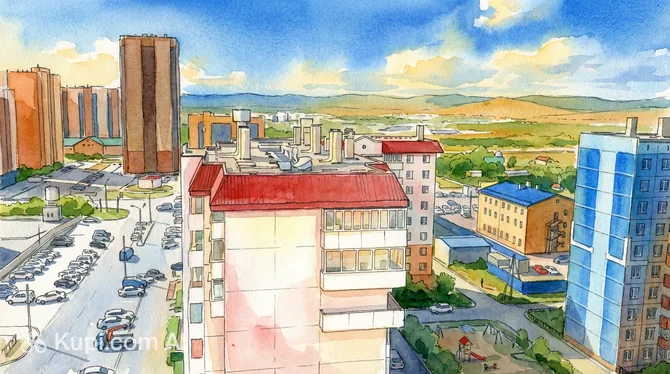
Chita. Source: Kupi.Binoculars

Explorers can visit the iconic Church of the Decembrists, a historic wooden structure that now houses a museum dedicated to these exiled figures. For panoramic views, a trip to Titovskaya Sopka is essential; this ancient volcano offers breathtaking vistas of the city and the surrounding natural scenery. The city center also features charming examples of traditional wooden architecture that stand in contrast to modern developments.

Whether you are passing through on a trans-continental rail journey or specifically seeking the unique atmosphere of Transbaikalia, Chita provides a welcoming and intriguing stop. Its blend of historical depth, bright sunny skies, and Siberian hospitality makes it a memorable destination for any adventurer.

Weather Overview

Chita experiences a sharp continental climate marked by extreme seasonal contrasts. Winters are long, dry, and intensely cold; in January, the average temperature drops to approximately -23.0°C, with overnight lows often reaching -29.2°C. Travelers visiting during this time should pack heavy winter gear, as December and February are similarly frigid with temperatures averaging around -20.8°C and -18.9°C respectively.

Summer brings a dramatic shift, offering warm and pleasant conditions. July is typically the warmest month, featuring average highs of 24.4°C and an average daily temperature of 19.0°C. However, this is also the wettest time of year; while total precipitation volume remains low, July sees about 13 wet days, so carrying an umbrella is advisable. Expect warm summers with occasional rain and cold, dry winters.

Spring and autumn serve as short transitional periods with rapidly changing temperatures. By May, the weather warms to an average of 9.0°C, while October sees the mercury dip back to 0.0°C. For a more comprehensive breakdown of seasonal trends and current forecasts, you can consult the detailed guide to the weather in Chita.

Interesting Facts

Beyond the main attractions, Chita holds many fascinating secrets that reveal its unique position at the crossroads of cultures and geography. The city’s location in the Transbaikal region has endowed it with natural wonders and historical quirks that often surprise visitors.
Chita Datsan. Source: Kupi.Binoculars
  • Chita is frequently cited as one of the "sunniest cities in Russia," often rivaling southern resort destinations in terms of annual sunshine hours. Despite its harsh Siberian winters, the city enjoys bright blue skies for a significant portion of the year, creating a crisp and luminous atmosphere.

  • The city is located near a rare geographical phenomenon known as the "Great Watershed" on Mount Pallas. This spot marks the convergence of the basins of three great rivers—the Amur, Lena, and Yenisei—meaning that water from this area flows into both the Arctic and Pacific Oceans.

  • Reflecting the region's rich Buryat heritage, the city is home to the stunning Chita Datsan. This Buddhist monastery is not just a religious site but a vibrant cultural center where visitors can learn about traditional philosophy and Tibetan medicine.

  • A prominent local landmark, Titovskaya Sopka, is actually an ancient, extinct volcano that rises above the city. Apart from offering panoramic views, this site is an archaeological treasure trove where prehistoric petroglyphs and fossils have been discovered.

How to Get There

Reaching this Siberian city is an adventure in itself, whether you choose to fly or take the legendary train journey across the country. As a major regional hub, the city is well-connected to other parts of Russia. You can find more about how to get to Chita and plan your specific route on our detailed page.

For air travelers, the most convenient option is Kadala (HTA). This international airport is located directly in Chita, approximately 11.7 km from the city center. It serves as the primary gateway for the region, handling a steady flow of flights from Moscow and other major cities. Once you land, reaching the downtown area is quite straightforward; a taxi ride typically takes about 40 minutes depending on traffic conditions. Public transport options are also available for those who prefer them.

For clarity, here is a summary of the main airports:

Airport Name City Passenger Traffic Km from City
Kadala Chita Medium 11.7

Traveling by train offers a classic Russian experience, as the city is a significant stop on the Trans-Siberian Railway. The most central and important arrival point is Chita-2 Station. Situated just 3.1 km from the heart of the city, it provides excellent access to local hotels and attractions. Arriving here puts you right in the middle of the action, with a short 5-minute taxi ride or a quick bus trip to the main streets. While there are other stations in the broader Zabaykalsky Krai region, such as those in Shilka or Aginskoye, they are located over 100 km away and are less suitable for travelers aiming directly for the regional capital.

Below is a list of railway stations in the vicinity:

Station City Passenger Traffic Km to Center
Shilka-Passazhirskaya Station Shilka Medium 178.2
Mogoytuy Station Aginskoye Small 132.1
Olovyannaya Station Olovyannaya Small 191.8
Chita-2 Station Chita 3.1
Priiskovaya Station Nerchinsk 216.7

Main Attractions

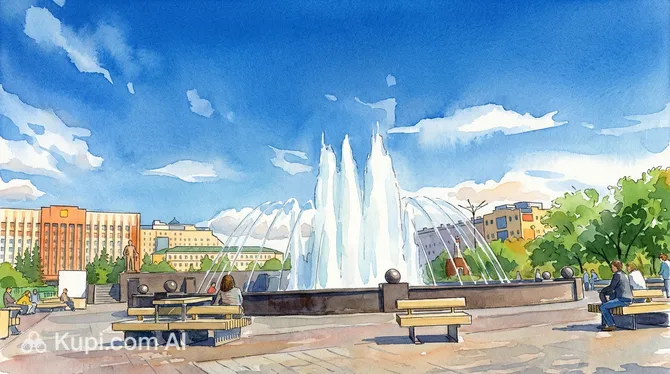
Exploring Chita reveals a city deeply connected to its history and surroundings. One of the most prominent places to start your tour is Lenin Square. As the main square of the city, it serves as a central gathering point for locals and visitors alike. It is spacious and surrounded by important administrative buildings, making it a perfect spot to observe the daily rhythm of the city and admire the local architecture during a leisurely walk.

Lenin Square. Source: Kupi.Binoculars

For those interested in the rich heritage of the region, the Transbaikal Regional Museum named after A.K. Kuznetsov is an essential stop. It is one of the oldest museums in Siberia and houses extensive collections dedicated to natural history, ethnography, and archaeology. Visitors can explore exhibits detailing the diverse flora and fauna of Zabaykalsky Krai, as well as the traditions of the indigenous cultures that have inhabited the area for centuries.

If you are looking for a pleasant place to relax outdoors, Odora Park offers a charming escape within the city limits. This park is not just a green space but a cultural hub featuring various sculptures, monuments, and recreational areas. It is a popular destination for families and couples, often hosting local events and providing a scenic backdrop for a quiet afternoon.

Odora Park. Source: Kupi.Binoculars

Another favorite for families and nature enthusiasts is the Chita Zoo. Although it is located within the city, it provides a wonderful opportunity to see a variety of animal species, including those native to the harsh Siberian climate. It serves as a delightful educational experience and is a fun way to spend a few hours, especially if you are traveling with children.

Local Cuisine

The culinary landscape of Chita is a flavorful reflection of its location in the Zabaykalsky Krai, where Russian Siberian traditions merge seamlessly with Buryat culture. Due to the region's harsh continental climate, the local cuisine is hearty, meat-heavy, and designed to keep you warm. The food here is unpretentious but deeply satisfying, relying on high-quality local livestock and ingredients gathered from the surrounding taiga.

The absolute signature dish of the region is buuzy (often called pozy). These large, steamed dumplings are shaped to resemble a traditional yurt, with a small opening at the top. They are typically filled with a juicy mixture of minced beef, pork, and mutton with onions. The correct way to eat a buuza is with your hands: bite a small hole in the side, drink the savory hot broth trapped inside, and then enjoy the meat and dough. You can try these authentic staples at almost any local cafe, or visit Nomad's Star, a restaurant that captures the spirit of the region's nomadic heritage.

Nomad's Star. Source: Kupi.Binoculars

Aside from dumplings, the local diet features robust soups like shulen or bukhler, which are rich mutton broths often served with large distinct pieces of meat and potatoes. The influence of the forest is also evident on the plate; pine nuts, wild mushrooms, and berries such as lingonberries and sea buckthorn are frequently used in sauces, desserts, and baking. These ingredients add a unique Siberian touch to otherwise familiar recipes.

When it comes to drinks, the tea culture is strong and unique. A traditional beverage worth trying is Buryat tea, which is green brick tea brewed with milk, a pinch of salt, and sometimes a dab of butter. It is a savory, energizing drink that sustains locals through cold winters. For a sweeter, non-alcoholic alternative, mors made from local cranberries or lingonberries is a refreshing choice found on most menus.

The city's dining scene offers a mix of traditional "poznaya" eateries and modern establishments. Locals enjoy a variety of cuisines, and for a change of pace from Siberian fare, places like Mama Roma provide popular Italian dishes in a cozy atmosphere. As the evening sets in, the city has several spots to unwind; visitors looking for a relaxed vibe or a good burger often head to Burger Heroes, while Vinyl Owl is a well-known bar for enjoying music and drinks with friends.

Travel Tips

Welcome to Chita, a city where the sun shines brightly even during the coldest Siberian winters! To ensure your journey through the capital of Zabaykalsky Krai is comfortable and hassle-free, we have compiled a list of essential practical tips for your visit.

  1. Clothing and Gear: The climate here is strictly continental, meaning you need to pack strategically. For a winter visit, thermal underwear, a heavy down jacket, insulated boots with non-slip soles, and a warm hat are mandatory; temperatures can drop below -30°C. In summer, light clothing is fine, but bring a windbreaker for cool evenings and sturdy shoes for hiking. Don't forget sunglasses year-round—the sun here is dazzlingly bright, especially when reflecting off the snow.
  2. Transportation: The city has a reliable network of trolleybuses and buses, which are the most affordable way to get around. Minibuses, known locally as marshrutkas, cover more routes but can be crowded. For convenience, use ride-hailing apps like Yandex Go or Maxim; they eliminate language barriers and allow you to pay by card or cash without negotiating prices.
  3. Finances: The official currency is the Russian Ruble (RUB). While local bank cards are widely used in supermarkets and restaurants, international cards often do not work, so it is crucial to bring cash in major currencies (USD or EUR) to exchange at banks. Always keep some small banknotes for public transport and small kiosks, as they often struggle to change large denominations.
  4. Health and Safety: Chita is generally a safe city for tourists, but standard precautions apply. Pharmacies, marked with a green cross (Apteka), are easy to find, and some operate 24/7. If you plan to explore the surrounding nature or hike up Titovskaya Sopka in late spring or summer, be sure to use high-quality tick repellent, as tick activity can be high in the grassy hills.
  5. Communication: Russian is the primary language, and English speakers may be hard to find outside of major hotels. It is highly recommended to download an offline translation app and an offline map service like 2GIS, which provides excellent detail on local businesses and transport routes. Buying a local SIM card (passport required) at a mobile shop is the best way to stay connected.
  6. Local Etiquette: Siberians are known for their hospitality but appreciate respect for local customs. When entering a home, always remove your shoes immediately. If you visit the Chita Datsan, remember to move in a clockwise direction around the stupas and inside the temple, a ritual known as goroo, and dress modestly out of respect for the Buddhist monks and worshippers.
  7. What to Avoid: Do not underestimate the "sunny" weather in winter. The bright blue sky can be deceptive, making it look warmer than it is; avoid staying outdoors for long periods without moving, as frostbite can set in quickly. Also, avoid drinking tap water; buying bottled water is the safer and tastier option.
  8. Additional Tip: Embrace the local tea culture! In many cafes, you might find "Transbaikal tea" or Buryat tea with milk and salt. It might sound unusual to Western palates, but it is incredibly warming and restorative after a walk in the crisp Siberian air—definitely worth a try for an authentic experience.

By keeping these practical pointers in mind, you will be well-prepared to explore the unique blend of cultures and landscapes that Chita has to offer. Enjoy the sunshine, the history, and the warm Siberian welcome!

Entertainment & Nightlife

Chita’s nightlife scene is compact yet vibrant, concentrated primarily in the city center. While it may not rival the non-stop energy of larger metropolises, the city offers a decent selection of venues where locals and visitors can unwind after dark. The evening atmosphere is generally relaxed, with the busiest activity occurring on Friday and Saturday nights. The main hub for entertainment revolves around the central streets, particularly near Lenin Square and the intersecting thoroughfares like Leningradskaya and Butina streets.

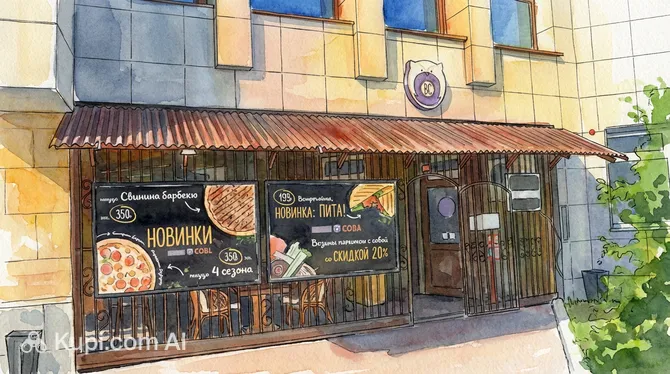
For those looking to enjoy a drink and a lively atmosphere, the city has several popular bars and gastropubs. Vinyl Owl is a notable spot that attracts a creative and youthful crowd. It combines the vibe of a classic bar with a love for music, making it a great place to socialize. Another favorite among locals is Burger Heroes. While known for its food, it also serves as a casual evening hangout where you can enjoy craft beverages in a modern, stylish setting.

Vinyl Owl. Source: Kupi.Binoculars

If you prefer a more comprehensive entertainment experience, the city's modern shopping centers often serve as evening hubs. Maksi Shopping Mall, for instance, is not just for shopping; it typically houses a cinema and a food court, making it a popular destination for families and groups of friends looking to catch a late movie or grab a bite in a safe, bustling environment. Similarly, the Novositi Shopping and Trade Center offers various leisure options that extend into the evening hours.

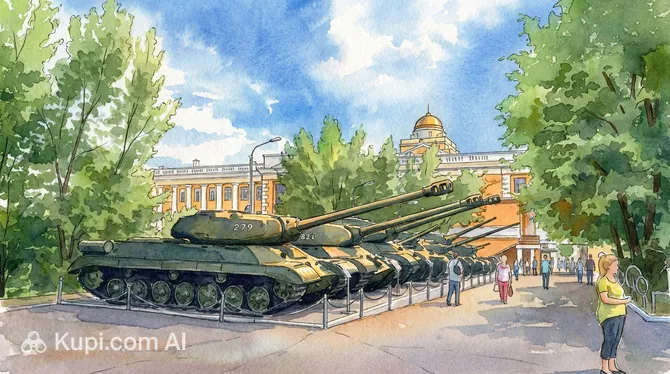
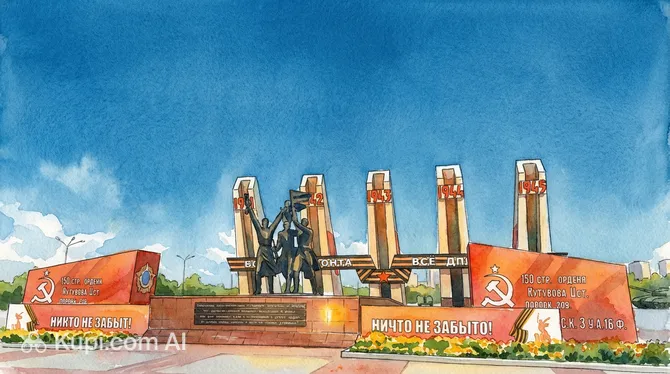
Regarding daytime and active entertainment, Chita has plenty to offer before the sun goes down. For energetic travelers or families, the Vint Trampoline Acrobatics Center provides a fun way to stay active indoors. If you prefer a more leisurely pace, a walk through Victory Park or Pioneers' Park is a pleasant way to spend the afternoon, enjoying the local greenery and monuments.

Victory Park. Source: Kupi.Binoculars

Practical Advice for Nightlife:

  • Transport: Public transport stops running relatively early, usually around 10:00 PM or 11:00 PM. If you are staying out late, rely on taxis. Apps like Yandex Go and Maxim are the most convenient and safe ways to book a ride without needing to speak Russian.
  • Safety: The city center is well-lit and generally safe for evening strolls, but it is advisable to avoid unlit outskirts or residential courtyards late at night. Stick to main streets and populated areas.
  • Dress Code: Most bars and clubs have a casual dress code ("face control" is rare in casual bars, but common in nightclubs). Smart casual is a safe bet for any venue.
  • Prices: Entertainment in Chita is affordable compared to Moscow or St. Petersburg. A cocktail or a pint of beer in a good bar typically costs between 300 and 500 RUB.

Parks & Museums

Chita offers a compelling mix of cultural institutions and green spaces that allow visitors to dive deeper into the region's heritage and natural beauty. Beyond the main squares, the city's museums and parks provide quiet corners for reflection and recreation.

One of the most architecturally significant sites is the Transbaikal Regional Museum named after A.K. Kuznetsov. Housed in a striking building designed in the Siberian Art Nouveau style, it captures the imagination even before you step inside. While its exhibitions cover everything from archaeology to ethnography, the museum also serves as a testament to the scientific curiosity that flourished in this remote part of Russia during the 19th and early 20th centuries.

Transbaikal Regional Museum named after A.K. Kuznetsov. Source: Kupi.Binoculars

Another historical treasure, often considered the soul of the city, is the Decembrists' Church Museum. Located within the ancient wooden Church of Michael the Archangel, this venue is dedicated to the memory of the Decembrists—aristocratic revolutionaries exiled to Siberia. The museum displays personal belongings, documents, and artifacts that paint a vivid picture of their life in exile and their profound influence on local culture.

For a refreshing break outdoors, Pioneers' Park remains a beloved spot for locals. Situated in the city center, this park has a long history as a public garden. With its shady alleys and relaxed atmosphere, it is an ideal location for a leisurely stroll or a family outing, offering a peaceful counterpoint to the bustling streets nearby.

Pioneers' Park. Source: Kupi.Binoculars

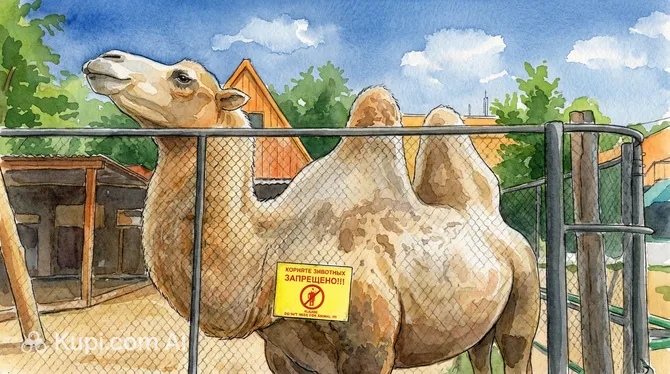
Nature lovers should also explore the Chita Zoo, located on the edge of the forest zone within the city. It provides a unique opportunity to observe wildlife adapted to the harsh Siberian environment, including the region’s famous Pallas’s cat. The zoo plays a vital role in conservation education and offers a close-up look at the fauna that inhabits the vast landscapes of Zabaykalsky Krai.

Chita Zoo. Source: Kupi.Binoculars

Getting Around

Navigating Chita is relatively straightforward, as the city relies on a compact but functional network of ground transportation. There is no underground metro system here; instead, the public transport framework consists of trolleybuses, municipal buses, and private minibuses known as marshrutkas. Trolleybuses are often the most comfortable and reliable option for moving between major districts, offering a steady connection through the city center. Marshrutkas, while sometimes crowded, provide more extensive coverage, reaching suburban areas and smaller streets that larger vehicles do not serve.

The payment system differs slightly depending on the mode of transport. In municipal trolleybuses and buses, you typically pay a conductor who moves through the cabin, or sometimes the driver upon exit if no conductor is present. Contactless bank cards are widely accepted on these municipal routes, and the fare is generally lower than private options. On marshrutkas, payment is almost exclusively made directly to the driver, usually upon exiting the vehicle. While some modern minibuses may accept transfers or cards, cash remains the most reliable method. It is highly advisable to carry small change, as drivers may struggle to break large banknotes during rush hour.

For tourists, the most practical tool for navigating the system is a map application like 2GIS or Yandex Maps. These apps are indispensable in Chita, providing accurate route planning, bus stop locations, and real-time arrival estimates. Public transport typically operates from around 6:00 AM until 10:00 PM or 11:00 PM. Be aware that the frequency of service drops significantly after 9:00 PM, so evening plans should be made with a backup travel option in mind.

If you prefer more comfort or need to travel late at night, taxis are a popular and affordable alternative. Ride-hailing apps like Yandex Go and Maxim operate efficiently throughout the city, allowing you to book a ride without speaking the local language and offering fixed pricing. Car-sharing and bike rental services are less developed compared to larger metropolises, so relying on the combination of public transit and taxis is the standard way to get around.

While Chita does not boast a futuristic transport hub, it does have a unique feature for railway enthusiasts: the Chita Children's Railway. Although it functions primarily as a seasonal attraction and an educational facility for young railway workers rather than a daily commuter line, it is a fully operational narrow-gauge railway. Located near the city center, it offers a charming short trip during the summer months and provides a nostalgic glimpse into the region's deep connection with rail history.

Accommodation

Accommodation in Chita is functional and diverse, catering primarily to business travelers and tourists exploring the Transbaikal region. While the city does not boast ultra-luxury international chains, it offers a solid selection of mid-range hotels, renovated Soviet-era establishments, and modern mini-hotels that provide comfortable amenities. For budget-conscious travelers, there are several decent hostels and a growing market of short-term apartment rentals, which are often a cost-effective alternative for longer stays.

The most convenient area to stay is undoubtedly the city center. Choosing a hotel near Lenin Square or along the main thoroughfares like Butina and Leningradskaya streets places you within walking distance of key attractions, government buildings, and dining spots. Another popular option is the area surrounding the Chita-2 Railway Station. This location is particularly practical for those arriving by train on the Trans-Siberian route, allowing for a quick drop-off of luggage before exploring the city.

Booking Tips and Prices:

Prices in Chita are generally affordable compared to larger Russian cities. You can expect to find comfortable double rooms in the mid-range bracket, while hostels offer very budget-friendly rates. It is advisable to book your accommodation in advance, especially if you plan to visit during the summer months or around major regional holidays when occupancy rates can rise. While some hotels can be booked through major international platforms, many local establishments rely on Russian booking aggregators or direct reservations via phone and email.

Travelers seeking a more domestic feel might prefer renting a private apartment. This option is widely available and often provides a kitchen and more space than a standard hotel room, making it ideal for families or groups. Regardless of where you choose to stay, the hospitality in Chita is warm, ensuring a restful stopover in the heart of Siberia.

Nearby Cities

For those looking to explore the surroundings, Chita serves as an excellent base for day trips to several interesting nearby locations:

While the vast distances of Siberia often turn "nearby" visits into overnight adventures, Ulan-Ude is a destination well worth the journey. As the capital of the Republic of Buryatia, it offers a fascinating blend of Russian and Buryat cultures. Visitors are drawn to its unique architectural landmarks, including the famous giant head of Lenin and the serene Buddhist temples, such as the Ivolginsky Datsan located just outside the city.

For nature enthusiasts, Severobaykalsk serves as the northern gateway to the majestic Lake Baikal. Although it requires a longer trip, the reward is access to pristine shorelines, breathtaking mountain views, and nearby hot springs like Goudzhekit. It is an ideal spot for those seeking tranquility and a direct connection with one of the world's most impressive natural wonders.

Closer to Chita, the town of Borzya offers a different kind of landscape. It acts as a stepping stone to the Daurian Nature Reserve, a UNESCO World Heritage site known for its unique steppe ecosystem and diverse wildlife. Birdwatchers and eco-tourists often pass through here to witness the rare species that inhabit the rolling plains of the Transbaikal region.

City Population Distance (km)
Ulan-Ude 439128 405
Krasnokamensk 52811 387
Borzya 28888 283
Severobaykalsk 23365 483
Gusinoozyorsk 23082 488

These nearby destinations offer a glimpse into the diverse culture and landscapes of the region.

Shopping & Souvenirs

Shopping in Chita offers a delightful mix of modern retail experiences and authentic Siberian flair. Whether you are looking for the latest fashion trends, outdoor gear for your travels, or unique local souvenirs to take home, the city provides a variety of options ranging from large contemporary malls to bustling markets filled with regional specialties.

For a comprehensive shopping spree, the city's modern trade centers are the best place to start. Maksi Shopping Mall is one of the most popular destinations for both locals and tourists. Conveniently located, it houses a wide array of international and Russian brands, a large supermarket, and entertainment facilities. It is an ideal spot to pick up clothing, electronics, or simply enjoy a comfortable indoor stroll.

Another major hub is the Novositi Shopping and Trade Center. This complex is well-regarded for its diverse selection of shops and services. Here, you can find everything from cosmetics and accessories to household goods. These malls also feature food courts, making them convenient stops for a midday break during your shopping excursion.

If you are searching for authentic gifts that reflect the spirit of Zabaykalsky Krai, focus on local natural products. The region is famous for its pine nuts (cedar nuts), which are harvested from the surrounding taiga. You can buy them shelled, in their cones, or pressed into rich cedar oil. Another "must-buy" is charoite, a rare and beautiful lilac-colored gemstone found only in this part of Siberia. Jewelry and crafts made from charoite make for exquisite and exclusive souvenirs.

Don't miss the chance to explore the local markets for a taste of the region's bounty. In late summer and autumn, stalls are overflowing with fresh wild berries like lingonberries, cranberries, and sea buckthorn, as well as forest mushrooms. Herbal teas, particularly those containing Sagan-Daila (a stimulating local herb), and medicinal balms are also popular purchases that capture the essence of the Siberian wilderness.

Reached the end of the page?

That means the route is fully explored