Support

Ulan-Ude

About

Ulan-Ude is a fascinating cultural crossroads located in Eastern Siberia, offering a unique blend of Russian and Asian traditions. As the capital of the Republic of Buryatia within the Russian Federation, the city stands out for its sunny disposition and distinct architectural style. Situated at the confluence of the Uda and Selenga rivers, it serves as a major transport hub on the Trans-Siberian Railway and a gateway to the legendary Lake Baikal, which lies just a short distance to the west.

With a population of approximately 440,000 people, the city maintains a vibrant yet relaxed atmosphere. The local climate is continental, characterized by dry, cold winters and warm, sunny summers, often earning it the title of one of the sunniest cities in the region. Visitors are often captivated by the harmonious coexistence of diverse cultures here, where Orthodox churches stand near Buddhist datsans, reflecting the rich history of Ulan-Ude as a historic trading post on the Great Tea Road.
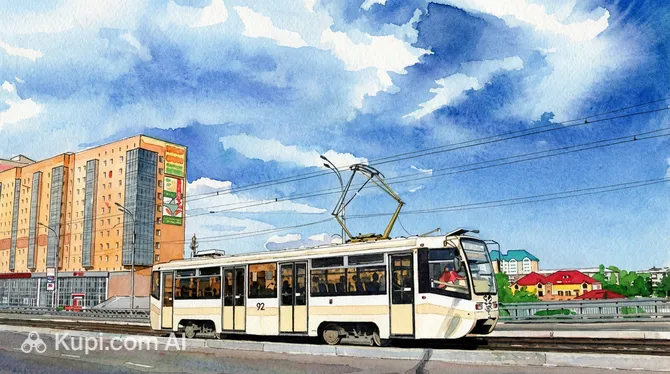
Ulan-Ude. Source: Kupi.Binoculars

The city is home to several remarkable sights that draw travelers from around the world. The most iconic landmark is the monumental Head of Lenin in the main square, which is the largest sculpture of its kind in the world. For those interested in spiritual heritage, the nearby Ivolginsky Datsan is the center of Buddhism in Russia and a must-visit destination for its colorful temples and serene environment. Additionally, the Ethnographic Museum of Transbaikalia offers an open-air journey through the region's past, showcasing traditional wooden architecture and local lifestyles.

Whether you are stopping by on a trans-continental train journey or planning a dedicated trip to explore Buryatia, Ulan-Ude promises a memorable experience filled with hospitality, history, and striking scenery. It is an excellent starting point for discovering the natural wonders of Siberia and the profound cultural heritage of the Buryat people.
Weather Overview

The climate in Ulan-Ude is sharply continental, characterized by distinct seasonal contrasts and plenty of sunshine. For travelers planning a trip, understanding the weather in Ulan-Ude is key to packing the right gear, as conditions vary greatly depending on the time of year. The city is well-known for its clear skies, which often persist even during the coldest months.

Winters are rigorous and dry, with January being the coldest month, featuring an average temperature of -21.8°C and lows that can drop to -27.7°C. Despite the freezing temperatures, precipitation is extremely low, often recorded at 0mm during January and February, creating a crisp and dry atmosphere. Travelers visiting in winter should come prepared with heavy thermal clothing to handle the deep freeze.

In contrast, the summer season brings comfortable warmth perfect for outdoor exploration. July is typically the warmest month, with average temperatures around 19.0°C and daily maximums reaching 24.5°C. While the precipitation volume remains relatively low throughout the year, the summer months from June to August see a higher frequency of wet days, averaging between 9 and 11 days per month.

Expect warm summers with occasional rain and cold, dry winters. Spring and autumn act as brief transition periods; for instance, April averages 2.8°C while October sees temperatures drop to an average of 1.0°C, requiring flexible layering for anyone visiting during these shoulder seasons.

Interesting Facts

Beyond the main attractions and the well-known Buddhist heritage, Ulan-Ude holds many fascinating secrets that surprise travelers. The city’s unique position between East and West has created a tapestry of curious details and historical quirks worth discovering.
Lenin Head Monument. Source: Kupi.Binoculars
  • The city is famous for hosting the largest monumental head of Vladimir Lenin in the world. Standing in the central square, the Lenin Head Monument is a bronze giant that weighs over 40 tons and reaches a height of nearly 14 meters with its pedestal, making it a distinct and somewhat surreal symbol of the city.

  • Despite its location in Siberia, Ulan-Ude is officially recognized as one of the sunniest cities in Russia. The sun shines here for more than 2,400 hours annually, a record that rivals and often exceeds the sunny days found in the southern resorts of the Caucasus.

  • The city's name has a literal and descriptive meaning rooted in the local geography and history. "Ulan-Ude" translates from the Buryat language as "Red Uda," referring to the Uda River on which it sits, combined with the "Red" ideology adopted when the city was renamed from Verkhneudinsk in 1934.

  • Historically, the city was a vital hub on the "Great Tea Road," the trade route that transported tea from China to Europe. This lucrative trade in the 18th and 19th centuries brought significant wealth to the region, funding the construction of many beautiful merchant houses that still stand today.

  • In the evenings, the city center comes alive with the Musical Fountain of the Opera Theater. This modern attraction is computer-controlled to synchronize water jets and lighting with classical musical compositions, offering a delightful spectacle for pedestrians.

How to Get There

Reaching this Siberian cultural hub is an adventure in itself, with options ranging from air travel to the legendary Trans-Siberian Railway. For those prioritizing speed, the most convenient entry point is Baikal airport (IATA: UUD), located directly in Ulan-Ude, just 10.5 km from the city center. A taxi ride or bus trip to the downtown area typically takes about 36 minutes. While it is a regional hub, it connects the city effectively with major Russian centers. Alternatively, international travelers often fly into Irkutsk Airport (IATA: IKT). It is important to note that this airport is located in the city of Irkutsk, approximately 224.4 km away from Ulan-Ude. The transfer by road takes around 6 hours, though many visitors choose to complete this leg of the journey by train to enjoy the scenery. To explore all available routes and plan your trip, you can read more about how to get to Ulan-Ude.

For clarity, here is a summary of the main airports serving the region:

Airport Name City Passenger Traffic Km from City
Irkutsk AirportIrkutskLarge224.4
BaikalUlan-UdeMedium10.5

For those who prefer rail travel, Ulan-Ude is a major stop on the Trans-Siberian Railway. The primary gateway is Ulan-Ude Passazhirsky Station, which is centrally located just 0.8 km from the heart of the city. With high passenger traffic, it is a bustling hub where travelers from Moscow, Beijing, and Ulaanbaatar arrive. Getting to your hotel from here is quick and easy, often taking just a few minutes by taxi. Another station within the city limits is Zaudinsky Station, situated about 6.7 km from the center, though it generally serves fewer passengers and local lines.

Below is a list of railway stations serving the area and nearby towns:

Station City Passenger Traffic Km to Center
Ulan-Ude Passazhirsky StationUlan-UdeHigh0.8
Petrovsky Zavod StationPetrovsk-ZabaykalskyMedium107.0
Zaudinsky StationUlan-UdeSmall6.7
Gusinoozero StationGusinoozyorskSmall121.4
Dzhida StationKyakhtaSmall160.6

Main Attractions

While Ulan-Ude is famous for its spiritual and cultural landmarks, the city also offers a variety of other interesting spots for history buffs, families, and shoppers. Beyond the well-known temples and squares, visitors can explore monuments dedicated to the past, enjoy modern entertainment centers, and experience the local urban lifestyle.

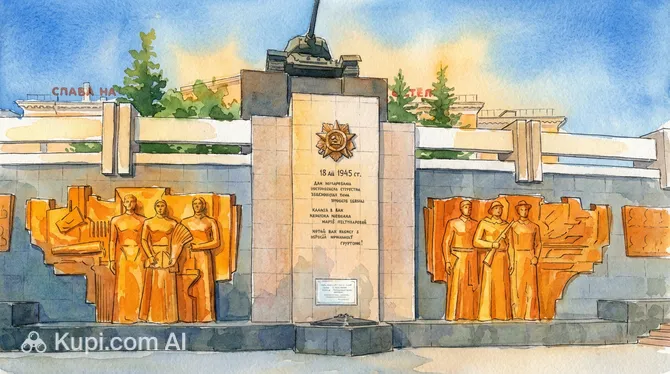
A prominent historical site in the city is the T-34 Tank Victory Memorial. This monument stands as a tribute to the bravery and resilience shown during the Second World War. The legendary T-34 tank, mounted on a pedestal, serves as a focal point for those wishing to pay their respects and learn more about the region's contribution to history. It is a solemn and impressive structure that adds depth to a tour of the city's streets.

T-34 Tank Victory Memorial. Source: Kupi.Binoculars

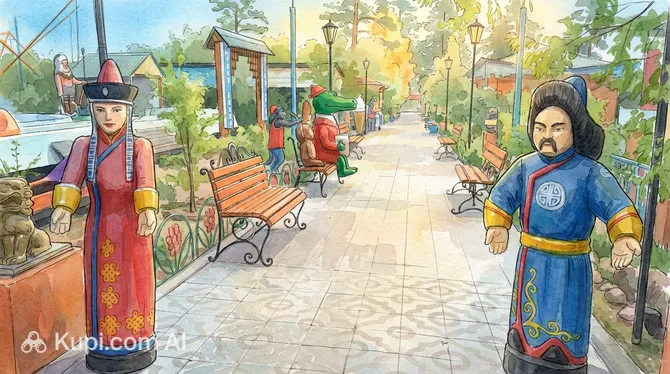
For those traveling with children or simply looking for a fun break from sightseeing, Divo Lion is a popular amusement park worth visiting. This entertainment complex offers a lively atmosphere with various rides and attractions suitable for different ages. It is a great place to mingle with locals and enjoy a lighthearted afternoon in the heart of the city.

Divo Lion. Source: Kupi.Binoculars

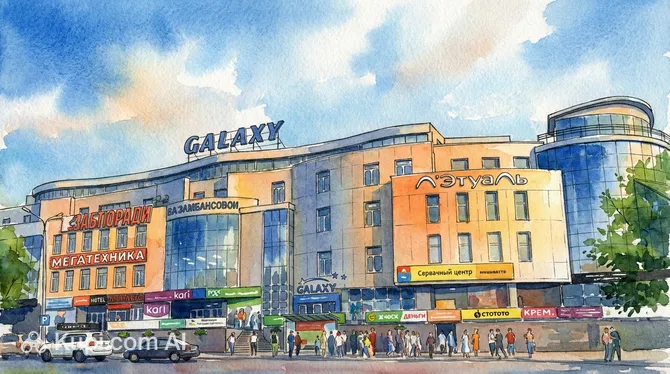
To see the modern side of Ulan-Ude, a visit to Galaxy shopping mall is highly recommended. As one of the city's key retail and leisure hubs, it offers a wide range of shops, from international brands to local boutiques. It is also an excellent spot to find souvenirs, enjoy a meal at the food court, or simply observe the daily life of the city's residents in a comfortable, contemporary setting.

Galaxy. Source: Kupi.Binoculars

Local Cuisine

The culinary landscape of Ulan-Ude is a flavorful reflection of its history, blending hearty Siberian ingredients with distinct Buryat traditions. The local cuisine is designed to sustain people through cold winters, relying heavily on meat and dairy products. For any visitor, the absolute "must-try" dish is buuzy (also known as poses). These large, steamed dumplings are shaped like traditional yurts, with a small opening at the top. The proper way to eat them is an experience in itself: you hold the dumpling by hand, take a small bite to drink the savory hot broth inside, and then enjoy the juicy meat filling and dough.

Beyond dumplings, the region offers other unique specialties. Shulen is a rich mutton soup with homemade noodles that is considered very restorative. Fish lovers should look for sagudai, a local appetizer made from raw whitefish (often from Lake Baikal) cured with salt, pepper, onion, and oil. It is a fresh and zesty dish that contrasts perfectly with the heavier meat entrees. Dairy also plays a huge role, with treats like dried curds and fresh cream often appearing on traditional tables.

When it comes to beverages, the most iconic drink is Buryat tea. Unlike the sweet tea many tourists are used to, this is a green brick tea brewed with milk, salt, and sometimes a dab of butter. It is an acquired taste for some but is deeply warming and nutritious. For those looking for evening entertainment and familiar drinks, the city has a vibrant nightlife scene. You can enjoy a pint and a lively atmosphere at Harat's Pub or visit Lanchester, a bar popular for its cozy setting.

Churchill Gastro Pub. Source: Kupi.Binoculars

The food culture in Ulan-Ude ranges from fast-food style eateries to elegant restaurants. The city is dotted with small cafes known as "poznayas," which specialize in serving buuzy quickly and affordably; these are the best places to rub shoulders with locals during lunch. For a more relaxed dinner with a diverse menu, Churchill Gastro Pub is a favorite destination, offering a mix of European and local flavors. Travelers seeking a sophisticated dining experience often choose Reston, where the ambience complements the high-quality cuisine. Additionally, modern venues like the Forum Shopping Mall provide convenient food courts for a quick bite while shopping.

Travel Tips

Preparing for a trip to the capital of Buryatia requires a bit of foresight, especially regarding the distinctive climate and rich local customs. To help you navigate the city with ease and respect, here is a set of practical tips to ensure your visit to Ulan-Ude is smooth and enjoyable.

  1. Clothing and Gear: The local climate is sharply continental, so packing depends entirely on the season. For winter visits, heavy down jackets, thermal underwear, and non-slip insulated boots are mandatory to withstand freezing temperatures. In summer, light and breathable fabrics are suitable, though a light jacket is wise for cool evenings. When visiting religious sites like datsans, adhere to a modest dress code: cover your shoulders and knees, and be prepared to remove your shoes before entering temples.

  2. Transportation: The city has an extensive and affordable network of trams and marshrutkas (minibuses). The tram system is particularly reliable and offers a scenic way to view the city center. For more comfort, using mobile ride-hailing apps is recommended over hailing taxis from the street, as it overcomes language barriers and ensures a fixed price. Car rental is available but is generally only necessary if you plan independent trips to distant natural sites.

  3. Finances: The official currency is the Russian Ruble (RUB). While local bank cards and contactless payments are widely used in shops and restaurants, credit cards issued by foreign banks typically do not work within the Russian Federation at this time. It is essential to bring sufficient cash (USD or EUR) to exchange at banks upon arrival. Always carry some cash for small purchases, public transport, and tips.

  4. Health and Safety: Ulan-Ude is generally a safe and welcoming city for tourists. Pharmacies are marked with a green cross and the word Apteka (Аптека); they are easy to find, and many operate 24/7. As a precaution, avoid drinking tap water; sticking to bottled or boiled water is the standard practice for travelers here.

  5. Communication: Russian is the primary language, and while Buryat is also spoken, English proficiency is limited outside of major hotels and tourist agencies. It is highly advisable to download an offline translation app and offline maps before you arrive. Purchasing a local SIM card is straightforward at mobile phone shops in the city center or at the airport; you will just need your passport.

  6. Local Etiquette: Respect for Buddhist traditions is deeply ingrained here. When visiting a datsan, always walk around the temples and stupas in a clockwise direction (a ritual known as goroo). If you are offered tea or food by a local host, it is polite to accept at least a little, as hospitality is a core value in Buryat culture.

  7. What to Avoid: Never step on the threshold when entering a temple or a traditional yurt; you must step over it, as the threshold is considered the guardian of the space. Additionally, avoid pointing your finger directly at altars, religious statues, or people. Instead, use an open hand to gesture, which is considered much more respectful.

  8. Sun Protection: Ulan-Ude is famous for being one of the sunniest cities in the region. Even in the depths of winter, the sun can be surprisingly intense, especially when reflecting off the white snow. Bring a good pair of sunglasses and sunscreen regardless of the season to protect your eyes and skin.

By keeping these practicalities in mind, you will be well-equipped to embrace the unique atmosphere and warm hospitality of Ulan-Ude. A little preparation allows you to focus on the stunning architecture, delicious cuisine, and the fascinating blend of cultures that makes this Siberian city so special.

Entertainment & Nightlife

As the sun sets over the Uda River, the pace of life in Ulan-Ude shifts from bustling trade to relaxed leisure. While the city is not known for a wild 24-hour party scene, it offers a vibrant selection of evening entertainment that reflects the warm hospitality of the region. The nightlife is concentrated primarily in the city center, particularly around the pedestrian section of Lenin Street, locally known as the "Arbat," and the surrounding blocks near Sovetskaya Square. In the warmer months, this area remains lively well into the evening with street musicians and strolling couples.

One of the most popular ways to spend an evening in Buryatia is singing. Karaoke is not just a hobby here; it is a major part of the social culture. For a lively night out with high-quality sound and a spirited crowd, visitors often head to Celentano Karaoke Rooms. It is a great place to experience the local enthusiasm for music and performance in a stylish setting. Another excellent venue for those who love to sing or simply enjoy the energetic atmosphere is the Red Records Karaoke Club, which frequently hosts themed parties and attracts a trendy, youthful crowd.

Celentano Karaoke Rooms. Source: Kupi.Binoculars

For those who prefer a quieter evening with a drink in hand, the city has a growing bar scene where the atmosphere is generally casual and friendly. Most venues do not enforce a strict dress code, though "smart casual" is always a safe bet for nightclubs and upscale lounges. On weekends, bars and clubs usually operate until the early hours of the morning, while on weekdays, they may close around midnight or 1:00 AM. Prices in Ulan-Ude are quite reasonable compared to larger Russian cities, making a night out very affordable.

Safety in Ulan-Ude is comparable to other regional hubs. The central districts are well-lit and generally safe for walking in the evening, especially where there are plenty of people. However, as the night deepens, it is advisable to use a taxi rather than walking long distances or using public transport, which becomes scarce after 10:00 PM. Ride-hailing apps are the most convenient and reliable way to get around, ensuring a fixed price and overcoming any language barriers.

Before the night truly begins, you can enjoy some of the city's daytime cultural offerings. Ulan-Ude is the theatrical capital of the region, home to the magnificent Opera and Ballet Theater, which hosts world-class performances. History enthusiasts should not miss the chance to explore the local museums, which provide deep insights into the history of the Trans-Baikal region, while families can find fun at local amusement parks during the day.

Parks & Museums

Ulan-Ude offers a refreshing mix of open green spaces and deep cultural repositories that allow visitors to step back in time or simply relax in nature. The city’s layout, nestled between rivers and rolling hills, naturally integrates scenic areas with its urban fabric, while its museums provide a comprehensive look at the rich tapestry of Buryat, Russian, and Evenki heritage.

One of the most significant natural and cultural sites is the Ethnographic Museum of Peoples of Transbaikalia. Located in the Upper Berezovka area, this expansive open-air museum functions as a massive park where history comes alive. Visitors can walk through diverse complexes showcasing authentic wooden architecture, including Buryat yurts, Evenki tents, and Old Believer houses. It is a perfect place for a leisurely stroll among pine trees while learning about the region's diverse ethnic groups and their traditional lifestyles.

For a more classic park experience within the city, Victory Park (Park Pobedy) is a favorite among locals. Situated on a hill, it offers panoramic views of the city and serves as a green sanctuary for walking and reflection. It is also home to the T-34 Tank Victory Memorial, a significant historical marker surrounded by landscaped paths. Another popular spot for families is the Jubilee Park (Park Yubileyny), known for its wide alleys and recreational facilities, providing a pleasant escape from the city noise.

In terms of indoor culture, the History of Buryatia Museum is a key institution. It houses an impressive collection of Buddhist art, including rare thangkas and statues, as well as artifacts from the nomadic past of the region. Nearby, the Museum of Nature of Buryatia offers fascinating exhibits on the flora and fauna of the Lake Baikal region, making it an educational stop for those interested in the unique local ecology.

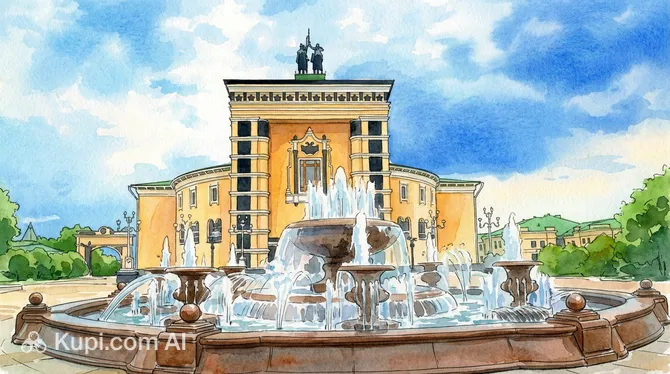
Architecturally, the city center is dominated by the majestic Buryat State Academic Opera and Ballet Theater. This stunning building is not only a hub for high culture but also the centerpiece of a beautiful square. Directly in front of it, visitors can enjoy the Musical Fountain of the Opera Theater. This computerized fountain creates a mesmerizing display of water and light synchronized to classical music, turning the square into an open-air theater of its own during the warmer months.

Musical Fountain of the Opera Theater. Source: Kupi.Binoculars

Another architectural gem is the Odigitrievsky Cathedral, the first stone building in the city. Its Siberian Baroque style stands in elegant contrast to the Asian motifs found elsewhere in Ulan-Ude. For a truly authentic experience, take a short trip to the Rimpoche Bagsha Datsan on Lysaya Gora (Bald Mountain). While primarily a temple, the surrounding grounds feature a "path of long life" walking trail that offers the best sunset views over the entire city and the meandering Selenga River.

Getting Around

Navigating Ulan-Ude is relatively straightforward and affordable, thanks to a public transport network designed to handle the city's specific geography. The system relies primarily on a combination of trams and private minibuses, known locally as marshrutkas. There is no underground metro system or trolleybus network in the city, making surface transport the only option for getting around. For most tourists, the tram is the most comfortable and scenic way to travel, especially within the central districts.

The tram network acts as the backbone of the city's transit infrastructure. It connects the major residential areas with the city center and the railway station. In recent years, the fleet has been significantly upgraded with modern, low-floor trams, often referred to as "Lvyonok" (Little Lion), which offer a smooth and quiet ride. Trams generally operate from early morning, around 6:00 AM, until approximately 10:00 PM or 11:00 PM. They are reliable and, crucially, run on dedicated tracks in many areas, allowing them to bypass rush-hour traffic jams.

Complementing the trams is an extensive web of marshrutkas (minibuses). These vehicles go almost everywhere, including suburbs and remote neighborhoods that trams do not reach. While they are faster and run more frequently than large municipal buses, they can be crowded and less comfortable. To catch one, you simply wait at a designated bus stop and wave if necessary. Stops are usually marked, but using a navigation app is highly recommended to know which number to look for.

Paying for your ride is simple. In trams, there is usually a conductor on board who collects the fare; you can pay with cash or, increasingly, with a contactless bank card. The cost is very low, typically just a few cents in equivalent currency. In marshrutkas, you pay the driver directly. It is standard practice to pay upon entering or exiting, depending on the specific driver's preference, so watching what locals do is a good strategy. Cash is the most reliable method for minibuses, so it is wise to keep a supply of small coins and banknotes handy.

For navigation, the most useful tool for a tourist in Ulan-Ude is the 2GIS app. It is extremely popular in Siberia and provides offline maps, precise route planning for all types of public transport, and even indicates the entrance door to buildings. Yandex Maps is another reliable alternative that works well for tracking bus arrivals in real-time.

If you prefer more privacy or need to travel late at night when public transport frequency drops, taxis are a convenient alternative. Street hailing is not common practice; instead, visitors should use mobile apps like Yandex Go or Maxim. These apps allow you to link a bank card (if supported) or pay cash, and they provide a fixed price upfront, eliminating the language barrier. Car-sharing services are not widely developed in the city, and while bike rentals are available in parks during the summer, they are generally used for leisure rather than commuting.

Accommodation

Accommodation in Ulan-Ude caters to a variety of travelers, ranging from backpackers heading to Lake Baikal to business visitors. The city offers a solid selection of lodging options, primarily consisting of mid-range hotels, small private guesthouses, and budget-friendly hostels. While you will not find ultra-luxury international hotel chains here, the local hospitality sector provides comfortable and clean facilities, often with a touch of Soviet-era charm or modern boutique style.

The most convenient area for tourists to stay is undoubtedly the city center (Sovetsky District). Choosing a hotel in this neighborhood places you within walking distance of the main architectural sights, government buildings, and the pedestrian "Arbat" street. A central location means you are never far from iconic landmarks like the Lenin Head Monument, making sightseeing easy without the need for constant public transport.

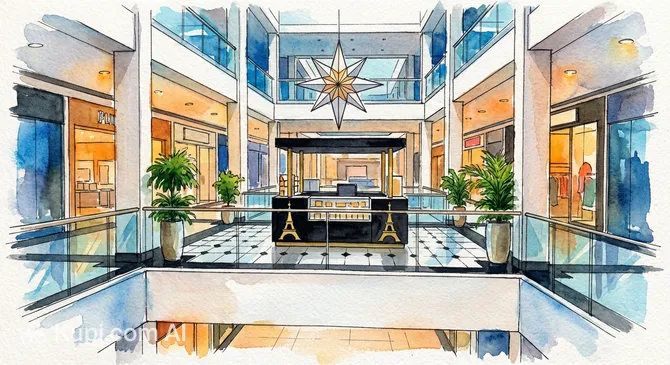
For those who prioritize easy access to amenities, staying near major commercial hubs is a smart choice. The area surrounding the Forum Shopping Mall is popular because it offers immediate access to supermarkets, ATMs, and a variety of dining options right at your doorstep. This district combines the bustle of modern city life with the convenience of having everything you need within a few blocks.

Forum Shopping Mall. Source: Kupi.Binoculars

Booking Tips: It is highly recommended to book your accommodation in advance, especially during the summer months (July and August) when the city serves as a transit point for tourists visiting Lake Baikal. Another peak period is Sagaalgan (the Buddhist New Year), which typically falls in February or March; during this time, hotels can fill up quickly with visitors attending the celebrations.

In terms of pricing, Ulan-Ude is quite affordable compared to Moscow or St. Petersburg. You can find decent rooms at very reasonable rates. Since many international booking platforms may have limited listings or functionality in the region, it is often more effective to use local Russian booking aggregators or contact hotels directly to secure your reservation.

Nearby Cities

For those looking to explore the surroundings, Ulan-Ude serves as an excellent base for day trips to several interesting nearby locations:

One of the most popular destinations for a short visit is Irkutsk. Often referred to as the "Paris of Siberia," this historic city is located on the banks of the Angara River. It is renowned for its well-preserved 19th-century wooden architecture, stone churches, and the vibrant 130 Kvartal district, which is filled with cafes, museums, and shops. Although it requires a few hours of travel, the cultural richness and stunning historic center make it well worth the journey.

Another intriguing option is Angarsk, known as the "City Born of Victory." It offers a different atmosphere with its distinct post-war architecture and greenery. A unique highlight here is the Museum of Clocks, which houses a fascinating collection of timepieces from the 18th to the 20th centuries. It provides a quieter, yet culturally rewarding experience compared to the larger regional capitals.

For travelers interested in seeing more of the region, here is a list of nearby cities accessible from Ulan-Ude:

City Population Distance (km)
Irkutsk 623,736 231
Chita 347,088 405
Angarsk 226,374 262
Usolye-Sibirskoye 77,407 288
Cheremkhovo 50,819 338

These nearby destinations offer a glimpse into the diverse culture and landscapes of the region.

Shopping & Souvenirs

Shopping in Ulan-Ude offers a delightful mix of modern convenience and authentic local flavor, reflecting the city's position as a bridge between Russia and Asia. Visitors can expect a diverse retail experience that ranges from contemporary multi-story complexes to bustling open-air markets. While you will find familiar international and Russian brands, the real treasure lies in the unique regional goods, such as ethnic handicrafts, silver jewelry, and natural products from the Baikal region.

The heart of the city's commercial life is the pedestrian section of Lenin Street, affectionately known by locals as the "Arbat." This historic promenade is lined with beautifully preserved merchant houses that now host a variety of boutiques, souvenir shops, and cafes. Strolling down this street is an essential part of the Ulan-Ude experience; here, you can browse for high-quality wool products, traditional Buryat clothing, and books on local history while enjoying the lively atmosphere of the city center.

For a more conventional retail experience, the city boasts several large shopping centers that meet international standards. Galaxy is one of the most popular destinations, offering a wide array of apparel stores, electronics, and entertainment options under one roof. Another key spot is the Forum Shopping Mall, located right in the downtown area. It is a modern hub where tourists can find everything from fashion to cosmetics, along with a comfortable food court to relax in after a spree.

To truly understand the local lifestyle, a visit to the Central Market (Tsentralny Rynok) is highly recommended. This is where the city's culinary heart beats. The market stalls are piled high with fresh farm products, including local meats and dairy. It is the best place to find edible treasures like cedar nuts (pine nuts), which are harvested in the surrounding taiga, and various wild berries. Fish lovers will appreciate the selection of smoked and salted fish, a staple of the region's diet.

When it comes to souvenirs, Ulan-Ude offers items you won't find easily elsewhere. Due to the proximity to Mongolia, high-quality cashmere and camel wool goods are widely available and reasonably priced. Buryat silver jewelry, known for its intricate filigree work and semi-precious stones, makes for a stunning and meaningful gift. Additionally, look for "Sagan-Daila," a local herbal tea known for its energizing properties, and Buddhist attributes like incense or prayer beads, which reflect the spiritual heritage of the republic.

Most major shops and malls operate daily from 10:00 AM to 10:00 PM, while smaller street boutiques may close around 7:00 PM or 8:00 PM. Payment by bank card is widely accepted in malls, supermarkets, and most shops in the city center. However, if you plan to visit markets or purchase small items from street vendors, it is essential to carry cash in Russian Rubles, as electronic payments may not always be available in those settings.

Nearby cities

Reached the end of the page?

That means the route is fully explored