Welcome to Irkutsk, one of the most prominent and historic cities in Siberia. Often referred to as the "Paris of Siberia" for its rich cultural heritage and distinctive architecture, this city serves as a vital stop on the famous Trans-Siberian Railway. It acts as the primary gateway for travelers heading to the majestic Lake Baikal, offering a perfect blend of urban exploration and natural beauty.
Irkutsk. Illustration.
Source: Kupi.com AI
Located in the Russian Federation, Irkutsk sits along the banks of the Angara River, the only river flowing out of Lake Baikal. With a population of over 620,000 people, it is a bustling administrative center in Eastern Siberia. The city experiences a continental climate, characterized by distinct seasons—crisp, snowy winters and surprisingly warm, sunny summers that are perfect for sightseeing.
The history of Irkutsk is deeply intertwined with the tea trade and the legacy of the Decembrists, aristocrats exiled here in the 19th century who significantly influenced the local culture. Today, visitors can admire the beautifully preserved wooden architecture, particularly in the 130 Kvartal district, which showcases the city's traditional charm alongside modern amenities. Notable sites also include the colorful Epiphany Cathedral and the scenic Angara embankment.
Whether you are passing through on a transcontinental journey or planning a dedicated trip to explore the wonders of Siberia, Irkutsk offers a welcoming atmosphere and a wealth of discoveries. It is a destination that truly captures the spirit of the region.
Weather Overview
Irkutsk experiences a sharp continental climate, known for its distinct contrast between seasons. The winter months are characteristically severe and dry, with January being the coldest time of the year; average temperatures drop to -19.3°C, and minimums can plunge to -24.2°C. Despite the deep freeze, precipitation during winter is negligible, often recorded as 0mm, though you might encounter a few days with light snow.
In contrast, the summer season is surprisingly warm and invites outdoor activities. July is typically the peak of summer, offering average highs of 24.8°C and a daily average of around 19.6°C. However, this is also the wettest time of year, with July and August seeing between 12 and 13 wet days each. For a deeper dive into what to expect during your trip, you can check the detailed weather in Irkutsk.
Spring and autumn act as brief transition periods where temperatures shift rapidly. By May, the weather becomes mild with averages around 10.7°C, while September cools down quickly before the winter freeze sets in. Expect warm summers with occasional rain and cold, dry winters.
Average monthly temperature
Average monthly precipitation
Interesting Facts
Beyond the main attractions and its reputation as the gateway to Lake Baikal, Irkutsk holds many fascinating secrets and historical quirks that often surprise visitors. Here are some intriguing details about this Siberian city:
Babr Monument. Illustration.
Source: Kupi.com AI
Traveler photos:
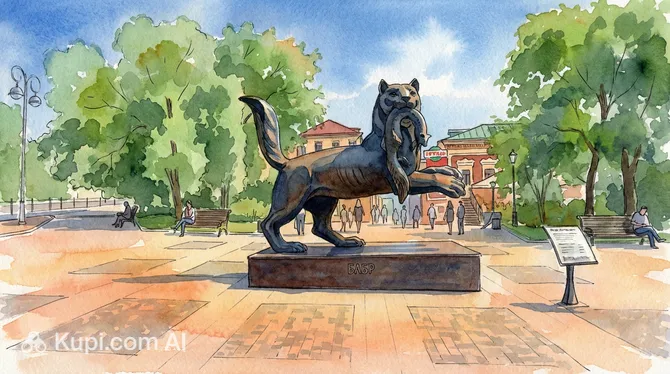
The city's official symbol involves a legendary misunderstanding. The coat of arms was originally meant to depict a tiger (known locally as a "babr") carrying a sable, but a 19th-century clerk in Saint Petersburg confused "babr" with "bobr" (beaver). As a result, the Babr Monument now features a unique mythical creature with the body of a tiger, but the webbed feet and tail of a beaver.
Irkutsk is home to one of the oldest surviving steam icebreakers in the world. The Icebreaker Angara Museum is housed on a vessel built in England in 1900, which was originally transported in pieces to Siberia to ferry train carriages across Lake Baikal before the railway line around the lake was completed.
The city's rich cultural atmosphere is deeply rooted in the legacy of the Decembrists, aristocratic revolutionaries exiled here in the 1820s. They transformed Irkutsk into an intellectual capital, and their influence is beautifully preserved in the House Museum of Prince Sergey Volkonsky, a stunning example of wooden architecture and history.
Unlike most Siberian rivers that freeze solid early in the winter, the Angara River often remains unfrozen within the city limits even during severe frosts. This is due to the rapid outflow of water from the relatively warmer depths of Lake Baikal, creating a spectacular phenomenon where thick fog rises from the river and coats the embankments in crystal-clear frost.
How to Get There
Reaching this Siberian cultural hub is an adventure in itself, whether you are arriving by air or traveling along the legendary Trans-Siberian Railway. As a major regional transport node, the city is well-connected to other parts of Russia and international destinations. For a complete guide on logistics and routes, you can read more about how to get to Irkutsk.
The primary entry point for air travelers is Irkutsk Airport (IATA: IKT). This international airport serves a large number of passengers annually and is conveniently located within the city limits. Since it is situated just 7.1 km from the center of Irkutsk, the transfer is quite fast; a taxi ride typically takes around 30 minutes, depending on traffic.
Another option, though significantly further away, is Baikal airport (IATA: UUD). It is located in the city of Ulan-Ude, approximately 222.4 km from Irkutsk. Travelers choosing this airport should plan for a substantial transfer time, as the journey by road or rail to Irkutsk can take several hours.
For clarity, here is a summary of the main airports:
Traveling by train is a classic way to experience Siberia. The city's main railway hub is Irkutsk-Passazhirsky Station, which handles a very high volume of traffic and is a key stop on the Trans-Siberian Railway. It is located exceptionally close to the downtown area, just 2.0 km away, making it easy to reach your accommodation quickly.
If you are exploring the wider region, you might also pass through Angarsk Railway Station. This station is located in the neighboring city of Angarsk, about 39.0 km from Irkutsk. While less central, it serves as an important regional link for the area.
Below is a list of railway stations serving the area:
Station
Passenger traffic
Distance
Irkutsk-Passazhirsky Station
3.5 mln
2 km
Goncharovo Station
—
16 km
Angarsk Railway Station
1.2 mln
39 km
Usolye-Sibirskoye Station
—
72 km
Malta Station
—
79 km
Slyudyanka-1 Station
450 000
80 km
Main Attractions
Irkutsk is a city where history breathes through the streets, offering a fascinating mix of imperial architecture, wooden lace houses, and spiritual monuments. From vibrant historic districts to unique wildlife encounters, the city provides travelers with a diverse array of sights that highlight its status as the cultural capital of Eastern Siberia.
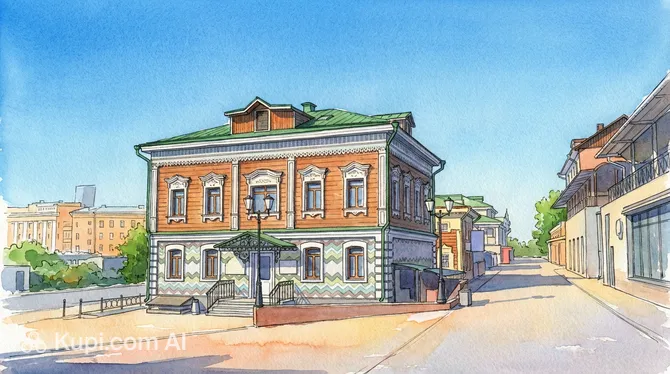
One of the most popular destinations for both locals and tourists is 130 Kvartal (Irkutsk Sloboda). This specially created historic zone is a reconstructed district filled with traditional wooden buildings that date back to the 18th century. Today, it serves as a lively hub for entertainment, featuring charming cafes, souvenir shops, and museums. It is the perfect place to stroll, admire the intricate wooden architecture known as "wooden lace," and soak in the atmosphere of old Siberia with modern comfort.
130 Kvartal (Irkutsk Sloboda). Illustration.
Source: Kupi.com AI
Traveler photos:
For those who appreciate stunning religious architecture, the Kazan Church is an absolute must-see. Known for its striking red brick exterior and bright blue domes, this Orthodox church is often cited as one of the most beautiful in all of Russia. Its Byzantine-style design and elaborately decorated interior create a sense of grandeur and peace, making it a favorite spot for photographers and spiritual seekers alike.
Kazan Church. Illustration.
Source: Kupi.com AI
Traveler photos:
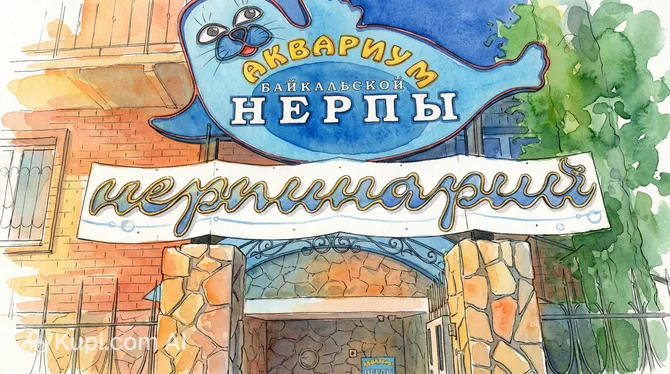
If you don't have time to travel all the way to the shores of Lake Baikal, you can still meet its most famous inhabitants at the Irkutsk Nerpinarium. This unique aquarium hosts performances by Baikal seals, or nerpas, the only exclusively freshwater seal species in the world. It is a delightful experience, especially for families, offering a rare chance to observe these intelligent and charismatic animals up close.
Irkutsk Nerpinarium. Illustration.
Source: Kupi.com AI
Traveler photos:
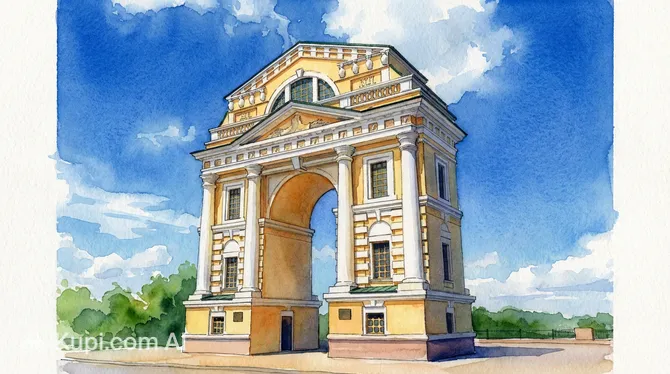
Another significant landmark located on the Angara river embankment is the Moscow Gate. This impressive triumphal arch is a faithful reconstruction of the original 19th-century structure, which once served as a checkpoint and a ceremonial entrance to the city for travelers arriving from European Russia. Standing tall against the backdrop of the river, it offers a window into the city's administrative and historical past.
Moscow Gate. Illustration.
Source: Kupi.com AI
Traveler photos:
Local Cuisine
The culinary scene in Irkutsk is a flavorful reflection of its geography, blending hearty Siberian traditions with the rich heritage of the indigenous Buryat people. The food here is designed to sustain locals through the long, cold winters, featuring nutritious meat dishes, savory dough, and fresh catch from the nearby waters. Dining in the city offers a unique opportunity to taste flavors that are difficult to find anywhere else in Russia.
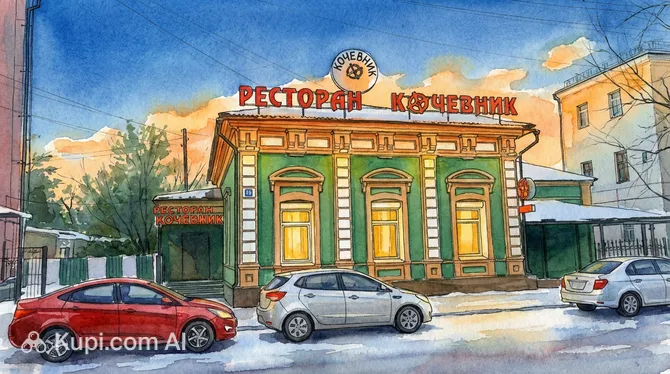
The most iconic dish you must try is Buuz (often called pozy). These are large, steamed dumplings shaped like a yurt with a small opening at the top. Traditionally filled with minced beef, mutton, or pork, they contain a savory broth inside. The proper way to eat them is with your hands: take a small bite, drink the broth, and then enjoy the rest. For an authentic taste of these nomadic traditions, you might visit Kochevnik, a restaurant that specializes in Mongolian and Buryat cuisine.
Kochevnik. Illustration.
Source: Kupi.com AI
Traveler photos:
Another essential part of the local diet is fish from Lake Baikal, particularly the famous Omul. This whitefish is delicate and fatty, served in various forms: salted, sun-dried, cold-smoked, or baked. You will find it on the menu of almost every establishment, from high-end restaurants to simple street food stalls. It is often considered the signature taste of the region.
Siberian cuisine is also known for its use of game meat. It is not uncommon to find dishes made from venison, elk, or wild boar. Siberian Pelmeni (dumplings) are a staple, often frozen outdoors in winter to preserve their flavor before being boiled and served with sour cream or vinegar. If you are interested in trying wild game prepared in a traditional hunter style, the Okhotnikov Restaurant is a well-known spot for such hearty meals.
To accompany your meal, locals often drink Mors, a refreshing, vitamin-rich fruit drink made from lingonberries or cranberries harvested in the taiga. For something warm, try herbal tea brewed with Sagan-Daila, a local rhododendron herb believed to have energizing and restorative properties. It has a distinct, fragrant aroma that perfectly complements the robust local food.
The center of the city's dining culture is undoubtedly 130 Kvartal (Irkutsk Sloboda). This historic district is packed with cafes, bars, and restaurants, making it the ideal place for tourists to explore different cuisines in one walkable area. Whether you are looking for a quick snack or a full fine-dining experience, this vibrant quarter offers the best of Irkutsk's hospitality.
Travel Tips
Planning a trip to the heart of Siberia requires a bit of preparation to ensure a smooth and enjoyable experience. To help you navigate the city with confidence, here are some essential practical tips covering everything from packing the right gear to understanding local customs.
Clothing and Gear: The climate here is strictly continental, meaning you need to pack according to the season. In winter, thermal underwear, a heavy down jacket, and non-slip boots are mandatory to survive the frost. However, summers can be surprisingly hot, so bring breathable fabrics, sunglasses, and a hat. Comfortable walking shoes are a must year-round, as the historic center is best explored on foot. If you plan to visit churches, women should carry a scarf to cover their heads, and modest clothing is appreciated.
Transportation: Irkutsk has a comprehensive network of buses, trams, and marshrutkas (minibuses). The latter are very popular and can get you almost anywhere, though they can be crowded. For a more comfortable ride, use taxi-hailing apps like Yandex Go or Maxim, which allow you to set your destination without needing to speak Russian. Car rental is generally not necessary within the city limits due to the affordable and frequent public transport.
Finances: The local currency is the Russian Ruble (RUB). While credit cards are widely accepted in supermarkets and restaurants, international card networks may not work for foreign travelers. It is highly advisable to bring cash or exchange major currencies at local banks upon arrival. Always keep some small bills handy for public transport and small souvenir shops.
Health and Safety: The city is generally safe for tourists, but standard precautions apply. Pharmacies are marked with a green cross and are easy to find; many major chains operate 24/7. In winter, be extremely careful of ice on the sidewalks and falling snow from roofs. It is recommended to drink bottled or boiled water rather than tap water to avoid any stomach issues.
Communication: Russian is the primary language, and English is not widely spoken outside of major hotels and tourist hubs. It is very useful to download an offline translation app and an offline map before you arrive. The 2GIS app is particularly popular and accurate in Siberia, offering detailed maps and public transport routes even without an internet connection.
Local Etiquette: Siberians are known for their hospitality but can appear reserved at first. A polite greeting like "Zdravstvuyte" (Hello) goes a long way. When entering a local home, it is strict custom to remove your shoes immediately at the door; hosts will often provide slippers for you. In public transport, it is common courtesy to give up your seat to elderly people.
What to Avoid: Do not underestimate the sun in summer; the UV index can be high, and sunburns happen quickly. Also, avoid raising your voice or being overly loud in public places or religious sites, as this is considered disrespectful.
Follow the Green Line: Irkutsk has a fantastic pedestrian route called the "Green Line." It is literally a green line painted on the sidewalk that connects the city's main historical and cultural attractions. Following this route is a foolproof way to see the best of the city without getting lost, and it comes with information boards in English along the way.
Armed with these tips, you are ready to immerse yourself in the unique atmosphere of Irkutsk. Whether you are walking the Green Line or enjoying a hot tea after a winter stroll, being prepared will let you focus on the beauty and history of this remarkable Siberian city.
Entertainment & Nightlife
Irkutsk boasts a surprisingly vibrant nightlife scene, fueled by its status as a major university center and a hub for travelers crossing Siberia. As the sun sets, the city transforms, offering everything from cozy speakeasies and wine bars to energetic dance clubs. The atmosphere is generally welcoming and unpretentious, though many venues maintain a "smart casual" dress code and standard face control at the door.
The epicenter of evening entertainment is undoubtedly the 130 Kvartal district. While it is a historic sightseeing spot by day, at night the wooden buildings light up, hosting some of the city's most popular watering holes. It is the perfect area for a bar-hopping route, as many establishments are located within walking distance of each other. Another key artery for nightlife is Karl Marx Street, where you can find a mix of pubs and lounge bars.
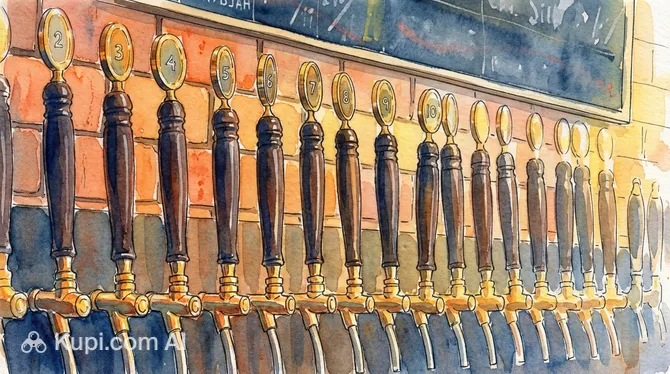
For those who appreciate the craft beer revolution and a creative environment, EDISON Craft Bar is a local favorite. It is known for its extensive selection of local and imported brews, as well as its unique interior design that often features live music or DJ sets. It attracts a hip, younger crowd and is a great place to socialize.
EDISON Craft Bar. Illustration.
Source: Kupi.com AI
Traveler photos:
If you prefer a more relaxed evening with a glass of fine wine, 33 Vino & Tapas offers a sophisticated yet comfortable setting. This venue focuses on pairing excellent wines with small bites, making it an ideal spot for a romantic date or a quiet conversation with friends. For those looking to dance or enjoy panoramic views of the city lights, the Sky Lounge provides a more upscale clubbing experience with cocktails and late-night rhythms.
When planning a night out, keep in mind that the most active nights are Friday and Saturday. Prices in Irkutsk are generally lower than in Moscow or St. Petersburg, making a night out quite affordable. In terms of safety, the central districts are well-lit and secure for evening walks, but it is always advisable to take a taxi when returning to your accommodation late at night. The most convenient way to get around is by using mobile apps like Yandex Go or Maxim, which allow you to order a car without language barriers.
While nightlife is a major draw, Irkutsk also offers plenty of daytime entertainment. The city has several drama theaters and philharmonic halls for culture lovers. Families and thrill-seekers can visit Les Chudes, an amusement park nestled in a forest setting that offers rides and outdoor activities, providing a fun contrast to the urban exploration.
Les Chudes. Illustration.
Source: Kupi.com AI
Traveler photos:
Parks & Museums
Parks and Museums:
Beyond its bustling streets and historic wooden houses, Irkutsk offers a refreshing balance of urban greenery and intellectual depth. The city is dotted with scenic squares and parks that serve as community hubs, while its museums provide a profound look into the rich history of Siberia, from indigenous cultures to the Russian imperial era.
The beating heart of the city's public life is Kirov Square. Located in the historical center, this spacious square is surrounded by major administrative buildings and universities, making it a lively spot for locals and students. It is beautifully landscaped with flower beds and fountains, transforming into a magical winter wonderland with an ice town and a giant Christmas tree during the colder months. It serves as the perfect starting point for any walking tour of the city.
Kirov Square. Illustration.
Source: Kupi.com AI
Traveler photos:
For those seeking a more active escape, the Polyana Recreation Area offers a modern approach to urban leisure. This park is designed for families and groups of friends, featuring open spaces for sports, picnics, and cultural events. It represents the newer side of Irkutsk, providing a comfortable environment to relax and enjoy the outdoors without leaving the city limits.
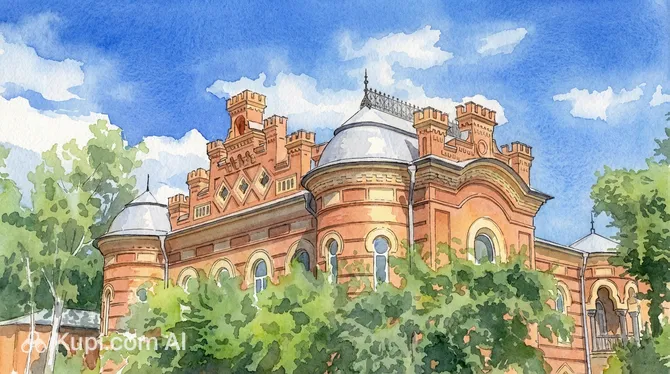
When it comes to understanding the soul of the region, the Irkutsk Regional Museum of Local Lore is an essential stop. Founded in 1782, it is one of the oldest museums in Siberia. Its extensive collection covers everything from the geological formation of Lake Baikal to the ethnographic history of the indigenous Buryat and Evenki peoples. The museum's exhibits offer fascinating insights into the shamanistic traditions and the daily lives of the early Siberian settlers.
Irkutsk Regional Museum of Local Lore. Illustration.
Source: Kupi.com AI
Traveler photos:
Art enthusiasts should not miss the V.P. Sukachev Irkutsk Regional Art Museum. Named after a prominent 19th-century mayor and philanthropist, this institution houses an impressive collection of Russian and Western European art, as well as unique works from Eastern countries. It is particularly renowned for its collection of Siberian icons and paintings that capture the rugged beauty of the local landscape.
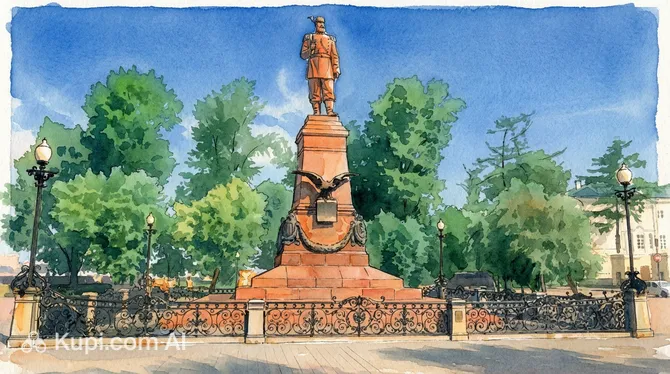
Along the Angara River embankment, you will find the majestic Monument to Alexander III. This statue honors the emperor who initiated the construction of the Trans-Siberian Railway, a project that defined the city's destiny. The area around the monument is a popular promenade, offering sweeping views of the river and a pleasant place for an evening stroll.
Monument to Alexander III. Illustration.
Source: Kupi.com AI
Traveler photos:
For a family-friendly cultural experience, the Irkutsk Zoo provides a chance to see diverse wildlife. Unlike massive safari parks, this zoo offers a more intimate setting where visitors can learn about animals native to the Siberian taiga as well as exotic species. It focuses on education and conservation, making it a worthwhile visit for those traveling with children.
Insider Tip: For a truly atmospheric experience, visit the V.P. Sukachev Estate Museum. This beautifully preserved wooden manor allows you to step back in time and see how a wealthy Siberian family lived in the 19th century. The estate includes a charming winter garden and often hosts classical music concerts, offering a peaceful retreat from the city noise.
Getting Around
Public transport in Irkutsk is extensive, affordable, and the primary way for locals and visitors to navigate the city. Unlike Russia's largest metropolises, Irkutsk does not have an underground metro system. Instead, the network relies entirely on surface transport, consisting of trams, trolleybuses, large municipal buses, and the ever-present private minibuses known as marshrutkas.
The tram network is one of the oldest in East Siberia and is a reliable way to cross the Angara River and travel between the railway station and the city center. Trolleybuses and large buses serve major avenues and are generally spacious. However, the most common form of transport you will encounter is the marshrutka. These white or yellow vans are faster and more frequent than municipal buses, zipping through traffic to reach even the most remote districts. While they can be cramped during rush hour, they are often the most efficient way to get around.
Paying for your ride is relatively straightforward, though it requires attention to local customs. In municipal transport (trams, trolleybuses, and large green buses), there is often a conductor who will approach you to collect the fare; you can pay with cash or a contactless bank card. In marshrutkas and buses without conductors, payment is typically made directly to the driver. A specific local quirk in Irkutsk is that passengers often pay upon exiting the vehicle, not when entering. It is best to observe what other passengers are doing or ask the driver.
Fares are fixed and very affordable, usually costing slightly more after 8:00 PM. While contactless payment terminals are becoming standard in municipal vehicles, many private marshrutka drivers still prefer cash. Therefore, it is highly recommended to keep a supply of small coins and banknotes (10, 50, and 100 ruble notes) in your pocket to avoid delays and inconvenience.
The public transport system generally operates from around 6:00 AM until 10:00 PM or 11:00 PM. Service becomes significantly less frequent late in the evening, so if you plan to stay out late, you should have a backup plan. For route planning, the 2GIS app is an indispensable tool in Irkutsk; it works offline and provides highly accurate information on bus stops, routes, and arrival times.
If you prefer more comfort or are traveling with heavy luggage, taxis are a convenient and inexpensive alternative. You do not need to hail a cab on the street; instead, use mobile apps like Yandex Go or Maxim, which allow you to pin your location and see the fixed price upfront. Car-sharing services are also available for those with a valid license and the necessary app registration. During the warm summer months, electric scooters and bicycles are popular for short trips along the Angara embankment, with several rental stations located near the main recreational areas.
Accommodation
Accommodation in Irkutsk caters to a wide spectrum of travelers, ranging from economical hostels and Soviet-style guest houses to modern business hotels and comfortable apartments. Whether you are stopping over for a night on the Trans-Siberian journey or planning a longer exploration of Lake Baikal, you will find options that suit your budget and preferences. The city has seen a significant improvement in hospitality standards in recent years, with many establishments offering English-speaking staff and contemporary amenities.
The most convenient area for tourists to stay is the historic center on the right bank of the Angara River. Staying here puts you within walking distance of the main cultural landmarks, theaters, and the scenic embankment. For those who want to be in the heart of the action, the district around Kirov Square is an excellent choice, serving as a central point for transportation and sightseeing. Another popular, albeit busier, location is 130 Kvartal (Irkutsk Sloboda). This reconstructed historic quarter is filled with restaurants and shops, offering a lively atmosphere right at your doorstep, though it can be a bit noisy in the evenings.
Travelers arriving by rail might consider staying near the main train station on the left bank of the river. While this area is separated from the main tourist sights by a bridge, it offers practical convenience for those with early morning departures or late arrivals. However, frequent public transport makes commuting to the center relatively easy from this part of the city as well.
In terms of pricing, Irkutsk is generally affordable compared to Moscow or St. Petersburg. Budget travelers can find dormitory beds for a very low cost, while mid-range hotels offer good value for money. It is important to note that summer is the peak tourist season due to the influx of visitors heading to Lake Baikal. During July and August, the best accommodation options fill up quickly, so it is highly recommended to book your room several weeks in advance. Online booking platforms are widely used and are the most reliable way to secure your stay.
Nearby Cities
For those looking to explore the surroundings, Irkutsk serves as an excellent base for day trips to several interesting nearby locations:
One of the most accessible destinations is Angarsk, located less than an hour away. Known for its unique "Museum of Clocks," this city offers a fascinating collection of timepieces from the 18th to the 20th centuries. With its distinct Soviet-era urban planning and lush greenery, it provides a comfortable spot for a relaxed cultural afternoon.
Another interesting option is Shelekhov, often called the city of metallurgists. It is historically significant for its connection to Grigory Shelekhov, the explorer known as the "Russian Columbus" who played a key role in the colonization of Alaska. Visitors can explore a museum dedicated to his expeditions and the history of Russian-American relations.
For those interested in older history, Usolye-Sibirskoye is one of the oldest towns in the region, founded in the 17th century around salt springs. It features historic architecture, including the beautiful Savior Transfiguration Cathedral, offering a glimpse into the area's pre-industrial past.
City
Population
Distance
Shelekhov
48 098
16 km
Angarsk
226 374
36 km
Ust-Ordynsky
14 538
66 km
Usolye-Sibirskoye
77 407
69 km
Slyudyanka
18 287
80 km
These nearby destinations offer a glimpse into the diverse culture and landscapes of the region.
Shopping & Souvenirs
Shopping:
Shopping in Irkutsk offers a delightful blend of modern convenience and authentic Siberian character. The city provides a wide range of options, from large contemporary malls housing international brands to bustling local markets filled with regional delicacies. Whether you are looking for high-end fashion, outdoor gear for a Lake Baikal adventure, or unique handicrafts, you will find plenty of opportunities to indulge in some retail therapy.
For a traditional high-street experience, take a stroll down Karl Marx Street. This is the city's main artery, lined with historic buildings that now host various boutiques, jewelry stores, and bookshops. Nearby, Uritsky Street serves as the main pedestrian shopping zone. It is a lively area popular with locals, featuring a mix of clothing stores, shoe shops, and souvenir stands, making it a great place to walk and window-shop without the noise of traffic.
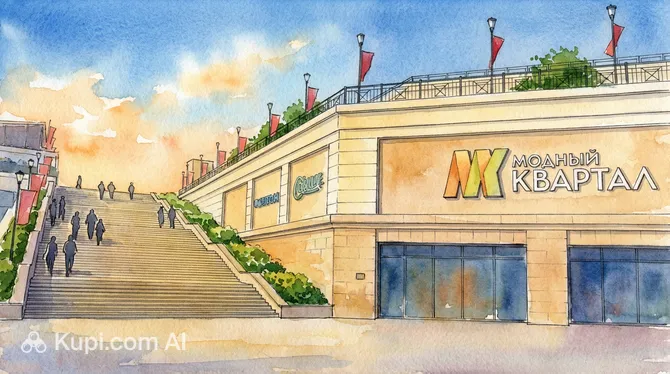
The city boasts several modern shopping complexes that meet international standards. The most popular destination for both shopping and entertainment is Modny Kvartal. Located at the entrance to the historic 130 Kvartal district, this mall is seamlessly integrated into the area's architectural style. It features a wide array of fashion retailers, a cinema, and a food court, making it a central hub for social life in Irkutsk.
Modny Kvartal. Illustration.
Source: Kupi.com AI
Traveler photos:
Another significant shopping destination is the Silver Mall. As one of the largest shopping centers in Eastern Siberia, it offers an extensive selection of stores, including hypermarkets, electronics retailers, and family entertainment zones. It is an excellent choice if you need to buy everything in one place, from groceries to winter clothing.
Silver Mall. Illustration.
Source: Kupi.com AI
Traveler photos:
To experience the true flavor of the region, a visit to the Central Market is essential. This is where locals go to buy fresh produce, meat, and dairy. For tourists, the main draw is the fish section, where you can find smoked Omul and other Baikal fish. It is also the best place to buy pine nuts (cedar nuts), dried berries, and local honey, which are staples of the Siberian diet.
When searching for souvenirs, keep an eye out for items made from charoite. This striking purple gemstone is unique to Siberia, found only in the Murun mountains nearby, making it a truly exclusive keepsake. Other popular gifts include birch bark crafts, herbal teas featuring the energizing Sagan-Daila herb, and pine nut oil. Warm woolen socks and mittens made by local artisans are also practical and charming gifts to bring back home.
Most shopping malls and major stores operate daily from 10:00 AM to 10:00 PM. Smaller boutiques and street shops may close earlier, typically around 7:00 PM or 8:00 PM. Credit and debit cards are widely accepted in malls, supermarkets, and restaurants. However, if you plan to visit the Central Market or buy souvenirs from small street vendors, it is highly recommended to carry cash in Russian Rubles.
Irkutsk participates in the Tax Free system, allowing eligible international travelers to claim a VAT refund on purchases made in designated stores. Look for the "Tax Free" logo on shop windows or at the checkout counter. To qualify, you usually need to spend a minimum amount in a single day at one store and fill out a special form, which must be validated by customs upon your departure from the country.