Support

Kirensk

About

Welcome to Kirensk, a town with a distinct character and a deep connection to the majestic rivers of Siberia. Located in the Irkutsk Oblast of the Russian Federation, this settlement offers a glimpse into the quiet yet resilient life of the north. With a population of approximately 11,000 residents, it serves as a vital hub in this remote and scenic part of the country.

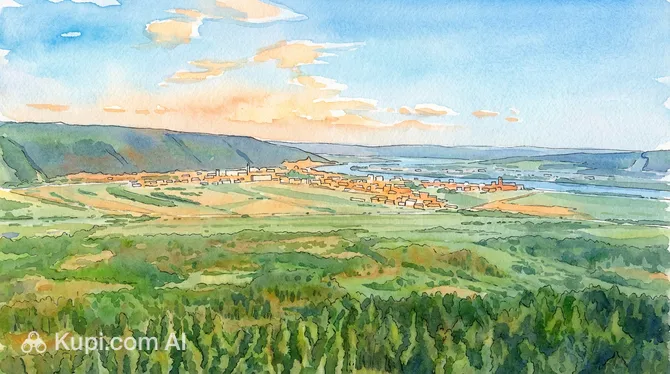
Kirensk. Source: Kupi.Binoculars

Kirensk is geographically unique, often referred to as an "island city" because it is situated on land formed by the confluence of the Lena and Kirenga rivers. This location not only provides stunning waterfront views but also defines the local climate, which is sharply continental with snowy winters and warm summers. As one of the oldest settlements in the region, the history of Kirensk dates back to the 17th century, when it was originally established as a fortress to support explorers navigating the Siberian waterways.

Travelers are often drawn to the town's preserved historical atmosphere and its authentic charm. You can admire the traditional wooden architecture that still characterizes many streets, offering a tangible link to the past. The river embankment is another highlight, perfect for peaceful walks while watching ships navigate the mighty Lena River. Whether you are interested in northern heritage or simply seeking a destination off the beaten path, Kirensk invites you to discover its hidden treasures.

Weather Overview

Kirensk experiences a sharp continental climate, defined by significant contrasts between the seasons. The local weather patterns are characterized by long, cold winters and relatively short but warm summers. For travelers planning a trip, understanding these distinct seasonal shifts is essential for packing the right gear.

Winter in this region is severe. January is typically the coldest month, with average temperatures dropping to -23.0°C and minimums plunging as low as -27.0°C. December and February are similarly frigid, and while precipitation accumulation is low, you can expect frequent snowy days, with up to 14 wet days in December.

In contrast, the summer months offer a pleasant escape from the cold. July is the warmest time of year, featuring an average temperature of 19.4°C and daily highs reaching 24.4°C. This season is generally the most comfortable for exploring the outdoors. To help plan your visit around specific conditions, you can view the detailed weather in Kirensk.

The transition periods of spring and autumn see rapid temperature changes. By May, averages rise to roughly 7.8°C, whereas October marks the return of freezing conditions with an average of -0.3°C. Overall, visitors should expect warm summers with occasional rain and extremely cold winters with frequent light precipitation.

Interesting Facts

Beyond its remote location on the map, Kirensk holds several fascinating secrets that highlight its unique geography and deep historical roots. Discover some of the most intriguing aspects of this Siberian town that often go unnoticed by the casual observer.

  • The Island City: Unlike most settlements that grow along a single riverbank, the historic center of Kirensk is situated almost entirely on an island. This piece of land is formed by the confluence of the mighty Lena River and the Kirenga River, giving the town a distinct layout that has defined its character—and its struggles with spring floods—for centuries.

  • A Historical Record Holder: Founded in 1630 as Nikolsky Pogost, Kirensk is widely considered the oldest town in the Irkutsk region of the Russian Federation. It was established even before the regional capital, Irkutsk, making it a significant outpost in the early exploration of Eastern Siberia.

  • The Secret Air Route: During World War II, the town played a critical but quiet role as a key stopover on the ALSIB (Alaska-Siberia) air route. Pilots used the local airfield to refuel and rest while ferrying Lend-Lease aircraft from Fairbanks, Alaska, across the vast Siberian wilderness to the front lines.

  • A City of Exiles: Like many remote Siberian towns, Kirensk was historically a destination for political exiles during the tsarist era. Several prominent figures, including Decembrists and Polish revolutionaries, spent years here, contributing to the town's cultural and intellectual development despite their forced isolation.

How to Get There

Reaching Kirensk can be an adventure through the Siberian landscapes. Since the city is located in a remote part of the Irkutsk region, travel logistics often involve flying to neighboring hubs and completing the journey by road. The most convenient option among the nearest major transport centers is Ust-Kut Airport (IATA: UKX), located in the city of Ust-Kut. This airport is approximately 176 km from Kirensk. A transfer by taxi or bus from Ust-Kut typically takes around 4.5 to 5 hours, depending on the weather and road conditions.

Another option for air travel is Talakan airport (IATA: TLK) in the city of Talakan. Although it handles a higher volume of passengers, it is situated further away, at a distance of about 290 km. The ground transfer from Talakan to Kirensk is a longer journey, estimated to take over 7.5 hours. For those looking for detailed routes and tips, you can read more about how to get to Kirensk.

For clarity, here is a summary of the main airports:

Airport Name City Passenger Traffic Km from City
TalakanTalakanMedium289.5
Ust-Kut AirportUst-KutSmall176.2
NizhneangarskNizhneangarskSmall237.8

The city of Kirensk does not have its own railway station, so traveling by train involves arriving at a station in a nearby town and transferring to a vehicle. One of the closest railway stops is the Ulkan Railway Station in Ulkan, which is approximately 209 km away. The drive from the station to Kirensk generally takes about 5.5 hours.

Alternatively, you can travel via the Severobaykalsk Railway Station in Severobaykalsk. This is a more significant transport node located roughly 250 km from Kirensk. From here, you should expect a transfer time of approximately 6.5 hours by road to reach your final destination.

Below is a list of the nearest railway stations:

Station City Passenger Traffic Km to Center
Severobaykalsk Railway StationSeverobaykalskMedium250.1
Khrebtovaya StationZheleznogorsk-IlimskyMedium261.8
Ulkan Railway StationUlkanSmall208.7
Nizhneangarsk Railway StationNizhneangarsk-236.9
Kunerma StationUlkan-225.1

Main Attractions

Despite its modest size and remote location, Kirensk offers a surprising wealth of historical and cultural sites. As one of the oldest towns in Siberia, it has preserved the atmosphere of a pre-revolutionary merchant settlement, with its wooden architecture and monuments telling stories of exploration, exile, and wartime heroism. Here are the main places to visit in the city.

Kirensk Local Lore Museum

This museum is the guardian of the town's history, housed in a magnificent historic wooden building that formerly served as a female gymnasium. The structure itself is an architectural monument, preserving the intricate details of traditional Siberian wooden craftsmanship. Inside, the collections are diverse, ranging from archaeological finds and ethnographic items of indigenous peoples to exhibits dedicated to the political exiles who shaped the town's culture. A significant part of the exhibition focuses on the legendary ALSIB (Alaska-Siberia) air route, highlighting the strategic role of Kirensk during World War II.

Church of the Savior of the Holy Face (Spasskaya Church)

This is the oldest stone building in the city and a remarkable example of Siberian church architecture. Built in the early 19th century and consecrated in 1812, the Spasskaya Church stands on the bank of the Lena River. It is the only church in Kirensk that survived the Soviet era relatively intact. Its white walls and golden domes serve as a spiritual landmark and a favorite subject for photographers, offering a serene contrast to the surrounding landscape.

Site of the Kirensk Ostrog

For those interested in the origins of the town, the location of the former fortress is a significant historical landmark. Although the original wooden fortifications of the 17th-century outpost are no longer standing, the site remains the spiritual and historical heart of Kirensk. Located on a high bank near the confluence of the Lena and Kirenga rivers, this spot marks where Cossacks founded the settlement in 1630. Visitors come here to appreciate the deep history of the region and to enjoy panoramic views of the majestic waterways.

ALSIB Memorial

Given the city's vital contribution to the war effort, the memorial dedicated to the heroes of the Alaska-Siberia air route is a must-visit. The monument honors the pilots who ferried Lend-Lease aircraft from the United States to the Russian Federation in extreme weather conditions. The site serves as a poignant reminder of the bravery displayed by the aircrews who stopped here for refueling and rest during their perilous journeys.

House of Decembrist Golitsyn

Kirensk was a place of exile for many prominent figures, including the Decembrists who rebelled against the Tsar in 1825. The House of Prince Valeryan Golitsyn is a separate, surviving wooden structure associated with this era. Walking past this house on Kommunisticheskaya Street allows tourists to touch the living history of the 19th century. It stands as a testament to the intellectuals who lived in forced isolation here, contributing significantly to the local community.

Local Cuisine

The local cuisine of Kirensk is deeply rooted in its geography, shaped by the harsh Siberian climate and the mighty Lena River that surrounds the town. Food here is hearty, warming, and heavily reliant on the natural bounty of the taiga and the waterways. For travelers, this offers a chance to taste authentic Siberian flavors that are often harder to find in more westernized Russian cities.

Given the town's location on an island at the confluence of two rivers, fish is the undisputed king of the local table. The Lena and Kirenga rivers are rich in species like grayling, pike, and various whitefish. A true Northern delicacy to try in winter is stroganina—thin shavings of frozen raw fish, served with a mixture of salt and black pepper. Another popular preparation is sugudai, a quick-marinated dish made with fresh fish chunks, onions, oil, and vinegar. These dishes are not just food; they are a cultural staple believed to help locals survive the extreme cold.

Meat dishes are equally important, with Siberian pelmeni (dumplings) being a favorite comfort food. In Kirensk, these are often homemade, filled with a mix of beef and pork, or sometimes game meat like elk or venison brought in by local hunters. They are typically served with sour cream, butter, or a splash of vinegar. You might also encounter savory pies (pirozhki) filled with meat, cabbage, or wild mushrooms gathered from the surrounding forests.

For drinks, the locals often turn to nature. Mors, a refreshing non-alcoholic drink made from wild berries like lingonberries (cowberries) or cranberries, is widely available and packed with vitamins. Herbal teas are also common, often brewed with thyme, currant leaves, or rose hips. On the stronger side, homemade berry tinctures (nastoiki) made with vodka and local fruits like sea buckthorn or cloudberries are a traditional way to warm up after a day outdoors.

The food culture in Kirensk is unpretentious and revolves around home cooking and hospitality. You won't find high-end fine dining or international chains here. Instead, the town has a few small cafes and canteens (stolovaya) that serve simple, wholesome meals at affordable prices. For the freshest ingredients, the local market is the place to go, where residents sell smoked fish, jars of homemade jams, pickled mushrooms, and fresh cedar nuts (pine nuts), which are a popular local snack.

Travel Tips

Traveling to Kirensk offers a unique glimpse into authentic Siberian life, but its remote location and specific geography require some preparation. To ensure your journey to this historic island town is comfortable and hassle-free, here are some essential practical tips to keep in mind.

  1. Clothing and Gear: The climate here dictates your wardrobe. In winter, temperatures can drop significantly below freezing, so thermal underwear, a heavy down parka, and insulated, non-slip boots are mandatory. If visiting in summer, bring light layers but do not forget strong insect repellent and long-sleeved clothing, as the Siberian taiga is known for its mosquitoes and midges (gnus).

  2. Transportation: The town center is compact and best explored on foot, allowing you to appreciate the wooden architecture up close. Public transport options are limited. For longer distances, local taxi services are available, but do not rely on international ride-hailing apps; it is best to ask your accommodation or a local shop for a reliable taxi phone number.

  3. Finances: The local currency is the Russian Ruble (RUB). While some larger grocery stores may accept credit cards, cash is king in Kirensk. You will definitely need cash for the local market, small kiosks, and some transport services. ATMs are available (mostly Sberbank), but it is wise to carry a sufficient reserve of cash with you.

  4. Health and Safety: If you plan to walk in the forests or tall grass during late spring and summer, be vigilant about ticks, which can carry encephalitis; wear protective clothing and check yourself after walks. Pharmacies (apteka) are present in the town but may not be open 24/7, so bring a personal kit with essential medications.

  5. Communication: English is not widely spoken in Kirensk. It is highly recommended to download an offline translation app and offline maps to your smartphone before arrival. Learning the Cyrillic alphabet and a few basic Russian phrases, such as "Spasibo" (Thank you) and "Zdravstvuyte" (Hello), will be greatly appreciated by the locals.

  6. Local Etiquette: Siberians are known for their hospitality but value respect. When entering a private home, always remove your shoes at the door; hosts will typically offer you slippers (tapochki). If visiting the historic Spasskaya Church, dress modestly: women should cover their heads, and men should remove their hats.

  7. What to Avoid: Do not drink tap water unless it has been boiled or filtered; sticking to bottled water is the safest option. Additionally, avoid walking on the river ice in winter unless you are on a designated and marked ice crossing, as ice thickness can vary due to currents.

  8. River Crossings: Since the historic center is located on an island, your connection to the mainland depends on the season. Be prepared for ferry crossings in the summer and ice roads in the winter. During the transitional periods (spring and autumn) when the ice is unstable, access can be more difficult, so always check the current travel conditions beforehand.

By keeping these practicalities in mind, you can navigate the challenges of the Siberian environment with confidence. A little preparation will allow you to fully focus on the serene beauty of the Lena River and the rich history that Kirensk has to offer.

Entertainment & Nightlife

Entertainment in Kirensk reflects the town's calm, measured Siberian character. Travelers expecting bustling nightlife districts, neon-lit avenues, or large-scale dance clubs will find a different kind of charm here. The evening atmosphere is defined by cozy social gatherings, cultural events, and the serene beauty of the river landscapes at twilight. Nightlife is concentrated in the historic center on the island, where the main social hubs are located within walking distance of each other.

The primary center for evening activity is the District House of Culture (Dom Kultury). This venue serves as the heart of the community's social life, hosting concerts, holiday celebrations, and occasional dance evenings for the local youth. It is also where you might find movie screenings, offering a classic cinema experience. Another popular spot for evening relaxation, especially in the warmer months, is the City Park. Located near the river, it is a favorite place for locals to take a promenade, enjoy the fresh air, and socialize in a relaxed, open-air setting.

For those looking to dine out or enjoy a drink, the options are limited to a few local cafes rather than dedicated bars or pubs. These establishments typically operate as cafes during the day and transform into quieter lounge areas in the evening. The atmosphere is casual and unpretentious; there is no strict dress code, but smart-casual attire is appreciated if you are attending a cultural event or a sit-down dinner. Opening hours generally do not extend very late, with most places closing by 10:00 PM or 11:00 PM, so it is best to start your evening early.

Practical Advice for the Evening:

  • Best Time to Go: Friday and Saturday evenings are the liveliest, particularly when the House of Culture hosts events.
  • Prices: Entertainment and dining in Kirensk are very affordable compared to major Russian cities. An average dinner bill is modest, and event tickets are inexpensive.
  • Getting Around: The town center is compact and safe for walking, but street lighting can be sparse on the outskirts. If you need to travel further or return late, do not rely on ride-hailing apps. It is essential to have the phone number of a local taxi service, which can be obtained from your hotel reception or a local shop.
  • Safety: Kirensk is generally a safe town, but standard precautions apply. Avoid unlit areas near the riverbanks late at night and be mindful of local customs.

During the daytime, entertainment shifts towards exploring the region's heritage and nature. The Kirensk Local Lore Museum is the cultural highlight, offering deep insights into the town's history. For outdoor enthusiasts, the daylight hours are best spent on boat trips along the Lena River or fishing excursions, which are the most popular local pastimes. In winter, the frozen river itself becomes a playground for snowmobiling and ice fishing, providing a truly Siberian form of entertainment.

Parks & Museums

Kirensk is a destination where the boundaries between the urban environment and the wild Siberian taiga are beautifully blurred. Situated on an island at the confluence of two mighty rivers, the town itself feels like a large park woven into the natural landscape. While it may lack the sprawling botanical gardens of major metropolises, its charm lies in its intimate green spaces, scenic waterfronts, and streets that function as a living history gallery.

City Park of Culture and Rest

The primary designated green space in Kirensk is the City Park of Culture and Rest. Located near the riverbank, this park is a cherished retreat for locals seeking tranquility. It is characterized by classic Siberian vegetation, including towering poplars and white-barked birch trees that provide ample shade during the warm summer months. The park offers a network of modest walking paths perfect for a slow-paced stroll. It is a place where time seems to slow down, allowing visitors to breathe in the fresh river air and enjoy the simple pleasure of a quiet afternoon surrounded by nature.

The Riverbanks and Confluence

In Kirensk, the most spectacular "park" is created by nature itself. The riverbanks, particularly where the Kirenga River flows into the Lena River, serve as the town's main promenade. This natural waterfront offers panoramic views that change with the seasons, from the lush greenery of the opposite banks in summer to the dramatic icy expanses in winter. Walking along the shore provides a unique opportunity to observe the distinct currents of the two rivers merging. It is an ideal spot for photography, picnics, or simply watching the sunset over the endless Siberian forests.

Streets as an Open-Air Museum

Instead of confining its history solely to indoor exhibits, Kirensk invites visitors to treat its streets as an open-air museum of wooden architecture. A walk down the historic Sovetskaya Street or neighboring lanes reveals a treasure trove of 19th-century merchant houses and administrative buildings. These structures are famous for their "wooden lace"—intricate carvings that adorn window frames (nalichniki), cornices, and gates. Unlike a curated museum display, these buildings are part of everyday life, standing as weathered but resilient monuments to the skill of local craftsmen and the town's prosperous trading past.

Freedom Square (Ploshchad Svobody)

For a glimpse into the town's social heart, a visit to Freedom Square is essential. As the central gathering place of Kirensk, it functions less like a bustling urban plaza and more like a relaxed public garden. Surrounded by historic buildings and small monuments, the square is a focal point for local events and a pleasant area for walking. It offers a sense of the town's community spirit and serves as a convenient starting point for exploring the surrounding architectural heritage.

Getting Around

The public transport system in Kirensk is modest and tailored to the needs of a small, remote town. Due to its compact size and population, there is no metro, tram, or trolleybus network. Instead, the city relies on a simple system of municipal buses and privately operated minibuses (often referred to as marshrutkas). These vehicles connect the historic center on the island with the outlying neighborhoods and critical infrastructure located on the mainland, such as the airport.

A unique and essential component of the local transport network is the river crossing system, dictated by the town's island geography. In the summer months, ferries operate regularly to transport passengers and vehicles across the Lena and Kirenga rivers. During the winter, when the rivers freeze over, ice roads become the official thoroughfares for buses and cars. In the transitional seasons of spring and autumn, when the ice is too thin for cars but the water is too icy for standard boats, transport can be disrupted, or specialized airboats (hovercrafts) may be used, though these are less reliable for general public transit.

The payment system is straightforward and traditional. There are no electronic travel cards, mobile apps, or turnstiles. Fares are paid exclusively in cash (Russian Rubles) directly to the driver or a conductor upon boarding or exiting the vehicle. The cost of a ride is very affordable compared to larger cities. It is highly recommended to carry small change, as drivers may not always have enough change for large banknotes. Credit cards are generally not accepted on buses or ferries.

For tourists, navigating the bus schedules requires a bit of planning. Buses generally run from early morning until the early evening, with frequency decreasing significantly after 7:00 PM or 8:00 PM. Stops are designated, but in practice, drivers may stop on demand in less busy areas if requested politely. Schedules are usually posted at major stops or can be found in local newspapers, but the most reliable method is to ask locals or your accommodation host for the current timetable.

Taxis serve as the primary alternative to public buses, especially late at night or when carrying luggage. Unlike in major metropolitan areas, international ride-hailing apps are not operational here. Instead, the town relies on local dispatch services that must be called by phone. It is advisable to ask your hotel reception or a local shopkeeper for the phone number of a reputable taxi company. Fares are usually fixed or calculated by distance, but they remain reasonable.

Given the compact nature of the historic center, walking is often the most efficient and pleasant way to get around. Most major attractions, shops, and the waterfront are located within a short distance of each other. For those looking to explore further afield or cross the river independently, there are no official bike rental schemes, so relying on walking, taxis, or the scheduled bus service remains the best option for visitors.

Accommodation

Accommodation in Kirensk is reflective of its status as a small, remote Siberian town. Travelers should adjust their expectations accordingly: there are no international hotel chains, luxury resorts, or sprawling hostel networks here. Instead, the city offers a modest selection of local hotels and small guesthouses that provide basic, functional amenities. The hospitality sector is geared primarily towards business travelers, workers connected to the river port or airfield, and the occasional history enthusiast, ensuring a quiet and authentic, albeit simple, stay.

Where to Stay

The most convenient area for tourists is the historic center, located on the island formed by the Lena and Kirenga rivers. Staying here places you within walking distance of the main attractions, such as the Local Lore Museum and the Spasskaya Church. This area allows you to soak in the atmosphere of the old merchant town and enjoy easy access to the riverbanks for evening strolls. While there may be accommodation options on the mainland or near the airport, these are less practical for sightseeing due to the need for river crossings, which can be complicated depending on the season.

Types of Accommodation

Visitors will typically find two main types of lodging. The first category includes Soviet-style municipal hotels or their privatized successors. These establishments usually offer standard rooms with essential furniture, and while they may lack modern design flair, they are generally clean and warm—a crucial factor in the Siberian winter. The second category consists of small private inns or guest rooms. These are often family-run businesses that can offer a more cozy, home-like environment, sometimes with shared kitchen facilities where you can prepare your own meals using local market produce.

Booking and Prices

The price range for accommodation in Kirensk is generally budget-friendly to mid-range by Russian standards. You will likely find that prices are significantly lower than in major tourist hubs like Irkutsk or Moscow. However, the booking process can be old-fashioned. Many local establishments do not have a presence on major international booking platforms. It is often necessary to search for contact details on Russian maps or directories and book directly by phone. In some cases, payment is only accepted in cash upon arrival, so it is essential to have rubles on hand.

Traveler Tip: Due to the limited number of rooms in the city, accommodation can fill up quickly, especially when specialized workers arrive for seasonal projects or during the navigational season on the river. It is highly recommended to book your stay in advance rather than relying on finding a room upon arrival. Additionally, always confirm the current status of the river crossing if your hotel is not in the city center, as this can greatly impact your logistics.

Nearby Cities

For those looking to explore the surroundings, Kirensk serves as an excellent base for day trips to several interesting nearby locations:

Ust-Kut

Located approximately 178 km from Kirensk, Ust-Kut is the closest major neighbor and a vital transport hub often referred to as the "Gateway to the North." It is historically significant as the site where the Lena River port meets the railway network. Visitors here can explore the history of Siberian exploration and the development of the Baikal-Amur Mainline (BAM). The town offers a glimpse into the industrial might of the region combined with the scenic beauty of the Lena River valley, making it a practical and interesting destination for a short visit.

Bratsk

Although situated further away, Bratsk is a major cultural and industrial center worth the journey for those with more time. Famous for its legendary Bratsk Hydroelectric Power Station, one of the largest in the world, the city offers impressive views of human engineering against a backdrop of wild nature. A highlight for tourists is the "Angara Village" open-air ethnographic museum, which showcases traditional wooden architecture and the way of life of the indigenous peoples and early Russian settlers of the Angara region.

Ust-Ilimsk

Another key city in the region is Ust-Ilimsk, known for its youthful spirit and picturesque setting deep in the taiga. Like Bratsk, it was born out of major Soviet industrial projects, specifically a hydroelectric dam. The city is celebrated for its unique layout where the forest is integrated directly into the urban environment, earning it the nickname "the city in the taiga." It provides a peaceful atmosphere for travelers interested in Soviet modernist history and nature walks.

City Population Distance (km)
Bratsk231602422
Ust-Ilimsk81976319
Ust-Kut41689178
Sayansk38968551
Zima30988573

These nearby destinations offer a glimpse into the diverse culture and landscapes of the region.

Shopping & Souvenirs

Shopping in Kirensk is a low-key, authentic experience that reflects the town's remote Siberian setting. Unlike large metropolitan areas filled with international brands and sprawling complexes, the retail scene here is focused on practical necessities and locally sourced products. For visitors, the appeal lies not in high-end fashion, but in discovering unique regional goods, particularly food items harvested from the surrounding taiga and rivers.

The main commercial activity is concentrated in the historic center of the town, particularly along Kommunisticheskaya Street and the adjacent lanes. This area serves as the primary shopping district where you can find a variety of small, independently owned stores selling everything from clothing and footwear suitable for the harsh climate to household goods and groceries. A stroll down these streets offers a glimpse into the daily life of the locals and provides access to the most essential shops.

You will not find massive shopping malls or entertainment complexes in Kirensk. Instead, the town features several small trading centers (often called "Torgovyy Dom" or "Torgovyy Tsentr"). These are typically multi-story buildings housing a collection of individual counters and small boutiques under one roof. They are convenient stops for travelers needing to replenish supplies, offering a mix of apparel, electronics, and cosmetics in a compact environment.

The true highlight of the local shopping scene is the Central Market. This is the best place to experience the richness of the Siberian land. Here, local residents sell fresh produce, homemade preserves, and goods gathered from the wild. In the summer and autumn, the counters are overflowing with wild berries like lingonberries, cranberries, and cloudberries, as well as fresh mushrooms. It is also the primary spot to buy fresh or smoked fish caught in the Lena and Kirenga rivers, which is a staple of the local diet.

When it comes to souvenirs, the best gifts to bring back from Kirensk are edible treats and natural products. Cedar nuts (pine nuts) and cedar oil are highly prized and widely available; you can often buy whole cedar cones as a unique keepsake. Smoked or dried fish is another popular choice for those traveling shorter distances. For non-food items, look for traditional Siberian winter gear, such as felt boots (valenki) or knitted wool socks, which are both practical and culturally symbolic.

Opening hours for most shops are standard, typically running from 09:00 or 10:00 AM to 06:00 or 07:00 PM. The central market usually operates from the early morning until mid-afternoon. While some larger grocery stores and trading centers accept credit cards, cash is the preferred and most reliable payment method, especially at the market, in smaller kiosks, and for taxi services. Visitors should ensure they have enough Russian Rubles on hand.

It is important to note that Kirensk does not offer a Tax-Free shopping system (VAT refund) for tourists. The town is outside the network of major retail hubs that provide this service, so all purchases are final and include local taxes.
Reached the end of the page?

That means the route is fully explored