Support

Nizhneangarsk

About

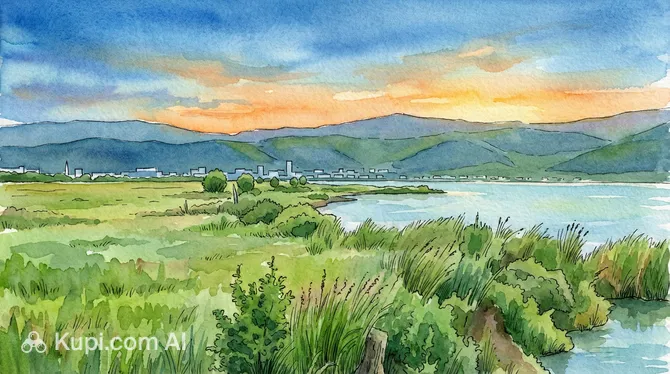
Nizhneangarsk is a picturesque urban-type settlement located on the northern tip of the legendary Lake Baikal. Situated in the Republic of Buryatia within the Russian Federation, this charming town offers visitors a unique opportunity to experience the majestic beauty of the world's deepest lake away from the bustling crowds of the south. With a population of approximately 19,000 inhabitants, it serves as a cozy and welcoming gateway to the wild nature of the Northern Baikal region.

Nizhneangarsk. Source: Kupi.Binoculars

The town boasts a rich heritage that is deeply intertwined with the exploration of Siberia. It was founded as a Cossack wintering post in the mid-17th century, making it significantly older than many neighboring settlements. Travelers interested in the region's development can delve deeper into the history of Nizhneangarsk to understand its transformation from a remote outpost to a key transport hub with its own airport and harbor.

Nizhneangarsk is renowned for its stunning natural surroundings, particularly the Island Yarki, a long sandy spit that separates the northern waters of Baikal from the Kichera and Upper Angara river deltas. This area is a haven for birdwatchers and nature lovers. Visitors also enjoy strolling along the waterfront to see the symbolic "Most Northern Point of Baikal" monument, which marks the geographical significance of the location. Whether you are looking to relax on sandy shores or embark on an adventure into the Siberian wilderness, Nizhneangarsk is a destination that promises unforgettable memories.

Weather Overview

Travelers planning a visit should be prepared for a distinct continental climate that varies significantly with the seasons. The weather in Nizhneangarsk is defined by long, freezing winters and mild, relatively humid summers. During the coldest month of January, temperatures can drop to a minimum of -27.5°C, creating a true Siberian winter experience with crisp, dry air.

In contrast, the summer months bring comfortable warmth, with July seeing average highs of 20.0°C, making it the most popular time for tourism. However, visitors should pack accordingly, as the warmer season also brings frequent precipitation, with up to 16 wet days in July and August. Expect mild summers with frequent rainfall and very cold, dry winters.

Interesting Facts

Beyond the main attractions, Nizhneangarsk holds many fascinating secrets that highlight its unique position on the map. This settlement is not just a gateway to nature but a place of historical depth and geographical curiosities.
  • The "Two Angaras" Distinction: Visitors are often confused by the name, assuming a connection to the famous Angara River that flows out of Lake Baikal near Irkutsk. However, Nizhneangarsk is located at the mouth of the Upper Angara, a completely different river that serves as the second-largest tributary feeding into the lake.

  • Gateway to Thermal Springs: While the lake waters can be frigid, the town serves as the perfect base for reaching the Goudzhekit hot springs. Located just a short drive away in the mountains, these open-air thermal pools allow travelers to swim comfortably even when the surrounding air temperature drops to -30°C.

  • A Scenic Railway Feat: The railway tracks passing through Nizhneangarsk offer one of the most spectacular train journeys in the country. In this section, the Baikal-Amur Mainline (BAM) runs so close to the water's edge that passengers often feel as if the train is floating directly on the surface of the lake.

  • Specific Historical Origins: While often described generally as an old outpost, the settlement was specifically founded in 1643 by the Cossack explorer Vasily Kolesnikov. This date marks it as one of the very first Russian structures erected on the shores of Lake Baikal, pre-dating many larger regional cities.

How to Get There

Reaching the northern shores of Lake Baikal is an adventure in itself, offering scenic routes through the Siberian taiga. Whether you prefer the speed of air travel or the romance of the railway, the region is well-connected. For detailed instructions and routes, you can read more about how to get to Nizhneangarsk to plan your journey effectively.

The most convenient way to arrive is by flying directly into the local Nizhneangarsk airport (IATA: NZG). Located just 3.5 km from the city center, it serves as the primary air gateway for tourists visiting this part of Buryatia. The airport is relatively small, handling regional traffic, but its proximity makes it an excellent choice. A taxi or bus ride from the terminal to the town center takes only a few minutes.

Alternatively, travelers can consider flying into Ust-Kut Airport (IATA: UKX). It is important to note that this airport is not in Nizhneangarsk itself but in the city of Ust-Kut, which is about 264.8 km away. While it handles a larger volume of passengers compared to the local airport, the transfer to Nizhneangarsk is significant. The journey by road from Ust-Kut involves a long drive, so this option is best suited for those planning a broader itinerary across the region.

For clarity, here is a summary of the main airports:

Airport Name City Passenger Traffic Km from City
Ust-Kut AirportUst-KutMedium264.8
NizhneangarskNizhneangarskSmall3.5

Rail travel is another popular method, especially given the town's location on the famous Baikal-Amur Mainline (BAM). You can arrive directly at the Nizhneangarsk Railway Station, which is conveniently situated just 4.6 km from the center. The transfer from the station to your accommodation is quick and straightforward.

Another significant hub nearby is the Severobaykalsk Railway Station. The city of Nizhneangarsk does not host this major station; it is located in the neighboring city of Severobaykalsk, approximately 22.6 km away. This station is a major transport node with high passenger traffic, offering more frequent connections. From Severobaykalsk, you can take a taxi or bus to Nizhneangarsk, a trip that usually takes less than an hour along the scenic lakeside road.

Below is a list of railway stations serving the area:

Station City Passenger Traffic Km to Center
Severobaykalsk Railway StationSeverobaykalskLarge22.6
Novy Uoyan Railway StationNovy UoyanMedium142.1
Ulkan Railway StationUlkanSmall110.5
Nizhneangarsk Railway StationNizhneangarsk4.6
Kunerma StationUlkan69.0

Main Attractions

To fully appreciate the charm of this northern settlement, visitors should explore its unique blend of natural wonders and cultural heritage. While Nizhneangarsk is often viewed as a transit point, it holds several captivating sites that allow travelers to connect with the spirit of Lake Baikal and the history of the region.

One of the most impressive natural highlights is Island Yarki. This narrow, sandy spit stretches for nearly 11 kilometers, effectively separating the northern tip of Lake Baikal from the shallow waters of the Angara Sor. For tourists, it is a favorite destination for summer relaxation. Unlike the deep and frigid open waters of the lake, the shallow bays here warm up quickly, making it one of the few places in the Northern Baikal region suitable for swimming. The island is also a haven for birdwatchers and those who enjoy secluded camping amidst birch trees and sandy dunes.

For a dive into the local culture, the Historical and Local Lore Museum is a must-visit. The museum offers a comprehensive look at the life and traditions of the indigenous Evenki people, who have inhabited these lands for centuries. Exhibits also cover the arrival of the Cossacks in the 17th century and the monumental construction of the Baikal-Amur Mainline (BAM). It is an excellent place to understand the human history behind the scenic landscapes, featuring artifacts, traditional clothing, and historical photographs that bring the past to life.

A symbolic and popular spot for photos is the Monument to the Northernmost Point of Baikal. Located on the waterfront, this stele marks the geographical significance of the town. Standing here offers a moment of reflection on the sheer scale of the world's deepest lake, which stretches hundreds of kilometers to the south. The surrounding area provides panoramic views of the water and the distant mountain ranges, making it a perfect location for an evening stroll to watch the sunset over the Siberian horizon.

Just outside the immediate town center, the Kichera River Delta offers a spectacular landscape for nature lovers. As part of the Upper Angara biological reserve, this area is a maze of channels and wetlands teeming with wildlife. It is particularly interesting for those who enjoy eco-tourism and photography, offering a chance to spot rare waterfowl and experience the raw, untouched beauty of the Siberian taiga meeting the great lake.

Local Cuisine

The culinary scene in Nizhneangarsk is a delightful reflection of its location, blending hearty Buryat traditions with the fresh bounty of Lake Baikal. Unsurprisingly, fish is the undisputed king of the local table. Visitors simply must try the legendary Baikal Omul, which is prepared in numerous ways: salted, sun-dried, or cold-smoked. Another delicacy is Saguday, a raw fish appetizer made from fresh whitefish or grayling, marinated with onions, salt, pepper, and oil. It offers a fresh and authentic taste of the Siberian north that seafood lovers will appreciate.

Beyond fish, the region is famous for its traditional meat dishes, with Buuz (also known as Pozy) being the most iconic. These large, steamed dumplings are filled with minced meat and onions, shaped like a yurt with a small opening at the top. The correct way to eat them is by hand: first, take a small bite to drink the savory broth inside, and then enjoy the rest. They are a staple comfort food found in almost every local eatery and are incredibly satisfying after a day of exploring the cold Baikal shores.

When it comes to drinks, the locals prefer hot, warming beverages to combat the Siberian chill. A must-try is tea brewed with Sagan-Dailya, a medicinal herb that grows on the rocky slopes of the surrounding mountains. It is known for its tonic properties and distinct, aromatic flavor, often described as a natural energy booster. For something more traditional to the Buryat culture, you might encounter tea served with milk and a pinch of salt, a historic recipe designed to restore strength.

The food culture in Nizhneangarsk is unpretentious and welcoming. You won't find high-end luxury dining here; instead, the town is dotted with small, cozy cafes known as "Poznaya," which specialize in serving fresh Buuz and hot soups. For the best fish, tourists often head to the local markets or small smokehouses near the waterfront, where the catch is sold directly by fishermen. Buying freshly smoked fish wrapped in paper and enjoying it by the lakeside is considered one of the quintessential gastronomic experiences of the region.

Travel Tips

Traveling to the northern edge of Lake Baikal is a journey into the heart of Siberia, and a bit of preparation goes a long way in this remote region. To help you make the most of your visit to Nizhneangarsk, here are some practical tips covering everything from packing essentials to local customs.

  1. Clothing and Gear: The climate here dictates your wardrobe. If visiting in winter, thermal underwear, a heavy down parka, and insulated non-slip boots are mandatory to withstand temperatures dropping below -25°C. In summer, dress in layers; while days can be warm, evenings near the water are chilly. Bring a raincoat or waterproof jacket, as July and August can be wet. Crucially, if you plan to hike in the taiga or on Island Yarki, wear long sleeves and trousers to protect against mosquitoes and ticks.
  2. Transportation: Nizhneangarsk is a small settlement, and while there is a local bus system connecting it to the airport and the neighboring city of Severobaykalsk, schedules can be infrequent. The most convenient way to get around is by taxi. Ride-hailing apps may not always work reliably here, so it is best to ask your hotel or a local for the phone number of a trusted local taxi service. Car rental is not common within the town itself.
  3. Finances: The local currency is the Russian Ruble (RUB). While supermarkets and hotels usually accept credit cards, cash is king in smaller shops, "Poznaya" cafes, and especially at the fish market. ATMs are available but can be scarce compared to big cities, so withdraw enough cash upon arrival. Tipping is appreciated but not strictly mandatory; rounding up the bill in taxis and cafes is a common practice.
  4. Health and Safety: The town is generally safe, but nature poses the biggest risks. In spring and early summer, ticks are active in the grass and forests; use high-quality repellent and check your clothes after walks. Pharmacies are available in the center but typically do not operate 24/7, so bring a supply of any prescription medications you need. Drink bottled or boiled water, as tap water quality can vary.
  5. Communication: The primary language is Russian, and English is rarely spoken outside of major tour operations. It is highly recommended to download an offline translation app and an offline map (like Yandex Maps or 2GIS) before you arrive. Buying a local SIM card (MTS, Megafon, or Tele2) is easy at mobile shops, ensuring you stay connected even in remote areas.
  6. Local Etiquette: Locals are hospitable but appreciate respect for their traditions. When visiting sacred sites or seeing ribbons tied to trees (shamanic shrines), observe from a respectful distance and do not touch them unless invited. It is polite to remove your shoes when entering a home or a traditional guesthouse. A firm handshake is the standard greeting.
  7. What to Avoid: Never throw trash into Lake Baikal or leave litter on its shores; the lake is considered sacred by the indigenous people, and polluting it is seen as a grave offense. Additionally, avoid refusing a cup of tea if invited by a local host, as sharing food and drink is a central part of Siberian hospitality.
  8. Additional Tip: If you buy the famous Baikal Omul fish to take home, ask the seller for "vacuum packing" if available, or wrap it thoroughly in paper and cloth. Smoked fish has a strong aroma that can be overpowering in luggage or on the train!

By keeping these practicalities in mind, you can focus on the breathtaking landscapes and unique culture of Northern Baikal. Nizhneangarsk is a place where nature rules, and respecting its rhythms will ensure your trip is both safe and unforgettable.

Entertainment & Nightlife

Nizhneangarsk is primarily a sanctuary for tranquility and connection with nature, so travelers should not expect a vibrant nightlife scene within the settlement itself. The evenings here are best spent enjoying a quiet dinner at a local café or taking a sunset stroll along the shores of Lake Baikal. The atmosphere is calm and family-oriented, with most establishments closing relatively early. However, for those seeking more active entertainment, the neighboring city of Severobaykalsk serves as the main hub for social activities in the Northern Baikal region.

For a classic night out with music and drinks, locals and tourists alike head to Severobaykalsk, which is just a 20-30 minute drive away. Here, you can find a selection of local bars and cafes that offer a livelier energy compared to the quiet streets of Nizhneangarsk. These venues provide a place to enjoy cocktails, listen to music, and dance late into the night. The crowd is typically a mix of local residents and tourists, offering a friendly glimpse into the modern social life of this Siberian region.

A unique alternative to traditional bars is visiting the thermal springs in the evening, though this requires some planning. The Goudzhekit Hot Springs are a popular destination, but visitors should be aware that this is a dedicated trip rather than a quick hop. Located approximately 60 to 70 kilometers from Nizhneangarsk (passing through Severobaykalsk), the journey takes about an hour or more by car. Despite the distance, the experience of swimming in open-air hot mineral pools while surrounded by snow-covered mountains and a starry Siberian sky is well worth the travel time. The complex usually stays open late, allowing for a relaxing and memorable end to the day.

Within Nizhneangarsk itself, the "nightlife" revolves around warmth and food. You can spend the evening in one of the traditional "Poznaya" cafes—small eateries specializing in Buryat cuisine. While they are not bars in the western sense, they are the social heart of the town where you can enjoy hearty meat dishes and hot tea in a welcoming environment. These venues typically close around 9:00 PM or 10:00 PM, so it is best to arrive early for dinner.

Practical advice for navigating the night includes relying on taxis rather than public transport, which stops running in the evening. If you plan to visit Severobaykalsk for a party or travel to the hot springs, ensure you have the number of a local taxi service or arrange a return ride in advance, as catching a car on the street late at night can be difficult. The area is generally very safe, but street lighting can be sparse in the smaller lanes of Nizhneangarsk, so sticking to main roads or using a flashlight is recommended.

During the daylight hours, entertainment is more cultural and nature-focused. Visitors can explore local museums to learn about the BAM construction and indigenous culture, or take boat tours to the nearby islands. The contrast between the educational daytime activities and the serene, star-filled nights makes Nizhneangarsk a perfect destination for those looking to reset and recharge.

Parks & Museums

While Nizhneangarsk is a relatively small settlement, its connection to the wild landscapes of Northern Baikal and its rich history offer visitors a distinct selection of cultural and natural spaces. The town does not feature vast urban parklands found in major metropolises; instead, its "green spaces" are seamlessly integrated with the surrounding taiga and the lakeshore, while its cultural venues serve as intimate guardians of local memory and tradition.

Key Parks and Green Spaces

The most prominent area for leisure and walking is the Nizhneangarsk Embankment. This landscaped waterfront area serves as the town's main promenade, offering unobstructed views of Lake Baikal and the distant mountain ranges. It is paved and lined with benches, making it an ideal spot for a relaxing evening stroll. Tourists flock here to breathe in the fresh Baikal air and take photos with the lake as a dramatic backdrop. It acts as a serene buffer between the residential areas and the water, perfect for watching the sunset.

For a moment of reflection amidst greenery, visitors should head to Victory Park (Park Pobedy). Like many Russian towns, Nizhneangarsk maintains a respectful memorial park dedicated to the soldiers of World War II. It is a well-kept, quiet green space featuring monuments and flower beds. For tourists, it offers a glimpse into the local community's respect for history and provides a shaded, peaceful environment for a short break while exploring the town center.

Nature enthusiasts will appreciate the Angarsky Sor wetlands located just on the outskirts. While not a manicured city park, this natural area is a paradise for eco-tourism. It is a shallow, warm-water bay formed by the Upper Angara River delta, teeming with birdlife. It serves as a natural "living park" where visitors can observe diverse waterfowl and enjoy the unique flora of the wetlands, offering a stark contrast to the rocky shores found elsewhere on Baikal.

Museums and Galleries

The cultural heart of the town is the District Historical and Local Lore Museum. This institution is far more than a simple repository of old items; it is a comprehensive guide to the region's identity. The museum houses extensive collections dedicated to the construction of the Baikal-Amur Mainline (BAM), showcasing the tools, diaries, and personal items of the workers who built the railway through the harsh Siberian terrain. Additionally, it features a rich ethnographic section focused on the Evenki people, displaying traditional clothing, hunting gear, and beadwork that reflect the indigenous heritage of Northern Buryatia.

While there is no standalone fine arts museum, the District House of Culture often serves as a gallery space. It frequently hosts temporary exhibitions showcasing the works of local painters, photographers, and craftsmen. These exhibits are particularly interesting for tourists looking to buy authentic souvenirs or see how the majestic Baikal landscapes inspire local creativity. It is a hub for community events and a great place to experience the living culture of the settlement.

Historical and Architectural Sites

A significant architectural landmark is the Church of the Vladimir Icon of the Mother of God. This wooden church is a beautiful example of modern religious architecture in the region, built to replace older structures lost to time. Its golden domes and intricate timber construction stand out against the blue sky and green hills. For visitors, it offers a chance to observe the revival of Orthodox traditions in Siberia and admire the craftsmanship of local woodworkers.

Authentic Experiences/Insider Tips

For a truly local perspective, take a walk to the pedestrian bridge over the railway tracks near the station. From this elevated vantage point, you can capture a unique photo that encapsulates the essence of Nizhneangarsk: the steel ribbons of the BAM railway running parallel to the endless blue expanse of Lake Baikal, framed by the rugged mountains.
Getting Around

Given the modest size of Nizhneangarsk, the public transport system is straightforward and limited compared to larger metropolitan areas. There are no metros, trams, or trolleybuses here. The primary mode of public transportation consists of buses and minibuses (marshrutkas). These vehicles typically operate on a few fixed routes that connect the residential areas with key transit hubs, such as the airport and the railway station, as well as providing a vital link to the neighboring city of Severobaykalsk.

The payment system is traditional and relies heavily on cash. While contactless payments are becoming common in shops, bus drivers usually expect passengers to pay with physical currency. There are no complex travel cards, zone systems, or mobile ticketing apps for the local buses. You simply pay the driver directly, either upon entering or when exiting the vehicle. Fares are generally very affordable, usually costing a nominal amount for rides within the settlement, with a slightly higher fare for the intercity route to Severobaykalsk.

For tourists, the most important practical advice is to always carry small change (coins and small denomination banknotes) when planning to take the bus. Drivers may not always have change for large bills. Bus stops are marked, but schedules can be infrequent and are not always strictly adhered to. It is highly recommended to ask locals or hotel staff for the current departure times, as official timetables at stops may be outdated or missing. Operations typically begin early in the morning but wind down relatively early in the evening; do not rely on finding a bus late at night.

Due to the limited frequency of buses, taxis are the most popular and reliable alternative for getting around. While major international ride-hailing apps may not function here, local taxi services are readily available and inexpensive. It is best to save the phone number of a local dispatch service or ask your accommodation to call a car for you. In the warmer months, the compact nature of the settlement makes walking a pleasant option, as most amenities, the waterfront, and the station are within a reasonable distance of each other.

Although there is no "historic metro" or cable car, the bus ride between Nizhneangarsk and Severobaykalsk offers a special experience of its own. The route runs along the picturesque coastline of Lake Baikal, effectively turning a standard commute into a scenic tour. For those arriving by train, the railway station itself acts as a local landmark, but it serves long-distance routes rather than intra-city transport. Travelers should view the local transport not just as a utility, but as a chance to slow down and adapt to the relaxed pace of life in the Siberian north.

Accommodation

Accommodation in Nizhneangarsk reflects the settlement's remote and authentic character. Visitors should not expect large international hotel chains or sprawling luxury resorts here. Instead, the hospitality sector is dominated by small guesthouses, cozy mini-hotels, and homestays. These options offer a more personal experience, often run by local families who provide a warm welcome and home-cooked meals. For budget travelers, there are basic hostels and rooms available in private homes, while those seeking more comfort can find mid-range hotels that offer standard amenities like private bathrooms and Wi-Fi.

When choosing a location, most tourists prefer to stay as close to the shore of Lake Baikal as possible. Properties located near the waterfront offer stunning views of the lake and the distant mountains, allowing guests to enjoy the scenery right from their windows. Another convenient area is near the Nizhneangarsk Railway Station. Staying here is particularly practical for those arriving late at night or planning to use the train to explore neighboring towns along the Baikal-Amur Mainline. The settlement is compact, so regardless of where you stay, the town center and shops are usually within walking distance or a short taxi ride.

Booking Tip: Due to the limited number of rooms and the short tourism season in Northern Baikal, accommodation can fill up very quickly. If you are planning to visit during the peak months of July and August, it is highly recommended to book your stay several months in advance. Arriving without a reservation during the height of summer can be risky, as the best options are often sold out.

The general price range in Nizhneangarsk is quite affordable compared to the more tourist-heavy southern parts of the lake. Most options fall into the budget to mid-range categories. While some larger guesthouses and hotels are listed on major online booking platforms, many smaller establishments still rely on direct phone bookings or local listings. It is also important to note that while some places accept credit cards, smaller family-run guest houses may prefer or require cash payments, so it is wise to have rubles on hand upon arrival.

Nearby Cities

For those looking to explore the surroundings, Nizhneangarsk serves as an excellent base for day trips to several interesting nearby locations:

One of the most immediate and popular destinations is Severobaykalsk, located just a short drive along the lake's coast. As the main urban hub on the northern shore of Lake Baikal, it offers a livelier atmosphere compared to the quiet settlement of Nizhneangarsk. Visitors can explore the Museum of the History of the BAM to learn about the legendary railway construction, enjoy a stroll along the developed waterfront, or dine in one of the city's many cafes. It is the perfect spot for a quick change of scenery and to experience the urban pulse of the region.

For those interested in the history of Siberian exploration, Ust-Kut offers a compelling option for a short visit or an overnight trip. Situated on the Lena River, it is one of the oldest Russian settlements in Eastern Siberia, founded in 1631. Known as the "Gateway to the North," it combines a rugged river-port atmosphere with historical significance, serving as a key transport node that connects the railway to the vast waterways of the region.

Travelers willing to venture further for a cultural immersion might consider a trip to Ulan-Ude, the capital of the Republic of Buryatia. While it requires a longer journey, the city is a vibrant center of Asian and Russian cultures. It is famous for housing the world's largest monumental head of Lenin and serves as the gateway to the Ivolginsky Datsan, the spiritual center of Buddhism in Russia, offering a profound cultural contrast to the wild nature of the northern lakeside.

City Population Distance (km)
Ulan-Ude 439128 458
Chita 347088 489
Bratsk 231602 492
Ust-Ilimsk 81976 482
Ust-Kut 41689 259

These nearby destinations offer a glimpse into the diverse culture and landscapes of the region.

Shopping & Souvenirs

Shopping in Nizhneangarsk is a modest but authentic experience, reflecting the settlement's status as a quiet gateway to Northern Baikal rather than a commercial hub. Do not expect high-end fashion boutiques or sprawling shopping complexes here. Instead, the retail scene is focused on providing essentials for locals and unique regional products for visitors. The town is primarily a place to stock up on supplies for hiking or camping trips and to purchase edible souvenirs that showcase the bounty of the lake and the surrounding taiga.

Most commercial activity is concentrated along the central thoroughfare that runs through the settlement. Here, visitors will find a variety of small convenience stores, pharmacies, and mixed-goods shops scattered among residential buildings. The area near the Nizhneangarsk Railway Station is also a key spot for travelers, offering kiosks selling snacks, drinks, and local handicrafts designed for those passing through on the Baikal-Amur Mainline.

There are no large, modern shopping malls in Nizhneangarsk. The town features only small "trading centers," which are essentially buildings housing a collection of independent stalls selling clothing, household goods, and groceries. For a more comprehensive shopping experience with a wider selection of brands and electronics, locals and tourists typically travel to the neighboring city of Severobaykalsk, which serves as the larger commercial center for the region.

The highlight of the local shopping scene is undoubtedly the markets dedicated to local produce. While there isn't a massive central bazaar, there are designated spots and roadside stands where fishermen and gatherers sell their goods. The Fish Market areas—often just clusters of vendors near the station or the main road—are essential stops. Here, you can buy fresh, salted, and smoked fish directly from the people who caught it, ensuring the highest quality and authentic flavor.

When it comes to souvenirs, edible treats are the most popular choice. The number one purchase is Baikal Omul, available cold-smoked or sun-dried. Another "must-buy" is Sagan-Dailya, a local tonic herb collected in the mountains, known for its energizing properties and strong floral aroma. Visitors also frequently buy pine nuts (cedar nuts), cedar oil, and berry jams made from lingonberries or blueberries gathered in the nearby forests. For non-edible gifts, look for traditional Buryat handicrafts or items made from charoite, a rare purple gemstone found in Siberia.

Grocery stores and supermarkets typically operate from 8:00 AM or 9:00 AM until 9:00 PM or 10:00 PM. Smaller specialized shops may close earlier, around 6:00 PM or 7:00 PM, and might have shorter hours on weekends. While major chain supermarkets and some larger shops accept credit cards, cash is essential for shopping at markets, roadside stands, and smaller kiosks. It is highly recommended to carry smaller denominations of rubles when buying fish or souvenirs from local vendors.

The Tax-Free shopping system (VAT refund) is generally not available in Nizhneangarsk. This service is typically restricted to select high-end retailers in Russia's largest metropolitan areas. Tourists should not expect to claim VAT refunds on purchases made in this small settlement.

Nearby cities

Reached the end of the page?

That means the route is fully explored