Support

Likino-Dulyovo

About

Likino-Dulevo is a unique city in the Moscow Region, often called the capital of Russian porcelain. This place amazingly combines industrial power with fine art, attracting travelers with its originality and the rich traditions of its masters.

Located east of the capital, the city is an important point on the tourist map of Russia. Despite its modest size and a population of about 30,000 people, Likino-Dulevo possesses a unique charm and a peaceful atmosphere characteristic of small towns in the Moscow suburbs.

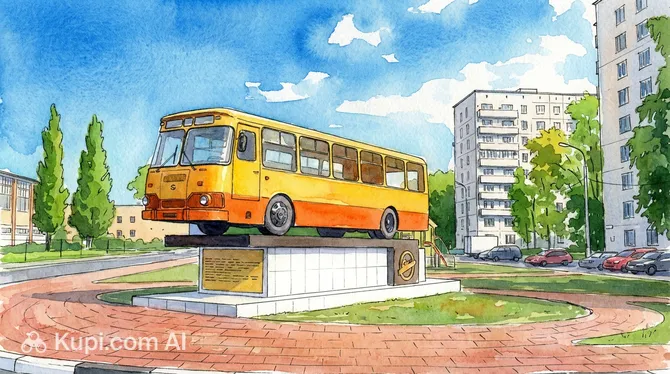
Likino-Dulyovo. Illustration.
Source: Kupi.com AI

The eventful history of Likino-Dulevo is inextricably linked with two legendary enterprises: the Likino Bus Plant (LiAZ) and the Dulyovo Porcelain Works. It was porcelain that brought the city worldwide fame. Visitors to the city flock to the museum at the factory to admire exquisite dinner sets and learn the secrets of the famous "agashkas" — the signature style of painting local tableware.

In addition to industrial tourism, the city is interesting for its unusual architecture. It is home to the Palace of Culture for Porcelain Workers — a famous Constructivist building designed by architect Konstantin Melnikov. A trip to Likino-Dulevo is an excellent choice for an educational weekend tour, allowing you not only to touch the region's industrial heritage but also to take home a fragile and beautiful souvenir.

Weather Overview

The climate of Likino-Dulevo is typical for central Russia — temperate continental, with clearly defined seasonality. This makes the city accessible for visiting all year round, although each season has its own special character and atmosphere.

Winters here are moderately frosty and snowy. The coldest month is traditionally January, with average temperatures around -6.6°C, while night frosts can reach -9°C. December and January are characterized by high humidity: precipitation falls approximately 14 days a month, creating picturesque winter landscapes.

Summer in the city is usually mild and comfortable, without exhausting heat. July is the warmest month, when the air warms up to an average of +19.4°C, and on clear days, the temperature can rise to +24°C. Nevertheless, an umbrella may come in handy even in the height of the season, as rain is not uncommon here. Overall, expect a warm summer with periodic precipitation and cool, snowy winters.

The transitional seasons also have their characteristics: spring gains strength by May, when the temperature rises to +12.6°C, and in autumn, September still pleases with warmth (+13.2°C) before the November cooling. To pack your suitcase correctly, we recommend finding out in advance what the weather in Likino-Dulevo will be for your travel dates.

Average monthly temperature

Average monthly precipitation

Interesting Facts

In addition to the main attractions, Likino-Dulevo holds many fascinating secrets that reveal the city from an unexpected side. Here are a few facts that will help you better understand the character of this unique place:

  • The only "Melnikov" outside the MKAD. The building of the Palace of Culture for Porcelain Workers is a true architectural exclusive. It is the only structure by the famous avant-garde architect Konstantin Melnikov built outside of Moscow. If you look at the building from above, its shape resembles a star, which, according to the author's idea, symbolized chemical bonding and the unity of the workers.

  • The secret of the orange falcon. The Dulyovo factory mark in the form of a falcon, familiar to many, appeared thanks to international triumph. In 1958, at the World's Fair in Brussels, the porcelain sculpture "Falcon" by Alexey Sotnikov won the Grand Prix. It was after this victory that the bird's silhouette became the official logo of the enterprise.

  • Home of the "Lunokhod." It was here, at the Likino Bus Plant, that the legendary LiAZ-677 bus was produced, which people nicknamed "Lunokhod" (Moon Rover) for its characteristic soft ride and the sound of its transmission. It was the first mass-produced bus in the Soviet Union with an automatic gearbox, becoming a symbol of an era for millions of passengers.

  • Why is the painting called "agashka"? The signature style of local painting got its name from the name Agafya, which was common among the female painters. Initially, this was the name for a simple technique of drawing a flower with a finger or a large brush, but over time, this "folk" manner became a sign of high craftsmanship and a recognizable brand of the city.

How to Get There

When planning a trip to this original corner of the Moscow suburbs, it is worth thinking about the route in advance. The city is well-positioned relative to the region's main transport arteries, making travel here quite comfortable. You can learn more about how to get to Likino-Dulevo by studying all available options, but the main gateways for tourists from distant regions are Moscow airports and nearby major railway hubs.

Likino-Dulevo itself does not have its own airport, so travelers usually fly into the capital's aviation hubs. The closest is Zhukovsky (IATA: ZIA), located in Moscow, approximately 54 km from the destination. The journey from there by taxi or car will take about 1 hour and 40 minutes. Another popular option is Domodedovo (IATA: DME), also located within the Moscow aviation hub (74 km from Likino-Dulevo). Travel time from this airport will be approximately 2 hours and 10 minutes. For those choosing Sheremetyevo (IATA: SVO), expect a longer trip — the distance is about 101 km, requiring about 2 hours and 50 minutes for the transfer.

For clarity, here is a summary of the main airports:

AirportPassenger trafficDistance
Zhukovsky1.7 mln54 km
Domodedovo15.6 mln74 km
Sheremetyevo36.3 mln101 km
Vnukovo16 mln108 km
Ivanovo Airport100 000184 km

Railway communication is another convenient way to get closer to the destination. It's worth noting that large long-distance trains often stop at hub stations in neighboring cities. The most convenient arrival point is the Orekhovo-Zuyevo railway station, located in the city of Orekhovo-Zuyevo. This station is only 10 km from Likino-Dulevo, and a taxi or local bus ride from there will take no more than 35 minutes. You can also consider the Pavlovsky Posad station in the namesake city (about 19 km away), from where the transfer will take approximately 50 minutes.

Below is information about the nearest major railway stations:

StationPassenger trafficDistance
Orekhovo-Zuyevo Railway Station3.5 mln10 km
Pavlovsky Posad Railway Station19 km
Petushki Railway Station40 km
Shatura Railway Station600 00043 km
Voskresensk Railway Station1.5 mln45 km

Main Attractions

Despite its compact size, Likino-Dulevo offers tourists several iconic sites that provide a deep dive into the culture and history of this region. A walk through the city is a unique journey through different eras, from the traditions of merchant Russia to the bold solutions of the Soviet avant-garde.

Dulyovo Porcelain Museum. This is undoubtedly the city's main landmark, for which travelers from all over the country come here. The museum halls present a rich collection of porcelain created by local masters over the nearly two-century history of the enterprise. Here you can see unique exhibition vases, sculptures, and the famous dinner sets that have become symbols of comfort in many homes. A visit to the museum is often combined with a production tour to witness the magic of creating fragile beauty with your own eyes.

Church of St. John the Apostle. A majestic red-brick church built at the beginning of the 20th century, it is the architectural landmark and spiritual center of the city. The building is designed in the Neo-Russian style and impresses with its scale, monumentality, and meticulous attention to detail. This place attracts not only believers but also architecture lovers wishing to enjoy the silence and solemn beauty of the church interior.

Palace of Culture for Porcelain Workers. A truly world-class architectural gem located right on Lenina Street. The building, designed by the famous architect Konstantin Melnikov, is an outstanding monument of Constructivism. Tourists come here to appreciate the unique geometry of the building, which resembles a star in its floor plan, and to take atmospheric photos against the backdrop of this avant-garde masterpiece.

Monument to the LiAZ-677 Bus. This object will be of particular interest to fans of technology and transport history. The legendary "Lunokhod" (Moon Rover), set on a pedestal, serves as a reminder of the city's second important specialization — automotive manufacturing. The monument is located near the factory and is a popular spot for commemorative photos, symbolizing an entire era in the history of passenger transportation.

Local Cuisine

The gastronomic scene of Likino-Dulevo reflects its merchant and factory past. You won't find high molecular cuisine here, but you can enjoy honest, hearty, and home-style tasty dishes characteristic of central Russia. Local establishments are oriented toward solidly feeding guests after a long walk or work shift, so portions are usually generous and recipes are time-tested.

The basis of the menu in most cafes and canteens is traditional Russian cuisine. You should definitely order a rich borscht with pampushkas or a thick solyanka, which are especially good in cool weather. For the main course, a local hit is classic cutlets with mashed potatoes or buckwheat — a dish familiar to everyone from childhood, but prepared here with special soulfulness. The city is also famous for its pastries: in local bakeries, you can always find fresh pirozhki with cabbage, meat, or apples, which are perfect for a quick snack.

The drink culture in Likino-Dulevo is inextricably linked with the city's main brand — porcelain. Tea drinking here is a real ritual. Locals take pride in drinking tea from "their" Dulyovo cups, and many tourists note that the taste of a drink from thin-walled porcelain reveals itself in a completely special way. Tea is often served with jam, honey, or gingerbread. Popular soft drinks include homemade berry morsels and kvass during the summer season.

Regarding places to eat, the city offers an interesting choice between modernity and nostalgia. Tourists are recommended to check out factory canteens or cafes at enterprises, where the atmosphere of Soviet public catering has been preserved with affordable prices and high food quality. For a more conventional rest, there are pizzerias and small cozy coffee shops in the city where you can relax after a museum tour.

Travel Tips

A trip to Likino-Dulevo is an immersion into the atmosphere of a real Russian industrial city, and to make your journey as comfortable as possible, we have prepared a list of useful recommendations. These simple tips will help you feel confident in the birthplace of famous porcelain and legendary buses.

  1. Clothing and Essentials. Since getting to know the city involves walking between attractions, be sure to choose comfortable flat-soled shoes. The climate here is changeable, so even in summer, it's worth bringing a light windbreaker or an umbrella. If you plan to visit the Church of St. John the Apostle, women are recommended to have a head covering (scarf), and men should wear trousers rather than shorts.

  2. Transport. Likino-Dulevo is a small city but quite long, as it was historically formed from the merger of two settlements. There is no public metro or trams here; the main transport is buses and minibuses. For convenience, we recommend using popular taxi apps (such as Yandex Go), which work stably here and are inexpensive.

  3. Finances. The official currency, as in the rest of Russia, is the ruble. Bank cards are accepted in the museum, large supermarkets, and chain cafes, but for purchasing souvenirs from private masters or snacks at small kiosks, it's better to have cash. ATMs of major banks are located in the city center and near the market area.

  4. Health and Safety. The city is peaceful and safe for tourists. Pharmacies can be found on central streets (Lenina Street, 1 Maya Street), but note that there are few 24-hour points — stock up on necessary medicines in advance. In the evening, stick to the illuminated central routes and parks.

  5. Communication. The primary language of communication is Russian; locals rarely speak English, except for museum staff. If you don't speak Russian, download an offline translator in advance. Mobile internet and Wi-Fi in cafes work well. For navigation, it's convenient to use domestic map services as they show house numbers in the provinces more accurately.

  6. Local Etiquette. Simplicity and politeness are valued here. It is customary to say hello when entering small shops or the museum. In public places, behave discreetly. Residents are proud of their industrial history, so showing sincere interest in the factories and local traditions always wins people over.

  7. What to Avoid. Do not attempt to touch exhibits in the porcelain museum with your hands unless expressly permitted by the guide — many items are unique and extremely fragile. Also, do not expect a wild nightlife or service levels of luxury hotels in the capital; the charm of this place lies in its provincial coziness and silence.

  8. Shopping Tip. When purchasing porcelain at the flagship factory shop, carefully inspect each item before paying. Porcelain is divided into grades, and buying "first-hand" is an excellent chance to find rare specimens or high-quality tableware at a price significantly lower than in souvenir shops in other cities.

We hope these tips make your visit to Likino-Dulevo easy and carefree. The hospitable city of masters is ready to reveal its secrets to you; the main thing is to tune into a leisurely rhythm and enjoy the beauty of the details!

Entertainment & Nightlife

Entertainment in Likino-Dulevo is calm and contemplative, which is not surprising for a small city with a rich history. You won't find noisy nightclubs or large-scale entertainment centers here, but you will get a unique opportunity to touch creativity and spend time in a cozy atmosphere. The main leisure activities for tourists are somehow related to the main symbol of these places — porcelain.

A mandatory part of the program for many guests is the painting workshops. You can try your hand as an artist in the creative workshops at the museum or factory. Under the guidance of experienced painters, you will learn the secrets of applying paint to glaze and try to depict the famous "agashka" — a bright rose that has become the trademark of the local style. This meditative activity captivates both adults and children, and you can take home your hand-painted cup or plate as a unique souvenir.

For leisurely walks in the fresh air, the city's Park of Culture and Leisure is ideal. This well-maintained green space with shaded alleys, benches, and a picturesque pond is a pleasant place to take a break from the hustle and bustle. During holidays, the park becomes the main venue for folk festivities, and in winter, ski tracks are often laid out and a skating rink is frozen, which is traditional for winter leisure in Russia.

A special place in the city's life is occupied by the annual "Agashka" Porcelain Festival. If your trip falls in late summer or early autumn, you might have the chance to attend this colorful celebration. The festival program usually includes carnival processions, a "porcelain fashion show" of costumes, craft fairs, and mass tea parties. This event allows you to see Likino-Dulevo at its most vibrant and hospitable.

A separate kind of pleasure is visiting the flagship store at the Dulyovo Porcelain Works. The huge trading floor looks more like a museum where you can spend hours browsing display cases with dinner sets, figurines, and vases. Searching for "that one" item among thousands of fragile products turns into a truly exciting quest for connoisseurs of beauty.

Parks & Museums

The cultural landscape of Likino-Dulevo offers guests a harmonious combination of well-maintained green zones and a deep dive into industrial history. The city carefully preserves its heritage, allowing tourists to alternate educational excursions with outdoor relaxation in the shade of century-old trees.

Dulyovsky Park is the main attraction for walk enthusiasts. It is a modern and comfortable space that recently underwent a major renovation. Here you can take a leisurely stroll around a picturesque pond, relax in shaded alleys, or attend events at the summer amphitheater. The park is famous for its peaceful atmosphere, making it a pleasant place to reflect on your impressions after visiting museums.

Another significant green zone is the Square near the Likino Center for Cultural Development. Located in the Likino part of the city, this square is a cozy corner popular among locals. It is a great place for those who want to see the "bus" part of the city's history and relax in silence away from the busier center of Dulevo.

Among museums, the absolute leader in popularity is the Dulyovo Porcelain Museum. Its exhibition is a true chronicle of Russian porcelain, from the Kuznetsov times to the present day. Thousands of exhibits are displayed in the halls: from monumental floor vases to the finest tea pairs. Tourists here are told not only about the art of painting but also about the technological breakthroughs that allowed local products to gain world recognition.

For those who want to learn more about the everyday life and formation of the city, there is the Likino-Dulevo Museum of Local Lore. It houses exhibits telling the story of the life of factory settlements, their unification, and heroic pages from the times of the Great Patriotic War. Of particular interest are the collections of ancient household items, which allow you to imagine how factory workers lived in the 19th and 20th centuries.

In architectural terms, the city itself is an open-air museum. Special attention should be paid to the Palace of Culture for Porcelain Workers. This building is a recognized masterpiece of the Soviet avant-garde, designed by Konstantin Melnikov. Its unusual shape and internal layout still evoke admiration among architects and art historians, serving as a symbol of the Constructivist era.

Experienced travelers advise not to limit yourself to museums but to walk through the old quarters of the city. Pay attention to the so-called "barracks" — red-brick residential buildings built by the Kuznetsov factory owners for the workers. These buildings create a special historical flavor and serve as an excellent backdrop for atmospheric photos.

Getting Around

The public transport system in Likino-Dulevo is simple and logical, making moving around the city comfortable even for first-time visitors. Due to its compact size and lack of heavy traffic, there is no metro, tram, or trolleybus here. The main burden of passenger transport is carried by buses and minibuses (marshrutkas). The route network reliably connects the two historical districts of the city — Likino and Dulevo — and links residential quarters with key attractions and the railway platform. Symbolically, many lines operate LiAZ buses produced at the local factory, so an ordinary trip can be felt as part of getting to know the city's history.

The issue of fare payment is solved as conveniently as possible for modern travelers. The easiest and most profitable way is using a contactless bank card or smartphone; almost all buses and minibuses in the region are equipped with terminals. The unified transport card of the Moscow region, "Strelka," also operates, providing a discount on fares, and in some cases, the Moscow "Troika" card is accepted (it is better to check the possibility of its use on a specific route). Cash payment to the driver or conductor is possible, but keep in mind that the fare will be noticeably higher than with a non-cash payment.

Tourists are recommended to plan their movements using navigation apps like Yandex Maps. The service allows you to track transport movements in real-time, which is especially relevant during the cold season to avoid waiting too long at a stop. Main routes start running early in the morning, around 5:30, and operate until 22:00–23:00. During the day, intervals on main streets are 10–15 minutes, but in the evening, transport runs less frequently, so the schedule should be watched more closely.

If you prefer more comfort and independence from the schedule, taxi aggregators like Yandex Go are an excellent alternative. Cars are found quickly in the city, and the cost of trips remains quite affordable by local standards. This is particularly convenient if you are traveling with fragile purchases from the porcelain shop. Car sharing is poorly developed in Likino-Dulevo: the rental termination zones of Moscow operators usually do not reach here, so you should only rely on a rented car if you took it in the capital and plan to return in the same vehicle. In the warmer months, it is pleasant to simply walk between closely located attractions.

Accommodation

When planning a stay in Likino-Dulevo, keep in mind that this is a small industrial city, not a major tourist center. The hotel infrastructure here is quite modest and primarily oriented toward visiting specialists and transit travelers. You won't find luxury chain hotels or spa resorts here; the main choice is represented by budget mini-hotels, converted dormitories, and small private apartments. The service level generally corresponds to the "economy" or "standard" category.

When choosing an area to stay, it's important to remember the city's historical division into two parts. For a tourist, the most convenient option would be accommodation in the Dulevo microdistrict. This is where the main points of interest are concentrated: the famous porcelain factory, the museum, and the Church of St. John the Apostle. By staying in this part, you can reach the main attractions on foot. The Likino area is better suited for those interested in the history of the auto plant or traveling by private car, as distances here are small.

The price range for housing in the city can be described as affordable. Room rates are usually lower than the average for the Moscow region. Booking is available through popular Russian online aggregators, but many small local hotels still prefer direct booking by phone. In this case, you can immediately clarify details about the availability of hot water (maintenance work sometimes occurs in summer) and breakfasts.

Booking Tip: Since the number of accommodation options in the city is limited to just a few properties, rooms disappear instantly during major events like the "Agashka" porcelain festival. We recommend booking your accommodation 2–3 weeks before the trip. If all options in Likino-Dulevo are occupied, it makes sense to consider hotels in the neighboring city of Orekhovo-Zuyevo, located just 15–20 minutes away.

Nearby Cities

For those who want to explore the surroundings, Likino-Dulevo serves as an excellent starting point for day trips to several interesting nearby locations. The city's location in eastern Moscow region makes it easy to reach neighboring historical and industrial centers, each with its own unique character.

Just a few minutes' drive away is Orekhovo-Zuyevo — Likino-Dulevo's "older brother" in terms of textile and industrial history. This city is famous for the heritage of the Morozov dynasty of patrons: a unique architectural ensemble of red-brick factories and barracks has been preserved here, along with the magnificent Winter Theater. Additionally, Orekhovo-Zuyevo is considered the birthplace of Russian football, making it an iconic spot for sports fans.

A bit further is Noginsk (historically Bogorodsk), which charms with its Art Nouveau architecture and cozy historical center. A walk through the city will allow you to see the famous Glukhovo Manufactory and the world's first monument to V.I. Lenin. Also of interest is Ramenskoye, a city known for its unusual bronze sculptures of cartoon characters and brightly decorated residential blocks, creating an especially positive atmosphere for a family walk.

Below is information about the nearest cities that are convenient to visit during a short trip:

CityPopulationDistance
Drezna11 3138 km
Orekhovo-Zuyevo118 82211 km
Kurovskoye20 84414 km
Pavlovsky Posad62 71820 km
Elektrogorsk22 95023 km

These nearby destinations allow you to get an idea of the diverse culture and landscapes of the region, complementing the impressions from a visit to the capital of Russian porcelain.

Shopping & Souvenirs

General Overview

Shopping in Likino-Dulevo has its own unique specifics that distinguish it from neighboring cities in the Moscow region. People come here not for designer clothes or the latest electronics, but for works of art embodied in a fragile material. The main attraction for all shoppers is the products of the local porcelain factory. Otherwise, the city's retail sector is focused on the daily needs of residents: there are plenty of chain supermarkets, pharmacies, and small shops with household goods.

Main Shopping Areas and Streets

The city's commercial life is concentrated along its main transport artery — Lenina Street. It is here, in the Dulevo area, that the key shops and pavilions are located. Walking along this street, tourists can find everything they need: from food products to household sundries. Another busy shopping zone is the area around 1 Maya Street in the Likino part, where convenience stores and small shopping rows are concentrated.

Shopping Centers

There are no giant malls of capital-city scale in the city, but several compact shopping centers function to provide residents with everything they need. The most well-known is "Dvorets" Shopping Center (not to be confused with the Palace of Culture), where you can find clothing stores, cosmetics, and mobile phone shops. However, for tourists, the most important "shopping center" is the Flagship Store at the Dulyovo Porcelain Works. This is a huge space, reminiscent of a museum, where the entire current range of the enterprise is displayed on shelves — from inexpensive mugs to luxury handmade dinner sets.

Markets

For those who prefer the atmosphere of traditional trade, there is a City Market. Here, locals buy fresh seasonal vegetables, fruits, meat, and dairy products from farmers in the surrounding villages. The market is a great place to feel the flavor of provincial life and purchase natural products at affordable prices. On weekends, you can also find sellers of seedlings and garden tools here, which is relevant for this dacha-heavy region.

Souvenirs

The answer to the question of "what to bring back" from Likino-Dulevo is obvious — porcelain, of course. This is the main brand and pride of the city. As a souvenir, it's worth purchasing a tea set with the signature "agashka" painting (a bright rose), the famous figurines depicting scenes from Russian life or fairy tales, as well as elegant sugar bowls and teapots. Prices in the factory shop are significantly lower than in souvenir shops in Moscow, and the choice is simply enormous. Additionally, you can look for products from the local bakery — fresh pastries and gingerbread make an excellent sweet addition to a gift.

Opening Hours and Payment

Most shops in the city operate on a standard schedule: from 9:00 or 10:00 to 20:00–21:00. Large chain supermarkets are open until 22:00 or 23:00. The flagship porcelain shop usually closes earlier, around 18:00–19:00, so it's better to plan a visit there for the first half of the day. Bank cards are accepted almost everywhere, including the factory shop and most retail outlets. Cash might only be needed at the market or in very small kiosks.

Tax Free

The tax refund system (Tax Free) is generally not widely distributed in small Russian cities. Although the law allows foreign tourists to claim VAT refunds, it will be difficult to find shops in Likino-Dulevo connected to international Tax Free systems. The main interest for purchases is the factory shop, and the issue of issuing checks for tax refunds is best clarified directly with the cashiers before payment, though you should not fully count on this option.
Reached the end of the page?

That means the route is fully explored