Support

Shatura

About

Shatura is a city with a special atmosphere, located in the east of the Moscow Region, in the heart of the Meshchera Lowland of Russia. It is known for its unique combination of industrial history and picturesque natural landscapes, making it an interesting destination for educational tourism.
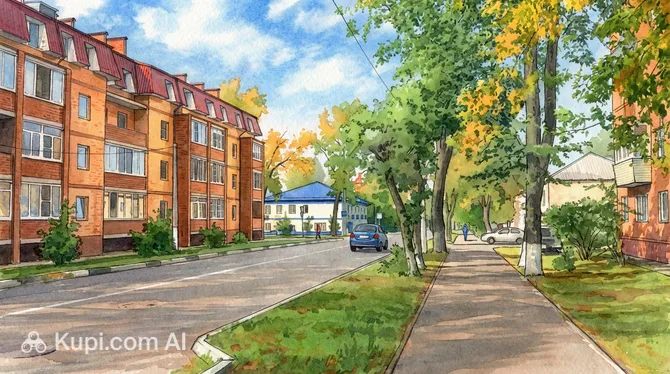
Shatura. Illustration.
Source: Kupi.com AI

The city, with a population of about 33,000 people, has a rich history closely linked to the development of the peat industry and energy sector. One of the iconic landmarks is the Shatura GRES—one of the country's oldest power plants, which played a vital role in the region's electrification. For nature lovers, Shatura and its surroundings offer magnificent recreational opportunities: the famous Shatura Lakes, including Lake Svyatoye, the largest in the Moscow Region, are surrounded by forests and provide a wonderful setting for walking, fishing, and birdwatching. It is also worth visiting the local history museum to delve deeper into the history of this distinctive region.

If you are looking for an unconventional route for a trip around the Moscow Region, want to learn more about industrial heritage, and enjoy the beauty of Russian nature, Shatura is an excellent choice. This city will leave you with pleasant impressions and new discoveries.

You can find more interesting facts on the history of the city of Shatura page.

Weather Overview

The climate in Shatura is characterized by a humid continental type with clearly defined seasons. Summers are generally warm; for example, the average air temperature in July is about +19.6°C, while maximum values can reach +24.0°C. Winters in Shatura are frosty, with an average January temperature of about -6.7°C and minimum temperatures dropping to -9.0°C.

Expect warm summers with occasional but usually not very heavy rain (about 2 mm of precipitation per month, though there can be up to 15 rainy days in July), and cold winters with regular snowfall (also about 2 mm of precipitation per month, but with 11–14 snowy days in the winter months). Spring and autumn are transitional periods with gradual changes in temperature regimes: April brings a noticeable warming to an average of +6.9°C, and in October, the temperature drops back to similar levels. For more detailed information on the weather in Shatura by month, you can visit the Shatura Climate section.

Average monthly temperature

Average monthly precipitation

Interesting Facts

Besides its famous industrial sites and picturesque lakes, Shatura holds many curious details and stories that aren't always on the surface. Here are some interesting facts about this Moscow Region city:

  • "The Moscow Sahara": The vast areas of exhausted peat bogs surrounding Shatura are sometimes unofficially called the "Moscow Sahara." This is because in dry and windy weather, the sandy patches of former peat workings can resemble desert landscapes.

  • Narrow-Gauge Heritage: In the past, Shatura was the heart of one of the most extensive networks of narrow-gauge railways in the region, used for transporting peat. The total length of these tracks reached hundreds of kilometers, and enthusiasts still find remnants of this unique transport system today.

  • Mysteries of Lake Svyatoye: The largest lake in the Moscow Region, Lake Svyatoye, is not only picturesque but also shrouded in legends. According to one legend, a sunken church rests at its bottom, and its waters are considered healing. The origin of the lake itself (glacial or karst) also remains a point of interest for researchers.

  • A Telling Name: The etymology of the name "Shatura" is not entirely clear and has several versions. One popular theory links it to ancient Finno-Ugric languages, where the word components could mean "marshy place by the lake" or "a hill overgrown with forest by the water," which accurately describes the landscape where the city emerged.

How to Get There

You can reach Shatura in several ways, including air and rail transport, as well as by car. Choosing the optimal route will depend on your location and preferences.

Since Shatura does not have its own airport, travelers arriving by plane should head for Moscow's airports. The nearest is Zhukovsky International Airport (ZIA), located about 87 km from Shatura. A trip by car or taxi from there will take about 2–2.5 hours. It is a modern, though not the largest, airport. Moscow's larger international hubs are also convenient options: Domodedovo (DME) is located at a distance of about 104 km (approx. 2.5–3 hours by taxi), and Sheremetyevo (SVO) is about 139 km away (approx. 3.5–4 hours by taxi). Both of these airports serve many international and domestic flights.

For convenience, here is a summary of the main airports through which you can reach Shatura:

AirportPassenger trafficDistance
Zhukovsky1.7 mln87 km
Domodedovo15.6 mln104 km
Sheremetyevo36.3 mln139 km
Vnukovo16 mln142 km
Ivanovo Airport100 000176 km

Rail travel is one of the most convenient ways to get to Shatura. The city's main station—Shatura (railway station)—is located directly in the settlement, just a few kilometers from the center. The station serves suburban electric trains from Moscow's Kazansky station, as well as some long-distance trains. The journey by suburban train from Moscow takes approximately 2–2.5 hours. Within the city limits, there is also the Krivandino station, which serves the same line and may be convenient for residents and guests of certain Shatura districts.

Here is information on the railway stations that may be useful when planning a trip to Shatura and its surroundings:

StationPassenger trafficDistance
Shatura Railway Station600 0005 km
Petushki Railway Station39 km
Orekhovo-Zuyevo Railway Station3.5 mln42 km
Undol Station57 km
Pavlovsky Posad Railway Station58 km
Voskresensk Railway Station1.5 mln60 km

Additionally, Shatura is easily accessible by car. The Yegoryevskoye Highway (R105) passes through the city, connecting it with Moscow and other cities in the Moscow Region. There are also regular bus routes from Moscow (from the Kotelniki metro station) and neighboring towns. A bus trip from Moscow usually takes about 2.5–3 hours, depending on traffic conditions.

Main Attractions

Shatura, despite its reputation as an industrial center, offers tourists several interesting places to learn about the region's history and enjoy the beauty of local nature. Here are some of the key attractions worth visiting in this Moscow Region city.

One of the city's iconic landmarks is the Shatura GRES. This is not just an active energy enterprise, but a true monument of the industrial era, one of the first power plants built under the GOELRO plan. Although access to the plant's territory is usually restricted for the general public, its monumental buildings and historical appearance are impressive and serve as a reminder of Shatura's important role in the country's electrification. For those interested in the history of technology and industrial architecture, this is a landmark site.

The main natural gem of Shatura and the entire Moscow Region is undoubtedly Lake Svyatoye. It is the largest lake in the Moscow Region and is part of the Shatura lake system. Its clear waters, equipped beaches, and surrounding pine forests attract many vacationers, especially during the summer. Lake Svyatoye is a great place for swimming, boating, and fishing, while its picturesque shores are ideal for picnics and leisurely walks. Many local legends are associated with the lake, adding to its mystery.

To dive deeper into the history and culture of the Shatura region, it is definitely worth visiting the Shatura Local History Museum. Its exhibitions feature materials about the exploration of the Meshchera Lowland, the region's unique flora and fauna, the birth and development of the peat industry (which largely determined the city's fate), as well as the daily life, crafts, and traditions of local residents over the centuries. This is a wonderful opportunity to better understand the identity of Shatura and its people.

For quiet relaxation and family walks, the Yuri Gagarin City Park of Culture and Leisure is an excellent choice. Conveniently located, this park is a popular green oasis among both locals and guests of Shatura. Here you can stroll through shady alleys, relax on benches, and children can often enjoy amusement rides and playgrounds. The park regularly hosts city festivals and events.

Local Cuisine

The gastronomic scene in Shatura offers guests a chance to immerse themselves in the atmosphere of traditional Russian cuisine, with a noticeable influence from local natural riches. You won't find ultra-trendy restaurants here, but you can enjoy hearty and home-style delicious dishes prepared with heart.

The basis of the local cuisine consists of dishes characteristic of Central Russia. Given the proximity to the famous Shatura lakes, be sure to try dishes made from fresh river and lake fish. This could be a rich ukha (fish soup), fried crucian carp, or bream. Forest treasures are also reflected in the menu: mushroom dishes are popular in the fall, and throughout the year, you can taste pies with wild berries or berry jams. Of course, the classics are also present: hearty pelmeni and pancakes with various fillings are always in demand.

As for drinks, traditional Russian options are popular in Shatura. In the warmer months, homemade kvass or mors made from cranberries or lingonberries is refreshing. Tea is popular year-round, often with local herbs or berry jam. Among alcoholic beverages, besides the ubiquitous vodka, you can find homemade infusions (nastoyka) made with berries or herbs.

The dining culture in Shatura is quite simple and oriented toward cozy cafes and small canteens where you can have a delicious and inexpensive lunch. Many local residents prefer home cooking, so public catering establishments try to offer dishes as close to homemade in taste and quality as possible. Tourists can count on hospitality and the chance to try authentic Russian food in its traditional form, which is a valuable gastronomic experience in itself.

Travel Tips

Planning a trip to Shatura? Great! To make your journey through this distinctive corner of the Moscow Region as comfortable as possible and leave you with only pleasant memories, we have prepared some practical tips.

  1. Clothing and Essentials: The climate in Shatura is humid continental. In summer, bring light clothing, but don't forget a windbreaker or sweater for evening walks, as well as swimwear for the lakes. In winter, you will need very warm clothing: a down jacket, hat, scarf, gloves, and thermal underwear. During the shoulder seasons, a waterproof jacket and layered clothing are relevant. Comfortable shoes are a must, especially if you plan to walk around the city and its picturesque surroundings (forests, lake shores). In summer, mosquito repellent and sunscreen will be useful. Power adapters in Russia are standard (type C/F). When visiting active churches, women are advised to have a headscarf and clothing that covers the shoulders and knees.

  2. Transport in the City and Surroundings: The main form of public transport within Shatura is buses. Schedules can be checked at stops or with locals. To call a taxi, both local services and popular aggregators like Yandex Go are available. For trips to Moscow and back, the most convenient option is the suburban electric train departing from the capital's Kazansky station. Renting a car might be justified if you plan to actively explore the Shatura lakes and other natural attractions of the district; within the city itself, you can easily manage without a personal vehicle.

  3. Finances: Currency, Cards, Tipping: The official currency is the Russian Ruble (RUB). We recommend exchanging money in advance or upon arrival at bank branches in Shatura. Cards of the national payment system "Mir" are accepted almost everywhere. The operation of international payment system cards (Visa, Mastercard) issued abroad may be limited, so we strongly advise having a sufficient supply of cash. ATMs are available in the city. Shatura is a relatively inexpensive city; an estimated daily budget for food and small expenses might be 1500–3000 rubles. Tipping in cafes and restaurants (5–10%) is welcome if you enjoyed the service, but it is not strictly mandatory.

  4. Health and Safety: There are pharmacies in the city; it's best to check their hours on-site. It is recommended to carry a basic set of medications. For Russian citizens, medical care is provided under the OMS policy. For foreign tourists, it is extremely important to have valid medical insurance. The emergency services number is 112. Overall, Shatura is a quiet city. Follow standard precautions: watch your belongings, especially in crowded places, and avoid walking in poorly lit or deserted areas after dark. In summer, when in nature, use repellent to protect against mosquitoes and ticks.

  5. Communication: The main language of communication is Russian. English proficiency among the local population may be low, especially outside of the tourist infrastructure. It will be helpful to learn a few basic phrases in Russian: "Zdravstvuyte" (Hello), "Spasibo" (Thank you), "Pozhaluysta" (Please), "Skolko stoit?" (How much does it cost?), "Gde nakhoditsya...?" (Where is...?). A local operator's SIM card can be purchased at mobile phone shops upon presentation of a passport. Wi-Fi is usually available in hotels and some cafes. Mobile internet generally works stably. For navigation, the Yandex Maps or 2GIS apps are useful.

  6. Local Etiquette and Traditions: Greetings in Russia are standard: "Zdravstvuyte" (more formal) or "Privet" (informal). Treat local residents, their customs, and culture with respect. Try not to make noise in public places and do not litter. Shatura residents are generally hospitable and helpful, although they may seem reserved at first. Don't hesitate to politely ask for help or advice.

  7. What to Avoid:
    • Polluting Nature: Shatura and its surroundings are famous for their unique lakes and forests. It is categorically discouraged to leave trash behind in nature. A careful attitude toward the environment is highly valued here.
    • Neglecting Water Safety: If you decide to swim in one of the many lakes, choose equipped beaches and do not swim too far out, especially in unfamiliar places.
  8. A Special Tip for Shatura: Be sure to set aside time to visit Lake Svyatoye—it is the main natural gem of the Shatura region and the largest lake in the Moscow Region. In summer, you can swim and relax on the shore. Also, if you are interested in industrial history, take note of the Shatura GRES (external view)—it is a landmark site where the city's history as an energy center began.

We hope these tips help you better prepare for your trip and get the most out of your visit to Shatura. We wish you a fascinating journey and unforgettable impressions in this interesting corner of Russia!

Entertainment & Nightlife

Nightlife in Shatura offers a calm and measured pace rather than noisy parties until dawn, which fits the general lifestyle of a cozy Moscow Region town. You are unlikely to find lively districts with numerous all-night clubs here; however, there are some options for a pleasant evening leisure.

The main spots for evening pastimes are usually local cafes and some restaurants. Some of them may stay open until late evening, especially on weekends, offering guests not only dinner but also an opportunity to socialize in a relaxed atmosphere. As for specialized nightclubs or bars with active nighttime programs, we currently do not have specific data on such establishments in Shatura to recommend. Travelers looking for this type of entertainment should check current local directories or online maps upon arrival, as information about such places in small towns is often limited and can change quickly.

Sometimes local houses of culture or other community centers can become the hub of evening activity, especially for young people. They periodically organize themed evenings, discos, or concerts. You should check the schedule for such events directly on-site in advance. Overall, Shatura's evening life is centered not on club culture but on more traditional and quiet forms of recreation. Most catering establishments usually operate until 10:00 PM–11:00 PM, and some may extend their hours on Fridays and Saturdays.

In terms of safety, Shatura is considered a fairly quiet city. Nevertheless, as in any other place, it is recommended to follow standard precautions after dark: stick to well-lit streets for walking and keep an eye on your personal belongings. To get around the city at night, you can use taxi services. Both local services and aggregators may operate in the city, depending on regional availability. Prices for evening entertainment and at local venues are usually moderate, reflecting the general price level in small towns near Moscow.

Regarding daytime entertainment, Shatura offers guests the chance to explore the region's history at the Shatura Local History Museum, stroll through the picturesque alleys of the Yuri Gagarin City Park of Culture and Leisure, or enjoy natural beauty on the shores of the famous Lake Svyatoye. These places are perfect for cultural and active leisure during the day, complementing the travel experience.

Parks & Museums

Shatura is not only a city with a rich industrial history but also a place where you can enjoy nature and touch cultural heritage. For guests of the city, there are cozy green corners for relaxation and interesting museums that tell of this region's uniqueness.

The main place for walks and outdoor recreation within the city limits is the Yuri Gagarin City Park of Culture and Leisure. It is a classic urban park with shady alleys, benches, and often small amusement rides for children. It is perfect for leisurely strolls, morning jogs, or simply taking a break from the city bustle. City holidays and events are often held here, making it the center of public life.

Of course, speaking of Shatura's green zones, it is impossible not to mention its main natural gem—Lake Svyatoye, the largest in the Moscow Region, and the entire Shatura lake system. Although it is more of a natural site than a classic park, its shores and surrounding forests provide excellent opportunities for recreation. In summer, people come here to swim at equipped beaches, go boating, or simply have a picnic with a view of the water. For nature lovers, this place is a true oasis where you can watch birds and enjoy the silence of the Meshchera forests.

To gain a deeper understanding of the history and culture of the Shatura region, be sure to visit the Shatura Local History Museum. The museum's exhibitions detail the ancient history of the Meshchera Lowland, the region's unique flora and fauna, and the key stage in the city's development—the exploitation of peat deposits and the establishment of Shatura as an energy center. Here you can see household items of local residents, old photographs, and documents that bring the past to life. A visit to the museum will be interesting for everyone who wants to learn more about the roots of this distinctive city.

While the Shatura GRES is not a museum in the traditional sense, it is a landmark historical and architectural site that largely defines the city's appearance and history. One of the oldest power plants in the country, it is a monument to the industrial era. An external inspection of its monumental structures allows you to feel the scale of the project and its significance for the region. For those interested in industrial architecture and the history of technology, this site is of undeniable interest.

For a more authentic experience of the Shatura region's nature, try exploring not only the popular beaches of Lake Svyatoye but also the lesser-known trails around other, smaller lakes of the Shatura marsh system. Also, while walking through the old districts of the city, pay attention to the preserved wooden buildings, which convey the atmosphere of Shatura in past years, before its active industrialization.

Getting Around

When planning your travel around Shatura, you will find that the public transport system is quite simple and primarily focused on bus services. This is the main and most accessible way to reach different parts of the city and its immediate surroundings.

The core of public transport in Shatura consists of city and suburban buses. The route network covers key points of the city, connecting residential areas with the center, the railway station, social facilities, and industrial zones. Service intervals may vary depending on the route and time of day, so it is recommended to check current schedules at stops or with local residents before traveling. During peak hours, buses run more frequently.

The fare payment system in Shatura's buses is typically traditional for small towns in the Moscow Region. You can usually pay the fare directly to the driver or conductor upon boarding, primarily in cash. Also, since Shatura is in the Moscow Region, the "Strelka" unified transport card or similar regional cards may be valid, allowing for cashless payments and sometimes offering discounts. The cost of travel is generally low, roughly within the range of 40–60 rubles per trip within the city, but it is better to have small change for convenience.

Tourists planning to use public transport in Shatura should pay attention to the information stands at bus stops. Furthermore, to plan routes and check bus schedules, you can use popular online maps and navigation apps like Yandex Maps or 2GIS, which often provide up-to-date information on public transport movements. Ticket validation occurs either at the time of purchase or, if using an electronic card, by tapping it against a special device. Buses usually start running early in the morning and finish in the evening, so for late-night trips, you should consider alternative options.

As an alternative to public transport, taxi services are always available in Shatura. Both local taxi companies and popular aggregators like Yandex Go operate in the city, allowing you to order a car via a mobile app. Car-sharing and city bike rental systems in Shatura are generally less developed or non-existent, which is typical for small towns. For long-distance trips, such as to Moscow, the primary mode of transport is the suburban electric train (elektrichka).

There are no unique or exotic types of transport, such as a historical metro or cable cars, in Shatura. The city's transport system is functional and oriented toward the daily needs of residents, providing basic mobility within its limits and connection to nearby settlements.

Accommodation

In Shatura, travelers can find various accommodation options to suit different budgets and preferences. The mainstay consists of hotels of various comfort levels—from simple and budget-friendly to mid-range options. Guest houses and short-term apartment rentals are also popular, which can be a convenient choice for families or those who prefer a more home-like environment. In the surrounding areas, especially near the lakes, you may find offers for renting dachas or cottages for summer vacations.

When choosing a place to stay in Shatura, it is worth looking at the central districts of the city, where the main infrastructure is concentrated and it is easy to reach major attractions like the Shatura Local History Museum or the Yuri Gagarin City Park of Culture and Leisure. Accommodation options near the Shatura railway station can also be convenient if you plan active travel around the region. For those coming for outdoor recreation, options near Lake Svyatoye might be interesting, although they may be more seasonal and require booking in advance.

When planning a trip to Shatura, especially during the summer season when lake recreation is popular, it is recommended to book accommodation in advance. This will help ensure the best choice and more favorable prices. The primary booking methods are popular online platforms and aggregators, where you can compare available options and read reviews from previous guests. Direct booking by phone is also possible, especially for small guest houses or private offers. Overall, the price range for housing in Shatura can be described as affordable and mid-range, making the city attractive for budget travelers. Luxury hotels are unlikely to be found here, as the main focus is on comfortable and functional accommodation.

Nearby Cities

For those who want to explore the surroundings, Shatura serves as an excellent starting point for day trips to several interesting nearby places:

Among them, for example, Orekhovo-Zuyevo is worth highlighting, known for its rich industrial history, the Morozov textile factories, and interesting architecture from the late 19th and early 20th centuries. Here you can visit the local history museum and walk through the historical center. No less interesting is Kolomna—one of the oldest and most beautiful cities in the Moscow Region, famous for its Kremlin, numerous churches, museums (such as the Pastila Museum), and the special atmosphere of an old Russian town. You might also consider a trip to Voskresensk, which attracts visitors with the Krivyakino Estate and the picturesque banks of the Moskva River. A more complete list of nearby cities with distances and population is provided in the table below.

CityPopulationDistance
Roshal20 41824 km
Yegoryevsk73 76637 km
Kurovskoye20 84438 km
Likino-Dulyovo29 37638 km
Petushki13 11240 km

These nearby destinations allow you to get a sense of the region's diverse culture and landscapes.

Shopping & Souvenirs

Shopping in Shatura offers more of a practical and everyday experience rather than a hunt for exclusive brands or visits to huge shopping malls. Nevertheless, guests of the city will be able to find everything they need and purchase some local goods as a memory of their trip.

Main shopping spots are usually concentrated along the city's central streets, such as Prospekt Ilyicha and adjacent streets. Here you can find a variety of shops: grocery supermarkets, clothing and footwear stores, household goods, pharmacies, and mobile phone shops. Shatura is not famous for unique types of goods, but you can look out for products from local manufacturers if available.

Large modern shopping centers familiar to residents of megacities are likely absent in Shatura. However, small shopping houses or department stores may operate in the city, where various departments—from groceries to clothing and household appliances—are gathered under one roof. These are usually located in the central part of the city and are popular shopping spots for locals.

An important part of Shatura's commercial life, as in many Russian cities, is the city market. Typically, such markets offer a wide range of fresh produce: vegetables, fruits, meat, and dairy products, often from local farmers. You can also find clothing, shoes, and home and garden goods at the market. Visiting the market is not only a chance to buy fresh products but also to immerse yourself in the local atmosphere.

As souvenirs from Shatura, you can consider items related to the nature of the Meshchera region. These might include wooden crafts, ceramics with local motifs (if produced), or gastronomic souvenirs such as local honey, forest berry jam, or herbal blends if you are lucky enough to find them. You can also look for small souvenirs with the city's symbols or images of its attractions, such as Lake Svyatoye.

Shops in Shatura usually follow a standard schedule for Russia: from 9:00–10:00 AM to 7:00–8:00 PM. Large grocery stores and supermarkets may have longer hours, for example, until 9:00–10:00 PM. Markets are usually open in the first half of the day until early evening, especially on weekends. Regarding payment, cash is accepted everywhere. Bank cards, especially from the national payment system "Mir", are also widely used, but smaller shops or market stalls may prefer cash. It is recommended to have some cash on hand.

The Tax Free system in Shatura, as in most small cities in Russia oriented primarily toward domestic tourism, is likely not available and is not relevant for foreign tourists.

Reached the end of the page?

That means the route is fully explored