Support

Magdagachi

About

Magdagachi is a distinctive urban locality situated in the Amur Oblast of the Russian Federation. Known primarily as a significant transport hub on the legendary Trans-Siberian Railway, this settlement offers travelers a glimpse into the authentic lifestyle of the Russian Far East. Its name, derived from the Evenki language, reflects the deep indigenous roots of the region, adding a layer of cultural intrigue to its industrial character.

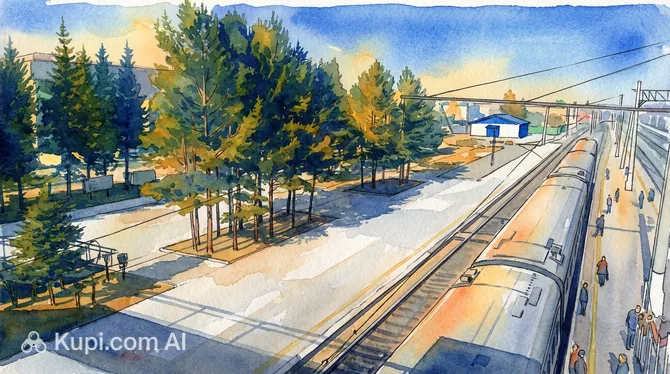
Magdagachi. Source: Kupi.Binoculars

Geographically, Magdagachi is nestled amidst the vast and rugged taiga, characterized by a challenging yet beautiful landscape. The local climate is sharply continental, with distinct seasonal changes that transform the scenery from lush green summers to snowy winters. The history of Magdagachi is inextricably linked to the construction of the Amur Railway in the early 20th century, a monumental engineering feat that shaped the town's development and identity.

Visitors to the area often appreciate the town's quiet charm and the impressive architecture of the local railway station, which stands as a testament to the settlement's origins. Beyond the rails, the surrounding nature offers opportunities for outdoor enthusiasts to experience the pristine beauty of the Amur region's forests. Whether you are passing through on a cross-country train journey or exploring the depths of the Far East, Magdagachi provides a memorable stopover filled with local flavor and northern hospitality.

Weather Overview

The climate in Magdagachi is sharply continental, characterized by distinct seasonal contrasts and significant temperature fluctuations throughout the year. Winters are long and intensely cold, with January typically being the coldest month, featuring an average temperature of -24.9°C and lows plunging to -30.5°C. Despite the severe cold, the winter months are generally dry, with December and January recording almost no precipitation and very few wet days.

In contrast, the summer season brings pleasant warmth and a greener landscape. July is usually the warmest time of year, with average temperatures rising to 21.0°C and daily highs reaching up to 26.1°C. This period is also wetter, with July seeing up to 15 wet days compared to the arid winter months. To help plan your trip, you can check the current weather in Magdagachi. Generally, travelers should expect warm summers with frequent rainfall and very cold, dry winters.

Interesting Facts

Beyond the main attractions and its status as a transport hub, Magdagachi holds several fascinating details that reveal its unique character. From its indigenous roots to its strategic military past, there is more to this settlement than meets the eye.

  • Indigenous Name Origins: The name "Magdagachi" is derived from the Evenki language, spoken by the indigenous people of the region. It is widely believed to translate to "place of dead trees" or "rotten wood," a descriptive term referring to the specific taiga landscape and the stream near where the settlement was founded.

  • Born from the Railway: Unlike many older cities, Magdagachi owes its entire existence to the Amur Railway (part of the Trans-Siberian Railway). It was established in 1910 specifically to serve this colossal engineering project, transforming a remote stretch of wilderness into a vital logistical point.

  • Secret Military Past: The local airport, now a small regional facility, has a significant military history. During the Soviet era, it served as a base for the 13th Separate Air Assault Brigade, one of the first air assault units identified in the USSR, highlighting the town's former strategic importance on the eastern frontier.

  • Extreme Climate: The town experiences a "monsoon-influenced" continental climate, which creates a dramatic contrast between seasons. Residents endure winters with temperatures plunging below -40°C, while summers can be surprisingly warm and humid due to the distinct atmospheric patterns of the Russian Far East.

How to Get There

Reaching this remote part of the Amur Oblast requires some planning, as the town is situated in the vast landscapes of the Russian Far East. While the railway is the lifeline of the region, air travel to neighboring cities is also an option for part of the journey. You can read more about how to get to Magdagachi to choose the route that best suits your itinerary.

The city of Magdagachi does not have its own major commercial airport, but you can fly into Tynda Airport (IATA: TYD) in the city of Tynda, which is approximately 215 km from Magdagachi. It is a smaller regional hub, and the journey from there by taxi or bus takes about 5 hours and 40 minutes. Another geographically close option is Mohe Airport (IATA: OHE) in Mohe, located about 234 km away. However, please note that this airport is in China, and travel involves crossing the international border. The drive from the vicinity of Mohe would theoretically take around 6 hours and 10 minutes, excluding border formalities.

For clarity, here is a summary of the main airports:

Airport Name City Passenger Traffic Km from City
Mohe Airport Mohe Medium 233.6
Tynda Airport Tynda Small 214.8

Given the town's history and location, the railway is often the most convenient and direct method of arrival. Magdagachi Railway Station is situated directly within the town, just 0.2 km from the center, making it the primary gateway for visitors. It serves as a significant stop on the Trans-Siberian Railway. Alternatively, you can arrive at Skovorodino Railway Station in the city of Skovorodino, which is about 137 km from Magdagachi. From Skovorodino, a taxi or bus ride takes approximately 3 hours and 45 minutes to reach your final destination.

Below is a list of the nearest railway stations:

Station City Passenger Traffic Km to Center
Skovorodino Railway Station Skovorodino Medium 137.1
Magdagachi Railway Station Magdagachi Medium 0.2
Bamovskaya Station Skovorodino Medium 157.7
Bolshoy Never Station Skovorodino Small 124.5
Tynda Railway Station Tynda 200.5

Main Attractions

Magdagachi is a settlement deeply rooted in the history of the Trans-Siberian Railway, and its most prominent sights reflect this industrial heritage. While it may not be a bustling tourist metropolis, the town offers a few historically significant landmarks that tell the story of the region's development and the resilience of its people.

Magdagachi Railway Station is the heart of the town and its primary architectural landmark. Built to serve the Amur Railway, the station building is a classic example of early 20th-century railway architecture in the Russian Far East. For tourists traveling by train, this is often the first glimpse of the town. The station is not just a transport hub but a symbol of the settlement's foundation, as the town itself grew around the depot and the tracks that cut through the taiga.

Located near the station is the Steam Locomotive Monument L-3927, a tribute to the railway workers who operated in these harsh northern conditions. This powerful "Lebedyanka" class steam engine stands on a pedestal as a reminder of the steam era that drove the Soviet economy. It is a popular spot for photos, allowing visitors to get up close to the massive machinery that once conquered the steep gradients of the Amur region.

Another significant historical structure is the Water Tower, constructed in 1910. One of the oldest surviving buildings in Magdagachi, it was essential for supplying water to the steam locomotives in the early days of the railway. Its distinct brick architecture stands out against the more modern buildings, serving as a silent witness to over a century of local history and the town's pre-revolutionary origins.

For those interested in local culture and spirituality, the Church of St. Vladimir (Tserkov’ Vladimira) offers a peaceful retreat. As a central place of worship for the local Orthodox community, the church is a focal point for religious life in the district. Its presence highlights the revival of spiritual traditions in the post-Soviet era and adds a touch of traditional architecture to the town's skyline.

Finally, the town pays homage to its heroes at the Memorial to the Fallen. This site, often featuring an obelisk or commemorative plaques, is dedicated to the residents who lost their lives in World War II and other conflicts. It is a solemn place where locals gather to honor the memory of their ancestors, reflecting the deep patriotism found in these remote communities.

Local Cuisine

The culinary scene in Magdagachi is defined by its location in the heart of the Russian Far East and its harsh continental climate. The local food is hearty, warming, and designed to sustain people through long, cold winters. While you won't find haute cuisine here, you will discover authentic, home-style Russian cooking that relies heavily on meat, dough, and locally foraged ingredients from the surrounding taiga.

One of the most distinct regional specialties worth trying is bracken fern (paporotnik). Harvested in the wild forests of the Amur region, these young fern shoots are typically salted or dried and then cooked with meat, garlic, and soy sauce. This dish reflects the proximity to Asia and is a staple of the Far Eastern table. Another must-try is Siberian pelmeni. These meat dumplings are a classic comfort food, often served with sour cream or in a clear broth, providing the perfect remedy after a walk in the frosty air.

For drinks, the locals prefer beverages that utilize the natural bounty of the forest. Mors, a traditional berry drink made from lingonberries or cranberries gathered in the taiga, is incredibly popular and rich in vitamins. Hot tea is the cornerstone of social life here, often brewed with local herbs like thyme or currant leaves to add flavor and warmth. In the warmer months, you might find refreshing kvass, a fermented bread drink that is a favorite across Russia.

The food culture in Magdagachi is closely tied to its status as a railway hub. The dining scene is modest, revolving primarily around the railway station and small town cafes known as a stolovaya (canteen). These places offer simple, affordable meals like rich borscht, cutlets with mashed potatoes, and freshly baked pirozhki (stuffed buns). For travelers on the Trans-Siberian Railway, the station area is often the best place to grab a quick, satisfying meal or to purchase local pine nuts and berries from seasonal vendors.

Travel Tips

Visiting Magdagachi offers a unique opportunity to experience the authentic atmosphere of the Russian Far East, but its remote location and distinct climate require some specific preparation. To ensure your trip to this historic railway town is comfortable and hassle-free, we have compiled a list of essential practical tips tailored to the local conditions.

  1. Clothing and Gear: Preparation depends entirely on the season. If visiting in winter, extreme cold protection is non-negotiable; bring thermal underwear, a heavy down parka, insulated trousers, and non-slip boots, as temperatures can drop below -30°C. In summer, the weather is warm, but the surrounding taiga means insects are plentiful. Pack effective insect repellent and light, long-sleeved clothing to protect against mosquitoes and ticks if you plan to explore the forests.

  2. Transportation: Magdagachi is a compact urban locality, and most points of interest, including the railway station and shops, are within walking distance. There is no public metro or tram system. For longer distances or during severe weather, local taxis are available, but they typically operate by phone dispatch rather than through international ride-hailing apps. It is best to ask your hotel or a local shop assistant to call one for you.

  3. Finances: The official currency is the Russian Ruble (RUB). While some larger supermarkets may accept cards, smaller kiosks and market vendors often only take cash. It is highly recommended to carry enough cash for daily expenses. ATMs are available, usually near the railway station or bank branches (like Sberbank), but reliability can vary, so having a reserve of physical currency is wise.

  4. Health and Safety: Pharmacies (marked as Apteka with a green cross) are available but may not operate 24/7, so bring a personal supply of essential medications. If visiting in late spring or early summer, be aware of tick activity in the grassy and wooded areas; sticking to cleared paths is a good safety precaution. The town is generally safe, but standard vigilance with personal belongings is advised, especially around the busy train station.

  5. Communication: English is not widely spoken in Magdagachi. To communicate effectively, download an offline translation app or bring a phrasebook. Learning the Cyrillic alphabet helps immensely with reading street signs and shop names. Local mobile networks (like MTS, Megafon, or Beeline) provide decent coverage; you can purchase a SIM card at mobile shops in the town center with your passport.

  6. Local Etiquette: Russians in the Far East are known for their hospitality but can appear reserved initially. A firm handshake is a standard greeting for men. If you are invited into a local home, it is mandatory to remove your shoes at the entrance. Bringing a small gift, such as tea or sweets, is a polite gesture that will be greatly appreciated by your hosts.

  7. What to Avoid: Do not drink tap water without boiling it first; bottled water is cheap and readily available. Additionally, while the railway station is a beautiful landmark, avoid photographing security personnel, guarded infrastructure, or military-related objects, as regulations regarding such photography can be strict in strategic transport hubs.

  8. Railway Station Life Hack: Since the town revolves around the railway, the station is often the best place to find snacks and souvenirs late at night or early in the morning when other shops are closed. Look for local vendors selling pine nuts or smoked fish—these are regional specialties that make for excellent, authentic snacks for your onward journey.

By keeping these tips in mind, you will be well-equipped to navigate the local customs and climate of Magdagachi. Whether you are there to admire the railway history or simply passing through the vast Amur region, a little preparation goes a long way in making your stay warm and memorable.

Entertainment & Nightlife

Entertainment and nightlife in Magdagachi reflect the town's character as a quiet, hardworking railway settlement in the heart of the Amur taiga. You will not find sprawling nightclub districts or high-end cocktail lounges here. Instead, the evening scene is intimate and centered around a few local establishments where residents gather to socialize, dine, and unwind after a long day. The atmosphere is undeniably authentic, offering travelers a chance to experience the genuine lifestyle of the Russian Far East away from the polished tourist trails.

The main hub for evening activity is generally located near the central streets, particularly around Karl Marx Street and the area close to the railway station. This is where the town feels most alive after dark. For a relaxed evening with food and drinks, Mama Pizza on Karl Marx Street is a popular choice among locals. It offers a casual setting where you can enjoy a warm meal and conversation. Another spot that brings a touch of modern flavor to the taiga is the Sushi Bar located on Dzerzhinsky Street. It is a favorite for younger residents and offers a cozy environment to spend the evening.

For those looking for a place that caters to both travelers and locals, Cafe 777 is a well-known venue. Often functioning as a roadside cafe and motel, it provides hearty Russian cuisine and a space to relax with a drink. The crowd in these venues is typically friendly and unpretentious. The dress code is strictly casual; practical clothing suitable for the climate is the norm, and there is no need to dress up. Most places close relatively early compared to big cities, usually winding down by midnight, so it is best to start your evening early.

Practicality is key when enjoying a night out in Magdagachi. Cash is essential, as card terminals may not always be available or reliable in smaller venues. Prices are generally very affordable compared to larger Russian cities. Getting around at night is safe, but the streets can be dimly lit. The town is small enough to walk, but if you need a ride, do not expect to flag a taxi on the street. You should ask the venue staff or your hotel receptionist to call a local taxi service for you.

While nightlife is quiet, daytime entertainment in Magdagachi offers its own charm, primarily focused on local history and nature. Visitors can explore the architectural heritage of the Trans-Siberian Railway, including the historic station building and the monumental steam locomotives on display. For those willing to venture further, the surrounding forests provide a serene backdrop for walks, offering a peaceful contrast to the industrial rhythm of the railway.

Parks & Museums

As a settlement carved out of the dense taiga for the purpose of the railway, Magdagachi offers a modest but authentic selection of green spaces and cultural venues. The town's leisure areas are intimate and community-focused, while its museums are deeply connected to the industrial heritage of the Trans-Siberian Railway and the rich history of the Amur region. Visitors here can expect a quiet, unhurried atmosphere where nature and history are never far apart.

Magdagachi Park of Culture is the primary green space in the town center and a favorite gathering spot for locals. Recently revitalized, this park serves as a comfortable urban retreat featuring paved walking paths, modern benches, and well-maintained recreational areas. It is an ideal place for a leisurely evening stroll or to observe the slow-paced daily life of this Far Eastern community. In the summer, the park becomes a hub of activity for families, while in winter, it transforms into a snowy landscape typical of the region.

For those who appreciate history in the open air, the Station Square functions as a de facto park and museum. Located right next to the historic railway station, this area is home to significant monuments, including the imposing steam locomotive and the World War II memorial. It is a landscaped area where the town's industrial past meets its present, offering visitors a chance to rest on a bench while watching the trains pass by—a quintessential Magdagachi experience.

Nature enthusiasts should not miss the opportunity to explore the surrounding Taiga. While not a formal park, the vast coniferous forest begins almost where the pavement ends, offering a raw and untouched natural environment. In late summer and early autumn, these woodlands are popular for berry picking and mushroom hunting. A short walk to the outskirts of town reveals the stark beauty of the Amur landscape, with its fresh air and silence that can only be found in the remote north.

The cultural life of the town is anchored by the Museum of the Locomotive Depot. Situated within the operational railway enterprise, this museum is a tribute to the town's reason for existence. It houses a collection of artifacts related to the construction of the Amur Railway, including historical photographs, tools, and detailed models of trains created by local enthusiasts. It provides a fascinating look into the lives of the railway workers who built and maintained this critical transportation artery in extreme weather conditions.

For a deeper dive into the regional heritage, a visit to the Museum of the History of Amur Cossacks is highly recommended. Although located in the nearby village of Chernyaevo (approximately 45 km south of Magdagachi), it is the premier cultural institution of the district. The museum boasts a unique collection of items from the late 19th and early 20th centuries, including Cossack uniforms, household utensils, and rare documents that tell the story of the Russian settlers who guarded the borders of the empire. It is worth the trip for anyone interested in the frontier history of the Far East.

Insider Tip: The Museum of the Locomotive Depot is a departmental institution rather than a standard public museum, so it may not have fixed "walk-in" hours. It is best to inquire locally or at the station about visiting; often, the staff are proud to show visitors around if asked politely. This informal approach often leads to a more personal and memorable tour.

Getting Around

The public transport system in Magdagachi is quite modest, reflecting the compact size of this urban locality. Unlike major metropolitan areas, there is no metro, tram, or trolleybus network here. The primary form of public transportation consists of small buses and minibuses, often referred to as marshrutkas, which connect the residential districts with key locations such as the railway station and the town center. For most tourists, however, the routes are simple and easy to navigate, as they generally follow the main streets.

Payment for rides is straightforward and relies almost exclusively on cash. There are no electronic travel cards, mobile apps, or turnstiles. You simply pay the driver directly upon entering or exiting the vehicle. The fare is very affordable, typically amounting to a small sum in the local currency. It is highly recommended to carry small denominations of coins and banknotes, as drivers may not always have enough change for large bills. Do not expect to use credit cards or contactless payments on board.

When using local buses, keep in mind that the operating hours are geared towards the working population. Service usually begins early in the morning but tapers off significantly in the evening. If you are planning to travel after 8:00 PM, public buses may be scarce or non-existent. Stops are often marked simply, and schedules may not be strictly adhered to, so a bit of patience is required. For visitors, the most practical advice is to ask locals or your accommodation host about the current schedule, as online maps may not be up-to-date for such a small settlement.

Given the town's small footprint, walking is often the most efficient and pleasant way to get around. Most major points of interest, shops, and the railway station are located within a reasonable distance of each other. For those carrying heavy luggage or traveling during the harsh winter months, taxis are the best alternative. Ride-hailing apps familiar to international travelers generally do not work here; instead, taxis operate via phone dispatch. You can find local taxi numbers at the train station or ask hotel staff to book a car for you.

While there are no cable cars or historic streetcars to explore, the town's transport identity is heavily defined by the railway. The pedestrian bridge over the tracks offers a unique vantage point of the massive freight trains and passenger liners passing through, serving as a functional link between different parts of the town. This bridge is not just a crossing but a local landmark, offering a perspective on the industrial life that pulses through the heart of Magdagachi.

Accommodation

Accommodation in Magdagachi is modest and functional, reflecting its status as a working railway town rather than a mainstream tourist destination. Visitors should not expect international hotel chains or luxury resorts. Instead, the available options typically consist of small, locally run hotels (known as gostnitsa), guest houses, and rest rooms located within or near the transport facilities. These establishments focus on providing a warm, clean place to sleep for transit passengers and business travelers.

The most convenient area to stay is the town center, particularly in the immediate vicinity of the Magdagachi Railway Station. This location is the heart of the settlement, placing you within walking distance of the main shops, the bus stops, and the few cafes available. For travelers arriving by train late at night or departing early in the morning, staying near the station is highly recommended to minimize travel time in the often harsh weather conditions.

When planning your stay, it is important to note that online booking presence for Magdagachi is limited. While some options may appear on Russian travel aggregators, many small guest houses still rely on direct phone bookings or walk-ins. However, given the limited number of rooms in town, it is a good travel tip to try and secure a reservation in advance if possible, rather than relying entirely on finding a room upon arrival.

In terms of pricing, accommodation here is generally budget-friendly to mid-range. Travelers should be prepared to pay in cash (rubles), as smaller establishments may not have credit card terminals. Amenities are usually basic but sufficient for a short stopover, typically including heating, hot water, and a kettle, though Wi-Fi availability and speed can vary.

Nearby Cities

Nearby Cities:

Magdagachi is situated in the vast expanse of the Amur Oblast, a region where distances between settlements can be significant. While the town itself offers a quiet retreat into the taiga, it also serves as a starting point for exploring larger urban centers in the Russian Far East. The "nearby" cities listed below are major regional hubs that provide a stark contrast to the small-town atmosphere of Magdagachi, offering travelers opportunities for cultural excursions, shopping, and connecting to wider transport networks.

The closest major city on this list is Svobodny, located approximately 280 km away. It is an important industrial center often associated with the development of the modern Russian space program. Further south lies Blagoveshchensk, the administrative capital of the region. Sitting right on the border with China, it is a unique destination where Russian and Chinese cultures intersect across the Amur River. To the north, across the regional border in the Sakha Republic (Yakutia), lies Neryungri, known for its coal mining history and dramatic landscapes.

Below is a table of the nearest major cities, including their population and distance from Magdagachi, to help you plan your itinerary across this expansive territory:

City Population Distance (km)
Svobodny 53,678 280
Belogorsk 66,183 336
Neryungri 57,009 364
Blagoveshchensk 224,419 374
Krasnokamensk 52,811 654

Shopping & Souvenirs

General Overview: Shopping in Magdagachi is a modest and practical affair, reflecting the town's status as a working railway settlement rather than a tourist hub. You will not find luxury boutiques, international fashion chains, or sprawling entertainment complexes here. Instead, the local retail scene focuses on essential goods, groceries, and provisions required for daily life in the Far East. For travelers, particularly those passing through on the Trans-Siberian Railway, the shopping experience is centered around replenishing supplies, buying warm clothing for the harsh climate, or picking up unique local snacks.

Main Shopping Areas/Streets: The commercial life of the town is concentrated in a compact area that is easy to explore on foot. The primary zone for shopping is located along Karl Marx Street, which serves as the town's main artery. Here, you will find a variety of small convenience stores, pharmacies, and shops selling household items. Another key area is the immediate vicinity of the Magdagachi Railway Station. This district is always active, catering to the needs of transit passengers with kiosks and stalls offering food, drinks, and travel essentials.

Shopping Malls: Magdagachi does not have large modern shopping malls in the western sense. Instead, there are small "Trade Centers" (Torgovy Tsentr) that house a collection of independent vendors under one roof. These multi-purpose buildings typically feature clothing stalls, electronics repair shops, and grocery counters. They are functional spaces where locals go to find everything from winter boots to mobile phone accessories, offering a glimpse into the everyday commerce of a small Russian town.

Markets: The most authentic shopping experience can be found at the local markets and open-air stalls. The central market area offers fresh produce, including vegetables grown in local dachas during the short summer. However, for tourists, the most interesting trade often happens right on the railway platform or nearby. During train stops, local vendors (babushkas) often sell homemade food, freshly baked pies, and seasonal forest harvest items. In late summer and autumn, this is the best place to find buckets of fresh berries or wild mushrooms gathered from the surrounding taiga.

Souvenirs: While you won't find typical souvenir magnets or postcards in abundance, Magdagachi offers excellent edible gifts that reflect the bounty of the Amur region. The best things to bring back are natural products from the taiga. Pine nuts (cedar nuts) are a regional specialty and are often sold shelled or in cones. Local honey is another popular choice, known for its rich flavor derived from wildflowers. Smoked fish, particularly varieties native to the Far Eastern rivers, is also a prized purchase for those who have a way to transport it.

Opening Hours and Payment: Most shops in Magdagachi operate from approximately 9:00 AM to 7:00 PM or 8:00 PM. Grocery stores may stay open later, and kiosks near the station often work around the clock to serve train passengers. In terms of payment, cash is king. While some larger grocery chains and pharmacies accept credit cards (Visa, Mastercard, Mir), many smaller vendors, market stalls, and kiosks only take Russian Rubles in cash. It is highly recommended to withdraw sufficient funds from an ATM before attempting to shop.

Tax-Free: The tax-free shopping system (VAT refund) is available in the Russian Federation, but it is generally limited to major luxury retailers and department stores in large cities like Moscow or Saint Petersburg. It is virtually impossible to find stores participating in the tax-free program in a small locality like Magdagachi. Tourists should not expect to claim VAT refunds on purchases made here.
Nearby cities

Reached the end of the page?

That means the route is fully explored