Support

Mohe

About

Welcome to Mohe, a captivating destination that holds the unique distinction of being the northernmost city in China. Located in the Heilongjiang Province, this remote city is often affectionately called "China's North Pole." It is a place where the majestic beauty of the Greater Khingan Range meets the crystal-clear waters of the Heilongjiang River, creating an atmosphere of tranquility and awe-inspiring natural wonder.

Geographically, Mohe is situated at a high latitude, which blesses it with a distinct subarctic climate. It is famous for its long, snowy winters and short, cool summers. With a population of approximately 100,000 people, the city maintains a cozy, small-town feel despite its vast surrounding wilderness. The pristine environment makes it a haven for nature lovers and those seeking to escape the bustle of modern metropolises.
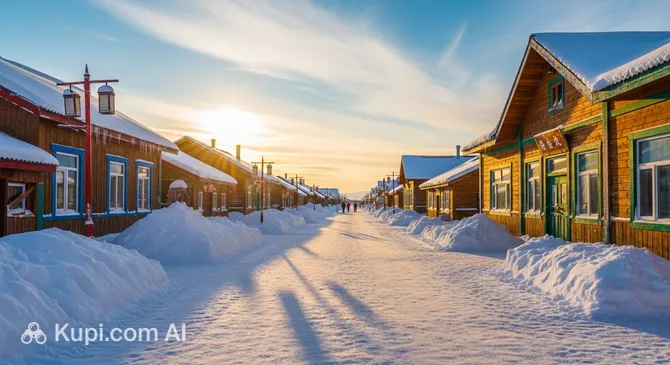
Mohe. Source: Kupi.Binoculars

For those curious about the past, the history of Mohe offers fascinating insights into how life has thrived in this frontier region, from ancient times to its development as a modern tourist hub. The local culture is a blend of hardy northern traditions and the influences of the neighboring Russian border, adding a unique flavor to the architecture and local customs.

Mohe is renowned for its spectacular natural phenomena. It is the only place in the country where you have a significant chance of witnessing the breathtaking Aurora Borealis (Northern Lights) and the phenomenon of the "Midnight Sun" around the summer solstice. Key attractions include the famous Beiji Village (North Pole Village), where visitors can find the "Northernmost Point" markers, and the scenic beauty of the First Bend of the Heilongjiang River.

Whether you are chasing the magical Northern Lights, looking to experience a true winter wonderland, or simply wanting to stand at the top of the country, Mohe promises an unforgettable adventure. Pack your warmest clothes and get ready to explore the enchanting Arctic charm of this extraordinary city.

Weather Overview

The weather in Mohe is defined by its subarctic climate, featuring long, frigid winters and short, mild summers. Due to its high latitude, the city experiences extreme seasonal contrasts. January is typically the coldest month, with average temperatures dropping to around -24.4°C and minimums plunging below -30°C, making heavy winter gear essential for any visit during this time.

Summer offers a pleasant respite from the cold, particularly in July, which is the warmest month with an average temperature of 20.1°C and highs reaching up to 25.5°C. While winters are extremely dry with negligible precipitation, the summer months see a slight increase in rainfall, with July experiencing about 14 wet days. Overall, visitors should expect mild summers with occasional rain and extremely cold, dry winters.

Interesting Facts

Beyond the main attractions, Mohe holds many fascinating secrets and unique distinctions that define its character as a frontier city. From record-breaking climate data to intriguing historical tales, there is much more to this northern outpost than meets the eye.

  • The Official Christmas Village: Mohe is home to the country's dedicated "Christmas Village," located just east of the famous Beiji Village. This winter wonderland features a Santa Claus House and often hosts a Santa Claus invited from Finland during the winter season, allowing visitors to experience a classic Christmas atmosphere deep in the subarctic forest.

  • A Record-Breaking Chill: While the city is famously cold, it officially solidified its reputation by recording the lowest temperature in the nation's modern history. In January 2023, the mercury plummeted to a staggering -53.0°C, breaking a record that had stood for over 50 years and proving that Mohe is the ultimate test for cold-weather endurance.

  • The Legend of Rouge Ditch: The region possesses a rich gold mining heritage centered around the historic Yanzhigou, or "Rouge Ditch." Legend has it that during the Qing Dynasty, the gold mined from this river was sent to the capital specifically to purchase makeup (rouge) for Empress Dowager Cixi, linking this remote wilderness to the imperial court.

  • The Northernmost Post Office: One of the most cherished traditions for travelers is a visit to the Northernmost Post Office. Visitors flock here to send postcards stamped with the unique "North Pole" postmark, creating a certified souvenir that proves their journey to the very top of the map.

How to Get There

Travelers planning a visit to the northernmost reaches of China will find that reaching Mohe is part of the adventure. Whether you arrive by air or land, understanding your transport options ensures a smoother journey. Detailed information on routes and logistics is available in our guide on how to get to Mohe.

For most visitors, the primary entry point is Mohe Airport (OHE). Conveniently situated just 9.8 km from the city center, this regional hub handles an annual passenger traffic of around 470,000, connecting the area to other major Chinese cities. A short transfer is all it takes to reach downtown from the terminal.

The data also lists Tynda Airport (TYD) in the city of Tynda. It is located approximately 296 km away from Mohe. Due to the significant distance and its location across the border, it serves a different region compared to the local airport.

Airport Name City Passenger Traffic Km from City
Mohe AirportMoheMedium9.8
Tynda AirportTyndaSmall296.1

Regarding rail travel, the nearest stations listed in the available data are geographically close but located in neighboring cross-border regions. Skovorodino Railway Station is the closest facility at a distance of approximately 146 km. Other stations in the vicinity include Bamovskaya Station and Bolshoy Never Station, both situated roughly 150 km from the city.

Station City Passenger Traffic Km to Center
Skovorodino Railway StationSkovorodinoMedium146.2
Bamovskaya StationSkovorodinoSmall149.1
Bolshoy Never StationSkovorodinoSmall154.7
Mogocha Railway StationMogochaMedium203.2
Magdagachi Railway StationMagdagachiMedium224.8

Main Attractions

Exploring Mohe is a journey to the edge of the map, where the allure of the "North Pole" meets the raw beauty of the Greater Khingan wilderness. The city's main attractions revolve around its unique geographical status and its breathtaking natural landscapes, offering visitors a chance to stand at the very top of the country while immersing themselves in a winter wonderland or a cool summer retreat.

Undoubtedly the most famous destination is Beiji Village (North Pole Village). As the country's northernmost permanently settled community, it serves as the primary base for tourists. Visitors flock here to hunt for various "northernmost" landmarks, including the Northernmost Sentinel Post and the boundary marker by the river. It is a charming place to stroll along the boardwalks facing the Russian border, and it remains the best location in the region to try your luck at spotting the elusive Aurora Borealis.

For nature enthusiasts, the Longjiang First Bay (First Bend of the Heilongjiang River) is an absolute must-see. Located deep in the forest, this spectacular natural formation occurs where the river makes a sharp, Omega-shaped turn, encircling an island covered in lush vegetation. A wooden boardwalk leads visitors up a hill to an observation deck, providing a panoramic view that is particularly stunning in autumn when the golden foliage contrasts with the blue water, or in winter when the river is a ribbon of white ice.

Those seeking a more authentic and quiet experience often prefer Beihong Village. Unlike the more commercialized Beiji Village, Beihong retains the rustic charm of a traditional border settlement. The village is dotted with "mukeleng"—traditional Russian-style wooden houses—and offers a glimpse into the genuine rural lifestyle of the north. It is an ideal spot for photography and for experiencing the solitude of the subarctic countryside without the crowds.

In the city center, the Daxing'anling Fire Memorial Hall stands as a significant cultural landmark. It was built to commemorate the Great Forest Fire of 1987 and to educate visitors on forest protection. The museum houses comprehensive exhibits related to the event and the region's recovery. It offers a moving and educational break from outdoor activities, providing deeper context into the resilience of the local community and the importance of the surrounding wilderness.

Local Cuisine

The culinary landscape of Mohe is a hearty reflection of its subarctic climate and its location on the border of the vast Greater Khingan forests. Deeply rooted in the traditions of Northeast Chinese (Dongbei) cuisine, the local food is characterized by generous portions, savory flavors, and dishes designed to provide warmth and energy during the long, cold winters. The ingredients are often sourced directly from the pristine surrounding wilderness, with a heavy emphasis on river fish, wild game, and forest vegetables.

A highlight for any gastronomic traveler is the famous cold-water fish from the Heilongjiang River. Due to the low water temperatures, the fish here grow slowly, resulting in meat that is exceptionally tender and fresh. Visitors should try the traditional Iron Pot Stew (Tie Guo Dun), a communal dining experience where fish—often carp or sturgeon—is simmered in a large cast-iron cauldron set into the table, accompanied by tofu, glass noodles, and cornmeal buns steamed on the side of the pot. It is the ultimate comfort food for the freezing weather.

Beyond the river, the mountains provide a bounty of wild ingredients. The region is renowned for its wild mushrooms, particularly hazel mushrooms, which are often paired with free-range chicken in a savory stew. Mohe is also celebrated as the "Hometown of Blueberries" in China. The wild blueberries harvested from the ancient forests are smaller and more flavorful than cultivated varieties. They are used to produce a range of local specialties, including fresh blueberry juice and a sweet, distinct blueberry wine that makes for a perfect souvenir or dinner accompaniment.

The dining culture in Mohe offers a rustic and authentic atmosphere, particularly in the tourist hubs of Beiji and Beihong villages. Here, travelers often eat in "Nong Jia Le" (farmhouse restaurants) run by local families. It is common to dine while sitting on a kang—a traditional heated brick bed—which keeps guests toasty while they enjoy their meal. For a unique winter snack, look for "frozen fruits" sold at outdoor markets; frozen pears and persimmons turn black from the cold but, once slightly thawed, offer a sweet, sorbet-like texture that is a favorite among locals.

Travel Tips

Planning a trip to Mohe is an exciting endeavor, but visiting China's northernmost frontier requires careful preparation to ensure a safe and enjoyable experience. To help you navigate the extreme climate and unique local conditions of this remote border city, we have compiled a list of essential practical tips.

  1. Dress for the Deep Freeze. If you are visiting in winter, do not underestimate the cold. You will need professional-grade winter gear: thermal underwear, a heavy down jacket, windproof trousers, a thick hat, scarf, and gloves. Most importantly, wear insulated, non-slip boots with thick wool socks. In summer, the weather is mild, but you should bring long sleeves and strong insect repellent, as the forests are teeming with mosquitoes.

  2. Transport Logistics. While there are public buses in the city center, they are not the most convenient way to reach major attractions like Beiji Village or Beihong Village, which are quite far apart. The best option for tourists is to hire a chartered car (known locally as "baoche") or a taxi for the day. This gives you the flexibility to stop at scenic spots along the way.

  3. Managing Your Money. The local currency is the Chinese Yuan (RMB). While mobile payment apps like Alipay and WeChat Pay are widely accepted even in small village shops, international credit cards are rarely useful outside of high-end hotels. It is highly recommended to carry sufficient cash for small transactions or in case of poor signal in remote areas.

  4. Health and Cold Safety. In winter, the air is extremely dry and cold. Bring intense moisturizing cream, lip balm, and perhaps a saline nasal spray to prevent dryness. Pharmacies are available in Mohe town, but medical facilities in the outlying villages are limited. Always cover exposed skin to prevent frostbite, which can occur in minutes at -40°C.

  5. Overcoming Language Barriers. Mandarin is the primary language, and English proficiency is very low in this region. It is essential to download an offline translation app and have the names of your hotel and destinations written in Chinese characters. A local SIM card with data is crucial for navigation and translation.

  6. Border Area Etiquette. Mohe is a sensitive border region next to Russia. Be very mindful of signage; do not cross any fences and strictly avoid photographing military personnel, checkpoints, or specific border defense infrastructure. Locals are generally friendly, but it is polite to ask before taking photos of them or their private homes.

  7. Watch Your Electronics. Extreme cold drains batteries almost instantly. One of the biggest mistakes tourists make is not protecting their phones and cameras. Keep your phone in an inside pocket close to your body heat when not in use, and consider attaching a warm patch (heat pack) to the back of your phone case.

  8. Avoid Touching Metal. This is a critical safety rule for winter visits: never touch metal surfaces (like railings, door handles, or lamp posts) with bare skin or try to lick them. Your skin will instantly freeze to the metal, causing painful injury. Always keep your gloves on when outdoors.

By keeping these practical tips in mind, you will be well-equipped to handle the challenges of the subarctic climate and fully embrace the magic of the north. Whether you are marveling at the ice sculptures or gazing across the river, a little preparation goes a long way in making your Mohe adventure truly spectacular.

Entertainment & Nightlife

Nightlife in Mohe is a world away from the neon-lit bustle of major metropolitan hubs. Instead of thumping nightclubs and sprawling bar districts, the evening entertainment here is defined by rustic warmth, conviviality, and the unique charm of the frontier. The atmosphere is relaxed and intimate, centered heavily around socializing indoors to escape the chill, or embracing the crisp night air for specific outdoor cultural experiences.

The true heart of the local nightlife beats in the city's numerous BBQ (Shao Kao) restaurants. In Northeast China, barbecue is not just a meal but a primary form of late-night entertainment. Visitors will find the streets of the downtown area, particularly around the central commercial districts, lined with eateries that stay open late. Here, locals gather to enjoy skewers of grilled meat, vegetables, and seafood, often accompanied by local Harbin beer or "baijiu" (Chinese spirit). The vibe is loud, friendly, and incredibly welcoming, offering a perfect way to mix with residents.

For those seeking a more energetic atmosphere, Karaoke (KTV) is the dominant form of recreation. Like many smaller Chinese cities, Mohe has several KTV establishments where groups rent private rooms to sing and socialize. These venues are typically well-equipped and offer a warm refuge from the freezing temperatures outside. They are generally open until the early hours of the morning and provide a fun, safe environment for tourists to experience modern local culture.

If you are staying in the tourist hub of Beiji Village, the nightlife takes on a more traditional and nature-focused character. In the evenings, particularly during the peak winter tourism season, the village square often hosts bonfire parties. Travelers gather around the fire to dance with locals, watch traditional folk performances, and enjoy the festive spirit under the stars. It is also the prime time to venture out to the riverside boardwalks to scan the sky for the Aurora Borealis, turning the night sky itself into the main attraction.

When venturing out at night, practical preparation is key. The most critical advice is to dress exceptionally warm. Temperatures drop significantly after sunset, so thermal layers are non-negotiable even for short walks. The city is very safe for night walks, with low crime rates, but the physical environment can be hazardous due to ice and cold. Taxis are affordable and usually easy to flag down in the town center, but if you are in the outlying villages, it is best to arrange return transport with your accommodation in advance.

During the daylight hours, the entertainment options shift towards cultural and natural exploration. While Mohe lacks large amusement parks, it offers engaging visits such as the Songyuan Park (Virgin Forest Park), a unique patch of primeval forest located right in the city center, allowing for a leisurely stroll through ancient trees. Visitors can also explore the local museums that detail the region's history and gold mining heritage, offering a quiet and educational way to spend the afternoon before the evening festivities begin.

Parks & Museums

Mohe offers a fascinating blend of pristine natural beauty and poignant historical narratives, making its parks and museums essential stops for any visitor. The city's green spaces are not just recreational areas but protected fragments of the ancient Greater Khingan forests, while its museums provide deep insights into the region's resilience, gold mining heritage, and unique polar identity.

Songyuan Primeval Forest Park is a true natural treasure located right in the heart of the city. Unlike typical urban parks with manicured lawns, this area is a preserved patch of the original virgin forest that once covered the entire region. It holds a special place in the hearts of locals because it miraculously survived the devastating fire of 1987, earning it a reputation as a "lucky" or sacred ground. Visitors can walk along wooden boardwalks beneath towering pines and larches, breathing in the fresh, pine-scented air and enjoying the tranquility of the wilderness without leaving the city limits.

For a mix of spirituality and scenic grandeur, the Guanyin Mountain Scenic Area is a must-visit destination. Located about 40 kilometers from the city center, this site features a magnificent 10.8-meter-tall statue of the Guanyin Bodhisattva, standing amidst the lush forest. It is said to be the northern counterpart to the famous Nanshan Guanyin in Sanya, creating a spiritual link across the entire length of China. The area is serene and offers breathtaking views of the surrounding woodlands, making it a perfect spot for photography and quiet reflection.

Mohe's cultural landscape is deeply defined by the Daxing'anling Fire Memorial Hall. This museum was established to commemorate the "Black Dragon Fire" of May 6, 1987, one of the most devastating forest fires in the country's history. Through immersive exhibits, photographs, and artifacts, the museum tells the emotional story of the disaster and the heroic rebuilding efforts that followed. It is a somber but incredibly moving experience that highlights the importance of environmental protection and the indomitable spirit of the local community.

Another significant cultural site is the Li Jinyong Ancestral Hall, located near the famous "Rouge Ditch" (Yanzhigou). This museum is dedicated to Li Jinyong, a Qing Dynasty official known as the "Gold Saint" who founded the Mohe Gold Mine. The hall offers a glimpse into the region's rich gold rush history, detailing how prospectors braved the harsh subarctic climate in search of fortune. The traditional architecture and historical exhibits provide a fascinating contrast to the wild natural surroundings.

For a panoramic view of the city, travelers should head to Polaris Square (Beijixing Square). Situated on a high point in the city, the square features a striking sculpture of the North Star and offers sweeping vistas of Mohe's skyline and the distant mountains. It is particularly enchanting in the evening when the city lights twinkle against the dark northern sky.

Insider Tip: If you visit Songyuan Park, take a moment to look for the "Fire Prevention Bell" near the entrance. Locals believe that walking through this park brings good fortune, as the fire burned everything around it but left this specific forest untouched. It is a quiet, almost mystical experience that connects you deeply with the local folklore.

Getting Around

Navigating Mohe is a relatively straightforward experience, as the city is compact and lacks the complex transit networks found in larger metropolises. There is no metro or tram system here; instead, public transport relies entirely on a network of buses and taxis. For the casual visitor, the system is easy to understand, though the extreme climate and the significant distances between the main town (Xilinji) and the outlying tourist villages often make private transport a more attractive option.

The local bus system primarily serves the central urban area of Xilinji Town. These buses are an economical way to move between the train station, the city center, and residential areas. Fares are very low, typically costing around 1 to 2 RMB per ride. While the buses are heated, frequencies can vary, and waiting at a bus stop during the freezing winter months can be challenging. There are also specific tourist bus lines that connect the city center to major attractions like Beiji Village, though these operate on fixed schedules that may change seasonally.

Taxis are the most convenient and popular mode of transport for getting around the city center. They are plentiful and can be easily hailed on the street or found waiting at the railway station and airport. Fares are generally affordable, often starting with a low flag-down rate. Within the small downtown area, trips are short and inexpensive. However, drivers rarely speak English, so it is essential to have your destination written in Chinese characters to show the driver.

For tourists planning to visit the famous "North Pole" attractions such as Beiji Village or the First Bend of the Heilongjiang River, chartered cars (known locally as "baoche") are highly recommended. Public transport to these remote scenic spots can be infrequent or slow. Hiring a car with a driver for the day offers the flexibility to stop for photos and ensures you have a warm vehicle waiting for you after exploring outdoors. This service can usually be arranged through your hotel or by negotiating with a taxi driver.

Regarding payment, the digital revolution has fully reached this northern frontier. Most taxi drivers and even bus operators accept mobile payments via WeChat Pay or Alipay. However, it is strongly advisable to carry some small denomination cash (notes and coins), especially for older buses or in case of signal issues in remote areas. Travel passes or smart cards are generally designed for locals and are not necessary for a short tourist visit.

A few practical tips will ensure a smoother journey. In winter, battery life on phones can drop drastically, so have a backup power bank accessible when paying digitally. Be aware that public transport generally stops running earlier in the evening compared to bigger cities, often winding down around 6:00 PM or 7:00 PM in winter. Always check the return schedule if you take a bus to an outlying village, as missing the last bus could leave you stranded in the cold.

While walking is a viable option for exploring the very center of Xilinji Town, the extreme subarctic temperatures often make long walks impractical during winter. Alternatives like bike rentals are virtually non-existent due to the icy conditions. However, in tourist areas like Beiji Village, you might encounter unique, traditional transport options such as horse-drawn sleighs, which offer a fun and atmospheric way to see the sights over the snow.

Accommodation

Finding the right place to stay in Mohe is an essential part of the travel experience, as the accommodation style often reflects the unique culture of this northern frontier. Generally, options range from standard, functional hotels in the administrative center to rustic, family-run guesthouses in the scenic villages. While you won't find many international luxury chains, the local hospitality focuses heavily on warmth and comfort to combat the extreme outside temperatures.

Travelers typically choose between two main areas depending on their travel plans:

  • Xilinji Town (City Center): This is the most practical option for logistics. Located near the railway station and airport, the city center offers modern hotels with standard amenities like 24-hour hot water, private bathrooms, and reliable heating. It is an ideal base for your first or last night in the region.
  • Beiji Village (North Pole Village): For those seeking atmosphere, this tourist hub is the place to be. Located about 80 kilometers from the city center, it offers a mix of resort-style lodgings and traditional inns. Staying here puts you right next to the main attractions and increases your chances of spotting the Aurora Borealis away from city lights.

One of the most distinctive experiences in Mohe is staying in a traditional "Nong Jia Le" (farmstay). These guesthouses, particularly common in Beiji Village and the more authentic Beihong Village, often feature the famous kang—a heatable brick bed platform. Sleeping on a heated kang while the temperature outside drops to -40°C is a memorable way to experience the local lifestyle and stay incredibly warm.

Booking Tip: Mohe sees a massive influx of tourists during the winter months, especially around the Winter Solstice (December) and Chinese New Year. Popular guesthouses in the villages can sell out weeks in advance. It is strongly advised to secure your booking as early as possible if you are traveling during the peak snow season.

Regarding prices and booking, costs fluctuate wildly with the seasons. Summer rates are generally budget-friendly to mid-range. In contrast, winter prices—especially in tourist villages—can surge to premium levels due to high demand. While major hotels are listed on international booking platforms, many smaller, authentic guesthouses may only be available on Chinese apps; in such cases, booking through a local guide or driver is often the most effective method.

Nearby Cities

Exploring the vast landscapes of Heilongjiang Province reveals that Mohe is truly a frontier outpost. Due to its remote location at the northernmost tip of China, "nearby" cities are actually situated quite a distance away. Travelers wishing to extend their journey through Northeast China will find that the nearest major urban centers require a significant trip southwards through the Greater Khingan range and the plains beyond.

One of the most notable regional neighbors is Heihe, located approximately 460 km to the southeast. Like Mohe, it sits on the Russian border and offers a unique blend of cultures, though it is larger and more commercially active. Further south lies Qiqihar, the second-largest city in the province, famous for its wetlands and red-crowned cranes. Other accessible destinations include the agricultural hub of Nehe and the famous oil city of Daqing.

City Population Distance (km)
Heihe 1,673,899 460
Nehe 740,000 526
Qiqihar 5,367,003 633
Hailun 850,000 689
Daqing 2,904,532 734

Shopping & Souvenirs

Shopping in Mohe offers a unique experience that differs significantly from the luxury retail therapy found in China's major metropolises. Instead of high-end fashion boutiques and sprawling mega-malls, the shopping scene here is defined by its frontier character, focusing heavily on local natural resources and cross-border trade. Visitors will find a treasure trove of "mountain delicacies" harvested from the surrounding Greater Khingan forests, as well as a distinct array of Russian-imported goods due to the city's proximity to the border.

The primary commercial hub is located in Xilinji Town, the administrative seat of Mohe. The downtown area, particularly along the main streets, is lined with various shops, supermarkets, and local specialty stores. This is where residents do their daily shopping and where tourists can stock up on supplies. For a more tourist-centric experience, the pedestrian streets in Beiji Village (North Pole Village) are packed with souvenir stands and vendors selling local crafts, making it the perfect place to browse for gifts while soaking in the festive atmosphere.

While Mohe does not boast large international shopping malls, Xilinji Town features several local department stores and commercial centers. These multi-story buildings typically offer clothing, electronics, and daily necessities on the lower floors, with supermarkets often located in the basement. They provide a glimpse into the everyday life of the locals and are reliable places to purchase warm clothing if you find yourself underprepared for the subarctic chill.

For a taste of authentic local life, visiting a local market is a must. The city has lively farmers' markets where vendors display the bounty of the forest. Depending on the season, you can find piles of fresh wild berries, mountains of mushrooms, and freshly caught river fish. In the winter, these markets take on a unique characteristic where goods like fruits, fish, and even ice cream are sold outdoors, naturally frozen by the ambient temperature, creating a "natural freezer" spectacle that is fascinating to witness.

When it comes to souvenirs, Mohe is famous as the "Hometown of Blueberries." Wild blueberries grow in abundance in the surrounding forests and are smaller and more flavorful than cultivated varieties. Popular gifts include dried blueberries, blueberry juice, and the locally produced blueberry wine. Other forest treasures include wild hazel mushrooms and black fungus (wood ear), which are dried and lightweight, making them easy to pack. Additionally, due to the Russian influence, you can easily find authentic Russian goods such as chocolate, vodka, tin toys, and nesting dolls. Traditional birch bark handicrafts, intricate art pieces made from the bark of local trees, also make for beautiful and culturally significant keepsakes.

Stores in Mohe generally operate from around 9:00 AM to 8:00 PM, though hours may be shorter in the winter due to the early sunset. In tourist areas like Beiji Village, some souvenir shops may stay open later. Mobile payments via WeChat Pay and Alipay are the standard and are accepted almost everywhere, from large hotels to small street stalls. However, it is advisable to carry some cash, as internet signals can occasionally be spotty in remote areas.

Travelers should note that Tax-Free shopping services (tax refunds for tourists) are generally not available in Mohe, as it is a remote border region rather than a major international commercial hub. Prices are typically fixed in supermarkets and larger stores, but bargaining is acceptable and expected when buying souvenirs from street vendors or in the markets of Beiji Village.

Nearby cities

Reached the end of the page?

That means the route is fully explored