Support

Tynda

About

Tynda is a fascinating destination located in the Far East of the Russian Federation. Widely known as the "Capital of the BAM" (Baikal-Amur Mainline), this city holds a special place in the hearts of railway enthusiasts and travelers seeking off-the-beaten-path adventures. Its unique atmosphere is defined by its significant industrial heritage intertwined with the wild, untamed beauty of the surrounding taiga.
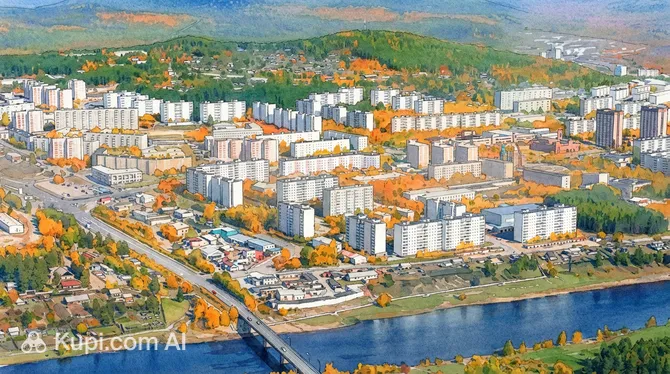
Tynda. Source: Kupi.Binoculars

Geographically situated in the Amur Oblast on the banks of the Tynda River, the city experiences a sharp continental climate characterized by cold winters and warm, short summers. Despite its relatively small population of approximately 33,000 people, Tynda serves as a vital transport hub for the region. The city's rapid development was driven by major infrastructure projects in the 20th century. To understand how a small settlement transformed into a key railway center, you can explore the history of Tynda.

Visitors are often drawn to the city's unique architectural planning, which was designed to withstand harsh northern conditions. A key highlight for tourists is the Museum of the History of the BAM, offering an immersive look into the colossal effort behind building the famous railway. The railway station itself is an architectural landmark, frequently cited as one of the most impressive structures on the entire line. Beyond the urban landscape, the region offers pristine nature, perfect for those who appreciate the serene and rugged landscapes of the north.

Whether you are passing through on a long-distance rail journey or visiting specifically to witness the legacy of the BAM, Tynda offers a warm welcome and a glimpse into a resilient community. It is a destination where engineering history and nature meet, making it a memorable stop on any itinerary through this vast region.

Weather Overview

Travelers planning a trip to this region should be prepared for significant seasonal contrasts, as the local climate is sharply continental. The weather in Tynda shifts dramatically from deeply frozen winters to pleasantly warm summers, requiring visitors to pack accordingly depending on the time of year.

Winter is long and intensely cold, with January being the harshest month. During this time, average temperatures drop to approximately -28.5°C, with lows plunging as deep as -34.0°C. Despite the biting frost, this season is remarkably dry, with months like January and February seeing virtually no precipitation, often resulting in clear, crisp days.

In contrast, the summer months bring comfortable warmth and life to the taiga. July is typically the warmest month, featuring average temperatures of 18.8°C and daily highs reaching up to 24.2°C. However, summer is also the wettest season; expect frequent showers, as July can experience around 14 wet days. Spring and autumn serve as short transition periods, with May averaging 7.1°C and October quickly cooling down to an average of -2.6°C.

Interesting Facts

Beyond the main attractions and its railway fame, Tynda holds many fascinating secrets and cultural quirks that surprise many visitors. From unexpected international connections to architectural oddities in the heart of the taiga, there is much to discover here.

  • A Piece of Moscow in the Taiga: Tynda was largely built by construction brigades from Moscow, which heavily influenced its urban planning. The city's main thoroughfare is named Krasnaya Presnya, just like a famous street in the capital, and you will find tall 16-story residential towers here—an unusually vertical architectural choice for a settlement built on permafrost in such a remote location.

  • The "White Swan" Station: The city's railway station is not only a transport hub but an architectural masterpiece often compared to a white swan spreading its wings. Rising over 40 meters high, it is considered one of the tallest and most beautiful stations in the Far East, designed to symbolize the grandeur of the Baikal-Amur Mainline.

  • An American Sister City: Despite its deep location in the Russian East, Tynda has maintained a surprising sister-city relationship with Wenatchee, Washington, in the USA since 1984. This unique bond has fostered numerous cultural exchanges over the decades, connecting two communities separated by the Pacific Ocean.

  • Reindeer Herder's Day: The region surrounding the city is the traditional home of the indigenous Evenki people. Every spring, usually in March, Tynda hosts a vibrant festival celebrating this heritage, where locals and tourists can witness exciting reindeer sled races and taste traditional northern cuisine.

How to Get There

Reaching this remote northern city is an adventure that offers a glimpse into the vast scale of the region. While it is located deep in the Amur Oblast, the city serves as a crucial transport hub, particularly for rail travel. To help you plan your journey effectively, you can read more about how to get to Tynda and explore the various routes available.

For those preferring air travel, the most direct option is Tynda Airport (IATA: TYD). It is a small regional facility located approximately 15.8 km from the city center. A trip from the airport to downtown by taxi or bus generally takes around 45 minutes. Since flight options here might be limited, many travelers choose to fly into Chulman airport (IATA: NER), which is located in the neighboring city of Neryungri. It is important to note that Chulman is about 197 km away from Tynda. The transfer by road from Neryungri is quite long, taking approximately 5 hours and 20 minutes, so be sure to plan your schedule accordingly.

For clarity, here is a summary of the main airports:

Airport Name City Passenger Traffic Km from City
Mohe Airport Mohe Large 290.7
Chulman Neryungri Medium 197.4
Tynda Airport Tynda Small 15.8

Given its status as the "Capital of the BAM," rail travel is the most iconic way to arrive. The Tynda Railway Station is the city's main gateway, conveniently situated just 0.5 km from the center. Getting to your accommodation from the station is very quick, taking about 20 minutes by taxi or even less on foot. If you are traveling via the Trans-Siberian Railway, you might arrive at Skovorodino Railway Station in the city of Skovorodino. This major hub is located about 139 km from Tynda. From Skovorodino, you can take a bus or taxi to reach Tynda, a journey that typically takes around 3 hours and 50 minutes.

Below is a list of the nearest railway stations:

Station City Passenger Traffic Km to Center
Skovorodino Railway Station Skovorodino Medium 138.9
Bamovskaya Station Skovorodino Medium 132.4
Bolshoy Never Station Skovorodino Small 135.3
Tynda Railway Station Tynda 0.5
Neryungri Passenger Station Neryungri 167.7

Main Attractions

As the "Capital of the BAM," Tynda offers a range of attractions that are deeply intertwined with the history of the legendary Baikal-Amur Mainline, as well as the unique culture of the Russian North. While the city is relatively young, its landmarks tell a powerful story of human resilience, engineering triumphs, and the distinct beauty of the Amur region. Below are some of the most interesting places to visit during your stay.

Museum of the History of the BAM

No visit to Tynda is complete without exploring this extensive museum, which serves as the city's main cultural institution. It houses a vast collection of artifacts, documents, and photographs that chronicle the colossal effort required to build the railway through the unforgiving taiga. Beyond the industrial history, the museum also features fascinating ethnographic exhibits dedicated to the indigenous Evenki people, offering tourists a chance to learn about the traditional lifestyle, art, and beliefs of the region's original inhabitants.

Cathedral of the Holy Trinity

Rising majestically against the backdrop of the northern hills, the Cathedral of the Holy Trinity is a striking piece of modern religious architecture. With its vibrant red brick facade and gleaming golden domes, it stands as a spiritual beacon in the city center. Built to serve the local Orthodox community, the cathedral is not only a place of worship but also a visually impressive landmark that offers excellent photo opportunities, especially on clear, sunny days when the domes reflect the bright blue sky.

Steam Locomotive Monument

Located near the railway station, this monument is a beloved symbol of the city and a tribute to the railway workers who tamed the wilderness. The historic steam locomotive, mounted on a pedestal, represents the early days of the BAM construction and the romantic era of steam travel. It is a popular spot for both locals and tourists to take pictures and appreciate the sheer scale of the machinery that helped shape the region's destiny.

Ust-Coral Ski Resort

For those looking to embrace the active lifestyle of the north, the Ust-Coral Ski Resort is a must-visit destination located directly within the city limits. Situated on a high hill, it offers well-maintained slopes for skiing and snowboarding during the long winter months. In the summer, the area transforms into a scenic viewpoint, providing visitors with panoramic vistas of Tynda and the endless surrounding forests, making it a perfect spot for nature lovers year-round.

Local Cuisine

The local cuisine in Tynda is heavily influenced by its harsh northern climate and the traditions of the indigenous Evenki people. Food here is designed to be hearty and warming, providing the necessary energy to withstand the long, cold winters. While you will find standard Russian staples everywhere, the region's proximity to the taiga and rivers adds a unique local flavor to the dining experience.

One of the most distinctive ingredients to try is venison (reindeer meat). Due to the area's reindeer herding heritage, dishes made from this lean, gamey meat are a local specialty. You might find it served as a rich stew, roasted, or in the form of dumplings. Another regional favorite is fresh river fish, particularly grayling, which is caught in the clean, cold waters of the surrounding rivers. It is often pan-fried or salted and is considered a delicacy by locals.

For a classic taste of the Russian North, look for pelmeni (meat dumplings). In Tynda, they are often handmade and served with sour cream or a dash of vinegar. During the summer and autumn harvest, the local diet is enriched with wild berries such as lingonberries, cranberries, and blueberries. These are frequently used in baking, making sweet pies (pirozhki) and jams a common treat to accompany a meal.

When it comes to drinks, hot tea is the absolute ruler of the table, often consumed strong and black to warm up after a walk outdoors. For something refreshing and vitamin-rich, try mors, a traditional non-alcoholic fruit drink made from boiled wild berries. It has a tart, sweet flavor that pairs perfectly with heavy meat dishes. On the spirited side, standard Russian vodka is available, but you may also encounter herbal balsams infused with local taiga plants, which are sometimes added to tea for flavor.

The dining scene in Tynda is modest and unpretentious, reflecting the city's industrial roots. You won't find many high-end gourmet restaurants; instead, the city offers cozy cafes and "stolovaya" (canteens) that serve affordable, home-style meals. Exploring the central streets will reveal small establishments where you can enjoy honest, filling food in a welcoming atmosphere. If you visit during the Reindeer Herder's Day festival in spring, you will have the best opportunity to taste authentic nomadic dishes prepared over open fires.

Travel Tips

Visiting the "Capital of the BAM" is a unique adventure that rewards the prepared traveler. To help you navigate the specifics of this northern city and ensure your journey through the Amur taiga is as smooth and enjoyable as possible, here is a set of practical recommendations.

  1. Clothing and Gear: The key to comfort in Tynda is dressing for the extreme contrasts. In winter, thermal underwear, a heavy down jacket, insulated boots, and a warm hat are absolute necessities to survive temperatures below -30°C. In summer, the weather is warm, but the taiga brings swarms of mosquitoes and midges; therefore, always carry strong insect repellent and consider long sleeves for evening walks. Comfortable, waterproof walking shoes are recommended year-round.

  2. Transportation: Tynda is a compact city, and many of its central attractions, including the railway station and museums, are walkable. For longer distances, a network of municipal buses covers the main districts, though schedules can be infrequent. Taxis are an affordable and popular alternative; local taxi apps or phone dispatch services are widely used. Car rental is generally not necessary within the city limits and can be challenging to arrange.

  3. Finances: The official currency is the Russian Ruble (RUB). While credit cards are accepted in major supermarkets and hotels, smaller shops and kiosks often prefer cash. It is highly advisable to carry a sufficient amount of cash, as international card systems may not work reliably. ATMs are available in the city center and near the railway station for cash withdrawals.

  4. Health and Safety: Pharmacies, marked by a green cross and the word "Apteka" (Аптека), are easy to find in the city center, though few operate 24/7. Tynda is generally a safe city for tourists, but standard precautions apply: keep valuables secure and avoid poorly lit areas on the outskirts at night. If you plan to hike in the surrounding taiga, be aware of wildlife and let someone know your route.

  5. Communication: The primary language is Russian, and English proficiency among locals may be limited. It is very useful to learn the Cyrillic alphabet for reading street signs and to memorize a few basic phrases like "Spasibo" (Thank you) and "Zdravstvuyte" (Hello). Downloading an offline translation app and an offline map before your arrival will be incredibly helpful. SIM cards from major mobile operators can be purchased at the railway station or in city shops.

  6. Local Etiquette: Tynda is a city built by workers with a strong sense of community pride. When meeting locals, a firm handshake is a standard greeting for men. If you are invited to a private home, it is customary and polite to remove your shoes at the entrance. Locals are very proud of their railway history; showing interest and respect for the BAM legacy will go a long way in making friends.

  7. What to Avoid: Avoid drinking alcohol in public places such as parks, streets, or the station square, as this is prohibited by law and frowned upon by locals. Additionally, do not underestimate the cold in winter; spending prolonged periods outdoors without proper gear can be dangerous.

  8. Additional Tip: Be mindful of the "White Nights" phenomenon if you visit in early summer. Although not as famous as in St. Petersburg, the days in Tynda become incredibly long in June, with very short nights. Bringing an eye mask can help ensure you get a good night's sleep despite the early sunrise.

By keeping these tips in mind, you will be well-equipped to embrace the rugged charm of Tynda. Whether you are here to explore the railway history or the natural beauty of the Amur region, a little preparation will allow you to focus on creating unforgettable memories in this fascinating corner of the world.

Entertainment & Nightlife

Entertainment and nightlife in Tynda reflect the city's character: compact, cozy, and deeply community-oriented. Unlike large metropolises with sprawling club districts, the nightlife here is concentrated and intimate. The main hub for evening activities is the city center, particularly along the main thoroughfare, Krasnaya Presnya Street. This is where you will find the highest density of cafes, restaurants, and cultural venues that stay open late, providing a welcoming atmosphere for both locals and visitors.

The local nightlife culture typically revolves around "restobars" and cafes that transform into lively venues with music and dancing as the evening progresses. Dedicated nightclubs are less common; instead, the social scene is driven by establishments where you can enjoy a hearty dinner followed by karaoke or a DJ set. The atmosphere is generally casual and unpretentious, though some venues may have a "face control" policy on weekends, so dressing neatly—smart casual is a safe bet—is recommended.

For a culturally enriching evening, the Tynda Drama Theater is the premier destination. It serves as the absolute heart of the city's performing arts scene, playing a vital role for the local community. The theater is the traditional stage for live performances, regularly hosting plays, concerts, and significant community events. It offers visitors a chance to experience the local artistic spirit through professional productions and touring shows.

If you prefer to watch the latest movie releases, the city offers the Cinema 'Gimenej'. This dedicated cinema is the go-to spot for film enthusiasts in Tynda, providing a modern viewing experience separate from the live stage performances found at the drama theater. It is a popular place for locals to relax and enjoy current blockbusters.

Karaoke is a favorite pastime in Tynda, and you will likely find that many evening venues offer this as a main attraction. The crowd is usually friendly and open, with locals eager to showcase their vocal talents. If you are looking for a place to relax with a drink, hotel bars and restaurants in the city center often provide the most consistent service and comfort for international travelers.

Regarding practicalities, the nightlife in Tynda winds down relatively early compared to Moscow or St. Petersburg. Most venues operate until midnight or 2:00 AM on weekends. Prices are generally affordable. For transportation, it is best to rely on taxi services rather than hailing a car on the street. Apps like Maxim or Yandex Go operate in the region, or you can ask your hotel or venue staff to call a reputable taxi for you. While the city center is well-lit and safe for evening strolls, it is advisable to avoid unlit outskirts late at night and to stick to the main streets.

For daytime entertainment, the city offers a quieter pace. Besides the famous BAM Museum mentioned earlier, visitors can enjoy leisurely walks in the City Park, which is a pleasant green space perfect for relaxing before the evening begins. The park often hosts small local festivities and is a safe, family-friendly environment. Whether you choose a quiet movie night or a lively karaoke session, Tynda's entertainment scene offers a warm, authentic slice of life in the Russian Far East.

Parks & Museums

Tynda is a city where the urban landscape and the wild northern nature are inextricably linked. The green spaces here are often slices of the pristine taiga preserved within the city limits, while the cultural institutions are deeply focused on preserving the heroic legacy of the railway construction that gave birth to the settlement.

City Park of Culture and Recreation

Located in the heart of the city, this park is the primary green oasis for locals and visitors alike. Unlike manicured European gardens, this area feels like a tamed piece of the authentic forest, filled with tall pine trees and fresh, crisp air. It offers a network of walking paths, benches, and simple amusement rides for children. In winter, the park transforms into a snowy wonderland with ice slides, while in summer, it provides a cool, shady retreat from the sun.

Tynda River Banks

While not a formal park, the banks of the Tynda River serve as a natural recreation area for the community. In the warmer months, residents flock to the water's edge to picnic, sunbathe, and enjoy the scenic views of the hills reflected in the rushing water. Walking along the riverside offers a peaceful escape and a chance to see the city's bridges, which are vital connectors in this rugged terrain.

Museum of the History of the BAM

This institution is the undisputed cultural center of Tynda and one of the most significant museums in the entire Russian Far East. It holds a massive collection of over 45,000 exhibits. Tourists are particularly fascinated by the "Barrel" exhibit—a replica of the cylindrical metal housing units where the first railway builders lived during the harsh winters. The museum also features an art collection depicting the construction era and an ethnographic section dedicated to the indigenous Evenki culture.

Drama Theater Exhibition Spaces

The Tynda Drama Theater is not just a stage for plays; its foyer and public spaces often function as an impromptu gallery. Here, you can frequently find temporary exhibitions showcasing local painters, photographers, and children's art schools. It is a great place to see the region through the eyes of local creatives and to understand the contemporary cultural pulse of the city.

Monument "Magistral"

One of the most symbolic landmarks in the city is the "Magistral" monument, often referred to as the "Stone Woman" or simply the monument to the BAM builders. It depicts a female figure breaking through the stone, symbolizing the incredible effort required to carve the railway through the mountains. It stands as a powerful reminder of the human spirit and is a key stop for anyone interested in the city's Soviet-era monumental art.

Monument to Motorists

Perched on a high pedestal, this monument features a legendary ZIS-151 truck. It is dedicated to the drivers who navigated the treacherous, roadless terrain to deliver supplies long before the rails were laid. For visitors interested in technical history, this site honors the unsung heroes of the construction projects—the truck drivers who braved the ice and mud of the taiga.

Insider Tip: For a truly authentic experience, take a walk to the pedestrian suspension bridges crossing the river. These swaying structures offer a bit of adrenaline and provide excellent, unobstructed angles for photographing the city skyline against the backdrop of the rolling forested hills.

Getting Around

The public transport system in Tynda is straightforward and compact, reflecting the relatively small size of the city. Unlike larger metropolitan areas, there is no metro, tram, or trolleybus network here. The primary mode of public transportation consists of municipal buses and privately operated minibuses, known locally as marshrutkas. These vehicles connect the city center, centered around Krasnaya Presnya Street, with the outlying residential micro-districts and the railway station.

For tourists, navigating the bus system is relatively easy as most routes run along the main avenues. Route numbers and key stops are typically displayed on the windshield or the side of the vehicle. While the network covers the essential parts of the city, the frequency of service can vary. During peak morning and evening hours, buses run regularly, but in the middle of the day and late at night, the intervals between buses can increase significantly.

Payment for travel is simple and generally handled directly with the driver or a conductor inside the bus. The fare is fixed and very affordable. While electronic payment terminals are becoming more common in many regions, it is highly recommended to carry cash in small denominations (coins and small notes) when using public transport in Tynda. In many minibuses, you pay upon exiting, but it is always best to observe what the locals do or ask the driver when you board.

Operating hours for public transport typically range from early morning, around 6:00 AM, until approximately 9:00 PM or 10:00 PM. Travelers should be aware that after 8:00 PM, bus services become quite scarce. If you plan to stay out late enjoying the local nightlife or dining, you should not rely on the bus to get back to your accommodation.

Given the harsh climate, especially in winter, taxis are a very popular and often necessary alternative to waiting at a freezing bus stop. Taxis in Tynda are reasonably priced and readily available. You can hail a car using popular mobile apps like Yandex Go or Maxim, which are widely used in the region and overcome the language barrier since you can set your destination on the map. Alternatively, you can ask hotel staff or restaurant servers to call a local dispatch service for you.

For those staying in the central district, walking is often the most efficient way to get around. The city center is pedestrian-friendly, and many key attractions, shops, and the railway station are located within a reasonable walking distance of each other. However, car-sharing services and bike rentals are not widely developed in the city, so relying on walking, taxis, and the occasional bus ride remains the most practical strategy for visitors.

Accommodation

Accommodation in Tynda reflects the city's status as a working industrial hub and a transit point on the Baikal-Amur Mainline. Visitors should not expect international luxury hotel chains or sprawling resorts here. Instead, the city offers a functional selection of lodgings, ranging from renovated Soviet-era hotels to smaller, private guesthouses and apartment rentals. The options are generally modest, clean, and geared towards practical comfort for railway workers, business travelers, and tourists exploring the BAM.

For most travelers, the best area to stay is the City Center, particularly along or near the main avenue, Krasnaya Presnya Street. Staying here places you within walking distance of key attractions like the Museum of the History of the BAM, the drama theater, and various dining options. This area offers the convenience of having supermarkets and pharmacies nearby. Alternatively, accommodation near the Tynda Railway Station is a popular choice for those on a short layover or arriving late by train, as it minimizes transit time with luggage.

The hospitality sector in Tynda is primarily comprised of mid-range and budget options. You will typically find:

  • Classic Hotels: Larger establishments that date back to the BAM construction era but have been updated to modern standards. They usually offer standard rooms with en-suite bathrooms, Wi-Fi, and on-site cafes.
  • Mini-Hotels: Smaller, often family-run establishments that provide a more cozy, albeit simple, atmosphere.
  • Apartments: Short-term rental apartments are increasingly popular and can be a great value for groups or those wanting kitchen facilities.

Booking Tip: Since the number of hotels is limited, it is highly recommended to book your accommodation in advance, especially if you are visiting during local festivals like Reindeer Herder's Day in March or during the summer construction season when business travel peaks. While some major booking platforms operate in the region, calling directly or using Russian-specific travel apps can sometimes yield better availability.

Price Range: Accommodation in Tynda is generally affordable. Prices typically fall into the budget to mid-range category. Payment is usually in Russian Rubles, and while larger hotels accept cards, smaller guesthouses may prefer cash. Be prepared for a simple check-in process, and remember that English is not widely spoken at reception desks, so having a translation app handy is always a good idea.

Nearby Cities

For those looking to explore the surroundings, Tynda serves as an excellent base for day trips to several interesting nearby locations. While the distances in the Russian Far East are vast, a few unique destinations are accessible for those willing to undertake a journey through the scenic taiga.

Neryungri is the closest major city, located approximately 169 km to the north in the Sakha Republic (Yakutia). It is a relatively young industrial city famous for its gigantic open-pit coal mine, which attracts fans of industrial tourism. Visitors can witness the sheer scale of mining operations and heavy machinery that operates in extreme northern conditions. The city also features a Technopark and offers a distinct cultural shift as you cross from the Amur region into Yakutia.

Another compelling option is Zeya, situated roughly 226 km away. This town is renowned for the Zeya Hydroelectric Station and the massive Zeya Reservoir, often referred to as the "Zeya Sea." It is a prime destination for nature lovers, offering opportunities for fishing, boating, and enjoying the pristine landscapes of the Zeya Nature Reserve. The contrast between the colossal man-made dam and the wild forest creates a memorable backdrop for a short trip.

City Population Distance (km)
Blagoveshchensk 224,419 575
Belogorsk 66,183 533
Neryungri 57,009 169
Svobodny 53,678 476
Zeya 23,270 226

These nearby destinations offer a glimpse into the diverse culture and landscapes of the region, ranging from impressive industrial feats to untouched natural beauty.

Shopping & Souvenirs

Shopping in Tynda is primarily functional and geared towards the daily needs of the local community and the railway workers who call this city home. While you will not find sprawling luxury outlets or international high-fashion boutiques here, the city offers a sufficient selection of stores to supply travelers with essentials, outdoor gear, and groceries. The retail landscape is a mix of modern, compact shopping centers and smaller, traditional shops that reflect the practical nature of life in the Far North.

The heart of the city's commercial activity runs along Krasnaya Presnya Street. As the main thoroughfare of Tynda, this wide avenue is lined with a variety of shops situated on the ground floors of the residential high-rises. Here, tourists can find pharmacies, bookshops, and stores selling clothing and electronics. A stroll down this street allows you to window-shop while taking in the unique architectural style of the "Capital of the BAM."

For a more concentrated shopping experience, the city features several mid-sized shopping centers. "Stolica" and "Orange" are among the most popular destinations for locals. These malls typically house supermarkets, electronics retailers, and clothing stores under one roof. They are convenient stops if you need to restock on supplies, buy warm clothing for the harsh weather, or simply find a warm place to browse during the cold winter months.

To experience the local flavor, a visit to the Central Market is recommended. This is where the regional connection to the land becomes apparent. Depending on the season, you can find fresh produce, meats, and dairy products. It is also a good place to look for affordable clothing and household items. The market atmosphere is lively and offers a glimpse into the everyday lives of Tynda's residents.

When it comes to souvenirs, Tynda offers unique items that you won't find elsewhere. The most iconic gifts are those related to the Baikal-Amur Mainline (BAM). Look for magnets, pins, and books celebrating the railway's history. Additionally, the region is home to the indigenous Evenki people, so you may find traditional handicrafts such as beaded jewelry, fur items, or amulets. Edible souvenirs are also popular; locally harvested pine nuts, dried berries, and smoked fish make for delicious and authentic gifts from the taiga.

Most shops in Tynda operate daily, typically opening around 10:00 AM and closing by 7:00 PM or 8:00 PM. Supermarkets and major shopping centers may stay open slightly later. Payment methods have modernized significantly; credit and debit cards are widely accepted in malls and larger stores. However, if you plan to visit the market or smaller kiosks, it is advisable to carry some cash in Russian Rubles.

Visitors should be aware that Tax-Free shopping services are generally not available in Tynda. The city is not a major international shopping hub, so the infrastructure for VAT refunds for tourists is not established. Prices are displayed inclusive of all taxes, and what you see on the price tag is the final amount you will pay.

Reached the end of the page?

That means the route is fully explored