Support

Neryungri

About

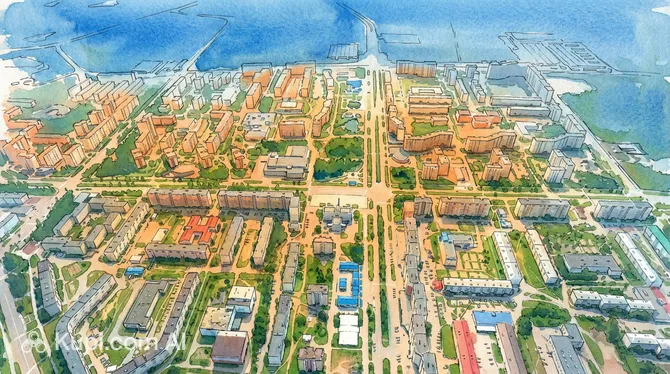
Neryungri is the second-largest city in the Sakha Republic (Yakutia) and a vital industrial hub within the Russian Federation. Often referred to as the "Coal Capital" of the region, this city offers a unique glimpse into the industrial might and rugged beauty of Siberia. Located in the southern part of Yakutia, it sits in the foothills of the Stanovoy Range, surrounded by vast taiga forests and rolling hills, creating a striking contrast between urban infrastructure and wild nature.

Unlike many ancient Siberian settlements, the history of Neryungri is relatively recent, dating back to the 1970s when it was established to develop the rich local coal deposits. Today, with a population of approximately 57,000 people, it stands as a modern, well-planned city with wide avenues and distinct architecture. The climate here is sharply continental, though generally milder than in the northern parts of the republic, making it an accessible gateway for travelers exploring the diversity of the Russian North.

Neryungri. Source: Kupi.Binoculars

For visitors, the city offers several intriguing attractions that highlight its character. The most impressive sight is undoubtedly the Neryungrinsky Open-Pit Coal Mine, a colossal man-made crater that showcases the sheer scale of local mining operations and is often visited by industrial tourism enthusiasts. For those seeking relaxation, the Nakhot Hot Springs are a popular destination year-round, offering thermal waters that provide a warm respite even during the snowy winters. Additionally, the local Museum of History of the Neryungri District provides fascinating insights into the ethnography of the indigenous peoples and the rapid development of the area.

Whether you are drawn by the grandeur of industrial landscapes or the serene beauty of the South Yakutian taiga, Neryungri welcomes you with its distinctive atmosphere. It is a destination that perfectly blends human achievement with the untamed spirit of the East, inviting you to discover a different side of Siberia.

Weather Overview

The climate in Neryungri is defined by significant contrasts between the seasons, typical of the subarctic region. Winters are long, rigorous, and dry, with January temperatures averaging -29.5°C and lows often dipping towards -33.7°C. Snowfall is relatively light during the coldest months, but the freezing temperatures require proper thermal clothing for any visit.

Summer offers a brief but welcome respite with much milder conditions. July is the warmest month, featuring average highs of around 22.6°C, though travelers should expect more frequent rain showers compared to winter. Overall, you can expect warm, wetter summers and extremely cold, dry winters. To help you pack appropriately for your specific travel dates, viewing the detailed weather in Neryungri is highly recommended.

Interesting Facts

Beyond the industrial landscapes and main attractions, Neryungri holds fascinating secrets that surprise many visitors. From ancient prehistoric discoveries to linguistic roots, these details offer a deeper understanding of this young Siberian city.
  • The city's name has deep indigenous roots, originating from the Evenki word Niyrungra, which translates to "River of a Thousand Graylings." This poetic title pays homage to the abundance of fish that once filled the local waters, highlighting the region's rich natural resources long before the industrial era began.

  • Neryungri is a site of significant paleontological interest, hiding ancient history within its soil. During excavation works in the massive open-pit coal mine, workers discovered fossilized footprints of dinosaurs dating back to the Jurassic period, revealing that prehistoric giants once roamed this now-frozen territory.

  • Unlike many other settlements in the region which are built on flat permafrost terrain, Neryungri is situated on the slopes of the Stanovoy Range foothills. This unique geography gives the city a distinct "tiered" appearance, with streets and buildings arranged on different elevation levels, creating a vertical urban landscape that is rare in this part of the country.

How to Get There

Reaching this industrial hub in South Yakutia is an adventure in itself, offering a journey through the vast Siberian landscapes. Whether you prefer the speed of air travel or the scenic route by train, there are several convenient options available. For a complete overview of routes and tips, you can read more about how to get to Neryungri in our detailed guide.

For most travelers, the primary gateway is Chulman (IATA: NER). This airport serves as the main air hub for the area and is located approximately 31 km from Neryungri. It connects the region with major cities, making it the most direct method of arrival. Once you land, a trip to the city center by taxi or local bus typically takes around 65 to 70 minutes.

An alternative option is Tynda Airport (IATA: TYD), situated in the neighboring city of Tynda. It is important to note that this airport is about 153 km away from Neryungri. Consequently, arriving here will require a subsequent ground transfer, usually taking about 4 to 4.5 hours by car or bus. While less convenient than Chulman, it serves as a viable backup for regional connections.

For clarity, here is a summary of the main airports:

Airport Name City Passenger Traffic Km from City
ChulmanNeryungriMedium31.1
Tynda AirportTyndaSmall153.0

Rail travel is another popular and scenic way to reach the city, as Neryungri is a key stop on the Amur-Yakutsk Mainline. The most convenient arrival point is the Neryungri Passenger Station. Located just 3 km from the heart of the city, it offers the easiest access for visitors. From the platform, a short taxi ride of about 10 minutes will take you directly to your accommodation.

Travelers exploring the wider region might also pass through the Tynda Railway Station in the city of Tynda, which is approximately 169 km away. Known as the "Capital of the BAM" (Baikal-Amur Mainline), Tynda is a major junction. Although it is a significant distance from Neryungri, it is a crucial transport node for those navigating the vast distances of the Russian Far East.

Below is a list of railway stations in the vicinity that serve as transit points or destinations:

Station City Passenger Traffic Km to Center
Bamovskaya StationSkovorodinoMedium289.7
Aldan Railway StationAldanSmall220.0
Yuktali StationUst-NyukzhaSmall189.2
Tynda Railway StationTynda169.0
Neryungri Passenger StationNeryungri3.0

Main Attractions

While Neryungri is primarily known as an industrial center, it offers a selection of unique sights that reflect the spirit of South Yakutia. The city's attractions are a blend of massive industrial feats, indigenous culture, and natural wonders that provide a memorable experience for those venturing into this part of Siberia.

The most iconic landmark is undoubtedly the Neryungrinsky Open-Pit Coal Mine. This colossal excavation site is one of the largest of its kind in the country and serves as the heartbeat of the local economy. Tourists are drawn here to witness the sheer scale of human engineering against the backdrop of the rugged landscape. From the viewing platforms, the massive BelAZ dump trucks—which are the size of small houses—look like mere toys as they navigate the spiraling roads of the pit. It is a spectacular location for industrial photography and offers a rare chance to see mining operations up close.

For a complete change of pace, the Nakhot Hot Springs offer a relaxing escape just outside the city. Located approximately 30 kilometers away, this recreational base is famous for its thermal waters which flow year-round. The experience is particularly magical in winter; visitors can bathe in the steaming open-air pools while the surrounding air temperature drops to -40°C or lower. The contrast between the hot mineral water and the frozen taiga creates an unforgettable sensory experience that is both invigorating and therapeutic.

To understand the region's heritage, a visit to the Museum of History of the Neryungri District is essential. This cultural institution houses diverse collections that cover everything from the geological formation of the area to the construction of the Baikal-Amur Mainline. Of particular interest are the ethnographic exhibits dedicated to the Evenki people, the indigenous inhabitants of South Yakutia. Displays of traditional clothing, tools, and shamanic artifacts provide deep insight into how life flourished here long before the arrival of heavy industry.

Another architectural and spiritual highlight is the Church of the Kazan Icon of the Mother of God. As one of the main orthodox sanctuaries in the area, it stands out with its beautiful wooden construction and golden domes that glisten against the snow or the summer sun. The church offers a peaceful atmosphere for reflection and is a fine example of modern religious architecture in the Russian North, serving as a center of community life for the local believers.

Local Cuisine

The culinary landscape of Neryungri is heavily influenced by its severe subarctic climate and the traditions of the indigenous Yakut people. Here, food is not just about flavor but about survival and warmth. The local diet is rich in meat, fish, and dairy, designed to provide the energy needed to withstand the long, cold winters. While you will find standard Russian staples like borscht and pelmeni in every canteen, the true spirit of the region is found in its unique northern specialties.

For an authentic taste of Yakutia, you must try Stroganina. This local delicacy consists of thin, curled shavings of raw, frozen fish—typically whitefish like omul, muksun, or chir. It is served ice-cold with a simple dipping mixture of salt and black pepper. Another variation worth seeking out is the Indigirka salad, which features diced frozen fish mixed with onions, oil, and spices. These dishes might sound unusual to the uninitiated, but they are incredibly fresh and melt in your mouth, offering a true taste of the North.

Meat lovers should look for dishes featuring venison (reindeer meat), which is a staple in the region. It is often served stewed, grilled, or as yukola—dried and cured meat that has sustained hunters for centuries. Given that the city's name translates to "River of a Thousand Graylings," fresh river fish is also a common sight on local menus, often fried or baked simply to highlight its natural flavor.

When it comes to drinks, locals rely on vitamin-rich berries to stay healthy. Mors, a refreshing non-alcoholic fruit drink made from lingonberries or cranberries harvested in the taiga, is a popular choice available almost everywhere. For something more traditional, adventurous travelers can try Kumis, a fermented mare's milk drink known for its slightly sour taste and health benefits. In the depths of winter, however, nothing beats the ubiquity of hot black tea, often served with lemon or milk to warm you up after a walk outside.

The food culture in Neryungri is unpretentious and hearty. The city offers a mix of modern restaurants and Soviet-style stolovayas (canteens), where you can enjoy substantial meals at affordable prices. These canteens are a cultural experience in themselves, serving comforting, home-style food that fuels the local workforce. Whether you are dining in a cozy cafe or grabbing a quick bite, you will find that Northern hospitality is always warm and welcoming.

Travel Tips

Visiting Neryungri offers a rare opportunity to experience the industrial power and natural beauty of South Yakutia, but the region's unique climate and geography require some preparation. To ensure your trip to this "Coal Capital" is as smooth and enjoyable as possible, we have compiled a list of essential practical tips for travelers.

  1. Clothing and Gear: The golden rule for Neryungri is to dress for the season. If visiting in winter, extreme cold is a certainty; you will need high-quality thermal underwear, a heavy down parka, insulated trousers, and boots rated for temperatures below -30°C. Don't forget a warm hat and mittens (which are warmer than gloves). In summer, the weather is mild, but the taiga wakes up with swarms of mosquitoes and midges. Bring effective insect repellent and long-sleeved clothing if you plan to explore nature.

  2. Transportation: Neryungri is built on hilly terrain, which can make walking long distances tiring, especially in winter. While there is a network of municipal buses, taxis are the most convenient and affordable way to get around. They are plentiful and can be hailed by phone or via apps like Yandex Go. If you are planning to visit the hot springs or the coal mine, arranging a transfer or a taxi in advance is necessary as these are located outside the city limits.

  3. Finances: The official currency is the Russian Ruble (RUB). While credit cards are widely accepted in supermarkets, hotels, and larger restaurants, international card networks may not function reliably. It is highly recommended to carry sufficient cash for daily expenses, small shops, and transport. You can exchange currency at major bank branches in the city center, but it is best to arrive with some rubles on hand.

  4. Health and Safety: Neryungri is generally a safe city for tourists. However, the primary safety concern is the climate. In winter, monitor your extremities for signs of frostbite and never stay outdoors for too long without movement. Pharmacies are marked with a green cross (sign "Аптека") and are well-stocked. Regarding water, it is advisable to drink bottled water rather than tap water to avoid any potential stomach upset due to the mineral content.

  5. Communication: The main language spoken is Russian. English is not widely spoken, so having an offline translation app on your phone is invaluable. For internet access, purchasing a local SIM card (operators like MTS, MegaFon, or Beeline) is easy and affordable; you will need your passport to register one at a mobile shop in the city center.

  6. Local Etiquette: Siberians are known for being hospitable but straightforward. When entering someone's home, it is mandatory to remove your shoes at the door; hosts usually provide slippers. In public transport, it is customary to give up your seat to elderly people. A firm handshake is the standard greeting for men, while a polite nod or verbal greeting works well in mixed company.

  7. What to Avoid: Do not photograph industrial facilities, security checkpoints, or the airport tarmac without explicit permission, as regulations can be strict. Additionally, avoid underestimating the distances between settlements in Yakutia; never set out on a long drive outside the city without notifying someone and ensuring your vehicle is equipped for emergencies.

  8. Navigating the Terrain: A unique feature of Neryungri is its vertical layout. The city is designed on "tiers" or levels due to the landscape. Be prepared for plenty of stairs and slopes when walking between parallel streets. This is worth considering if you have mobility issues or are carrying heavy luggage—in such cases, a taxi is definitely the better choice.

By keeping these tips in mind, you will be well-equipped to handle the local conditions and focus on the incredible experiences Neryungri has to offer. Whether you are soaking in thermal springs or marveling at the massive coal pits, a little preparation goes a long way in the Russian North.

Entertainment & Nightlife

Entertainment in Neryungri reflects the city’s character: compact, cozy, and centered around warm, indoor gatherings. Given the long, harsh winters, the nightlife scene here is less about sprawling districts and more about specific, welcoming venues where locals go to escape the cold and socialize. The atmosphere is generally relaxed and unpretentious, with a focus on good food, music, and conversation.

The heart of the city's social life is situated in the central area, particularly around Prospekt Druzhby Narodov and the adjacent streets. Here you will find the highest concentration of dining and entertainment spots. On Friday and Saturday nights, these venues come alive as residents unwind after the work week. The crowd is typically a mix of young professionals and industrial workers, creating a friendly and grounded vibe. While there is no strict dress code, locals often make an effort to dress smartly for a night out, so "smart casual" is a safe and respectful choice.

For those looking to experience the local bar scene, Gastrobar Vkus Burzhuazii is a standout location. It offers a more refined atmosphere compared to typical pubs, serving a mix of European and modern cuisine alongside a solid selection of cocktails and spirits. It is an excellent spot for a dinner that transitions into a relaxed evening of drinks. If you are in the mood for something more energetic, Vegas is a well-known venue in the city that functions as both a bar and a club. It is the place to go if you want to dance and experience a livelier crowd later in the night.

When planning your evening, keep in mind that public transport does not run late into the night. The safest and most convenient way to get around is by taxi. Services like Yandex Go work in the city, and there are several local taxi companies you can call. This is especially important in winter; walking even short distances at night can be dangerous due to the extreme low temperatures. Always have a taxi booked or a number ready before leaving a venue.

In terms of safety, Neryungri is generally a peaceful city, but standard travel precautions apply. The central districts are well-lit and safe for evening activities, but it is advisable to avoid unlit outskirts late at night. The biggest safety risk is often the weather, so ensure you dress warmly even if you only plan to hop from a car to a club entrance.

Before the sun sets, the city offers some unique cultural experiences. The Republican Puppet Theater of Yakutia is a surprising cultural gem for an industrial city, offering high-quality productions that appeal to both children and adults. It is a testament to the region's dedication to arts despite its remote location. Additionally, the local museums provide a quiet retreat during the day, allowing you to learn about the region's history before heading out to enjoy its modern hospitality.

Parks & Museums

While Neryungri is celebrated as an industrial powerhouse, the city is surprisingly green, having been designed to integrate the surrounding South Yakutian taiga into its urban fabric. Visitors will find that the boundary between the city and the wild is often blurred, offering a unique opportunity to enjoy nature without leaving the town limits, alongside cultural institutions that chronicle the region's rapid development and ancient heritage.

The most popular green space for locals and tourists alike is the Chiryaev City Park of Culture and Recreation. Unlike typical manicured city gardens, this park is essentially a preserved section of the natural pine forest, equipped with paved paths, benches, and amusement rides. It serves as the city's "green lung," where the air is filled with the scent of pine needles. It is an excellent spot for a leisurely stroll to experience the authentic Siberian taiga atmosphere in a safe, accessible environment. In winter, the park transforms into a snowy wonderland often used for cross-country skiing, while summer brings local festivals and outdoor concerts.

Another significant area is Victory Park (Park Pobedy), a solemn and serene memorial complex dedicated to the soldiers of World War II. It features the Memorial of Glory with an eternal flame, surrounded by tall trees and well-kept walkways. For visitors, it offers a quiet place for reflection and a chance to see how the city honors historical memory. The park also displays military hardware, which is often of interest to history enthusiasts and families exploring the city's landmarks.

For a deep dive into the local culture, the Museum of the History of South Yakutia Development is the city's premier attraction. This comprehensive museum goes far beyond simple history; it houses rich ethnographic collections dedicated to the indigenous Evenki people, showcasing their traditional clothing, reindeer herding tools, and shamanic artifacts. Additionally, the museum features an impressive mineralogical collection that highlights the geological wealth of the region, including samples of coal, semi-precious stones, and fossils found in the area. It is the best place to understand the dual identity of Neryungri as both an ancient land of nomads and a modern industrial center.

Art lovers should visit the Neryungri Art Gallery, which often operates as a branch of the main museum or a standalone venue for exhibitions. The gallery focuses on the works of local Yakutian artists, featuring paintings that capture the harsh beauty of the northern landscapes and the vibrant colors of indigenous folklore. It is also a great place to see decorative applied arts, such as traditional bone carving and fur embroidery, offering a glimpse into the artistic soul of the region that often goes unnoticed behind the industrial facade.

For a truly authentic experience, take a walk to the edge of the micro-districts where the residential buildings end. In Neryungri, the transition from urban to wild is abrupt; you can stand on a city street and look directly into the dense, untouched forest. This proximity to the wild is a defining feature of the city, and locals often head straight into the nearby woods for berry picking or picnics during the warmer months, a pastime that visitors are welcome to join if they respect the nature.

Getting Around

The public transport system in Neryungri is straightforward and functional, designed primarily to serve the local workforce and residents moving between the residential "tiers" of the city and the industrial zones. Unlike larger metropolises, there is no metro, tram, or trolleybus network here. The city relies entirely on a fleet of municipal buses and privately operated minibuses (often referred to as marshrutkas), which navigate the hilly terrain and connect all major districts.

For a tourist, the bus network is useful for getting from the city center to the outskirts or to the railway station. Routes are numbered, and the destination is usually displayed on a sign in the front window. Since the city is built on slopes, taking a bus can save you from navigating the many steep staircases that connect the parallel streets, especially during the icy winter months when walking can be challenging.

The payment system is traditional and simple. In most buses and minibuses, you pay the driver directly. While some modern vehicles are equipped with terminals for contactless bank cards, the most reliable payment method is cash. It is highly recommended to carry small notes and coins, as drivers may not always have change for large denominations. Fares are very affordable, typically costing a nominal amount for a trip within the city limits.

Public transport generally operates from approximately 6:00 AM to 9:00 PM. However, intervals between buses can vary significantly. During peak morning and evening hours, service is frequent, but in the middle of the day or late in the evening, you might wait 15 to 20 minutes or longer. It is important to note that after 9:00 PM, bus services become scarce, and relying on them for late-night travel is not advisable.

Given the climate and the schedule limitations, taxis are the most popular alternative and are often considered the primary mode of transport for visitors. Services like Yandex Go are available and offer a convenient way to book rides without a language barrier. Local taxi companies also operate via phone dispatch. Taxis are relatively inexpensive and are the safest option during the extreme cold of winter, ensuring you travel door-to-door without prolonged exposure to the elements.

For navigation, the most effective tool is the 2GIS app, which is widely used across the region. It provides accurate, offline maps of Neryungri, including bus stop locations, route numbers, and operating times. Google Maps may not be as up-to-date with local transit schedules, so downloading 2GIS before your arrival is a practical tip for getting around smoothly.

Accommodation

Accommodation in Neryungri is primarily designed to serve business travelers, industrial specialists, and regional visitors rather than international leisure tourists. As a result, you will not find luxury international hotel chains or sprawling resorts here. Instead, the city offers a selection of functional, solid mid-range hotels and a growing market of private apartment rentals that provide a comfortable "home away from home" experience.

The most convenient area to stay is undoubtedly the city center, particularly along or near Prospekt Druzhby Narodov and the surrounding streets. Choosing a hotel in this district is highly recommended for practical reasons. Neryungri is built on hilly terrain with distinct elevation levels ("tiers"), and staying centrally minimizes the need to navigate steep stairs or wait for buses in the extreme cold. Being in the center also places you within walking distance of the main supermarkets, cafes, and cultural attractions like the drama theater and museums.

Hotels in the city generally fall into two categories. First, there are the larger, established hotels that often date back to the Soviet era but have undergone renovations. These establishments are reliable and typically offer standard amenities such as 24-hour reception, on-site cafes, and Wi-Fi. Second, there are smaller, modern mini-hotels and guest houses. These often provide a cozier, more personalized service and are frequently located on the ground floors of residential buildings. They are a good choice for travelers seeking a quieter atmosphere.

For those planning a longer stay or preferring more independence, short-term apartment rentals are a very popular alternative. Many locals rent out fully furnished flats that include kitchens and laundry facilities. These can often be more spacious and cost-effective than a standard hotel room, offering a glimpse into local life. However, the quality can vary, so it is advisable to check photos and reviews carefully before booking.

Booking and Prices: The price range for accommodation in Neryungri is generally moderate. A standard double room in a decent hotel is affordable compared to larger Russian cities. While some major hotels appear on international booking platforms, many local options are best booked through Russian travel aggregators or by contacting the property directly. It is wise to book in advance if your trip coincides with major industrial conferences or local holidays. Additionally, while credit cards are accepted at larger hotels, smaller guest houses may prefer cash or local bank transfers, so having some rubles on hand upon arrival is a good strategy.

Nearby Cities

For those looking to explore the surroundings, Neryungri serves as an excellent base for day trips or short excursions to several interesting nearby locations. While the vast distances of the Russian Far East mean that "nearby" is a relative term, there are destinations within reach that offer unique insights into the history of the Baikal-Amur Mainline (BAM) and the stunning natural beauty of the region. The most popular destination for a day trip is **Tynda**, often celebrated as the "Capital of the BAM." Located approximately 169 kilometers south of Neryungri, it is easily accessible by train or car. Tynda is famous for its unique Soviet modernist architecture, designed to withstand the harsh climate, and the Museum of the History of the BAM, which chronicles the heroic construction of one of the world's most challenging railways. Walking through its wide streets, visitors can feel the pulse of the legendary construction era that defined this part of Siberia. For travelers willing to venture further for a short visit or a weekend getaway, the town of **Zeya** offers a different experience. Situated near the Zeya Reservoir, often called the "Zeya Sea," it is a haven for nature lovers. The massive Zeya Hydroelectric Power Station is an impressive industrial sight, while the surrounding landscapes provide opportunities for fishing and hiking in the pristine taiga. Although it is further away, the journey rewards visitors with breathtaking views of the Stanovoy Range.
City Population Distance (km)
Yakutsk311760664
Belogorsk66183685
Svobodny53678629
Tynda33061169
Zeya23270363
These nearby destinations offer a glimpse into the diverse culture and landscapes of the region, ranging from monumental industrial history to the serene beauty of the Siberian wilderness.

Shopping & Souvenirs

Shopping in Neryungri is primarily functional and practical, reflecting the city's status as an industrial working hub rather than a fashion destination. Visitors should not expect sprawling luxury outlets or high-end designer boutiques. Instead, the local retail scene is focused on providing high-quality winter gear, essential daily goods, and unique regional food products. For a tourist, the shopping experience is best approached as a hunt for authentic Siberian souvenirs, particularly warm clothing and local delicacies that are hard to find elsewhere.

The main commercial activity is concentrated along the city's central artery, Prospekt Druzhby Narodov (Friendship of Peoples Avenue). This wide avenue runs through the heart of the city and is lined with various shops, pharmacies, and service centers. Walking along this street, you will find stores selling electronics, sporting goods, and clothing suitable for the harsh climate. It is the most convenient area for travelers to pick up supplies or browse for gifts without straying far from the main hotels and cultural sights.

While Neryungri does not have massive entertainment-shopping complexes found in larger capitals, it features several mid-sized shopping centers that serve the local population. Centers like Ayguul and Mir offer a mix of supermarkets, household goods, and apparel stores under one roof. These malls are modern and comfortable, providing a warm refuge from the cold where you can purchase everything from groceries to cosmetics. They are typically good places to buy standard Russian products or replace any travel gear that might have succumbed to the elements.

For a more authentic experience, the local markets are the true highlight of the city's trade. The central market area is where the richness of the Yakut land is on full display. Here, you can find rows of vendors selling "gifts of the taiga," including buckets of fresh or frozen berries like lingonberries and cloudberries, as well as pine nuts. The fish sections are particularly impressive in winter, featuring stacks of frozen river fish ready for stroganina. It is also the best place to find inexpensive, durable felt boots (valenki) and other locally made warm items.

When it comes to souvenirs, the best items to bring back from Neryungri are those that keep you warm or fed. The most prized purchase is a pair of Unty—traditional high boots made from reindeer or horse fur, often decorated with intricate beadwork. They are expensive but incredibly warm and durable, designed to withstand temperatures below -50°C. Food souvenirs are also popular; look for vacuum-packed smoked fish (omul or muksun), dried venison chips, and jars of pine cone jam. Small crafts made from fur or leather, as well as magnets depicting the famous open-pit coal mine, serve as smaller, more portable keepsakes.

Opening hours in Neryungri are fairly standard for Russia. Major supermarkets and shopping centers are usually open from 10:00 AM to 9:00 PM or 10:00 PM daily. Smaller shops and boutiques may close earlier, around 7:00 PM or 8:00 PM, and might have shorter hours on Sundays. The markets typically operate from early morning until late afternoon, so it is best to visit them before 4:00 PM for the best selection.

regarding payment methods, credit and debit cards (Mir, and sometimes international systems depending on current banking situations) are widely accepted in shopping malls, supermarkets, and established restaurants. However, cash is absolutely essential if you plan to visit the markets, buy from street vendors, or use smaller kiosks. ATMs are available throughout the city center, but carrying a sufficient supply of rubles is highly recommended for a smooth shopping experience.

Tax-Free shopping services (VAT refund) are generally not available in Neryungri. The system is mostly operational in major tourist hubs like Moscow or St. Petersburg and is not typically found in regional industrial cities. Tourists should plan their budget assuming that the listed price is the final price, with no option for a tax refund at the airport.
Nearby cities

Reached the end of the page?

That means the route is fully explored