Support

Motygino

About

Motygino is a distinctive urban-type settlement nestled in the vast landscapes of Siberia. Located on the picturesque banks of the Angara River, this town offers travelers a unique glimpse into life away from the bustling metropolises of the Russian Federation. With a population of approximately 11,000 people, it serves as an administrative center in the Krasnoyarsk Krai, known for its authentic atmosphere and connection to the wild nature of the taiga.

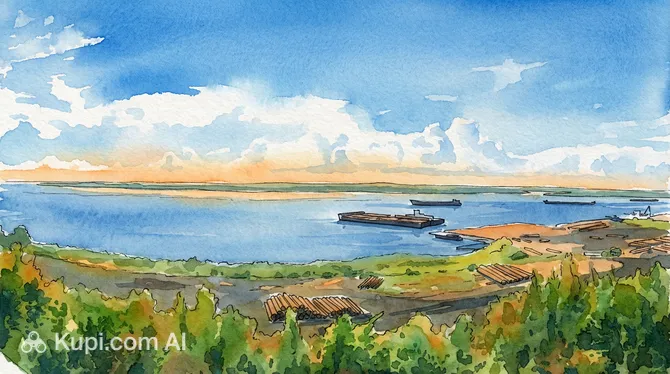
Motygino. Source: Kupi.Binoculars

The geography of the region is defined by the majestic Angara River and the surrounding endless forests. The climate here is continental, offering snowy winters and warm, pleasant summers that are perfect for outdoor activities. Those interested in the history of Motygino will discover that its development has been closely tied to gold mining and river navigation, shaping the character of the local community over the years.

Despite its remote location, Motygino boasts a surprising cultural gem: the Motygino Drama Theater. It is one of the smallest towns in the country to support a professional theater, making it a point of pride for residents and a curiosity for visitors. Nature lovers will also appreciate the scenic beauty of the Angara, which provides excellent opportunities for fishing and photography. Whether you are seeking cultural insights or a quiet retreat into Siberian nature, Motygino welcomes you to experience its quiet charm.

Weather Overview

The climate in this region is defined by sharp seasonal contrasts, typical of its Siberian location. Winters are long and severe, with January being the coldest month, averaging temperatures around -20.0°C and occasionally dropping significantly lower. Conversely, the summer season brings pleasant warmth, with July seeing average temperatures of 18.6°C and highs reaching up to 23.2°C, creating a comfortable environment for outdoor exploration.

While the volume of precipitation is generally recorded as low, the area experiences a notable number of wet days throughout the year, ranging from 8 to 16 days per month. To help plan your packing list and activities, it is advisable to check the current weather in Motygino before your trip. Overall, travelers should expect warm summers with occasional light rain and very cold, dry winters.

Interesting Facts

Beyond its reputation as a remote Siberian outpost, Motygino hides cultural and geographical secrets that surprise even seasoned travelers. This small settlement defies expectations, offering high art amidst the wild taiga and a journey that is an adventure in itself.

  • The Smallest Town with a Professional Theater: Motygino is widely cited as the smallest settlement in the Russian Federation to maintain a state-funded, professional drama theater. The Motygino Drama Theater creates high-quality productions that rival those in big cities, attracting directors and actors from across the country who come to work in this unique, intimate setting.

  • The "Town of Three Ferries": Reaching Motygino by car from the regional capital, Krasnoyarsk, is a legendary challenge known locally as the "Three Ferries" route. Travelers must cross three mighty rivers—the Yenisei, the Taseyeva, and the Angara—none of which have bridges along this path, making the town effectively an "island" accessible only by boat in summer or ice road in winter.

  • Centuries of History: While it may feel like a frontier town, Motygino is actually one of the older Russian settlements in Eastern Siberia. It was founded in 1671, originating as a wintering site for Cossacks and settlers long before many of the region's larger industrial cities existed.

  • A Gold Mining Heart: The settlement's growth and identity are deeply rooted in the "Gold Rush" of the 19th and 20th centuries. The surrounding district remains part of a major gold-bearing belt, and for decades, the local economy and legends have been intertwined with the search for precious metals in the Uderey taiga.

How to Get There

Reaching this remote Siberian settlement is a journey in itself, often requiring a combination of transport modes. While the town is secluded, you can find more about how to get to Motygino and plan your route carefully. The most common approach for long-distance travelers is to fly into the regional capital and continue by road.

The primary gateways for air travelers are located in the regional capital. The nearest major hub is Krasnoyarsk International Airport (IATA: KJA), situated approximately 260 km from Motygino. This facility handles significant passenger traffic and connects the region to numerous destinations. Another convenient option is Cheremshanka (IATA: KCY), a regional airport also serving the area, located roughly 258 km away. From either airport, the ground transfer typically involves a scenic drive that can take around 7 hours, depending on river crossings and road conditions.

For clarity, here is a summary of the main airports:

Airport Name City Passenger Traffic Km from City
Krasnoyarsk International AirportKrasnoyarskLarge260.6
CheremshankaKrasnoyarskMedium258.5

For those preferring rail travel, the most convenient access points are located in neighboring cities. You can arrive at the Lesosibirsk Railway Station in Lesosibirsk, which is about 128 km from Motygino. From there, a taxi or bus ride usually takes about 3 hours and 30 minutes. Alternatively, the Kansk-Yeniseysky Station in Kansk offers connections to major rail networks and is located approximately 229 km away.

Below is a list of the nearest railway stations:

Station City Passenger Traffic Km to Center
Kansk-Yeniseysky StationKanskLarge229.0
Ilanskaya StationKanskMedium231.5
Zaozyornaya StationZaozyornyMedium247.9
Lesosibirsk Railway StationLesosibirskSmall128.4
Karabula StationBoguchanySmall155.0

Main Attractions

While Motygino is a remote settlement, it offers a surprising array of experiences for travelers who make the journey. The town's isolation has fostered a unique cultural and historical identity, blending the rugged beauty of the Siberian taiga with unexpected artistic depth. Here are the main places to visit.

Undoubtedly the most famous landmark is the Motygino Drama Theater. It is a true cultural phenomenon—a professional state theater operating in a small settlement deep in the taiga. Visitors are often astonished by the high quality of the productions, which range from classic plays to modern experimental dramas. Attending a performance here is a must-do experience, offering a surreal and delightful contrast between the wild surroundings and the refined atmosphere of the stage.

For those interested in the region's past, the Motygino District Museum of Local Lore provides a fascinating dive into history. The museum houses collections dedicated to the development of the Angara region, with a special focus on the gold mining industry that shaped the local economy. Exhibits include geological samples, tools from the gold rush era, and artifacts illustrating the daily life of early settlers and the indigenous peoples of the area.

Nature itself is one of the area's greatest attractions, and the Banks of the Angara River offer breathtaking scenery. In summer, the riverbank becomes a place for relaxation, fishing, and picnics. The views of the wide, powerful river framed by endless forests are spectacular, particularly at sunset. It is also a prime spot for photographers looking to capture the raw beauty of Siberian nature.

Another notable site is the Church of St. Basil the Great (Khram Svyatitelya Vasiliya Velikogo). As the main Orthodox sanctuary in Motygino, this wooden church is a spiritual focal point for the community. Its architecture honors traditional Russian styles, featuring timber construction that harmonizes beautifully with the forested landscape. The church offers a peaceful retreat for reflection and stands as a testament to the enduring faith of the locals in this northern region.

Local Cuisine

The culinary landscape of Motygino is deeply rooted in its geography, shaped by the bountiful Angara River and the surrounding Siberian taiga. The local diet is hearty, simple, and designed to sustain people through the harsh winters. While you won't find haute cuisine here, you will discover authentic Siberian flavors that are fresh, organic, and locally sourced. The food culture revolves heavily around fishing, hunting, and gathering, making every meal a reflection of the surrounding wilderness.

Fish is the undisputed king of the local table. Thanks to the town's location on the Angara, freshwater fish dishes are a staple. One delicacy you must try if available is Sugudai. This is a traditional indigenous dish made from fresh, raw fish (often whitefish like muksun or grayling) that is quick-marinated with onion, salt, black pepper, and vegetable oil. Another local favorite is Ukha, a rich and clear fish soup cooked over an open fire, often made with freshly caught pike or burbot. In some seasons, you might also encounter the prized Tugun, a small, fatty fish endemic to Siberian rivers, often served salted.

Meat dishes are equally important, with Siberian Pelmeni taking center stage. These dumplings are typically filled with a mixture of meats—beef, pork, and sometimes game like elk or venison—and are traditionally frozen outdoors in winter before being boiled. The forests around Motygino also provide ingredients that define the local palate. Expect to find dishes featuring wild mushrooms, salted ferns, and wild garlic (cheremsha), which adds a spicy kick to salads and soups.

When it comes to beverages, locals prefer drinks that offer warmth and vitamins. Mors, a fruit drink made from lingonberries or cranberries, is ubiquitous and refreshing. For something hot, herbal tea brewed with local plants like fireweed (Ivan-chai), currant leaves, and thyme is very popular. You may also find pine nut tinctures, which are alcoholic infusions aged on cedar nuts, offering a unique taste of the forest.

The dining scene in Motygino is modest and unpretentious. There are no luxury restaurants; instead, you will find small cafes and canteens (stolovaya) that serve home-style comfort food at affordable prices. These establishments are often favored by locals for lunch and small celebrations. For tourists, the best culinary experiences often come from local hospitality—staying in a guest house or visiting a local market where residents sell homemade pickles, smoked fish, and jars of pine nuts mixed with honey.

Travel Tips

Visiting Motygino is a journey into the authentic Siberian lifestyle, where nature dictates the rhythm of daily life and the community is tight-knit. To help you navigate this remote settlement with ease and respect, here are some practical tips for your adventure.

  1. Clothing and Gear: Preparation is crucial depending on the season. In winter, thermal underwear, a heavy down jacket, and insulated, slip-resistant boots are mandatory as temperatures can drop severely. In summer, while the days are warm, the taiga brings swarms of mosquitoes and midges; bring strong insect repellent, a mosquito net hat, and clothing that covers your arms and legs for forest walks.

  2. Transportation: The settlement is small enough to explore the center on foot, but local taxi services are available and affordable for reaching the outskirts. Crucially, remember that Motygino is accessible via ferry crossings; always check the ferry schedules and ice road conditions (in winter) in advance, as they determine your ability to enter or leave the town.

  3. Finances: While the main grocery stores may accept bank cards, cash is absolutely essential here. Carry sufficient Russian Rubles in small denominations for taxi rides, small kiosks, and potentially for ferry fees if applicable. ATMs are few and can run out of cash, so do not rely on them as your sole source of funds.

  4. Health and Safety: Pharmacies are available in the town center but do not operate 24/7, so bring a supply of your personal prescription medications. If you plan to hike, be aware of ticks in the spring and summer; wear protective clothing and check yourself after spending time in nature.

  5. Communication: Do not expect to rely on English, as it is rarely spoken by locals. Download an offline translation app and offline maps before you arrive. Buying a SIM card from a major Russian provider (like MTS or Tele2) in Krasnoyarsk before your trip is recommended to ensure you have connectivity.

  6. Local Etiquette: Siberians are known for their warm hospitality but appreciate modesty. When entering a private home or a guest house, it is strict etiquette to remove your shoes at the door. A firm handshake is a standard greeting for men, while a polite verbal greeting is common for everyone else.

  7. What to Avoid: Avoid underestimating the distances or the isolation. Do not wander into the deep forest alone without a guide, as the taiga is vast and wild animals, including bears, inhabit the region. Also, avoid littering at all costs; locals have a deep spiritual and practical respect for their natural surroundings.

  8. Theater Planning: If you intend to visit the famous Motygino Drama Theater, book your tickets well in advance. Despite the town's small population, the theater is a local treasure and a regional attraction, meaning performances often sell out quickly.

By keeping these tips in mind, you will be well-prepared to embrace the rugged charm of this unique destination. Enjoy the quiet beauty of the Angara River, the warmth of Siberian hospitality, and the unexpected cultural richness of Motygino.

Entertainment & Nightlife

Nightlife in Motygino is a reflection of its remote, authentic Siberian character. Unlike the bustling metropolises with their neon-lit districts and thumping nightclubs, the evening entertainment here is understated, cozy, and centered around warmth and community. The town does not have a dedicated "clubbing" scene; instead, the nightlife revolves around local cafes that transform into social hubs after dark, offering a place for residents and travelers to unwind, enjoy hearty food, and share stories.

The center of social activity is primarily concentrated along the main thoroughfares, particularly Sovetskaya Street and Pervomayskaya Street. These areas are where the few available venues are located and where you will find the most movement in the evenings. The atmosphere is distinctly casual and friendly. There is no strict dress code—jeans and comfortable seasonal clothing are the norm. Visitors will find that the "crowd" is a mix of local families, workers relaxing after a shift, and the occasional adventurous tourist, all creating a welcoming, small-town vibe.

For those looking to spend an evening out, there are a few specific venues that define the local scene. Cafe Uyut, located on Pervomayskaya Street, is a staple of Motygino's evening life. It is well-regarded for its substantial portions of comfort food, including excellent shashlik (grilled meat skewers) and plov, making it a popular spot for a sit-down dinner that extends into the night. Another key location is Reka Sushi on Sovetskaya Street. While primarily known for its Japanese-inspired menu and pizza, it serves as a modern gathering point for younger locals and offers a relaxed environment for a casual evening meal or a late snack.

If you are seeking a taste of the region's diverse culinary influences, Vostochnaya Kukhnya (Eastern Kitchen) is another venue worth visiting. It offers a simple, no-frills atmosphere where the focus is entirely on the food. These establishments typically operate until around 10:00 PM or 11:00 PM, so it is best to start your evening early. Prices are very affordable compared to big cities, with a full dinner often costing a fraction of what you would pay in Krasnoyarsk or Moscow.

When planning a night out, practical logistics are important. Cash is essential, as card terminals may not always be reliable in smaller venues. Getting around at night is best done via local taxi services, as street lighting can be sparse on the outskirts. You can ask your hotel or the cafe staff to call a car for you. In terms of safety, Motygino is generally calm and safe, but standard precautions apply: avoid unlit backstreets late at night and be mindful of stray dogs, which are common in many Siberian settlements.

While the nightlife is quiet, the daytime and early evening offer rich cultural experiences that set the stage for a relaxing night. The Motygino Drama Theater is the town's cultural crown jewel and offers evening performances that are the highlight of the local social calendar. Visiting the theater is a sophisticated alternative to a bar night. During the day, you can explore the District Museum of Local Lore to understand the gold-mining history of the area or take a peaceful walk along the high banks of the Angara River to watch the sunset before heading to dinner.

Parks & Museums

Motygino offers a distinct blend of cultural heritage and raw natural beauty, where the main attractions are often defined by the wilderness of the taiga and the rich history of Siberian settlers. While the town does not boast the extensive manicured gardens of a large city, its connection to the Angara River and its unique status as a cultural outpost make it a fascinating destination for those seeking authenticity.

The Banks of the Angara River serve as the town's primary natural recreational area, effectively acting as a grand, open-air park for locals and visitors alike. This scenic stretch along the water offers panoramic views of the powerful river and the endless forests on the opposite shore. It is an ideal spot for leisurely walks, photography, and witnessing the dramatic Siberian sunsets. In summer, the riverbanks become a hub for fishing and picnics, providing a peaceful escape where the silence is broken only by the sound of flowing water.

Surrounding the settlement is the vast Siberian Taiga, which functions as a boundless natural park for outdoor enthusiasts. While not a fenced city park, the immediate outskirts of Motygino offer accessible trails for berry and mushroom picking, a popular pastime among residents. The fresh, pine-scented air and the opportunity to see local flora in its undisturbed state make a simple walk into the forest edge a rejuvenating experience. Visitors should always venture here with caution or a local guide, as this is true wilderness.

The cultural heart of the town is the Motygino District Museum of Local Lore. This institution is essential for understanding the region's identity, which was forged by the gold rush and river navigation. The museum features diverse exhibits ranging from geological specimens and minerals found in the Uderey gold district to ethnographic displays showcasing the tools and household items of early Russian settlers and indigenous peoples. It provides a comprehensive narrative of how life has evolved in this remote corner of Siberia over the centuries.

Although primarily a performance venue, the Motygino Drama Theater deserves mention as a key cultural site that often hosts exhibitions in its foyer. As the smallest town in Russia with a professional theater, the building itself is a landmark of cultural resilience. Visitors interested in the arts will find the atmosphere here historically significant, representing the dedication of the community to maintaining high culture amidst the harsh conditions of the north.

Among the architectural highlights is the Church of St. Basil the Great. This wooden structure is a fine example of modern religious architecture that respects traditional Siberian building methods. The use of timber allows the church to blend harmoniously with the surrounding landscape. It stands not only as a place of worship but also as a symbol of spiritual revival in the region, offering a quiet space for contemplation and an appreciation of skilled carpentry.

For a moment of reflection, visitors can seek out the local Memorial to the Heroes of World War II. Like many Russian settlements, Motygino honors those who served with a modest but well-maintained memorial area. It is often surrounded by a small square or green space, providing a solemn and respectful atmosphere that reflects the deep historical memory of the community.

For a truly authentic experience, head to the Ferry Crossing point at sunset. While technically a transport facility, it offers some of the most atmospheric views in the district. Watching the ferries navigate the wide Angara River against the backdrop of the darkening taiga provides a unique insight into the logistical lifeline of the town and offers a perfect, uncurated photo opportunity that captures the essence of life in Motygino.

Getting Around

The public transport system in Motygino is modest and straightforward, reflecting the settlement's small size and remote location. There is no metro, tram, or trolleybus network here. Instead, the local transit infrastructure relies primarily on a limited number of bus routes and minibuses (marshrutkas) that connect the residential districts with the town center, the hospital, and the ferry crossing points. These buses run on specific schedules rather than frequent intervals, so planning your movements in advance is essential.

A unique and vital component of the local transport network is the ferry crossing over the Angara River. While primarily a link to the regional road network, the ferry is deeply integrated into the daily life of the residents. In summer, barges transport vehicles and pedestrians across the wide river, while in winter, an ice road is established. For tourists, taking the ferry is not just a logistical necessity but an atmospheric experience that offers scenic views of the surrounding taiga.

When it comes to payment, cash is the absolute standard. Electronic travel cards, mobile apps, and contactless bank payments are generally not supported on local buses or ferries. You should pay the driver or conductor directly upon boarding. Fares are very affordable, but it is crucial to carry small denominations of Rubles, as drivers may not always have change for large banknotes. Do not expect to find ticket vending machines or kiosks; the system is entirely manual.

For greater flexibility, taxis are the most popular alternative to public buses. Unlike in major cities, ride-hailing apps may not be reliable or available. Instead, local taxi services operate via phone dispatch. It is recommended to ask your hotel reception or a local resident for the phone numbers of trusted taxi companies. Taxis are relatively inexpensive and are the best way to reach specific landmarks or outlying areas quickly, especially during the evening when bus services cease operation.

Given the compact nature of the central area, walking is often the most pleasant way to get around. Most shops, the drama theater, and the museum are located within a reasonable distance of each other. However, if you plan to explore the outskirts or visit the riverbanks, be mindful of the distances and the weather conditions. There are no car-sharing or bike-rental services in the town, so relying on your own feet or a hired car is the norm for short trips.

Travelers should be aware that public transport operating hours are limited. Buses typically start running early in the morning to accommodate workers but may stop service by early evening. If you are attending a late performance at the theater or dining out, you will almost certainly need to arrange a taxi for your return journey. Always check the current schedule for the ferry crossing as well, as it operates at specific times and can be disrupted by adverse weather or river conditions.

Accommodation

Accommodation in Motygino reflects its status as a remote working settlement rather than a mainstream tourist destination. Visitors should not expect international hotel chains or luxury resorts. Instead, the hospitality sector is comprised primarily of small, locally run hotels (gostinitsa) and modest guesthouses. These establishments typically offer basic but clean amenities designed to accommodate business travelers, visiting theater professionals, and the occasional tourist exploring the taiga.

In terms of location, the most convenient places to stay are situated in the central part of the settlement, generally close to Sovetskaya Street or Pervomayskaya Street. Staying in this area places you within walking distance of key attractions, such as the famous drama theater and the local museum, as well as the main grocery stores and cafes. Alternatively, some smaller guest houses may be found closer to the banks of the Angara River, offering quieter surroundings and scenic views of the water.

Booking Tip: Due to the very limited number of rooms available in the town, it is highly recommended to book your accommodation well in advance. The few available hotels can fill up quickly with visiting actors, industrial workers, or during local events, leaving last-minute travelers with few options.

The price range for lodging in Motygino is generally budget-friendly to mid-range. Travelers will find that rates are significantly lower than in large regional cities like Krasnoyarsk. However, booking methods can be somewhat traditional. While some places may be listed on Russian mapping services, they often do not support instant online booking through global platforms. It is frequently necessary to find a phone number and call directly to make a reservation. Additionally, be prepared to pay in cash upon arrival, as card terminals may not always be available at the front desk.

Nearby Cities

For those looking to explore the surroundings, Motygino serves as an excellent base for day trips to several interesting nearby locations:

City Population Distance (km)
Krasnoyarsk1083865265
Achinsk105264334
Zheleznogorsk100740225
Kansk89508227
Lesosibirsk59525130

One of the most accessible destinations for a visit is Lesosibirsk, located approximately 130 km away. Situated on the banks of the Yenisei River, it is a major center for the timber industry but also holds significant cultural value. The city is famous for the Cathedral of the Exaltation of the Holy Cross, which is one of the largest wooden churches in Siberia. Its intricate architecture and the scenic river views make Lesosibirsk a worthwhile stop for those interested in traditional craftsmanship and industrial history.

Although it requires a longer journey, the regional capital, Krasnoyarsk, is the cultural and economic heart of the area. It offers a stark contrast to the quiet life of Motygino with its vibrant urban atmosphere, historic bridges, and the world-renowned Stolby Nature Sanctuary. Visitors can explore numerous museums, enjoy fine dining, and see the iconic Paraskeva Pyatnitsa Chapel, which sits atop a hill overlooking the city and the Yenisei River.

Another interesting option is Kansk, an old merchant town that serves as a gateway to the eastern districts. Historically significant as a stop on the Siberian Route, Kansk preserves elements of its 19th-century architecture. The town is known for its Holy Trinity Cathedral and has gained modern fame for hosting an international video festival, blending its historical roots with contemporary art.

These nearby destinations offer a glimpse into the diverse culture and landscapes of the region.

Shopping & Souvenirs

General Overview: Shopping in Motygino is a practical and authentic experience rather than a glamorous retail therapy session. As a remote settlement in the heart of Siberia, the town does not feature luxury boutiques or international fashion chains. Instead, the local retail scene is focused on essential goods, providing residents with groceries, household items, and basic clothing. For tourists, the charm lies in discovering local food products and the unique atmosphere of a Siberian trading outpost where logistics play a crucial role in product availability.

Main Shopping Areas/Streets: The commercial life of the town is concentrated along its central arteries, primarily Sovetskaya Street and Pervomayskaya Street. A stroll down these streets will take you past a variety of small, independent shops and general stores. This is where the pulse of the town beats, with locals stopping by to pick up daily necessities. The layout is compact, allowing visitors to easily walk between different stores to find what they need, from pharmacies to stationery supplies.

Shopping Malls: Travelers should not expect sprawling modern shopping malls with cinemas and food courts. In Motygino, the concept of a "mall" is represented by smaller "Trading Houses" (known locally as Torgoviy Dom) or mini-centers. These are typically two-story buildings housing a collection of individual counters and small rental spaces selling a mix of apparel, electronics, and home goods. They offer a glimpse into the everyday life of the community, serving as convenient one-stop destinations for residents.

Markets: The most interesting shopping opportunities for visitors are often found at the local markets or informal trading spots. Given the town's location on the Angara River and near the taiga, these markets are the best places to find fresh, local produce. Depending on the season, you can find residents selling goods harvested directly from the wild, such as buckets of fresh berries (lingonberries, cranberries), wild mushrooms, and garden vegetables. It is a raw and honest form of commerce where the quality is organic and the prices are reasonable.

Souvenirs: While there are no dedicated souvenir shops in the traditional sense, you can bring back unique gifts that reflect the Siberian identity. The best souvenirs are edible: pine nuts (cedar nuts) are a regional specialty and are often sold shelled or in cones. Smoked or dried fish from the Angara River is another prized local product that makes for an excellent gift for foodies. Additionally, you might find locally produced honey or herbal teas made from taiga plants like fireweed (Ivan-chai) in local grocery stores.

Opening Hours and Payment: Stores in Motygino generally operate from around 9:00 AM to 8:00 PM, though smaller shops may close earlier or take a lunch break in the afternoon. Weekend hours can be shorter. When it comes to payment, cash is king. While some larger grocery chains and pharmacies accept credit cards, many smaller vendors, market stalls, and kiosks operate exclusively with cash. It is highly advisable to withdraw sufficient Rubles before embarking on your shopping trip.

Tax-Free: The Tax-Free VAT refund system is not available in Motygino. This service is typically restricted to major international retailers in Russia's largest cities. Visitors should plan their budget assuming that the listed price is the final price, with no option for a tax refund at the border.
Reached the end of the page?

That means the route is fully explored