Support

Kodinsk

About

Welcome to Kodinsk, a unique and relatively young city situated in the heart of Siberia. Located within the Krasnoyarsk Krai of the Russian Federation, this settlement offers a fascinating glimpse into life in the northern latitudes. Nestled roughly 735 kilometers northeast of the regional capital, Krasnoyarsk, Kodinsk stands near the majestic Angara River. With a population of approximately 16,000 residents, it maintains a cozy, small-town atmosphere surrounded by the vast, untamed wilderness of the taiga.

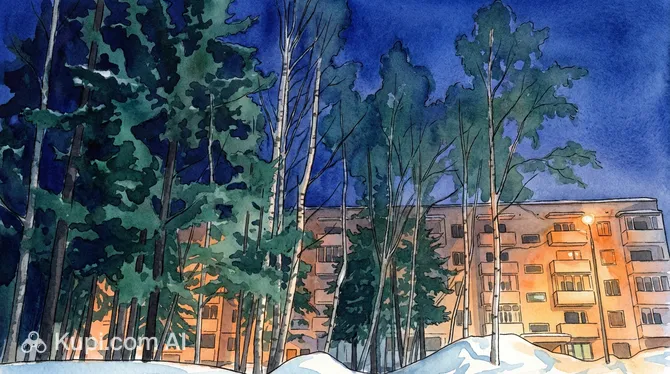
Kodinsk. Source: Kupi.Binoculars

The city's existence is inextricably linked to major industrial projects. Exploring the history of Kodinsk reveals that it was founded in 1977 specifically to support the construction of the Boguchany Hydroelectric Power Station. Consequently, the city features a distinct Soviet-era planned architecture designed to withstand the harsh continental climate, where winters are long and snowy, and summers are short but warm.

For visitors, the primary point of interest is the impressive Boguchany Dam, a marvel of modern engineering that tamed the powerful Angara River. Beyond its industrial heritage, Kodinsk serves as a gateway to outdoor adventures. The surrounding forests are perfect for those who appreciate the serenity of nature, offering opportunities for fishing, hiking, and experiencing the pristine beauty of the Siberian landscape. Whether you are an industrial tourism enthusiast or a nature lover, Kodinsk provides a memorable stop on your journey through Russia.

Weather Overview

Travelers visiting this Siberian city should be prepared for a distinct continental climate characterized by significant seasonal contrasts. The weather in Kodinsk shifts dramatically from deep freezes in the winter to comfortable warmth during the summer months. January is typically the coldest time of the year, with average temperatures hovering around -21.6°C and minimums occasionally dropping to -25.6°C. In contrast, the summer season offers a pleasant respite, particularly in July, when average temperatures rise to 18.9°C and daily highs can reach a comfortable 23.8°C.

Spring and autumn serve as quick transition periods. April sees temperatures hovering near the freezing mark, while May warms up significantly to an average of 8.4°C. Conversely, the cooling trend begins in September and accelerates quickly; by November, the city returns to sub-zero averages of around -11.2°C. Expect warm summers with occasional rain and cold, dry winters, although precipitation days are fairly consistent throughout the year, ranging from 5 to 13 wet days per month.

Interesting Facts

Beyond the main attractions, Kodinsk holds many fascinating secrets that highlight its unique position in the Siberian wilderness. While it appears to be a modern industrial town, its history and surroundings are filled with intriguing details that surprise many visitors.

  • The "Angara Sea": The Boguchany Reservoir, formed by the local dam, is so immense that residents often refer to it as a sea. This vast man-made body of water stretches for hundreds of kilometers and has even slightly altered the local microclimate, creating milder autumns compared to the deep taiga.

  • Ancient Heritage: Before the reservoir was filled, the area underwent one of the most extensive archaeological rescue expeditions in the region's history. Researchers uncovered thousands of artifacts dating back to the Stone Age, proving that this remote territory was a vibrant hub of human activity tens of thousands of years ago.

  • Carved from the Forest: Unlike older cities that expanded gradually, Kodinsk was built entirely from scratch in the midst of the dense taiga. Its urban planning is distinct, featuring wide avenues and tall buildings designed to shield pedestrians from the harsh winds, creating a sharp contrast with the wild nature that begins right at the city's edge.

  • A City of Patience: Kodinsk is defined by the "long construction" of its hydroelectric plant, a project that was paused and delayed for decades. For a long time, the city existed in a unique state of anticipation, preserving its potential and infrastructure until the massive energy project was finally completed in the 21st century.

How to Get There

To reach Kodinsk, travelers can utilize regional aviation hubs situated in the surrounding area. The Ust-Ilimsk airport (IATA: UIK) in the city of Ust-Ilimsk is a convenient option, located approximately 205 km from Kodinsk. The journey by road from there takes approximately 5.5 hours. Alternatively, visitors often choose Bratsk Airport (IATA: BTK) in Bratsk, which is roughly 291 km away. The transfer from Bratsk is longer, taking around 7.5 hours by car or bus. You can find more about how to get to Kodinsk on our detailed page.

For clarity, here is a summary of the main airports:

Airport Name City Passenger Traffic Km from City
Bratsk AirportBratskMedium291.3
Ust-IlimskUst-IlimskSmall205.0

For those preferring rail travel, the closest option is the Karabula Station in the town of Boguchany, situated about 124 km from Kodinsk. From this station, travelers can continue their journey by taxi or bus, which usually takes around 3.5 hours. Other significant railway hubs in the wider region include the Ust-Ilimsk Railway Station in Ust-Ilimsk (225 km away) and the Padunskie Porogi Station in Bratsk (298 km away), though these require significantly longer transfers by road.

Below is a list of the nearest railway stations:

Station City Passenger Traffic Km to Center
Padunskie Porogi StationBratskMedium298.2
Ust-Ilimsk Railway StationUst-IlimskSmall225.1
Reshoty StationBiryusinskSmall297.5
Karabula StationBoguchanySmall123.6

Main Attractions

While Kodinsk is primarily known as a young industrial city, it offers several unique spots that reflect its history, culture, and the grand scale of human engineering in the Siberian taiga. Visitors here can explore a mix of modern industrial might and the preserved heritage of the Angara region.

The most dominant landmark is undoubtedly the Boguchany Hydroelectric Power Station. Although it is an industrial facility with restricted access, the sheer scale of this structure attracts many visitors to the viewing points nearby. Standing as one of the largest hydraulic engineering projects in Russia, the dam creates a stunning visual contrast against the wild natural backdrop. Tourists often come here to witness the immense power of the Angara River being harnessed and to look out over the vast reservoir, often called the "Angara Sea," which stretches as far as the eye can see.

For a deep dive into the local culture, the Kezhma Historical and Ethnographic Museum is a must-visit. Since the construction of the dam led to the flooding of many old villages in the Kezhma district, this museum serves as a vital guardian of the region's memory. It houses a rich collection of artifacts, photographs, and household items saved from the submerged territories. Visitors can learn about the traditional way of life of the Angara settlers, their folklore, and the dramatic history of the area's transformation during the 20th century.

In the heart of the city stands the Church of the Intercession of the Holy Virgin. As a relatively new city, Kodinsk does not have ancient cathedrals, but this church has become a spiritual and architectural centerpiece. Built in a traditional Orthodox style, it offers a peaceful atmosphere and a glimpse into the religious life of the community. Its golden domes stand out brightly against the often snowy landscape, making it a popular subject for photography.

Those looking for a pleasant walk should head to the City Square and Boulevard. This central area serves as the main gathering place for residents and hosts various local festivities and holidays. It is a well-maintained urban space where you can feel the pulse of daily life in Kodinsk, admire local monuments, and enjoy a leisurely stroll before heading out to explore the surrounding nature.

Local Cuisine

The local cuisine in Kodinsk is a true reflection of its location in the heart of the Siberian taiga and on the banks of the Angara River. The food here is hearty, warming, and heavily reliant on the natural bounty of the surrounding wilderness. Visitors should not expect haute cuisine, but rather simple, honest flavors that have sustained people in this harsh climate for generations. The culinary identity of the city is defined by river fish, game meat, and forest gatherings like mushrooms, berries, and pine nuts.

One of the most distinct local specialties worth trying is Sugudai. This is a traditional indigenous dish popular across Northern Siberia, made from fresh raw fish—typically whitefish, muksun, or grayling caught in the local rivers. The fish is sliced into small pieces and marinated briefly with onions, vegetable oil, salt, black pepper, and sometimes a splash of vinegar or lemon juice. It is an excellent appetizer that highlights the freshness of the local catch. Another staple is Siberian Pelmeni, dumplings filled with a mixture of minced meats (often beef, pork, and sometimes venison/elk) which are traditionally frozen outdoors in winter to preserve their flavor.

For those with a sweet tooth or looking for vitamins, the local desserts often feature forest berries. Lingonberry pie or jams made from cloudberries and cranberries are common treats. A unique local snack is pine nuts (cedar nuts), which are harvested in the nearby forests. They are eaten raw, roasted, or used in various confectioneries, offering a rich, buttery taste that is emblematic of the region.

When it comes to drinks, the most popular non-alcoholic choice is Mors, a refreshing berry fruit drink usually made from cranberries or lingonberries. It is tart, sweet, and packed with vitamin C, making it perfect for the cold climate. Herbal teas brewed from local plants, such as Ivan-chai (fireweed), are also widely consumed for their soothing properties. On the stronger side, you might encounter local tinctures infused with pine nuts or berries, which are traditionally served to warm up guests after a long day in the cold.

The dining scene in Kodinsk is modest and unpretentious. You will not find large chains or luxury dining halls here. Instead, locals and tourists usually eat at small, cozy cafes and canteens (known as "stolovaya") that serve home-style Russian and Siberian comfort food. These establishments are typically located in the city center or near the administrative buildings. For a more authentic experience, visitors often head to the local market, where residents sell smoked fish, fresh game, and jars of homemade preserves and pickled mushrooms directly from their households.

Travel Tips

Visiting Kodinsk offers a rare opportunity to experience life in the remote Siberian taiga, but such a journey requires careful preparation to ensure comfort and safety. These practical tips are designed to help you navigate the local climate, logistics, and customs of this unique industrial city.

  1. Clothing and Gear: The most critical factor here is the weather. If visiting in winter, you must bring professional-grade cold-weather gear: thermal underwear, a windproof down parka, insulated trousers, and boots with non-slip soles. Temperatures can drop significantly below freezing. In summer, the climate is warm, but the taiga is famous for insects; packing strong mosquito repellent and a protective face net for forest walks is essential.
  2. Transportation: Kodinsk is a compact city, and most points of interest within the town center are accessible on foot. There is no metro or tram system. For longer distances, such as visiting the dam viewpoint or the airport, rely on local taxi services. Ride-hailing apps like Uber are not operational here; instead, ask your hotel reception or a local host to provide the phone numbers of trusted local taxi dispatchers.
  3. Finances: The official currency is the Russian Ruble (RUB). While major supermarkets and some hotels accept credit cards (primarily local systems, so international cards may have issues), cash is king in smaller shops, kiosks, and for taxi fares. It is highly advisable to withdraw sufficient cash in a larger city like Krasnoyarsk or Bratsk before arrival, although there are ATMs available in the city center.
  4. Health and Safety: The city is generally safe, but the environment poses risks. In winter, frostbite is a real danger; never stay outdoors too long without moving. In summer, if you venture into the surrounding forests, be aware of ticks and wildlife, including bears. Pharmacies (marked as "Apteka") are available, but they may not operate 24/7, so bring a supply of any prescription medications you need.
  5. Communication: English is not widely spoken in Kodinsk. Learning the Cyrillic alphabet and a few basic phrases in Russian will be incredibly helpful. It is strongly recommended to download an offline translation app and offline maps (like Yandex Maps) to your smartphone before you arrive. You can purchase a local SIM card at mobile phone shops in the city center for internet access.
  6. Local Etiquette: Siberians are known for their hospitality, though they may appear reserved at first. When entering a private home or even some hostels, it is mandatory to remove your shoes at the door. Handshakes are the standard greeting for men. If you are invited to a local's home, bringing a small gift, such as tea or sweets, is a polite gesture that will be appreciated.
  7. What to Avoid: Do not attempt to enter restricted zones around the Boguchany Hydroelectric Power Station. It is a strategic facility with strict security; take photos only from designated public viewpoints. Additionally, avoid drinking tap water unless it has been boiled or filtered; buying bottled water is the safest option for tourists.
  8. Seasonal Daylight: Be prepared for extreme variations in daylight hours. In June, the city experiences "White Nights" where it barely gets dark, which can affect your sleep cycle—an eye mask is useful. Conversely, in December, daylight is very limited, so plan your outdoor sightseeing for the brief window around noon.

By keeping these practicalities in mind, you can focus on the incredible industrial architecture and the wild beauty of the Angara region without worry. Kodinsk is a place for the adventurous spirit, and with the right preparation, your visit to this Siberian outpost will be a smooth and memorable experience.

Entertainment & Nightlife

Nightlife in Kodinsk is concentrated and intimate, reflecting the city's close-knit community spirit. While you won't find neon-lit boulevards or a wide variety of dance floors, the available venues offer a warm welcome and a chance to experience how Siberians relax after a work week. The action is primarily located along the central streets, such as Kolesnichenko Street and Mayakovskogo Street, where the most popular spots are situated within a short distance of each other.

For those looking to dance or enjoy a lively bar atmosphere, BeerLin is one of the main destinations in town. Located on Kolesnichenko Street, this venue often operates late into the night, serving as a classic nightclub where music pumps until dawn, particularly on Fridays and Saturdays. The crowd here is diverse but generally young and energetic. Another popular spot is the Nebesa bar on Mayakovskogo Street. It offers a slightly more relaxed lounge vibe early in the evening which transitions into a party atmosphere as the night progresses. It is a good place to enjoy cocktails and socialize with locals in a casual setting.

If you prefer a venue that combines late-night dining with drinks, Bar Tandyr is a well-known local establishment. It is appreciated for its extended opening hours, often staying open until 02:00 or even 05:00 on weekends, making it a reliable stop for night owls. The atmosphere in these places is generally informal. There is no strict dress code, but "smart casual" is the standard; locals tend to dress neatly for a night out. Prices are very affordable compared to larger Russian cities, with entry fees being nominal or non-existent depending on the event.

When planning a night out, keep in mind that public transport does not operate late at night. The city is small enough to walk, but given the harsh Siberian temperatures in winter and the lack of street lighting in some areas, taking a taxi is the safest and most comfortable option. Ride-hailing apps may not be reliable here, so it is best to ask your hotel reception for the phone number of a local 24-hour taxi dispatch service. The city is generally safe, but standard precautions apply: avoid unlit courtyards and keep your valuables secure.

For a more cultural or relaxed evening entertainment, the House of Culture "Rassvet" (DK Rassvet) serves as the city's primary hub for concerts, theatrical performances, and holiday festivities. While not a nightlife venue in the traditional sense, it hosts the main social events in the city. Additionally, for a casual evening with food and perhaps a family-friendly vibe before the late hours set in, the DonBalon entertainment complex offers a mix of dining and leisure activities.

Parks & Museums

As a city carved directly out of the dense Siberian forest, Kodinsk offers a distinct blend of planned urban green spaces and wild, untouched nature. Its cultural landscape is deeply poignant, serving as a guardian of the memory of the Angara region's flooded villages. Visitors here will find that the parks are not just places for leisure but also for remembrance, while the local museum serves as the spiritual heart of the community.

The most significant green space in the city is the Square of Memory of Angara Villages. This landscaped area is more than just a park; it is a tribute to the settlements that were submerged during the filling of the Boguchany Reservoir. Walking through its paths, tourists can feel the deep connection the locals have with their history. It is a quiet, contemplative spot perfect for a slow walk, allowing visitors to understand the price of industrial progress. The square connects with the city's central pedestrian artery, the City Boulevard, which is lined with trees and benches, serving as the main social hub where residents gather for evening strolls.

For a true immersion in nature, the surrounding Taiga acts as the city's largest and most impressive "park." Unlike typical manicured gardens, the forest begins right where the pavement ends. Local trails lead directly from the city limits into the wilderness, offering opportunities for berry picking, cross-country skiing in winter, and hiking in summer. The fresh, pine-scented air here is invigorating, and the proximity to the Angara River provides scenic spots for picnics and fishing, making it a paradise for outdoor enthusiasts.

The cultural crown jewel of the city is the Kezhma Historical and Ethnographic Museum. This institution is unique because it functions as a "rescue ark" for the culture of the Angara region. Its most famous exhibit, the "Angara Hut," meticulously recreates the interior of a traditional peasant house with original tools, furniture, and clothing saved from the flooded zones. Tourists are often captivated by the museum's efforts to preserve not just objects, but the intangible heritage of the area, including the distinct Angara dialect and folk songs which are kept alive within these walls.

Another vital center for local culture is the House of Culture "Rassvet". While primarily a venue for performances and community events, it frequently hosts temporary art exhibitions and displays showcasing the talents of local craftsmen and children. It is the beating heart of Kodinsk's social life, where visitors can often catch a glimpse of Siberian creativity through concerts or craft fairs that reflect the resilience and warmth of the people living in the North.

Among the city's monuments, the Memorial of Glory stands out as a solemn site dedicated to the soldiers of World War II. It is a standard yet essential part of the town's identity, where flowers are laid on Victory Day. Nearby, you may find the Square of Angara Builders, which honors the thousands of workers who came to this remote corner of the Russian Federation to build the massive hydroelectric dam. These landmarks offer a brief but meaningful insight into the Soviet-era heroism that birthed the city.

Insider Tip: If you visit the Ethnographic Museum, ask the guides if they can play recordings of the "Angara tunes" or demonstrate the local dialect. It is a rare auditory experience that transports you back to the 19th-century Siberian hinterland, a world that now exists only in memory and museum archives.

Getting Around

The public transport system in Kodinsk is quite modest, reflecting the compact size and the specific layout of this young industrial city. Unlike larger metropolises, there is no metro, tram, or trolleybus network here. The primary mode of public transportation consists of municipal buses and privately operated minibuses, known locally as marshrutkas. These vehicles circulate along a few fixed routes that connect the residential districts with key administrative buildings, the hospital, and the industrial zones near the hydroelectric plant.

For tourists, the payment system is straightforward but somewhat old-fashioned compared to major tech hubs. You will not find turnstiles or electronic travel cards here. Fares are typically paid directly to the driver or a conductor upon boarding or exiting the vehicle. It is essential to carry cash, preferably in smaller denominations of the local currency, as credit card terminals on buses are rare or non-existent. The cost of a single journey is very affordable, usually a fixed rate regardless of the distance traveled within the city limits.

Given the city's small footprint, walking is often the most efficient way to get around the central area. However, if you need to travel during the harsh winter months or reach destinations on the outskirts, taxis are the most popular alternative to buses. It is important to note that international ride-hailing apps like Uber do not operate in Kodinsk. Instead, locals rely on telephone dispatch services. You can ask your hotel reception or a local host to call a cab for you; cars usually arrive quickly, and fares are generally negotiated or fixed by the dispatcher.

Travelers should be aware that the operating hours of public transport are limited. Buses generally run from early morning until the early evening, with frequency dropping significantly after 20:00. On weekends and holidays, the intervals between buses can be longer. Therefore, if you are planning a late dinner or an evening event, it is highly recommended to have the phone number of a local taxi service handy to ensure you can return to your accommodation safely.

While there are no "special" transport features like funiculars or historical trains, the transport experience in Kodinsk offers a glimpse into authentic daily life in a Siberian town. The routes are designed purely for function rather than tourism. Stops are often marked simply, sometimes without detailed timetables, so asking locals for advice on which bus to take is a common and accepted practice. The locals are generally helpful and will guide you to the right stop.

Accommodation

Accommodation options in Kodinsk are quite limited, reflecting its status as a small, remote industrial city rather than a mainstream tourist destination. Visitors will not find large international hotel chains or luxury resorts here. Instead, the hospitality sector is primarily geared towards business travelers, engineers, and specialists visiting the Boguchany Hydroelectric Power Station. The available lodging typically consists of small, functional hotels and local guesthouses that offer basic but comfortable amenities suitable for short stays.

In addition to standard hotels, the rental market for private apartments is a popular alternative. Many visitors choose to rent fully furnished flats for a few days, which can often provide more space and kitchen facilities compared to a standard hotel room. This option is particularly convenient for those planning a longer visit or looking for a more "home-like" environment. These rentals are usually scattered throughout the residential blocks of the city center.

The city is compact, so location is rarely an issue regardless of where you stay. Most accommodation options are concentrated in the central part of Kodinsk, within walking distance of the main administrative buildings, the City Square, and local shops. Staying in the center ensures easy access to the few dining establishments available and the taxi dispatch points. There are no distinct "tourist districts," so any central location will be convenient for exploring the town or heading out to the surrounding nature.

Booking Tip: Due to the limited number of rooms and the steady flow of industrial workers, it is highly recommended to book your accommodation well in advance. During periods of maintenance work at the dam or local conferences, hotels can reach full capacity very quickly. While some properties are listed on major Russian online booking platforms, others may require a direct phone call to secure a reservation.

Prices in Kodinsk are generally affordable and fall into the budget to mid-range category. Luxury pricing is non-existent here. Travelers should be prepared to pay in cash, as smaller guesthouses or private landlords may not have card terminals. It is advisable to clarify payment methods when making your booking to ensure a smooth check-in process.

Nearby Cities

For those looking to explore the surroundings, Kodinsk serves as an excellent base for day trips to several interesting nearby locations:

City Population Distance (km)
Bratsk231602299
Zheleznogorsk100740428
Kansk89508338
Ust-Ilimsk81976220
Lesosibirsk59525392

While the distances in Siberia are significant, a few of these cities offer unique experiences that justify the journey. Ust-Ilimsk is the closest major neighbor and shares a similar industrial spirit with Kodinsk. It is well-known for its own massive hydroelectric plant and a scenic tram line that runs through the picturesque taiga forest, offering visitors a unique way to admire the Siberian landscape.

Further away lies Bratsk, a key cultural and industrial hub of the region. History enthusiasts will appreciate the "Angara Village," an open-air ethnographic museum located here. This complex features preserved wooden towers and traditional peasant houses that were relocated from the flood zones of the reservoir, providing a fascinating look into the traditional architecture and way of life of the Angara people before the industrial era.

Kansk offers a different atmosphere with its historical merchant architecture. Unlike the younger, planned cities of the north, Kansk has preserved several pre-revolutionary buildings and the Holy Trinity Cathedral, allowing travelers to step back in time and see a different side of Siberian history.

These nearby destinations offer a glimpse into the diverse culture and landscapes of the region.

Shopping & Souvenirs

Shopping in Kodinsk is a modest and functional affair, reflecting the city's status as a small industrial community in the Siberian taiga. Travelers should not expect sprawling luxury malls or high-end fashion boutiques here. Instead, the local retail scene focuses on essential goods, outdoor gear suitable for the harsh climate, and, most notably, high-quality local food products. For visitors, the shopping experience is less about browsing international brands and more about discovering the unique natural bounty of the Krasnoyarsk region.

The main commercial activity is concentrated along the central arteries of the city, particularly on Kolesnichenko Street and Mayakovskogo Street. These streets are lined with a variety of small shops, pharmacies, and grocery stores that cater to the daily needs of residents. A stroll down these avenues offers a glimpse into local life, where you can find everything from warm winter clothing and fishing equipment to books and stationery. It is a compact area, easily navigable on foot, allowing tourists to visit multiple stores without the need for transportation.

While there are no massive shopping entertainment complexes, Kodinsk does feature several smaller indoor shopping centers, often referred to as "Torgoviy Tsentr." These multi-story buildings house a collection of independent stalls and small boutiques under one roof. They are the go-to places for clothing, shoes, electronics, and household items. These centers provide a warm refuge during the cold winter months, allowing locals to shop in comfort. The selection is practical, with a strong emphasis on durability and utility suited to life in the North.

For a more authentic and flavorful experience, the local markets are the highlight of shopping in Kodinsk. Here, the connection to the surrounding nature is most visible. Residents and farmers from nearby areas sell fresh produce, dairy, and forest gatherings. This is the best place to find fresh river fish caught in the Angara, such as grayling or pike, often sold smoked or dried. In late summer and autumn, the counters are filled with wild berries like lingonberries and cranberries, as well as various types of mushrooms gathered from the taiga.

When it comes to souvenirs, the best gifts to bring back from Kodinsk are edible ones that capture the essence of Siberia. Pine nuts (cedar nuts) are a local staple and are significantly fresher and more affordable here than in western Russia. You can find them shelled, in their cones, or pressed into rich cedar oil. Another popular gift is pine cone jam, a unique sweet treat made from young green cones. Herbal teas featuring local plants like Ivan-chai (fireweed) and Sagan-Daila are also excellent choices, known for their restorative properties and distinct aroma.

Most shops in Kodinsk operate from approximately 10:00 AM to 7:00 PM or 8:00 PM. Grocery supermarkets often stay open later, sometimes until 10:00 PM or 11:00 PM. Regarding payment, major supermarkets and established stores generally accept credit and debit cards. However, if you plan to visit the markets or smaller kiosks to buy souvenirs and local delicacies, carrying cash is essential, as many individual vendors do not have card terminals. ATMs are available in the city center for withdrawals.

Visitors should be aware that the Tax-Free shopping refund system is not available in Kodinsk. The city does not participate in the international tax refund schemes found in major tourist hubs like Moscow or St. Petersburg. Therefore, the price you see on the tag is the final price you pay.
Reached the end of the page?

That means the route is fully explored