Support

Boguchany

About

Nestled along the banks of the mighty Angara River, Boguchany is a captivating destination for travelers seeking to experience the vast beauty of Siberia. As the administrative center of its district in the Krasnoyarsk Krai, this locality serves as a gateway to the untamed wilderness of the Russian Federation. Despite its modest size, with a population of over 11,000 residents, it holds a significant place in the region's geography and culture, offering a genuine glimpse into life in the northern latitudes.
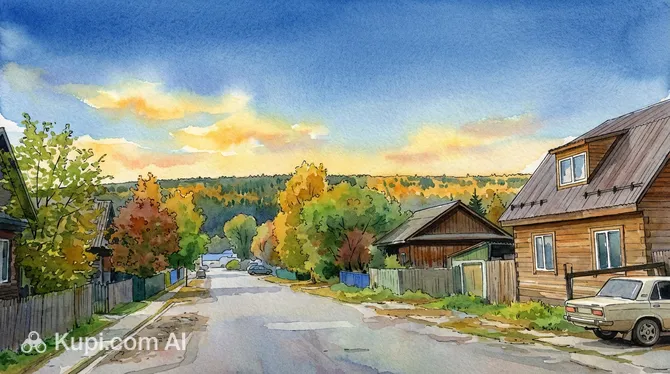
Boguchany. Source: Kupi.Binoculars

Founded as a Cossack winter settlement in 1642, the village has a rich past that spans centuries. Visitors interested in the deep roots of this Siberian settlement can explore the history of Boguchany to learn more about its development from a small outpost to a modern rural hub. The local atmosphere preserves a sense of tradition, offering a quiet retreat from the bustle of major cities, where the pace of life flows as steadily as the river beside it.

The region is renowned for its stunning natural landscapes, which are the main draw for visitors. The Angara River provides breathtaking views and excellent opportunities for outdoor activities such as fishing and boating. Surrounding the village is the endless taiga, perfect for nature lovers who appreciate pristine forests and fresh air. For cultural insight, the local history museum offers exhibits detailing the ethnographic heritage and the lives of the early settlers.

Whether you are passing through on a journey across Siberia or looking for an authentic rural experience, Boguchany welcomes you with its northern hospitality and scenic charm.

Weather Overview

Travelers visiting this Siberian destination should prepare for a climate defined by significant contrasts between the seasons. The summer months, particularly from June to August, offer the most comfortable conditions for outdoor activities, with average temperatures generally ranging from 16°C to 18°C. July is typically the warmest month, where daily maximums can reach a pleasant 23.5°C, making it an ideal time to explore the river banks and surrounding nature.

In stark contrast, the winter season is long and severe, requiring heavy thermal clothing. From December through February, the region experiences deep freezes, with average temperatures often dropping to around -21°C in January and minimums plunging as low as -25.2°C. Spring and autumn are brief transition periods where the weather shifts rapidly; for instance, April sees averages just above freezing, while November quickly returns to sub-zero conditions.

Precipitation remains consistently low throughout the year, usually hovering between 1mm and 2mm per month, resulting in dry air regardless of the temperature. Expect warm summers with minimal rainfall and bitterly cold, dry winters. To plan your packing list effectively, be sure to check the current weather in Boguchany before your trip.

Interesting Facts

Beyond its scenic river views, Boguchany holds several fascinating secrets that reveal its deep historical roots and unique local character. This Siberian village is not just a dot on the map but a place where centuries of history meet surprising modern achievements.

  • Older Than It Looks: Boguchany is one of the oldest Russian settlements in Siberia, founded as a Cossack winter outpost (zimovye) back in 1642. It was established even before many major Siberian cities, serving originally as a collection point for the fur tax (yasak) from the local indigenous population.

  • The "Missing" Dam: One of the most common misconceptions is about the famous Boguchany Dam, one of Russia's largest hydroelectric power plants. Despite its name, the dam is not actually located in Boguchany; it is situated in the town of Kodinsk, approximately 150 kilometers upstream on the Angara River. The project retained the name of the district center, leading to frequent confusion for visitors.

  • Indigenous Roots: The name "Boguchany" is derived from the Evenki language, the native tongue of the region's original inhabitants. It is believed to come from the word "Boguchan," reflecting the area's geography and the deep connection the Evenki people have with this land long before the arrival of European settlers.

  • A Football Phenomenon: For a rural locality, Boguchany has an surprisingly impressive sporting legacy. Its local football club, FC Angara, became a regional legend by winning the Krasnoyarsk Krai Championship ten times—a record achievement for a village team. They even played professionally in the Russian Second League in the early 1990s, hosting major clubs in their small stadium.

  • Climate of Extremes: The village experiences some of the most drastic temperature variations on the planet. While winters are severely cold with temperatures dropping below -40°C, the summers can be surprisingly tropical, with record highs reaching nearly +38°C. This difference of almost 80 degrees between seasons shapes the resilient character of the locals.

How to Get There

Reaching this remote Siberian destination requires a bit of planning due to the vast distances of the Krasnoyarsk Krai. While the journey takes you through the heart of the taiga, understanding your transport options is essential for a smooth trip. For a detailed breakdown of routes and schedules, you can read more about how to get to Boguchany.

The city does not have its own major international airport. Travelers typically fly into the regional capital, Krasnoyarsk, which serves as the main air hub for the area. From there, visitors must continue their journey by ground transport, such as a bus or train, to reach the district of Boguchany.

For those preferring rail travel, the most direct option is Karabula Station, which is located in the vicinity of Boguchany, approximately 35 km from the city center. From this station, a taxi or local shuttle can get you to the town in about 50 minutes. Alternatively, travelers often use the major transport hubs on the Trans-Siberian Railway, such as Kansk-Yeniseysky Station or Ilanskaya Station, both located in the city of Kansk. However, keep in mind that these stations are roughly 250 km to 265 km away, requiring a subsequent bus or taxi transfer that takes approximately 4 hours.

For clarity, here is a summary of the main railway stations serving the area:

Station City Passenger Traffic Km to Center
Kansk-Yeniseysky Station Kansk Large 264.6
Ilanskaya Station Kansk Medium 252.3
Reshoty Station Biryusinsk Small 247.7
Yurty Railway Station Biryusinsk Small 260.5
Karabula Station Boguchany Small 34.6

Main Attractions

Despite its status as a rural locality, Boguchany offers several compelling sites that reflect the rich history and culture of the Angara region. Visitors can explore a mix of historical monuments and spiritual centers, all set against the scenic backdrop of the majestic Angara River, which defines the natural character of this Siberian settlement.

One of the most significant cultural institutions is the Boguchany Museum of Local Lore named after D.M. Andon. Located on Partizanskaya Street, this museum serves as the guardian of the district's history. Its exhibits offer a deep dive into the life of the Angara people, showcasing ethnographic items, tools, and household objects from the 17th to the 19th centuries. Visitors can also learn about the history of political exiles in the region and the contributions of local residents during World War II. The museum preserves the legacy of D.M. Andon, a local enthusiast who played a pivotal role in protecting the area's heritage.

For those interested in architecture and spiritual history, the Church of Saints Peter and Paul is a must-visit. While the original historical church was lost to time, a new wooden church was constructed and consecrated in 2012 to continue the spiritual traditions of the village. It stands as a serene landmark where travelers can appreciate the modern craftsmanship of Siberian wooden architecture and experience the peaceful atmosphere of the local Orthodox community.

In the heart of the village, on Oktyabrskaya Street, stands the Memorial to the Warriors of the Great Patriotic War. This solemn monument honors the memory of the soldiers from Boguchany who fought and died during the conflict. It serves as an important place of remembrance for the locals and offers visitors a chance to pay their respects while learning about the village's sacrifices during the 20th century.

Local Cuisine

The local cuisine in Boguchany is deeply rooted in the traditions of Siberia, shaped by the harsh climate and the bountiful natural resources of the surrounding taiga and the Angara River. Visitors should not expect haute cuisine but rather hearty, warming dishes prepared with fresh, locally sourced ingredients. The foundation of the local diet consists of river fish, game meat, wild berries, and mushrooms, offering a genuine taste of the northern lifestyle.

Given the village's location on the banks of the Angara, fish dishes are the undisputed highlight of the menu. A must-try delicacy is sugudai, a traditional indigenous dish made from fresh raw fish—typically whitefish, grayling, or muksun—marinated in oil, vinegar, onions, and spices. It is a flavorful and authentic appetizer that perfectly captures the essence of the region. Another staple is Siberian pelmeni (dumplings), which are often handmade and filled with a mixture of meats, sometimes including elk or bear meat for a richer taste, served with sour cream or broth.

When it comes to beverages, the locals prefer drinks that provide warmth and vitamins during the long winters. Mors, a refreshing non-alcoholic fruit drink made from lingonberries or cranberries harvested in the nearby forests, is a common accompaniment to meals. Tea culture is also strong here; you will often be offered herbal teas brewed with local plants like thyme, oregano, and currant leaves. For those seeking something stronger, tinctures infused with pine nuts or northern berries are popular local alcoholic specialties.

The food culture in Boguchany is unpretentious and revolves around hospitality. There are few upscale restaurants; instead, dining out typically means visiting small cafes or canteens (stolovaya) that serve simple, home-style comfort food. Street food is practically non-existent in the traditional sense, but local markets often sell smoked fish, salted mushrooms, and pickled wild garlic (cheremsha), which are excellent snacks for travelers looking to sample the flavors of the Siberian wilderness.

Travel Tips

Visiting Boguchany offers a unique glimpse into the authentic lifestyle of rural Siberia, but its remote location and extreme climate require careful preparation to ensure a comfortable journey. To help you navigate this fascinating destination with ease, here are some essential practical tips for your trip.

  1. Clothing and Gear: Your wardrobe must align strictly with the season. In winter, thermal underwear, heavy down jackets, insulated boots, and windproof face protection are mandatory, as temperatures can drop below -40°C. In summer, while days are warm, the taiga is filled with biting midges (moshka) and mosquitoes. Bring loose-fitting, long-sleeved clothing and a head net, along with strong insect repellent, to enjoy the outdoors without discomfort.

  2. Transportation: As a rural locality, Boguchany does not have a public transport network like a metro or tram system. The village is compact enough to explore on foot, but for longer distances or in bad weather, local taxis are the primary mode of transport. Ride-hailing apps like Uber or Yandex Go may not work reliably here; it is better to ask your accommodation host for the phone numbers of local dispatch services.

  3. Finances: The official currency is the Russian Ruble (RUB), and you should not expect to use foreign currencies anywhere. While major supermarkets and some pharmacies accept credit cards, cash is king in smaller shops, local markets, and for taxi fares. There are ATMs available, typically belonging to Sberbank, but it is wise to withdraw sufficient cash upon arrival to cover your daily expenses.

  4. Health and Safety: The village is generally very safe, but the natural environment poses specific risks. If you plan to walk in the forest or tall grass between May and July, be vigilant about ticks, which can carry encephalitis; tuck your pants into your socks and check your body afterwards. Pharmacies are available in the center but are usually not open 24/7, so bring a personal supply of essential medications.

  5. Communication: English is not widely spoken in Boguchany. It is highly recommended to download an offline translation app and learn the Cyrillic alphabet to read street signs and store names. Purchasing a local SIM card (MTS, Tele2, or Megafon) is advisable for staying connected, as Wi-Fi may not be available in all public spaces.

  6. Local Etiquette: Siberians are known for their hospitality but value respect for domestic traditions. If you are invited into a local home, you must remove your shoes at the door; hosts will often provide slippers. A small gift, such as chocolates or tea, is a polite gesture when visiting someone. In public, a firm handshake is the standard greeting for men.

  7. What to Avoid: Do not drink tap water unless it has been boiled or filtered, as the plumbing infrastructure in rural areas can vary in quality. Also, avoid underestimating the distances between settlements in this region; never set out on a long drive or hike into the forest without notifying someone of your plans and carrying emergency supplies.

  8. Local Insight: For a true taste of the region, visit the local market early in the day. This is where residents sell homemade goods, including smoked river fish, pine nuts, and wild berry jams. It is the best place to buy authentic souvenirs and interact with the community, but remember to bring small denominations of cash.

By keeping these practicalities in mind, you can look past the logistical challenges and fully appreciate the rugged beauty and warm hospitality that define this corner of the Russian Federation. A well-prepared traveler is sure to find Boguchany a memorable stop on their Siberian adventure.

Entertainment & Nightlife

As a rural locality in the heart of Siberia, Boguchany offers a nightlife scene that is distinct from the bustling energy of a metropolis. Entertainment here is intimate, community-focused, and centered around warm hospitality. Travelers should not expect sprawling nightclub districts or neon-lit avenues; instead, the evening culture revolves around cozy establishments that seamlessly transition from daytime dining to evening social hubs. The atmosphere is relaxed and unpretentious, where locals gather to unwind, enjoy music, and celebrate special occasions.

The main artery for social activity in the village is Oktyabrskaya Street. This central thoroughfare and its surrounding areas host the majority of the popular venues where the town comes alive after dark. On weekends, the vibe shifts from quiet dinners to a more lively setting with music and dancing. The dress code is almost exclusively casual; practical and warm clothing is the norm, especially during the colder months, though guests often dress up a bit for Friday and Saturday nights.

For those looking to experience the local evening scene, Cafe-Bar "Jem" is a standout location. Situated on Oktyabrskaya Street, it operates as a cafe during the day but takes on a pub-like atmosphere in the evening. It is a favorite among locals for its diverse menu and is one of the few places where you can enjoy a vibrant bar setting late into the night. Another popular venue is Cafe-Bar "Izumrud" (Emerald), which is well-known for its extended opening hours, often welcoming guests until 01:00 or even 03:00 on weekends. It offers a mix of hearty food and a space for dancing, making it a go-to spot for night owls.

If you prefer a quieter evening focused on good food and conversation, Cafe "Cherdak" on Novoselov Street is an excellent choice. While it is primarily a restaurant known for its cozy interior and tasty dishes, it provides a pleasant atmosphere for a late dinner before heading home. These venues typically accept cash and cards, but carrying some cash is always advisable in rural areas to avoid any payment issues.

Practical advice is essential for a smooth night out in Boguchany. Public transport does not operate late at night, so you will need to rely on local taxi services to get back to your accommodation. Ride-hailing apps common in big cities may not work here, so ask your hotel or the venue staff to call a car for you. The village is generally safe for evening walks, but street lighting can be sparse on the outskirts, so it is best to stay near the central streets or take a taxi.

Beyond the nightlife, Boguchany offers modest daytime entertainment options. Cultural life often centers around the "Geofizik" Culture House, which hosts concerts, local performances, and community events. For those interested in active leisure, the "Sibiryak" Sports Complex provides facilities for sports and recreation. While the options are limited compared to a big city, they offer a genuine slice of life in the Krasnoyarsk Krai.

Parks & Museums

While Boguchany may not boast the extensive park systems of a major metropolis, its connection to the surrounding wilderness and its dedication to preserving local history make it a fascinating destination for those who appreciate authentic Siberian culture. The village seamlessly blends into the vast taiga, offering visitors a unique opportunity to explore natural landscapes that begin right at the edge of the streets, alongside cultural institutions that safeguard the memory of the Angara region.

The Angara River Embankment serves as the village's primary natural promenade and is arguably the most scenic spot in the area. Stretching along the majestic river, this unpaved but beloved walking route offers panoramic views of the water and the endless forests on the opposite bank. It is a favorite place for locals to stroll during the long summer evenings, watch the sunset, or simply enjoy the fresh river breeze. For tourists, it provides direct access to the water for fishing or boating, acting as a natural gateway to the wild beauty of the Krasnoyarsk Krai.

In the heart of the village, the Memorial Square stands as a solemn and well-maintained green space dedicated to the memory of local soldiers who perished in the Great Patriotic War. This area is more than just a monument; it is a quiet park-like zone where visitors can sit on benches amidst flowerbeds and trees, reflecting on the history of the community. The square is the focal point for local celebrations and offers a peaceful retreat from the daily routine, showcasing the village's respect for its past.

The cultural crown jewel of the district is the Boguchany Museum of Local Lore named after D.M. Andon. Founded by a dedicated local historian, this museum is a treasure trove of ethnographic artifacts that tell the story of the Angara people. Visitors can explore exhibits featuring traditional tools, household items, and clothing that reveal the daily life of Siberian peasants and indigenous groups from centuries past. The museum also houses collections related to the region's natural history and the paleontological finds discovered in the river valley, making it an essential stop for anyone wanting to understand the deep roots of this settlement.

Another key cultural hub is the "Geofizik" House of Culture. While primarily a venue for community events and performances, it often serves as a gallery space for local artists and traveling exhibitions. It represents the living culture of modern Boguchany, hosting concerts, craft fairs, and festivals that bring the community together. For a tourist, stopping by during an event offers a chance to see the vibrant social life of the village and perhaps purchase handmade souvenirs from local artisans.

For a truly authentic experience, take a walk through the older streets near the riverbank to see the remaining examples of traditional Siberian wooden architecture. Many of these private homes, with their intricate window frames and sturdy log construction, act as an open-air gallery of rural craftsmanship. These structures, some of which have stood for generations, offer a glimpse into the architectural heritage that the local museum strives to preserve.

Getting Around

Navigating Boguchany is a straightforward experience, distinct from the complex logistics of larger cities. As a rural locality with a population of just over 11,000 people, the public transport system here is modest and functional, designed primarily to connect the residential areas with the administrative center and the regional bus station. Travelers should adjust their expectations accordingly; there are no metros, trams, or trolleybuses in this Siberian settlement.

The primary mode of public transportation consists of local buses and minibuses (marshrutkas). These vehicles operate on a few fixed routes that link the central streets, such as Oktyabrskaya, with the outskirts and the local airport. The service frequency is generally adequate for the needs of the residents but can be sparse during the middle of the day and significantly reduced in the evenings. The buses are typically small, Russian-made models like the PAZ, which are well-suited for the local road conditions.

The payment system is strictly traditional. There are no electronic travel cards, mobile apps, or turnstiles here. You simply pay the fare in cash directly to the driver or a conductor upon boarding or exiting. The cost of a ride is very affordable. It is highly recommended to carry small denominations of Russian Rubles (coins and small notes), as drivers may not always have change for large bills.

For tourists, the most practical advice is to check the schedule at the main bus stops, although these can sometimes be informal. Buses typically operate from early morning, around 07:00, until the early evening, often winding down by 19:00 or 20:00. If you plan to travel later than this, public transport will likely not be an option.

Given the limited operating hours of buses, taxis are the most popular and reliable alternative for getting around, especially in winter or when carrying luggage. Unlike in major metropolitan areas, international ride-hailing apps like Uber or large-scale aggregators may not be available or reliable. Instead, the local system relies on telephone dispatch services. You can find the phone numbers of local taxi companies at your hotel, the bus station, or posted near shops. Prices are generally fixed or calculated by distance, and payment is almost exclusively in cash.

For those staying in the central part of Boguchany, walking is often the best way to see the village. The settlement is compact, and key locations like the museum, the river embankment, and the main shops are within a reasonable walking distance of each other. However, always consider the weather; while walking is pleasant in the summer, the severe winter temperatures make motorized transport a necessity for safety.

Accommodation

Finding a place to stay in Boguchany requires a realistic understanding of the local infrastructure. As a remote rural locality rather than a major tourist hub, the city does not feature international hotel chains, luxury resorts, or sprawling hostel networks. Instead, the accommodation landscape is modest and functional, catering primarily to business travelers, shift workers, and visitors to the district administrative center.

The available options generally fall into the category of small local hotels (gostinitsa) and guesthouses. These establishments typically offer mid-range comfort with essential amenities such as private bathrooms, heating (crucial in winter), and television. For travelers seeking a more homelike environment or lower costs, short-term apartment rentals are becoming increasingly common. These rentals can provide a kitchen and more space, which is convenient for longer stays.

In terms of location, the most convenient area to stay is the village center, particularly near Oktyabrskaya Street. Staying here places you within walking distance of the main administrative buildings, the Museum of Local Lore, and the few available cafes and grocery stores. Alternatively, there are some accommodation options located closer to the airport or on the outskirts, which may be suitable for those with a car or those in transit, though they lack immediate access to the village's social life.

Booking Tip: Due to the limited number of rooms in the village, availability can be tight, especially during the week when officials or industry workers may be visiting. It is highly recommended to book your accommodation in advance. While some larger local hotels may appear on major online booking platforms, many smaller guesthouses still rely on direct phone reservations.

Price-wise, accommodation in Boguchany is generally affordable, fitting into the budget to mid-range categories. Luxury pricing is non-existent here. Travelers should be prepared for the fact that not all establishments accept credit cards, so having sufficient cash on hand to pay for your stay is a wise precaution upon arrival.

Nearby Cities

Nearby Cities:

Boguchany is situated deep within the vast expanses of the Krasnoyarsk Krai, a region where the concept of "nearby" takes on a different meaning compared to more densely populated areas. The village is relatively isolated, surrounded by the taiga, and traveling to the nearest major urban centers involves navigating distances of several hundred kilometers. However, these cities serve as vital transport hubs and cultural landmarks for those exploring this part of Siberia.

The closest city to the village is Kansk, located approximately 262 kilometers to the south. Known for its historical architecture and role as a gateway on the Trans-Siberian Railway, it is often the primary connection point for travelers heading to Boguchany by train. Further to the west lies the regional capital, Krasnoyarsk. As a major metropolis with over a million inhabitants, it offers a wealth of museums, theaters, and the stunning Stolby Nature Sanctuary, making it a perfect starting or ending point for a trip to the region.

To the east, the geography shifts towards the Irkutsk Oblast, where industrial giants like Bratsk and Ust-Ilimsk are located. These cities are famous for their massive hydroelectric dams and are embedded in the history of Soviet industrialization. Travelers should also be aware of Zheleznogorsk, a closed administrative-territorial formation known for its nuclear industry; while it appears on the map, access is typically restricted for general tourism.

Below is a list of the major cities in the wider vicinity of Boguchany, sorted by their distance from the village:

City Population Distance (km)
Kansk 89,508 262
Ust-Ilimsk 81,976 314
Zheleznogorsk 100,740 334
Bratsk 231,602 346
Krasnoyarsk 1,083,865 381

When planning a journey between these locations, it is important to account for travel times, as road conditions in Siberia can vary significantly with the seasons. Most routes are best traversed by car or regional bus services.

Shopping & Souvenirs

Shopping in Boguchany is a practical and authentic experience rather than a glamorous spree. As a rural district center, the village does not feature high-end fashion boutiques or sprawling entertainment complexes. Instead, the retail scene is focused on essential goods, household items, and locally sourced products. For tourists, this offers a chance to see how Siberians live and to purchase unique natural gifts that are hard to find elsewhere.

The primary commercial hub of the village is concentrated along Oktyabrskaya Street and its intersecting lanes. This central artery is lined with a variety of small shops, pharmacies, and grocery stores. Walking down this street allows visitors to access most of the town's retail offerings, from clothing stores selling warm winter gear to small electronics shops. It is the busiest part of town and the best place to find general supplies.

While there are no mega-malls in the traditional sense, Boguchany has several small shopping centers (Torgovy Tsentr) that serve the community. These multi-story buildings typically house a collection of independent stalls selling everything from shoes and cosmetics to children's toys and stationery. They offer a convenient "all-in-one" stop for residents and visitors alike, providing a warm refuge from the cold while browsing for daily necessities.

For a more colorful and traditional shopping experience, the local market is the place to go. Here, the connection to the surrounding land is most visible. Depending on the season, you can find fresh vegetables grown in local dachas, wild mushrooms gathered from the forest, and barrels of sauerkraut. It is a lively spot where prices are often lower than in supermarkets, and the quality of fresh produce is generally superior.

When it comes to souvenirs, the best items to bring back from Boguchany are edible treasures from the Siberian taiga. Pine nuts (cedar nuts) are a local specialty and are much fresher and more affordable here than in western Russia. Smoked or dried river fish, particularly omul or grayling, is another popular choice. You might also find jars of locally made pine cone jam or herbal teas gathered from the wild, which make for excellent, lightweight gifts.

Opening hours in the village are fairly standard. Most general shops open around 09:00 or 10:00 and close by 18:00 or 19:00. Grocery stores often stay open later, until 21:00 or 22:00. regarding payment, while major chain supermarkets and some larger stores accept credit cards (Visa, Mastercard, Mir), cash remains essential. Smaller kiosks, market vendors, and some independent shops may only accept cash or mobile transfers between Russian banks, so it is wise to carry rubles with you.

Travelers should note that the Tax-Free shopping system (VAT refund) is generally not available in Boguchany. This service is typically restricted to major international brands and large department stores in Russia's biggest cities. Therefore, visitors should plan their budget without expecting a tax refund on purchases made in the village.

Nearby cities

Reached the end of the page?

That means the route is fully explored