Support

Vanavara

About

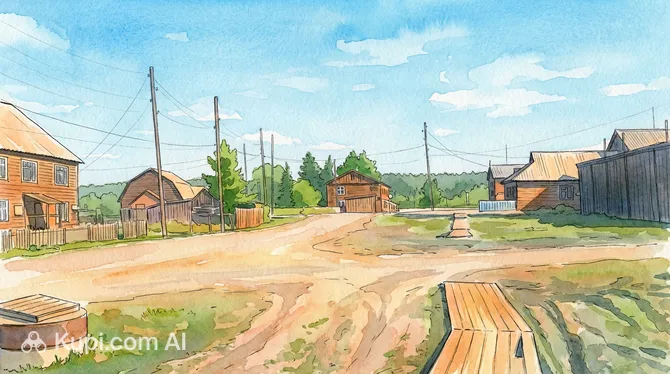
Vanavara is a unique destination for those looking to explore the deep wilderness of the Russian Federation. Situated on the high rocky bank of the Podkamennaya Tunguska River in the vast Krasnoyarsk Krai, this remote settlement serves as a gateway to one of the most mysterious places on Earth. With a modest population of approximately 3,000 residents, it offers a rare glimpse into the quiet and resilient lifestyle found in the heart of the Siberian taiga.

Vanavara. Source: Kupi.Binoculars

The settlement gained worldwide fame due to its proximity to the epicenter of the massive 1908 cosmic impact. Exploring the history of Vanavara reveals its crucial role as the base for numerous scientific expeditions, including those led by Leonid Kulik, seeking to uncover the secrets of the "Tunguska Meteorite." Even today, the village retains an atmosphere of adventure and discovery, acting as the primary starting point for travelers heading towards the impact site.

Key attractions include the Tunguska Nature Reserve, which protects the unique ecosystem affected by the blast, and the local museum that houses exhibits on the event as well as the culture of the indigenous Evenki people. For those who appreciate extreme tourism, untouched nature, and unsolved enigmas, Vanavara provides an unforgettable journey into the depths of Central Siberia.

Weather Overview

The climate in this region is sharply continental, defined by extreme contrasts between the seasons. Winters are long and intensely cold, with average temperatures in January dropping to -25.4°C, while the short summer brings pleasant warmth, peaking in July with daily highs around 23.7°C.

Expect distinct seasonal shifts with generally low precipitation volume throughout the year, although light rain or snow occurs regularly. Spring and autumn are brief transition periods where temperatures hover near freezing. For detailed monthly averages and forecasts, visitors should consult the guide to weather in Vanavara to pack appropriately for their expedition.

Interesting Facts

Beyond the main attractions and its global fame as a gateway to the unknown, Vanavara holds many fascinating secrets embedded in its history and geography.

  • A Name with a Story: Local legend suggests that the name "Vanavara" originated from an Evenki trading post established by a Russian merchant named Ivan. The indigenous Evenki people reportedly called the location "Vanyavara" (combining "Vanya," a diminutive of Ivan, with a local suffix), which eventually evolved into its current name.

  • The Closest Witness: Although the epicenter of the 1908 Tunguska Event was approximately 65 kilometers away, the impact on Vanavara was terrifyingly direct. Historical accounts state that residents felt a wave of heat so intense they thought their clothes were on fire, and the subsequent shockwave was powerful enough to shatter windows and knock people off their feet.

  • Expedition Headquarters: For over a century, this small settlement has served as the logistical heart for scientists chasing the mystery of the meteorite. It was the primary base for Leonid Kulik, the first researcher to locate the impact site, and today it houses the administration of the Tunguska Nature Reserve, keeping the spirit of exploration alive.

  • Seasonal Accessibility: Vanavara is a true island of civilization in the taiga, accessible primarily by air year-round. However, during the harsh winters, it connects to the mainland via "zimniks" (temporary ice roads), while in the short summer, the Podkamennaya Tunguska River becomes a vital artery for delivering heavy supplies to the village.

How to Get There

Reaching this remote settlement in the heart of the Siberian taiga requires careful planning, as it is located far from major transport hubs. The journey is an adventure in itself, offering a unique opportunity to experience the vastness of the region. You can read more about how to get to Vanavara to help organize your expedition efficiently.

Travelers should be aware that Vanavara is primarily accessible by air through regional connections, typically from Krasnoyarsk. Although the data lists Ust-Ilimsk (IATA: UIK) as a nearby airport, it is important to note that there are no standard year-round roads connecting it to the settlement. Ground access from this direction is extremely difficult and often limited to seasonal winter roads, making a routine transfer impossible.

For clarity, here is a summary of the airport data provided:

Airport Name City Passenger Traffic Km from City
Ust-Ilimsk Ust-Ilimsk Small 245.9

If you prefer traveling by train, please note that the city of Vanavara does not have a railway station. The nearest rail connection is the Ust-Ilimsk Railway Station in the city of Ust-Ilimsk. Similar to the airport, the overland distance of over 270 km involves terrain that lacks regular infrastructure for passenger transit, so this route is not recommended for general tourism.

Below is the information regarding the nearest railway connection:

Station City Passenger Traffic Km to Center
Ust-Ilimsk Railway Station Ust-Ilimsk Medium 272.0

Main Attractions

Although Vanavara is a small and remote settlement, its status as the gateway to one of the world's greatest scientific mysteries makes it a fascinating destination. The attractions here are deeply intertwined with the history of the 1908 cosmic impact and the rich culture of the indigenous peoples of Siberia.

State Nature Reserve "Tungussky"

This reserve is the primary reason travelers venture so far into the taiga. While the administrative center is located in Vanavara, the reserve protects the actual site of the 1908 explosion. For tourists, this is the essential starting point for obtaining permits and organizing expeditions to the epicenter. The reserve's staff can provide unique insights into the ongoing research and the recovery of the ecosystem in the blast zone, making it a hub for science enthusiasts and adventurers alike.

Vanavara Museum of Local Lore

Located within the village, this museum offers a comprehensive look at the region's dual heritage. One section is dedicated to the "Tunguska Phenomenon," featuring photographs, documents, and equipment from the legendary expeditions led by Leonid Kulik. The other section focuses on the ethnography of the Evenki people, displaying traditional clothing, hunting tools, and household items that illustrate how life has thrived in this harsh climate for centuries.

Podkamennaya Tunguska River

The river itself is a stunning natural attraction, offering breathtaking views of the Siberian wilderness. In summer, the high rocky banks provide excellent vantage points for photography and sunset watching. It is also a vital lifeline for the village and a popular spot for fishing enthusiasts looking to experience the tranquility of the North. Walking along the riverbank gives visitors a sense of the immense scale and isolation of the Krasnoyarsk territory.

Memorial Sign to the Tunguska Event

For those unable to make the arduous multi-day trek to the epicenter in the deep taiga, there is a commemorative site within the village. This memorial serves as a tribute to the event that put Vanavara on the map and honors the scientists who dedicated their lives to solving the mystery. It is a popular spot for visitors to take photos and pay their respects to the history of exploration in the region.

Local Cuisine

The culinary experience in Vanavara is defined by its isolation and the rich natural resources of the Siberian taiga. You will not find fine dining establishments or chain restaurants here; instead, the local food culture revolves around hunting, fishing, and gathering. For tourists, this means a unique opportunity to taste authentic, home-cooked meals prepared with ingredients sourced directly from the surrounding wilderness, often served in guesthouses or by local hosts.

The absolute king of the local table is fish from the Podkamennaya Tunguska River. The most famous delicacy is the Tugun, a small whitefish endemic to these northern rivers. Often referred to as "Sosvinsky herring" in other parts of Russia, the local variety is prized for its tender, fatty meat and a distinct scent reminiscent of fresh cucumber. It is typically eaten salted, sometimes just hours after being caught, making it a true gastronomic souvenir of the region.

Another staple of the local diet is Stroganina, a classic Northern dish that visitors must try. It consists of thin slices of frozen raw fish, usually whitefish like muksun or nelma, served with a mixture of salt and black pepper. The key to this dish is the quality of the catch; the fish must be deep-frozen immediately after being pulled from the icy water to preserve its flavor and texture. It is traditionally enjoyed as an appetizer that warms you up from the inside, often accompanied by a shot of vodka.

Meat dishes heavily feature venison and elk, reflecting the traditions of the indigenous Evenki people. You might encounter rich meat soups, hearty dumplings (pelmeni) filled with game meat, or dried venison strips which serve as an excellent high-energy snack for treks into the taiga. Wild berries such as lingonberries, cranberries, and cloudberries are widely used to create sauces for meat or sweet fillings for pies, adding a tart freshness to the savory table.

When it comes to drinks, the locals prefer beverages that provide warmth and vitamins during the long winters. Mors, a berry drink made from cranberries or lingonberries, is a refreshing non-alcoholic staple. Herbal teas are also popular, brewed with wild thyme, currant leaves, and fermented fireweed (Ivan-chai). For those seeking something stronger, homemade berry liqueurs or traditional vodka are the standard accompaniments to a heavy Siberian meal, helping to digest the fatty fish and game meat.

Travel Tips

Traveling to Vanavara is more of an expedition than a standard vacation, requiring careful preparation for the harsh Siberian environment and remote isolation. These practical tips will help you navigate the unique challenges of the taiga and ensure your adventure to the Tunguska site is safe and comfortable.

  1. Prioritize Protective Clothing. Function over fashion is the rule here. If visiting in summer, the most critical item is a "mosquito suit" (known locally as an encphalitka) with a fine mesh face net, as swarms of midges and mosquitoes can be intense. In winter, you need professional-grade thermal layers, insulated boots, and a windproof parka to survive temperatures that frequently drop below -40°C.

  2. Transportation is Informal. There are no public buses, trams, or ride-hailing apps like Uber within the settlement. Vanavara is compact enough to explore on foot, but if you need to transport heavy gear or reach the river port, you will need to negotiate a ride with a local resident. Car rental agencies do not exist here.

  3. Cash is King. Do not rely on credit cards or mobile payments. While a few local shops might have terminals, internet connectivity is often unstable, leading to transaction failures. Bring enough Russian Rubles in cash for your entire stay, as the single local ATM may run out of bills or be out of service.

  4. Bring a Comprehensive Medical Kit. The local pharmacy offers only basic supplies and operates on limited hours, not 24/7. It is vital to bring your own prescription medications, strong antihistamines for insect bites, and basic first-aid supplies. For serious medical issues, evacuation to a larger city can be weather-dependent and slow.

  5. Prepare for a Language Barrier. English is virtually non-existent in Vanavara. You must download an offline translation app and offline maps (such as Yandex Maps) before you arrive. Buying a SIM card from a major Russian provider (like MTS) in a larger city before flying in is recommended, though data speeds will likely be slow.

  6. Respect Local Customs and Nature. The locals, including the indigenous Evenki population, have a deep respect for the land. Never leave litter in the forest and ask for permission before photographing people or their private property. A firm handshake is the standard greeting, and refusing an offer of tea or food can sometimes be seen as impolite.

  7. Avoid Solo Trekking. Never wander into the taiga alone, even for a short walk on the outskirts. The forest is dense, easy to get lost in, and is home to wild animals, including brown bears. Always travel with a local guide who knows the terrain and safety protocols.

  8. Be Ready for Delays. In this part of the world, the weather dictates the schedule. Flights and helicopter transfers are frequently delayed or cancelled due to fog, wind, or snow. Always build a buffer of a few extra days into your itinerary and bring a good book to pass the time during unexpected waits.

By packing the right gear and respecting the raw power of the Siberian wilderness, you will be well-equipped to enjoy the incredible solitude and mystery of Vanavara. Embrace the slower pace of life in the North, and you will find the experience deeply rewarding.

Entertainment & Nightlife

Travelers arriving in Vanavara expecting a bustling nightlife scene with neon-lit clubs and cocktail bars will find themselves in a completely different world. As a remote outpost in the heart of the Siberian taiga, "nightlife" here is defined not by DJs and dance floors, but by the profound silence of the wilderness, the crackle of a wood stove, and the spectacular display of the night sky. Entertainment in this settlement is community-focused, humble, and deeply connected to the natural rhythm of life in the North.

The atmosphere in the evenings is quiet and intimate. Social life revolves around warm gatherings in private homes or the few public spaces available. The dress code is strictly functional: warm woolens, comfortable indoor shoes, and practical outdoor gear are the norm. Visitors are welcomed with curiosity and hospitality, but one should respect the reserved nature of the local residents. The streets become empty relatively early, especially in winter when temperatures plunge, making indoor socializing the primary form of leisure.

For those looking for a place to spend the evening, options are limited but authentic. The primary social hub for visitors is often the dining area of the Hotel Evenkiya on Katangskaya Street. While not a bar in the traditional sense, it serves as the main meeting point where travelers, scientists, and expedition members gather to share stories, eat hearty Siberian meals, and plan their trips into the reserve. It offers a rare chance to meet people from all over the world who have come to solve the mystery of the Tunguska event.

Another focal point for local entertainment is the Vanavara House of Culture. This community center functions as the heart of the village's social life, hosting everything from holiday concerts and film screenings to occasional evening dances for the local youth. If you are lucky enough to visit during a local festival or national holiday, this is where the celebration will take place, offering a genuine glimpse into the culture of the region's inhabitants.

The most breathtaking "nightclub" in Vanavara is the sky itself. Due to the complete absence of light pollution, the village offers some of the best stargazing opportunities on the planet. In the winter months, the Northern Lights (Aurora Borealis) frequently dance across the horizon, providing a natural light show that far surpasses any artificial entertainment. A short walk to the high bank of the Podkamennaya Tunguska River offers an unobstructed view of this phenomenon, though it is crucial to dress for extreme cold.

Practical advice for the evening is simple: bring cash, as card terminals are unreliable or non-existent. There are no official taxi services or ride-hailing apps; getting around at night is done on foot or by pre-arranged private transport with a local host. Safety in Vanavara is generally high regarding crime, but the real danger lies in the environment. It is strictly advised not to wander to the outskirts of the village alone at night, as wild animals, including bears and wolves, can venture close to the settlement.

While nightlife is quiet, daytime entertainment offers rich educational experiences. The Tungussky Nature Reserve Visitor Center on Moskovskaya Street is the place to immerse yourself in the scientific history of the area. Here, you can arrange excursions and learn about the 1908 impact before heading out to the site. Additionally, the local museum provides fascinating exhibits on Evenki ethnography, ensuring that your days are as filled with discovery as your nights are with tranquility.
Parks & Museums

In a settlement as remote as Vanavara, the concept of "parks" differs significantly from the manicured gardens found in large cities. Here, the entire village is immersed in the vast, wild greenery of the Siberian taiga. The cultural institutions are few but deeply meaningful, serving as custodians of the region's unique history involving cosmic mysteries and indigenous heritage.

Podkamennaya Tunguska Riverbank

The high, rocky bank of the river serves as the village's main natural promenade and effectively functions as its central park. In the absence of formal paved squares, this is where locals and visitors come to stroll and connect with nature. The views from the cliffs are spectacular, especially during the "White Nights" of early summer when the sun barely sets. It is an ideal spot for birdwatching, photography, or simply sitting in silence to appreciate the sheer scale of the wilderness that surrounds the settlement.

Vanavara Museum of Local Lore

This museum is the cultural heart of the village and a mandatory stop for any visitor. It is divided into two distinct but equally fascinating sections. The first is dedicated to the Tunguska Event, placing a strong emphasis on authentic historical artifacts. Visitors can examine rare equipment, original diaries, and photographs from the heroic expeditions of Leonid Kulik in the 1920s and 30s, offering a tangible connection to the early days of research. The second section offers a rich immersion into the life of the Evenki people, featuring traditional fur clothing, beadwork, and hunting implements that showcase the ingenuity required to survive in the Subarctic climate.

Tungussky State Nature Reserve

While the core of this protected area lies deep in the forest at the site of the 1908 explosion, its presence defines the natural landscape around Vanavara. For tourists, the "park" experience here is a raw encounter with the Northern taiga. The reserve's buffer zones offer opportunities to see the resilience of nature, where the forest has regenerated over decades. It is a place for serious trekking rather than casual strolling, offering a glimpse into an ecosystem that has survived one of the most powerful natural events in modern history.

Church of the Archangel Michael

Architecturally, Vanavara is dominated by simple wooden structures, but this small Orthodox church stands out. Built in the traditional wooden style of Northern Russia, it reflects the spiritual revival of the region. Its modest but beautiful log construction fits perfectly into the surrounding landscape, providing a serene atmosphere for reflection amidst the rugged environment.

Memorial Sign to the Tunguska Meteorite

Located within the village, this monument is a significant historical landmark for those who cannot make the difficult journey to the epicenter. It serves as a tribute to the scientific quest to understand the 1908 phenomenon. The site is often adorned with flowers and serves as a gathering point for scientists and tourists before they depart on expeditions. It stands as a symbol of human curiosity facing the unknown forces of the cosmos.

Getting Around

The public transport system in Vanavara is virtually non-existent in the traditional sense, reflecting its status as a small, remote settlement in the heart of the taiga rather than a bustling urban center. Visitors should not expect to find metros, trams, trolleybuses, or a network of fixed-route city buses. The village is compact enough that most daily destinations, including shops, the museum, and administrative buildings, are located within a reasonable walking distance of each other.

For distances that are too far to walk, such as the transfer from the local airport to the village center, there is no official shuttle service. Transportation relies heavily on private vehicles. Informal taxi services exist, but they operate without meters, official signage, or mobile apps. Arrangements are typically made by phone or through word-of-mouth recommendations from local accommodation hosts. It is common practice to negotiate the price of the ride with the driver before getting into the car.

The payment system is exclusively cash-based. Travel passes, transport cards, and contactless payment methods via smartphones are not used here. Tourists must ensure they have small denominations of the local currency on hand, as drivers often do not have change for large bills. There are no ticket kiosks or validators; you simply pay the driver directly upon reaching your destination.

Regarding alternatives, walking is the most reliable and popular way to navigate the settlement. There are no car-sharing services, bike rental stations, or electric scooters available. However, due to the specific geography and climate, unique forms of local transport appear seasonally. In the winter months, snowmobiles are frequently used by residents to travel across the snow-covered terrain, while in the summer, motorboats on the Podkamennaya Tunguska River serve as a vital link for reaching nearby fishing spots or nature sites.

A practical tip for travelers is to arrange your airport transfer in advance through your host or the nature reserve administration. Since flights can be infrequent and mobile reception is not always stable, having a pre-arranged ride ensures you won't be left waiting at the airfield with your luggage. Always carry a physical map or have an offline map downloaded, as explaining directions to a driver can be challenging without a common language.

Accommodation

Accommodation options in Vanavara are limited and functional, reflecting the settlement's status as a remote outpost in the Siberian taiga rather than a developed tourist destination. Travelers should manage their expectations; you will not find international hotel chains, luxury resorts, or hostels with backpacker amenities here. The available lodging is primarily designed to accommodate shift workers, visiting officials, and scientific expedition members, offering basic but warm and safe shelter against the harsh environment.

The range of accommodation generally consists of a main municipal hotel and a few small private guesthouses or homestays. These facilities typically offer modest rooms with essential furniture. Amenities that are standard elsewhere, such as private bathrooms in every room, high-speed Wi-Fi, or 24-hour room service, may be scarce. In many cases, facilities like showers and toilets are shared, and the decor is often reminiscent of the Soviet era, prioritizing utility over style.

Popular Areas to Stay

Given the small size of Vanavara, "areas" are not distinct neighborhoods. The most convenient place to stay is in the central part of the village, near the administrative buildings and the few local shops. Staying here places you within walking distance of the Museum of Local Lore and the Tungussky Nature Reserve administration, which is crucial for organizing your permits and trips. Some visitors may also find lodging closer to the airport, though the village is compact enough that distances are rarely an issue.

Booking and Prices

Booking accommodation in Vanavara requires a proactive approach. The large global booking platforms rarely list properties in this region. The most reliable method is to book directly by phone or to have your stay arranged by the organization inviting you, such as the nature reserve or a tour operator. Prices are generally in the mid-range bracket, often higher than one might expect for the level of comfort provided, due to the lack of competition and the high cost of maintaining infrastructure in the North.

Traveler Tip: It is absolutely essential to secure your accommodation before you arrive. Do not count on finding a room as a "walk-in" guest, as the few available rooms can be fully booked by work crews or expedition groups weeks in advance. Additionally, always carry enough cash to pay for your entire stay, as card terminals at the front desk may be unreliable or non-existent.

Nearby Cities

Given the remote location of Vanavara in the vast Siberian taiga, the concept of "nearby" takes on a different meaning. The settlement is hundreds of kilometers away from the nearest major urban centers, which serve not as destinations for casual day trips, but as vital regional hubs and logistical gateways for those traveling to or from this isolated part of the Krasnoyarsk Krai.

Ust-Ilimsk
Located approximately 264 kilometers away, this is the closest city to Vanavara. Situated on the Angara River, it is known for its colossal hydroelectric plant and serves as a significant industrial outpost in the wilderness. For travelers, it represents the nearest point of civilization with extensive urban infrastructure, although ground connections to Vanavara remain seasonal and challenging.

Ust-Kut
This historic city serves as a crucial transport node where the railway meets the Lena River. Often referred to as the "Gateway to the North," it plays a key role in supplying remote northern territories. Its history as a Cossack fortress and its scenic location on the riverbanks make it a notable regional neighbor, despite the distance of over 400 kilometers.

Bratsk
As one of the major industrial and cultural centers of Eastern Siberia, Bratsk offers a stark contrast to the quiet of the taiga. It is famous for its massive reservoir, the "Bratsk Sea," and the "Angara Village" open-air museum, which preserves the architectural heritage of the region's early settlers. It functions as a primary transit point for flights and cargo entering the wider region.

City Population Distance (km)
Ust-Ilimsk 81,976 264
Ust-Kut 41,689 444
Bratsk 231,602 452
Kansk 89,508 599
Lesosibirsk 59,525 605

These cities illustrate the immense scale of the Siberian landscape, where neighbors are separated by vast stretches of forest and river.

Shopping & Souvenirs

Shopping in Vanavara is a strictly utilitarian experience, reflecting the remote and practical nature of life in the Siberian taiga. Visitors should not expect fashion boutiques, department stores, or luxury brands. Instead, the local retail scene consists of small general stores designed to supply residents with essential food, household items, and outdoor gear necessary for survival in the harsh climate. For tourists, the shopping experience is less about retail therapy and more about acquiring unique local provisions or mementos related to the Tunguska event.

The main commercial activity is concentrated in the center of the village. There are no designated "shopping districts" or pedestrian promenades. Instead, you will find a handful of small, privately owned shops scattered along the central streets, often within walking distance of the administrative buildings and the post office. These establishments typically function as "all-in-one" stores, selling everything from groceries and bread to rubber boots and mosquito nets.

There are no shopping malls in Vanavara. The concept of a large retail complex does not exist in a settlement of this size. The closest thing to a "department store" might be a larger wooden building housing a general store that offers a slightly wider range of goods, including clothing and hardware. Travelers should come prepared with all specialized equipment, as finding specific brands or high-tech gear locally is impossible.

Markets in the traditional sense are also absent, but informal trade is a key part of the local economy. While there is no grand bazaar, you may encounter locals selling fresh produce, gathered berries, or smoked fish directly from their homes or near the main stores. This is the best way to purchase authentic Siberian foods, such as cranberries, lingonberries, and the prized local fish, directly from the source.

When it comes to souvenirs, Vanavara offers unique items that you cannot find anywhere else. The primary theme is, of course, the Tunguska Meteorite. You can find books, magnets, and commemorative badges at the local museum or the office of the Tungussky Nature Reserve. Additionally, look for traditional handicrafts made by the indigenous Evenki people. These might include fur items, intricate beadwork, or amulets made from reindeer antlers. Another excellent "souvenir" is local food: smoked Tugun fish or a jar of pine cone jam make for distinctively Siberian gifts.

Store opening hours are generally limited compared to big cities. Most shops open around 9:00 or 10:00 AM and close by 6:00 or 7:00 PM. Many may have a lunch break in the middle of the day, and hours can be reduced on weekends. Cash is absolute king in Vanavara. While digital payments are spreading across Russia, the internet connection here can be unstable, rendering card terminals useless. It is crucial to carry enough physical rubles to cover all your purchases.

Tax-free shopping (VAT refund) is not available in Vanavara. The system is typically restricted to major international retailers in Russia's largest cities and does not extend to small village stores in the Deep North.

Nearby cities

Reached the end of the page?

That means the route is fully explored