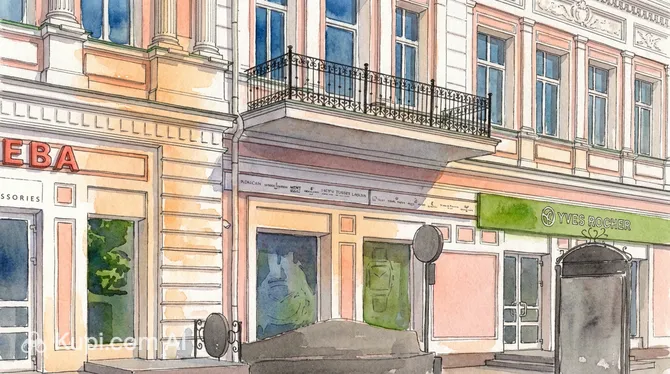
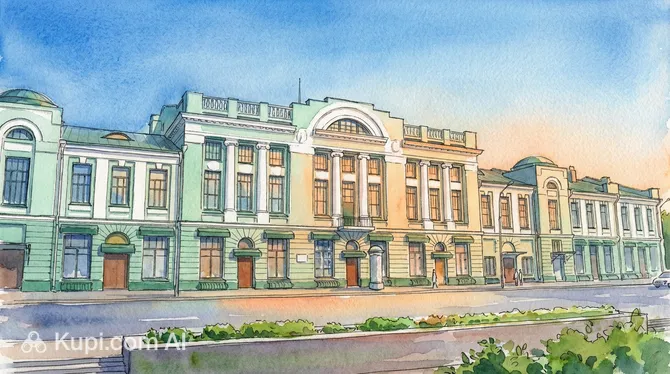
Welcome to Omsk, a vibrant metropolis that serves as a gateway to the vast Siberian region. Situated at the picturesque confluence of the Irtysh and Om rivers, this city is a major cultural and industrial hub within the Russian Federation. With a population of over 1.1 million people, it stands as one of the largest and most significant urban centers in the country, offering a unique blend of historical charm and modern energy.
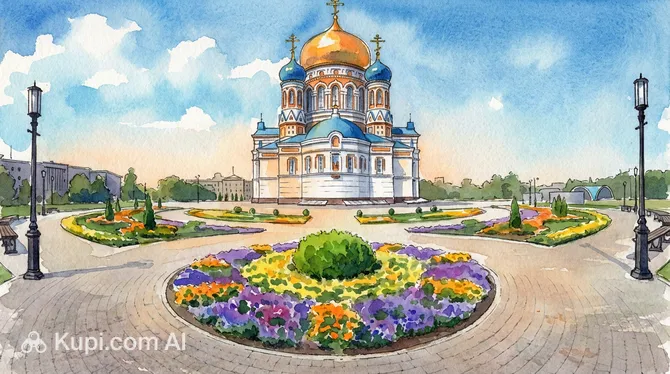
Omsk. Illustration.
Source: Kupi.com AI
The city boasts a rich heritage that captivates visitors from the moment they arrive. Those interested in the past can explore the fascinating history of Omsk, which began in 1716 with the construction of a fortress to protect the southern borders. Today, the restored Omsk Fortress remains a popular site for walking and sightseeing. Another architectural jewel is the stunning Dormition Cathedral, with its colorful domes and intricate design, standing as a symbol of the city's spiritual revival.
Omsk is also renowned for its sunny weather, often cited as having one of the highest numbers of sunny days in Siberia. Travelers can enjoy leisurely strolls along the Irtysh embankment or visit the acclaimed Omsk Drama Theatre, which is celebrated for its high-quality productions. Whether you are passing through on the Trans-Siberian Railway or planning a dedicated visit, Omsk welcomes you with warm Siberian hospitality and a wealth of discoveries.
Weather Overview
Omsk experiences a distinct continental climate, characterized by significant contrasts between the seasons. Travelers planning a trip here should be prepared for widely varying conditions depending on the time of year. To ensure you pack appropriately for your specific travel dates, it is recommended to check the detailed weather in Omsk before your journey.
Winters in the region are long and cold, requiring warm clothing. January is typically the coldest month, with an average temperature of -15.8°C and lows that can reach -19.5°C. In contrast, the summer months offer a pleasant escape with much milder conditions. July stands out as the warmest time of the year, featuring an average temperature of 20.0°C and daily highs often climbing to 25.1°C.
Precipitation is generally moderate throughout the year, though the summer months tend to see slightly more activity, with June and August experiencing around 11 wet days each. Overall, you can expect warm summers with occasional rain and cold, dry winters, so timing your visit depends largely on your preference for snowy landscapes or sunny city strolls.
Average monthly temperature
Average monthly precipitation
Interesting Facts
Beyond the main attractions, Omsk holds many fascinating secrets and unique features that surprise even seasoned travelers. From literary history to rare urban nature reserves, here are some intriguing details about the city.
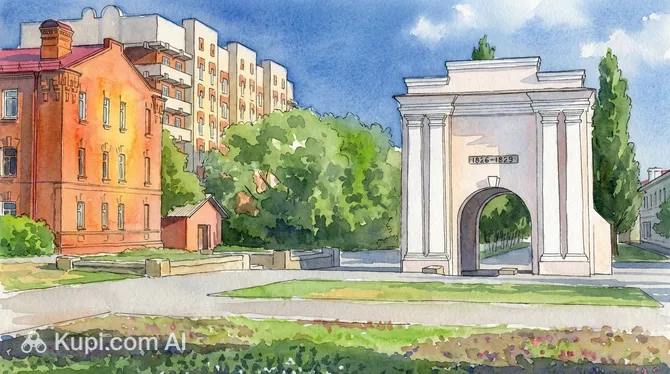
Tara Gate of Omsk Fortress. Illustration.
Source: Kupi.com AI
Traveller photos:
Omsk is home to Birds' Harbor, a unique natural park located directly within the city limits. It serves as a vital stopover for migrating birds during their autumn journey, making it one of the few nature reserves in the world situated right in the center of a bustling metropolis.
The famous Russian writer Fyodor Dostoevsky spent four years in exile here, an experience that deeply shaped his worldview and writing. He is known to have passed through the Tara Gate of Omsk Fortress daily, and today this historic structure stands as a powerful symbol of that era.
Locals have a special fondness for quirky street sculptures, particularly "Stepanich," a bronze plumber peeking out of a manhole on the Lenin Street Pedestrian Zone. Rubbing his helmet is a popular urban tradition believed to bring good luck and prevent household plumbing mishaps.
The city is the birthplace of the renowned painter Mikhail Vrubel. Art enthusiasts can explore his legacy at the M.A. Vrubel Omsk Regional Museum of Fine Arts (Vrubel Wing), which houses a comprehensive collection of fine art in a stunning historical building.
How to Get There
Planning a trip to Siberia requires considering various transport routes, so be sure to check all ways to reach the city before you go. The most convenient gateway for air travelers is Omsk Airport (OMS), situated just 4.4 km from the city center. As a major regional hub serving over 1.7 million passengers annually, it offers frequent connections to major cities. Due to its proximity to the downtown area, a trip by taxi or bus is quick, typically taking around 25 to 30 minutes.
Travelers might also consider Petropavlovsk Airport (PPK), located in the city of Petropavl. However, it is important to note that this airport is approximately 269 km away from Omsk, making it a less direct option compared to the local airport.
For clarity, here is a summary of the main airports:
For those preferring rail travel, Omsk is a significant stop on the Trans-Siberian Railway. The primary entry point is Omsk-Passazhirsky Station, located roughly 12.3 km from the heart of the city. This station is a major transport node with an annual passenger traffic of about 6 million people, reflecting its importance in the national network. Getting to the city center from the station generally takes approximately 40 minutes by car or public transit.
Below is a list of railway stations serving the region:
Station
Passenger traffic
Distance
Omsk-Passazhirsky Station
6 m
12 km
Omsk railway station
10
6 km
Kormilovka Station
—
47 km
Kalachinskaya Station
—
78 km
Moskalenki Station
150,000
92 km
Isilkul Railway Station
400,000
135 km
Nazyvayevskaya Station
180,000
143 km
Main Attractions
Omsk offers a diverse array of sights that blend imperial history, Soviet heritage, and modern urban culture. From majestic religious architecture to bustling historic lanes, the city provides plenty of opportunities for exploration and discovery.
One of the most stunning architectural landmarks in the city is the Assumption Cathedral. Located in the heart of the city, this magnificent five-domed temple is a faithful reconstruction of the original cathedral destroyed during the Soviet era. Its bright turquoise domes and intricate brickwork make it a favorite subject for photographers. For tourists, it serves not only as a spiritual center but also as a symbol of the city's resilience and historical revival. At night, the cathedral is beautifully illuminated, creating a magical atmosphere in the surrounding square.
Assumption Cathedral. Illustration.
Source: Kupi.com AI
Traveller photos:
For those interested in the deep roots of Siberia, the Omsk State Museum of Regional History is an essential stop. Founded in 1878, it is one of the oldest museums in the region and houses a vast collection of artifacts ranging from archaeology and ethnography to natural history. Visitors are often captivated by the impressive skeletal remains of mammoths and the detailed exhibits showcasing the life of nomadic tribes and early Russian settlers. It provides a comprehensive narrative of how this part of the world has evolved over centuries.
Omsk State Museum of Regional History. Illustration.
Source: Kupi.com AI
Traveller photos:
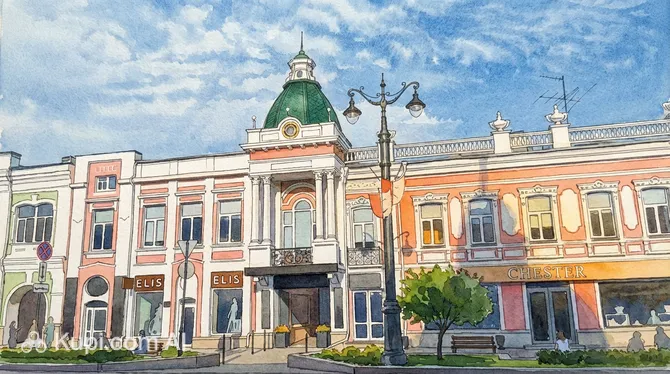
A more contemporary and lively experience can be found at Kamergersky Lane. This pedestrian zone has been transformed into a trendy hotspot, bustling with cafes, bars, and historic buildings that have been given a new lease on life. It is the perfect place to feel the pulse of the city, enjoy a coffee, or admire the beautifully restored facades that date back to the 19th century. The lane is particularly popular in the evenings when locals gather to socialize, making it a great spot for people-watching.
Kamergersky Lane. Illustration.
Source: Kupi.com AI
Traveller photos:
Nature lovers and history buffs alike will appreciate the expansive 30th Anniversary of Victory Park. This large green space on the left bank of the Irtysh River combines a peaceful recreational area with a poignant open-air memorial complex. The park features monumental sculptures and exhibits of military equipment dedicated to the soldiers of World War II. It is an excellent location for a quiet walk among the trees while paying respects to the past, offering a serene escape from the city noise.
Local Cuisine
The culinary landscape of Omsk is a hearty reflection of its Siberian location, offering dishes designed to provide warmth and sustenance during long winters, while celebrating the fresh bounty of the region in the summer. Visitors can expect a dining scene that respects traditional Russian recipes but also embraces the diverse flavors of neighboring Central Asia and modern European trends. The local food culture is characterized by generous portions, reliance on locally sourced meat and river fish, and a love for forest berries.
No trip to this region would be complete without trying authentic Siberian pelmeni. Unlike standard dumplings found elsewhere, the Siberian variety often features a specific blend of minced meats—typically beef, pork, and sometimes game like elk or venison—wrapped in thin, unleavened dough. They are traditionally served with sour cream, mustard, or vinegar, and sometimes in a clear broth. Another staple is fish from the Irtysh and Ob rivers. You might encounter dishes featuring pike, zander, or muksun, prepared in soups like ukha or baked in savory pies known as pirogs.
When it comes to beverages, the locals have a strong appreciation for natural flavors. Non-alcoholic mors, a refreshing fruit drink made from cranberries, lingonberries, or sea buckthorn, is widely available and pairs perfectly with heavy meals. Herbal teas, particularly those brewed with Ivan-chai (fireweed) and thyme, are popular for their soothing properties. For those interested in spirits, local establishments often serve house-made tinctures (nastoykas) infused with pine nuts, horseradish, or forest berries, offering a warming kick that is traditional to the Siberian table.
Khochu Puri Georgian Restaurant. Illustration.
Source: Kupi.com AI
Traveller photos:
The dining scene in Omsk is vibrant and varied, ranging from casual street food stalls selling savory pastries to upscale gastronomic establishments. Due to the city's proximity to the border, you will find excellent Central Asian cuisine, including aromatic plov and shashlik. A prime example of the city's love for rich, flavorful food is the Khochu Puri Georgian Restaurant, where tourists can enjoy cheesy khachapuri and spicy stews in a welcoming atmosphere. It represents the broader trend in Russia where Georgian cuisine is a beloved staple for dining out.
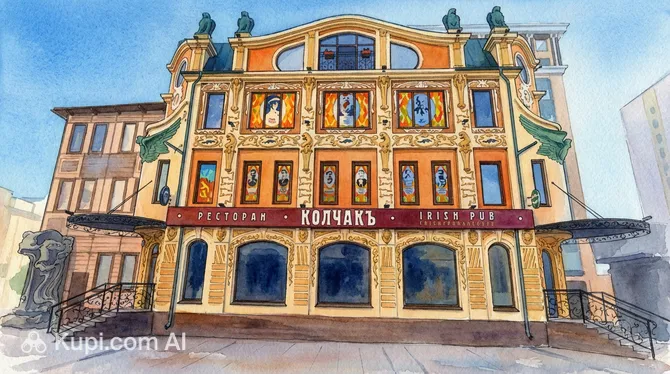
For travelers seeking a mix of history and nightlife, the city offers unique themed venues. The Kolchak Irish Pub is a well-known spot named after a prominent historical figure associated with Omsk. It serves a wide selection of beers and hearty pub grub, making it a great place to unwind after a day of sightseeing. Alternatively, those looking for a more refined culinary experience might visit BASE Restaurant & Bar, which is celebrated for its elegant interior and diverse menu catering to sophisticated tastes.
Kolchak Irish Pub. Illustration.
Source: Kupi.com AI
Traveller photos:
Sweet treats are also a highlight, with many cafes offering desserts made with local pine nuts and honey. Whether you are grabbing a quick bite at a fast-food joint or settling in for a long dinner at a place like Prestige, you will find that Siberian hospitality is defined by an abundance of good food and a desire to make every guest feel at home.
Travel Tips
Visiting Omsk offers a deep dive into authentic Siberian life, but navigating its unique climate and local customs requires a bit of preparation. To ensure your trip to this historic city is smooth, comfortable, and enjoyable, here are some essential practical tips to keep in mind.
Clothing and Gear: The most critical factor for your packing list is the season. If you are visiting in winter (November to March), you must bring heavy thermal clothing, a windproof down jacket, and insulated, non-slip boots to handle temperatures that can frequently drop below -20°C. Summers, conversely, can be surprisingly hot, so light breathable fabrics are appropriate. For electronics, bring a standard European (Type C or F) power adapter. If you plan to visit Orthodox churches, women should have a scarf to cover their heads, and men should wear long trousers.
Transportation: Omsk has an extensive network of buses, trolleybuses, and trams, as well as private minibuses known as marshrutkas. While you may see signs or souvenirs referring to the "Omsk Metro," be aware that there is no functioning subway system; the single built station serves as a pedestrian underpass and art object. For the easiest navigation, use ride-hailing apps like Yandex Go, which are reliable and often more convenient than hailing taxis on the street.
Finances: The local currency is the Russian Ruble (RUB). Due to current international banking limitations, credit and debit cards issued outside the country may not work. It is crucial to bring sufficient cash in major currencies (USD or EUR) to exchange at official bank branches upon arrival. Cash is also the preferred payment method in small kiosks, markets, and for public transport. Tipping in restaurants is customary, typically around 10% of the bill.
Health and Safety: Omsk is generally a safe city for tourists, but it is wise to follow standard precautions, such as avoiding unlit areas on the outskirts at night. Pharmacies are easily identifiable by a green cross (Apteka), and many operate 24/7. It is advisable to drink bottled water rather than tap water to avoid any stomach issues. in case of any emergency, dial 112 for immediate assistance.
Communication: The primary language is Russian. English proficiency can be limited among the general population, although younger people and staff at major hotels often speak it. It is highly recommended to download an offline translation app and an offline map before you arrive. You can purchase a local SIM card (MTS, Beeline, Megafon, or Tele2) at airport kiosks or mobile shops using your passport.
Local Etiquette: Siberians are known for their warm hospitality but can appear reserved upon first meeting. A firm handshake is the standard greeting for men. If you are invited to a local's home, it is a strict rule to remove your shoes at the door; hosts will usually provide slippers for you. in public transport, it is a social norm to give up your seat to elderly people, pregnant women, or parents with small children.
What to Avoid: Do not drink alcohol in public places like parks, streets, or squares, as it is prohibited by law and can attract police attention. Additionally, avoid photographing strategic government buildings or security personnel. It is best to be respectful of local history and avoid raising sensitive political topics during casual conversations.
Useful App: Install the 2GIS app on your phone. This map application is extremely popular in Siberia and often provides more accurate and detailed information about Omsk than global alternatives. It works offline and offers excellent data on public transport routes, building entrances, and business operating hours.
By keeping these practicalities in mind, you will be well-equipped to explore the streets of Omsk with confidence. Embracing the local customs and preparing for the Siberian elements will allow you to fully appreciate the genuine hospitality and distinct character of this fascinating city.
Entertainment & Nightlife
As the sun sets over the Irtysh River, Omsk transforms from a business hub into a lively center of entertainment. The city's nightlife scene is surprisingly vibrant, offering a mix of sophisticated lounges, energetic dance clubs, and cozy pubs. While the winters may be cold outside, the atmosphere inside these venues is always warm and welcoming. The primary hub for evening activities is the historic center, particularly along the beautifully illuminated Lenin Street (Lyubinsky Prospekt) and the trendy Kamergersky Lane, where locals gather to socialize, drink, and dine.
For those seeking a high-energy experience with music and dancing, the city has several popular destinations. Malibu is a well-known nightclub that attracts a diverse crowd looking to party until the early hours. It frequently hosts themed parties and DJ sets, making it a staple of the local clubbing scene. Another prominent venue is Absento More, which combines the vibes of a stylish bar and a nightclub. It is famous for its extensive cocktail menu and lively dance floor, offering a slightly more upscale atmosphere for guests who enjoy dressing up for a night out.
Absento More. Illustration.
Source: Kupi.com AI
Traveller photos:
When planning a night out, it is important to be aware of the local "face control" culture, especially at clubs and high-end bars. Security staff often assess guests at the entrance, so smart-casual attire is highly recommended—avoid sportswear or overly casual shoes. The nightlife typically peaks on Friday and Saturday nights, with many venues staying open until 5:00 AM or 6:00 AM. Prices in Omsk are generally quite reasonable compared to Moscow or St. Petersburg, allowing for an enjoyable evening without breaking the bank.
Safety is generally not a major concern in the central districts, which are well-lit and populated even late at night. However, for getting back to your hotel, it is best to avoid hailing cars from the street. Instead, use a reliable mobile app to order a taxi, which ensures a fixed price and a tracked route. This is the most convenient and secure way to navigate the city after dark.
Beyond the nightlife, Omsk offers plenty of entertainment during the day. The city is often called the "theater capital of Siberia," so catching a play is a must for culture enthusiasts. For families and thrill-seekers, the Gravity amusement park provides a fun escape with various attractions and activities. Whether you prefer a quiet evening at a drama theater or an active afternoon at an amusement center, the city provides ample opportunities to unwind and have fun.
Malibu. Illustration.
Source: Kupi.com AI
Traveller photos:
Parks & Museums
Beyond its industrial heritage and bustling streets, Omsk surprises visitors with its abundant greenery and a rich tapestry of cultural institutions. The city offers a balanced mix of serene natural retreats and intellectual stimulation, making it easy to alternate between a relaxing walk in the park and an inspiring tour of an art gallery.
One of the most popular recreational spots for families and nature enthusiasts is the 30th Anniversary of the Komsomol Park of Culture and Leisure. Covering a vast area, this park serves as a green lung for the city, offering leafy avenues for strolling, cycling paths, and a variety of amusement rides. It is a vibrant hub of activity year-round, hosting festivals in the summer and transforming into a snowy wonderland with ice slides in the winter. Tourists will appreciate the lively atmosphere and the opportunity to observe local life in a relaxed setting.
30th Anniversary of the Komsomol Park of Culture and Leisure. Illustration.
Source: Kupi.com AI
Traveller photos:
For those seeking a waterfront experience, Pirate Island (Ostrov Piratov) provides a distinct change of pace. Located on the left bank of the Irtysh River, this recreational park features a yacht club, sandy beaches, and sports facilities. It is an excellent destination for active travelers looking to play volleyball, rent a boat, or simply enjoy a picnic by the water. The area feels like a resort within the city, offering a refreshing escape from the urban concrete.
Omsk takes great pride in its artistic heritage, best exemplified by the M.A. Vrubel Omsk Regional Museum of Fine Arts (Vrubel Wing). Named after the celebrated symbolist painter Mikhail Vrubel, who was born in the city, this museum houses the largest art collection in Siberia. Visitors can admire masterpieces of Russian painting from the 18th to the early 20th centuries, including works by Repin, Shishkin, and Kandinsky. The elegant building itself is an architectural landmark, and the curated exhibitions offer a deep dive into the evolution of Russian art.
M.A. Vrubel Omsk Regional Museum of Fine Arts (Vrubel Wing). Illustration.
Source: Kupi.com AI
Traveller photos:
Another significant cultural venue is the Museum Complex of Military Glory. This open-air museum is dedicated to the region's contribution to various conflicts, particularly World War II. It features an impressive display of military hardware, including tanks, artillery, and aircraft, set against the backdrop of a well-maintained park. It is a poignant place for history buffs to learn about the sacrifices of the past while examining well-preserved machinery up close.
Travelers with children or an interest in biology should not miss the Children's Zoo. Unlike traditional large-scale zoos, this facility focuses on education and interaction, allowing younger visitors to learn about animals in a more intimate environment. It is a charming spot that highlights the city's commitment to environmental education and provides a fun, educational outing for families.
Getting Around
Getting around Omsk is relatively straightforward thanks to an extensive network of ground transportation that connects the historic center with residential districts and industrial areas. The city relies heavily on municipal buses, trolleybuses, and trams, which form the backbone of the public transit system. These vehicles are generally reliable and run frequently throughout the day. For tourists, the tram lines can be particularly atmospheric, offering a slow and scenic route through older parts of the city, while trolleybuses provide eco-friendly connections along major avenues.
A unique and somewhat humorous feature of the local transport landscape is the famous Omsk Metro. Travelers should be aware that despite seeing signs or hearing about it, the metro is not a functioning transport system. It has gained international fame as the "world's shortest subway," consisting of only one completed station, Biblioteka Pushkina. Today, it serves primarily as a beautifully designed pedestrian underpass and an art space. While you cannot catch a train here, visiting the station to admire its architecture and taking a photo is a popular activity for visitors.
For faster and more flexible travel, locals often use marshrutkas (minibuses). These private vans duplicate many official municipal routes but tend to be quicker and stop more frequently. They are a convenient option if you need to reach a specific destination quickly, though they can be less comfortable and more crowded than large buses. In a marshrutka, it is common to pay the driver directly upon entry, and you may need to shout your destination to request a stop.
Paying for rides in Omsk is modern and convenient. The city uses a unified transport card known as "Omka," which offers a slight discount on fares and is popular among residents. However, tourists do not strictly need to purchase one. Contactless bank cards and smartphones are widely accepted on all municipal buses, trams, and trolleybuses, as well as many marshrutkas. Validators are usually carried by a conductor or installed on handrails. If you prefer to pay with cash, ensure you have small change, as fares are very affordable, typically ranging between 30 and 40 rubles.
Public transport generally operates from early morning, around 6:00 AM, until approximately 11:00 PM. It is important to note that after 9:00 PM, the frequency of buses drops significantly, and waiting times can increase. To navigate the system efficiently, especially during the cold winter months, it is highly recommended to use mobile map applications that track vehicle locations in real-time. This allows you to time your arrival at the bus stop perfectly and avoid standing in the freezing cold.
When public transport is not an option, taxis are a widely available and affordable alternative. Hailing a cab from the street is not common; instead, visitors should use ride-hailing apps like Yandex Go to book a car. This ensures a fixed price and overcomes any language barriers with the driver. During the summer, the city also embraces micromobility, with electric scooter rentals available throughout the center and along the Irtysh embankment, offering a fun and breezy way to explore the city's parks and promenades.
Accommodation
Accommodation:
Finding a place to stay in Omsk is generally straightforward, with options ranging from budget-friendly hostels to modern business hotels and comfortable apartments. The city's hospitality sector has developed significantly in recent years, ensuring that travelers with varying budgets and preferences can find suitable lodging. Whether you are looking for a luxury suite with a view of the river or a simple bed for the night, the city provides a welcoming environment for all guests.
For tourists, the most convenient area to stay is undoubtedly the historic center, located near the confluence of the Irtysh and Om rivers. Staying in this district places you within walking distance of major landmarks, such as the Omsk Fortress and the Drama Theatre, as well as the vibrant pedestrian zones filled with cafes and restaurants. This area is perfect for those who want to immerse themselves in the city's atmosphere and explore its architectural heritage on foot. Alternatively, travelers passing through on the Trans-Siberian Railway might prefer hotels located near the train station, which offer quick access to transport but are further from the main sightseeing spots.
The accommodation market in Omsk is dominated by mid-range hotels that offer standard amenities like Wi-Fi, breakfast, and 24-hour reception. In addition to traditional hotels, short-term apartment rentals are extremely popular and widely available. These can be a great option for families or those planning a longer stay, providing a "home away from home" experience with kitchen facilities. For backpackers and solo travelers, there is a growing network of hostels that provide clean, affordable dormitories and a chance to meet other adventurers.
Prices for accommodation in Omsk are generally quite reasonable, especially when compared to Moscow or St. Petersburg. A comfortable room in a good 3-star hotel is typically very affordable, while luxury options are also competitively priced. It is advisable to book your accommodation in advance, particularly if you are visiting during the summer months or around major holidays, as the best-located properties can fill up quickly. Most bookings can be easily made through major online platforms or directly via hotel websites.
Nearby Cities
For those looking to explore the surroundings, Omsk serves as an excellent base for day trips to several interesting nearby locations. While the vast scale of Siberia means that "nearby" can still involve a bit of travel, the region is dotted with historic towns and unique settlements that are well worth the journey for a short visit or a weekend getaway.
One of the most significant destinations is Tobolsk, often referred to as the historic capital of Siberia. Although it requires a longer drive or a train ride, it is home to the only stone Kremlin in Siberia, a stunning architectural complex that dominates the landscape. Visitors can explore the rich history of the region, visit the Museum of the Family of Emperor Nicholas II, and walk the cobbled streets that once welcomed merchants and explorers from across the empire.
Closer to Omsk is the town of Ishim, known for its well-preserved 19th-century merchant architecture and the beautiful Epiphany Cathedral. It offers a quieter, more provincial atmosphere that contrasts with the bustle of the big city. Another interesting option is Kuybyshev (formerly Kainsk), located in the neighboring Novosibirsk region. This historic town features a charming center with old brick buildings and churches, offering a glimpse into the pre-revolutionary life of Siberian merchants.
These nearby destinations offer a glimpse into the diverse culture and landscapes of the region, allowing travelers to deepen their understanding of Siberian history beyond the metropolis of Omsk.
Shopping & Souvenirs
Shopping:
Shopping in Omsk offers a delightful mix of modern convenience and historic charm. While the city may not be a global fashion capital, it serves as a major regional trade hub where visitors can find everything from international brands to unique Siberian products. The retail landscape is diverse, featuring large contemporary complexes alongside quaint boutiques nestled in restored 19th-century buildings, ensuring a satisfying experience for both serious shoppers and souvenir hunters.
The heart of the city's high street shopping is undoubtedly Lyubinsky Prospekt, which runs along the Lenin Street Pedestrian Zone. This beautifully restored historic avenue is lined with elegant merchant houses that now host jewelry stores, fashion boutiques, and souvenir shops. Walking here allows you to admire the architectural heritage of the city while browsing for gifts. It is the perfect place to find high-quality local handicrafts or simply enjoy window shopping in a picturesque setting.
For a more comprehensive retail experience, the city boasts several modern shopping centers. Festival City is a popular destination that combines shopping with entertainment, offering a wide range of clothing stores, electronics retailers, and a food court. Another major complex is the Triumph Shopping Mall, located near the city center. Housed in a converted historic industrial building, it provides a unique atmosphere where you can shop for apparel, accessories, and groceries all under one roof.
Festival City. Illustration.
Source: Kupi.com AI
Traveller photos:
To get a taste of authentic local life, visitors should explore the city's markets. The Kazachy Market is a favorite among locals for fresh produce and regional delicacies. Here, you can sample and purchase Siberian honey, dried mushrooms, and pine nuts directly from producers. It is also an excellent spot to find smoked river fish, a true Siberian specialty that makes for a savory treat. For those interested in antiques and curiosities, the so-called "Khitry Rynok" offers a flea market experience where you might uncover Soviet-era memorabilia or vintage household items.
When it comes to souvenirs, Omsk has several signature items worth bringing home. The region is famous for its condensed milk, particularly the "Lyubinskaya" brand, which is considered a sweet staple in many Russian households. Processed cheese "Omichka" is another iconic local product with a sweet, creamy taste. Additionally, products made from Siberian cedar—such as pine nut oil, cedar grilling planks, or decorative items carved from the wood—are widely available and make for practical, high-quality gifts.
Most major shopping centers and supermarkets operate daily, typically from 10:00 AM to 10:00 PM. Payment is convenient, with Russian bank cards accepted almost everywhere, including small shops. However, if you plan to visit outdoor markets or buy from street vendors, it is essential to carry cash in rubles. While a tax-free system for VAT refunds exists in Russia for eligible international tourists, it is primarily available in select high-end stores in larger cities. It is advisable to look for the "Tax Free" signage at the entrance or ask staff at the checkout counter.