Support

Plastun

About

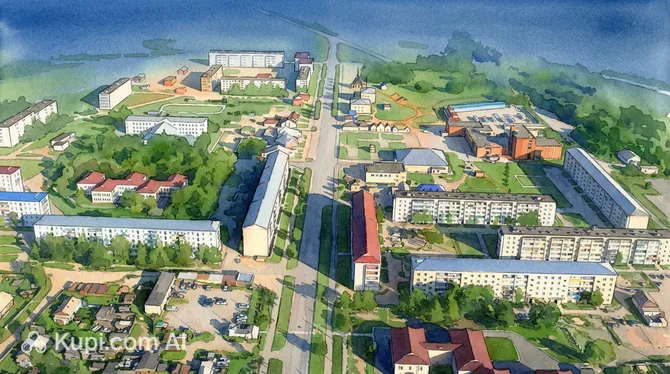
Welcome to Plastun, a distinctive destination located in the Primorsky Krai region of the Russian Federation. Situated along the picturesque coast of the Sea of Japan, this settlement offers a unique blend of industrial heritage and breathtaking natural landscapes. It serves as a vital port and a gateway to the rugged beauty of the Russian Far East.

The town is home to approximately 15,000 residents and is well-regarded for its connection to the surrounding wilderness. Visitors often come here to experience the serene atmosphere of Plastun Bay and the majestic Sikhote-Alin mountains that frame the horizon. Exploring the history of Plastun reveals its origins tied to the corvette "Plastun," which discovered the bay in the mid-19th century, marking the beginning of its development.

Plastun. Source: Kupi.Binoculars

One of the main draws for tourists is the proximity to the renowned Sikhote-Alin Nature Reserve, a UNESCO World Heritage site. This area is a haven for eco-tourists and wildlife enthusiasts, offering chances to spot rare species such as the Amur tiger in their natural habitat. The region is also perfect for outdoor activities, including fishing and hiking along the scenic coastline.

Whether you are passing through on a journey across the region or looking for a quiet place to connect with nature, Plastun provides a memorable experience. Its combination of coastal charm and access to pristine taiga makes it a worthwhile stop for any adventurous traveler.

Weather Overview

The climate in Plastun is characterized by distinct seasonal contrasts, offering travelers different experiences throughout the year. Winters are typically cold and dry, with January being the coldest month. During this time, average temperatures hover around -14.2°C, and nights can drop as low as -18.6°C. Despite the freezing conditions, precipitation is minimal, and there are very few wet days during the winter months.

Conversely, the summer season brings warmth and a significant increase in humidity. July is usually the warmest month, with average highs reaching 23.0°C, creating a pleasant environment for exploring the coast. However, visitors should expect frequent rainfall during this period; June and August are particularly damp, with up to 15 wet days recorded in each month.

Spring and autumn act as transitional periods with rapidly changing temperatures. By May, the weather becomes milder with averages around 10.4°C, while October sees temperatures cooling down to approximately 7.2°C. For the most accurate forecasts and to help pack suitable clothing for your trip, we recommend checking the detailed weather in Plastun before you travel.

Interesting Facts

Beyond the main attractions, Plastun holds many fascinating secrets that reveal its unique character as a remote outpost in the Far East. This settlement is not just a transit point but a place with surprising amenities and distinct historical quirks.

  • A Sporting Surprise: Unexpectedly for a remote settlement surrounded by taiga, Plastun is home to one of the few golf courses in the region. The local golf club was established by the town's major timber enterprise, providing a unique leisure opportunity where players can enjoy a game against the backdrop of the rugged Sikhote-Alin mountains.

  • Larger Than the Capital: In a rare administrative anomaly, Plastun has a larger population and a more robust industrial base than Terney, which is the actual administrative center of the district. While Terney holds the official title, Plastun serves as the true economic engine of the area due to its busy port and wood processing facilities.

  • Meaning Behind the Name: While the town was named after the Imperial Russian corvette Plastun, the word itself has a specific historical meaning. It refers to "plastuns," who were specialized Cossack foot scouts and infantrymen known for their stealth and crawling skills, serving as an early form of special forces.

  • Gateway for Documentaries: Due to its proximity to the core zones of the Sikhote-Alin Nature Reserve, Plastun frequently serves as the logistical base for international film crews. Many famous documentaries about the endangered Amur tiger were filmed with this town acting as the primary hub for equipment and supplies.

How to Get There

Reaching Plastun requires a bit of planning due to its remote location on the coast of the Sea of Japan. While the journey offers scenic views of the Primorsky Krai wilderness, direct connections can be limited. For a comprehensive guide on logistics and routes, you can read more about how to get to Plastun on our dedicated page.

Since the town does not have a major international airport, most travelers from afar fly into Vladivostok International Airport (VVO), which serves as the main aviation hub for the region. From Vladivostok, visitors typically continue their journey to Plastun by intercity bus, taxi, or a small regional flight if available. The road trip from Vladivostok is long but picturesque, passing through the Sikhote-Alin mountains.

For those preferring rail travel, it is important to note that the city of Plastun does not have a railway station. The closest major railway hubs are located inland along the Trans-Siberian route. You can arrive at the Ruzhino Station in the city of Lesozavodsk, which is about 239 km from Plastun. From there, you can get a taxi or bus, which takes approximately 4 to 5 hours depending on road conditions. Another accessible option is Dalnerechensk-1 Station in Dalnerechensk, located roughly 240 km away.

For clarity, here is a summary of the nearest railway stations that can serve as transit points:

Station City Passenger Traffic Km to Center
Ruzhino Station Lesozavodsk Medium 238.8
Spassk-Dalny Railway Station Spassk-Dalny Medium 275.0
Dalnerechensk-1 Station Dalnerechensk Small 240.0
Arsenyev Railway Station Arsenyev Small 248.4
Bikin Railway Station Bikin - 278.7

Main Attractions

The primary allure of Plastun lies in its breathtaking natural surroundings rather than urban monuments. As a gateway to the wild, the town serves as the perfect base for exploring the pristine wilderness of the Russian Far East. The most significant highlight is undoubtedly the Sikhote-Alin Nature Reserve. This UNESCO World Heritage site is world-renowned for its biodiversity and is one of the last strongholds of the endangered Amur tiger. The reserve's headquarters are located in Plastun, where visitors can arrange guided tours and learn about the unique ecosystem where the boreal taiga meets the subtropics.

For those who enjoy coastal scenery, Plastun Bay itself is a major attraction. The bay forms a sweeping arc protected by rocky headlands, offering spectacular views of the Sea of Japan. It is an excellent spot for leisurely walks along the shore, where you can watch local fishermen and observe seabirds. The contrast between the working port and the rugged, forested hills rising directly from the water creates a distinct and memorable landscape.

Just a short distance north of the town lies Lake Dukhovskoye, a beautiful freshwater body separated from the sea by a narrow strip of land. This lake is a favorite recreational spot for both locals and tourists, offering a tranquil environment for picnics and birdwatching. In the warmer months, the area around the lake is lush and green, making it an idyllic escape for nature lovers seeking quiet reflection away from the coast's salty breeze.

Adventure seekers often head towards Cape Yakubovsky, located to the south of Plastun. This dramatic coastal feature is known for its steep cliffs and crashing waves. Hiking in this area provides panoramic vistas of the coastline that are truly photographer's dreams. The raw power of the ocean meeting the stone cliffs encapsulates the wild spirit of the Primorsky region.

Local Cuisine

The culinary landscape of Plastun is deeply influenced by its unique geography, where the bounty of the Sea of Japan meets the rich resources of the Ussuri taiga. Local cuisine here is less about haute cuisine and more about the freshness and quality of ingredients. Visitors can expect a diet heavily reliant on seafood, often caught just hours before being served, providing an authentic taste of the Russian Far East.

Seafood lovers will find themselves at home here. The cold waters of the coast provide an abundance of fish, including flounder, herring, and various salmon species. One of the signature experiences in the region is tasting fresh scallops or sea urchin roe, often eaten raw or lightly seasoned to preserve their delicate natural flavors. Dried and smoked fish are also popular staples, serving as excellent snacks that locals enjoy year-round.

Beyond the sea, the surrounding forests contribute significantly to the local table. A distinct feature of Primorsky Krai cuisine is the use of wild plants. You should definitely try dishes featuring fern (paporotnik), which is harvested in the taiga, salted, and then cooked with meat or vegetables. Another local favorite is wild garlic (cheremsha), which adds a spicy, fresh kick to salads and soups, especially in the spring.

Due to the region's proximity to East Asia, you might encounter the famous Pyanse, a steamed bun filled with cabbage, meat, and spices. While originally influenced by Korean cuisine, it has become a quintessential street food across the Primorye region. It is a hearty, comforting snack perfect for the often cool coastal weather.

When it comes to drinks, the locals take pride in teas brewed from taiga herbs and berries. A must-try is tea infused with Schisandra chinensis (known locally as limonnik), a vine native to the region. This drink is not only refreshing with its citrusy notes but is also prized for its tonic properties. For something stronger, you might find tinctures made from local berries or medicinal roots, reflecting the traditional knowledge of the forest.

The dining scene in Plastun is modest and cozy, consisting mainly of small cafes and canteens rather than upscale restaurants. The atmosphere is typically laid-back and welcoming, with a focus on hearty, home-style cooking that fuels the fishermen and workers of the town. For tourists, the best meals are often found in these simple establishments or even outdoors, enjoying a picnic with fresh local produce against the backdrop of the bay.

Travel Tips

Preparing for a trip to Plastun requires a bit more foresight than a standard city break, given its remote location on the rugged coast of the Sea of Japan. To help you navigate the local logistics and enjoy the wild beauty of Primorsky Krai without hassle, here are some essential practical insights.

  1. Clothing and Gear: The weather here is dictated by the monsoon climate. In summer, humidity is high and rain is frequent, so a waterproof jacket and quick-drying clothes are essential. If you plan to hike in the taiga, you must wear long sleeves, trousers tucked into socks, and a hat to protect against ticks, which are prevalent in the region. For winter visits, heavy thermal layers, insulated boots, and windproof outerwear are mandatory to withstand the freezing coastal winds.

  2. Transportation: Plastun is a small settlement, and most points of interest within the town are walkable. There is no internal public transport system like buses or trams for getting around the town itself. For longer distances or to reach trailheads, you will rely on local taxi services; ride-hailing apps like Uber do not operate here, so ask your accommodation or a local shop to help you call a car. Renting a car is best done in Vladivostok before you arrive, as rental agencies are virtually non-existent in Plastun.

  3. Finances: The official currency is the Russian Ruble (RUB). It is crucial to carry a sufficient amount of cash, as electronic payments may not be available in smaller shops or rural kiosks. International credit and debit cards issued outside the country generally do not work, so you cannot rely on them. There are a few ATMs in the town (mostly Sberbank), but they can occasionally be out of service, making cash the most reliable option.

  4. Health and Safety: The biggest natural hazard in this region is the tick, specifically in late spring and early summer, as they can carry encephalitis. Use strong insect repellent containing DEET and check your body after any walk in nature. Pharmacies (called apteka) are available in the town center but are not open 24/7, so bring a personal supply of essential medications. The local hospital can handle basic emergencies, but serious cases may require transport to a larger city.

  5. Communication: English is rarely spoken in Plastun, so having a translation app that works offline is highly recommended. Learning a few basic phrases like "Zdravstvuyte" (Hello) and "Spasibo" (Thank you) will go a long way. Mobile coverage is generally good within the town (operators like MTS and Megafon are common), but be prepared for the signal to disappear completely once you venture a few kilometers into the forest or towards remote bays.

  6. Local Etiquette: When entering a private home or even some guesthouses, it is strictly customary to remove your shoes at the door; hosts will often provide slippers. Locals are generally friendly but may appear reserved initially; a polite greeting and a lack of loud, disruptive behavior help break the ice. If you are invited to share a meal, it is polite to try everything offered, as hospitality is taken seriously here.

  7. What to Avoid: Do not attempt to enter the Sikhote-Alin Nature Reserve without an official permit or a guide. The regulations are strict to protect the wildlife, including the Amur tiger, and unauthorized entry can lead to fines and safety risks. Additionally, avoid drinking tap water; while it is generally clean, the mineral content or old pipes might upset your stomach, so sticking to bottled or boiled water is safer.

  8. Additional Tip: Be prepared for "midges" (gnus) in June and July. These tiny biting insects can be more annoying than mosquitoes. A standard mosquito net might not stop them due to their size, so look for fine-mesh face nets or specialized repellents sold locally if you plan to spend time fishing or sitting by the lake.

By keeping these tips in mind, you can focus on the incredible landscapes and unique atmosphere that make Plastun such a special destination. A little preparation ensures that your adventure in the Russian Far East is memorable for all the right reasons.

Entertainment & Nightlife

Nightlife in Plastun is a reflection of its character as a remote, working port town surrounded by wilderness. Travelers should not expect bustling nightclub districts, neon-lit strips, or high-end cocktail lounges found in major cities. Instead, the evening entertainment here is low-key, intimate, and centered around socializing in a relaxed atmosphere. The "nightlife" is mostly concentrated in the central part of the settlement, where a few establishments serve as the community's social hubs after dark.

The atmosphere in local venues is casual and unpretentious. The crowd is a mix of local residents, port workers, and the occasional eco-tourist or hiker returning from the Sikhote-Alin Reserve. There is rarely a strict dress code; casual attire or even outdoor gear is generally acceptable, though leaving muddy hiking boots at the door is a polite gesture. Most places close relatively early compared to big cities, often winding down by midnight, so it is best to start your evening early.

For a sit-down dinner that transitions into evening drinks, the restaurant at the Hotel Plastun is one of the primary options. As the main accommodation facility in town, its dining hall often serves as the de facto meeting place for visitors and locals alike, offering hearty meals and a selection of beverages. Another popular type of venue in town includes small local cafes (often referred to simply as "kafe"), where you can enjoy Russian staples and local seafood accompanied by beer or vodka. These spots can become lively on weekends, occasionally hosting karaoke nights which are a favorite local pastime.

Practicalities are important for a night out in Plastun. Cash is essential, as card machines may not be available or reliable in smaller evening venues. Getting around is best done on foot if you are staying centrally, as the town is compact. However, street lighting can be sparse on the outskirts, so carrying a flashlight is recommended. If you need a ride, you cannot rely on ride-hailing apps; instead, ask the venue staff to call a local taxi for you. In terms of safety, the town is generally very peaceful, but it is wise to avoid walking alone near the forest edge at night due to the proximity of wildlife.

During the daytime, entertainment options focus on culture and community. The local House of Culture (Dom Kultury) is the heart of public life, frequently hosting concerts, local theater productions, and holiday celebrations. It also serves as a cinema, screening movies for residents. For those interested in local history and nature, the administrative center of the Sikhote-Alin Nature Reserve offers educational exhibits that provide a deeper understanding of the region's unique biodiversity before you head out on your evening adventures.

Parks & Museums

In Plastun, the concept of urban parks is redefined by the settlement's close relationship with the surrounding wilderness. Rather than traditional manicured gardens, the area offers immersive natural landscapes where the boundaries between the town and the taiga are beautifully blurred. The "green spaces" here are vast, untamed, and deeply connected to the unique biodiversity of the Russian Federation.

The most prominent natural landmark in the vicinity is the Sikhote-Alin Nature Reserve. While the reserve's headquarters and museum are located in the neighboring village of Terney, Plastun serves as a vital logistical gateway for travelers accessing the southern trails. This UNESCO World Heritage site provides an unparalleled opportunity to explore the Ussuri taiga, offering routes where visitors can experience the habitat of the Amur tiger and breathe the cedar-scented air of the primeval forest.

For a more accessible outdoor experience closer to the town center, Plastun Bay functions as the primary recreational area. In the absence of a large municipal park, the sandy and rocky stretches along the bay become the community's gathering spot. Residents and tourists alike come here for beach walks, picnics, and to watch the sun rise over the Sea of Japan. The bay is framed by picturesque hills, providing a scenic backdrop that offers a raw, natural alternative to landscaped city squares.

Just north of the settlement lies Lake Dukhovskoye, a hidden gem for those seeking quiet contemplation. This freshwater lake is a beloved destination for birdwatching and relaxing away from the ocean breeze. It offers a peaceful contrast to the rugged coast, serving as a sanctuary where you can spot herons and other waterfowl in the early morning mist, making it a perfect spot for nature lovers.

Reflecting the community's heritage is the local House of Culture (Dom Kultury). Serving as the heart of Plastun's artistic expression, this venue fills the role of a cultural center and museum. It frequently hosts exhibitions by local painters, photographers, and craftsmen, offering visitors a glimpse into the creative spirit of the residents. It is also the place to learn about the social history of the town, from its maritime origins to its development as a timber industry hub.

Getting Around

Navigating Plastun is a straightforward experience defined by the settlement's compact size and remote location. Unlike larger urban centers, there is no complex public transport network here. Travelers should not expect to find a metro system, trams, trolleybuses, or a dense web of city bus routes. The town is small enough that most daily activities and points of interest are easily accessible on foot, making walking the primary mode of getting around for both locals and visitors.

While there is no scheduled internal bus service for commuting within the town limits, the local transport infrastructure is centered around the Bus Station (Avtostantsiya). This facility serves as the main hub for regional connectivity rather than city transit. From here, buses connect Plastun with major cities like Vladivostok, Dalnegorsk, and neighboring villages. These intercity buses are the only form of heavy public transport you will encounter, and they are essential for arriving in or departing from the area.

For distances that are too far to walk, such as reaching the outskirts or carrying heavy luggage to your accommodation, taxis are the de facto public transport solution. There are no hailed "yellow cabs" cruising the streets; instead, the system operates on a dispatch basis. You must call a local dispatch number to request a ride. International ride-hailing apps like Uber or Yandex Go generally do not operate in this remote part of the region, so it is advisable to ask your hotel receptionist or a local host to provide the phone numbers of reliable local taxi firms.

The payment system in Plastun is traditional and relies almost exclusively on cash. There are no electronic travel passes, transport cards, or mobile ticketing apps for local movement. When using a taxi, you should agree on the fare with the dispatcher or driver beforehand, as meters are rarely used. For intercity buses, tickets must be purchased in person at the station's ticket office (kassa). It is crucial to carry small denominations of the local currency, as drivers often do not have change for large banknotes.

Regarding alternatives, options like car-sharing services or organized bike rentals are virtually non-existent within the town itself. If you require a vehicle to explore the surrounding wilderness independently, it is highly recommended to rent a car in a major city like Vladivostok before driving to Plastun. For tourists, the most practical advice is to plan your movements around the daylight hours and rely on walking for short trips, reserving taxis for airport transfers or excursions to specific trailheads.

Accommodation

Finding accommodation in Plastun is relatively straightforward, primarily because the options are quite limited. As a working port town rather than a dedicated resort destination, the hospitality sector is modest. Travelers will not find international luxury chains or sprawling all-inclusive resorts here. Instead, the accommodation landscape is dominated by a few functional hotels and local guesthouses designed to cater to business travelers, port workers, and eco-tourists visiting the nearby nature reserve.

The most convenient area to stay is in the town center. Staying here places you within walking distance of the main grocery stores, the bus station, and the few dining establishments available. Given the compact size of the settlement, being central means you are never far from the coast or the essential services, making it easy to navigate without a vehicle.

The primary establishment in town is the Hotel Plastun (often simply referred to as the "Gostinitsa"). It offers standard amenities and is the go-to choice for most visitors, providing a reliable base with heating, hot water, and an attached restaurant. Aside from the main hotel, there is a small market for private apartment rentals, which can offer a more homelike experience for those planning a longer stay or looking for self-catering facilities.

Booking Tip: It is highly advisable to book your accommodation well in advance. Due to the scarcity of rooms, the main hotel can fill up quickly, especially during the summer tourist season or when industrial delegations are in town. Do not rely on finding a room upon arrival, as you might find yourself without a place to stay.

Prices generally fall into the budget to mid-range category. A crucial detail for international travelers is that major global online booking platforms rarely list properties in this remote area. You may need to find the hotel's phone number and call directly to make a reservation or use Russian-specific travel aggregators. Additionally, be prepared to pay in cash upon arrival, as card terminals may not always be operational.

Nearby Cities

For those looking to explore the surroundings, Plastun serves as an excellent base for day trips to several interesting nearby locations:

One of the most notable destinations is Arsenyev, located approximately 250 kilometers inland. This city is famous for its rich aviation history, housing the "Progress" aviation plant and the Far Eastern Aviation Museum. In the winter months, Arsenyev becomes a magnet for sports enthusiasts due to its popular ski resort on Obszornaya Hill (Sopka), offering excellent slopes and panoramic views of the Sikhote-Alin range.

Another worthwhile stop is Spassk-Dalny, situated roughly 275 kilometers away on the Khanka Plain. Known historically as a center for the cement industry, the city offers a distinct change of scenery from the coastal landscape of Plastun. Visitors can explore the local lore at the Spassk Museum of Local History, which details the settlement's development and the natural features of the surrounding lowlands.

For those willing to venture a bit further to experience a major regional hub, Ussuriysk offers a blend of history and culture. As one of the oldest cities in the region, it features unique architecture, bustling markets, and proximity to the Ussuriysky Nature Reserve. It provides a deeper look into the urban lifestyle of Primorsky Krai and serves as a significant cultural crossroads.

City Population Distance (km)
Ussuriysk 170660 363
Nakhodka 151420 344
Artem 106692 365
Arsenyev 52471 250
Spassk-Dalny 41127 275

These nearby destinations offer a glimpse into the diverse culture and landscapes of the region.

Shopping & Souvenirs

Shopping in Plastun is a modest and practical affair, reflecting its status as a working port town rather than a tourist resort. You will not find sprawling shopping malls, luxury boutiques, or international fashion chains here. Instead, the retail landscape is dominated by small, locally-owned stores that cater to the daily needs of residents. For visitors, the shopping experience is less about retail therapy and more about discovering unique local products sourced from the surrounding taiga and sea.

The main commercial activity is concentrated in the town center. This compact area serves as the primary shopping district, where most essential services are located within walking distance of each other. A stroll along the central streets will reveal a variety of small shops selling clothing, fishing gear, household goods, and groceries. It is a functional and laid-back environment where you can easily find supplies for your onward journey into the wilderness.

There are no large-scale shopping malls in the city. The retail infrastructure relies on smaller trading centers (often marked as "Torgovy Tsentr"), which house multiple independent vendors under one roof. These establishments typically feature a mix of stalls offering apparel, electronics, and haberdashery. They are convenient for picking up basic necessities but do not offer the entertainment or dining options found in big-city malls.

For a taste of local life, the local market is the most interesting place to visit. This is where the region's natural bounty is on full display. Depending on the season, you can find fresh vegetables grown in local garden plots, wild berries gathered from the forest, and homemade preserves. It is also a great spot to see the catch of the day, with local fishermen often selling fresh fish and seafood directly to the community.

When it comes to souvenirs, the best items to bring back from Plastun are edible and natural. The region is famous for its wild honey, which is highly consistent in quality and flavor. Pine nuts (cedar nuts), harvested from the Korean pine trees in the nearby forests, are a nutritious and popular local delicacy. You should also look for herbal teas and balms made from Schisandra (limonnik) and other medicinal plants native to the Ussuri taiga. Smoked or dried fish is another classic choice for those who enjoy savory treats.

Store hours are generally standard, with most shops opening around 9:00 AM and closing by 7:00 PM or 8:00 PM. While larger grocery stores may stay open a bit later, smaller boutiques and market stalls often close in the late afternoon. In terms of payment, cash is king in Plastun. While a few major supermarkets might accept credit cards, many smaller shops, kiosks, and market vendors deal exclusively in cash. It is strongly advised to carry enough Russian Rubles to cover your purchases.

Tourists should note that the Tax-Free (VAT refund) system is not available in Plastun. This service is typically found only in major luxury retailers in Russia's largest metropolitan areas and does not extend to the small businesses in this remote region.
Reached the end of the page?

That means the route is fully explored