Support

Dalnegorsk

About

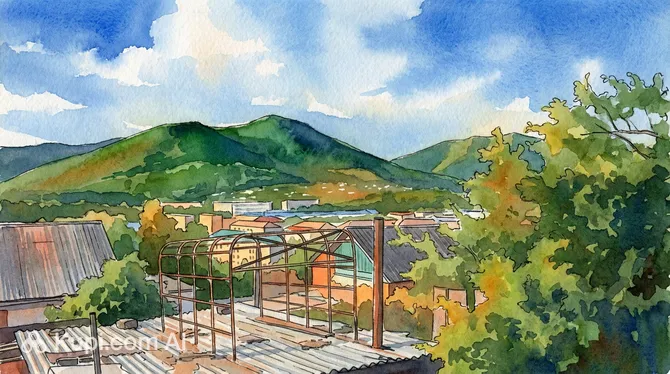
Welcome to Dalnegorsk, an intriguing industrial city nestled within the lush valleys of the Sikhote-Alin mountain range. Located in the Russian Federation, specifically in the Primorsky Krai region, this destination offers a unique combination of geological wonders and rugged natural beauty. The city stretches along the banks of the Rudnaya River, surrounded by forested hills that provide a scenic backdrop to its urban landscape.

Dalnegorsk. Source: Kupi.Binoculars

Although it is primarily known as a mining center with a population of approximately 37,000 people, the history of Dalnegorsk reveals a fascinating evolution from a remote settlement to a significant hub of mineral extraction. Today, it attracts travelers interested in both geology and the unexplained. One of its most famous sites is Height 611, a hill renowned for a reported UFO incident that continues to spark curiosity among visitors from around the world.

Beyond its mysteries, the area is a gateway to outdoor adventures. You can explore the impressive mineralogical collections in the local museum, which display rare crystals found in the region, or take a trip to the nearby coast to see the iconic "Two Brothers" sea stacks. Whether you are a nature enthusiast or an explorer looking for an off-the-beaten-path experience, Dalnegorsk invites you to discover the hidden charm of the Far East.

Weather Overview

The climate in this region is characterized by distinct seasonal contrasts, offering travelers widely different experiences depending on the time of year. Winters are typically rigorous and cold, with January being the coldest month, seeing average temperatures around -16.0°C. Despite the freezing conditions, the winter months are generally dry, with minimal precipitation recorded.

In contrast, the summer season brings much milder and more comfortable weather. By July, the average temperature rises to a pleasant 19.0°C, creating ideal conditions for exploring the surrounding nature. However, travelers should note that the warmer months tend to be wetter; August, for instance, sees about 17 wet days. To help you pack appropriately for your trip, it is helpful to review the detailed weather in Dalnegorsk before you go.

Overall, you can expect warm summers with occasional rain and cold, dry winters. The transitional seasons of spring and autumn see temperatures shifting rapidly, moving from freezing lows in March to comfortable highs by late May, and cooling down again as October approaches.

Interesting Facts

Beyond the main attractions, Dalnegorsk holds many fascinating secrets that add depth to its rugged exterior. Uncover the lesser-known stories and unique features that make this remote mining town a captivating destination for the curious traveler.

  • Hollywood Heritage: The city has a surprising link to the Golden Age of Hollywood. The local mining industry was significantly developed by the family of the legendary actor Yul Brynner. His grandfather, Jules Bryner, established the Tetyukhe mining concession in the early 20th century, laying the economic foundation for what would eventually become modern Dalnegorsk.

  • The "Soviet Roswell": While the Height 611 UFO incident is locally famous, the details are truly bizarre. Following the alleged crash in 1986, investigators reported finding strange microscopic evidence at the site, including fine mesh netting and lead droplets with a chemical composition that baffled scientists, sparking debates that continue to this day.

  • A Name from the Past: Until 1972, the city was known as Tetyukhe, a name of Chinese origin that translates to "Valley of Wild Boars." The name was changed to Dalnegorsk, meaning "Far Mountains," during a widespread campaign to rename geographical features in the Russian Far East.

  • World-Class Crystals: Dalnegorsk is not just a mining town; it is a "mineralogical pearl" recognized globally. The area produces distinctively shaped crystals, particularly danburite and datolite, which are so rare and perfectly formed that they are exhibited in prestigious natural history museums around the world rather than just being processed for ore.

How to Get There

Reaching this remote industrial center requires some planning, as it is tucked away in the Sikhote-Alin mountains. While the journey offers scenic views of Primorsky Krai, direct access is limited, and visitors often combine different modes of transport. You can find detailed routes and tips in our guide on how to get to Dalnegorsk.

Dalnegorsk does not have a major international airport handling direct long-haul flights. Most travelers from abroad or distant parts of Russia fly into Vladivostok International Airport (VVO), located near Artyom, which serves as the main gateway to the region. From Vladivostok, you can take a regional flight directly to the small local airport in Dalnegorsk or embark on a scenic but long bus journey through the taiga to reach the city.

The city of Dalnegorsk does not have its own railway station, as the terrain is quite mountainous. However, you can arrive at major stations on the Trans-Siberian Railway line in neighboring cities and transfer to road transport. A common option is to arrive at Ruzhino Station in the city of Lesozavodsk, which is approximately 198 km from Dalnegorsk. The travel time from there by taxi or bus is roughly 5 hours and 20 minutes. Another alternative is Spassk-Dalny Railway Station in Spassk-Dalny, located about 218 km away. From these hubs, regular bus services and taxis are available to complete the final leg of your trip.

For clarity, here is a summary of the nearest railway stations:

Station City Passenger Traffic Km to Center
Ruzhino Station Lesozavodsk Medium 197.6
Spassk-Dalny Railway Station Spassk-Dalny Medium 217.9
Dalnerechensk-1 Station Dalnerechensk Small 210.8
Arsenyev Railway Station Arsenyev Small 187.8
Partizansk Railway Station Partizansk 250.1

Main Attractions

Dalnegorsk offers a distinct mix of industrial heritage, geological wonders, and mysterious legends that attract adventurous travelers to the Russian Far East. While the city is primarily known for its mining history, its surroundings boast unique natural landmarks and sites of global intrigue. From rare crystals to unexplained phenomena, the local attractions provide a fascinating glimpse into this remote corner of Primorsky Krai.

One of the city's most celebrated institutions is the Dalnegorsk Museum and Exhibition Center. Often referred to as a "mineralogical pearl," this museum houses a world-class collection of stones and crystals extracted from the local mines. Visitors are particularly drawn to the unique "mushroom" crystals—calcite and quartz formations that are rarely found elsewhere on Earth. The exhibits not only showcase the geological wealth of the region but also tell the story of the mining industry that gave birth to the city, making it an essential stop for geology enthusiasts.

For those interested in the paranormal, Height 611 (Mount Izvestkovaya) is a site of significant fame. Known as the location of the "Dalnegorsk Incident," this hill was the site of an alleged UFO crash in 1986. The event has drawn ufologists and curious tourists from around the world who hike to the summit to see the impact site. Apart from its mysterious reputation, the hill offers a panoramic view of the city and the surrounding valley, making the climb rewarding for its scenery alone.

Just a short drive from the city lies the iconic Two Brothers sea stacks, located near the settlement of Rudnaya Pristan. These twin rock formations rising dramatically from the Sea of Japan are the unofficial symbol of the region and have even been featured on Russian banknotes. The area around the stacks offers breathtaking coastal views, a historic lighthouse, and the opportunity to visit the nearby Briner’s Country House, an architectural monument linked to the family of the famous Hollywood actor Yul Brynner, whose grandfather founded the local mining enterprise.

Local Cuisine

The local cuisine in Dalnegorsk reflects its unique geographical position, offering a fascinating blend of classic Russian comfort food, Asian influences, and the natural bounties of the Russian Far East. Located between the Sikhote-Alin mountains and the Sea of Japan, the city's food scene is defined by fresh, locally sourced ingredients that you rarely find in other parts of the country. The gastronomic experience here is less about fine dining and more about hearty, flavorful meals that fuel the locals for life in this rugged terrain.

When visiting, you must try dishes featuring the "gifts of the taiga." A signature local specialty is bracken fern (orlyak), which is harvested in the surrounding forests, salted, and then stewed with meat or potatoes. It has a unique texture somewhat similar to mushrooms or asparagus. Another regional staple is pyan-se, a steamed bun filled with meat, cabbage, and spices. While popular throughout Primorsky Krai, this satisfying street food is a perfect quick snack for travelers on the go. Additionally, due to the city's proximity to the coast, fresh seafood—particularly squid, flounder, and scallops—often features on menus.

To accompany your meal, skip the standard sodas and opt for drinks made from local berries and herbs. Mors, a traditional berry drink often made from lingonberries or cranberries, is refreshing and rich in vitamins. For something warmer, try herbal tea brewed with Schisandra (magnolia berry) or wild rose hips gathered from the nearby hills. These teas are not only delicious but are also prized by locals for their tonic and health-boosting properties, helping to ward off the cold winters.

The dining culture in Dalnegorsk is casual and unpretentious. You will mostly find cozy cafes and traditional canteens (stolovayas) that serve generous portions of home-style cooking at affordable prices. For a more authentic taste of the region, visit the local markets. Here, you can buy jars of aromatic linden honey and bags of pine nuts (cedar nuts), which are harvested in the vast cedar forests surrounding the city and make for excellent edible souvenirs.

Travel Tips

Traveling to Dalnegorsk takes you into the heart of the Primorsky taiga, far from the standard tourist trails found in larger Russian cities. To help you navigate this unique industrial and natural landscape comfortably and safely, we have compiled a set of essential practical tips for your journey.

  1. Clothing and Gear: Since Dalnegorsk is surrounded by hills and forests, comfortable, sturdy hiking boots are a must, especially if you plan to climb Height 611. The weather varies greatly; pack thermal layers and a heavy down jacket for the freezing winters, but bring breathable clothing and a raincoat for the humid, often wet summers. A portable power bank is also essential for long treks in the wilderness.
  2. Transportation: The city center is compact enough to walk, but to reach the coastal attractions like the Two Brothers sea stacks or the lighthouse in Rudnaya Pristan, you will need a vehicle. Public buses connect the main settlements, but they can be infrequent. The most convenient option is to use local taxi services; asking your hotel reception to call one for you is often more reliable than trying to flag one down on the street.
  3. Finances: The official currency is the Russian Ruble (RUB). While supermarkets may accept cards, international payment systems often do not work, so carrying cash is strictly necessary. ATMs are available in the city center, but it is wise to withdraw sufficient funds in Vladivostok before departing. Tipping is appreciated in cafes (around 10%) but not mandatory.
  4. Health and Safety: Dalnegorsk is generally safe, but the surrounding nature poses specific risks. If you are visiting between late spring and early summer, be extremely cautious of ticks, which can carry encephalitis; wear long sleeves and use strong repellent. Pharmacies (apteka) are available in the town center, but few operate 24/7, so bring a basic first-aid kit and any prescription medications you need.
  5. Communication: English is rarely spoken outside of major hotels or by younger people. It is highly recommended to download an offline translation app and offline maps (like Yandex Maps or 2GIS) before your trip. Learning the Cyrillic alphabet and a few basic phrases like "Spasibo" (Thank you) and "Gde...?" (Where is...?) will be incredibly helpful.
  6. Local Etiquette: When visiting someone's home, always remove your shoes at the door; hosts will usually provide slippers. In public, people may seem reserved initially, but they are generally helpful if you ask for assistance. It is polite to greet shop assistants when entering small stores.
  7. What to Avoid: Do not venture into the deep taiga forests without an experienced local guide. The Primorsky wilderness is home to wild animals, including bears and tigers, and getting lost is a real danger. Additionally, avoid drinking tap water; buying bottled water is the safer choice for tourists.
  8. Souvenir Tip: Instead of generic trinkets, look for local minerals. As a famous mining town, Dalnegorsk offers shops where you can buy authentic stones like quartz, datolite, or calcite at much better prices and quality than you would find in airport souvenir stalls.

By keeping these practicalities in mind, you can focus on the rugged beauty and geological mysteries that make Dalnegorsk such a fascinating destination. Prepare well for the elements, respect the local nature, and enjoy your adventure in the Russian Far East!

Entertainment & Nightlife

Nightlife in Dalnegorsk reflects the character of this hardworking industrial city: it is modest, laid-back, and centered around socializing with friends rather than high-energy clubbing. Travelers expecting the neon lights and thumping bass of Moscow or Vladivostok will find a much quieter scene here. The evening entertainment landscape is primarily defined by cozy cafes that transition into bar-like atmospheres after dark, where locals gather for hearty meals, music, and drinks.

The city does not have a dedicated "nightlife district" in the traditional sense. However, the most activity can be found along the central artery, Prospekt 50 Let Oktyabrya. This main avenue is where the majority of dining establishments, shops, and social venues are clustered. In the evenings, this area remains the safest and most illuminated part of town, making it the natural focal point for anyone looking to step out after sunset.

For a pleasant evening out, you can visit Cafe Almas. It is one of the city's well-regarded spots, offering a mix of dining and evening relaxation. It is a popular choice for locals to celebrate occasions or simply unwind with good food and beverages in a welcoming environment. Another option for a casual night is Dallas City, a venue known for its pizza and relaxed vibe, making it a suitable place to grab a late bite and mingle with the local crowd.

The atmosphere in these venues is generally casual and unpretentious. There is no strict dress code; jeans and smart-casual attire are perfectly acceptable everywhere. Most places close relatively early compared to big cities, often winding down by midnight or 1:00 AM, though hours may extend slightly on weekends/holidays. Prices are very affordable by Russian standards, with a substantial evening meal and drinks costing significantly less than in regional capitals.

When it comes to safety and logistics, common sense applies. The city center is generally safe for evening walks, but the lighting can be sparse once you step off the main avenue. Given the city's location in the heart of the taiga, it is strictly advised to avoid walking into unlit outskirts or wooded areas at night. Public transport stops running early, so you should rely on taxis to get back to your accommodation. Apps like Yandex Go may work, but it is always useful to have the phone number of a local taxi service saved, which hotel reception can provide.

For daytime and early evening entertainment, the city offers a few cultural staples. The Cinema Briz is the go-to spot for catching the latest Russian and international film releases. Additionally, the local Palace of Culture (DK Khimik) occasionally hosts concerts, theatrical performances, and community events that provide a glimpse into the region's social life.

Parks & Museums

Dalnegorsk is not a typical tourist destination with manicured botanical gardens and vast art districts; rather, it is a city where industrial heritage is inextricably woven into the wild, rugged beauty of the Primorsky taiga. The cultural and natural highlights here reflect the city's unique identity as a mining center founded by adventurous pioneers and surrounded by some of the most geologically fascinating landscapes in the Russian Far East.

Key Parks and Green Spaces

The concept of a "park" in Dalnegorsk often extends beyond paved paths to include the majestic hills that frame the city. The most famous natural landmark is Height 611 (Mount Izvestkovaya). While globally renowned for the mysterious "Dalnegorsk Incident," it serves locally as a premier hiking destination. A climb to its summit offers travelers panoramic views of the city nestled in the valley and the endless waves of the Sikhote-Alin mountains. It is a perfect spot for photography and for breathing in the fresh, pine-scented air of the taiga.

For a more traditional park experience, visitors can stroll through Victory Park (Park Pobedy). Located in the heart of the city, this green space is a solemn and peaceful area dedicated to the memory of those who fought in the Great Patriotic War. It features well-kept alleys and monuments, making it a quiet place for reflection and a popular spot for locals to walk with their families away from the bustle of the industrial zones.

Although technically a short drive from the city center towards the coast, the area around Rudnaya Bay functions as the region's main natural recreational zone. Here, you will find the iconic Two Brothers sea stacks—massive rock pillars rising from the Sea of Japan. The surrounding beaches and coastal cliffs offer a dramatic "natural park" environment where visitors can picnic, swim in the summer, or simply admire the stark beauty of the coastline that has become a symbol of the region.

Museums and Galleries

The cultural crown jewel of the city is the Dalnegorsk Museum and Exhibition Center. This institution is a must-visit for anyone interested in geology. Its mineralogical collection is world-class, famed for its bizarre and beautiful "mushroom" crystals—unique formations of calcite and quartz that are virtually exclusive to local mines. Beyond stones, the museum offers a deep dive into the history of the region, from early archaeological finds to the saga of the Briner family who founded the mining industry here. It provides crucial context for understanding why this remote city exists.

While not a museum in the strict sense, the Palace of Culture of Chemists (DK Khimik) stands as a significant cultural venue. This imposing building is a classic example of Soviet architectural ambition and serves as the center of the city's artistic life. It hosts theatrical performances, concerts, and temporary exhibitions. The square in front of the palace often acts as an open-air gallery for city events and festivals, reflecting the living culture of the local community.

Historical and Architectural Sites

A significant architectural landmark linked to the city's origins is Briner’s Country House, located in the nearby settlement of Rudnaya Pristan. Built in the early 20th century by the family of Yul Brynner, the famous Hollywood actor, this wooden Art Nouveau structure is a rare survivor of the pre-Soviet era. It stands as a testament to the ambitious European pioneers who first developed the rich mineral deposits of the area.

Authentic Experiences

For a truly local experience, look beyond the official souvenir shops. Dalnegorsk is known among collectors as a "mineral capital," and you can often find small, private sellers or local markets offering stunning raw crystals—such as fluorite, galena, or datolite—at a fraction of the price you would pay in international galleries. It is a unique opportunity to take a piece of the Primorsky mountains home with you.

Getting Around

The public transport system in Dalnegorsk is compact and straightforward, reflecting the city's size and linear layout along the river valley. Unlike larger metropolitan areas, there is no metro, tram, or trolleybus network here. The primary mode of transportation for locals and visitors alike is the bus, supplemented by commercial minibuses known as marshrutkas. These vehicles connect the central districts with the outlying residential areas and the industrial zones, running primarily along the main artery, Prospekt 50 Let Oktyabrya.

For tourists, the bus network is useful for getting from the city center to specific neighborhoods or nearby settlements, such as Rudnaya Pristan on the coast. Stops are marked, but schedules can sometimes be irregular, especially during off-peak hours or weekends. Buses generally operate from early morning, around 6:00 AM, until approximately 8:00 PM or 9:00 PM. It is important to note that public transport options decrease significantly in the evening, so you should not rely on buses for late-night travel.

The payment system is traditional and relies heavily on cash. While some modern systems are being introduced across the region, in Dalnegorsk, it is strictly recommended to carry cash in the local currency. You typically pay the driver directly upon entering the vehicle. Fares are very affordable, usually costing a nominal amount for a trip within city limits. There are no complex travel cards or zone-based passes for short-term visitors; you simply pay for each ride individually. Always try to have small banknotes or coins, as drivers may not have change for large denominations.

Given the limited operating hours of buses, taxis are a highly popular and convenient alternative. They are relatively inexpensive and are the most reliable way to reach specific attractions like the trailheads for hiking or the local airport. While you might find taxis waiting at major stops, it is more efficient to order one by phone or through a mobile app if available. Local taxi services are well-versed in the area's geography and can take you to destinations that the bus routes do not cover.

For exploring the immediate downtown area, walking is often the best option. The city center is concentrated and pedestrian-friendly, allowing you to easily access shops, the museum, and cafes on foot. However, if you plan to visit the coastal areas or the famous geological sites located on the outskirts, renting a car or hiring a driver for the day is the most practical solution, as it provides the freedom to explore the rugged terrain at your own pace without being tied to the bus schedule.

Accommodation

Finding accommodation in Dalnegorsk is a straightforward affair, though options are somewhat limited compared to major tourist hubs. As a working industrial town in the Russian Federation, the local hospitality sector is geared primarily towards business travelers and those passing through on their way to the coast or the mountains. Visitors will find a small selection of hotels and guesthouses that provide a comfortable, if modest, base for their stay.

The majority of hotels are situated in the city center. This is the most convenient area for travelers, as it offers easy access to shops, cafes, and the regional bus station. These establishments typically provide standard amenities such as Wi-Fi and private bathrooms. While some retain a classic Soviet-style atmosphere, they are generally clean and well-heated, which is essential during the harsh Primorsky winters.

For a different experience, especially during the summer, you might consider staying near the coast in the settlement of Rudnaya Pristan, located about 35 kilometers away. Here, the accommodation style shifts towards "recreation bases" (turbazy)—simple wooden cottages or cabins located near the beach. These are ideal for nature lovers who prioritize scenic views and fresh sea air over hotel conveniences.

Travelers should note that Dalnegorsk is not a mass tourism destination, and international booking platforms may not list all available properties. It is often best to book in advance by phone or through Russian travel aggregators, as rooms can fill up quickly with industry workers. Furthermore, while larger hotels may accept cards, smaller guesthouses often operate on a cash-only basis, so carrying sufficient rubles is highly advisable.

Nearby Cities

For those looking to explore the surroundings, Dalnegorsk serves as an excellent base for day trips to several interesting nearby locations. While the distances in the Russian Far East can be vast, the region offers unique destinations that showcase the industrial heritage and natural splendor of Primorsky Krai.

The closest major city is Arsenyev, located approximately 189 kilometers away. Known as a hub for Russian aviation, it is famous for the "Progress" aircraft plant where the legendary Ka-50 "Black Shark" helicopters were developed. Visitors can explore the extensive Museum of Aviation History or, in the winter months, enjoy the slopes at the popular "Arsegora" ski resort. The journey takes you through scenic mountain passes, making the drive itself part of the adventure.

For a closer excursion, the coastal settlement of Rudnaya Pristan is a must-visit "place of interest" just a short drive from Dalnegorsk. Although smaller than a city, it offers breathtaking views of the Sea of Japan, the iconic "Two Brothers" sea stacks, and the historic Briner lighthouse. It is the perfect spot for a relaxing day by the ocean before returning to the city.

Travelers planning to continue their journey through the region can also connect to larger hubs. Below is a list of nearby cities, their populations, and distances from Dalnegorsk:

City Population Distance (km)
Vladivostok 606589 334
Ussuriysk 170660 302
Nakhodka 151420 286
Artem 106692 304
Arsenyev 52471 189

These nearby destinations offer a glimpse into the diverse culture and landscapes of the region, ranging from snowy peaks and aviation history to the rugged beauty of the Pacific coastline.

Shopping & Souvenirs

Shopping in Dalnegorsk is a low-key but authentic experience that reflects the city's industrial roots and its location in the heart of the Primorsky taiga. Unlike the sprawling luxury malls found in larger cities of the Russian Federation, the retail scene here is practical and community-focused. Visitors will find a selection of small shopping centers, local grocery chains, and specialized stores that cater primarily to residents, though there are hidden gems for tourists seeking unique regional products.

The city's commercial life is concentrated almost entirely along its main artery, Prospekt 50 Let Oktyabrya. This long avenue runs through the center of town and is lined with a variety of shops, pharmacies, and banks. A stroll down this street allows you to access everything from clothing boutiques and electronics stores to souvenir shops. It is the most convenient place to pick up travel essentials or browse for local goods without needing to navigate complex side streets.

While you will not find massive entertainment complexes, there are several compact shopping centers that serve as local hubs. TC Znamya and TC Svetly are among the notable spots where you can find apparel, household goods, and gifts under one roof. Another popular destination is the Dom Byta (House of Everyday Services), a legacy of the Soviet era that has evolved into a collection of small retail outlets and service providers, offering a glimpse into the daily life of the locals.

For a taste of fresh, local flavors, the Krytyy Rynok (Covered Market) on Ulitsa Gorkogo is the place to go. This is where residents buy fresh produce, meat, and seasonal delicacies gathered from the surrounding forests. Depending on the season, you might find fresh berries, wild mushrooms, and the region's famous honey. It is also an excellent spot to look for smoked fish, particularly smelt and flounder, which are staples of the Primorsky diet and make for a tasty, albeit perishable, gift.

When it comes to souvenirs, Dalnegorsk offers something truly unique: minerals. As a world-famous mining center, the city is one of the best places to purchase rare stones like datolite, danburite, and calcite. The most reliable place to buy these is at the shop within the local Museum and Exhibition Center, where you can be sure of the authenticity and quality of the specimens. Beyond stones, you can look for "gifts of the taiga" such as cedar nuts (pine nuts), herbal teas made from wild rose or Schisandra, and jars of linden honey, all of which are much cheaper here than in the airport duty-free shops.

Most shops in Dalnegorsk operate on standard hours, typically opening around 09:00 or 10:00 and closing by 19:00 or 20:00. Supermarkets may stay open later, until 22:00. While major chain stores and supermarkets accept credit cards, smaller vendors, market stalls, and some souvenir shops may only take cash. It is highly recommended to carry a sufficient amount of rubles, especially when visiting the market or buying minerals from private collectors.

Tax-free shopping (VAT refund) is generally not available in Dalnegorsk, as the system is typically restricted to major international retailers in the country's largest tourist hubs. Prices here are already reasonable, so the lack of a tax refund scheme is offset by the affordability of local goods compared to larger cities like Vladivostok or Moscow.
Reached the end of the page?

That means the route is fully explored