Support

Ust-Kuyga

About

Welcome to Ust-Kuyga, a remote and fascinating settlement situated in the heart of the Sakha Republic (Yakutia). Located on the steep right bank of the mighty Yana River, this urban locality offers a glimpse into life in the Far North of the Russian Federation. With a population of approximately 1,500 residents, it serves as an important transport hub connecting the Arctic coast with the interior regions, maintaining a vital link for the surrounding area.
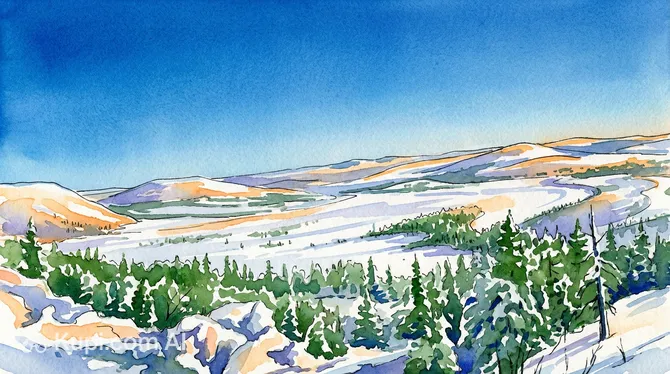
Ust-Kuyga. Source: Kupi.Binoculars

The geography of Ust-Kuyga is defined by its proximity to the Arctic Circle, resulting in a harsh yet breathtakingly beautiful subarctic climate. Winters here are long and snowy, often illuminated by the mesmerizing Northern Lights (Aurora Borealis), while the short summers bring the tundra to life with vibrant colors. For those interested in the origins of this settlement, the history of Ust-Kuyga reveals its development as a crucial river port and logistics center, shaping the local culture and way of life.

Travelers venturing to this part of the world are typically drawn by the pristine wilderness. The Yana River itself is a major attraction, offering opportunities for scenic boat trips and fishing for local species like grayling. The surrounding landscapes feature dramatic hills and endless tundra, perfect for photography enthusiasts seeking unique shots of untouched nature. It is a destination that truly embodies the spirit of northern resilience and tranquility.

If you are looking for an adventure off the beaten path, Ust-Kuyga provides an authentic experience of the North. Whether you are passing through on a larger expedition or visiting to witness the stark beauty of Yakutia, this settlement welcomes you with its quiet charm and rugged surroundings.

Weather Overview

The climate in Ust-Kuyga is defined by its location in the Far North, resulting in extreme seasonal contrasts. Visitors will experience a subarctic environment characterized by long, harsh winters and short, mild summers. To plan your visit effectively, it is highly recommended to consult the detailed forecast for the weather in Ust-Kuyga before departure.

Winter is the dominant season, with temperatures dropping significantly. January is typically the coldest month, featuring an average temperature of -38.0°C and lows plunging to -40.1°C. Despite the severe cold, this period is remarkably dry, with months like January and February recording 0mm of precipitation. In contrast, the summer months offer a brief thaw. June is generally the warmest time of year, with average temperatures around 12.7°C and highs reaching 17.7°C. Expect cool summers with light precipitation and extremely cold, dry winters.

Interesting Facts

Beyond the main attractions, Ust-Kuyga holds many fascinating secrets that highlight its strategic importance in the Arctic. This remote settlement is not just a transit point; it is rapidly becoming a center for technological innovation and industrial development in the Far North.

  • A Nuclear Pioneer: Ust-Kuyga has been selected as the site for Russia's first land-based Small Modular Reactor (SMR), the RITM-200N. This cutting-edge energy project is designed to provide reliable, clean power to the isolated region, making the settlement a global forerunner in the use of next-generation nuclear technology adapted for harsh Arctic conditions.

  • The Gateway to Gold: The settlement serves as the primary logistical key to unlocking the massive Kyuchus gold deposit, one of the largest undeveloped gold fields in the Russian Federation. Without Ust-Kuyga's port facilities, accessing the mineral wealth hidden deep within the Verkhoyansk Range would be nearly impossible.

  • Lifeline of the North: Unlike many isolated Arctic settlements, Ust-Kuyga maintains a vital year-round connection to the mining center of Deputatsky via a permanent road. In winter, its logistical role expands further as it becomes a hub for seasonal ice roads (zimniks), utilizing the frozen Yana River to transport fuel and supplies to even more remote locations that are otherwise inaccessible.

  • Extreme Engineering: Constructing and maintaining infrastructure here requires overcoming the challenges of continuous permafrost. Buildings and pipelines in Ust-Kuyga are typically elevated on piles to prevent the heat from the structures from melting the frozen ground beneath, a testament to the specialized engineering required to survive in this unforgiving environment.

How to Get There

Reaching this remote Arctic outpost is an adventure in itself, requiring careful planning due to the vast distances and challenging climate of Yakutia. Since direct connections are limited, travelers should be prepared for a multi-leg journey. You can find detailed routes and logistics advice by reading more about how to get to Ust-Kuyga.

The most reliable and common method to arrive is by air. The settlement is served by its own regional airport, Ust-Kuyga Airport (IATA: UKG). There are no direct international flights to this location; almost all itineraries involve a transfer in Yakutsk, the capital of the Sakha Republic. From Yakutsk, local carriers such as Polar Airlines or Yakutia Airlines operate scheduled flights to Ust-Kuyga. The flight offers stunning views of the Verkhoyansk Range and the winding Yana River, though schedules can be subject to change depending on weather conditions.

Overland and water transport options are seasonal and much more arduous. Ust-Kuyga serves as a key river port on the Yana River, and during the short summer navigation period, it is possible to reach the settlement by water, although this is primarily for cargo. In winter, the region relies on zimniks (ice roads) that connect Ust-Kuyga to the mining town of Deputatsky and the Laptev Sea coast. There is no railway connection to the settlement; the nearest railheads are located thousands of kilometers to the south, making train travel impractical for reaching this specific destination.

Main Attractions

To the casual observer, Ust-Kuyga might seem like a modest settlement lost in the vastness of the Arctic, but for the intrepid traveler, it offers a front-row seat to some of the most dramatic natural wonders in the Russian Federation. The attractions here are not built by human hands but are sculpted by the raw forces of nature—wind, water, and extreme cold.

The Yana River is undoubtedly the centerpiece of the local landscape. As one of the major waterways of Yakutia, it dominates the scenery with its wide, powerful flow and rugged banks. In summer, the river is a lifeline for transport and a stunning spot for boat trips or fishing for grayling and nelma. In winter, it transforms into a solid highway of ice, offering a unique opportunity to walk or drive directly on the frozen surface, an experience that defines life in the Far North.

Rising majestically in the background are the foothills of the Verkhoyansk Range. This extensive mountain system is famous for being one of the coldest places on Earth, yet its beauty is undeniable. The snow-capped peaks and rocky ridges provide a breathtaking backdrop to the settlement. For photographers and nature lovers, the contrast between the stark, industrial elements of the port and the pristine, wild mountains creates a hauntingly beautiful atmosphere that is unique to this region.

One of the most spectacular sights in Ust-Kuyga is the Northern Lights (Aurora Borealis). Due to its location well above the Arctic Circle, the settlement is perfectly positioned for viewing this celestial phenomenon. From late autumn to early spring, the dark polar nights are frequently illuminated by dancing ribbons of green, purple, and violet light. Unlike in light-polluted cities, the skies here are incredibly clear, making the display particularly vivid and mesmerizing.

While not a traditional tourist site, the Ust-Kuyga Airport serves as a vital landmark and the gateway to this isolated world. Watching small regional aircraft land against the backdrop of the endless tundra and mountains is a reminder of the resilience required to live here. It is often the first and last point of contact for visitors, symbolizing the connection between this remote outpost and the rest of the world.

Finally, the surrounding Tundra offers a subtle but profound beauty. In the brief summer, the permafrost ground bursts into life with mosses, lichens, and wildflowers, creating a colorful carpet that stretches to the horizon. A walk on the outskirts of the village allows visitors to experience the silence and vastness of the Arctic wilderness, a feeling of solitude that is becoming increasingly rare in the modern world.

Local Cuisine

The local cuisine in Ust-Kuyga is a direct reflection of its harsh subarctic environment and the traditions of the Sakha Republic (Yakutia). In this remote corner of the Russian Federation, food is not just about sustenance; it is a source of warmth and energy essential for survival in the extreme cold. The diet relies heavily on protein and natural resources gathered from the surrounding tundra and the Yana River, offering adventurous eaters a chance to taste truly organic and wild flavors.

The absolute star of the local table is Stroganina. This delicacy consists of long, thin shavings of frozen raw fish, typically whitefish varieties like broad whitefish (chir) or nelma, caught in the pristine local waters. Served simply with a mixture of salt and black pepper, it melts in your mouth and is prized for its high vitamin content. Another popular variation is Indigirka salad, which features diced frozen fish mixed with onions, oil, and spices, providing a hearty and refreshing appetizer that is unique to the North.

Meat lovers will appreciate the prevalence of reindeer venison, a staple in the diet of the indigenous peoples of the North. It is prepared in various ways, from rich, warming stews served with potatoes or dough to simple fried cuts. The meat is lean, tender, and packed with nutrients. In addition to venison, horse meat is also a traditional part of Yakutian cuisine, often consumed to build endurance against the severe winter temperatures.

To accompany these hearty meals, locals rely on drinks that provide vitamins and warmth. Mors, a berry juice made from locally gathered lingonberries or cranberries, is a common non-alcoholic beverage. It is tart, refreshing, and rich in antioxidants. Hot black tea is consumed in large quantities throughout the day, often served with milk. While traditional fermented mare's milk (kumis) is iconic to Yakutia, in these high northern latitudes, it is less common than in the central regions, but you may still find it during celebrations.

The food scene in Ust-Kuyga is modest and lacks formal dining establishments like high-end restaurants. Instead, the "gastronomic center" of the settlement is often the domestic kitchen. The best way to experience authentic local cooking is through the hospitality of residents or at small local canteens and bakeries that serve simple, home-style meals. For tourists, a picnic with freshly caught fish cooked over an open fire on the banks of the Yana River is often the most memorable dining experience of the trip.

Travel Tips

Visiting Ust-Kuyga is a journey into the true North, where the extreme climate and remote location require careful preparation. To ensure your adventure in this unique Arctic settlement is safe and enjoyable, here are some practical tips to help you navigate local life.

  1. Dress for the Arctic: The most critical factor is the weather. In winter, thermal underwear, a heavy down parka, insulated trousers, and boots rated for at least -40°C are mandatory. Do not forget a windproof hat and mittens. In summer, while temperatures are milder, the tundra is infamous for swarms of mosquitoes and midges (gnus). Bring heavy-duty insect repellent and clothing with mosquito nets to protect your face and skin.

  2. Walking is the Way: Ust-Kuyga is a compact settlement, and there is no public transport system like buses or trams. Most places within the village are accessible on foot. For travel to neighboring areas like Deputatsky or for transport from the airport, you will rely on private vehicles or arranged transfers. Ride-hailing apps do not work here; transport is usually organized through local contacts or your accommodation host.

  3. Cash is Essential: While digital payments are spreading across the Russian Federation, reliance on cards in remote Arctic settlements can be risky due to connection issues. Bring sufficient cash in Russian Rubles (RUB) for daily expenses at small shops or for paying private drivers. There may be limited ATM facilities, and they might run out of cash or be out of service, so it is best to arrive prepared.

  4. Health and Supplies: The local pharmacy is small and may not stock specific prescription medications or international brands. Pack a comprehensive first-aid kit containing painkillers, cold remedies, and any personal medication you require. Medical assistance is available at the local clinic, but for serious emergencies, evacuation to Yakutsk might be necessary, so travel insurance including medical evacuation is highly recommended.

  5. Language Barrier: English is virtually non-existent in Ust-Kuyga. The primary language is Russian, and many residents also speak Yakut. It is essential to download an offline translation app or bring a phrasebook. Learning a few basic words like "Zdravstvuyte" (Hello) and "Spasibo" (Thank you) will be greatly appreciated by the locals and can help break the ice.

  6. Respect Local Customs: Northern hospitality is warm and genuine. If you are invited into a home, always remove your shoes at the door—this is a strict rule in Russia, especially in snowy regions. It is also polite to bring a small gift, such as tea or sweets. When in nature, respect the land; local beliefs often hold the river and mountains as spirited entities, so avoid littering or making excessive noise.

  7. Don't Underestimate the Cold: Never wander far from the settlement alone, especially in winter or during a snowstorm (purga). The weather can change instantly, and visibility can drop to zero. Frostbite can occur in minutes on exposed skin. If you plan to explore the surroundings or the frozen river, always go with a local guide who knows the terrain and the ice conditions.

  8. Connectivity check: Mobile internet can be slow or intermittent. The major Russian operators (MTS, Megafon) usually have the best coverage in Yakutia, but you should buy a SIM card in a larger city like Yakutsk before arriving. Do not rely on finding high-speed Wi-Fi in the settlement; treat this trip as a chance to disconnect and enjoy the wild surroundings.

By keeping these practicalities in mind, you will be well-equipped to handle the challenges of the Far North. With the right gear and a respectful attitude, your visit to Ust-Kuyga will be a memorable exploration of resilience and natural beauty.

Entertainment & Nightlife

Travelers expecting a vibrant urban nightlife scene with thumping bass and neon lights will find Ust-Kuyga to be a world apart. As a small, remote settlement in the Arctic, the concept of "nightlife" here is redefined by the environment and the close-knit community. There are no nightclubs, cocktail bars, or bustling entertainment districts. Instead, the evening atmosphere is characterized by profound silence, the crackling of frost, and the warm glow of windows against the dark polar night.

The most spectacular "light show" in town is provided by nature itself. During the long winter nights, the lack of light pollution makes Ust-Kuyga a prime location for witnessing the Northern Lights (Aurora Borealis). The "nightlife district" is effectively anywhere with an open view of the sky, particularly on the outskirts of the settlement facing the Verkhoyansk Range. Visitors often spend their evenings bundled up in thermal gear, gazing upward as ribbons of green and violet dance across the stars—an experience that rivals any club performance.

Social life in the evenings tends to revolve around private gatherings and community events rather than commercial venues. The local House of Culture (Dom Kultury) often serves as the social heart of the village, hosting concerts, holiday celebrations, and gatherings that bring residents together. While there are no dedicated bars, you might find a small local café or a shop that stays open a bit later, serving as a casual meeting point for locals to exchange news. The atmosphere is informal and welcoming, but visitors should be respectful of the local way of life, which prioritizes quiet and rest after a hard day of work in the harsh climate.

For practical advice, timing and preparation are key. If you venture out at night, safety is less about crime and more about the elements. The streets are generally safe, but the extreme cold can be dangerous; always dress in multiple layers and cover exposed skin. Street lighting may be sparse on the edges of the settlement, so carrying a flashlight is recommended. There are no taxis to hail; getting around is done entirely on foot within the village. As for costs, prices for goods in local shops can be higher than on the mainland due to the complex logistics of delivery, so budget accordingly.

During the daylight hours, entertainment shifts to exploring the unique surroundings. Daytime activities are low-key and nature-focused. You might visit the local library or simply take a walk along the high bank of the Yana River to watch the tugboats and barges (in summer) or the ice crossings (in winter). For those interested in local history and geology, engaging with residents can reveal fascinating stories about the gold mining industry and the settlement's development, offering a cultural depth that compensates for the lack of traditional tourist attractions.

Parks & Museums

Parks and Museums:

Given the remote location and small population of Ust-Kuyga, travelers should not expect to find traditional museum complexes or manicured city parks. The settlement does not possess formal institutions with ticketed exhibitions or botanical gardens. Instead, the cultural and recreational life of the community is integrated into the daily rhythm of the settlement and the raw, natural environment that surrounds it.

The primary center for cultural preservation is typically the local House of Culture (Dom Kultury). In settlements across the Russian Federation, these venues act as the heart of social life. While not a museum in the strict sense, the center often houses a library and small, informal displays dedicated to the history of the district. Visitors might find photographic exhibits showcasing the development of the Yana River port, the history of aviation in the Arctic, or artifacts reflecting the traditions of the indigenous peoples of the North.

In place of paved urban parks, the Yana River embankment serves as the main promenade for locals. In the warmer months, the riverbank offers a starkly beautiful setting for walking, where the industrial aesthetic of the port cranes contrasts with the wild, rolling hills of the Verkhoyansk Range. This "natural park" extends indefinitely into the surrounding tundra, where the vegetation itself—mosses, lichens, and dwarf willows—creates a unique botanical landscape that requires no gardening.

Public monuments in Ust-Kuyga are modest and serve as places for quiet reflection. Like most Russian settlements, the village maintains a memorial space dedicated to the memory of the Great Patriotic War (World War II). These well-tended markers are central to the community's identity, offering a space where residents gather to honor history amidst the challenging conditions of the Arctic.

Getting Around

Travelers planning a trip to Ust-Kuyga should adjust their expectations regarding public transportation. As a small, remote settlement with a population of around 1,500 people, the town does not possess a formal public transport network. There are no metros, trams, trolleybuses, or scheduled city bus routes circulating within the village limits. The infrastructure is designed for a compact community where most daily activities are conducted within a small radius.

The primary mode of getting around Ust-Kuyga is simply walking. The settlement is small enough that you can traverse it on foot in a relatively short time. During the winter months, however, walking requires appropriate thermal clothing, as temperatures can drop extremely low. For longer distances or when carrying heavy luggage, locals rely on private vehicles. The ubiquitous Russian UAZ vans and off-road vehicles are the standard here, designed to handle the rugged terrain and snow-covered roads.

Since there is no municipal transport system, there are no travel passes, transport cards, or ticket validation machines. You will not find mobile apps for buying tickets or tracking bus schedules. The payment system for any transport services you do encounter—such as a ride from the airport or a transfer to a neighboring settlement—is almost exclusively cash. It is crucial to carry small denominations of the local currency, as drivers often do not have card terminals or reliable internet connections for banking apps.

For transport to and from the Ust-Kuyga Airport or the nearby mining town of Deputatsky, travelers typically rely on arranged transfers. These are often organized by local entrepreneurs using minibuses or "shift buses" (vachtovka) adapted for the North. There is no fixed timetable for these services in the urban sense; they usually depart based on flight arrivals or when the vehicle is full. You should negotiate the price in advance and confirm the departure point with your accommodation host or local contacts.

Taxis exist in an informal capacity. There are no ride-hailing apps like Uber or local equivalents operating in the settlement. Instead, "taxi" services are provided by local residents using their private cars. To catch a ride, you generally need the phone number of a local driver, which can be obtained at the airport, local shops, or from your host. Prices are fixed per trip rather than metered, and they can be higher than on the mainland due to the cost of fuel and vehicle maintenance in the Arctic.

A unique feature of transport in this region is the seasonal variation in vehicles. In winter, snowmobiles (burans) are a popular and practical alternative to cars for getting around the outskirts or crossing the frozen river. In summer, motorboats become the primary means of transport for anyone needing to travel along the river or visit fishing spots. While there are no official rental stations for bikes or cars, you might be able to negotiate a boat or snowmobile ride with a local guide for an authentic Arctic experience.

Accommodation

Finding a place to stay in Ust-Kuyga requires a shift in expectations. As a remote transport hub in the Arctic, the settlement does not offer the variety of accommodation found in tourist cities. There are no luxury resorts, international hotel chains, or hostels with backpacker vibes. Instead, accommodation is strictly functional, designed primarily to serve shift workers, pilots, and the occasional traveler passing through on business or expedition.

The options are typically limited to a few small, locally run hotels (gostinitsa) or guest houses. These facilities provide basic amenities: a warm bed, shared or private bathrooms, and protection from the elements. The comfort level is modest, often resembling dormitory-style living or simple private rooms. In some cases, travelers may find accommodation in converted apartments or private homes, which offer a more domestic atmosphere but lack formal hotel services.

In terms of location, the settlement is compact enough that specific neighborhoods matter little. Most accommodation is situated centrally, within walking distance of the few shops and administration buildings. Being close to the Yana River port can be convenient during the summer navigation season, while proximity to the road leading to the airport is beneficial for those with early flights. Regardless of where you stay, the silence of the tundra is never far away.

Booking Tips: You cannot rely on major international booking platforms or apps to secure a room here. Most establishments do not have an online presence. The most effective way to book is by finding a local phone number and calling directly, or by having your local contact or tour guide make arrangements on your behalf. It is highly recommended to secure your accommodation well in advance, as the limited number of beds can fill up quickly with workers or during bad weather when flights are delayed.

Prices and Payment: Despite the basic conditions, prices can be relatively high for the level of service, reflecting the high cost of heating and maintaining infrastructure in the Far North. Be prepared to pay in cash (Russian Rubles). Credit card terminals are rare, and internet connections for mobile transfers can be unreliable. Always ensure you have enough physical currency to cover your entire stay before arriving in the settlement.

Nearby Cities

For those looking to explore the surroundings, Ust-Kuyga serves as an excellent base for day trips to several interesting nearby locations:

One of the most fascinating destinations in the region is Batagay. Located relatively close by Yakutian standards, it is best known as the gateway to the spectacular Batagayka Crater. Often referred to as the "Gateway to the Underworld," this massive thermokarst depression is a geological wonder that exposes ancient permafrost layers, offering a unique window into the Earth's climatic history and paleontology.

For those drawn to the coast, Tiksi offers a profound Arctic experience. Situated on the shores of the Laptev Sea, this legendary port town is known as the "Sea Gates of Yakutia." A visit here allows travelers to witness the raw power of the Arctic Ocean, the vast Lena River Delta, and the unique architecture of a settlement built to withstand the most extreme polar conditions.

Further afield lies Ust-Nera, a settlement nestled at the confluence of the Nera and Indigirka rivers. It is a hub for the region's gold mining industry and is surrounded by the dramatic peaks of the Chersky Range. While the journey is longer, the breathtaking mountain scenery and the opportunity to experience the rugged lifestyle of the "Pole of Cold" region make it a compelling destination for adventurous travelers.

City Population Distance (km)
Belaya Gora 10000 450
Ust-Nera 9148 688
Tiksi 5700 306
Sangar 4633 763
Batagay 4266 263

These nearby destinations offer a glimpse into the diverse culture and landscapes of the region.

Shopping & Souvenirs

To be completely honest, shopping in Ust-Kuyga is a strictly utilitarian experience rather than a leisure activity. Due to its remote location in the Arctic and its small population, the settlement does not have shopping centers, fashion boutiques, or souvenir shops. The retail scene is focused entirely on survival and daily necessities. For tourists, visiting the local stores offers a fascinating glimpse into the logistics of life in the Far North, where every item on the shelf has traveled thousands of kilometers to get there.

There are no designated shopping streets or districts in the traditional sense. The few existing stores are scattered throughout the settlement, mostly located within walking distance of the central administration buildings and the residential areas. These establishments are typically small, family-run "magazins" (general stores) that sell a mix of everything—from groceries and canned goods to household chemicals, warm clothing, and fishing gear.

Travelers looking for shopping malls will not find them here. The scale of the settlement does not support large retail complexes. The closest equivalent is a larger general store that might stock a slightly wider variety of goods, including electronics or appliances, but the selection is limited to what can be transported by river barge in summer or by ice road in winter. Consequently, prices for almost all goods are significantly higher than in central Russia due to the extreme costs of "Northern delivery."

While there is no formal marketplace with stalls and canopies, an informal market exists among the locals. The most valuable commodities here are natural resources. Residents often sell freshly caught fish, reindeer meat, and locally gathered berries (such as cloudberries, lingonberries, and cranberries) directly from their homes or vehicles. In winter, you might find "trunk sales" of frozen fish near the central areas. Buying directly from a local fisherman is the best way to get the highest quality produce.

When it comes to souvenirs, you won't find fridge magnets or postcards. The best mementos from Ust-Kuyga are edible or practical. The top choice is undoubtedly local fish, particularly muksun, chir, or nelma, which are prized delicacies across the Russian Federation. You might also find jars of homemade berry jam or dried herbs. Occasionally, locals may sell handmade items like fur mittens (varezhki) or beaded crafts, but these are usually found by asking around rather than in a shop.

Opening hours for local stores are generally standard, typically from 09:00 or 10:00 to 19:00 or 20:00. Some smaller shops may close for a lunch break in the afternoon, usually between 13:00 and 14:00. On weekends, hours may be reduced. Regarding payment, cash is absolutely essential. While some stores may have card terminals, internet connection failures are common in the Arctic, rendering them useless. Always carry enough Russian Rubles in small denominations to cover your purchases.

The Tax-Free shopping system (VAT refund) is not available in Ust-Kuyga. This system is generally limited to major international retailers in the largest Russian cities and does not apply to the small local businesses found in remote Yakutian settlements.

Nearby cities

Reached the end of the page?

That means the route is fully explored