Support

Yekaterinburg

About

Yekaterinburg is a dynamic and historically significant metropolis often referred to as the "Capital of the Urals." Strategically located on the eastern slope of the Ural Mountains, it serves as a vital gateway connecting the European and Asian parts of the Russian Federation. With a population of nearly 1.5 million people, it is the fourth-largest city in the country and the administrative center of the Sverdlovsk Oblast, offering a unique blend of industrial power and modern cultural vibrancy.

The city boasts a fascinating past that dates back to its founding in 1723. Visitors interested in the region's heritage can delve deeper into the history of Yekaterinburg to understand its evolution from an iron-making fortress to a contemporary hub of commerce and arts. The local climate is continental, characterized by distinct seasons that transform the city's appearance from snowy winter landscapes to lush, green summers.

Yekaterinburg. Source: Kupi.Binoculars

One of the most intriguing features for travelers is the opportunity to stand with one foot in Europe and the other in Asia at the symbolic border obelisk located just outside the city. Within the city limits, the Church on the Blood stands as a prominent landmark and a site of historical importance, commemorating the Romanov dynasty. Additionally, Yekaterinburg is celebrated for its impressive collection of Constructivist architecture and a thriving street art scene that adds color to its streets.

Whether you are fascinated by geological wonders, historical mysteries, or urban culture, Yekaterinburg offers a memorable experience. It is a destination that truly rewards curiosity, inviting travelers to explore the vibrant heart of the Ural region.

Weather Overview

The climate in Yekaterinburg is continental, marked by distinct seasonal changes that shape the travel experience. Winters are typically cold and stable, with January being the coldest month, featuring an average temperature of -13.3°C and lows dipping to -16.2°C. Travelers visiting during this time should be prepared for freezing conditions and snowy landscapes.

Summer brings a pleasant transformation, offering warm days ideal for sightseeing. July is generally the warmest month, with average highs reaching 23.9°C and an overall average temperature of 18.7°C. While the warmer months are inviting, they also bring increased humidity; June sees the highest frequency of precipitation with approximately 14 wet days.

For those finalizing their travel dates, it is helpful to consult the detailed guide on the weather in Yekaterinburg to pack suitable clothing. Generally, visitors can expect warm summers with occasional rain and cold, dry winters.

Interesting Facts

Beyond the main attractions, Yekaterinburg holds many fascinating secrets and unique distinctions that often surprise visitors. From ancient artifacts to quirky modern art, the city offers a layer of depth that goes far beyond its industrial reputation.

Keyboard Monument. Source: Kupi.Binoculars
  • The Oldest Wooden Sculpture: Yekaterinburg is home to the Big Shigir Idol, which is widely considered the oldest known wooden sculpture in the world. Housed in the Sverdlovsk Regional Museum of Local Lore, this ancient artifact is estimated to be around 11,000 years old—making it significantly older than the Egyptian Pyramids and Stonehenge.

  • A Monument to the Digital Age: The city features one of the most unusual art installations in Russia, the Keyboard Monument. This giant concrete recreation of a computer keyboard consists of 86 keys embedded in the ground, where locals and tourists alike enjoy jumping from key to key to "type" out their wishes.

  • A Laboratory of Constructivism: Architecture enthusiasts often flock here to see a rare concentration of Soviet Constructivist buildings preserved from the 1920s and 1930s. The White Tower, a former water tower, stands as a celebrated icon of this avant-garde style and a testament to the city's bold experimental history.

  • The Red Line: Exploring the city center is made incredibly easy by a literal red line painted on the pavement. This 6.5-kilometer circular walking route connects the most significant historical and cultural sights, allowing independent travelers to navigate the best of Yekaterinburg without a map/guide.

How to Get There

As a major transportation hub connecting Europe and Asia, the city is well-connected and accessible by various means of transport. For a complete overview of routes and travel tips, you can read more about how to get to Yekaterinburg in our detailed guide. Most travelers choose to arrive by air, landing at the city's modern international airport, or by train via the famous Trans-Siberian Railway.

The primary gateway for air travelers is Koltsovo (IATA: SVX), which serves as the main international airport for the region. It is conveniently located approximately 15 km from the city center. A trip by taxi or car usually takes around 45 minutes, depending on traffic. For those looking for alternative flight options, you might also consider Balandino (IATA: CEK) in the neighboring city of Chelyabinsk. However, please note that this airport is about 179 km away from Yekaterinburg, requiring a significantly longer transfer time by bus or taxi.

For clarity, here is a summary of the main airports in the vicinity:

Airport Name City Passenger Traffic Km from City
Koltsovo Yekaterinburg Large 14.7
Roshchino Tyumen Medium 286.8
Balandino Chelyabinsk Medium 179.3

If you prefer traveling by train, Yekaterinburg is a key stop on the Trans-Siberian Railway, making it easily accessible by rail from many parts of the country. The main railway hub is Yekaterinburg-Passazhirsky Station, located just 1.4 km from the city center. This central location means you can reach your hotel or major attractions very quickly, often within 20 to 25 minutes by taxi or public transport.

Below is a list of railway stations serving the area:

Station City Passenger Traffic Km to Center
Yekaterinburg-Passazhirsky Station Yekaterinburg Very High 1.4
Pervouralsk Railway Station Pervouralsk Small 41.0
Bazhenovo Station Asbest Small 43.4
Revda Railway Station Revda Small 44.0
Polevskoy Railway Station Polevskoy Small 49.4

Main Attractions

Yekaterinburg offers a diverse array of sights that blend imperial history, Soviet heritage, and modern innovation. Whether you are interested in architecture, art, or panoramic views, the city has something to captivate every traveler.

One of the most prominent landmarks is the Church on the Blood. This majestic golden-domed cathedral was built on the historic site of the Ipatiev House, where the last Tsar of Russia, Nicholas II, and his family spent their final days. Today, it serves as a significant pilgrimage site and a museum, offering visitors a chance to reflect on a pivotal moment in the country's past while admiring the stunning Russian-Byzantine architecture.

Church on the Blood. Source: Kupi.Binoculars

For a deep dive into more recent history, the Yeltsin Center is a must-visit cultural hub. Dedicated to the first president of the Russian Federation, this modern complex houses an award-winning interactive museum that chronicles the transformative events of the 1990s. Beyond history, the center features an art gallery, educational spaces, and a bookstore, making it a vibrant part of the city's contemporary life.

Yeltsin Center. Source: Kupi.Binoculars

The historic heart of the city beats at Plotinka, the dam on the Iset River where Yekaterinburg's industrial story began in 1723. The surrounding area has been transformed into a beautiful public space with gardens, sculptures, and a scenic embankment. It is a favorite spot for locals to walk, relax, and enjoy city festivals, offering a picturesque view of the water and the city's skyline.

To see the metropolis from above, travelers should head to the Vysotsky Observation Deck. Located on the 52nd floor of one of the northernmost skyscrapers in the world, this open-air platform provides breathtaking panoramic views of the Urals. It is particularly magical at sunset, allowing visitors to see the city lights stretch out towards the horizon.

Vysotsky Observation Deck. Source: Kupi.Binoculars

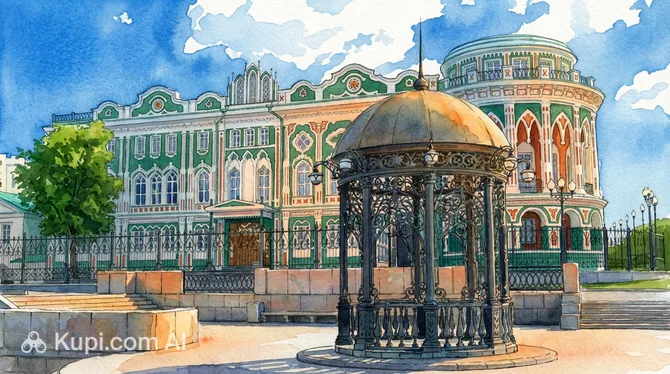
Art enthusiasts will find a treasure trove at the Yekaterinburg Museum of Fine Arts. The museum is famous for its unique collection of Kasli iron casting, a local craft that gained international acclaim. The centerpiece is the intricate Kasli Iron Pavilion, a masterpiece that won the Grand Prix at the Paris World Exhibition in 1900, which stands alongside a rich collection of Russian and Western European paintings.

Local Cuisine

The culinary landscape of Yekaterinburg is a hearty reflection of its geography, blending traditional Russian flavors with the rich natural bounty of the Ural Mountains. Due to the region's cold winters, the local cuisine tends to be filling and substantial, focusing on high-quality meats, forest mushrooms, and berries. For tourists, this means a fantastic opportunity to taste authentic comfort food that warms the soul.

The undisputed king of the local table is the Ural pelmeni. While these dumplings are famous across Russia, the Ural variety is distinct for its specific mixture of minced meats—typically beef, pork, and mutton—encased in thin, delicate dough. They are traditionally served with vinegar, mustard, or sour cream. Another unique local specialty is the bird cherry cake (cheremukhoviy tort). Made from ground dried bird cherries, the flour gives the sponge cake a dark, chocolate-like color and a distinct nutty, slightly tart flavor that pairs perfectly with sour cream frosting.

Yekaterinburg also holds a quirky gastronomic title: it has often been cited as having the highest per capita consumption of mayonnaise in the world. Locals love to add this condiment to salads, soups, and hot dishes, so don't be surprised to see it featured prominently on menus. Beyond this, the city has a vibrant dining scene ranging from nostalgic Soviet-style canteens to modern gastronomic projects that reinvent Ural recipes.

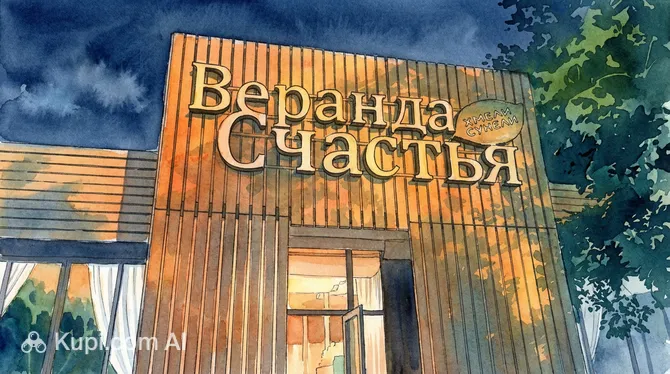
Khmeli Suneli. Source: Kupi.Binoculars

Travelers looking for a memorable meal have excellent options. If you are in the mood for high-quality steaks and a robust meat menu, Zhadina Govyadina is a popular spot with a distinct character. For those who enjoy the rich and spicy flavors of the Caucasus, which are incredibly popular in the region, Khmeli Suneli offers a warm atmosphere and delicious Georgian dishes. Alternatively, if you prefer a European tavern vibe with hearty snacks, Pan Smetan is a well-regarded choice.

When it comes to drinks, the Urals are at the forefront of Russia's craft beer revolution. The region is home to several renowned breweries, and you can find excellent local IPAs, stouts, and lagers in many bars across the city. For non-alcoholic options, tea made with local herbs like oregano and thyme is a soothing staple, often enjoyed after a long walk through the city's parks.

Travel Tips

Welcome to Yekaterinburg, the vibrant gateway between Europe and Asia! To help you navigate this dynamic city with ease and confidence, we have compiled a set of essential guidelines that cover everything from packing the right gear to understanding local customs.

  1. Clothing and Gear: The weather in the Urals can be unpredictable, so packing layers is key. For winter visits, thermal underwear, a heavy down jacket, and non-slip boots are mandatory to withstand temperatures that can drop well below freezing. In summer, light clothing is sufficient, but always carry a compact umbrella for sudden showers. If you plan to visit the Church on the Blood or other religious sites, modest dress is required: women should cover their heads and wear skirts or long trousers, while men should avoid shorts and hats indoors. Don't forget a standard European power adapter (Type C or F) for your electronics.

  2. Transportation: The city has an extensive public transport network, including buses, trams, and a compact but efficient metro system—the shortest in the world, yet very convenient for crossing the city center. For the most comfort, use ride-hailing apps like Yandex Go, which are reliable and often overcome language barriers better than hailing a cab on the street. Car rental is generally unnecessary unless you plan to explore the distant Ural Mountains independently.

  3. Finances: The local currency is the Russian Ruble (RUB). It is critically important to know that credit and debit cards issued outside of Russia currently do not work within the country. You must bring sufficient cash in major currencies (USD or EUR) to exchange at local banks or official exchange points upon arrival. ATMs will not accept foreign cards. Tipping is appreciated but not mandatory; leaving 10% in restaurants is standard practice if the service was good.

  4. Health and Safety: Yekaterinburg is generally a safe city for tourists, but standard precautions apply. Avoid drinking tap water; buying bottled water is the safest choice to avoid stomach upsets. Pharmacies, marked with a green cross and the word "Apteka", are widespread, and many operate 24/7. In case of any emergency, dial 112, which is the universal number for police, ambulance, and fire services.

  5. Communication: While younger people and hotel staff may speak English, it is not widely spoken by the general public. It is highly recommended to download an offline translation app and the 2GIS map app, which provides incredibly detailed offline navigation for Russian cities. Purchasing a local SIM card is easy at official mobile operator stores (like MTS, Beeline, or MegaFon) using your passport, ensuring you have internet access throughout your stay.

  6. Local Etiquette: Russians may seem reserved on the street, but they are warm and hospitable in private. When entering a local's home, it is customary to remove your shoes immediately. A firm handshake is the standard greeting for men. In public transport, it is considered polite to give up your seat to elderly people, pregnant women, or passengers with small children.

  7. What to Avoid: Do not photograph government buildings, military personnel, or security checkpoints, as this is strictly prohibited. Also, avoid raising your voice or behaving rowdily in public places, especially near monuments and churches, as locals value public order and respect for historical sites.

  8. Navigation Hack: Make use of the colored lines painted directly on the sidewalk in the city center. The Red Line is a 6.5-kilometer self-guided walking tour that loops past the city's top attractions, while the Blue Line connects sites related to the Romanov family. Following these lines is the easiest way to see the best of Yekaterinburg without needing a physical map.

Armed with these practical tips, you are all set to uncover the unique charm of the Ural capital. Yekaterinburg is a city that rewards the prepared traveler with rich history, fascinating architecture, and warm local hospitality.

Entertainment & Nightlife

Yekaterinburg comes alive after sunset, transforming from a busy industrial hub into a vibrant center of nightlife and culture. As a city with a large student population and a thriving creative scene, the nightlife here is diverse, ranging from sophisticated jazz lounges to energetic dance clubs. The heart of the action is concentrated in the city center, particularly along Malysheva Street, 8 Marta Street, and the pedestrian-friendly Vaynera Street, where bars and pubs are often clustered close together, making bar-hopping easy and popular.

For those who appreciate live music and a refined atmosphere, the EverJazz Jazz Club is a standout venue. It is widely regarded as the first professional jazz club in the Urals, hosting performances by top local musicians and international guests. The setting is intimate and cozy, perfect for a relaxed evening with a glass of wine and high-quality sound. It attracts a slightly more mature and artistic crowd, and while there is no strict formal dress code, smart casual attire is recommended to match the elegant vibe.

EverJazz Jazz Club. Source: Kupi.Binoculars

If you are looking for a high-energy experience or a major concert, Tele-Club is the legendary go-to spot. Known as one of the best concert platforms in Russia outside of Moscow and St. Petersburg, it regularly hosts famous rock bands, hip-hop artists, and electronic DJs. The venue has a raw, industrial feel and can hold a large crowd, making it the epicenter of the city's party scene on weekends. Be sure to check their schedule in advance, as events vary significantly in genre and ticket availability.

For a mix of entertainment, dining, and spectacular views, the Antey Entertainment Center is a landmark skyscraper that offers something for everyone. It houses restaurants, a bowling alley, and nightlife venues under one roof. It is also famous for its observation deck, allowing you to pair your night out with a stunning panoramic view of the city lights.

When planning a night out, keep in mind that the most active nights are Friday and Saturday, with venues typically staying open until 4:00 AM or 6:00 AM. Prices in Yekaterinburg are generally more affordable than in the capital, with cocktails and cover charges being reasonably priced. Most clubs enforce "face control," so dressing neatly and arriving sober is essential for entry. The city center is safe for walking at night, especially in well-lit areas, but for getting back to your hotel, it is best to order a taxi through a mobile app rather than hailing one on the street.

While the nightlife is exciting, Yekaterinburg also offers plenty of daytime entertainment for families and leisure travelers. The Yekaterinburg Oceanarium is a fantastic place to explore marine life, featuring underwater tunnels and dolphin shows. For those seeking interactive fun, Galileo Wonderland Park offers mind-bending optical illusions and science-based puzzles that are entertaining for both children and adults. Nature lovers can also enjoy a peaceful stroll in Mayakovsky Central Park, the city's main green space filled with attractions and walking paths.

Yekaterinburg Oceanarium. Source: Kupi.Binoculars

Parks & Museums

Beyond its industrial heritage and modern skyline, Yekaterinburg surprises visitors with an abundance of refreshing green spaces and a deep respect for cultural history. The city offers a perfect balance for travelers, allowing you to transition easily from exploring ancient artifacts to relaxing in picturesque gardens.

For a breath of fresh air, locals and tourists alike flock to Mayakovsky Central Park. As the city's primary recreational area, it is a vibrant hub of activity featuring amusement rides, open-air cafes, and a children's railway. In winter, the park transforms into a festive wonderland with a massive ice skating rink and snow slides, while summer brings festivals and leisurely walks along its wooded paths.

Those seeking a more romantic and historical atmosphere should visit the Kharitonov-Rastorguyev Estate Park. Located near the Church on the Blood, this English-style garden dates back to the early 19th century. It surrounds a magnificent neoclassical mansion and features a serene pond with a rotunda, making it a favorite spot for photographers and couples looking for a quiet escape in the city center.

Kharitonov-Rastorguyev Estate Park. Source: Kupi.Binoculars

A truly unique natural landmark located within the city limits is the Stone Tents (Shartash Stone Tents). These ancient granite rock formations, shaped like stacked mattresses or tents, are over 300 million years old. Situated near Lake Shartash, they serve as an archaeological monument where traces of ancient human settlements have been found, offering a fascinating mix of geology and history for nature lovers.

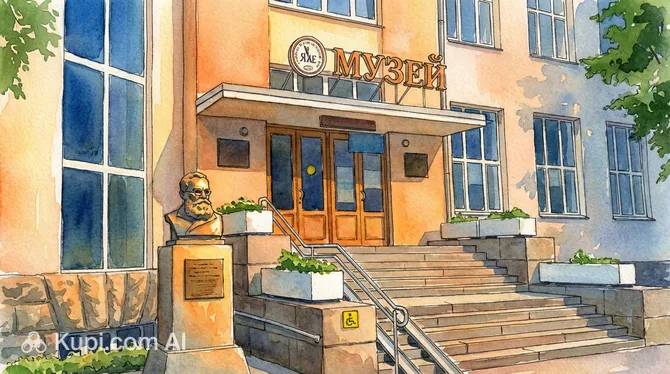
To understand the rich tapestry of the region's past, a visit to the Sverdlovsk Regional Museum of Local Lore is essential. This institution houses a vast collection that covers everything from the natural history of the Ural Mountains to the industrial development of the area. It provides context to the unique identity of the Urals and is home to the famous Shigir Idol, the world's oldest wooden sculpture.

Sverdlovsk Regional Museum of Local Lore. Source: Kupi.Binoculars

For fans of Soviet culture and music, the Vladimir Vysotsky Museum is a captivating destination. Located in the Vysotsky skyscraper, it is dedicated to the legendary Russian bard and actor. The museum features a meticulously recreated hotel room where Vysotsky stayed, along with personal belongings, including his Mercedes car and handwritten lyrics, offering an intimate look into the life of a cultural icon.

Among the city's architectural gems, the Novo-Tikhvin Convent stands out for its grandeur. This extensive monastery complex, founded in the 18th century, features the stunning Alexander Nevsky Cathedral, a prime example of Russian classicism. Visitors are welcome to explore the peaceful grounds and admire the beautifully restored interiors.

For an insider's experience, take a stroll through the Dendrological Park on 8 Marta Street. It is a meticulously maintained botanical garden that feels like a secret oasis in the middle of the bustling city, perfect for a quiet afternoon break amidst rare plants and flowers.

Getting Around

Navigating Yekaterinburg is straightforward and affordable, thanks to a well-developed public transport network that covers the entire metropolis. The system includes a metro line, an extensive tram network, trolleybuses, and buses. For a tourist, this variety means you can easily reach both the historic center and the more distant residential districts without needing a car.

The crown jewel of the city's transport is the Yekaterinburg Metro. Although it consists of just one line with nine stations, it is incredibly efficient for crossing the city from north to south, avoiding traffic jams entirely. It is often cited as one of the shortest metros in the world, but it is also one of the most atmospheric; many stations feature Soviet-era designs with marble pillars and chandeliers, making the ride a sightseeing experience in itself. Trains run frequently, typically every few minutes during peak hours.

For surface travel, trams are a local favorite and often the most scenic way to see the city streets. The tram network is vast and reliable. Buses and trolleybuses complement the trams, reaching areas that the rail lines do not. You might also encounter smaller minibuses, known locally as marshrutkas. These can be faster than large buses but are often more crowded and stop only on request.

Paying for rides is convenient for visitors. The city uses a unified transport card called E-karta, which offers discounted fares compared to single tickets. However, for a short stay, you do not strictly need one. Most buses, trams, and the metro accept contactless bank cards directly. On surface transport, a conductor will usually approach you with a portable terminal to take payment, or you can tap your card on the validators installed on handrails. Cash is also accepted, but carrying small change is appreciated.

Public transport generally operates from around 5:30 AM until midnight. If you plan to stay out late, be aware that services become less frequent after 10:00 PM. To plan your route, it is highly recommended to use mobile apps like 2GIS or Yandex Maps. These apps are indispensable in Yekaterinburg, showing real-time arrival times, optimal routes, and even the exact location of the bus you are waiting for.

If you prefer more privacy or speed, taxis are a very popular and inexpensive alternative. You generally cannot hail a cab from the curb; instead, use apps like Yandex Go or Uber Russia to book a ride. This eliminates language barriers, as you set the destination on your phone and see the fixed price in advance. During the warmer months, the city is also filled with electric scooters available for rent via apps, which are perfect for short trips along the embankment or through the parks.

Accommodation

Accommodation:

Finding a place to stay in Yekaterinburg is generally straightforward, as the city offers a wide range of options to suit every budget and preference. From modern business hotels and international luxury chains to cozy boutique guesthouses and affordable hostels, the hospitality infrastructure is well-developed. The prices here are typically more reasonable than in Moscow or St. Petersburg, allowing travelers to enjoy a higher standard of comfort for their money.

For the best experience, most tourists prefer to stay in the city center, specifically within the "Golden Quadrant" formed by the central streets. Staying near Plotinka (the Historic Square) or along Lenin Avenue places you within walking distance of the main museums, theaters, and restaurants. This area is not only convenient for sightseeing but also offers a lively atmosphere in the evenings.

Plotinka. Source: Kupi.Binoculars

If you prefer a quieter environment, the residential districts adjacent to the center offer comfortable apartments and smaller hotels. These areas are well-connected by public transport, including the metro and trams, making it easy to reach the main attractions in 10–15 minutes. Business travelers often choose hotels near the Yekaterinburg-Passazhirsky railway station or the World Trade Center for logistical convenience.

Booking Tips: It is highly recommended to book your accommodation in advance, especially if you plan to visit during the summer months or major holidays like the City Day in August. While you can often find last-minute deals, the best value options tend to sell out quickly. You can easily reserve rooms through major online booking platforms or directly via hotel websites. When checking in, remember that foreign citizens must have their migration card handy, as hotels are required to register your stay with the local authorities.

Nearby Cities

For those looking to explore the surroundings, Yekaterinburg serves as an excellent base for day trips to several interesting nearby locations:

City Population Distance (km)
Kamensk-Uralsky 169,929 91
Pervouralsk 124,447 43
Novouralsk 81,202 56
Verkhnyaya Pyshma 71,241 15
Asbest 64,091 53

Among these, Verkhnyaya Pyshma stands out as a must-visit destination, located practically on the outskirts of Yekaterinburg. It is globally renowned for the UMMC Museum Complex, which houses one of the world's largest collections of military equipment and vintage automobiles, making it a fascinating stop for history and technology enthusiasts. For those seeking natural beauty, Kamensk-Uralsky offers a picturesque retreat. Often called an open-air geological museum, the city is famous for the stunning Iset River Canyon and unique rock formations like the Stone Gates, which are best explored via a river boat tour.

These nearby destinations offer a glimpse into the diverse culture and landscapes of the region.

Shopping & Souvenirs

Shopping in Yekaterinburg offers a vibrant mix of modern retail therapy and traditional Ural craftsmanship. As a major commercial hub, the city caters to all tastes, ranging from massive entertainment complexes and international fashion brands to quaint boutiques selling unique local stones. Whether you are looking to update your wardrobe or find a one-of-a-kind souvenir, the "Capital of the Urals" provides a diverse and exciting shopping experience.

The heart of the city's street retail is undoubtedly Vaynera Street, often referred to as the "Ural Arbat." This lively pedestrian thoroughfare in the city center is lined with historic buildings, statues, and a multitude of shops. It is the perfect place to stroll, browse through souvenir stands, and visit smaller boutiques. While walking here, you can enjoy the atmosphere of the old merchant city combined with modern cafes and street performers.

For a comprehensive shopping experience, the city boasts several impressive malls that are destinations in themselves. The most famous is Greenwich, a colossal shopping center located right in the downtown area. It is one of the largest malls in Russia, designed to feel like a city within a city, complete with statues, fountains, and themed sections. It houses a vast array of international and Russian brands, a cinema, and numerous dining options, making it easy to spend an entire day there.

Greenwich. Source: Kupi.Binoculars

Another popular spot, especially for families, is MEGA Yekaterinburg. Located on the western outskirts, it is a favorite for its wide selection of fashion retailers and home goods. For those seeking a mix of shopping and outdoor leisure, Raduga Park offers a unique concept. It combines a shopping mall with a large landscaped park featuring rides and walking paths, allowing visitors to relax in nature after a shopping spree.

To experience the local flavor, visiting a market is a must. The Shartashsky Market is well-known among locals for fresh produce, regional delicacies, and honey. Here, you can find high-quality ingredients and taste the bounty of the Ural forests, such as berries and mushrooms in season.

When it comes to souvenirs, Yekaterinburg is famous for its semi-precious stones and minerals. The Ural Mountains are legendary for their deposits of malachite, jasper, and rhodonite. Jewelry boxes, figurines, and accessories made from these stones are the quintessential local gift, inspired by the famous fairy tales of Pavel Bazhov. Additionally, edible souvenirs like pine cone jam or cakes made with bird cherry flour are delicious treats to bring back home.

Most major shopping centers and supermarkets operate daily, typically from 10:00 AM to 10:00 PM. While credit cards are widely used by locals, international tourists should be aware that cards issued outside of Russia do not currently work. Therefore, it is essential to carry sufficient cash (Rubles) for all your purchases. Some high-end stores may offer Tax-Free shopping for eligible tourists, but given the current payment limitations, it is best to check the specific conditions at the customer service desk of each store.

Nearby cities

Reached the end of the page?

That means the route is fully explored